British North America
British North America refers to the British colonies and territories in North America after the United States declared independence in 1776 and was formally recognized in 1783. This historical designation encompasses the regions that would eventually form the modern nation of Canada, along with Bermuda, from the end of the American Revolutionary War until Confederation in 1867. The period was defined by colonial administration, territorial expansion, and political developments that set the stage for Canadian nationhood. The foundational British North America Act of 1867 united key provinces into the Dominion of Canada, creating a constitutional monarchy with a parliamentary system of government. Understanding this era is central to comprehending the colonial origins and federal structure of contemporary Canada.
Origins and Territorial Composition
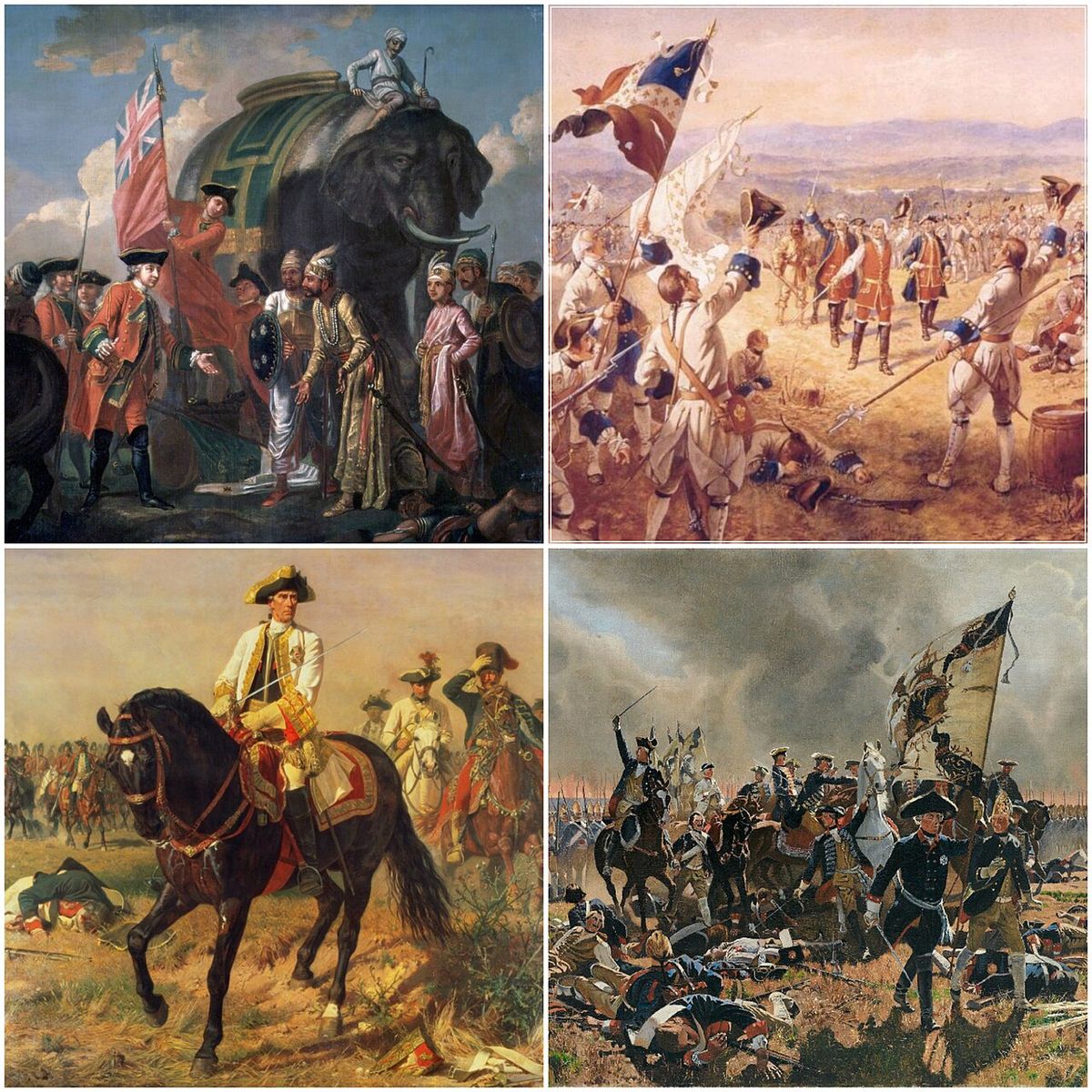
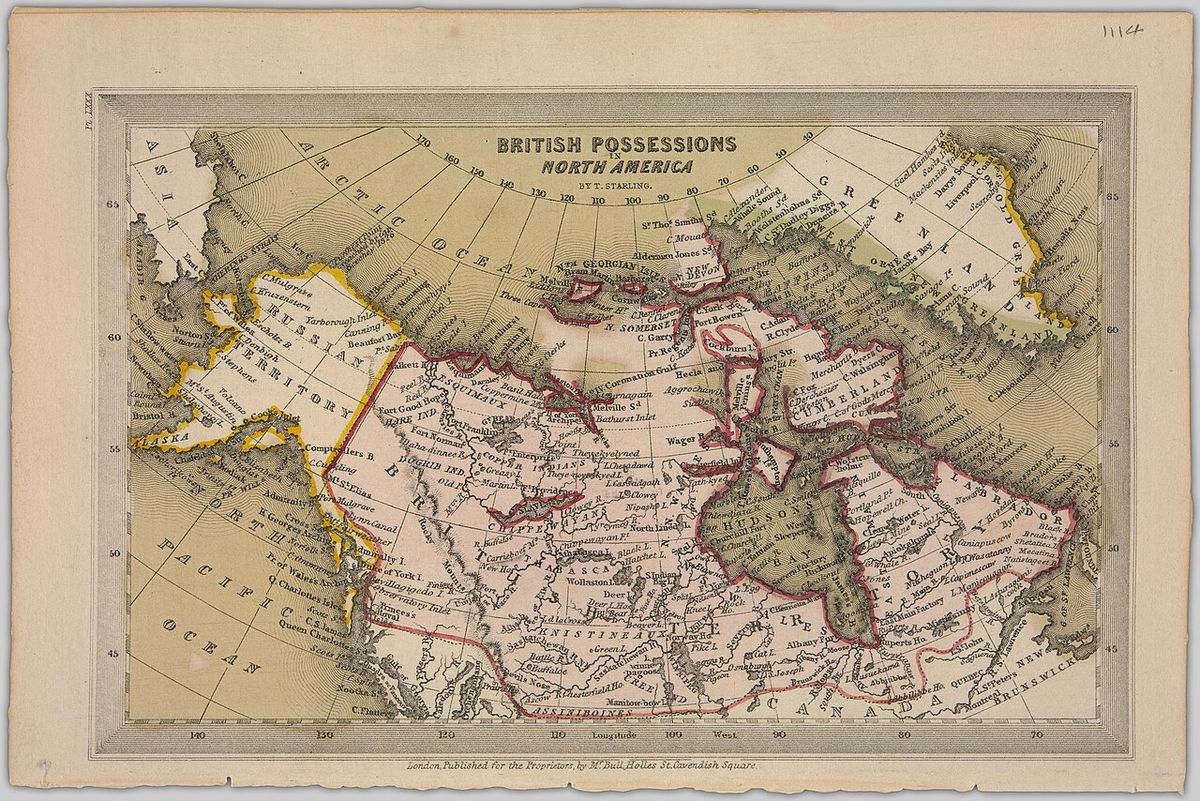
The entity known as British North America emerged from the geopolitical reorganization following the American Revolutionary War. The Treaty of Paris in 1783 confirmed the independence of the Thirteen Colonies, leaving Great Britain with its remaining continental and Atlantic possessions. These territories were vastly expanded earlier by the Treaty of Paris in 1763, which concluded the Seven Years' War and transferred most of New France to British control. The initial colonial territories after 1783 included the provinces of Quebec and Nova Scotia, the islands of Newfoundland and St. John's Island, the vast Hudson's Bay Company territories of Rupert's Land and the North-Western Territory, and the Atlantic archipelago of Bermuda. British claims also extended to the Arctic regions. The British government initially grouped Bermuda administratively with the Maritime provinces and Newfoundland.
The influx of Loyalists fleeing the new United States reshaped the demographic and political map of British North America. The settlement of these refugees in Nova Scotia led to the creation of New Brunswick as a separate colony in 1784. That same year, Cape Breton Island was also split off from Nova Scotia. To address cultural and legal differences, the Constitutional Act of 1791 divided the Province of Quebec into Upper Canada and Lower Canada. These divisions established the basic provincial framework that would evolve into modern Ontario and Quebec. Prince Edward Island received its current name in 1799, having been known as St. John's Island. The British Arctic Territories were also part of British North America.
Political Evolution and Administrative Changes
The early 19th century saw further administrative consolidation and change across the colonies. Cape Breton Island was reunited with Nova Scotia in 1820. The 1839 Report on the Affairs of British North America recommended responsible government and the union of the Canadas. This led to the Act of Union in 1841, which merged Upper and Lower Canada into the single Province of Canada. On the Pacific coast, separate colonies were established with the creation of Vancouver Island in 1849 and the mainland colony of British Columbia in 1858, following the Fraser Canyon Gold Rush. These two western colonies were united under the name British Columbia in 1866. The colonies operated under a system of colonial governance, with appointed lieutenant governors and executive councils. The push for responsible government, where the executive would be accountable to an elected legislative assembly, became a central political struggle. The colonial economies were largely resource-based, focusing on the Atlantic fishery, timber, and wheat, and were closely tied to British markets.
Military Conflicts and Defence
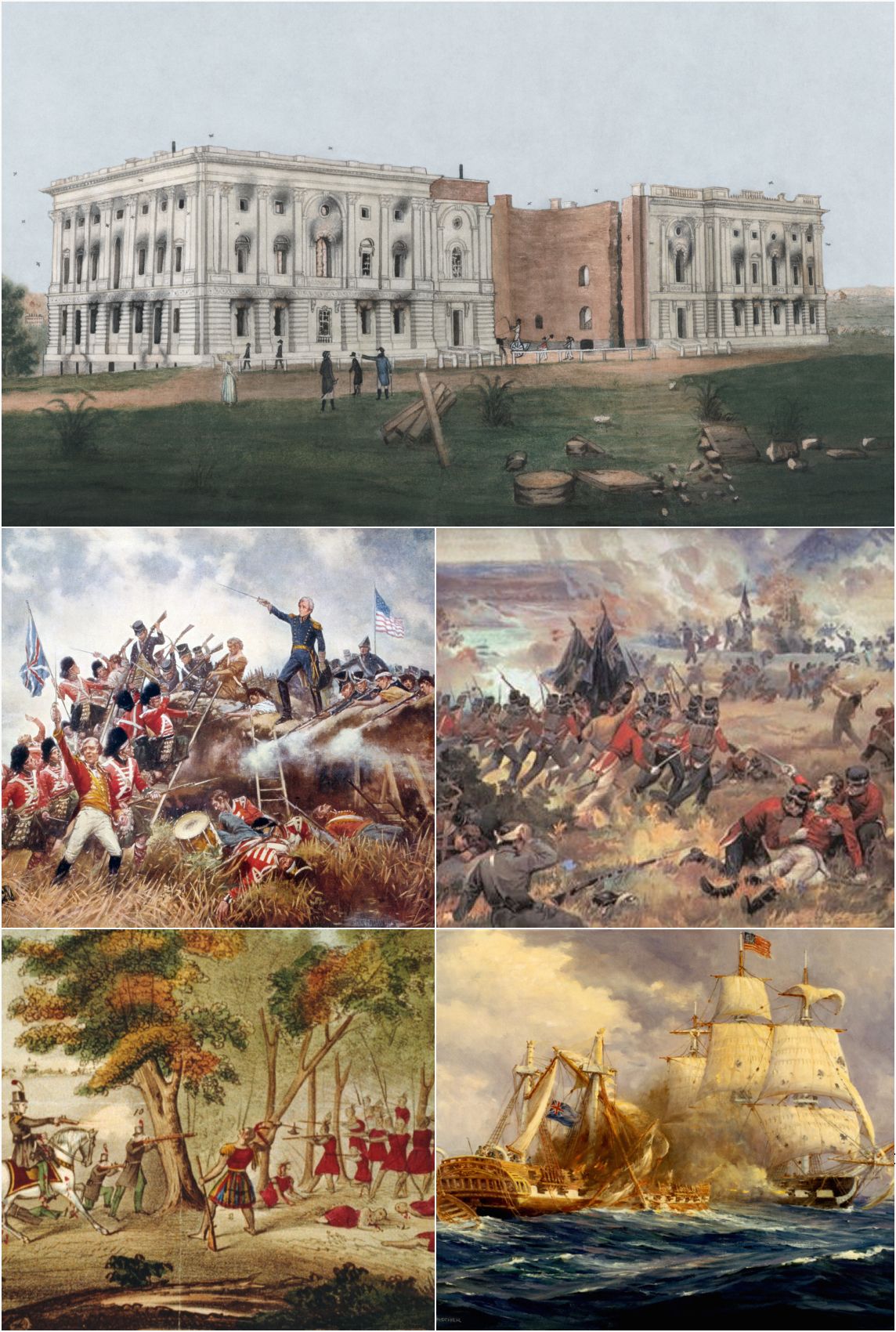
British North America was a theatre of significant military conflict, most notably during the War of 1812. Initiated by the United States against the United Kingdom, the war was fought largely in North America. American strategy included the conquest of the British colonies, with early targets being Upper Canada and Lower Canada. Key battles occurred on Canadian soil, including the Battle of Queenston Heights, the Battle of Lundy's Lane, and the burning of York. The British military, including regular troops, Canadian militia, and Indigenous allies, mounted a successful defence. British forces based in Bermuda played a central role in naval blockades and launching amphibious assaults on the American Atlantic coast, such as the Chesapeake Campaign, which included the burning of Washington in August 1814. The war highlighted the colonies' vulnerability and their dependence on British military power for defence.
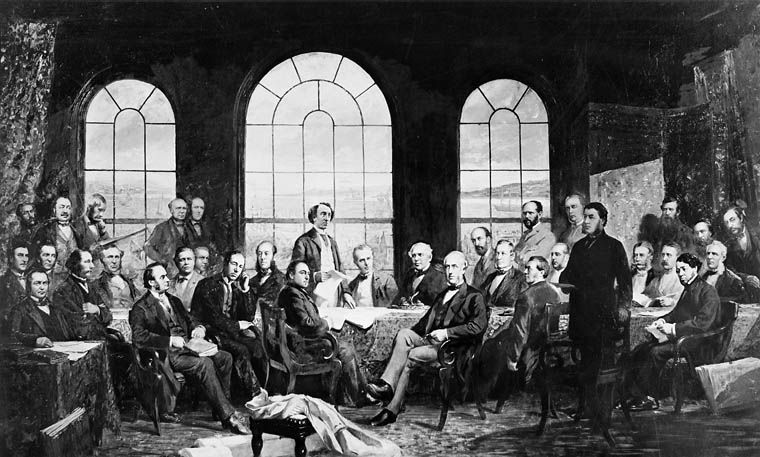
This reliance became a pressing concern again during the American Civil War in the 1860s, when British North America faced tensions with the Union. The colonies' limited capacity for self-defence, combined with Britain's growing reluctance to bear the financial burden of garrisoning them, became a powerful impetus for political union. The need for a coordinated defence policy was a key topic discussed at the Charlottetown and Quebec Conferences leading to Confederation. The Fenian raids from the United States in the 1860s further demonstrated the ongoing security threats facing the colonies.
- 1812 to 1815: War of 1812 fought between the United States and the United Kingdom, primarily in British North America.
- July 1814: Battle of Lundy's Lane, the bloodiest battle of the war, fought in present-day Niagara Falls, Ontario.
- August 1814: British forces from Bermuda raid the Chesapeake Bay, leading to the Burning of Washington.
- 1813: U.S. forces burn the legislative buildings in York, the capital of Upper Canada.
- 1866: The British Army's Nova Scotia Command, which included Bermuda, was abolished, lifting the Bermuda Garrison to a separate Bermuda Command.
The Path to Confederation
A confluence of political, economic, and military pressures in the 1860s propelled the separate colonies of British North America toward union. Economically, the loss of preferential trade with Britain and the abrogation of the Reciprocity Treaty with the United States in 1866 threatened colonial prosperity. Politically, the Province of Canada was deadlocked between its English and French sections, making governance difficult. Militarily, the colonies feared American expansionism, especially after the Civil War, and Britain was eager to reduce its defence expenditures. The idea of a broader federal union gained traction as a solution to these challenges.
The London Conference of 1866 finalized the agreement, leading to the drafting of the British North America Act by the British Parliament. It united the provinces of New Brunswick, Nova Scotia, and the Province of Canada, which was split into the new provinces of Ontario and Quebec. The new entity was named the Dominion of Canada, with a federal government established in Ottawa. This political achievement did not initially include all British North American colonies. Newfoundland, Prince Edward Island, British Columbia, and the vast western territories would join later. The British Army withdrew from Canada in 1871, handing military defence over to the Canadian Militia.
Key Colonies and Their Populations
The demographic and economic character of British North America varied significantly from colony to colony. British North America comprised the colonial territories of the United Kingdom in North America from 1783 to 1907. These territories included those forming modern day Canada and Bermuda. The term British North America came to be used more consistently for the provinces that would eventually form Canada following the 1839 Durham Report.
| Colony | Established/Separated | Notes |
|---|---|---|
| Province of Quebec | 1763 (post-New France) | Divided into Upper & Lower Canada in 1791. |
| Nova Scotia | 1713 (Acadia) | Included New Brunswick & Cape Breton until 1784. |
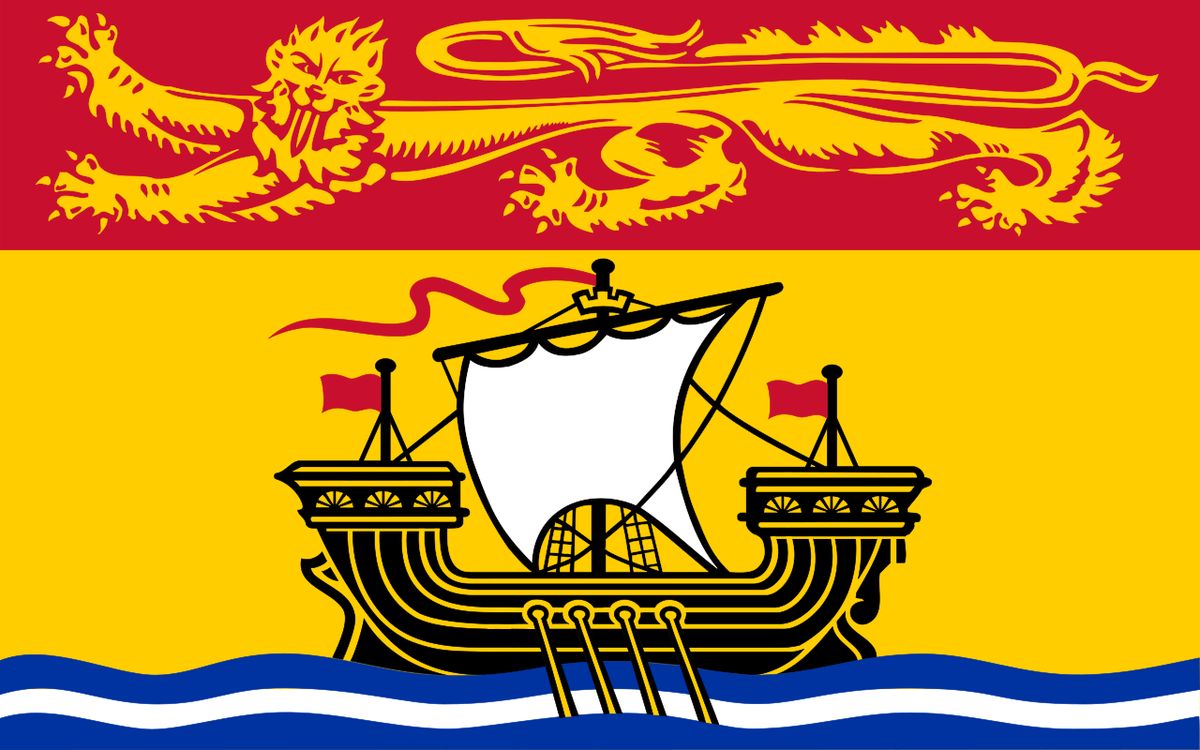
| New Brunswick | 1784 | Created from Nova Scotia due to Loyalist settlement. |
| Upper Canada | 1791 | English-speaking. Became Ontario in 1867. |
| Lower Canada | 1791 | French-speaking. Became Quebec in 1867. |
| Province of Canada | 1841 | Union of Upper and Lower Canada. |
| British Columbia | 1858/1866 | Mainland colony created 1858, united with Vancouver Island 1866. |
| Rupert's Land | 1670 | Hudson's Bay Company territory. Transferred to Canada 1870. |
| Newfoundland | 16th century | English colonisation began in the 16th century. Did not join Confederation until 1949. |
| Bermuda | 1612 | Remained a separate colony, not part of Canada. |
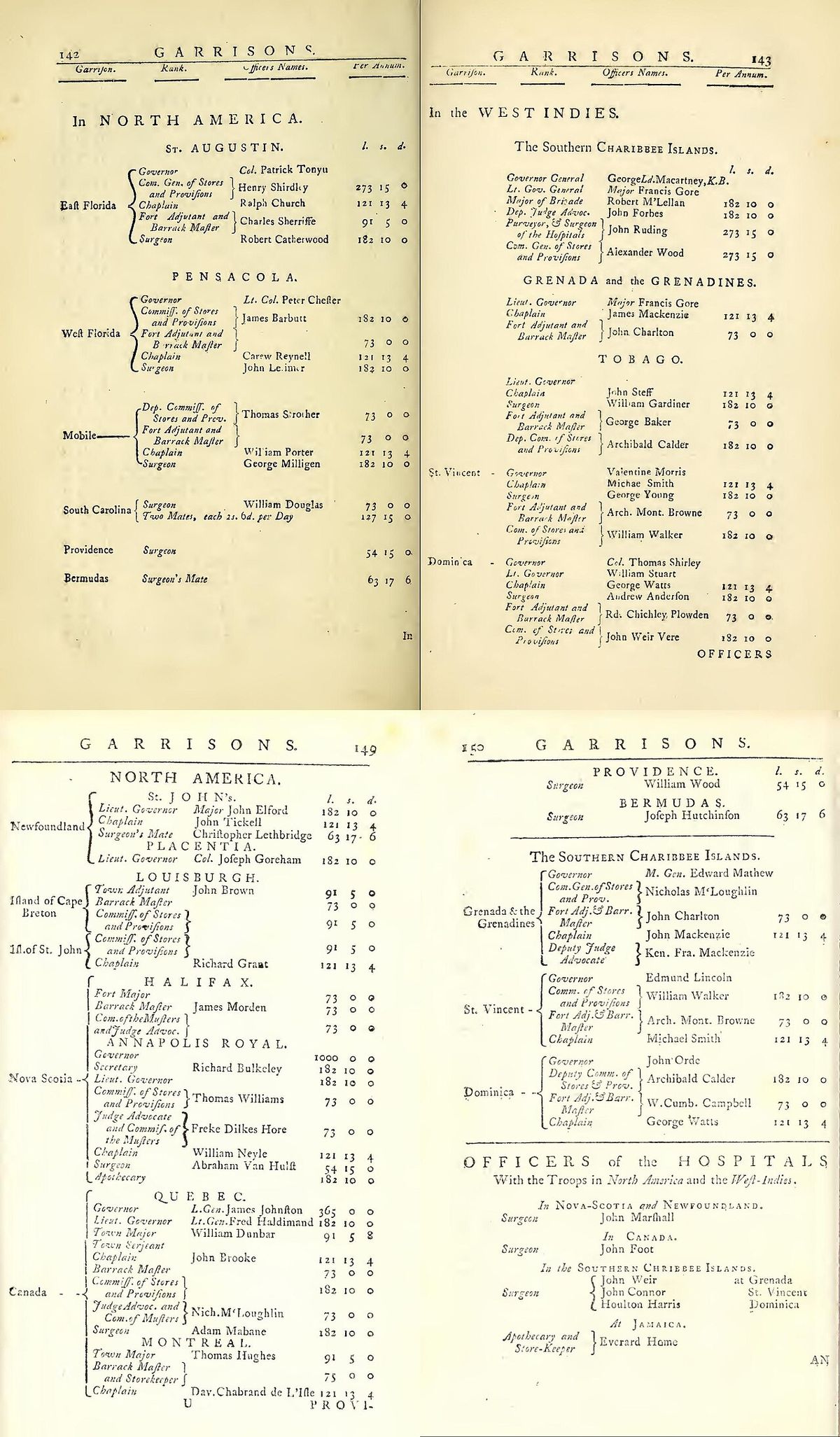
These colonies operated with varying degrees of autonomy. Bermuda was grouped with the Maritime provinces from 1783 and was administered with them. The Royal Navy established a base in Bermuda in 1794, and it became the year round headquarters of the North America and West Indies Station in 1821. Forces from Bermuda launched amphibious operations against the Atlantic coast of the United States during the War of 1812. The Church of England in Bermuda was part of the Diocese of Newfoundland and Bermuda from 1839 until 1919.
Bermuda's Unique Relationship
Bermuda occupied a distinct place within British North America due to its geographic location in the Atlantic Ocean. Although settled by the Virginia Company in 1612 and historically tied to the southern American colonies, it remained under British control after the American Revolution. From 1783, the British government grouped Bermuda administratively with the Maritime provinces and Newfoundland for military and some ecclesiastical purposes. Militarily, the Bermuda Garrison fell under the Nova Scotia Command until 1869. The Royal Navy established a major base at Bermuda, which served as the winter headquarters for the North America and West Indies Station, playing a central role in naval strategy. The base was used to orchestrate the blockade of the United States Atlantic seaboard and to stage raids such as the 1814 Chesapeake Campaign.
Ecclesiastically, Bermuda's Anglican church was linked with Newfoundland. From 1839, both were part of the Diocese of Newfoundland and Bermuda, sharing a bishop until 1919. Similarly, the Roman Catholic community in Bermuda was under the jurisdiction of the Archdiocese of Halifax, Nova Scotia, until 1953. These institutional connections show how Bermuda was integrated into the broader administrative framework of British North America, even as its subtropical climate and isolation set it apart from the continental colonies. Its political path diverged after 1867, as it did not join Canadian Confederation and remained a British colony. In 1907, when Newfoundland became a dominion, Bermuda became the sole remaining British North American colony and was thereafter grouped with the British West Indies for administrative purposes.
Constitutional Legacy and Modern Canada
The British North America Act, 1867, served as the foundational constitution of Canada for over a century. It established a federal system dividing powers between the central Parliament and the provincial legislatures, outlined the structure of Parliament, and guaranteed certain educational rights for religious minorities. The act created a constitutional monarchy, embedding the Crown as the foundation of executive authority. Some changes required an act of the British Parliament. This changed with the Constitution Act, 1982, which was proclaimed by Queen Elizabeth II in Ottawa. This act patriated the Canadian constitution, included the Canadian Charter of Rights and Freedoms, and formally renamed the original BNA Act as the Constitution Act, 1867. The legacy of the British North America period is deeply embedded in modern Canadian institutions, its bilingual character, and its federal-provincial dynamics. The term itself fell from official use after 1867, but the historical period it defines remains critical for understanding the colonial experiences, political negotiations, and external pressures that forged the Canadian state. The colonies' journey from separate entities to a united dominion represents a central narrative in the country's history.
Questions about British North America
Which colonies made up British North America?
The major colonies included the Province of Quebec, Nova Scotia, New Brunswick, Prince Edward Island, and Newfoundland. Following the Constitutional Act of 1791, Quebec was divided into Upper Canada and Lower Canada. Other significant territories were Rupert's Land, the North-Western Territory, the British Arctic Territories, and the colonies of Vancouver Island and British Columbia on the west coast. Bermuda in the Atlantic was also administratively linked to British North America for military and ecclesiastical purposes.
How did the War of 1812 affect British North America?
The War of 1812, fought between the United States and the United Kingdom, saw significant military action in the British North American colonies. American forces attempted to invade Upper and Lower Canada but were largely repelled by British regulars, Canadian militia, and Indigenous allies. The war included important battles such as Lundy's Lane and the burning of York. It heightened a sense of separate identity from the United States among colonists and showed the colonies' dependence on British military power for defence, a concern that later influenced the drive toward Confederation.
Why did the colonies of British North America unite in 1867?
The colonies united due to a combination of political deadlock, economic needs, and military fears. The Province of Canada faced political instability, while all colonies were concerned about American expansionism after the Civil War and the end of the Reciprocity Treaty. Britain was also urging greater self-sufficiency and reduced imperial defence costs. A series of conferences led to an agreement for a federal union, which promised stronger economic ties, a unified railway project, and a more coordinated defence policy, culminating in Confederation on July 1, 1867.
Did Bermuda ever join Canada?
No, Bermuda did not join Canadian Confederation. Although it was grouped administratively and ecclesiastically with the Maritime provinces and Newfoundland for much of the British North America period, it remained a separate British colony. Its geographic location in the mid-Atlantic and its distinct role as a naval base contributed to its separate political development. Bermuda's Anglican church shared a bishop with Newfoundland until 1919, but the island never became part of the Dominion of Canada. In 1907, it became the sole remaining British North American colony.
What was the British North America Act?
The British North America Act, 1867, also known as the Constitution Act, 1867, was the statute that formed the Dominion of Canada. Under this Act, three provinces of British North America joined to form one dominion under the Crown of the United Kingdom. These provinces were New Brunswick, Nova Scotia, and the Province of Canada, which later became Ontario and Quebec. This union, known as Canadian Confederation, took effect on July 1, 1867. The Act established a constitution similar in principle to that of the United Kingdom for the new dominion and served as Canada's primary constitutional document until it was patriated in 1982.
Sources and further reading
- British North America (Wikipedia)
- British North America, 1759‐1867 | Department of History, ... (queensu.ca)
- British North America (thecanadianencyclopedia.ca)
- The Chesapeake & Canadian Campaigns (whitehousehistory.org)
Checked by the Nosy Mag desk. Last updated 2026-10-20.