Fenian raids
The Fenian raids were a series of armed incursions into British North America, and later the Dominion of Canada, conducted by the Fenian Brotherhood, an Irish republican organization based in the United States, between 1866 and 1871. These cross-border attacks, launched from states like New York, Vermont, and Minnesota, aimed to seize Canadian territory to pressure Britain into granting Ireland independence. While militarily unsuccessful, the raids had a significant impact on Canadian history, galvanizing support for Confederation and exposing vulnerabilities in colonial defence. The events are studied as a formative chapter in Canada's national security history.
Origins and Objectives of the Fenian Brotherhood
The Fenian Brotherhood was established in the United States as the North American counterpart to the Irish Republican Brotherhood, a secret society dedicated to ending British rule in Ireland. Its ranks were filled largely by Irish immigrants, many of whom had fled after the failed 1848 rebellion. A significant number of these men gained extensive military experience by serving on both the Union and Confederate sides during the recently concluded American Civil War. The Fenians' central strategy was to invade and occupy Canadian territory, which they planned to use as a bargaining chip to exchange with Britain for Irish independence. This plan emerged amidst a tense post-Civil War atmosphere where American anger over perceived British support for the Confederacy led some in the U.S. government to tacitly ignore Fenian preparations along the border. The Fenian organization itself was divided, with a more militant 'Senate Faction' led by William R. Roberts advocating for direct action in Canada, while the 'Presidential faction' led by John O'Mahony focused more on fundraising for rebels in Ireland.
The 1866 Campaigns
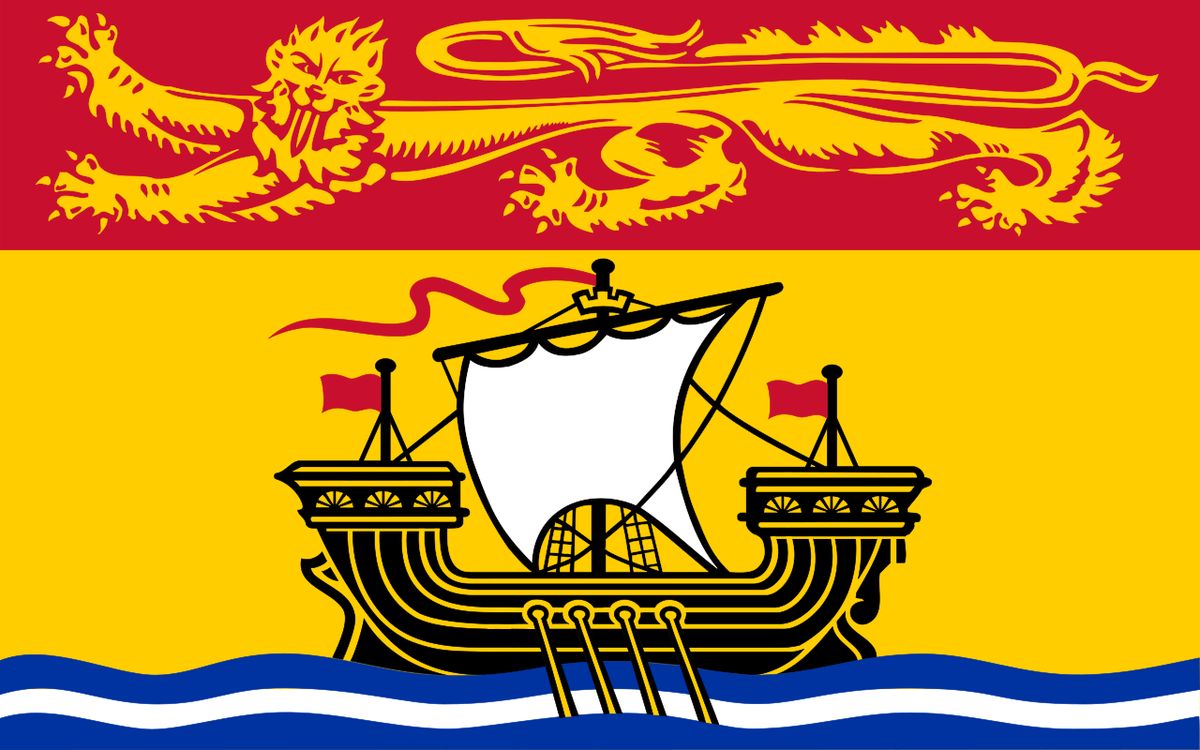
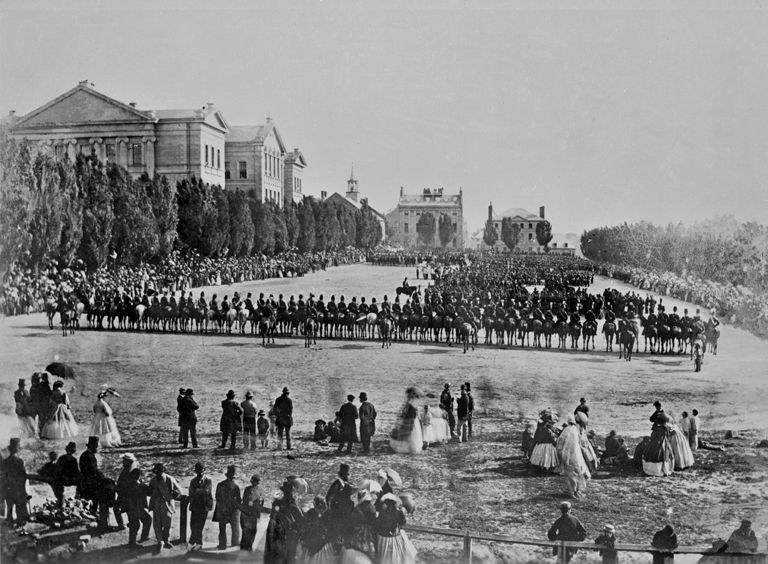
The first Fenian incursions occurred in 1866, beginning with an abortive attempt from Dedham, Massachusetts, where a local chapter organized a raid that failed to even reach the Canadian border. A more serious threat emerged in April 1866, when over 700 Fenians under Bernard Doran Killian gathered at the Maine shore opposite Campobello Island, New Brunswick. This threat was decisively countered by a strong show of British naval force from Halifax under Captain Charles Hastings Doyle, causing the Fenians to disperse without a fight. The failure of this New Brunswick raid, which had been sanctioned by Fenian leader John O'Mahony, shifted initiative to the more aggressive Senate Faction. Their strategy, drafted by General Thomas William Sweeny, a former Union Army officer, called for coordinated invasions into Canada West and Canada East.
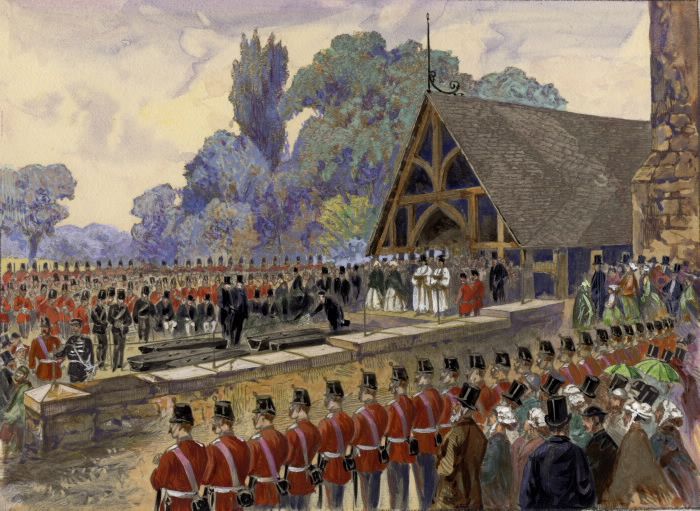
The main Fenian thrust came on June 1, 1866, when Colonel John O'Neill led between 1,000 and 1,300 battle-hardened veterans across the Niagara River from Buffalo, New York. They captured Fort Erie and then set an ambush for the advancing Canadian Militia. The resulting Battle of Ridgeway on June 2 saw inexperienced Canadian volunteers, including the Queen's Own Rifles of Toronto, clash with Fenian forces. A series of command errors and confusion led to a Canadian retreat after several hours of fighting. Canadian casualties included nine killed on the field or later dying of wounds, and four more succumbing to disease, with ninety-four wounded. Fenian losses were ten killed and sixteen wounded. Following a smaller skirmish at Fort Erie, O'Neill's force, cut off from reinforcements by the U.S. gunboat USS Michigan, retreated to Buffalo on June 3 and surrendered to American authorities.
Five days after the start of the invasion, U.S. President Andrew Johnson issued a proclamation requiring enforcement of the neutrality laws. Generals Ulysses S. Grant and George Meade were dispatched to secure the border. A separate, smaller raid into Canada East, known as the Pigeon Hill Raid, was led by General Samuel P. Spear beginning June 7. His force of 1,000 to 1,500 men occupied several villages in the Eastern Townships but quickly surrendered to Canadian troops on June 8 due to lack of supplies. On June 9, Private Timothy O'Hea of the British Army's Rifle Brigade earned a Victoria Cross for single-handedly fighting a fire in an ammunition car at Danville, Canada East.
Flags and Symbols of the Conflict
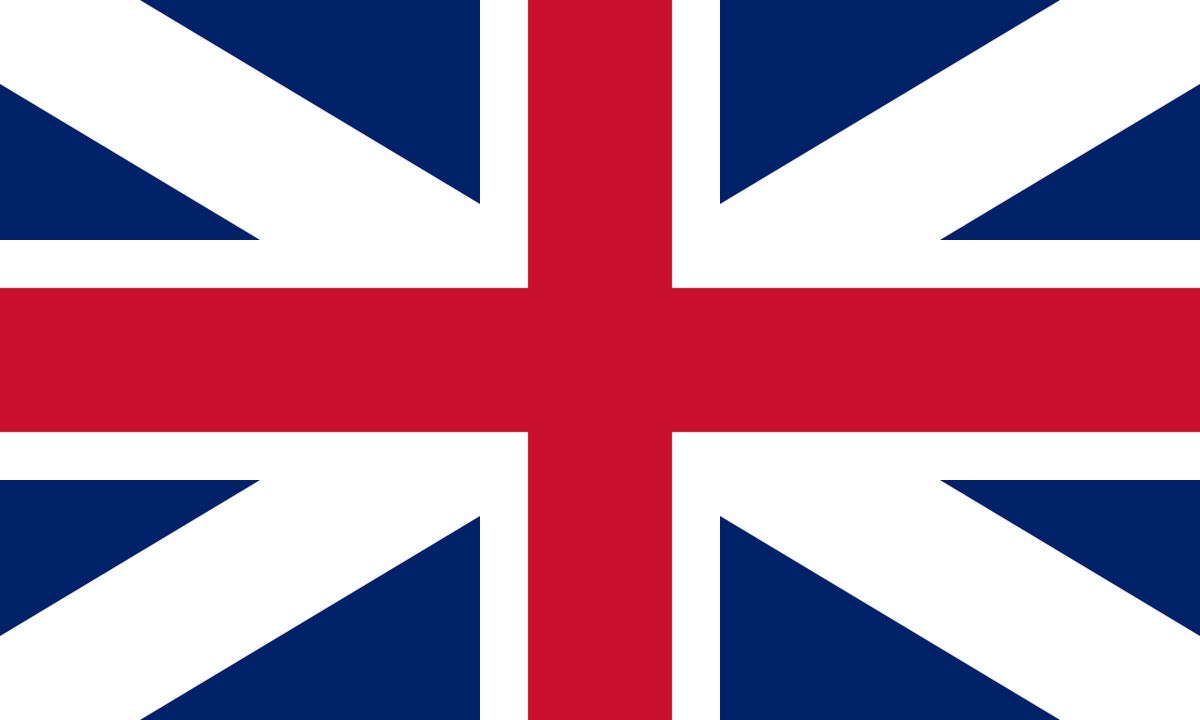
The Fenian raids were characterized by distinct flags carried by both sides. The Fenian Brotherhood officially adopted a unique flag on Saint Patrick's Day in 1866, which resembled the American Stars and Stripes but featured a green canton with a white harp. More commonly in the field, they flew various green flags bearing a golden harp, a traditional Irish symbol. Individual Fenian chapters often had their own unique banners, and in May 1866, a flag manufacturer in Albany, New York, received an order for 50,000 Fenian flags. Fenians sometimes captured and desecrated British flags, such as flying a captured Red Ensign upside down beneath their own green banner. The Canadian Militia primarily flew the Red Ensign and the Union Jack into battle. During the 1866 raids, Fenians captured at least three British flags, including one described as large from the Battle of Ridgeway and a Red Ensign taken at Frelighsburg.
Later Raids and the Manitoba Incursion
Fenian activity resumed from 1870 to 1871, though on a diminished scale. On May 25, 1870, a Fenian force was anticipated and repulsed by Canadian soldiers at Eccles Hill, Quebec, thanks to intelligence from informant Thomas Miller Beach. Two days later, on May 27, another raid was turned back by Canadian troops at the Battle of Trout River, near Huntingdon, Quebec. The final raid was orchestrated by John O'Neill, who had resigned from the Fenian Brotherhood's main wing. In October 1871, O'Neill, along with William B. O'Donoghue and John J. Donnelly, led about 35 men from Minnesota in an attempt to invade Manitoba. They captured a Hudson's Bay Company post and a customs house, but a U.S. survey proved both locations were actually inside American territory. O'Neill and his men were arrested by U.S. soldiers led by Captain Loyd Wheaton near Pembina, Dakota Territory. Louis Riel's Métis, having just made peace with the British, captured O'Donoghue and handed him over to American authorities. O'Neill was released without charge, and his followers were deemed 'dupes' by a court.
Military Mobilization and Casualties
The Fenian raids tested the fledgling Canadian Militia system. During the critical period of the 1866 raids, a total of 37,170 volunteers answered the call to defend the provinces, though the militia's authorized strength was 40,000 men. The militiamen were largely inexperienced volunteers with only basic drill training, contrasting sharply with the Fenian ranks filled with American Civil War veterans. Both sides were often armed with similar weapons, primarily Enfield or Springfield rifled muskets. The Canadian government's Militia Department calculated the casualty figures for the 1866 raids in 1868, listing 31 Canadian dead and 103 wounded or disabled by disease. These numbers included deaths from battlefield injuries and illness contracted while on service across both Canada West and Canada East. Fenian casualties at the Battle of Ridgeway alone were ten killed and sixteen wounded.
Immediate Aftermath and Political Repercussions
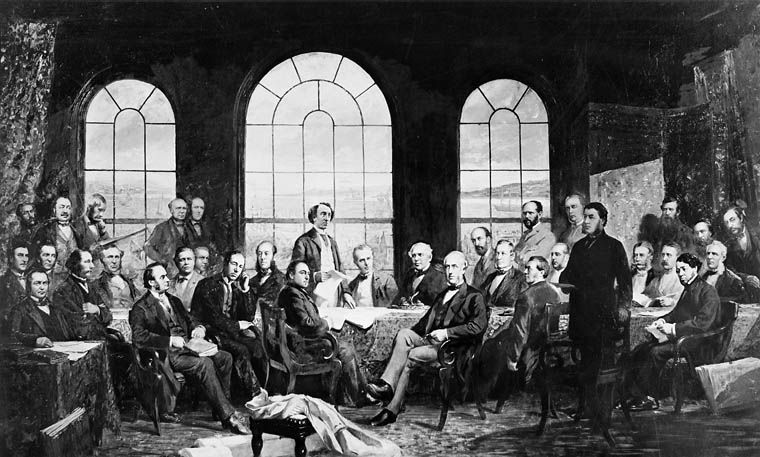
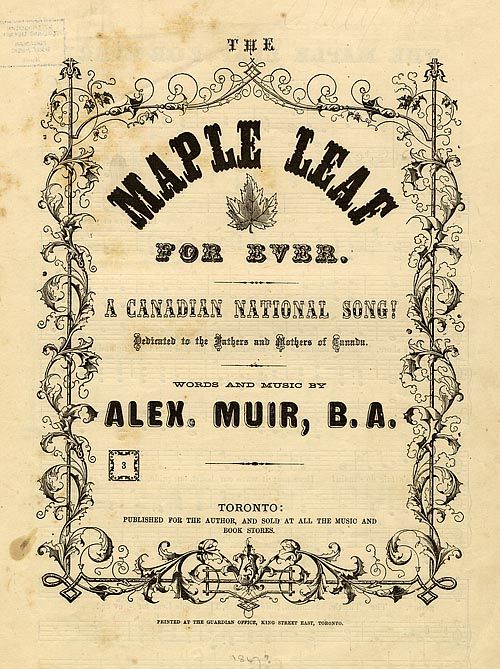
The Fenian raids had immediate and lasting consequences that shaped the young nation. Militarily, the poor performance of the militia at battles like Ridgeway spurred serious reforms and professionalization efforts. Politically, the raids are widely considered one of the decisive factors that propelled the Maritime provinces into Confederation in 1867. The shared external threat demonstrated the necessity of collective security and unified defence. Alexander Muir, the Scottish-Canadian author of 'The Maple Leaf Forever' who fought at Ridgeway with the Queen's Own Rifles, embodied this new martial Canadian spirit. The raids also fostered significant anti-American sentiment in Canada due to the perceived U.S. tolerance of Fenian activities. Conversely, many Americans viewed the Fenians as retribution for British and Canadian tolerance of Confederate operations during the Civil War. The raids failed utterly in their goal of aiding Irish independence, but they succeeded unintentionally in helping to forge a Canadian national identity.
Modern Commemoration and Historical Legacy
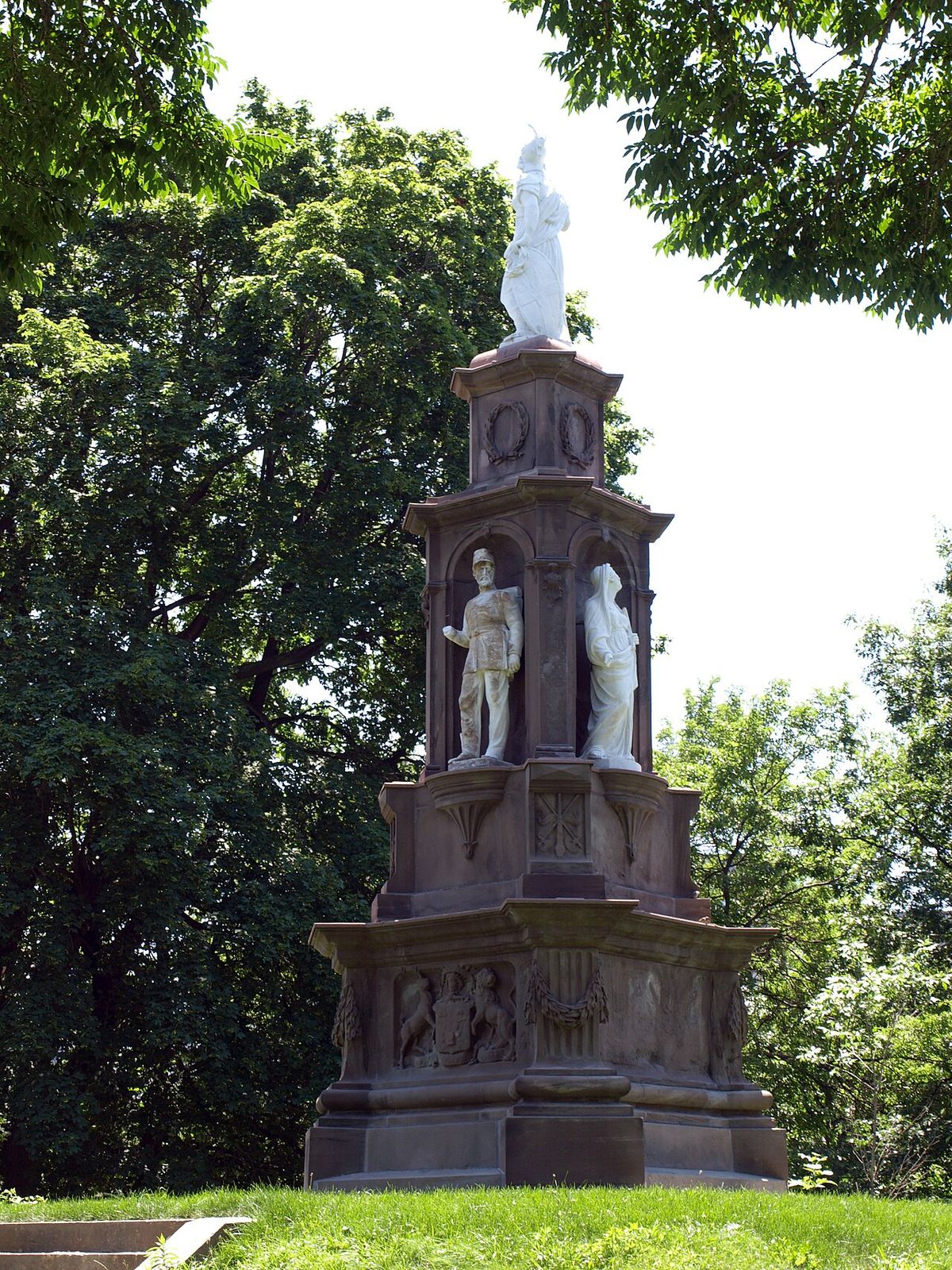
The Fenian raids remain a subject of public interest, historical study, and commemoration in modern Canada. Major anniversaries are marked with reenactments and educational events, such as the large-scale 160th-anniversary reenactment at Old Fort Erie on June 13 and 14, 2026. Historica Canada has produced an educational guide for students. In June 2026, national security expert Phil Gurski presented a talk at Ottawa's Beechwood Cemetery, drawing from his book to connect the Fenian threat to the emergence of Canada's first national security institutions. Several memorials were erected throughout Canada, commemorating those who fought during the raids. These monuments include the Canadian Volunteers Monument in Queen's Park, Toronto, and the Battle of Eccles Hill Monument in Frelighsburg, Quebec. In June 2006 Ontario's heritage agency dedicated a plaque at Ridgeway on the 140th anniversary of the battle.
Comparative Analysis of Fenian Incursions
The Fenian raids were a series of incursions carried out by the Fenian Brotherhood on targets in Canada in 1866 and again from 1870 to 1871. A number of separate incursions were undertaken to bring pressure on the British government to withdraw from Ireland. The raids varied significantly in scale, location, and outcome. The 1866 raids included actions in New Brunswick, Canada West, and Canada East, while the later raids from 1870 to 1871 targeted Quebec and Manitoba. None of these raids achieved their aims, and the threat diminished after the 1890s.
| Raid / Battle | Date | Location | Outcome |
|---|---|---|---|
| Campobello Island | April 1866 | New Brunswick | Fenians dispersed by British naval show of force |
| Battle of Ridgeway | June 2, 1866 | Canada West (Ontario) | Fenian tactical victory. Canadian militia retreated |
| Battle of Fort Erie | June 2, 1866 | Canada West (Ontario) | Fenians overran small Canadian force at docks |
| Pigeon Hill Raid | June 7-8, 1866 | Canada East (Quebec) | Fenians surrendered due to lack of supplies |
| Battle of Eccles Hill | May 25, 1870 | Quebec | Fenian raid anticipated and repulsed by Canadians |
| Battle of Trout River | May 27, 1870 | Huntingdon, Quebec | Fenian raid repulsed by Canadian forces |
| Pembina Raid | October 5, 1871 | Manitoba, Minnesota border | Raid occurred in U.S. territory. Fenians arrested by U.S. Army |
Questions about Fenian raids
What were the Fenian raids?
The Fenian raids were a series of armed incursions into British North America and Canada conducted by the Fenian Brotherhood, an Irish-American republican organization, between 1866 and 1871. Their goal was to capture Canadian territory to use as leverage to force Britain to grant Ireland independence. The raids included battles at Ridgeway and Fort Erie in 1866, and smaller attacks in Quebec and Manitoba in 1870 and 1871. While militarily unsuccessful, they had a significant impact on Canadian history by highlighting defence vulnerabilities and strengthening the push for Confederation.
Why did the Fenians want to attack Canada?
The Fenians attacked Canada as part of a strategic plan to pressure the British Empire. They believed that by seizing Canadian territory, which was a British colony, they could trade it back to Britain in exchange for Irish independence. This plan was conceived by Irish republicans who had emigrated to the United States after failed rebellions in Ireland. Many were veterans of the American Civil War and saw an opportunity to use their military skills against Britain indirectly, at a time when American-British relations were strained.
What was the outcome of the Battle of Ridgeway?
The Battle of Ridgeway on June 2, 1866, was a Fenian tactical victory. Approximately 600 to 700 Fenians, led by Colonel John O'Neill, defeated a force of inexperienced Canadian militia volunteers north of Ridgeway, Ontario. The Canadians became confused by a series of command errors, leading to a disorganized retreat. Nine Canadians were killed on the battlefield or later died of wounds, with four more dying of disease, and ninety-four were wounded. Fenian losses were ten killed and sixteen wounded.
How did the Fenian raids contribute to Canadian Confederation?
The Fenian raids are considered a major factor in galvanizing support for Canadian Confederation in 1867. The shared external threat demonstrated to the separate British North American colonies the urgent need for a unified defence and collective security. The raids showed that individual provinces were vulnerable. This argument helped convince reluctant Maritime provinces to join the union. Historians have argued that the fear generated by the raids directly tipped the final votes in favour of creating the Dominion of Canada.
Are there modern commemorations of the Fenian raids?
Yes, the Fenian raids are actively commemorated through historical reenactments and educational programs. A major example was the 160th-anniversary reenactment held at Old Fort Erie on June 13 and 14, 2026. Historica Canada has created an educational guide for students. The raids' legacy in shaping Canadian security is discussed in modern forums, such as a lecture by security expert Phil Gurski at Ottawa's Beechwood Cemetery in June 2026. Several memorials, including the Canadian Volunteers Monument in Toronto, commemorate those who fought.
What happened to the Fenian leaders after the raids?
Fenian leaders faced varied fates. After the 1866 raids, Fenian General Thomas William Sweeny was arrested by the U.S. government but was soon released and later retired from the U.S. Army in 1870. Colonel John O'Neill led later raids in 1870 and 1871. After the failed 1871 Pembina raid, O'Neill was arrested by the U.S. Army but was released and never charged. General Samuel P. Spear escaped initial arrest but saw his forces surrender in 1866 due to lack of supplies. William B. O'Donoghue was captured by Louis Riel's Métis and handed over to U.S. authorities.
Sources and further reading
- Fenian raids (Wikipedia)
- Phil Gurski Explores the Legacy of the Fenian Raids (beechwoodottawa.ca)
- Fenian Raids (thecanadianencyclopedia.ca)
- Fenian Raid Reenactment at Old Fort Erie (niagaraparks.com)
- The Fenian Raids on Canada, HeinOnline Blog (heinonline.com)
Checked by the Nosy Mag desk. Last updated 2026-10-22.