Cape Breton Island
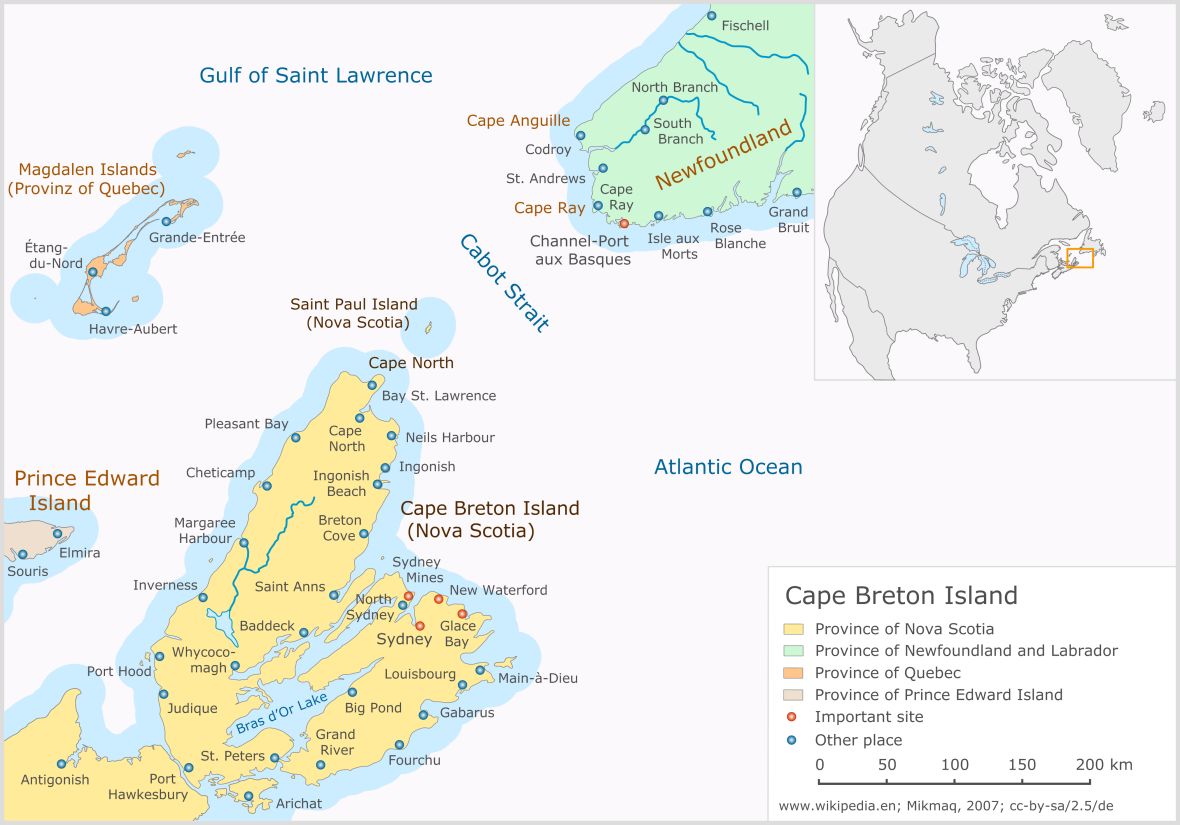
Cape Breton Island is a rugged and irregularly shaped island on the Atlantic coast of North America, forming the northeastern part of the Canadian province of Nova Scotia. The 10,513.1 km2 (4,059.1 sq mi) island accounts for 18.7% of Nova Scotia's total area. It is separated from the mainland by the Strait of Canso and connected by the 1,385-metre (4,544 ft) long Canso Causeway. The island is renowned for its dramatic highland scenery, deeply indented coastline, and the vast inland saltwater Bras d'Or Lake at its centre. With a rich history shaped by Mi'kmaq, French, Scottish, and Acadian settlement, the island is a cultural heartland, particularly famous for its Gaelic and Celtic traditions expressed through music and festivals. Its economy, historically driven by coal mining and steel, has transitioned towards tourism, with its natural beauty and cultural depth drawing visitors from around the world.
Indigenous History and Early European Contact
The island's first inhabitants were likely archaic maritime natives, ancestors of the Mi'kmaq people, who have lived on the land they call Unama'ki, meaning 'land of fog', for several thousand years. Their traditional lifestyle was maritime, centred on hunting and fishing, which positioned them among the first Indigenous peoples in the region to encounter European explorers. While the Italian explorer John Cabot, sailing for England, is reported to have visited the area in 1497, historical records are unclear on whether he landed at Cape Breton or Newfoundland. Sustained European contact began in the 1520s with the arrival of European fishermen trading with the Mi'kmaq. Around 1521-22, the Portuguese, led by João Álvares Fagundes, established a fishing colony on the island. As many as two hundred settlers lived in a village, possibly at what is now Ingonish. This Portuguese colony's fate is unknown, but it is mentioned as late as 1570.
French Colonization and the Fortress of Louisbourg
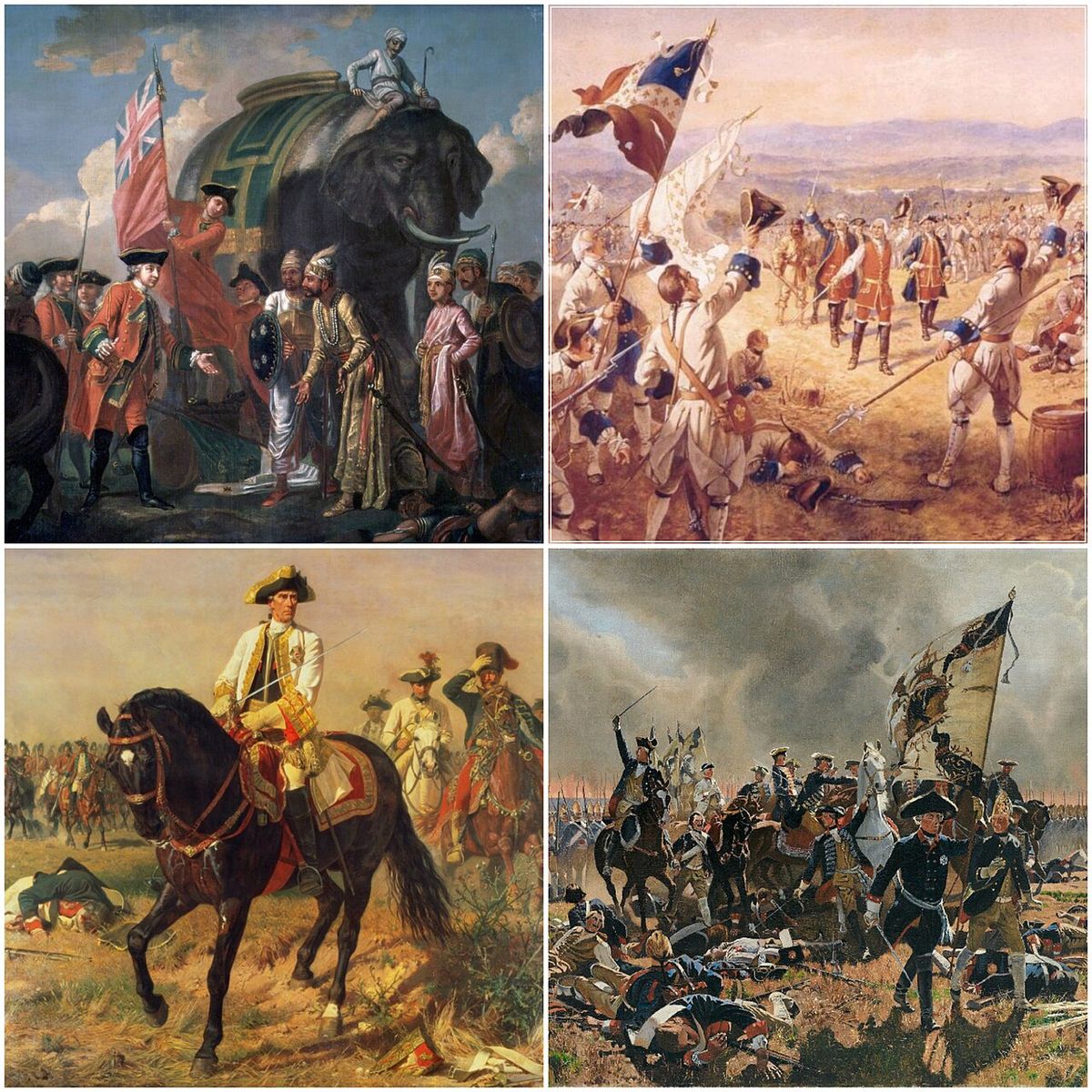
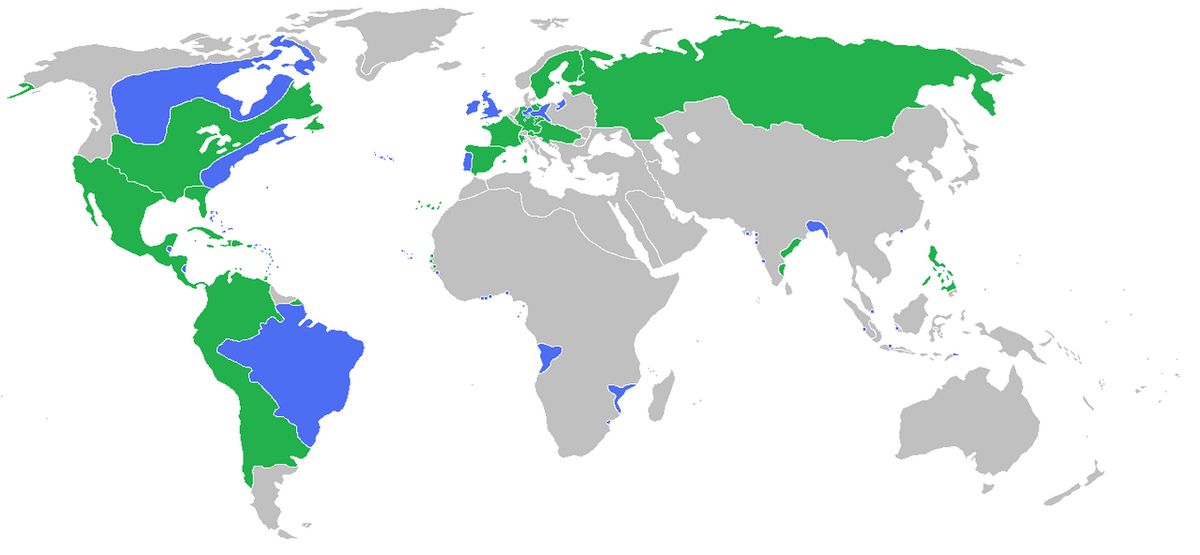
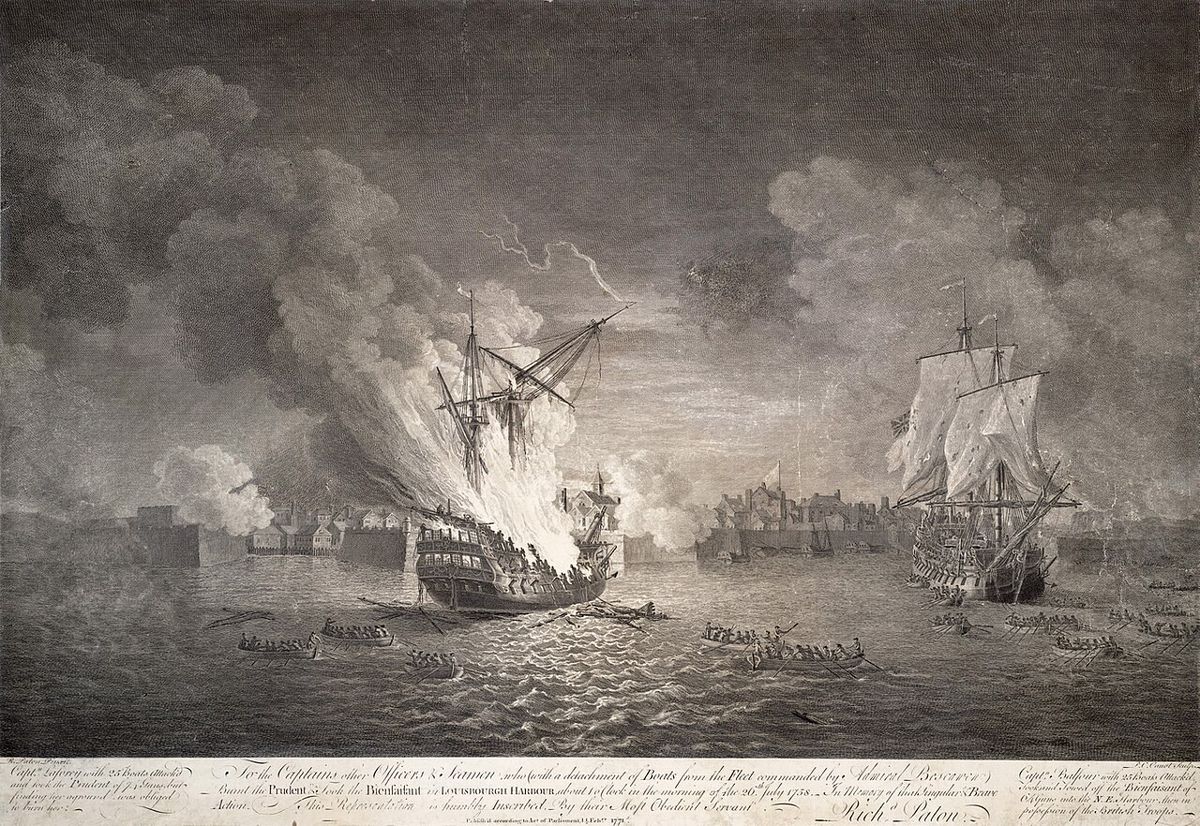
Following the Treaty of Utrecht in 1713, which ceded mainland Acadia and Newfoundland to Britain, France focused its colonial efforts on Île Royale, as Cape Breton was then known. The French relocated settlers from Plaisance, Newfoundland, to the island, initially settling at Sainte Anne before deciding to construct a major fortified port at Louisbourg due to its superior, ice-free harbour. Louisbourg was built to protect France's Grand Banks fishing fleet and secure the entrance to the Gulf of Saint Lawrence. The settlement grew into one of New France's most significant commercial and military centres. In 1734, the French built the Louisbourg Lighthouse, the first lighthouse in Canada. The fortress was captured by New Englanders with British naval support in 1745 and by British forces again in 1758 during the Seven Years' War. After the second siege, the fortress was systematically demolished. The island was formally ceded to Great Britain by the Treaty of Paris in 1763 and merged with the colony of Nova Scotia. Acadians expelled from Nova Scotia and Île Royale were permitted to return beginning in 1764, establishing lasting communities in northwestern Cape Breton near Chéticamp and in the south around Isle Madame.
British Colonial Era and Economic Development
From 1763 to 1784, the island was administratively part of the colony of Nova Scotia and was governed from Halifax. In 1784, Britain separated Cape Breton Island from peninsular Nova Scotia, establishing it as a distinct colony with its capital at Sydney on the harbour fronting Spanish Bay and the Cabot Strait. Its first Lieutenant-Governor was Joseph Frederick Wallet DesBarres. The island's coal resources, known since the French period, became strategically important, especially during the American Revolution when the mines at Sydney supplied vital coal to the British naval base at Halifax. The first permanently settled Scottish community was Judique, founded in 1775 by Michael Mor MacDonald, which marked the beginning of a major wave of Scottish immigration. Large-scale shipbuilding began in the 1790s, beginning with schooners for local trade and expanding to larger brigs and brigantines in the 1820s. The industry peaked in the 1850s, marked by the 1851 launch of the full-rigged ship Lord Clarendon, the largest wooden ship ever built on the island. The colony was re-annexed to Nova Scotia in 1820, ending its brief period of separate administration. By the late 19th century, increased exchanges of people between Cape Breton and Newfoundland began a lasting cultural connection.
20th Century Innovation and Industrial Transition
The turn of the 20th century saw Cape Breton Island at the forefront of scientific achievement. Alexander Graham Bell chose Cape Breton as his summer home and research base from 1885 onward, at his estate Beinn Bhreagh near Baddeck. There he conducted experiments with hydrofoil technologies and aviation, resulting in the first powered flight in Canada when the AEA Silver Dart took off from the ice-covered waters of Bras d'Or Lake. Bell also built the forerunner to the iron lung and experimented with breeding sheep. Guglielmo Marconi established a wireless telegraphy station at Table Head in Glace Bay, sending the first North American trans-Atlantic radio message from a station constructed at Table Head to a receiving station in Cornwall, England. Marconi's station at Marconi Towers, on the outskirts of Glace Bay, became the chief communication centre for the Royal Canadian Navy in World War I through to the early years of World War II. The 20th century also saw the decline of the island's traditional coal and steel industries. In response to the erosion of Gaelic language and culture, a concerted revival began in the mid-20th century. This effort included the establishment of the Gaelic College of Celtic Arts and Crafts in St. Ann's and the introduction of Gaelic language courses in public schools. A major tourism and historical initiative was the partial reconstruction of the Fortress of Louisbourg by Parks Canada in the 1960s, which employed out-of-work miners. Since 2009, this National Historic Site of Canada has attracted an average of 90,000 visitors per year.
Geography, Geology and Natural Environment
Cape Breton Island is roughly rectangular, measuring about 100 kilometres wide and 150 kilometres long, with a total area of 10,513.1 square kilometres. Its landscape is remarkably diverse, featuring rocky shores, rolling farmland, deep glacial valleys, and the rugged highlands of the northern cape. The island is geologically composed of three distinct terranes, fragments of ancient crust fused together by tectonic activity. The southern half is formed from the Avalon terrane, volcanic rock that originated near what is now Africa during the Paleozoic era. Most of the northern half consists of the Bras d'Or terrane, part of the Ganderia terrane, containing volcanic and sedimentary rock formed off the coast of ancient South America. The northwestern tip contains the Blair River inlier, which holds the oldest rock in the Maritimes, dating back 1.6 billion years and likely part of the Canadian Shield. The collision of these landmasses helped form the Appalachian Mountains, and subsequent erosion and glaciation carved out the dramatic features seen today. The island's climate is a warm-summer humid continental type, moderated by the cold Labrador Current and the warmer Gulf Stream. Ecological zones range from coastal salt marshes and beaches to Acadian forests in sheltered areas, with wetter regions supporting black spruce and tamarack. The land is drained into the Gulf of Saint Lawrence via the rivers Aspy, Sydney, Mira, Framboise, Margaree, and Chéticamp.
Contemporary Culture and Major Events
Cape Breton Island's contemporary identity is deeply rooted in its multicultural heritage, with strong Mi'kmaq, Acadian, and particularly Gaelic influences defining its music, dance, and community life. This cultural richness is celebrated through numerous annual festivals and events that attract visitors from across Canada and internationally. Cape Breton is well known for its traditional fiddle music, which was brought to North America by Scottish immigrants. The traditional style has been well preserved in Cape Breton, and cèilidhs have become a popular attraction. Inverness County in particular has a heavy concentration of musical activity, with regular performances in communities such as Mabou and Judique. The island's cultural calendar is anchored by several key festivals.
- Celtic Colours International Festival: A nine-day event held every October, featuring hundreds of concerts across the island. The 30th edition is scheduled for October 9-17, 2026.
- Cape Breton Island Gaelic Mod: Held annually in August at the Gaelic College in St. Ann's, focusing on Gaelic language and song. The 2026 event is set for August 14-16.
- Hike the Highlands Festival: A week of guided hikes along the Cabot Trail each September. The 2027 event is planned for September 11-17.
In recent years, the island has worked to recognize and celebrate its growing diversity. The Cape Breton Local Immigration Partnership created a Multicultural Calendar. It highlights important cultural and religious dates for the island's foreign-born residents. These residents originate from over 35 countries, including India, Nigeria, the Philippines, Ukraine, Vietnam, and China.
Population, Climate Challenges and Recent Events
According to the 2021 census, Cape Breton Island had a population of 134,850 residents, representing approximately 15% of Nova Scotia's total population. This figure reflects a continuing decline from previous decades, with the population having decreased by about 2.9% since the 2011 census. The population is heavily concentrated, with roughly 75% of island residents living within the Cape Breton Regional Municipality, an area often referred to as Industrial Cape Breton due to its historical economic base. The island's residents can be grouped into five main cultures: Scottish, Mi'kmaq, Acadian, Irish, and English. English is now the primary language, including a locally distinctive Cape Breton accent, while Mi'kmaq, Scottish Gaelic and Acadian French are still spoken in some communities. In recent years, the island has faced significant challenges from severe weather events. A major, slow-moving storm in September 2026 caused devastating flooding, particularly in Richmond, Victoria, and Cape Breton counties, with some areas receiving over 300 millimetres of rain. Rainfall rates reached 20 to 30 millimetres per hour in the Bras d'Or Lake region, with the weather station in Sampsonville recording 150 millimetres in just six hours. This event has been added to a growing list of intense storms over the past decade. While linking single storms to climate change is complex, the frequency and severity of such high-impact weather systems affecting Cape Breton have become increasingly noticeable.
Questions about Cape Breton Island
Where is Cape Breton Island located?
Cape Breton Island is located on the Atlantic coast of North America, forming the northeastern part of the Canadian province of Nova Scotia. It is situated east-northeast of the Nova Scotia peninsula, from which it is separated by the Strait of Canso. The island is connected to the mainland by the 1,385-metre-long Canso Causeway. Its northern and western coasts front the Gulf of Saint Lawrence, while its eastern and southern coasts face the Atlantic Ocean, with the eastern coast also forming the western limits of the Cabot Strait.
What is Cape Breton Island known for?
Cape Breton Island is renowned for its stunning natural scenery, particularly the Cape Breton Highlands and the world-famous Cabot Trail driving route. It is a global centre for Celtic and Gaelic culture, celebrated through music, dance, and festivals like the Celtic Colours International Festival. The island has a rich history visible at sites like the reconstructed Fortress of Louisbourg National Historic Site. It is also known as the place where Alexander Graham Bell conducted experiments in aviation and hydrofoils and where Guglielmo Marconi sent the first trans-Atlantic radio message from North America.
What was the historical significance of Louisbourg?
The Fortress of Louisbourg was a major French military and commercial stronghold in the 18th century. Constructed after 1713 on Île Royale, it was designed to protect France's fishing interests on the Grand Banks and control access to the Gulf of Saint Lawrence. It became one of the busiest ports in North America. Its capture by British forces in 1758 during the Seven Years' War was a significant event that weakened French power in the region. The fortress was demolished after the siege, but a large portion was reconstructed in the 1960s and is now a National Historic Site of Canada attracting tens of thousands of visitors annually.
How did Alexander Graham Bell and Guglielmo Marconi contribute to Cape Breton's history?
Alexander Graham Bell established his summer estate Beinn Bhreagh near Baddeck in 1885. There he conducted experiments that led to the first powered flight in Canada with the AEA Silver Dart, pioneered hydrofoil boat technology, and worked on other inventions like a forerunner to the iron lung. Guglielmo Marconi established a wireless telegraphy station at Table Head in Glace Bay, from which he sent the first North American trans-Atlantic radio message. His station at Marconi Towers later served as a key naval communication centre in both World Wars.
What is the population of Cape Breton Island?
As of the 2021 Canadian census, the population of Cape Breton Island was 134,850 people. This represents about 15% of the total population of Nova Scotia. The island has experienced a gradual population decline, with a decrease of approximately 2.9% since the 2011 census. The majority of residents, about 75%, live within the Cape Breton Regional Municipality. The island is also home to more than 6,000 foreign-born residents from over 35 countries. The main cultural groups are Scottish, Mi'kmaq, Acadian, Irish, and English.
What is the Celtic Colours International Festival?
The Celtic Colours International Festival is an annual nine-day celebration of Celtic music and culture held across Cape Breton Island every October. The festival features concerts, community events, and workshops in venues across the island. It highlights the island's deep Gaelic and Scottish cultural heritage. The festival is a major economic driver for the tourism sector. The 30th edition is scheduled for October 9 to 17, 2026. It is distinct from other events like the Cape Breton Island Gaelic Mod, which focuses more on language and song.
Sources and further reading
- Cape Breton Island (Wikipedia)
- Cape Breton storm yet another one for the history books (cbc.ca)
- Cape Breton Island (celtic-colours.com)
- All Upcoming Events, Cape Breton Island (cbisland.com)
Checked by the Nosy Mag desk. Last updated 2026-10-19.