Nova Scotia
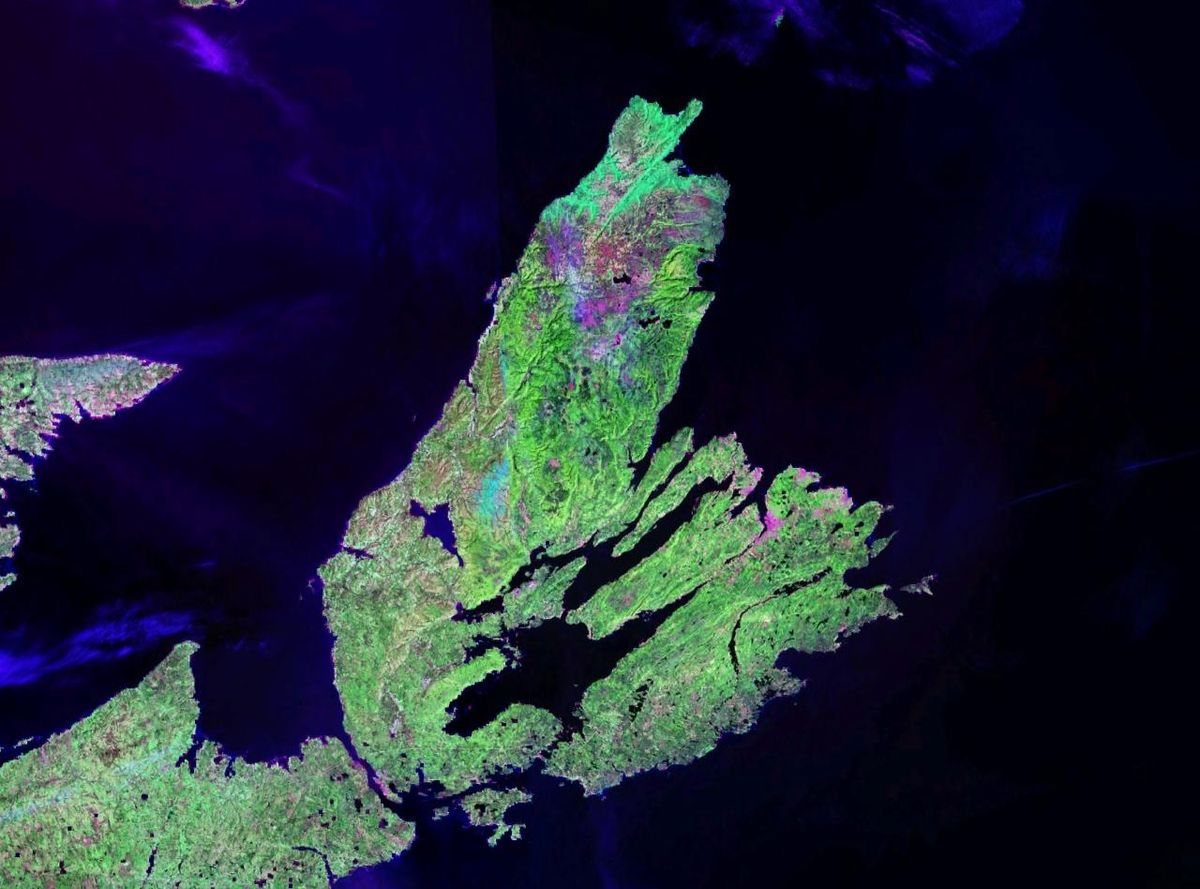
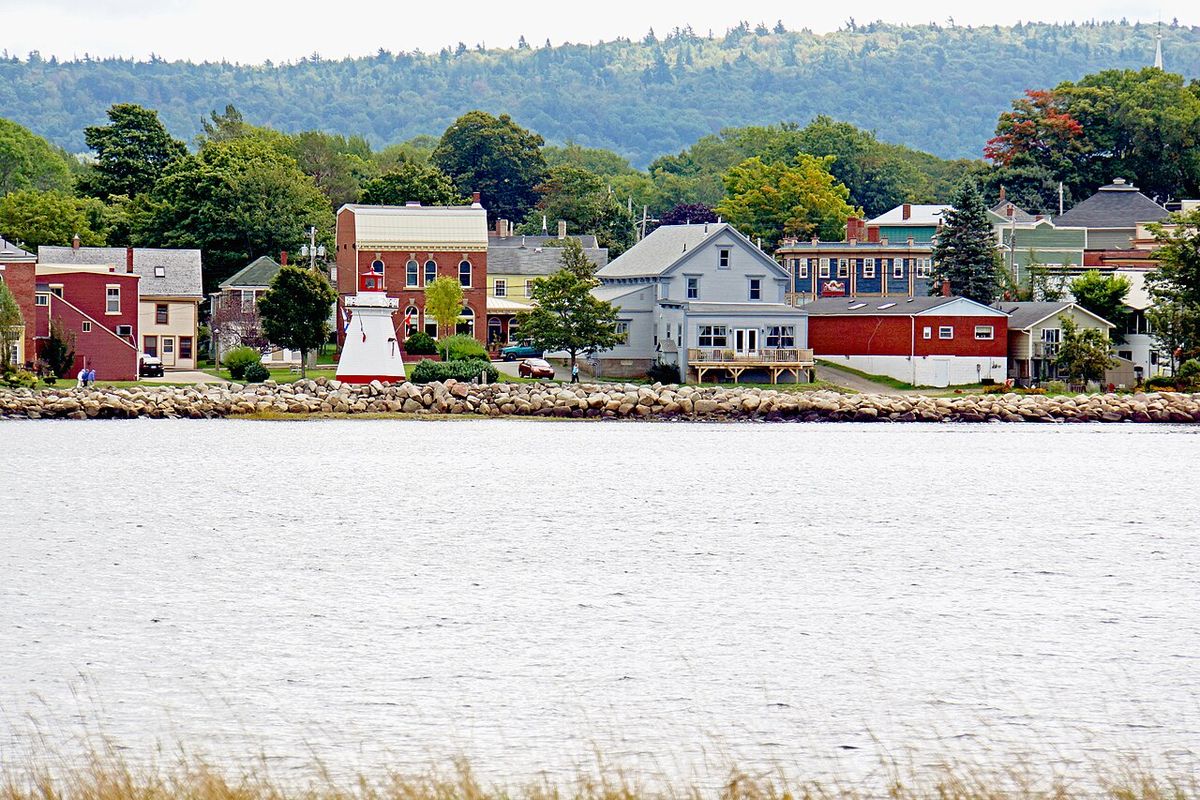
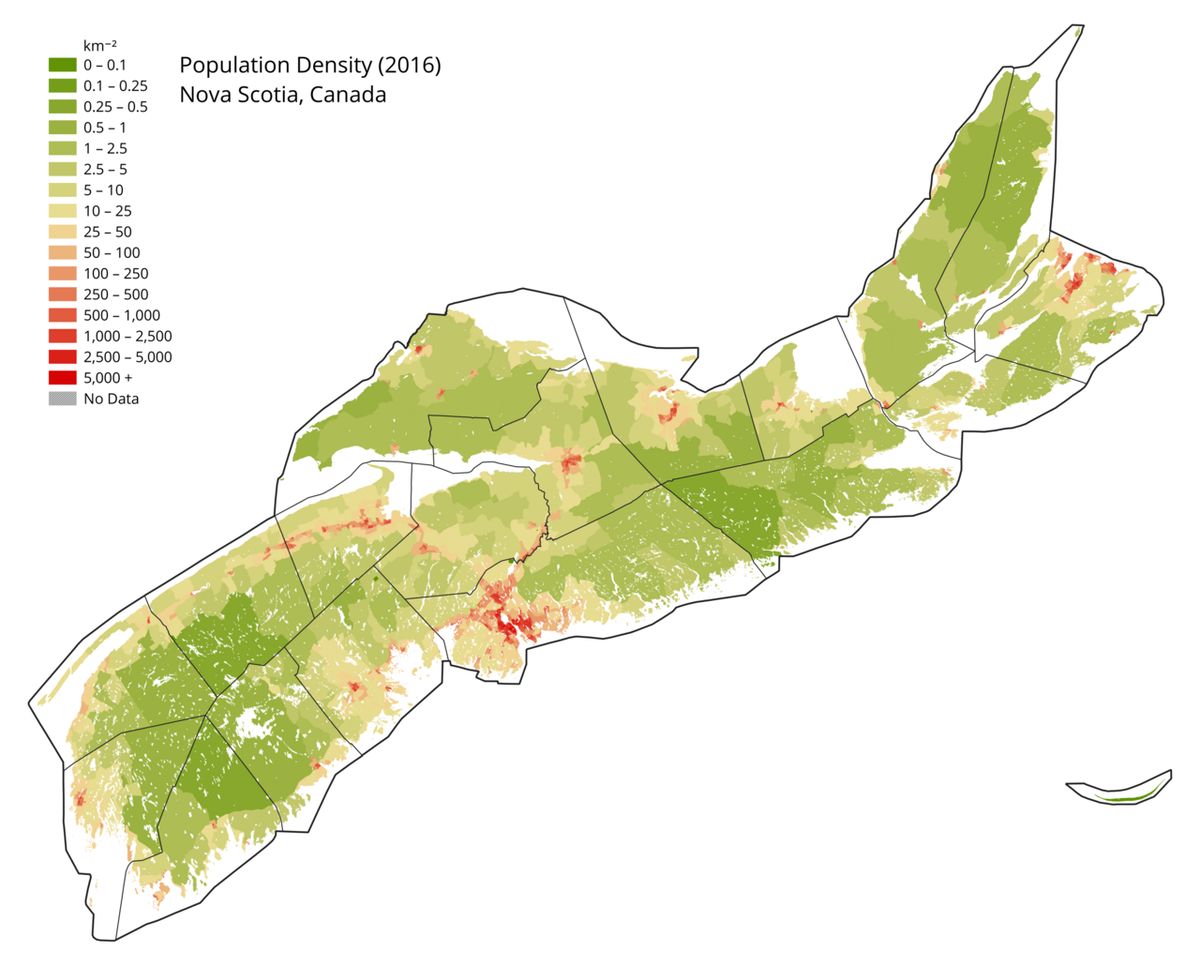
Nova Scotia is a maritime province on Canada's east coast and the most populous in Atlantic Canada, with an estimated population of over 1 million as of 2026. Its territory comprises the Nova Scotia peninsula, Cape Breton Island, and 3,800 other coastal islands, connected to the mainland by the Isthmus of Chignecto. The provincial capital and largest city is Halifax, home to over 45 percent of Nova Scotians. The province's history is defined by Mi'kmaq inhabitation, early French settlement as Acadia, prolonged colonial conflict, and its foundational role in Canadian Confederation.
Etymology and Indigenous Foundations
The name Nova Scotia is Latin for 'New Scotland,' a title originating from the 1621 Royal Charter granted to Sir William Alexander to establish a Scottish colony. In Mi'kmaq, the province is called No’pa Sko’sia, while Canadian French and Gaelic use direct translations: Nouvelle-Écosse and Alba Nuadh. Long before European contact, the land was part of Mi'kma'ki, the territory of the Mi'kmaq nation, which extended across the Maritimes, parts of Maine, Newfoundland and the Gaspé Peninsula. The Mi'kmaq, part of the Algonquian-language family, are the original inhabitants of the region. Research from 1871 and work by Silas Tertius Rand in 1894 recorded Mi'kmaq oral traditions describing a prolonged war with the original inhabitants, the Kwēdĕchk, which resulted in their displacement. This deep Indigenous history forms the foundational layer of Nova Scotia's story, preceding the arrival of European settlers by millennia.
Colonial Rivalry and Acadian Settlement
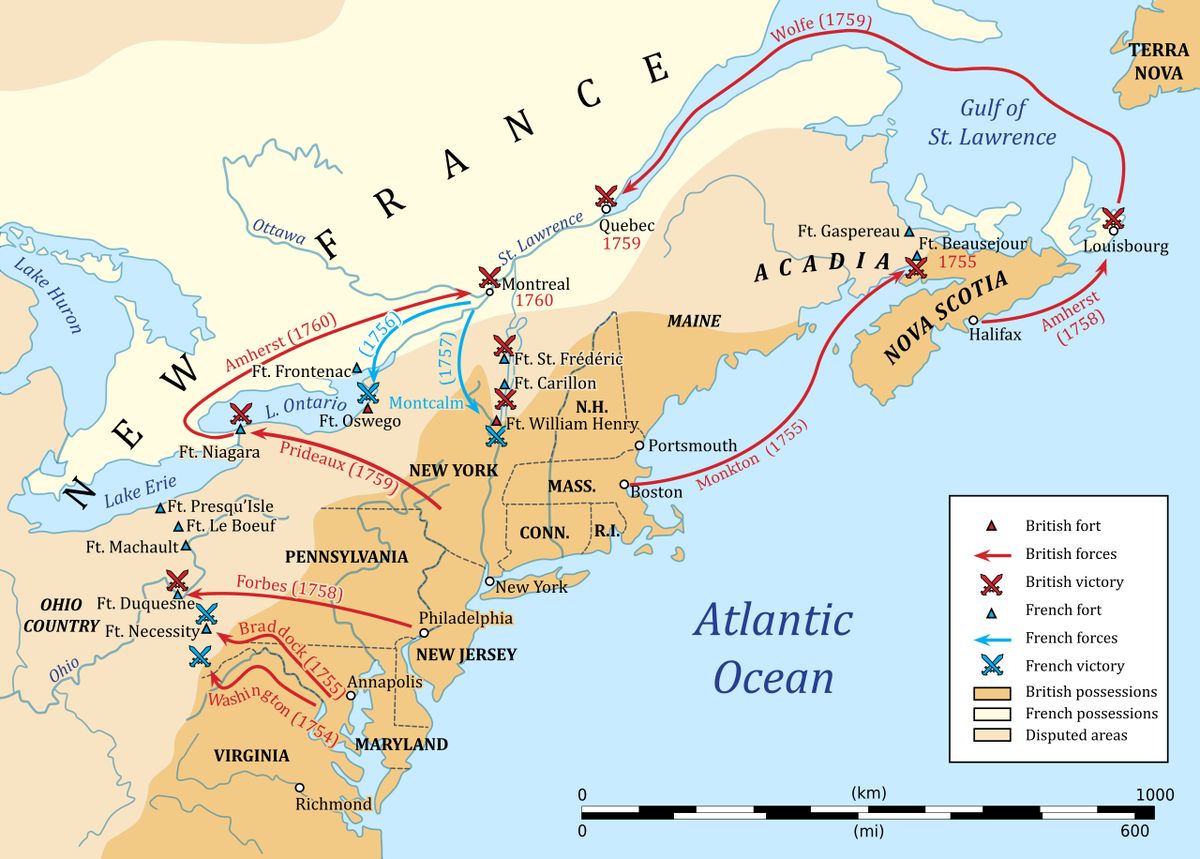
The first permanent European settlement in what would become Canada was established by the French at Port Royal in 1605, founding the colony of Acadia. This settlement was located in the Mi'kmaw district of Kespukwitk and grew into modern-day Annapolis Royal. The Scottish claim emerged in 1621 with Sir William Alexander's charter, leading to a short-lived Scottish colony named 'New Scotland' in 1629, which was captured by the French in 1632. The 17th and 18th centuries were marked by persistent warfare as the French, English, Dutch, and Mi'kmaq fought for control, with significant clashes at Port Royal, Saint John, Cap de Sable, Jemseg and Baleine. The Acadian Civil War took place from 1640 to 1645. British rule was solidified in peninsular Acadia after the 1710 siege of Port Royal and the 1713 Treaty of Utrecht, though Cape Breton Island and Prince Edward Island were returned to France. The renamed Annapolis Royal became the colonial capital. Despite British political control, the region remained predominantly populated by Catholic Acadians and Mi'kmaq for decades.
Conflict continued through a series of Anglo-French wars, including Father Rale's War from 1722 to 1725 and King George's War from 1744 to 1748. The founding of Halifax by Edward Cornwallis in 1749 triggered Father Le Loutre's War from 1749 to 1755. During the subsequent French and Indian War, the British authorities, under Governor Charles Lawrence, enacted the deportation of the Acadians beginning in 1755, a traumatic event known as the Expulsion. The British recruited New England Planters to resettle the lands, and the period of warfare with the Mi'kmaq formally ended with the Halifax Treaties in 1761. The first legislative assembly in Halifax met on 2 October 1758, and the Nova Scotia Supreme Court was established with Jonathan Belcher sworn in as its first chief justice on 21 October 1754.
Loyalist Migration and Path to Responsible Government
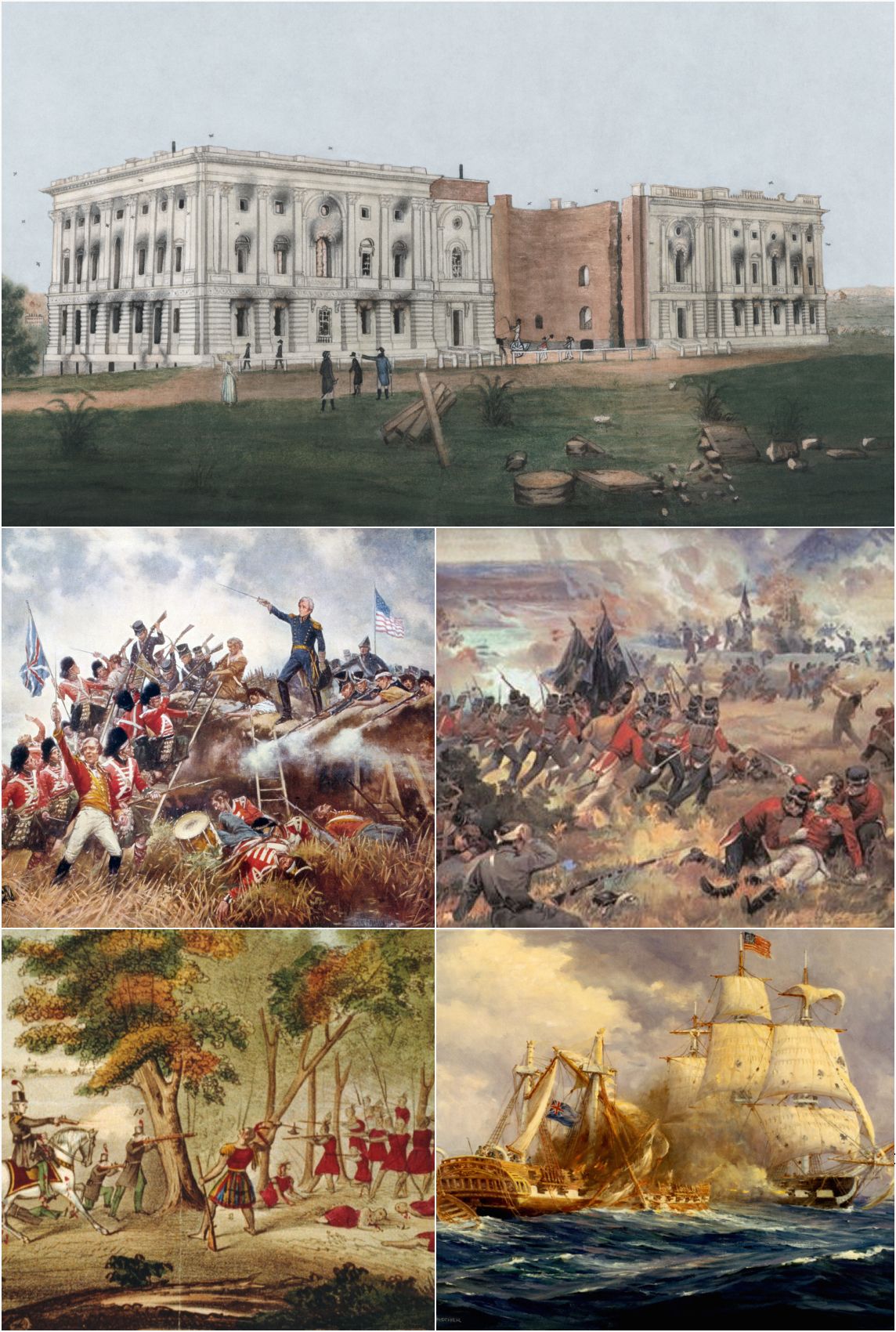
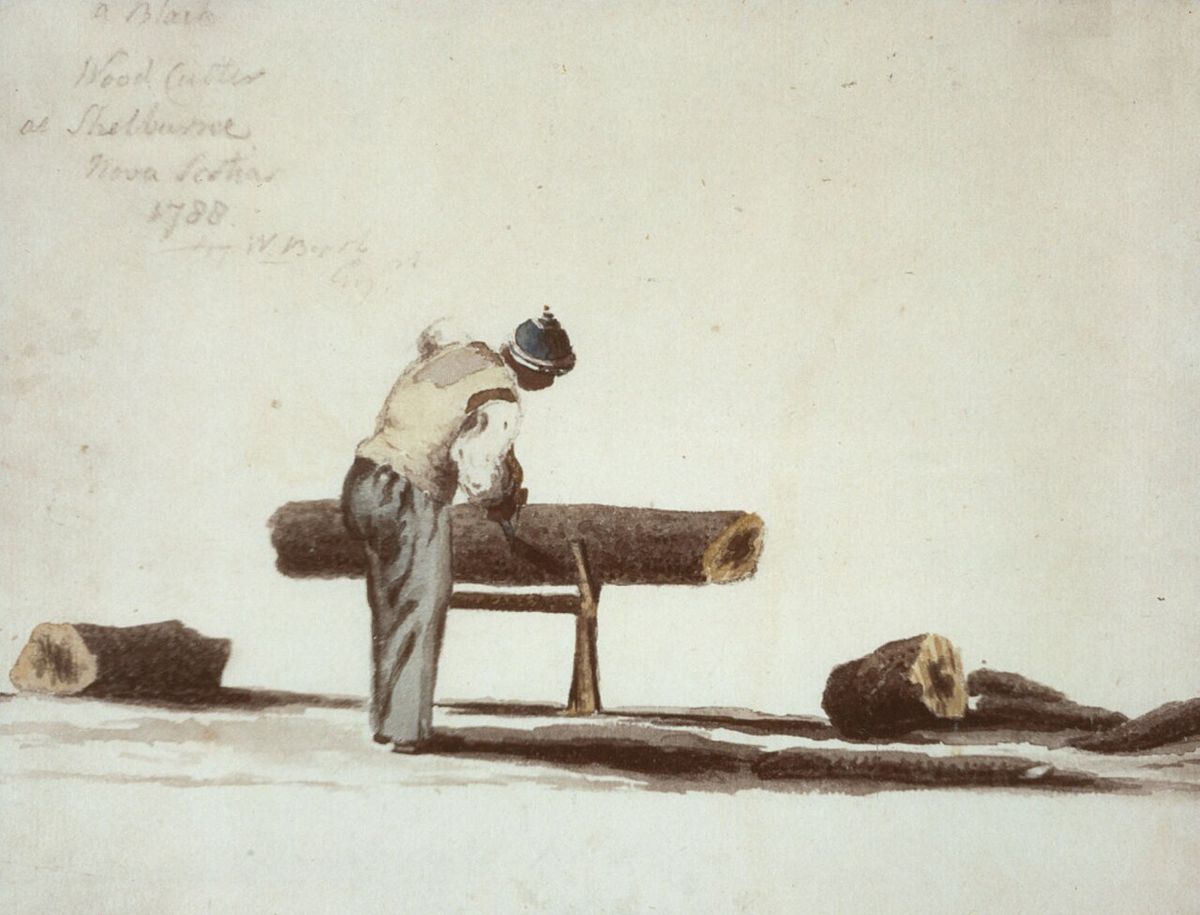
The American Revolution deeply shaped Nova Scotia. While there was some rebel sympathy, evidenced by the Battle of Fort Cumberland in 1776, American privateer raids on coastal communities ultimately alienated many settlers. Nova Scotia became a refuge for Loyalists, and after the British defeat at Yorktown in 1781, approximately 33,000 Loyalists settled in the colony. This influx led to the partition of the territory, with New Brunswick and Cape Breton Island being hived off as separate colonies in 1784. The Loyalist migration created new towns like Shelburne and included about 3,000 Black Loyalists, who founded the significant free Black settlement of Birchtown. In 1786, under Lieutenant General John Parr, the colony transitioned to the Province of Nova Scotia. The 19th century saw continued military involvement, with Nova Scotians participating in the War of 1812, the Crimean War from 1853 to 1856, and many fighting in the American Civil War from 1861 to 1865. The province's economy boomed during the latter conflict due to trade with both sides. A central political achievement came in January and February 1848 when Nova Scotia, through the efforts of Joseph Howe, became the first colony in the British Empire to achieve responsible government.
Confederation and Economic Development
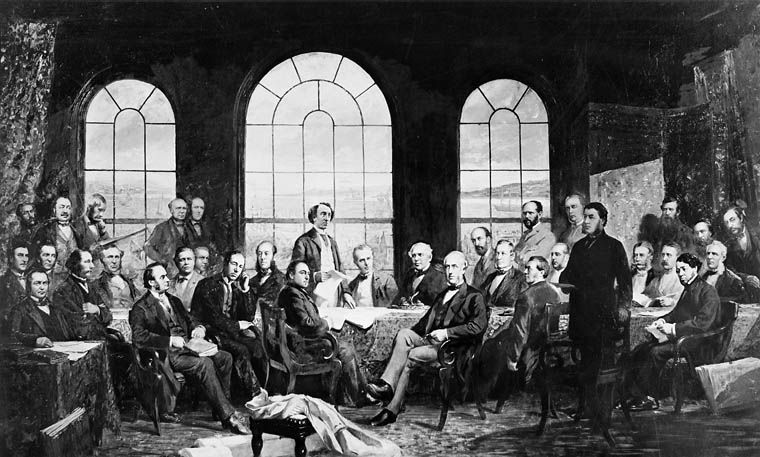
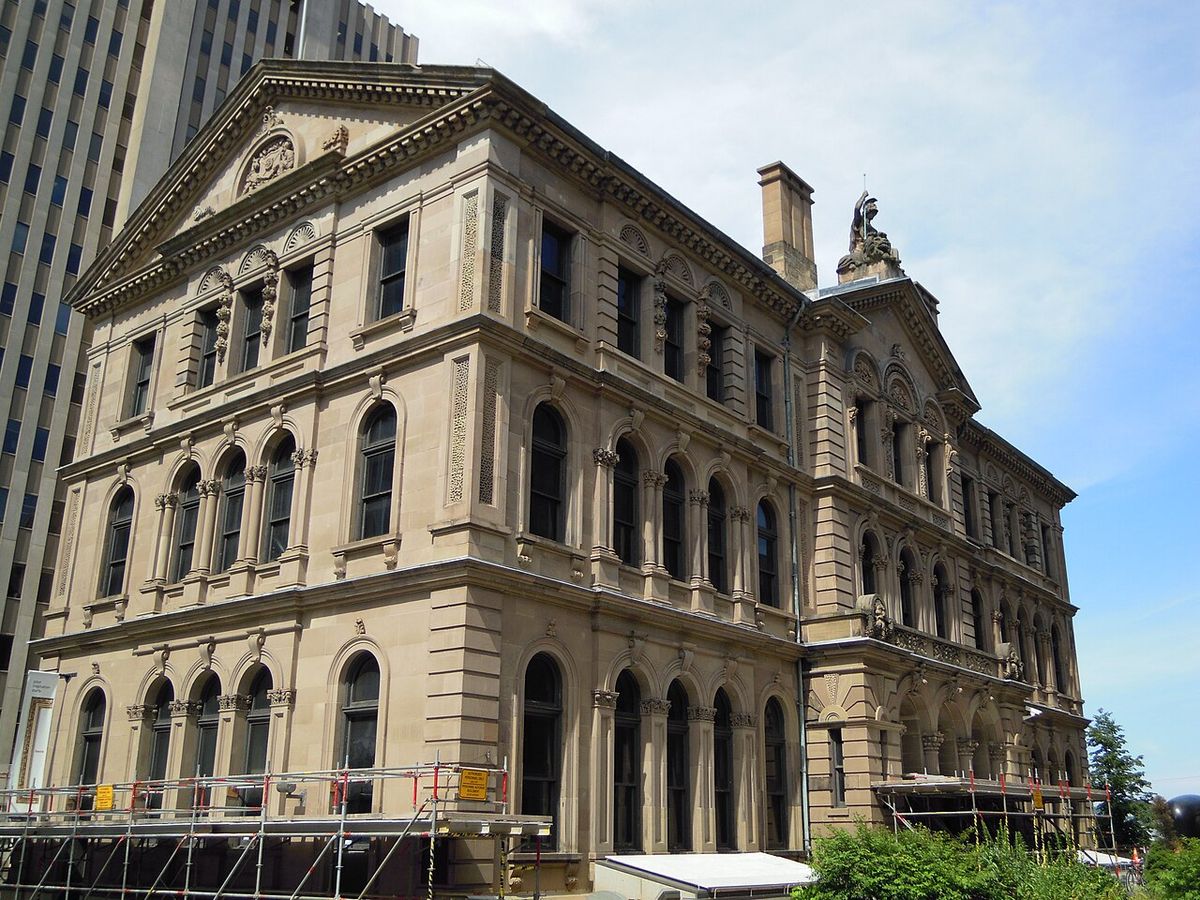
Under Premier Charles Tupper, Nova Scotia entered Canadian Confederation on 1 July 1867, alongside New Brunswick and the Province of Canada. This move was deeply controversial, and in the 18 September 1867 election, the Anti-Confederation Party led by Joseph Howe won 18 of 19 federal seats and 36 of 38 provincial seats. Throughout the 19th century, Nova Scotia developed a formidable industrial and commercial base. The province became a world leader in building and owning wooden sailing ships, producing famed shipbuilders like Donald McKay and William Dawson Lawrence. The maritime legacy was cemented by individuals such as Joshua Slocum, the first to sail solo around the world in 1895, and Samuel Cunard, the Halifax-born founder of the Cunard Line. Numerous businesses with national importance were founded in the province.
- The Starr Manufacturing Company, first ice skate manufacturer in Canada.
- The Bank of Nova Scotia (Scotiabank).
- Alexander Keith's Brewery.
- Morse's Tea Company, first tea company in Canada.
The 20th century brought tragedy with the Halifax Explosion in December 1917, which killed at least 1,782 people. In April 2004, the Nova Scotia legislature adopted a resolution explicitly inviting the government of the Turks and Caicos Islands to explore the possibility of joining Canada as part of Nova Scotia. In April 2020, a man committed a killing spree across the province that became the deadliest shooting spree in Canada's history. The province's per capita GDP in 2016 was $44,924, and its largest agricultural export is blueberries, with harvests exceeding 23 million kilograms annually.
Geography and Climate
Nova Scotia is Canada's second-smallest province by area, surrounded by the Gulf of Saint Lawrence, the Bay of Fundy, the Gulf of Maine, and the Atlantic Ocean. Its mainland is the Nova Scotia peninsula, and its most notable islands are Cape Breton Island to the northeast and Sable Island, approximately 175 kilometres from the southern coast. Nowhere in the province is more than 67 kilometres from the ocean. The landscape is rich in geological history, with significant fossil-bearing rock formations on the shores of the Bay of Fundy, including the Joggins Fossil Cliffs and Wasson's Bluff near Parrsboro. The highest point is White Hill at 533 metres in the Cape Breton Highlands. The province contains 5,400 lakes. The climate is moderated by the ocean but is closer to a continental climate than a maritime one, with winters cold enough to be classified as continental. The climate is often compared to the central Baltic Sea coast, albeit wetter and snowier. On 12 August 2020, Grand Étang recorded an overnight low of 23.3 degrees Celsius.
Demographics and Culture
Nova Scotia's population reflects its layered history. According to the 2016 census, the largest reported ethnic origins are Scottish (30.0 percent), English (28.9 percent), Irish (21.6 percent), French (16.5 percent), and German (10.7 percent). A significant 42.6 percent of respondents identified their ethnicity as 'Canadian.' As of the 2021 census, English is spoken by 99.59 percent of the population, followed by French (10.39 percent), Arabic (1.23 percent), Hindi (1.06 percent), and Spanish (0.91 percent). The province is home to the largest Scottish Gaelic-speaking community outside of Scotland, with an estimated 2,000 speakers, and in 2018 introduced a Gaelic vehicle licence plate to support the language. In a landmark 2022 legislation, Mi'kmaq was recognized as the province's first language, with a government commitment to its protection and promotion. According to the 2021 census, 5,650 people speak Mi'kmaq in the province.
Annual Festivals and Events
Nova Scotia's cultural calendar is packed with events that draw on its history and communities. The province hosts major international events, including the Canada Sail Grand Prix in Halifax in June 2026 and world championship canoe sprints on Lake Banook. Festivals celebrating Scottish heritage are prominent, such as the Antigonish Highland Games, held for over 150 years, and KitchenFest in Cape Breton. The province's Acadian, maritime, and musical roots are featured at events like the Pictou Lobster Carnival, the TD Halifax Jazz Festival, and Stanfest in Canso. Halifax also hosts large community festivals like the Halifax Pride Festival and the Halifax International Busker Festival. Seasonal events range from winter wine tours in the Annapolis Valley to the Celtic Colours International Festival during Cape Breton's fall foliage. In 2024, over 2 million non-residents visited Nova Scotia, with tourism contributing approximately $3.5 billion annually to the economy.
| Event | Time of Year | Primary Location |
|---|---|---|
| Canada Sail Grand Prix | June | Halifax |
| Royal Nova Scotia International Tattoo | July | Halifax |
| Antigonish Highland Games | July | Antigonish |
| Pictou Lobster Carnival | July | Pictou |
| TD Halifax Jazz Festival | July | Halifax |
| Halifax Pride Festival | July | Halifax |
| Stan Rogers Folk Festival | July | Canso |
| Celtic Colours International Festival | October | Cape Breton |
Notable Historical Societies and Research
The preservation and study of Nova Scotia's history is actively pursued by organizations like the Royal Nova Scotia Historical Society, founded in 1878. The province's first newspaper was the Halifax Gazette, printed on 23 March 1752. Newsprint made from wood pulp was invented in 1844 by Nova Scotian Charles Fenerty. The province's current primary daily newspaper is The Chronicle Herald, founded in 1874. The first radio station was CHNS-FM, which first aired on 12 May 1926. Current historical scholarship continues to investigate diverse themes, from the gendering of the shipping trade to the lived experiences of Mi'kmaq, Acadian, and Loyalist communities. This ongoing work ensures the complex narratives of the province, from its Indigenous foundations to its modern identity, are continually examined and understood.
Questions about Nova Scotia
What was the Acadian Expulsion?
The Acadian Expulsion was the forced removal of thousands of French-speaking Acadians from Nova Scotia by British authorities beginning in 1755 during the French and Indian War. This event, also called the Great Deportation, was intended to secure British control of the territory. The lands left vacant were subsequently resettled by New England Planters recruited by the British. After the war ended in 1763, some Acadians were allowed to return to the province.
What is Nova Scotia's connection to Scotland?
The province's name is Latin for 'New Scotland,' originating from a 1621 charter granted by King James VI of Scotland to Sir William Alexander. This charter gave Alexander the right to settle lands including modern Nova Scotia, Cape Breton Island, and New Brunswick. Scottish culture remains deeply influential, with Scottish being the largest reported ethnic origin at 30.0 percent according to the 2016 census. The province also has the largest Scottish Gaelic-speaking community outside of Scotland, with an estimated 2,000 speakers in areas like Pictou County and Cape Breton Island.
What language is recognized as Nova Scotia's first language?
In 2022, the Government of Nova Scotia introduced legislation recognizing Mi'kmaq as the province's first language. This act committed the government to protecting and promoting the Mi'kmaq language within the province. According to the 2021 Canadian Census, Mi'kmaq is spoken by 5,650 people in Nova Scotia. The Mi'kmaq people are the original inhabitants of the region, which they call Mi'kma'ki.
When did Nova Scotia join Canada?
Nova Scotia joined Canadian Confederation on 1 July 1867, along with New Brunswick and the Province of Canada, which later became Ontario and Quebec. The move was led by the pro-Confederation premier, Charles Tupper. Public sentiment was divided, as demonstrated in the election of 18 September 1867, when the Anti-Confederation Party, led by Joseph Howe, won 18 out of 19 federal seats and 36 out of 38 seats in the provincial legislature. This made Nova Scotia one of the four original provinces of the Dominion of Canada.
What is the population of Nova Scotia?
As of 2026, Nova Scotia has an estimated population of over 1 million people. This makes it the most populous province in Atlantic Canada. It is also the second most densely populated province in the country. The provincial capital and largest city is Halifax, which was home to over 45 percent of the province's population as of the 2021 census.
What is the oldest permanent European settlement in Canada?
The oldest permanent European settlement in Canada is Port Royal, established by the French in 1605. This settlement was the founding settlement of Acadia. After the British siege of Port Royal in 1710, it was renamed Annapolis Royal. Annapolis Royal then served as the capital of Nova Scotia until the founding of Halifax in 1749.
Sources and further reading
- Nova Scotia (Wikipedia)
- Don't Miss Events in Nova Scotia in 2026 (novascotia.com)
- Royal Nova Scotia Historical Society (rnshs.ca)
- Things to do in Nova Scotia in 2026 (ambassatours.com)
Checked by the Nosy Mag desk. Last updated 2026-10-18.