New Brunswick
New Brunswick is one of Canada's three Maritime provinces and four Atlantic provinces, located on the country's eastern coast. It is distinguished as Canada's only officially bilingual province, with both English and French holding equal status under the Official Languages Act of 1969. The province's economy has historically been rooted in forestry and shipbuilding, with a modern structure centred on services, real estate, and manufacturing. New Brunswick's cultural identity is deeply shaped by its Acadian heritage and the enduring presence of Wolastoqiyik (Maliseet), Mi'kmaq, and Passamaquoddy First Nations, whose territories cover the region.
Geography and Climate
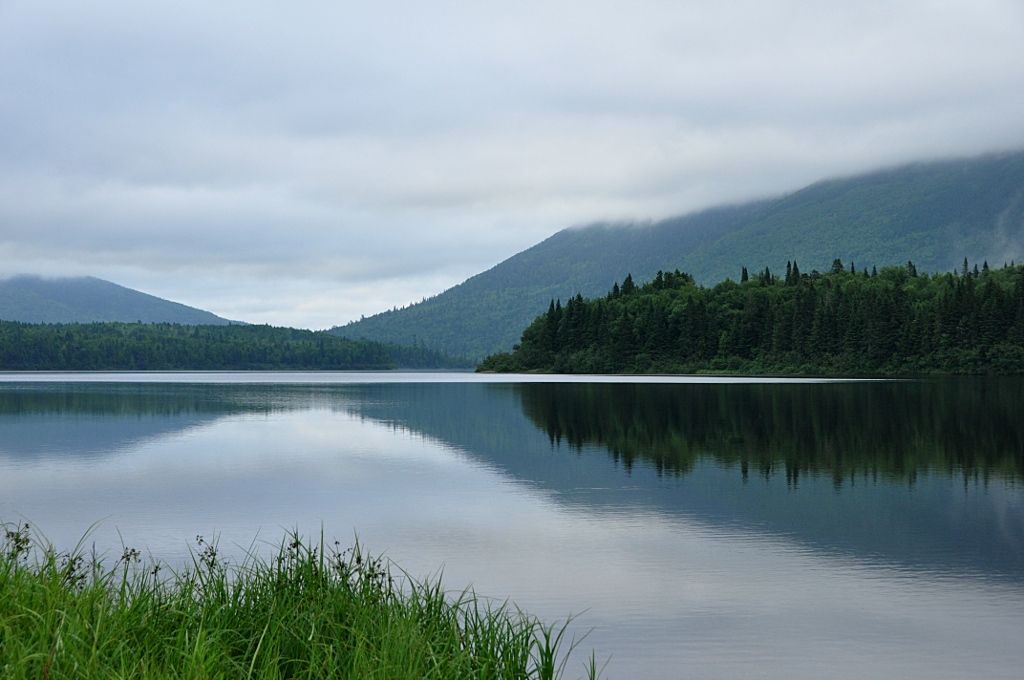
New Brunswick is bordered by Quebec to the northwest, the Gulf of Saint Lawrence to the northeast, Nova Scotia to the east, the Bay of Fundy to the southeast, and the U.S. state of Maine to the southwest. The province's northern half is dominated by the Appalachian Mountains, contributing to a landscape that is approximately 83 percent forested. The southern and coastal regions feature more low-lying terrain, including the fertile valleys of rivers like the Wolastoq (Saint John River). New Brunswick experiences a humid continental climate characterized by cold, snowy winters and warm, temperate summers, with a subarctic climate in the far north. The Bay of Fundy, home to the highest tides in the world, significantly influences the climate and geography of the province's southeastern coast, creating unique ecosystems and landmarks like the Hopewell Rocks. The province's surface area is 72,908 square kilometres.
Indigenous History and European Contact
Paleo-Indians are believed to have been the first humans on the land of New Brunswick, settling there roughly 10,000 years ago. The province's land base has historically formed integral parts of the homelands of three First Nations: the Mi’kmaq, Wolastoqiyik, and Passamaquoddy of Wabanakia. Much of the eastern coast falls within the Mi'kmaw district of Siknikt in their country of Mi'kma'ki. The western half of the province is covered by the Wolastoqiyik homeland, Wolastokuk, named for the Wolastoq or Saint John River. Peskotomuhkatik, the Passamaquoddy country, surrounds the bay named for the nation. Many place names in the province originate from their Eastern Algonquian languages, such as Aroostook, Bouctouche, Memramcook, Petitcodiac, Richibucto and Shediac. The first documented European exploration was made by Jacques Cartier in 1534, when his party set foot in Miscou and explored the coasts of Chaleur Bay, making contact with Indigenous peoples and initiating trade.
Acadian Settlement and the Great Upheaval
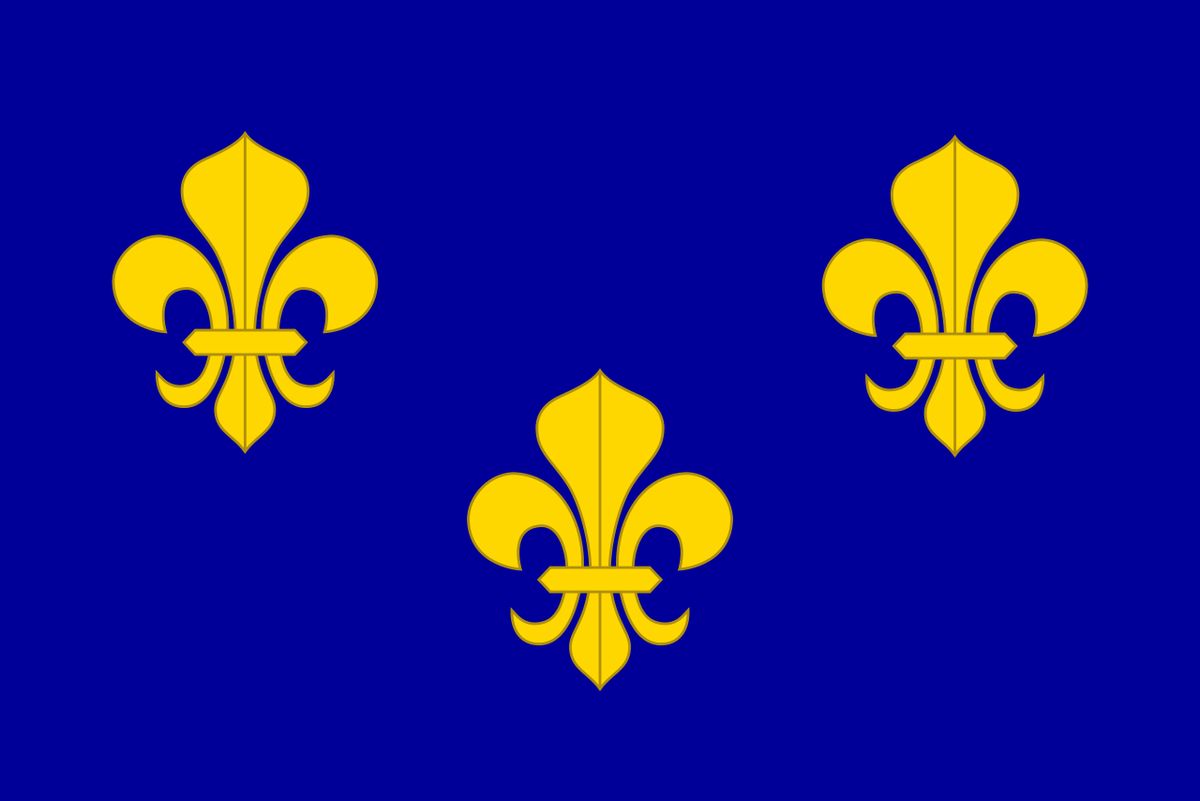
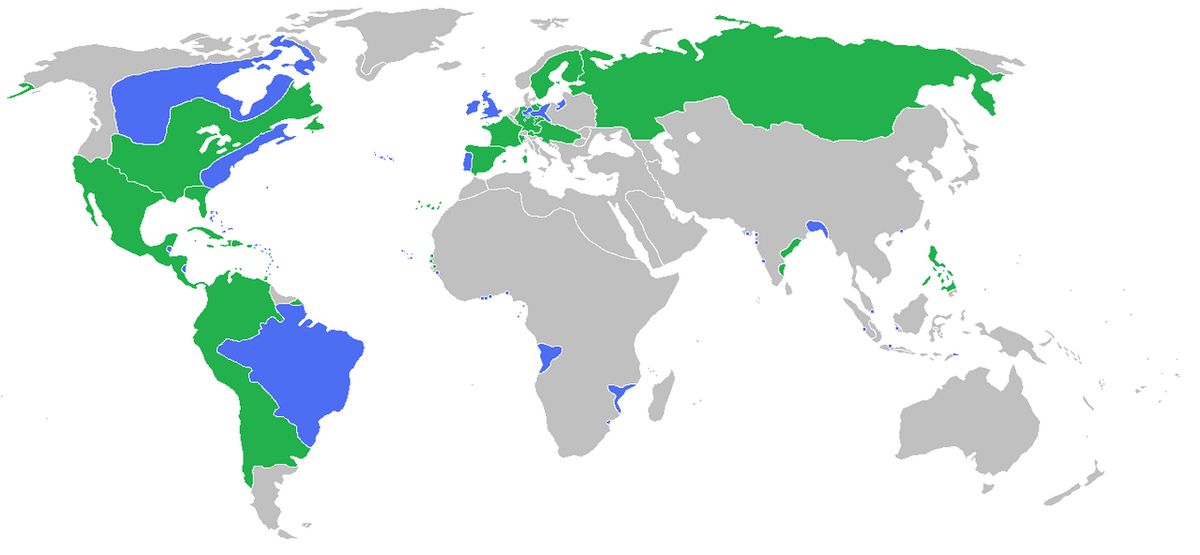
Acadia, a colonial division of New France covering the Maritimes, was founded in 1604 by Samuel de Champlain and Pierre Dugua de Mons with a settlement on Saint Croix Island, later moved to Port-Royal. The Mi'kmaq helped the French survive, and a fur trade network developed along the Saint John River. Over time, French settlement extended up the river to the site of present-day Fredericton and throughout the southeast. The descendants of these colonists became the Acadians, developing a unique society characterized by dyking technology to cultivate marshes and tightly knit independent communities. Following the British capture of Fort Beauséjour in 1755 and the Treaty of Paris in 1763, continental Acadia was incorporated into British Nova Scotia. From 1755 to 1764, the British deported approximately 12,000 Acadians out of a population of 18,000 in an ethnic cleansing event known as the Great Upheaval or the Deportation of the Acadians. Many were sent to the Thirteen Colonies or France, while others fled north or eventually relocated to Louisiana, where their descendants became Cajuns.
Loyalist Founding and Economic Development
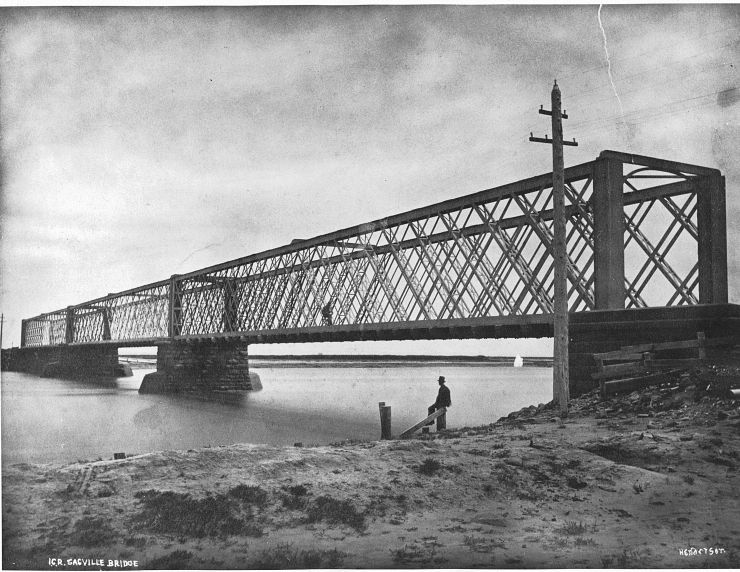
Following the American Revolution, approximately 14,000 Loyalist refugees settled in the region, particularly around the St. John River valley and the Bay of Fundy. Dissatisfied with distant governance from Halifax, they petitioned for a separate colony. On 18 June 1784, the British government created the province of New Brunswick, named for King George III who was also prince-elector of Brunswick-Lüneburg. The first governor was Thomas Carleton, who in 1785 chose the hamlet of Sainte-Anne as the provincial capital, renaming it Frederick's Town (later Fredericton). That same year, Saint John became New Brunswick's first incorporated city. Initially a poor environment for agriculture and mining, the province's fortunes changed with Napoleon's continental blockade in 1806, which forced Britain to import timber from its North American colonies. This stimulated a massive lumber trade in New Brunswick. Between 1805 and 1812, the province annually exported 100,000 tons of squared timber, a figure that peaked at 417,000 tons in 1825. This industry spurred shipbuilding, bolstered later by the Canadian-American Reciprocity Treaty of 1854 and demand from the American Civil War. From 1800 to 1851, New Brunswick's population grew from 25,000 to 200,000, aided by large-scale immigration from Ireland and Scotland.
Confederation and 20th Century Challenges
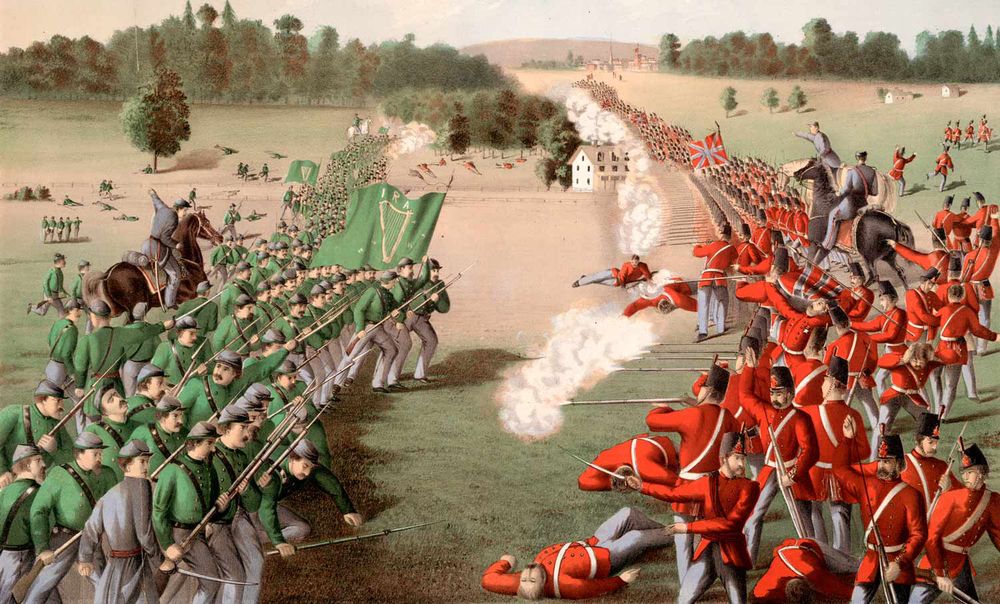
During the 1860s, discussions about unifying the maritime colonies gained momentum, driven by factors like the aftermath of the American Civil War, the cancellation of the Reciprocity Treaty in 1866, and Fenian raids. New Brunswick joined Confederation on 1 July 1867, with Nova Scotia and the Province of Canada. Post-Confederation economic life was difficult. The National Policy of 1879 enacted high tariffs, disrupting trade with New England, and the decline of shipbuilding, the Great Fire of Saint John in 1877, and the US Panic of 1893 led to outmigration. The Acadians, who had become a marginalized minority, faced laws banning French in public schools after 1871, though these were lifted following political pressure and a riot in Caraquet in 1875. The Irving Group of Companies, founded by the Irving family, officially began in Bouctouche in 1881 when James Irving bought a sawmill. The early 20th century saw some industrial growth in textiles, iron, and pulp and paper, but many industries failed to compete with Central Canada. The Great Depression exacerbated unemployment, and by 1937 New Brunswick had the highest infant mortality and illiteracy rates in Canada. The Rowell-Sirois Commission of 1940 led to the eventual implementation of equalization payments in 1957 to address fiscal disparities. During World War II, New Brunswick contributed 14 army units and hosted British Commonwealth Air Training Plan bases, receiving over $78 million in military contracts.
Modern Bilingualism and Economy
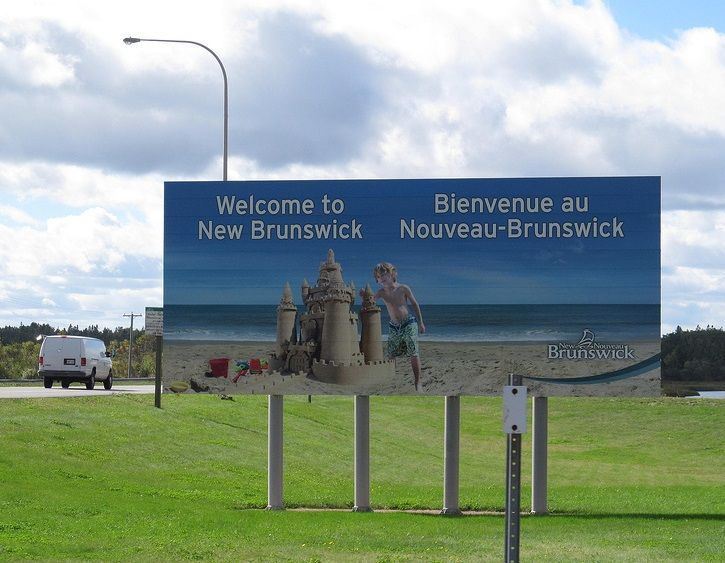
The post-war period focused on addressing linguistic and regional inequalities. The Acadian and Francophone population grew from about 16 percent in 1871 to 34 percent in 1931, yet government services were often unavailable in French. In 1960, Premier Louis Robichaud began the New Brunswick Equal Opportunity program, which laid groundwork for the landmark Official Languages Act of 1969. This act formally recognized French as an official language alongside English, guaranteeing New Brunswickers the right to receive provincial government services in the official language of their choice. In 1982 this right became part of the Canadian Charter of Rights and Freedoms. Today, about two thirds of the population are English speaking and one third is French speaking, with New Brunswick home to most of the cultural region of Acadia and most Acadians. The province's variety of French is called Acadian French and there are seven regional accents. Economically, the province's GDP was derived as follows in 2002: services 43 percent, construction, manufacturing, and utilities 24 percent, real estate rental 12 percent, wholesale and retail 11 percent, agriculture, forestry, fishing, hunting, mining, oil and gas extraction 5 percent, and transportation and warehousing 5 percent. The province's 2019 output was $38.236 billion. Tourism accounts for 9 percent of the labour force directly or indirectly. The Irving Group of Companies is considered by many to exert a monopoly over large sectors of the provincial economy.
Paid Public Holidays and Employment Standards
Under New Brunswick's Employment Standards Act, there are eight paid public holidays for which eligible employees receive a day off with pay or premium pay for work. To qualify for a paid public holiday, an employee must have been employed for at least 90 calendar days in the 12 months preceding the holiday and must work their scheduled shifts immediately before and after the holiday, barring acceptable reasons like illness. The eight paid holidays are New Year's Day, Family Day, Good Friday, Canada Day, New Brunswick Day, Labour Day, Remembrance Day, and Christmas Day. An employee who works on a paid public holiday is entitled to receive their regular day's pay plus one and a half times their regular wage rate for each hour worked. If the holiday falls on a non-working day or during an employee's vacation, the employer must provide another paid day off in lieu or, with employee agreement, a regular day's pay. The substitute day must be taken before the employee's next vacation period.
Employers have alternative methods for calculating holiday pay. They may pay an additional four percent of the employee's gross wages on every pay cheque from the first day of employment instead of providing a regular day's pay for each holiday. For employees with variable wages, holiday pay is based on an average day's pay calculated from all hours worked, excluding overtime, in the 30 days before the holiday. Certain professions are exempt from these holiday provisions, including architects, dentists, lawyers, doctors, pharmacists, accountants, and most commissioned salespeople such as those in real estate and car sales. For continuous operations like hotels or restaurants, employers may substitute the holiday without employee agreement to the first working day after the employee's next vacation. The National Day for Truth and Reconciliation on 30 September is an optional holiday in New Brunswick.
- New Year's Day
- Family Day (third Monday in February)
- Good Friday
- Canada Day (1 July)
- New Brunswick Day (first Monday in August)
- Labour Day (first Monday in September)
- Remembrance Day (11 November)
- Christmas Day (25 December)
Demographics and Major Urban Centres
According to the 2021 census, New Brunswick has a population of 775,610, with approximately half residing in urban areas. The three major urban areas are in the south of the province: Greater Moncton with a population of 157,717, Greater Saint John with 130,613, and Greater Fredericton with 108,610. Moncton, originally settled as The Bend of the Petitcodiac by planters from Pennsylvania in 1766, is the largest metropolitan area and an economic hub. Saint John, founded by Loyalists in 1783, is the province's oldest city and a major industrial port. Fredericton, the capital chosen in 1785, is a government and educational centre on the Wolastoq. The province has recently seen the highest eastward interprovincial migration in 45 years, with people from Ontario and other parts of Canada moving to both rural and urban areas.
| Urban Area | Population (2021 CMA) | Primary Role |
|---|---|---|
| Moncton | 157,717 | Largest metro area, economic hub |
| Saint John | 130,613 | Oldest incorporated city, industrial port |
| Fredericton | 108,610 | Provincial capital, government and university centre |
Questions about New Brunswick
Is New Brunswick Day a statutory holiday?
Yes, New Brunswick Day is a statutory holiday. It is one of the eight paid public holidays mandated by the province's Employment Standards Act. New Brunswick Day is observed on the first Monday in August. As a paid public holiday, eligible employees are entitled to a day off with regular pay or to receive premium pay if they are required to work on that day.
How many paid public holidays are there in New Brunswick?
There are eight paid public holidays in New Brunswick. These holidays are New Year's Day, Family Day, Good Friday, Canada Day, New Brunswick Day, Labour Day, Remembrance Day, and Christmas Day. The provincial Employment Standards Act establishes these holidays for qualifying employees. To be eligible, an employee must have worked for the same employer for at least 90 calendar days in the previous 12 months.
What are the rules for holiday pay if I work on a public holiday?
If you work on a paid public holiday and qualify, you receive your regular day's pay plus premium pay. The premium pay is one and a half times your regular hourly wage for the hours you worked on that holiday. To qualify for this pay, you must have been employed for at least 90 calendar days in the past 12 months. You also need to work your scheduled shifts before and after the holiday, unless you have a valid reason like illness for not working.
Is Victoria Day a stat holiday in New Brunswick?
Victoria Day is not a paid public holiday under New Brunswick's Employment Standards Act. Instead, it is recognized as a prescribed day of rest. This means certain retail businesses may be legally required to close on that day. However, employers are not obligated to provide a paid day off or premium pay for any work performed on Victoria Day.
What is the 4% vacation pay rule in New Brunswick?
The 4% vacation pay rule applies to employees with less than eight years of service. These employees are entitled to vacation pay equal to four percent of their gross wages earned during the vacation entitlement year. After eight or more years of service, the rate increases to six percent. This pay must be provided before the employee begins their annual vacation.
What is the largest city in New Brunswick by population?
Moncton is the largest city in New Brunswick by population. The 2021 census recorded the population of the Greater Moncton metropolitan area as 157,717. This makes Moncton the largest urban centre and a major economic hub in the province. The city's size surpasses that of other major urban areas like Greater Saint John and Greater Fredericton.
Sources and further reading
- New Brunswick (Wikipedia)
- Paid public holidays, vacation time and pay, gnb.ca (gnb.ca)
- List of Statutory Holidays in Canada, 2026 (todocanada.ca)
- Canadian statutory holidays in 2026 (statutoryholidays.com)
- New Brunswick Statutory Holidays 2026 (hireborderless.com)
Checked by the Nosy Mag desk. Last updated 2026-10-25.