Province of Quebec (1763 to 1791)
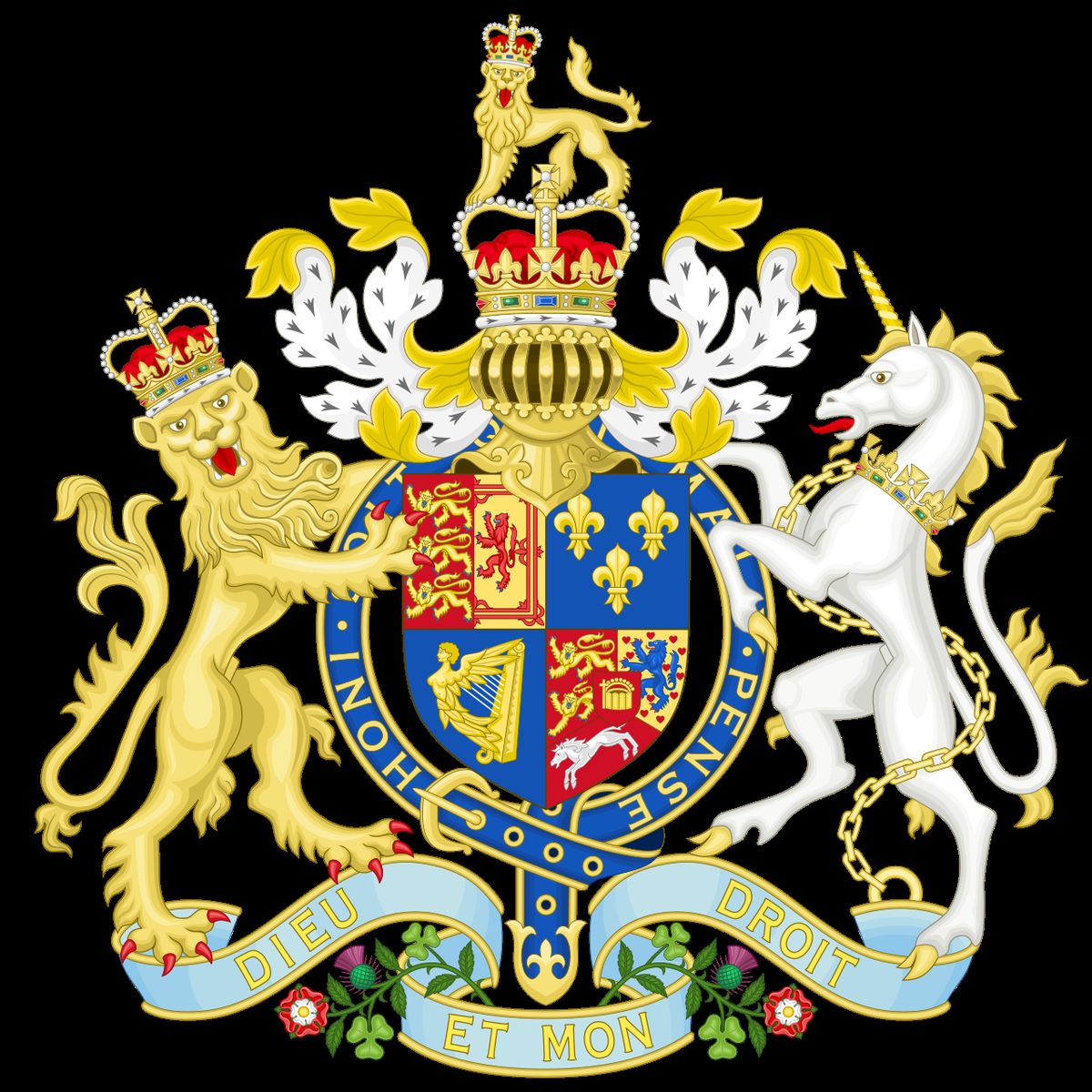
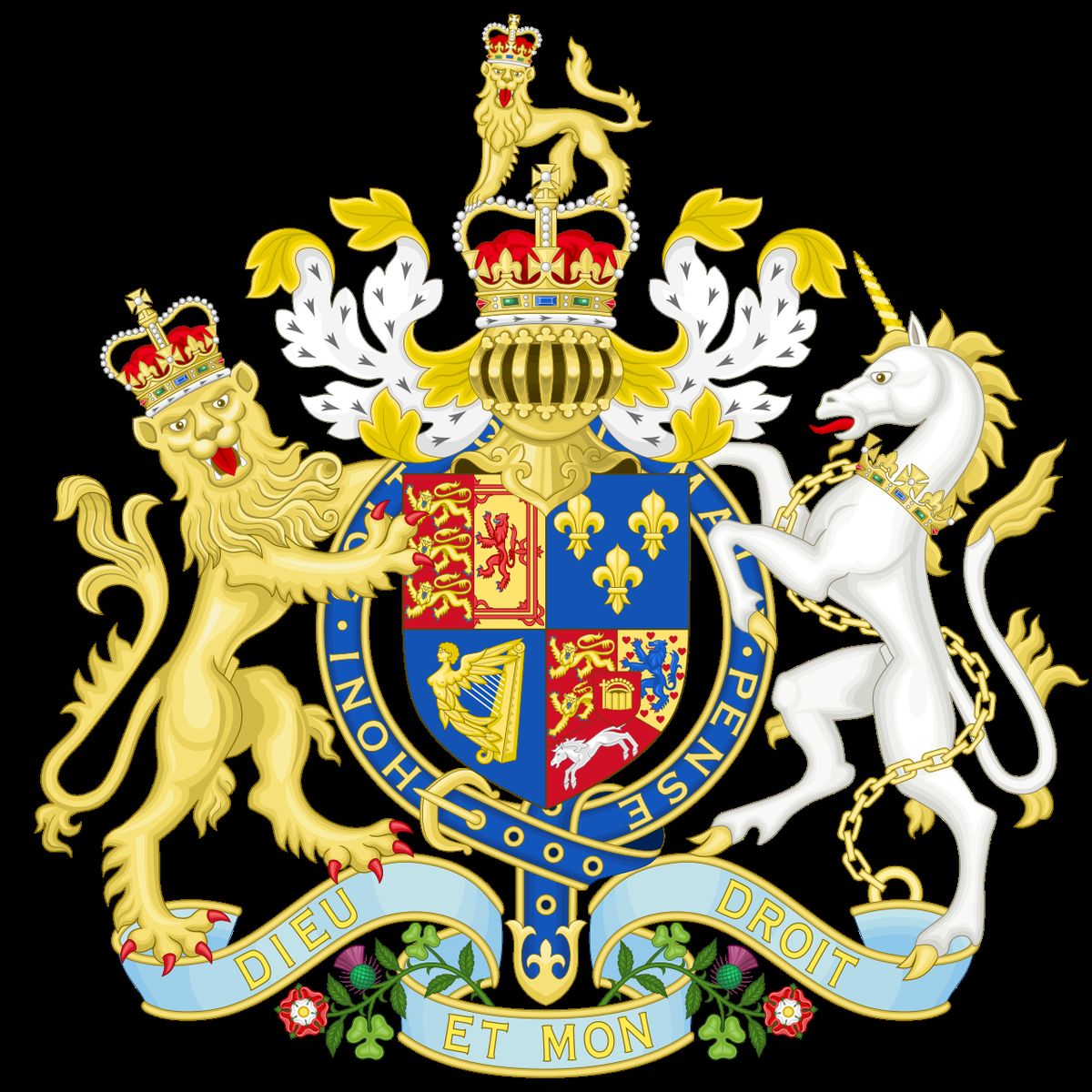
The Province of Quebec (1763 to 1791) was a British colony established in the aftermath of the Seven Years' War, encompassing the former French colony of Canada. Created by the Royal Proclamation of 1763, the province was a central administrative entity that governed a predominantly French-speaking, Catholic population under British rule. Its history is marked by significant territorial changes, the Quebec Act of 1774, and the influx of Loyalist refugees following the American Revolution. The province's existence shaped the constitutional and cultural foundations of modern Canada, culminating in its division into Upper and Lower Canada by the Constitutional Act of 1791.
Origins and Establishment
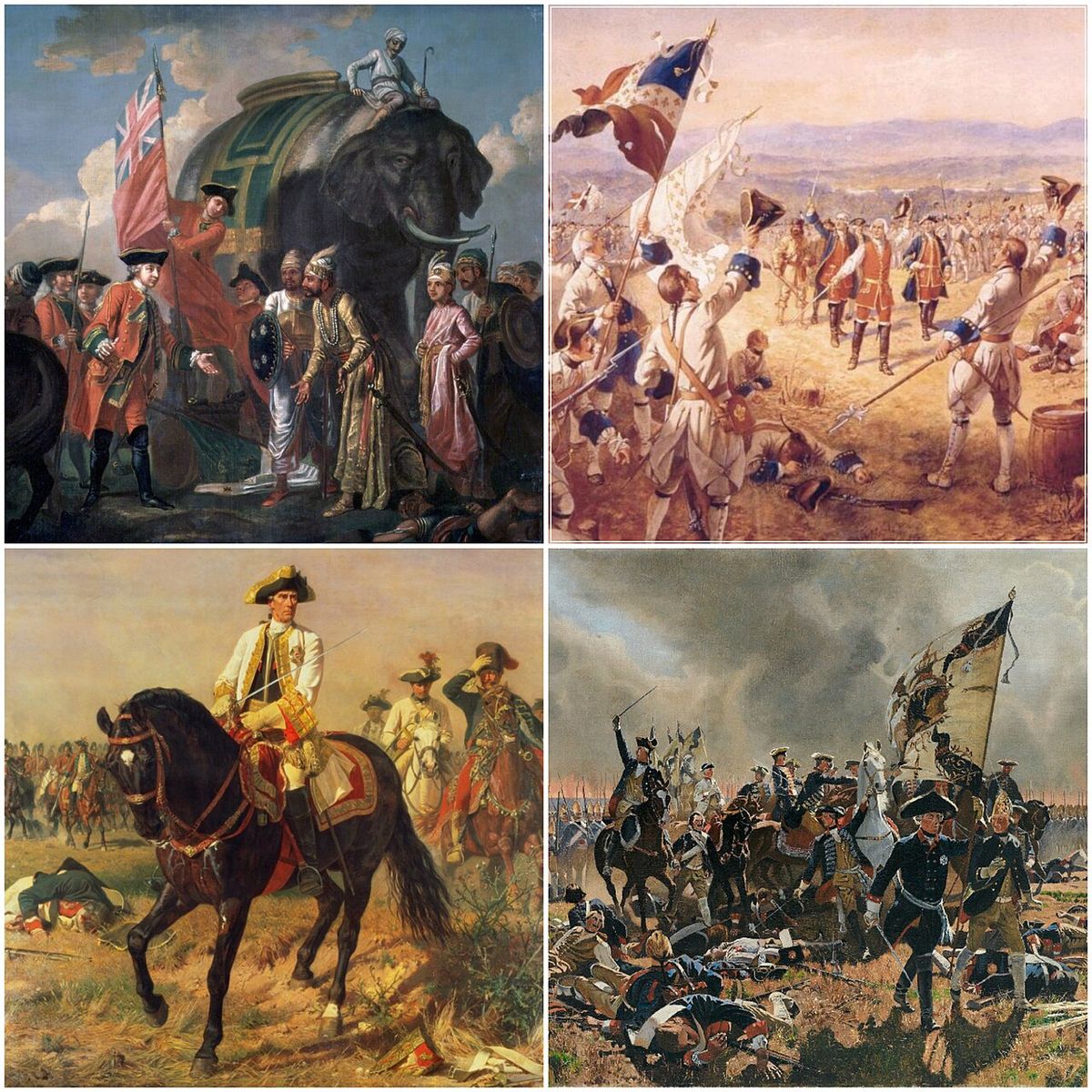
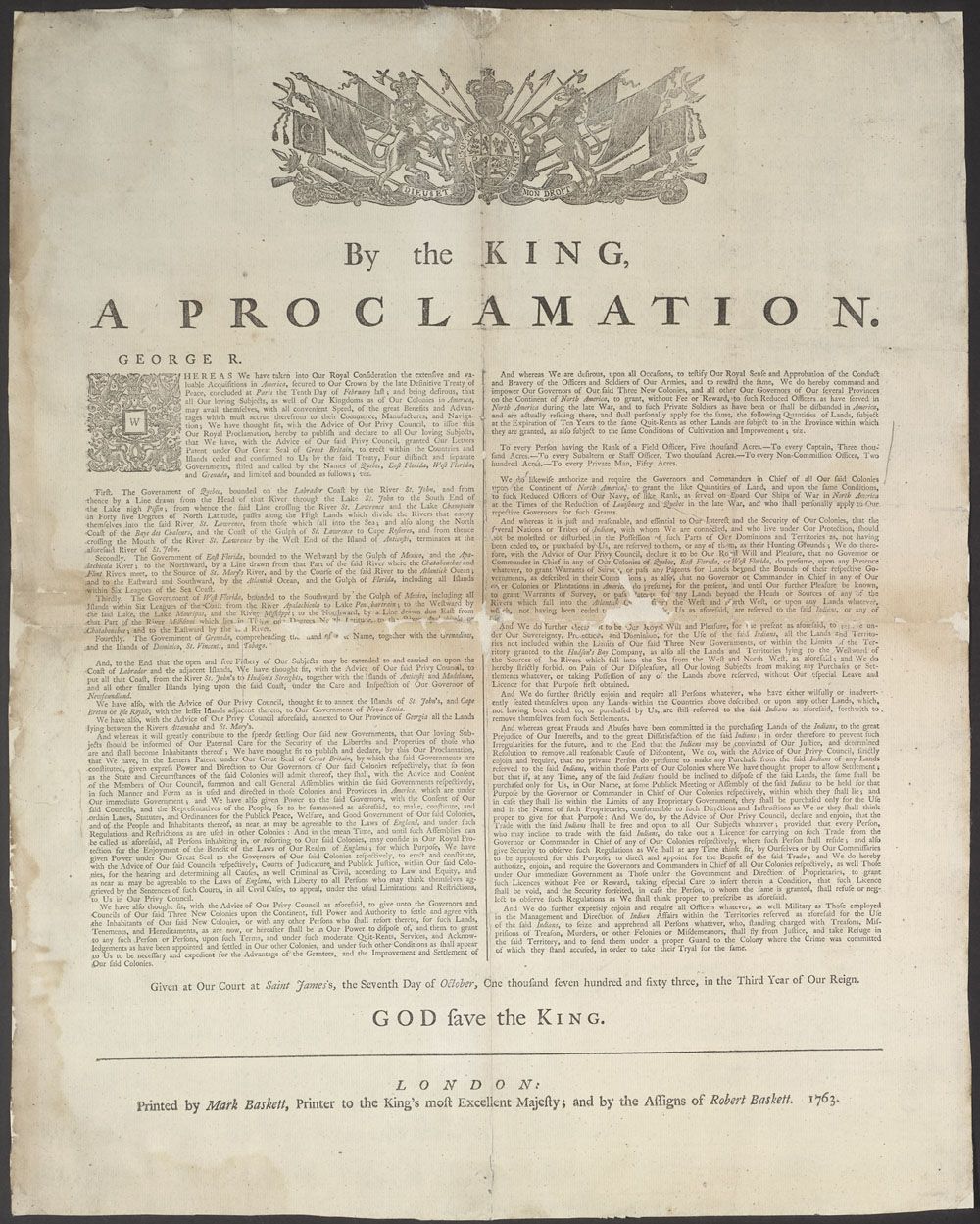
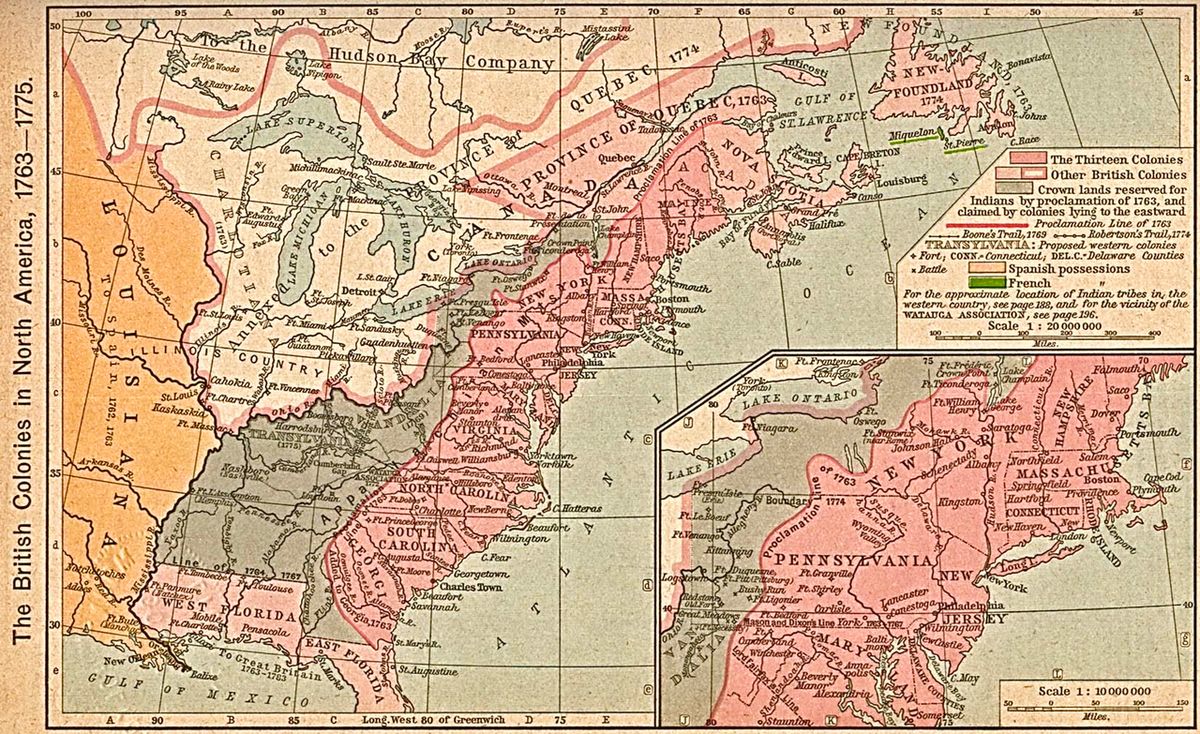
The Province of Quebec originated from the British conquest of New France, which was finalized by the Treaty of Paris in 1763. As part of the treaty negotiations, France ceded its North American territory of Canada to Great Britain, choosing instead to retain the profitable island of Guadeloupe. The British government moved swiftly to organize its new possession, issuing the Royal Proclamation of 1763 on October 7. This proclamation formally renamed the former French colony as the Province of Quebec and established its first civil government framework. The initial boundaries were restrictive, encompassing a rectangular area along the St. Lawrence River that included the cities of Quebec and Montreal but did not extend as far west as the Great Lakes or as far north as Rupert's Land. This early configuration was designed to encourage the assimilation of the French-Canadian population and to manage settlement patterns. The proclamation also initiated the period of British military government, which had begun with the capitulation of Montreal in 1760, transitioning to full civil governance by 1764 under Governor James Murray. The proclamation also aimed to establish British settlement in the area and to regulate relations with Indigenous peoples.
Territorial Evolution and Districts
The geography of the Province of Quebec underwent two major expansions during its brief existence. The original 1763 borders were significantly enlarged by the Quebec Act of 1774, a move that had deep political and strategic implications. The act extended the province's territory southwest to the Ohio River, west to the Mississippi River, and north to the southern boundary of Rupert's Land, also adding the coast of Labrador. This massive annexation incorporated the Ohio Country and part of the Illinois Country, regions hotly contested by American colonists. Following the American Revolution, the Treaty of Paris in 1783 forced Britain to cede the lands south of the Great Lakes to the United States, dramatically reducing Quebec's southwestern expanse. However, Britain retained military posts in the region, such as Detroit, Fort Niagara, and Fort Michilimackinac, until 1796 under the terms of the Jay Treaty, continuing to supply troops and Indigenous allies like the Western Confederacy. For administrative and judicial purposes, the province was internally divided. Initially, around 1763 to 1764, it comprised the Quebec District, covering the eastern parts along the St. Lawrence and Labrador, and the Montreal District, covering the western parts including Montreal and much of present-day southern Ontario. In 1790, the Trois-Rivières District was formed out of part of Quebec District. In 1788, the Western District was created in the western reaches of the Montreal District, which was known as Hesse District until 1792 and later detached to form Upper Canada. The Montreal District east of the Ottawa River was partitioned into many electoral districts after 1791.
Governance, Law and the Quebec Act
The Province of Quebec was ruled directly by a British governor without an elected legislature. Governance relied on a council appointed to advise the governor on affairs of state, established first in 1764 by Governor James Murray and later reformed by the Quebec Act. The Quebec Act of 1774 was the colony's most significant piece of legislation, representing a dramatic shift in British policy toward accommodation. It restored French civil law, the Coutume de Paris, for private matters while maintaining English criminal law. The act also guaranteed the right of Roman Catholics to hold public office and allowed the Catholic Church to collect tithes, a crucial concession to the French-Canadian majority. This legal and religious framework was designed to secure the loyalty of the new subjects and stabilize the colony. The governor held supreme executive authority, advised by the Council for the Affairs of the Province of Quebec on legislative matters until the colony's division in 1791. This council, created by the Quebec Act, served as an advisory legislative council. The act also enlarged the province's boundaries from the coast of Labrador on the Atlantic Ocean, southwest through the Saint Lawrence River Valley to the Great Lakes and beyond to the confluence of the Ohio and Mississippi Rivers.
Demographic Transformation and Society
The population of the Province of Quebec experienced rapid growth and significant demographic shifts between 1763 and 1791. Driven by a high birth rate, the number of inhabitants grew from approximately 70,000 in the 1760s. Initially, the population was overwhelmingly French-speaking and Catholic, with an estimated 3000 people leaving the St. Lawrence Valley after the Conquest. The expected large-scale British immigration did not materialize early on, with the number of British 'old subjects' remaining very small. This changed dramatically with the influx of United Empire Loyalists following the American Revolutionary War. By 1784, around 25,000 Loyalist refugees, primarily English-speaking Protestants from the former Thirteen Colonies, had arrived in the province. They settled mainly in the Eastern Townships, Montreal, and the region west of the Ottawa River known as the Pays d'en Haut. This influx created new linguistic and religious tensions and was a direct catalyst for the colony's eventual partition. The British minority, many of whom were merchants and officials, held social and political influence. The colony retained its seigneurial system of land tenure after the conquest. The Constitutional Act 1791 divided the colony in two at the Ottawa River so that the western part could be under the English legal system, with English speakers in the majority.
Economic Foundations and the Fur Trade
The economy of the Province of Quebec was diverse, with different sectors dominating domestic life and external trade. Agriculture, particularly the growing of wheat, was the primary occupation for the largest number of people and supplied the local market. The fur trade remained the colony's most famous and vital commercial link with the wider continent. Montreal merchants eventually monopolized the flow of furs from the Great Lakes region and the Northwest. The annexation of the Ohio Country in 1774 strengthened Montreal's position against competition from New York and Albany. By 1789, the activities of voyageurs and traders like Peter Pond and Alexander Mackenzie had linked the entire North-West to the Province of Quebec, with Mackenzie descending the river that bears his name to the Arctic Ocean. Artisan-level industrial production met domestic needs. Through Quebec, the British Crown retained access to the Ohio and Illinois Countries after 1783 by well-established trade and military routes across the Great Lakes. The British continued to supply not only their troops but also the Western Confederacy through these posts until they were turned over to the United States following the Jay Treaty.
Administrative Leadership and Councils
The province was administered through a system of direct gubernatorial rule supported by appointed councils and district officers. The executive was led by a succession of governors appointed by the British Crown. James Murray served as governor from 1760 to 1766, overseeing the initial military government and the transition to civil rule. Guy Carleton, later Baron Dorchester, served two terms, from 1766 to 1778 and again from 1786 to 1796, and was instrumental in shaping the Quebec Act. Sir Frederick Haldimand was governor from 1778 to 1786, managing the province during the latter part of the American Revolution. Lieutenant governors acted as deputies to the governors, including Hector Theophilus de Cramahé (1771 to 1782), Henry Hamilton (1782 to 1785), Henry Hope (1785 to 1788), and Alured Clarke (1790). The advisory council structure evolved from Murray's initial council to the more formal Council for the Affairs of the Province of Quebec established by the 1774 act. The individuals James Murray called into the council from 1764 to 1766 included Walter Murray, Thomas Dunn, Adam Mabane, Samuel Holland, and Paulus Aemilius Irving.
The Road to Division and the Constitutional Act
Mounting demographic, legal and political pressures led to the dissolution of the Province of Quebec, a process driven by the Loyalist migration. The arrival of thousands of Loyalists created a sustained demand for British institutions, particularly English common law and freehold land tenure, which contrasted with the French civil law and seigneurial system maintained in Quebec. This cultural and institutional clash, combined with the practical challenges of governing a vast territory, prompted the British Parliament to seek a new constitutional solution. The result was the Constitutional Act of 1791, which divided the Province of Quebec into two separate colonies using the Ottawa River as the boundary. The western portion became Upper Canada, with an English legal system and freehold land tenure. The eastern portion became Lower Canada, which retained French civil law and the seigneurial system. The Trois-Rivières and Quebec districts continued in Lower Canada, while Montreal District west of the Ottawa River became Upper Canada. The territory north of the Great Lakes was reorganised and divided into these two colonies, setting the stage for future Canadian political development.
Key Events and Legislative Timeline
The Province of Quebec was established by the Kingdom of Great Britain in 1763 following the conquest of New France during the Seven Years' War. The Royal Proclamation of 1763 renamed the former French colony of Canada as the Province of Quebec. In 1774, the British Parliament passed the Quebec Act, which restored French customary law for private matters and allowed the Catholic Church to collect tithes. The Quebec Act also greatly enlarged the boundaries of the province. Following the American Revolution, portions of its southwest were ceded to the United States in the 1783 Treaty of Paris. The colony was divided into Lower Canada and Upper Canada by the Constitutional Act of 1791. The province's history is further detailed in works such as Alfred LeRoy Burt's The Old Province of Quebec and Hilda Neatby's Quebec: The Revolutionary Age, 1760 to 1791.
- 1760: Capitulation of Montreal places the colony under British military government.
- 1763: Treaty of Paris ends the Seven Years' War. Royal Proclamation of October 7 creates the Province of Quebec.
- 1764: Civil government is instituted under Governor James Murray, and an advisory council is created.
- 1766: Guy Carleton succeeds James Murray as governor. Guy Carleton also serves as lieutenant governor to Murray from 1766 to 1768.
- 1771: Hector Theophilus de Cramahé begins his term as lieutenant governor to Guy Carleton.
- 1774: The Quebec Act is passed, expanding the province's borders and restoring French civil law and Catholic rights.
- 1783: Treaty of Paris ends the American Revolution. Britain cedes lands south of the Great Lakes to the United States.
- 1784: A significant influx of Loyalist refugees alters the province's demographics.
- 1788: The Western District (Hesse District) is created within the Montreal District.
- 1790: The Trois-Rivières District is formed from part of the Quebec District. Alured Clarke serves as lieutenant governor.
- 1791: Constitutional Act divides the Province of Quebec into Upper and Lower Canada.
Population and Export Statistics
Demographic and economic data from the period illustrate the colony's growth and its primary economic activities. The population figures show a dramatic increase, largely through natural growth until the Loyalist arrival. The fur trade's central role is showed by the commercial activities of Montreal merchants. The following table outlines key population estimates and the main economic drivers during the province's existence. The province's major exports were furs and wheat products, which were shipped to Britain and the West Indies.
| Year | Estimated Population | Key Economic Activity | Notable Demographic Event |
|---|---|---|---|
| 1766 | ~70,000 (French). ~500 (British) | Reviving fur trade, agriculture | Minimal British immigration |
| 1775 | ~70,000 | Agriculture (wheat), fur trade expansion | Pre-American Invasion |
| 1784 | ~144,000 | Fur trade monopoly, Loyalist settlement agriculture | Influx of ~25,000 Loyalists |
| 1790 | ~161,000 | Fur trade to North-West, wheat exports | Peak before division |
The population of Quebec grew from approximately 70,000 in the 1760s to around 161,000 by 1790. This growth was due to natural increase and the influx of Loyalist refugees. These United Empire Loyalists settled mainly in the southwestern part of the province, which later became Upper Canada. Agriculture supplied local markets. The fur trade remained vital, with British posts south of the Great Lakes supplied until their turnover following the Jay Treaty of 1794. The colony's economy was not limited to its official boundaries, as the geographic universe of fur traders stretched westward into the pays d'en haut and the North-West.
Questions about Province of Quebec (1763 to 1791)
Why was the Province of Quebec created in 1763?
The Province of Quebec was created by Great Britain following its victory in the Seven Years' War and the subsequent Treaty of Paris in 1763. The treaty transferred the French colony of Canada to British control. The Royal Proclamation of 1763 was issued to establish a formal civil administration for the newly acquired territory, renaming it the Province of Quebec. The primary goals were to consolidate British authority and manage the predominantly French-Canadian population. The proclamation also aimed to regulate settlement and relations with Indigenous peoples.
What were the main provisions of the Quebec Act of 1774?
The Quebec Act of 1774 restored the use of French civil law, the Coutume de Paris, for private matters alongside English criminal law. The act guaranteed the right of Roman Catholics to hold public office and allowed the Catholic Church to collect tithes. Territorially, it greatly expanded the province's borders southwest to the Ohio and Mississippi rivers, annexing the Ohio Country and part of the Illinois Country, and also added the Labrador coast. The act enlarged the province from the coast of Labrador on the Atlantic Ocean to the confluence of the Ohio and Mississippi Rivers.
How did the American Revolution affect the Province of Quebec?
The American Revolution concluded with the Treaty of Paris in 1783, which resulted in Britain ceding the southwestern parts of the province, south of the Great Lakes, to the new United States. The revolution triggered a large migration of United Empire Loyalists into Quebec, adding an English-speaking Protestant population. This demographic shift created pressure for political change and was a direct cause of the colony's division in 1791. Britain retained key military posts such as Detroit, Fort Niagara, and Fort Michilimackinac in the ceded territory until 1796 under the Jay Treaty.
What was the population of the Province of Quebec?
The population of the Province of Quebec grew from approximately 70,000 in the 1760s to around 161,000 by 1790. Initially, the population was almost entirely French-Canadian, with about 3000 people leaving after the Conquest. Immigration from Britain was minimal in the early years. The major demographic change came after the American Revolution, with the arrival of approximately 25,000 Loyalist refugees by 1784. This influx began to alter the linguistic and religious composition of the colony, particularly in the Western Districts.
How was the Province of Quebec governed?
The Province of Quebec was governed as a British colony under the direct rule of a governor appointed by the Crown, with no elected legislative assembly. The governor ruled with the advice of an appointed council, first established in 1764 and reformed by the Quebec Act in 1774 into the Council for the Affairs of the Province of Quebec. Lieutenant governors such as Hector Theophilus de Cramahé and Henry Hope acted as deputies. This system of direct rule continued until the Constitutional Act of 1791 introduced representative assemblies in Upper and Lower Canada.
Why was the Province of Quebec divided in 1791?
The Province of Quebec was divided in 1791 by the Constitutional Act primarily to address the growing cultural and political tensions between its French-speaking and English-speaking inhabitants. The influx of Loyalists after the American Revolution created a large population that desired British legal institutions, which differed from the French civil law and seigneurial system in place. To accommodate these two distinct societies, the British Parliament partitioned the colony at the Ottawa River into Upper and Lower Canada. The territory north of the Great Lakes was reorganised into these two colonies.
Sources and further reading
- Province of Quebec (1763 to 1791) (Wikipedia)
- Province of Quebec 1763-91 (thecanadianencyclopedia.ca)
- Province of Quebec (1763 to 1791): Canada, New France, ... (abebooks.co.uk)
- History of Québec City (quebec-cite.com)
- List of events in the history of Quebec compiled by the Ministry ... (ouvert.canada.ca)
Checked by the Nosy Mag desk. Last updated 2026-10-23.