Missing and Murdered Indigenous Women
Missing and Murdered Indigenous Women and Girls (MMIWG) refers to the ongoing crisis of disproportionate violence faced by Indigenous women, girls, and Two-Spirit, lesbian, gay, bisexual, transgender, queer, questioning, intersex and asexual (2SLGBTQQIA+) people in Canada and the United States. In Canada, Indigenous women represent 16% of all female homicide victims while constituting only about 4% of the female population, a stark overrepresentation rooted in systemic racism, colonialism, and socioeconomic marginalization. The issue gained national prominence through decades of advocacy by families, survivors, and Indigenous organizations, leading to a landmark federal inquiry. The crisis is recognized as a national tragedy and a form of genocide, demanding urgent action across all levels of government and society.
Historical Context and Systemic Causes
The crisis of missing and murdered Indigenous women is not an isolated phenomenon but a direct consequence of historical and ongoing colonial policies. Indigenous women have been socially, economically, and politically marginalized, making them frequent targets for violence. Underlying factors such as pervasive poverty, inadequate housing, and homelessness significantly increase their vulnerability to victimization. The intergenerational trauma resulting from Canada's residential school system, along with systemic racism and sexism, have created conditions where violence is perpetuated. This systemic marginalization means Indigenous women are between three and three and a half times more likely to be victims of violent crime than other women, and the violence they experience is often more severe. Activists and families have long argued that police bias has led to thousands of cases over the past half century not being properly investigated, with victims being dismissed because they were Indigenous, sex workers, or both.
The legacy of imperialism and the specific impacts of policies like the Indian Act have eroded social structures and contributed to economic insecurity in Indigenous communities. A 2011 Statistics Canada report estimated that, between 1997 and 2000, the rate of homicides for Indigenous women and girls was almost seven times higher than that of other female victims. The trauma caused by abuses under the residential school system plays a documented role in cycles of violence and dislocation. These historical factors combine with contemporary failures in social services and law enforcement to create a situation of heightened risk for Indigenous women and girls across North America, where they are disproportionately affected by all forms of violence according to official reports.
Statistics and Data Collection Challenges in Canada
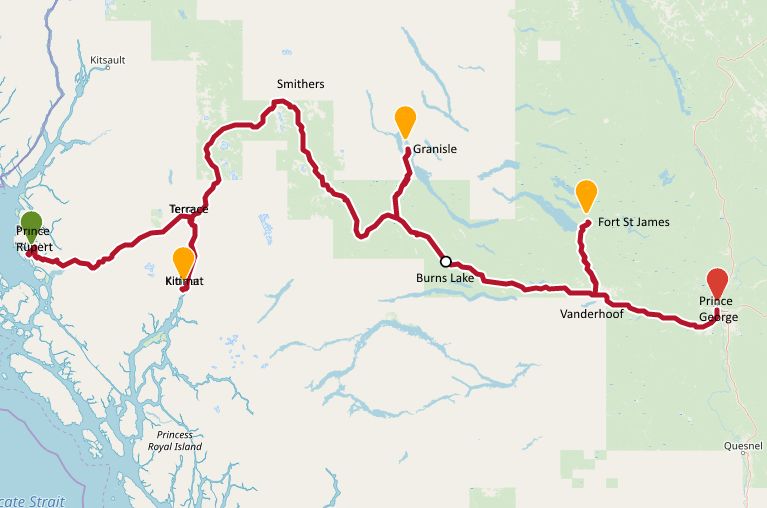
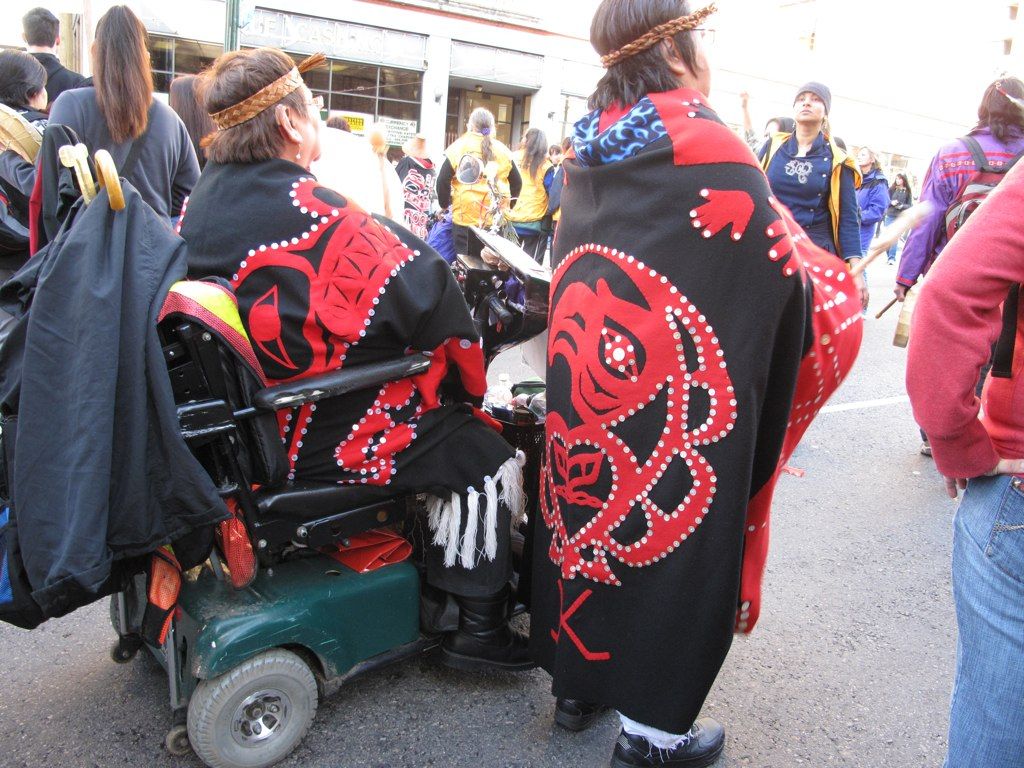
Quantifying the full scope of the MMIWG crisis has been challenging due to historical gaps in data collection. Canada did not maintain a national database for missing persons until 2010, which made it difficult to determine rates or compare data across populations. The National Inquiry's 2019 final report stated there was no reliable nationwide estimate of the numbers of missing and murdered Indigenous women, girls, and 2SLGBTQQIA persons. A database compiled for a 2013 PhD thesis identified 824 missing or murdered Indigenous women between 1946 and 2013. The Royal Canadian Mounted Police established the National Centre for Missing Persons and Unidentified Remains in 2010 in response to investigations into cases like those on the Highway of Tears. This unit developed an algorithm to collect all missing persons reports from police across Canada into the Canadian Police Information Centre system and has published the NCMPUR Fast Fact Sheet to provide national breakdowns.
Key statistical reports have provided partial snapshots of the crisis. A 2014 RCMP report, titled Missing and Murdered Aboriginal Women: A National Operational Overview, found that 1,181 Indigenous women were killed or went missing between 1980 and 2012. During that 33-year period, there were 225 unsolved cases. The report stated that 67% of the cases were murders, 20% were missing persons, 4% were suspicious deaths, and 9% were unknown. A 2015 RCMP update reported 106 unsolved homicide cases and 98 unsolved missing persons cases involving Indigenous women, with an overall resolution rate of 9.3% from the prior year. The Forensic Document Review Project for the National Inquiry later found these RCMP reports identified narrow and incomplete causes of the homicides.
The data reveals severe and growing disparities in risk. From 2001 to 2015, the homicide rate for Indigenous women in Canada was almost six times higher than that for non-Indigenous women, representing 4.82 per 100,000 population versus 0.82 per 100,000. While homicides for non-Indigenous women declined between 1980 and 2015, the number of Indigenous women who were victims of homicide increased from 9% of all female homicide victims in 1980 to 24% in 2015. In provinces and territories with larger Indigenous populations, such as Manitoba, Saskatchewan, Alberta, Nunavut, Yukon, and the Northwest Territories, this overrepresentation among homicide victims is even more pronounced.
Other key statistical findings include that from 2001 to 2015, the homicide rate for Indigenous women in Canada was almost six times higher than that for other women. In Nunavut, Yukon, the Northwest Territories, and the provinces of Alberta, Manitoba, and Saskatchewan, this overrepresentation of Indigenous women and girls among homicide victims has been even higher. A 2011 Statistics Canada report estimated that, between 1997 and 2000, the rate of homicides for Aboriginal women and girls was almost seven times higher than that of other female victims. From 1980 to 2012, Indigenous women represented 16 percent of all female homicides in Canada while constituting only 4 percent of the female population. While homicides for non Indigenous women declined between 1980 and 2015, the number of Indigenous women who were victims of homicide increased from 9 percent of all female homicide victims in 1980 to 24 percent in 2015.
- Between 1980 and 2012, Indigenous women represented 16% of all female homicides while being only 4% of the female population.
- A 2007 study in Saskatchewan, the only province to systematically review its files, found Indigenous women made up 6% of the province's population but accounted for 60% of its missing women cases.
- According to recent data, 56% of Indigenous women have suffered physical assault and 46% have experienced sexual assault in their lifetimes, rates significantly higher than for non-Indigenous women.
- More than 13% of Indigenous people experience violence from a current or ex-partner, a proportion twice as high as non-Indigenous people (5.7%).
- The CBC investigative database 'Missing & Murdered' included more than 300 persons in unsolved cases by February 2016.
The National Inquiry: Process, Findings, and Calls for Justice
Following intense pressure from Indigenous groups, families, and human rights organizations, the Government of Canada under Prime Minister Justin Trudeau established the independent National Inquiry into Missing and Murdered Indigenous Women and Girls in September 2016. The inquiry's mandate was to investigate the systemic causes of violence, recommend ways to ensure safety, and propose methods to honour those lost. It was given an initial two-year timeframe, later extended by six months. Over three years, the inquiry gathered more than 1,000 hours of testimony from 2,300 witnesses through community hearings, private interviews, and expert panels with knowledge keepers and academics. The inquiry completed its work and released its final report, Reclaiming Power and Place, on June 3, 2019. The report concluded that the violence constitutes a genocide, rooted in the deliberate and systemic oppression of a colonial state. Chief Commissioner Marion Buller stated that Canada's laws and institutions continue to violate fundamental human and Indigenous rights.
The report contained 231 individual Calls for Justice, directed at governments, institutions, service providers, industries, and all Canadians. These calls are the detailed recommendations intended to address the systemic causes of violence. They are grouped into 18 main thematic areas covering culture, health and wellness, human security, and justice. The Calls for Justice include specific sections for Inuit, Métis, and 2SLGBTQQIA people, though there are no specific recommendations for First Nations as a distinct group. The inquiry used a Truth Gathering process that centred the voices of survivors and family members, whose experiences highlighted persistent failures in policing, child welfare, health services, and the justice system. The report calls for fundamental legal and social changes to dismantle the colonial structures perpetuating the violence and to implement the United Nations Declaration on the Rights of Indigenous Peoples.
Government Responses, Action Plans, and Implementation
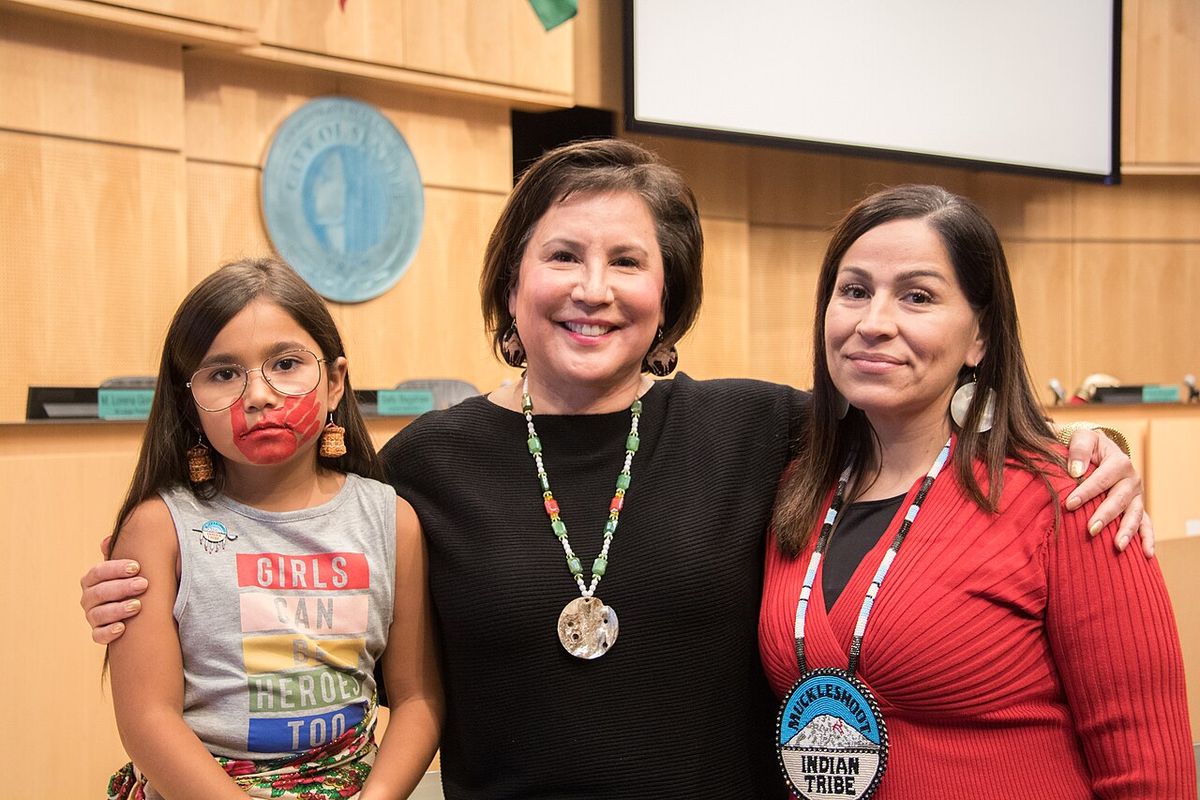
Government responses have evolved from denial to the launch of inquiries and formal action plans, though implementation remains a critical challenge. Prior to 2016, the federal government under Prime Minister Stephen Harper rejected calls for a national inquiry, arguing there had been enough studies. In 2015, then-Minister of Aboriginal Affairs Bernard Valcourt controversially cited RCMP data suggesting 70% of offenders in these cases were of Indigenous origin, a statement that sparked outrage and demands for data transparency. Since the 2019 National Inquiry report, the primary focus has shifted to implementing its 231 Calls for Justice. In June 2021, the Government of Canada, alongside provincial, territorial, and Indigenous partners, released the 2021 National Action Plan: Ending Violence Against Indigenous Women, Girls, and 2SLGBTQQIA+ People. This plan elaborates a shared vision of a Canada where Indigenous women, girls, and 2SLGBTQQIA+ people live free from violence and are celebrated, honoured, and safe.
As part of the National Action Plan, the federal government developed the Federal Pathway, which outlines a set of commitments for federal departments and agencies to support systemic change. This horizontal initiative involves over a dozen federal partner organizations including Crown-Indigenous Relations and Northern Affairs Canada, Indigenous Services Canada, Public Safety, the Department of Justice, and the RCMP. Funding for these efforts was outlined in the Fall Economic Statement 2020 and Budget 2021. The Assembly of First Nations has also developed a separate First Nations-led National Action Plan, written with direct input from survivors and families. This plan outlines immediate areas that need to be addressed by all levels of government, regardless of jurisdiction. Persistent challenges include securing sustained funding, ensuring meaningful collaboration with Indigenous governments, and establishing a national oversight mechanism to track progress, as called for in the inquiry's reports.
Notable Cases, Investigations, and Police Response Critiques
Several high-profile cases and regional patterns have brought national attention to the MMIWG crisis and exposed critical failures in police response. The case of serial killer Robert Pickton, convicted in 2007 for the murders of six women and linked to the deaths of 49 women from the Vancouver area, involved victims who were primarily Indigenous and sex workers. Families have claimed that police did not take the disappearances seriously, allowing Pickton to continue his crimes for years. In Edmonton, the unsolved cases of Indigenous women linked to the so-called Killing Fields have also raised concerns about investigative diligence. A CBC News investigation in 2016 examined 34 cases across Canada where authorities ruled out foul play but where families and evidence suggested otherwise.
The CBC investigation, part of its 'Missing & Murdered' project, found evidence in many of the 34 cases that pointed to suspicious circumstances, unexplained bruises, and other factors that suggested further investigation was warranted. In every case, the families of the women said they did not accept the police findings and suggested murder may be involved. Advocates say these are exactly the kinds of cases requiring further scrutiny in a national inquiry. The project maintained an interactive database of over 300 unsolved cases, allowing filtering by age, province, status, and year. These high-profile investigations underscore a broader pattern where cases involving Indigenous women are sometimes minimized or inadequately investigated, a form of bias that activists have fought against for decades.
Grassroots Advocacy, Commemoration, and Public Awareness
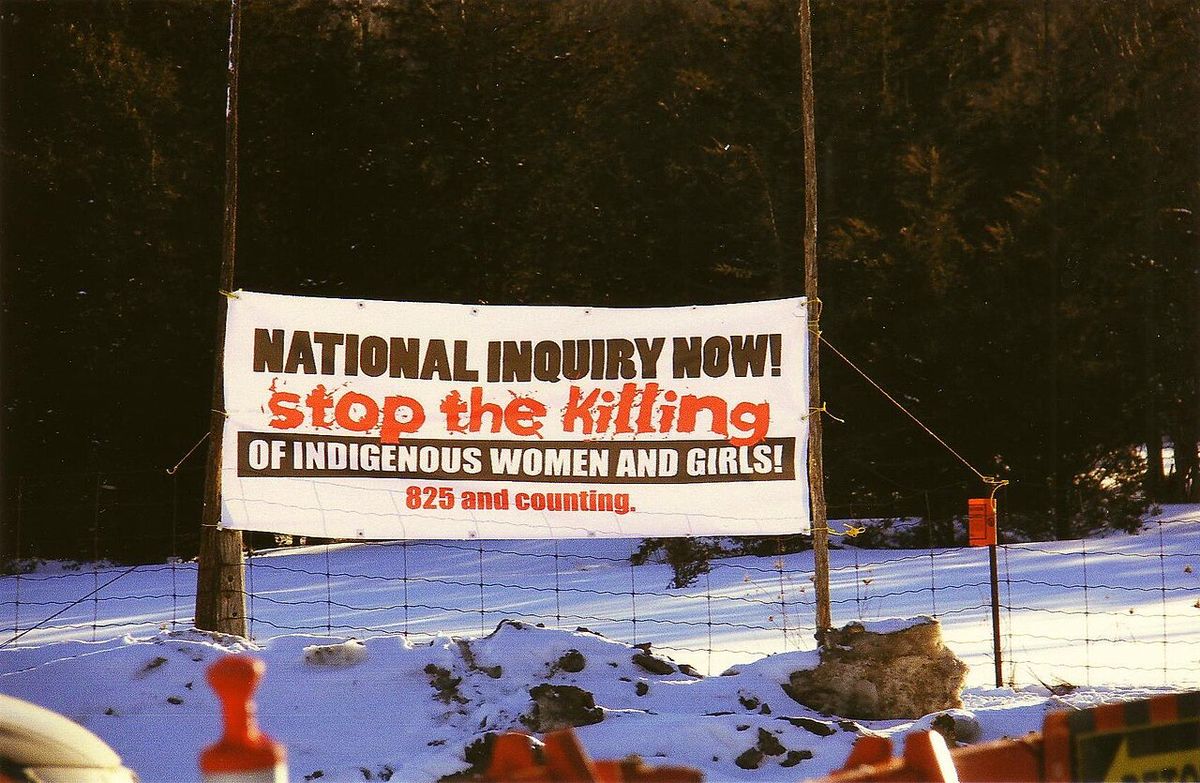
Grassroots advocacy by Indigenous women, families, and communities has been the driving force behind raising awareness of MMIWG and pushing for systemic change. This movement raises awareness through marches, community meetings, domestic violence training, building records of the missing, and sessions for law enforcement. In 2012, Sheila North Wilson, while working for the Assembly of Manitoba Chiefs, coined the hashtag #MMIW for missing and murdered Indigenous women. Artist Jaime Black's REDress project, begun in 2010, uses empty red dresses displayed in public spaces like museums to viscerally represent the missing and murdered, leading to the establishment of Red Dress Day. This day of awareness is observed on May 5 in both Canada and the United States. In the US, May 5 was declared a National Day of Awareness for Missing and Murdered Indigenous Women and Relatives through a Senate resolution in 2017, inspired by the 2013 murder of Hanna Harris on the Northern Cheyenne Reservation.
The National Week of Action for Missing and Murdered Indigenous Women and Relatives is observed annually. For 2026, it is scheduled for May 4 to 8. Campaigns call for visibility, justice, and systemic action to end the violence, using hashtags like #WhyWeWearRed and #MMIWRNationalWeekofAction. The movement also uses art as a tool for healing and resistance, inviting submissions of paintings, photographs, poetry, and beadwork during the Week of Action. The Assembly of First Nations Women’s Council co-hosted regional engagement sessions to help develop the First Nations-led National Action Plan, using a 'families first' principle. These advocacy efforts, sustained over decades, were instrumental in forcing the establishment of the National Inquiry and continue to hold governments accountable for implementing the Calls for Justice.
The Situation in the United States: Legislation and Jurisdiction
The crisis of violence against Indigenous women is equally severe in the United States, with similar patterns of systemic failure. Native American women are more than twice as likely to experience violence than women in any other demographic. One in three Indigenous women is sexually assaulted during her lifetime, with 67% of these assaults perpetrated by non-Native individuals. According to the National Institute of Justice, American Indian women are 1.2 times as likely to experience lifetime violence, 1.8 times as likely to be victims of stalking, and 1.7 times as likely to be victims of violence in the past year compared to the non-Hispanic White population. On some reservations, murder rates for Native women are more than ten times the national average. For years, complex jurisdictional gaps between tribal, state, and federal authorities created significant barriers to justice. Advocate Lisa Brunner described these gaps as creating 'lands of impunity' that were like a playground for serial perpetrators.
Legislative efforts have sought to remedy these jurisdictional issues. The Tribal Law and Order Act of 2010 gave tribes the ability to increase jail sentences for criminal cases. The 2013 reauthorization of the federal Violence Against Women Act was a significant step, granting tribes jurisdiction to investigate and prosecute felony domestic violence offenses involving both Native American and non-Native offenders on reservations. In 2019, the Democratic-led House passed H.R. 1585 (Violence Against Women Reauthorization Act of 2019) by a vote of 263 to 158 to further increase tribes' prosecution rights, but it stalled in the Republican-majority Senate. The provisions were finally signed into law by President Joe Biden in 2022 as part of the Consolidated Appropriations Act. In 2021, US Secretary of the Interior Deb Haaland announced the creation of a Missing and Murdered Unit within the Bureau of Indian Affairs to coordinate investigative resources. The Federal Bureau of Investigation reported 10,248 missing Indigenous persons reports in 2024, indicating the vast scale of the issue.
Comparative Homicide Data and Regional Disparities
The disparity in homicide rates between Indigenous and non-Indigenous women in Canada has widened over recent decades, as shown in available police-reported data. While homicide rates for non-Indigenous women have generally declined, the number and proportion of Indigenous women who are victims of homicide have increased significantly. The overrepresentation is most acute in the Prairie provinces and the territories, reflecting regional demographics and deeper systemic failures. In Nunavut, Yukon, the Northwest Territories, and the provinces of Alberta, Manitoba, and Saskatchewan, the overrepresentation of Indigenous women among homicide victims has been even higher than the national average, in part due to the larger Indigenous populations in these regions. The lack of comprehensive, nationally coordinated data prior to 2010 means these figures likely represent an undercount, a point emphasized repeatedly in the National Inquiry's final report.
| Time Period | Key Statistic | Source/Report |
|---|---|---|
| 1980 to 2012 | Indigenous women were 16% of all female homicide victims | National Inquiry Backgrounder |
| 1980 to 2014 | 6,849 police-reported female homicide cases in Canada | Statistics Canada |
| 1997 to 2000 | Homicide rate for Indigenous women nearly 7x higher than other women | 2011 Statistics Canada Report |
| 2001 to 2015 | Homicide rate for Indigenous women 6x higher (4.82 vs. 0.82 per 100,000) | RCMP/Statistics Canada |
| 1980 | Indigenous women were 9% of female homicide victims | Trend Analysis |
| 2015 | Indigenous women were 24% of female homicide victims | Trend Analysis |
| Ongoing | Indigenous people make up 4.3% of population, but Indigenous women are 11% of missing women | Recent Data |
This data underscores the escalating nature of the crisis despite increased public awareness. The National Inquiry's backgrounder noted that although Indigenous women make up 4% of Canada's female population, they represented 16% of all women murdered in Canada between 1980 and 2012. The 2015 RCMP update showed that 80% of all female homicides (Indigenous and non-Indigenous) were solved, but the resolution rates for cases involving Indigenous women were lower. The Forensic Document Review Project criticized the RCMP reports for their narrow focus, highlighting the need for data that captures the full social and historical context of the violence.
International Context and Parallels
The crisis of missing and murdered Indigenous women is not confined to North America, with parallels observed in other settler-colonial nations. In Australia, First Nations peoples have reported similar levels of violence and systemic minimization as in Canada and the United States. The extent of the problem in Australia has been difficult to quantify as no agency keeps track of exact numbers, but available data suggests the murder rate for Indigenous women is at 12 times the national Australian average. In 2022, the Australian Parliament launched an inquiry into missing and murdered Indigenous women, but it was criticized for its lack of media coverage and for being closed less than a year after starting. In New Zealand, Māori women also face disproportionately high rates of violence. This international pattern points to the global impact of colonialism on Indigenous women's safety. Grassroots movements have grown at local, regional, national, and international levels to honour lives lost and work toward lasting safety and justice, indicating a shared struggle across borders.
Questions about Missing and Murdered Indigenous Women
What does MMIWG stand for?
MMIWG stands for Missing and Murdered Indigenous Women and Girls. The term represents the ongoing human rights crisis of disproportionate violence faced by Indigenous women, girls, and Two-Spirit, lesbian, gay, bisexual, transgender, queer, questioning, intersex and asexual (2SLGBTQQIA+) people in Canada and the United States. It encompasses those who have been murdered, gone missing under suspicious circumstances, or are victims of violence. The hashtag #MMIW was coined in 2012 by advocate Sheila North Wilson to raise awareness on social media. The crisis is recognized as a national tragedy and a genocide rooted in systemic colonialism and racism.
What were the findings of the National Inquiry in Canada?
The National Inquiry into Missing and Murdered Indigenous Women and Girls released its final report, Reclaiming Power and Place, on June 3, 2019. Its central finding was that the violence constitutes a genocide, fueled by Canada's colonial structures and systemic racial and gender-based discrimination. The inquiry gathered testimony from over 2,300 witnesses and concluded that persistent failures in policing, child welfare, and justice systems perpetuate the crisis. The report issued 231 Calls for Justice directed at all levels of government and Canadian society to enact fundamental change. These calls cover areas like culture, health, human security, and justice, aiming to address the root causes of violence and ensure safety.
How many Indigenous women are missing or murdered in Canada?
There is no single, reliable nationwide count, a gap highlighted by the National Inquiry. A 2014 RCMP report documented 1,181 Indigenous women as killed or missing between 1980 and 2012, with 225 cases unsolved. Other studies, like a 2013 academic database, identified 824 cases between 1946 and 2013. Statistics show a severe disparity: from 2001 to 2015, the homicide rate for Indigenous women was almost six times higher than for non-Indigenous women. Indigenous women represented 16% of all female homicide victims from 1980 to 2012 while being only 4% of the female population. The CBC's investigative database included more than 300 unsolved cases by 2016.
What is Red Dress Day?
Red Dress Day is observed annually on May 5 in Canada and the United States as a day of awareness for missing and murdered Indigenous women and girls. It originated from the REDress project started by Métis artist Jaime Black in 2010, which uses empty red dresses hung in public spaces as a powerful visual reminder of the lives lost. The day involves marches, vigils, and educational events to honour those affected and demand action. In the United States, May 5 is also the National Day of Awareness for Missing and Murdered Indigenous Women and Relatives, established by a Senate resolution in 2017. The National Week of Action surrounding this date, such as the one scheduled for May 4-8 in 2026, expands these awareness and advocacy efforts.
What is being done to address the MMIWG crisis?
Responses include the National Inquiry's 231 Calls for Justice, which form the basis for action plans. In June 2021, the Government of Canada, alongside provincial, territorial, and Indigenous partners, released a National Action Plan, which includes a Federal Pathway outlining federal commitments. Legislative changes in the United States, like the 2013 and 2022 reauthorizations of the Violence Against Women Act, have expanded tribal jurisdiction to prosecute certain crimes on reservations. Grassroots advocacy continues to push for systemic changes in policing, data collection, and social services. The Assembly of First Nations has also developed a First Nations-led National Action Plan based on direct input from survivors and families. Ongoing challenges include securing adequate funding and ensuring coordinated implementation of these complex recommendations.
What is the situation for Indigenous women in the United States?
Native American women in the United States face extreme rates of violence, being more than twice as likely to experience violence than any other demographic. One in three is sexually assaulted in her lifetime, with 67% of assaults committed by non-Native perpetrators. On some reservations, murder rates are more than ten times the national average. The 2013 reauthorization of the Violence Against Women Act granted tribes jurisdiction over certain domestic violence felonies on reservations involving non-Native offenders, a power expanded in the 2022 reauthorization. In 2021, the US Department of the Interior created a dedicated Missing and Murdered Unit within the Bureau of Indian Affairs. The FBI reported 10,248 missing Indigenous persons reports in 2024, indicating the vast scale of the issue.
Sources and further reading
- Missing and Murdered Indigenous Women (Wikipedia)
- Missing and Murdered Indigenous Women and Relatives (niwrc.org)
- Murdered & Missing Indigenous Women & Girls (afn.ca)
- Missing and Murdered Aboriginal Women (cbc.ca)
- Missing and Murdered Indigenous Women, Girls, and ... (rcaanc-cirnac.gc.ca)
Checked by the Nosy Mag desk. Last updated 2026-10-21.