Declaration on the Rights of Indigenous Peoples
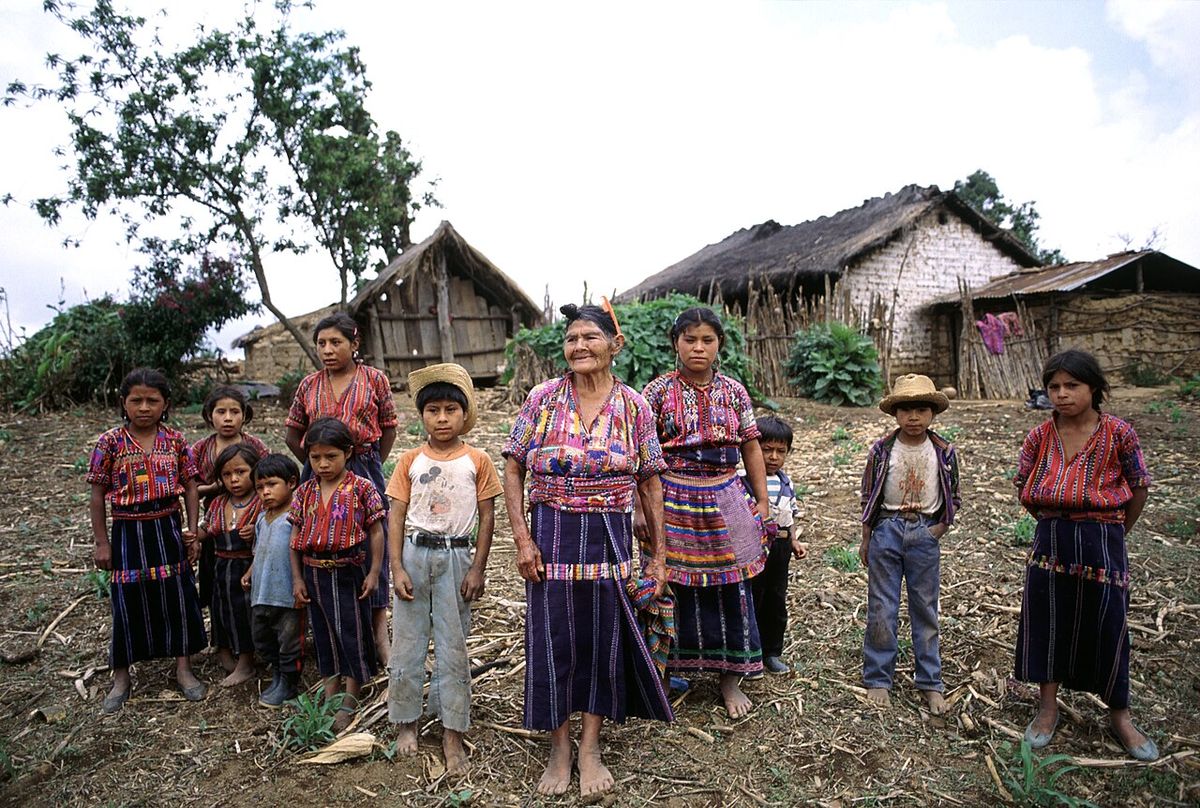
The United Nations Declaration on the Rights of Indigenous Peoples (UNDRIP) is a comprehensive international human rights instrument adopted by the UN General Assembly on September 13, 2007. It establishes a universal framework of minimum standards for the survival, dignity, and well-being of the world's Indigenous peoples, addressing rights related to self-determination, culture, identity, language, health, education, and lands. For Canada, the declaration has become a fundamental framework for reconciliation, prompting federal and provincial legislation to align domestic laws with its principles. While not legally binding under international law, UNDRIP represents a significant global commitment to addressing historical injustices and advancing the rights of over 370 million Indigenous people.
Historical Development and Adoption
The formal groundwork began in 1982 when the UN Economic and Social Council established the Working Group on Indigenous Populations following a study by Special Rapporteur José Ricardo Martínez Cobo. This group was tasked with developing human rights standards, leading to the first draft of the declaration in 1993. The draft underwent over a decade of negotiations, facing delays due to state concerns over provisions on self-determination and control of natural resources. The United Nations Human Rights Council adopted the final version on June 29, 2006, with 30 votes in favour, 2 against, and 12 abstentions.
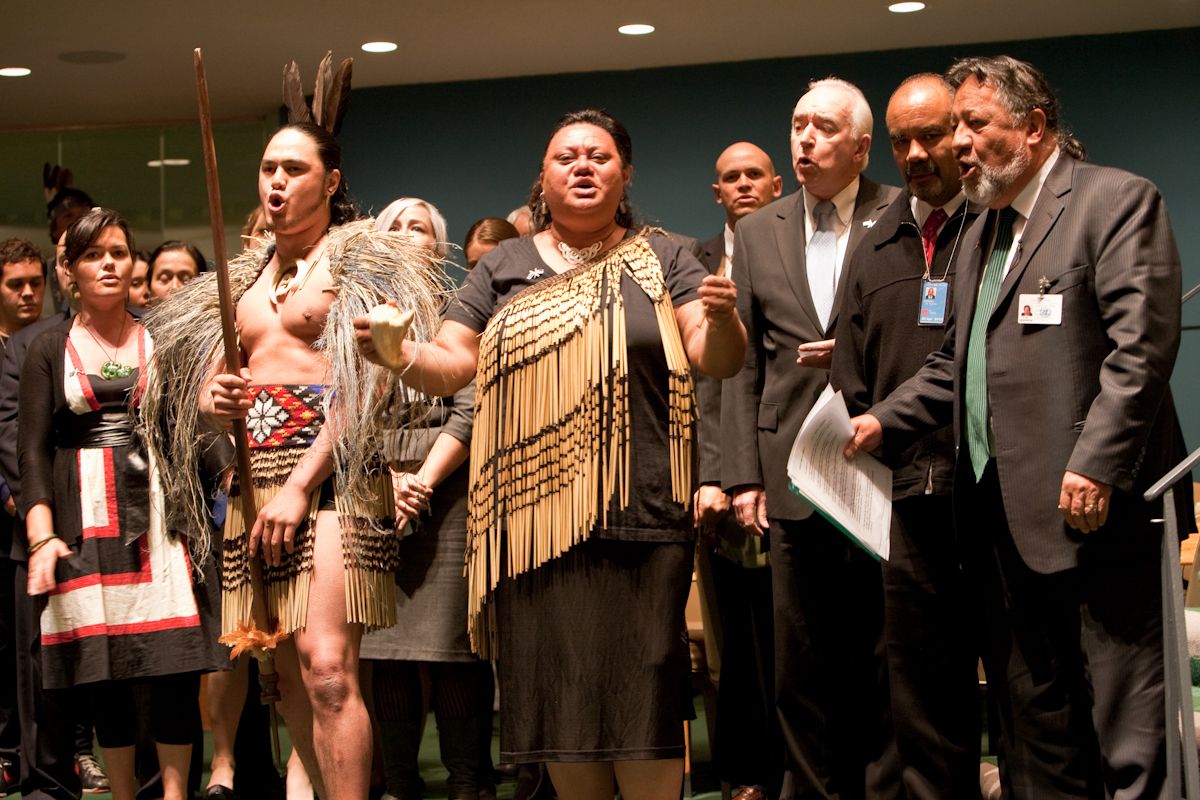
The declaration was then referred to the UN General Assembly, where it was put to a vote on September 13, 2007. The adoption vote saw 143 member states in favour, with 4 votes against and 11 abstentions. The four opposing states were Australia, Canada, New Zealand, and the United States, all former British settler colonies with majority non-Indigenous populations. Each of these nations later reversed their positions and endorsed the declaration, with Canada adopting it into domestic law in 2021.
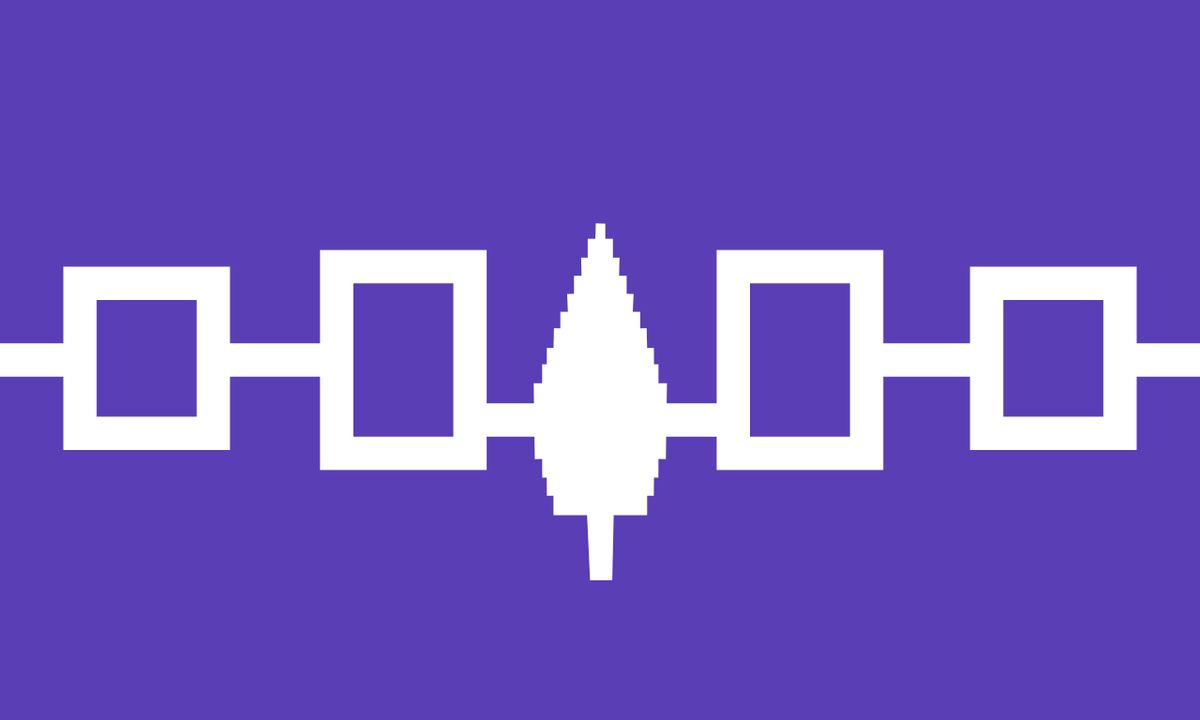
The groundwork toward this declaration began much earlier, in 1923 and 1925. Haudenosaunee Chief Deskaheh and Māori religious leader T. W. Ratana attempted to bring attention to Canada's and New Zealand's failure to uphold treaties before the League of Nations. Their efforts represent early advocacy for international recognition of Indigenous rights. The declaration was the outcome of over 25 years of formal negotiation within the UN system.
Core Principles and Content
Structured as a UN resolution with 23 preambular clauses and 46 articles, UNDRIP articulates both individual and collective rights for Indigenous peoples. Its foundational principle, stated in the opening, is that Indigenous peoples are equal to all other peoples. The declaration's articles are organized around several major thematic areas that collectively form a comprehensive framework for Indigenous rights. These areas address the full spectrum of political, cultural, economic, and social life, asserting protections and entitlements designed to rectify historical marginalization.
The document emphasizes partnership, suggesting that states should work in conjunction with Indigenous peoples to realize these rights. The declaration's key thematic areas include self-determination, cultural integrity, and control over lands and resources. It affirms the right of Indigenous peoples to freely determine their political status and pursue their own economic, social, and cultural development. The declaration protects the right to practice and revitalize cultural traditions, customs, and ceremonies, including control over Indigenous intellectual property.
It also recognizes rights to own, use, develop, and control traditional lands and resources, and calls for fair processes for redress and restitution. A significant operational principle woven throughout the declaration is the duty of states to consult and cooperate with Indigenous peoples in good faith to obtain their free, prior, and informed consent before adopting measures that may affect them. The United Nations describes it as setting an important standard for the treatment of indigenous peoples. It is a significant tool toward eliminating human rights violations against the planet's 370 million indigenous people.
- Self-Determination (Articles 1-8, 33-34): Affirms the right of Indigenous peoples to freely determine their political status and pursue economic, social, and cultural development.
- Cultural Integrity (Articles 9-16, 25, 31): Protects the right to practice and revitalize cultural traditions, customs, and ceremonies, including control over Indigenous intellectual property.
- Lands, Territories and Resources (Articles 26-30, 32): Recognizes rights to own, use, develop, and control traditional lands and resources, and calls for fair processes for redress and restitution.
- Governance and Development (Articles 17-21, 35-37): Upholds the right to maintain and develop distinct political, legal, and economic institutions and to determine priorities for development.
- Health and Social Welfare (Articles 23-24): Ensures the right to improvement of economic and social conditions, including specific measures for health.
- Protection of Vulnerable Groups (Article 22): Calls for special attention to the rights of Indigenous elders, women, youth, children, and persons with disabilities.
Implementation in Canada
Canada's journey with UNDRIP has evolved from initial opposition to legislative adoption. The federal government, under Conservative leadership, voted against the declaration in 2007, citing concerns over its compatibility with the Canadian Constitution. A significant shift occurred after the election of the Liberal government in 2015, which unequivocally endorsed UNDRIP. This commitment was realized with the introduction of Bill C-15, the United Nations Declaration on the Rights of Indigenous Peoples Act.
Bill C-15 received royal assent on June 21, 2021. The federal act commits the Government of Canada to take all measures necessary to ensure Canadian laws are consistent with the declaration and to develop and implement an action plan in consultation and cooperation with Indigenous peoples. The legislation requires annual reporting to Parliament on progress toward implementation. It was framed as a direct response to the Calls to Action of the Truth and Reconciliation Commission and the Calls for Justice from the National Inquiry into Missing and Murdered Indigenous Women and Girls.
Provincially, British Columbia led the way by passing the Declaration on the Rights of Indigenous Peoples Act in November 2019. The BC law mandates the provincial government to align its laws with UNDRIP and to co-develop a five-year action plan. The 2025/26 annual report for BC detailed progress on 84 actions from its action plan. Advocacy organizations like Inuit Tapiriit Kanatami have played a major role, insisting since 2017 that federal implementation legislation must include the creation of an independent Indigenous Human Rights Commission to monitor compliance. Canada became the first of the four original opposing countries to adopt UNDRIP into domestic law.

Global Reception and Criticism
Upon its adoption, UN Secretary-General Ban Ki-moon hailed UNDRIP as a historic moment of reconciliation. Then UN High Commissioner for Human Rights Louise Arbour called it the most comprehensive statement on Indigenous rights. Leaders from Indigenous nations and advocacy groups, such as Survival International's Stephen Corry, celebrated its passage as a vital tool against human rights violations. However, the declaration's path was not without significant criticism, primarily from the four states that initially voted against it.
Their objections centered on several legal and practical concerns that they felt were incompatible with their domestic legal frameworks and concepts of national unity. The primary criticisms included concerns that provisions on self-determination could be construed as supporting secession. Critics argued that articles on lands and resources might undermine third-party property rights. They also feared the requirement for free, prior, and informed consent could be interpreted as a veto over national laws.
Australia's government argued the declaration seemed to enshrine practices unacceptable in the modern world and could place customary law above national law. Canada specifically cited problems with Article 19 on consent and Articles 26 and 28 on land rights. A group of African countries, led by Namibia, also expressed reservations prior to the vote, seeking a delay for further consultation on the definition of "indigenous" and the implications of self-determination. These concerns were ultimately addressed through national-level implementation assurances. Since 2007, Australia, Canada, New Zealand, and the United States have reversed their positions and now support the declaration.
Ongoing Challenges and Future Directions
Despite widespread endorsement, a significant implementation gap persists globally. Many governments have yet to fully align their domestic laws and policies with the standards enshrined in UNDRIP. Some states, including the People's Republic of China and the Socialist Republic of Vietnam, do not recognize certain ethnic minorities within their territories as Indigenous peoples. This stance disregards the declaration's intent and limits its application.
The declaration's non-binding nature under international law means its power relies on political will and domestic legislative action. As Indigenous peoples are not nation-states, they cannot bring disputes directly to the International Court of Justice. This leaves the mechanisms for resolving conflicts with states unclear under Article 40 of the declaration. The focus for advocates and UN bodies is now on closing the implementation gap.
The United Nations Expert Mechanism on the Rights of Indigenous Peoples continues to provide guidance on this issue. In July 2026, member Sheryl Lightfoot opened a session on the topic of implementation. In Canada, the co-development of the federal action plan and the potential establishment of an Indigenous Human Rights Commission are key next steps. The declaration also frames contemporary issues, with its preamble noting its potential contribution to sustainable development. As of September 13, 2026, the declaration marked 19 years since its adoption by the General Assembly.
Key Provisions for State Action
While UNDRIP articulates rights, a substantial number of its articles also outline suggested measures for states to take in partnership with Indigenous peoples. These provisions move beyond abstract recognition towards concrete actions aimed at redress, protection, and partnership. They provide a blueprint for how countries can operationalize the declaration's principles within their own legal and administrative systems. The measures emphasize collaboration, recognizing that effective implementation requires the direct involvement of Indigenous peoples in decision-making processes that affect them.
Specific state actions encouraged by the declaration include returning traditionally owned lands, territories, and resources, or providing just and fair compensation. States are also urged to provide redress for cultural, intellectual, religious, and spiritual property taken without consent. This includes the return of ceremonial objects and human remains. The declaration calls for establishing and funding programmes for monitoring, maintaining, and restoring the health of Indigenous peoples.
It also requires taking effective measures to ensure continuing improvement of economic and social conditions. This includes a special focus on employment, vocational training, housing, sanitation, and health. These provisions collectively show that the declaration's purpose is not to create new rights but to address specific historical and contemporary challenges. It seeks to do this through practical, state-driven actions developed in cooperation with indigenous communities.
- Consulting and cooperating in good faith to obtain free, prior, and informed consent before approving any project affecting lands, territories, or resources (Article 32).
- Recognizing and protecting the rights of Indigenous peoples to their traditional medicines and health practices (Article 24).
- Taking measures, in conjunction with Indigenous peoples, to ensure Indigenous women and children enjoy full protection against all forms of violence and discrimination (Article 22).
Questions about Declaration on the Rights of Indigenous Peoples
Is the UN Declaration on the Rights of Indigenous Peoples legally binding in Canada?
UNDRIP itself is not a legally binding treaty under international law. However, Canada has made it legally binding domestically through federal legislation. The United Nations Declaration on the Rights of Indigenous Peoples Act, which received royal assent on June 21, 2021, requires the Government of Canada to take all measures necessary to ensure federal laws are consistent with the declaration. It also mandates the development of an implementation action plan. Provincially, British Columbia passed similar legislation in November 2019. These laws create a domestic legal obligation to align policies and laws with UNDRIP's standards.
Why did Canada initially vote against UNDRIP in 2007?
Canada initially voted against UNDRIP in 2007. The government at the time, under Conservative Party leadership, expressed concerns over provisions related to land rights and consent. It specifically cited problems with Article 19 on consent and Articles 26 and 28 on land rights. The government argued these articles were fundamentally incompatible with the Canadian Constitution. These concerns were shared by other settler-colonial states like Australia, New Zealand, and the United States, who also voted against the declaration. Each later reversed its position.
What does 'free, prior, and informed consent' mean in UNDRIP?
Free, prior, and informed consent (FPIC) is a key principle in UNDRIP, particularly in Articles 19 and 32. It means that states must consult and cooperate in good faith with Indigenous peoples through their own representative institutions. This consultation must occur before adopting any legislative or administrative measures that may affect them, or before approving any project affecting their lands or resources. The goal is to obtain their consent. It is understood not as a unilateral veto but as a process of meaningful engagement aiming for agreement. This principle is fundamental to the right to self-determination.
How is British Columbia implementing UNDRIP?
British Columbia passed the Declaration on the Rights of Indigenous Peoples Act in November 2019, becoming the first Canadian province to do so. The act establishes UNDRIP as the provincial framework for reconciliation. It mandates the government to align provincial laws with the declaration and to co-develop and implement an action plan with Indigenous peoples. The government must table annual progress reports in the legislature. The 2025/26 annual report detailed work on 84 actions from its five-year action plan. The act also allows for more flexible government-to-government agreements and shared decision-making authority.
What role do Indigenous organizations play in UNDRIP implementation in Canada?
Indigenous organizations are central advocates and partners in implementation. For instance, Inuit Tapiriit Kanatami has consistently called for federal legislation to include the creation of an independent Indigenous Human Rights Commission. This commission would monitor federal compliance with UNDRIP. The federal UNDRIP Act requires the government to develop its action plan in consultation and cooperation with Indigenous peoples. This means First Nations, Inuit, and Métis governments and organizations are directly involved in shaping the measures. Their advocacy was also instrumental in pushing for the legislation as a response to the Truth and Reconciliation Commission's Calls to Action.
What are the main areas of rights covered by UNDRIP?
UNDRIP covers a comprehensive range of rights for indigenous peoples. Major themes include rights to self-determination and to protect culture through practices, languages, and intellectual property. It asserts rights to land, ownership, and environmental issues. The declaration also covers rights to health, education, and economic development. It includes protections for specific subgroups like the elderly, women, and children. The declaration is structured with 46 articles organized around these themes. It establishes a universal framework of minimum standards for the survival, dignity and well-being of indigenous peoples.
Sources and further reading
- Declaration on the Rights of Indigenous Peoples (Wikipedia)
- United Nations Declaration on the Rights of Indigenous ... (laws-lois.justice.gc.ca)
- Declaration on the Rights of Indigenous Peoples Act (www2.gov.bc.ca)
- United Nations Declaration on the Rights of Indigenous ... (itk.ca)
- 19 Years of the UN Declaration on the Rights of Indigenous ... (culturalsurvival.org)
Checked by the Nosy Mag desk. Last updated 2026-11-02.