Manitoba
Manitoba is a province of Canada at the longitudinal centre of the country. It is bordered by Nunavut and the Northwest Territories to the north, Hudson Bay to the northeast, Ontario to the east, the US states of North Dakota and Minnesota to the south, and Saskatchewan to the west. It is Canada's fifth-most populous province, with an estimated population of 1,517,379 as of 2026. Manitoba's history is deeply rooted in Indigenous cultures and the fur trade, and it entered Confederation in 1870 following negotiations led by Métis leader Louis Riel. The province has a diversified economy centred on manufacturing, natural resources, and agribusiness, with Winnipeg serving as its dominant political, economic, and cultural hub.
Geography and Climate
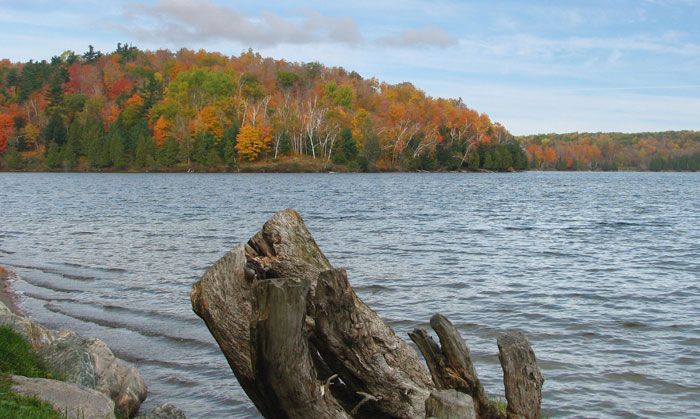
Manitoba's landscape is widely varied, from arctic tundra and the Hudson Bay coastline in the north to dense boreal forest and prairie grassland in the central and southern regions. The province is at the centre of the Hudson Bay drainage basin, with major rivers including the Red, Assiniboine, Nelson, Winnipeg, Hayes, Whiteshell and Churchill. More than 110,000 lakes cover about 15.6 percent of its surface area, with Lake Winnipeg being the tenth-largest freshwater lake in the world. The prehistoric bed of Glacial Lake Agassiz, particularly the Red River Valley, is flat and fertile, supporting extensive agriculture. Much of the sparsely inhabited north and east lies on the irregular granite of the Canadian Shield, featuring areas like Whiteshell, Atikaki, and Nopiming Provincial Parks. In 2018, a 29,000 square kilometre area of traditional First Nations lands and boreal forest on Lake Winnipeg's east side was designated as the UNESCO World Heritage Site Pimachiowin Aki.
Manitoba has an extreme continental climate, with temperatures and precipitation generally decreasing from south to north and increasing from east to west. The southern region, including Winnipeg, experiences a humid continental climate with cold, windy winters and warm summers. Southwestern Manitoba is drier and more prone to droughts. The province's northern sections, including Thompson, fall within the subarctic climate zone, characterized by long, extremely cold winters and brief, warm summers. Southern Manitoba is prone to tornadoes, with an F5 tornado devastating parts of Elie in 2007, the strongest recorded in Canada. According to Environment Canada, Manitoba often ranks first for clearest skies year-round.

History and Confederation
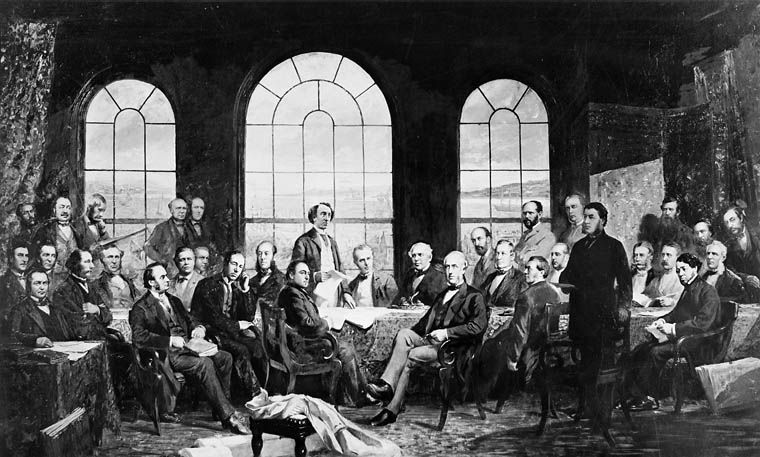
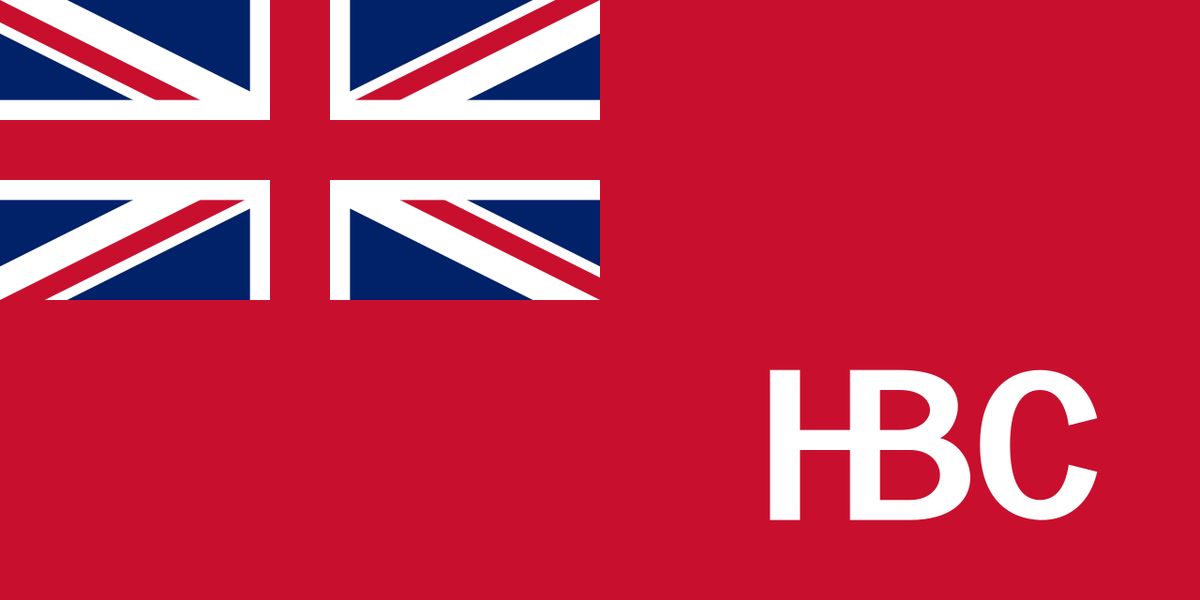
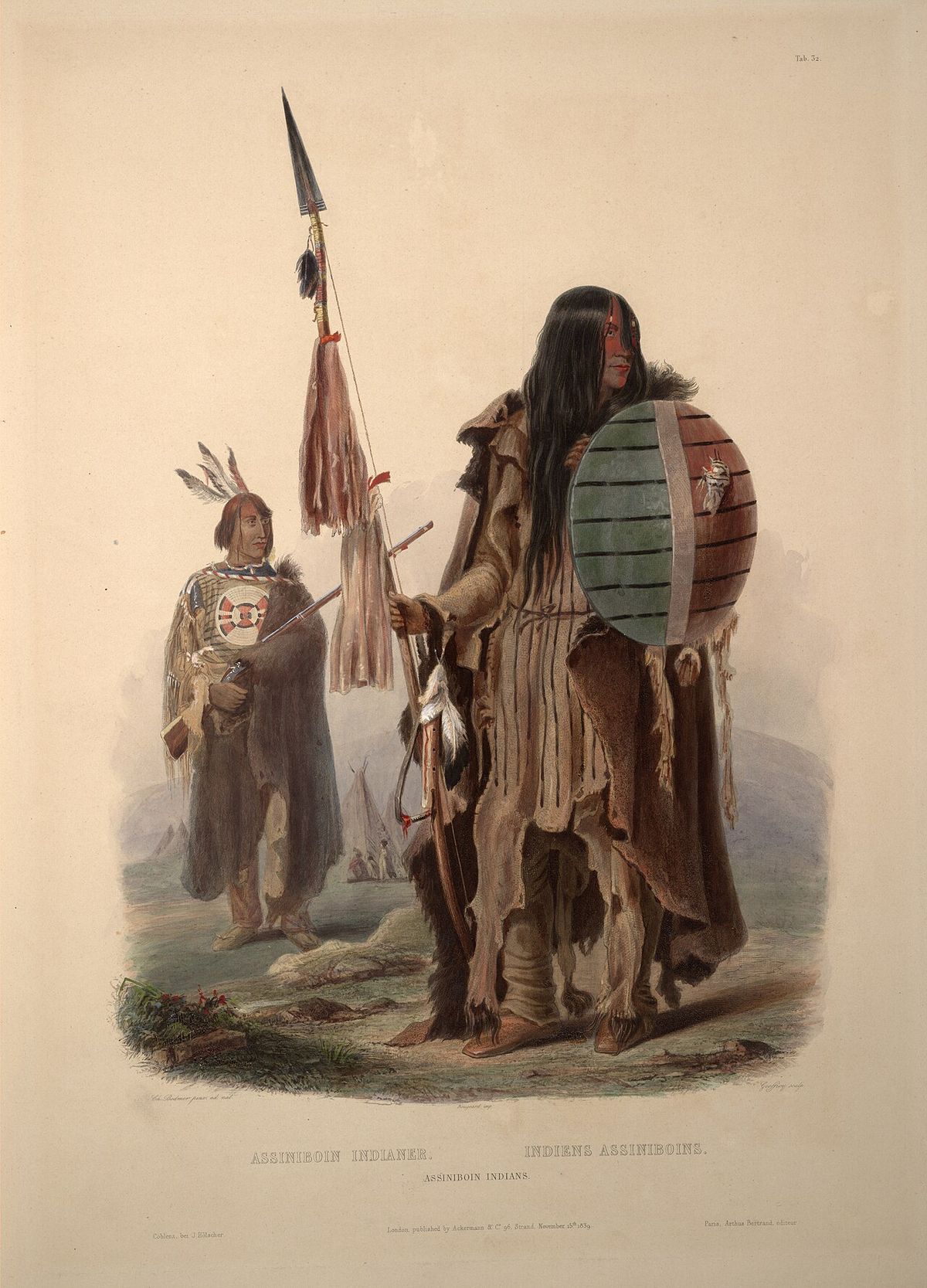
Indigenous peoples have inhabited what is now Manitoba for approximately 10,000 years, with First Nations such as the Ojibwe, Cree, Dene, Sioux, Mandan, and Assiniboine establishing settlements. European contact began in the early 17th century with explorers like Henry Hudson, leading to the fur trade and the creation of Rupert's Land under the Hudson's Bay Company in 1670. The Red River Colony, with significant Métis settlement, grew in importance. The planned transfer of Rupert's Land to Canada in 1869, without addressing Métis concerns, led to the Red River Rebellion led by Louis Riel. Subsequent negotiations resulted in the Manitoba Act, passed by Parliament on 15 July 1870, making Manitoba the fifth province to join Confederation. The original province was a small square, colloquially known as the "postage stamp province," and expanded to its current size through boundary adjustments in 1881 and 1912.
The late 19th century saw the signing of Numbered Treaties with First Nations, establishing a reserve system under federal jurisdiction, though land promises were not always fulfilled, leading to ongoing land claims. The Manitoba Schools Question in the 1890s highlighted cultural divisions, resulting in the removal of state funding for French Catholic schools until a compromise was brokered by Prime Minister Wilfrid Laurier in 1896. The province was a leader in social reform, becoming the first province to grant women the right to vote in provincial elections on 28 January 1916. Economic tensions after the First World War culminated in the Winnipeg General Strike of 1919, which was violently suppressed by authorities, leading to arrests and deportations of strike leaders.
Economy and Major Centres
Manitoba has a diversified market economy led by manufacturing, natural resources, and agribusiness. Approximately 11 percent of Canada's farmland is located in the province, primarily in the fertile southern regions, though grain farming also occurs in areas like the Carrot Valley near The Pas. Forestry is another significant industry, with forests covering about 48 percent of the province's land area. Winnipeg is the undisputed economic, political, and cultural centre, with the Winnipeg Metropolitan Region encompassing nearly two-thirds of the provincial population. The city hosts the Legislative Assembly, the Court of Appeal, four of the province's five universities, and all its professional sports teams. It is also home to Winnipeg Richardson International Airport and CFB Winnipeg, which houses the Canadian NORAD Region Headquarters and 1 Canadian Air Division.
Outside the capital region, secondary economic centres include Brandon, a major agricultural service hub, Steinbach, and Thompson, a centre for mining in the north. The province's economy has shown resilience through diversification away from a historical reliance on wheat production, a shift accelerated during the Great Depression. Major infrastructure projects, such as the Red River Floodway completed in 1968, have been critical for protecting economic assets from natural disasters like the floods of 1950 and 1997. The province maintains an established Francophone presence, with French holding official legislative and judicial status alongside English.
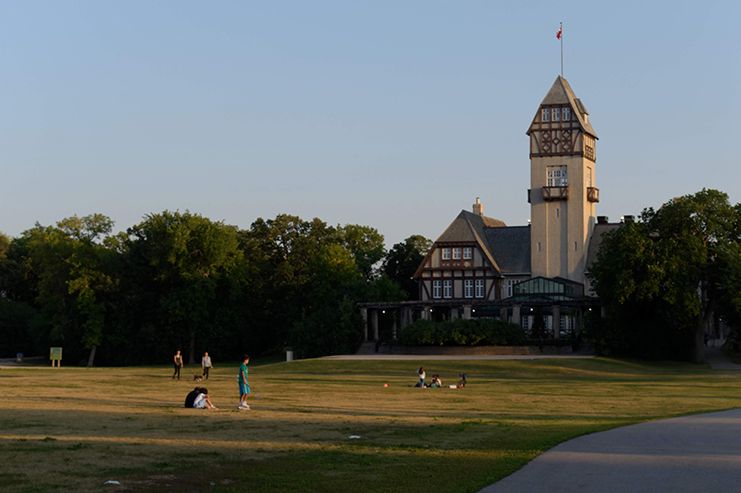
Statutory Holidays in Manitoba
Manitoba recognizes nine general statutory holidays throughout the year, as established by provincial employment standards. These holidays are days recognized by law where most employees are entitled to a day off with pay or special compensation if they work. The list includes five nationwide Canadian holidays and four provincial holidays specific to Manitoba. For the year 2026, the statutory holidays are New Year's Day on January 1, Louis Riel Day on February 16, Good Friday on April 3, Victoria Day on May 18, Canada Day on July 1, Labour Day on September 7, the National Day for Truth and Reconciliation on September 30, Thanksgiving Day on October 12, and Christmas Day on December 25. Easter Sunday, Terry Fox Day (the Civic Holiday in August), and Boxing Day are not general holidays in Manitoba, meaning employers are not required to provide paid time off for these days.
The rules for holiday pay are designed to ensure employees receive fair compensation. Most employees who do not work on a general holiday receive general holiday pay equivalent to one regular day's pay. For employees with variable hours or wages, this pay is calculated as 5 percent of their gross wages from the four-week period immediately before the holiday. Employees in the construction industry receive a different calculation, typically 4 percent of gross earnings, often paid on each cheque. If an employee works on a general holiday, they are normally entitled to their general holiday pay plus one and a half times their regular wage for the hours worked on that day. Certain industries, such as hospitals, hotels, and restaurants, may provide an alternative day off with pay within 30 days instead of the premium pay.
- New Year's Day: Thursday, January 1, 2026
- Louis Riel Day: Monday, February 16, 2026
- Good Friday: Friday, April 3, 2026
- Victoria Day: Monday, May 18, 2026
- Canada Day: Wednesday, July 1, 2026
- Labour Day: Monday, September 7, 2026
- National Day for Truth and Reconciliation: Wednesday, September 30, 2026
- Thanksgiving Day: Monday, October 12, 2026
- Christmas Day: Friday, December 25, 2026
Contemporary Developments and Society
In recent decades, Manitoba has been the site of significant social and political developments. In 1990, Cree politician Elijah Harper's opposition in the Manitoba legislature was instrumental in the failure of the Meech Lake Accord, as he argued First Nations were not adequately consulted. Glen Murray's election as mayor of Winnipeg in 1998 made him the first openly gay mayor of a large North American city. The province has also been a leader in public health policy, becoming the first province in Canada to ban indoor smoking in public places in 2004. In 2013, Manitoba introduced accessibility legislation to protect the rights of persons with disabilities, becoming the second province to do so.
The province continues to grapple with the impacts of climate change, experiencing major flooding in 2009 and 2011. The Red River Floodway, expanded after the "Flood of the Century" in 1997, has been critical in protecting Winnipeg. Manitoba's cultural fabric includes a strong Francophone community with constitutionally protected language rights, and a significant Indigenous population whose history and rights remain central to provincial discourse. Winnipeg's status as a major cultural centre is reinforced by its professional sports teams, festivals, and institutions like the Canadian Museum for Human Rights, the first Canadian national museum outside of the National Capital Region.
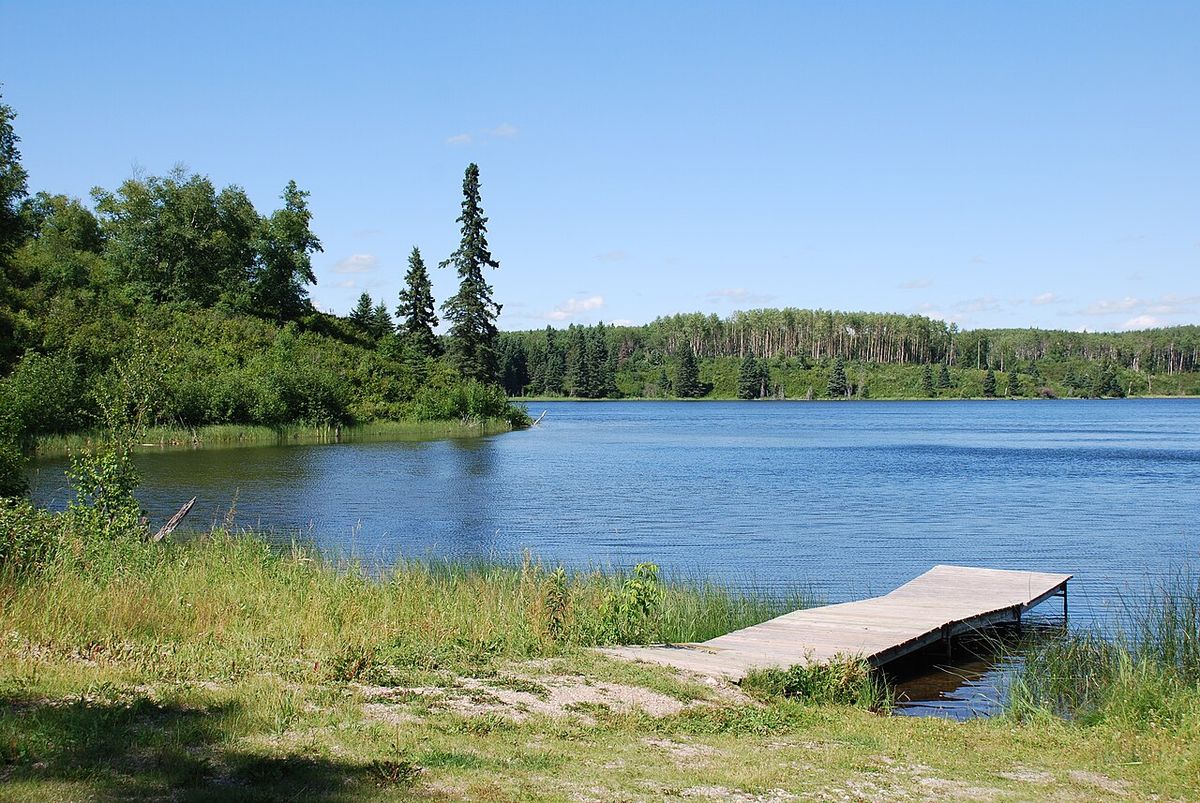
Comparison of Provincial Holiday Entitlements
The number and type of statutory holidays vary significantly across Canadian provinces and territories. Manitoba's nine general holidays place it in the middle range nationally. British Columbia observes eleven statutory holidays, while Alberta has nine statutory holidays plus four optional ones that employers may designate. Saskatchewan has ten statutory holidays per year. In contrast, Nova Scotia has only six paid general holidays, though it also has designated retail closing days. Newfoundland and Labrador has six statutory holidays but observes a total of fourteen provincial government holidays. The rules for holiday pay and which days are recognized also differ, creating a complex patchwork of regulations.
| Province/Territory | Number of General/Statutory Holidays | Notes on Specific Days |
|---|---|---|
| Manitoba | 9 | Does not include Easter Sunday, Terry Fox Day, Remembrance Day, or Boxing Day as general holidays. |
| British Columbia | 11 | Easter Sunday, Easter Monday, and Boxing Day are not statutory holidays. |
| Alberta | 9 (plus 4 optional) | Optional holidays can include Easter Monday, Heritage Day, and others at employer's discretion. |
| Saskatchewan | 10 | Includes a different set of provincial holidays. |
| Nova Scotia | 6 paid general holidays | Remembrance Day is not a general paid holiday but has special compensatory rules. |
| Newfoundland and Labrador | 6 statutory, 14 provincial | Days like St. Patrick's Day and Orangeman's Day are provincial holidays. |
Questions about Manitoba
When is Louis Riel Day in Manitoba?
Louis Riel Day is observed on the third Monday of February each year, which will fall on Monday, February 16 in 2026. It is one of Manitoba's nine statutory holidays, honouring the Métis leader Louis Riel. Riel was instrumental in the province's entry into Confederation, leading the Red River Rebellion in 1869 and subsequent negotiations that resulted in the Manitoba Act of 1870. The day recognizes his role in the founding of the province.
What is the general holiday pay in Manitoba?
Most employees receive general holiday pay for a statutory holiday whether they work or not. For employees with consistent hours, this is one regular day's pay. For those with variable hours, pay is 5 percent of gross wages from the four weeks before the holiday. Construction industry employees receive a 4 percent calculation.
Is the National Day for Truth and Reconciliation a holiday in Manitoba?
Yes, the National Day for Truth and Reconciliation on September 30 is a statutory holiday in Manitoba. It is included in the province's official list of general holidays for 2026. This day honours the survivors of residential schools and their families, as well as the children who never returned home. The holiday was established at the federal level and is now observed as a day of remembrance across Canada.
What was the significance of the Manitoba Act of 1870?
The Manitoba Act, passed by the Parliament of Canada on 15 July 1870, was the legislation that created the Province of Manitoba, making it the fifth province to join Canadian Confederation. This act was the direct result of negotiations following the Red River Rebellion, an armed resistance led by Métis leader Louis Riel against the Canadian government's transfer of Rupert's Land. The act addressed some Métis concerns, including provisions for land rights and the protection of the French language within the new province. It established the official bilingual status of the legislature and courts in Manitoba.
What is the origin of the name Manitoba?
The name Manitoba likely originates from Indigenous words meaning 'straits of Manitou, the Great Spirit' in Cree or Ojibwe, or 'Lake of the Prairie' in Assiniboine. It was chosen by Thomas Spence for a proposed republic in the area. Métis leader Louis Riel preferred this name over 'Assiniboia', and it was officially accepted under the Manitoba Act of 1870. The name reflects the province's deep Indigenous heritage and the significance of its landscapes.
How did Manitoba become a province?
Manitoba became Canada's fifth province on 15 July 1870, when the Parliament of Canada passed the Manitoba Act. This followed the Red River Rebellion of 1869, where Métis led by Louis Riel established a provisional government to negotiate terms for joining Confederation. The rebellion arose from Métis concerns over the transfer of Rupert's Land to Canada. The resulting negotiations and the Manitoba Act created the new province, though the original province was much smaller than its current size.
Sources and further reading
- Manitoba (Wikipedia)
- General Holidays, Employment Standards (gov.mb.ca)
- Public Holidays Manitoba 2027: All Dates & Bridge Days (absentify.com)
- List of Statutory Holidays in Canada, 2026 (todocanada.ca)
- Canadian statutory holidays in 2026 (statutoryholidays.com)
Checked by the Nosy Mag desk. Last updated 2026-10-25.