Crown-Indigenous Relations and Northern Affairs Canada
Crown-Indigenous Relations and Northern Affairs Canada (CIRNAC) is a federal department responsible for managing the Government of Canada's relationship with First Nations, Inuit, and Métis peoples, as well as its responsibilities in the North. The department was established on July 15, 2019, replacing the former Department of Indian Affairs and Northern Development (DIAND). This restructuring, announced by the Trudeau ministry in August 2017, was intended to move away from a colonial approach to Indigenous engagement. CIRNAC's mandate includes negotiating treaties and land claims, supporting self-determination and governance, and promoting social well-being and economic prosperity in Indigenous and Northern communities.
Departmental Mandate and Core Responsibilities
Crown-Indigenous Relations and Northern Affairs Canada operates under a mandate largely defined by statutes, negotiated agreements, and legal decisions. Its work is guided by the United Nations Declaration on the Rights of Indigenous Peoples and is focused on renewing nation-to-nation, Inuit-Crown, and government-to-government relationships. The department has two core responsibilities: Crown-Indigenous Relations and Northern and Arctic Affairs. Under Crown-Indigenous Relations, the department leads the affirmation and implementation of section 35 rights, negotiates treaties and other agreements, and works to resolve historical grievances. For Northern and Arctic Affairs, CIRNAC is tasked with promoting the self-reliance, prosperity, and well-being of Northern communities, managing federal lands and resources in the territories, and supporting strong, sustainable development in the Arctic. The department delivers most of its programs through partnerships with Indigenous communities and intergovernmental agreements, aiming to improve social well-being and enable fuller participation in Canada's political and economic life. CIRNAC also works with urban Indigenous people, Métis, and Non-Status Indians through the Office of the Federal Interlocutor, and it manages the resources of federal lands, including land and subsurface leases and resource royalties.

Historical Evolution and Departmental Restructuring
The origins of federal Indigenous administration date to 1755 with the establishment of the British Crown's Indian Department. After Confederation, legislative responsibility for First Nations and the Inuit was assigned to the federal government under section 91(24) of the Constitution Act, 1867. The foundational Indian Act was passed in 1876, and federal jurisdiction was extended to Inuit peoples by a court decision in 1939. The portfolio for Indian Affairs shifted between various government departments until the Department of Indian Affairs and Northern Development (DIAND) was formally created on October 1, 1966, under the Government Organization Act, 1966. Over the decades, the department's public title changed, from DIAND to Aboriginal Affairs and Northern Development Canada in 2011, and then to Indigenous and Northern Affairs Canada in 2015. The Northern Development branch has its own lineage, originating in the Department of the Interior in 1872 to administer the Dominion Lands Act, evolving into the Department of Northern Affairs and National Resources in 1953 before merging with Indian Affairs in 1966.
In August 2017, the government announced a major restructuring to dissolve DIAND, citing its origins in a paternalistic and colonial approach. This led to the creation of two new departments as of July 15, 2019: Indigenous Services Canada (ISC), which focuses on service delivery, and Crown-Indigenous Relations and Northern Affairs Canada (CIRNAC). This split was intended to separate the ongoing relationship and negotiation functions from service delivery, aligning with recommendations from the 1996 Royal Commission on Aboriginal Peoples to fast-track self-government and improve services. The transition involved initial Orders-in-Council followed by formal legislation, the Department of Crown-Indigenous Relations and Northern Affairs Act, which received royal assent and outlines the department's purpose and functions.
Key Historical Administrative Bodies:- 1755 to 1860: British Indian Department
- 1830 to 1860: Divided between Upper Canada (Lieutenant Governor) and Lower Canada (Military Secretary to the Governor General)
- 1860 to 1880: Crown Lands Department Commissions Responsible for Indian Affairs
- 1868 to 1869: Under the Department of the Secretary of State of Canada
- 1869 to 1873: Under the Department of the Secretary of State for the Provinces
- 1873 to 1880: Under the Department of the Interior
- 1880 to 1936: The Department of Indian Affairs
- 1936 to 1950: Under the Department of Mines and Resources
- 1950 to 1965: Under the Department of Citizenship and Immigration
- 1966: Under the Department of Northern Affairs and National Resources
- 1966 to 2011: Department of Indian Affairs and Northern Development
- 2011 to 2015: Publicly known as Aboriginal Affairs and Northern Development Canada
- 2015 to 2017: Publicly known as Indigenous and Northern Affairs Canada
- 2019 to Present: Department of Crown-Indigenous Relations and Northern Affairs Canada
Organization and Regional Operations
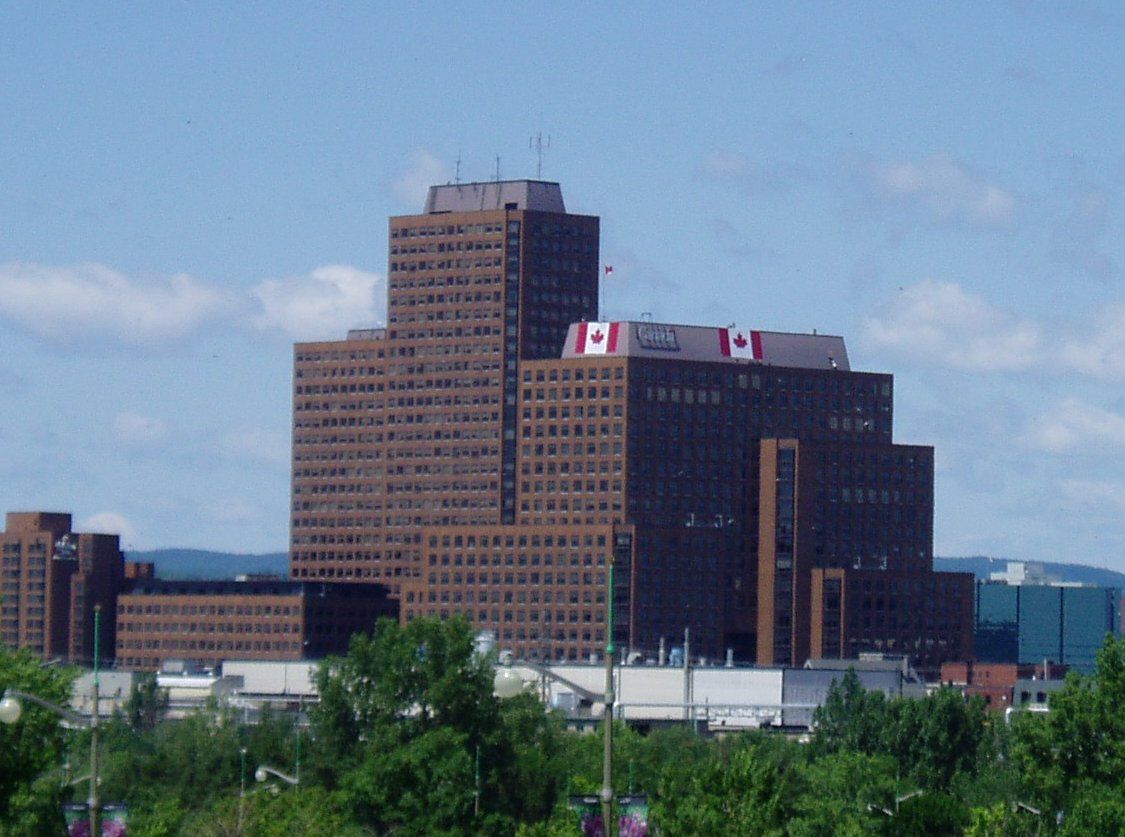
CIRNAC is headquartered in the Terrasses de la Chaudière office complex in Gatineau, Quebec. The department is led by two ministers: the Minister of Crown-Indigenous Relations, whose portfolio includes treaty rights and land negotiations, and the Minister of Northern Affairs. A Deputy Minister and an Associate Deputy Minister, both appointed by the Governor in Council, support the department's operations. CIRNAC maintains a network of ten regional offices across Canada to deliver its programs and engage with communities directly. These offices are organized into broad divisions covering areas such as treaties and Aboriginal government, lands and economic development, and education and social development. The Northern Development branch is specifically represented in the Northwest Territories and Nunavut regional offices, as well as at headquarters. The department also operates the Office of the Federal Interlocutor to work with urban Indigenous peoples, Métis, and Non-Status Indians, many of whom live in rural areas. The department has additional offices to deal with specific issues like oil and gas leases, reflecting its role in managing federal land resources.
Funding Programs and Economic Initiatives
A significant part of CIRNAC's work involves administering grants and funding programs designed to support economic development, capacity building, and community well-being in Indigenous and Northern communities. These programs are a practical mechanism for advancing self-determination and reconciliation. One prominent initiative is the Strategic Partnerships Initiative (SPI), which provides flexible funding to enable Indigenous communities to pursue complex economic development opportunities, often involving partnerships with non-Indigenous entities. The Indigenous Community-Based Climate Monitoring Program funds projects that integrate Indigenous Knowledge with climate science to monitor environmental changes. The Northern Contaminants Program supports research and monitoring aimed at reducing contaminants in the traditional foods of Northern Indigenous peoples. These programs aim to foster collaboration, stimulate economic growth, and improve the overall quality of life by supporting skills development, training, and education initiatives.
Key investments include $10.1 million over three years, announced in Budget 2025, to expand the Federal Initiative on Consultation by adding three new Indigenous-led resource centres. This aims to provide communities with better support to participate in decisions affecting their lands and resources. CIRNAC also prioritizes returning land to First Nations through a reformed Additions to Reserve process, as demonstrated by the October 2025 announcement with Snuneymuxw First Nation for nearly 195 acres of federal land in Nanaimo, British Columbia, enabling mixed-use development plans for housing and commercial spaces. The department's funding approach is detailed in its annual Departmental Plan, which aligns spending with priorities from ministerial mandate letters and the goal of empowering Indigenous communities with tools and resources to control their futures. The department also works with urban First Nations, Métis and Non-Status Indians through the Office of the Federal Interlocutor.
The Northern and Arctic Focus
CIRNAC holds specific responsibilities for Canada's northern lands and territories, including Nunavut, the Northwest Territories, and Yukon. A landmark achievement in this area was the implementation of the Nunavut Land Claims Agreement in 1993 and the subsequent creation of the Territory of Nunavut in 1999. The department plays a major role in managing lands and resources in Nunavut and works to implement recommendations from reports like the 2006 Conciliator's Final Report by Thomas Berger on the Nunavut Land Claims Agreement Implementation, which advocated for increased Inuit participation in the public service. The department's Northern Affairs branch focuses on supporting Indigenous-led efforts to build a strong, prosperous North and Arctic, addressing unique challenges such as infrastructure, housing, and economic diversification. In March 2026, CIRNAC plans to convene Northern and Indigenous partners, stakeholders, and leaders to identify actionable measures to address contemporary priorities and challenges in the region.
Historically, the government sponsored annual Arctic expeditions throughout the 20th century, which produced extensive photographic records of Northern Indigenous life. Notable participants included explorer and filmmaker Richard S. Finnie, who first travelled north in 1924 aboard the CGS Arctic. Zoologist Joseph Dewey Soper documented the Baffin Island (Qikiqtaaluk) region in the late 1920s. Exploratory engineer Lachlan T. Burwash surveyed the east coasts of Hudson Bay and James Bay, and the Belcher Islands in the late 1920s. Other figures included J.G. Wright, Superintendent of Eastern Arctic Patrol, and S.J. Bailey, Regional Director of Family Allowances for Yukon and the Northwest Territories, who served on Eastern Arctic Patrol missions. These expeditions were crucial for early government understanding and administration of the North, and their photographic collections are now part of historical archives like Library and Archives Canada's Project Naming.
Consultation, Engagement and Legal Framework
CIRNAC is committed to a whole-of-government approach to consultation and engagement, reflecting the principle of renewing relationships based on recognition of rights. The department, alongside Indigenous Services Canada, seeks input from First Nations, Inuit, Métis, and Northerners to shape policies, programs, and legislation. Engagement occurs through various methods including online surveys and feedback forms, face-to-face discussions, and focus groups, with some minor legislative changes arising from informal discussions. The department's legal foundation is the Department of Crown-Indigenous Relations and Northern Affairs Act, which commits the government to achieving reconciliation through renewed relationships based on affirmation of rights, respect, cooperation, and partnership. The Act specifies that the department must collaborate with Indigenous peoples and provinces, recognize and implement treaties, promote Northern well-being, recognize Indigenous ways of knowing, and promote public awareness of reconciliation.
The department's future work is framed by this legislation and its alignment with the United Nations Declaration on the Rights of Indigenous Peoples. CIRNAC's vision is to support Indigenous communities and Northerners in their efforts to develop healthier, more sustainable communities and participate more fully in Canada's development for the benefit of all Canadians. The 2026-27 Departmental Plan outlines key priorities focused on urgency and action, responding to community-identified challenges like infrastructure and housing. A central theme is empowering Indigenous communities with the tools and resources to exercise control over their lands, resources, and futures, which includes ongoing work to reform processes like Additions to Reserve and to expand consultation capacity through Indigenous-led centres.
Terminology and Evolving Language
The language used by the department to refer to Indigenous peoples has evolved significantly over time, reflecting changing social norms and legal contexts. The term First Nation has been in use since the 1970s as a replacement for Indian, which many found offensive. However, the term Indian remains in use for specific legal and historical documents, such as the Indian Act, the Canadian Constitution, and federal statutes, particularly in reference to Status Indians. The term Inuit refers specifically to the Aboriginal people in Northern Canada, with Inuk as the singular form. The historical term Eskimo is found in older documents. The term Aboriginal is commonly used to refer collectively to the three constitutionally recognized groups: First Nations, Inuit, and Métis. It is also used in contexts involving rights of sovereignty or Aboriginal title. The department's own name has changed, from the Department of Indian Affairs and Northern Development to Aboriginal Affairs and Northern Development Canada in 2011, then to Indigenous and Northern Affairs Canada, before its current split into CIRNAC and Indigenous Services Canada in 2019. This evolution in nomenclature parallels the broader shift in government policy from assimilation and control toward recognition of rights and self-determination.
Questions about Crown-Indigenous Relations and Northern Affairs Canada
What is the difference between CIRNAC and Indigenous Services Canada?
Crown-Indigenous Relations and Northern Affairs Canada (CIRNAC) and Indigenous Services Canada (ISC) are two separate federal departments created on July 15, 2019, from the former Department of Indian Affairs and Northern Development. CIRNAC focuses on the ongoing political and treaty relationships, rights recognition, negotiations, and Northern affairs. In contrast, Indigenous Services Canada is responsible for delivering federal services such as health care, education, and infrastructure to First Nations, Inuit, and Métis communities. This separation was intended to distinguish service delivery from the broader work of rebuilding nation-to-nation relationships and to address historical structures viewed as paternalistic.
What is CIRNAC's role in treaty negotiations?
A core function of CIRNAC is to negotiate and implement treaties, comprehensive land claims, and self-government agreements with Indigenous peoples. The department leads the federal government's efforts to affirm and implement rights recognized under section 35 of the Constitution Act, 1982. This includes resolving historical grievances through modern treaties and specific claims, and working with Indigenous partners to develop new agreements that support self-determination and governance. The department also manages the implementation of existing treaties, such as the Nunavut Land Claims Agreement, and is tasked with recognizing and implementing treaties concluded between the Crown and Indigenous peoples under its governing legislation.
How does CIRNAC support economic development in Indigenous communities?
CIRNAC supports economic development through various funding programs and initiatives. Key programs include the Strategic Partnerships Initiative (SPI), which provides flexible funding for complex economic opportunities often involving partnerships. The department also administers the Indigenous Community-Based Climate Monitoring Program and the Northern Contaminants Program. CIRNAC works to return land to First Nations through the Additions to Reserve process, enabling communities to pursue housing, commercial, and other economic development projects on their own lands. These funding initiatives are designed to foster collaboration, build capacity, and stimulate economic growth that benefits Indigenous communities directly.
Who are the ministers responsible for CIRNAC?
CIRNAC is overseen by two cabinet ministers. The Minister of Crown-Indigenous Relations is responsible for the portfolio relating to treaty rights, negotiations, and the overall relationship with First Nations, Inuit, and Métis. The Minister of Northern Affairs is responsible for the department's mandate concerning Canada's northern lands and territories, including promoting prosperity and well-being in the North. Both ministers work from the department's headquarters in Gatineau, Quebec. The 2026 copyright notice for departmental publications also references the Minister responsible for the Canadian Northern Economic Development Agency in relation to the Northern Affairs portfolio.
What was the reason for splitting the old Department of Indian Affairs?
The government dissolved the Department of Indian Affairs and Northern Development (DIAND) to address what it described as structures created within a paternalistic and colonial framework. The 2019 split into CIRNAC and Indigenous Services Canada was intended to create a clearer distinction between the work of rebuilding government-to-government relationships and the delivery of essential services. This restructuring was also consistent with long-standing recommendations from the 1996 Royal Commission on Aboriginal Peoples to improve service delivery and accelerate progress toward Indigenous self-government. The rationale was to move away from an approach centered on the Indian Act toward one based on recognition of rights, respect, and partnership.
What are CIRNAC's priorities for the 2026-27 fiscal year?
For the 2026-27 period, CIRNAC's priorities include acting with urgency on community-identified challenges such as infrastructure and housing, strengthening partnerships based on respect for rights, and listening to impacted communities. Specific plans include expanding the Federal Initiative on Consultation with new Indigenous-led resource centres, continuing work on consultation guidelines, and reforming the Additions to Reserve process to return land to First Nations more quickly. The department also plans to convene Northern and Indigenous partners in March 2026 to identify actionable measures for the North and Arctic. These priorities are outlined in the 2026-27 Departmental Plan, which aligns with the government's commitment to restraining operational spending growth while making strategic investments.
Sources and further reading
- Crown-Indigenous Relations and Northern Affairs Canada (Wikipedia)
- Crown-Indigenous Relations and Northern Affairs Canada's ... (rcaanc-cirnac.gc.ca)
- Crown-Indigenous Relations and Northern Affairs Canada ... (hellodarwin.com)
- Consultation and engagement at Indigenous Services Canada (sac-isc.gc.ca)
- Department of Crown-Indigenous Relations and Northern ... (laws-lois.justice.gc.ca)
Checked by the Nosy Mag desk. Last updated 2026-10-28.