Indigenous rights
Indigenous rights are those rights that exist in recognition of the specific condition of Indigenous peoples. This includes not only the most basic human rights of physical survival and integrity, but also rights over their land, language, religion, and other elements of cultural heritage. In Canada, these rights are constitutionally recognized and protected under Section 35 of the Constitution Act of 1982. They encompass Aboriginal rights derived from ancestral land use, treaty rights established through formal agreements, and the inherent right to self-government. The ongoing implementation of the United Nations Declaration on the Rights of Indigenous Peoples (UNDRIP), adopted by the UN General Assembly on 13 September 2007, represents a national project aimed at addressing historical injustices and building renewed nation-to-nation relationships.
Definition and Constitutional Foundations in Canada
Indigenous rights in Canada are a legal and constitutional category rooted in the original occupation and sovereignty of Indigenous peoples. These rights are inherent, arising from the prior existence of Indigenous societies as self-governing nations. The Constitution Act, 1982 explicitly recognizes and affirms the existing Aboriginal and treaty rights of the Indigenous peoples of Canada under its Section 35. This constitutional provision means that any government action that infringes upon these rights must be justified under a strict legal test. Aboriginal rights refer to practices, customs, or traditions that are integral to the distinctive culture of an Indigenous community and existed prior to European contact, such as rights to hunt, fish, or gather on traditional territories.
Treaty rights are those specifically set out in historical and modern treaties, which are formal agreements between Indigenous nations and the Crown. These treaties often include promises related to land, resource sharing, payments, and other benefits. The Supreme Court of Canada has played a central role in defining the scope and content of Section 35 rights through landmark decisions, establishing that these rights must be interpreted in a generous and purposive manner. The legal framework also acknowledges the inherent right of Indigenous peoples to self-government as an existing Aboriginal right within Section 35. This means Indigenous nations have the authority to make laws and govern themselves in relation to matters internal to their communities and integral to their distinct cultures, subject to the ongoing process of negotiation and reconciliation with the Crown.

The United Nations Declaration on the Rights of Indigenous Peoples (UNDRIP)
The United Nations Declaration on the Rights of Indigenous Peoples is a comprehensive international instrument adopted by the UN General Assembly on 13 September 2007. While not a legally binding treaty, it represents a global consensus on the minimum standards for the survival, dignity, and well-being of Indigenous peoples worldwide. The declaration's adoption marked a significant shift in international norms. It encompasses a broad range of civil, political, economic, social, and cultural rights, emphasizing both the individual and collective dimensions of Indigenous life. Central to UNDRIP is the right to self-determination, which allows Indigenous peoples to freely determine their political status and pursue their economic, social, and cultural development.
Other fundamental principles include the right to maintain and strengthen distinct political, legal, economic, social, and cultural institutions. A critical operational principle is Free, Prior and Informed Consent (FPIC), which requires states to consult and cooperate in good faith with Indigenous peoples through their own representative institutions to obtain their consent before adopting and implementing legislative or administrative measures that may affect them, particularly concerning their lands, territories, and resources. The declaration also affirms rights to traditional lands, territories, and resources, to redress for lands taken without consent, and to the conservation and protection of the environment. The full implementation of UNDRIP requires states to take effective measures, in consultation with Indigenous peoples, to combat prejudice and eliminate discrimination, and to promote tolerance, understanding, and good relations.
- The right to self-determination (Article 3).
- Rights over lands, territories, and resources traditionally owned or used (Articles 25-26).
- The guarantee of free, prior and informed consent (FPIC) before states adopt affecting measures (Article 19).
- Cultural rights, including the preservation of language, traditions, and institutions (Articles 11-14).
- Remedies for violations, including restitution and compensation (Article 28).
Canada's UNDRIP Implementation Framework
Canada's commitment to UNDRIP was transformed into domestic law with the passage of the United Nations Declaration on the Rights of Indigenous Peoples Act, which received Royal Assent on 21 June 2021. This Act provides a legislative framework for the federal government to work in consultation and cooperation with First Nations, Inuit, and Métis to align Canadian laws with the declaration's objectives. The Act mandates the development and implementation of an action plan to achieve the declaration's aims. Following consultation and cooperation with Indigenous partners, the federal government released its comprehensive Action Plan in June 2023. This roadmap outlines measures across all federal departments to respect and promote Indigenous rights as outlined in UNDRIP.
The government is required to report annually on the progress of implementing the Action Plan. The implementation process involves building renewed nation-to-nation, Inuit-Crown, and government-to-government relationships based on the affirmation of rights, respect, cooperation, and partnership. The Action Plan addresses diverse areas including justice, governance, lands and resources, languages, and culture. Supporting the participation of Indigenous partners in this implementation is a stated priority.
- The UNDRIP Act became Canadian law on 21 June 2021.
- The Action Plan to implement the Act was released in June 2023.
- Annual progress reports are tabled in Parliament.
- Reports and materials are translated into multiple Indigenous languages, French, and English.
- The process is built on consultation and cooperation with First Nations, Inuit, and Métis partners.
Contemporary Challenges and Advocacy
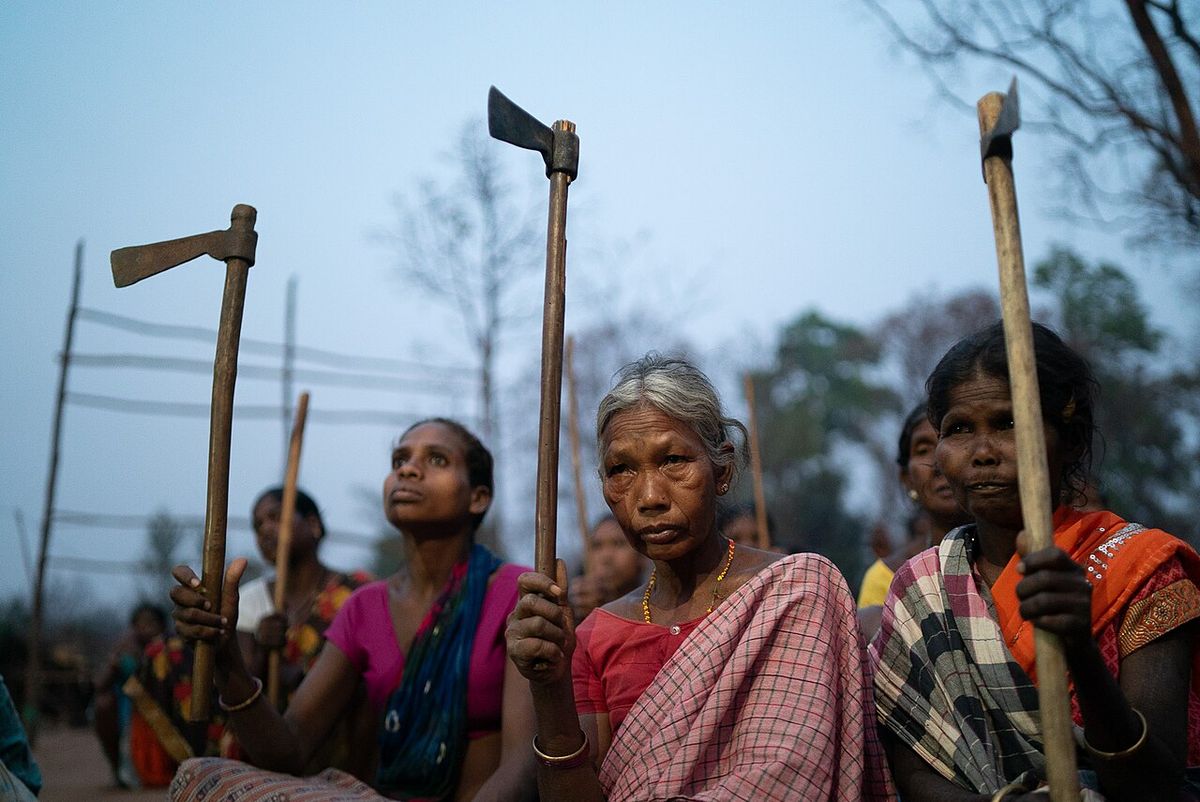
Despite constitutional recognition and international frameworks, significant challenges to the full realization of Indigenous rights persist in Canada. A central and ongoing issue is the Indian Act, first passed in 1876, which remains the primary statute governing the administration of Indian status, local First Nations governments, and the management of reserve land. Indigenous leaders and human rights organizations criticize the Act as a colonial instrument of control and forced assimilation. A specific provision under intense scrutiny is the "second generation cut-off" rule within the Indian Act's status registration provisions. This rule states that after two consecutive generations of parenting with a person who does not have Indian status, descendants are barred from registering as status Indians under the Act.
Indigenous advocates label this the "disappearing Indian formula," arguing it is a deliberate policy of forced assimilation that aims for the legal erasure of First Nations by progressively shrinking the status population. They contend it violates inherent Aboriginal, treaty, land, and human rights. Advocacy efforts continue to focus on amending or replacing the Indian Act to end this cut-off. Other persistent challenges include unresolved land claims and treaties, inadequate consultation on resource development projects, disparities in essential services like clean water, healthcare, and education, and the protection of Indigenous languages and cultural practices. Organizations like Amnesty International Canada actively campaign on Indigenous rights, linking these issues to broader human rights and environmental justice movements.
- Reform or replacement of the Indian Act, enacted in 1876.
- Elimination of the "second generation cut-off" rule for status registration.
- Resolution of outstanding land claims and treaty rights.
- Ensuring clean drinking water, healthcare, and education services in Indigenous communities.
- Protection of Indigenous languages and cultural practices from erosion.
- Ensuring meaningful consultation and consent for resource development projects.
The Path to Self-Determination and Governance
The exercise of self-determination and the revitalization of Indigenous governance models are at the heart of the Indigenous rights movement in Canada. The Supreme Court has stated that the sovereignty of Indigenous societies must be reconciled with Crown sovereignty. This reconciliation is pursued through various means, including the negotiation of modern treaties, comprehensive land claims agreements, and self-government agreements. These agreements recognize Indigenous jurisdiction over a wide range of matters such as citizenship, education, health, lands, and resource management. Indigenous nations and organizations are at various stages of exercising this inherent right to self-government, moving away from the Indian Act's imposed governance structures.
Educational and capacity-building programs support this transition by exploring historical and contemporary governance models. These programs encourage Indigenous leaders and administrators to reflect on their legal entitlements and envision practical actions for their communities. Successful self-governance requires a deep understanding of the constitutional and legal framework, as well as the integration of traditional knowledge and governance principles. The journey involves implementing self-government agreements through innovative responses, often blending traditional systems with contemporary administrative needs. This path is seen as essential for Indigenous communities to freely determine their political status and pursue their economic, social, and cultural development, as envisioned by UNDRIP Article 3.
Recognition and Celebration in Canadian Life
Formal recognition and public celebration of Indigenous histories and cultures have become integral parts of the Canadian calendar, contributing to broader awareness and reconciliation. June is designated as National Indigenous History Month, a time for all Canadians to recognize the rich history, heritage, resilience, and diversity of First Nations, Inuit, and Métis peoples. Within this month, 21 June is National Indigenous Peoples Day, a specific day for celebration. These observances are promoted with resources such as lesson plans, reports, maps, podcasts, and videos to help Canadians better understand Indigenous experiences, traditions, and cultures. The government encourages participation in events and the sharing of promotional images to mark these occasions.
Beyond these annual events, there is growing support for Indigenous-led storytelling and cultural expression. Initiatives highlight the personal stories of First Nations, Inuit, and Métis storytellers, offering journeys through narratives of culture, resilience, and hope. These perspectives provide a chance for reflection on Canada's past and the ongoing meaning of reconciliation. The increased visibility in public life complements the legal and political work of rights implementation, helping to foster the mutual respect and understanding that supports the renewed relationships called for in Canada's UNDRIP Action Plan.
Key International Instruments and Bodies
Beyond UNDRIP, several other international mechanisms support the recognition and protection of Indigenous rights globally. The International Labour Organization's Convention No. 169 is a legally binding international treaty concerning Indigenous and tribal peoples. It covers rights to land, consultation, and participation, and once ratified by a state, it becomes part of national law. In the Americas, the Organization of American States (OAS) adopted the American Declaration on the Rights of Indigenous Peoples in 2016 by consensus among 35 member states, though Canada and the USA expressed reservations. Within the United Nations system, the Permanent Forum on Indigenous Issues (UNPFII), established in 2000, serves as an advisory body to the Economic and Social Council.
The UNPFII's mandate is to discuss Indigenous issues related to economic and social development, culture, the environment, education, health, and human rights. The United Nations also observed the Second International Decade of the World's Indigenous People from 2005 to 2014, aiming to strengthen international cooperation to address challenges faced by Indigenous peoples. These international bodies provide platforms for advocacy, monitoring, and sharing of best practices. They underline that the core problems often stem from a lack of recognition of Indigenous peoples' right to live according to their own choices and the failure to protect their lands from exploitation by states and corporations.
- Adoption of UNDRIP by the UN General Assembly on 13 September 2007.
- Establishment of the UN Permanent Forum on Indigenous Issues (UNPFII) in 2000.
- The Second International Decade of the World's Indigenous People (2005 to 2014).
- Adoption of the American Declaration on the Rights of Indigenous Peoples by the OAS in 2016.
- The four nations initially voting against UNDRIP: United States, Canada, New Zealand, Australia (all later endorsed).
Questions about Indigenous rights
What is the difference between Aboriginal rights and treaty rights in Canada?
Aboriginal rights are inherent rights that Indigenous peoples hold because they were the original inhabitants of the land before European settlement. These rights, recognized under Section 35 of the Constitution, include practices integral to their distinctive cultures, such as hunting or fishing on traditional territories. Treaty rights, also protected by Section 35, are specific rights set out in formal, historically negotiated agreements between Indigenous nations and the Crown. These treaties, which can be historic or modern, often include promises related to land, payments, and resource sharing. While Aboriginal rights are derived from ancestral use, treaty rights are created by the mutual consent documented in the treaty itself.
What is the United Nations Declaration on the Rights of Indigenous Peoples (UNDRIP)?
The United Nations Declaration on the Rights of Indigenous Peoples is a comprehensive international instrument adopted by the UN General Assembly on 13 September 2007. It establishes a universal framework of minimum standards for the survival, dignity, and well-being of Indigenous peoples worldwide. While not a legally binding treaty, it sets out both individual and collective rights across areas like self-determination, culture, language, health, education, and lands. A key principle is Free, Prior and Informed Consent (FPIC), requiring states to consult Indigenous peoples and obtain their consent on matters affecting them.
What is the 'second generation cut-off' and why is it controversial?
The 'second generation cut-off' is a rule in the Indian Act that governs who can be registered as a Status Indian. It states that after two consecutive generations of parenting with a person who does not have Indian status, the children of the second generation are legally barred from obtaining status. Indigenous leaders and advocates condemn this as a 'disappearing Indian formula,' arguing it is a deliberate policy of forced assimilation designed to legally erase First Nations by progressively shrinking the status population. They assert it violates inherent Aboriginal, treaty, and human rights. There is active advocacy to amend the Indian Act to eliminate this cut-off rule.
How is Canada implementing the UNDRIP?
Canada is implementing UNDRIP through the United Nations Declaration on the Rights of Indigenous Peoples Act, which became federal law on 21 June 2021. This law requires the government to work in consultation and cooperation with First Nations, Inuit, and Métis to align federal laws with the declaration. A key component is the Action Plan released in June 2023, developed with Indigenous partners, which serves as a roadmap for implementation across all government departments. The government must table annual progress reports in Parliament. The process aims to build renewed nation-to-nation relationships based on the affirmation of rights, respect, cooperation, and partnership.
What is the inherent right to self-government?
The inherent right to self-government is recognized by the Canadian government and courts as an existing Aboriginal right within Section 35 of the Constitution. It is the authority of Indigenous communities to make laws and govern themselves in matters internal to their communities, integral to their unique cultures, and connected to their relationship with their land. This right exists independently of the Indian Act and is exercised through negotiated self-government agreements that recognize Indigenous jurisdiction over areas like citizenship, education, health, and lands. The Supreme Court has stated this Indigenous sovereignty must be reconciled with Crown sovereignty, a process advanced through treaties, agreements, and ongoing dialogue.
How does Canada recognize National Indigenous History Month and National Indigenous Peoples Day?
Canada recognizes June as National Indigenous History Month, a time to honour the history, heritage, resilience, and diversity of First Nations, Inuit, and Métis peoples. Within this month, 21 June is specifically National Indigenous Peoples Day, a day of celebration. The government promotes these observances by providing educational resources like lesson plans, podcasts, and videos, and encouraging public participation in events. These days offer an opportunity for all Canadians to learn about Indigenous experiences and cultures, reflecting on the past and the meaning of reconciliation. The celebrations are part of broader efforts to increase awareness and respect for Indigenous peoples in Canadian society.
Sources and further reading
- Indigenous rights (Wikipedia)
- Implementing the United Nations Declaration on the Rights ... (justice.gc.ca)
- The second generation cut-off threatens the future of First ... (amnesty.ca)
- National Indigenous History Month (rcaanc-cirnac.gc.ca)
Checked by the Nosy Mag desk. Last updated 2026-10-28.