Indian Act
The Indian Act is the principal federal law governing the relationship between the Government of Canada and First Nations. Enacted on April 12, 1876, it consolidated earlier colonial policies to administer Indian status, band governance, and reserve lands. The Act has been a foundational but controversial instrument of Canadian policy, historically designed to control and assimilate Indigenous peoples. As of 2026, marking its 150th year, the legislation remains in force, though a majority of First Nations have begun moving aspects of governance to alternative frameworks outside its provisions.
Historical Origins and Legislative Consolidation
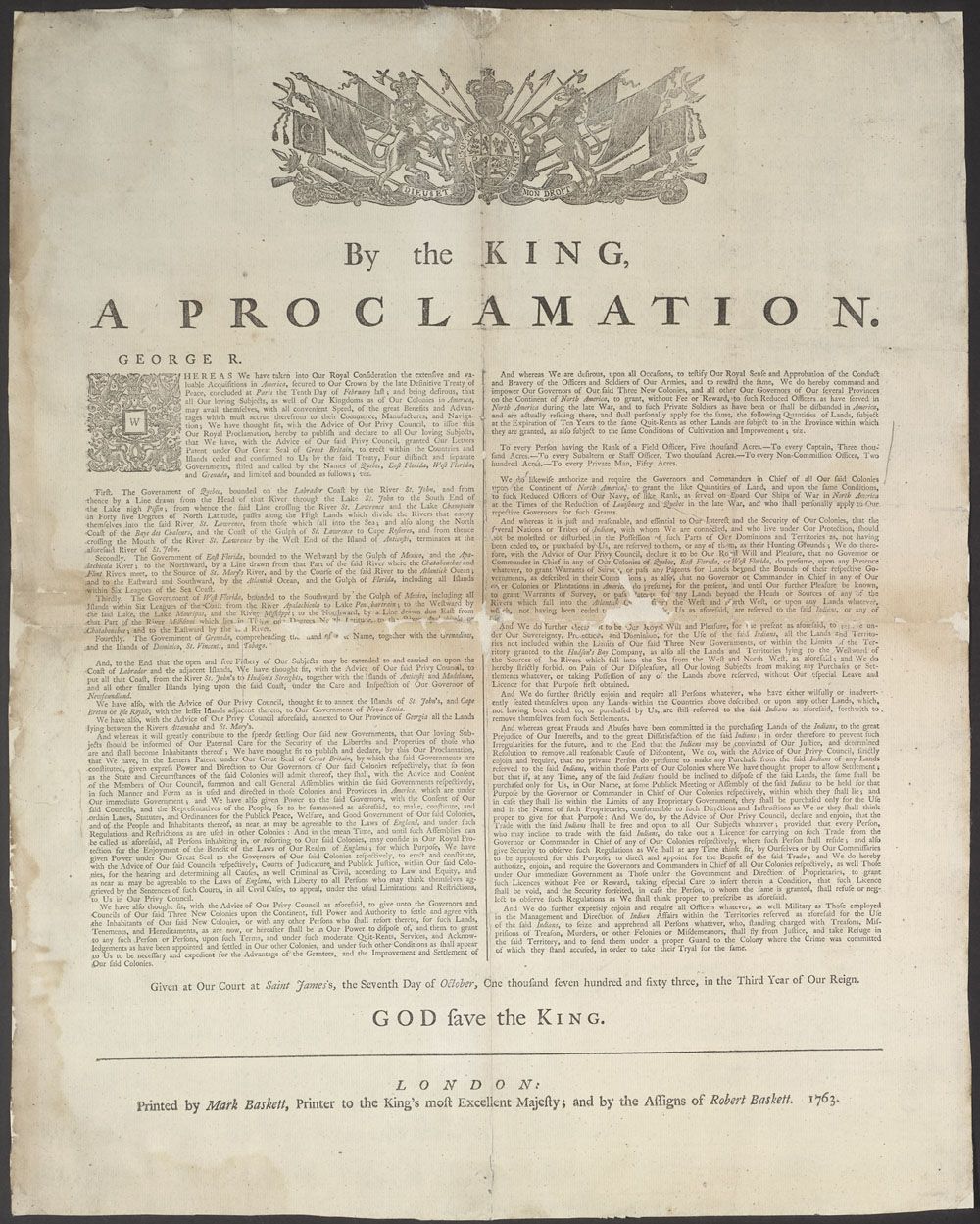
The Indian Act was introduced in 1875 by the Liberal government of Alexander Mackenzie and passed in 1876 as a consolidation of various pre-Confederation colonial laws concerning Indigenous peoples. Its legal foundation stems from Section 91(24) of the Constitution Act, 1867, which granted the federal government exclusive authority over "Indians and Lands Reserved for Indians." The Act aimed to codify aspects of the Royal Proclamation of 1763 while enforcing Euro-Canadian standards of "civilization" and the specific goal of enfranchisement. Its stated purpose was to administer Indian affairs in a way that would compel Indigenous people to renounce their status and join Canadian society through a process called enfranchisement, which granted Canadian citizenship in exchange for losing Indian status. This process, which was optional for literate men from 1857 until it was largely extinguished by the 1985 amendments, was central to the colonial vision of assimilation. The Act replaced any laws on the topic passed by a local legislature before a province joined Confederation, creating a single, national policy that was unilateral and imposed, a fact that has been a persistent source of resentment and resistance from Indigenous peoples who contrasted it with negotiated treaties.

Core Definitions and Governance Framework
The Indian Act establishes the legal definitions for three core concepts: Indian status, bands, and reserves, which form the basis of federal administration. A "band" is defined as a body of Indians for whose common use and benefit lands have been set apart by the Crown, or monies are held by the Crown, or who are declared a band by the Governor in Council. The Act sets out rules for governing Indian reserves and defines the powers of band councils, though bands can operate under the Act without holding reserve land, reflecting its wide scope over community life. A "reserve" is land held by the Crown for the use and benefit of a specific band, with the Minister authorized under section 18 to use reserve lands for schools, burial grounds, or other band welfare purposes with band council consent, and compensation must be paid if an individual Indian's possession is taken. The most contentious definition is that of an "Indian" or Status Indian, as only individuals on the official Indian Register maintained by the federal government or on a band list are considered Status Indians under the Act, entitling them to specific legal benefits and subjecting them to its restrictions. This definition historically excluded and continues to exclude Métis, Inuit, and Non-Status Indians from its purview, making the determination of status a central and ongoing controversy in Canadian Indigenous policy that directly affects access to rights and resources.
Discriminatory Provisions and Gender Inequality
The Indian Act has a long history of gender-based discrimination, primarily affecting Indigenous women and their descendants through patrilineal rules embedded in its text. Prior to the 1985 amendments, women with Indian status would lose it automatically upon marrying a man without status under subsection 12(1)(b), while status men who married non-status women retained their status. Children could also lose status through various patrilineal clauses, such as the "double mother" rule in subparagraph 12(1)(a)(iv) which removed status at age 21 if their mother and paternal grandmother did not have status before marriage, and children born out of wedlock to a status mother and non-status father could lose status if protested by an Indian agent. These provisions severely disrupted matrilineal cultural practices and denied women and their children access to treaty benefits, reserve residency, and inheritance, effectively alienating them from their communities and land. The 1974 Supreme Court case Attorney General of Canada v. Lavell upheld these discriminatory laws despite arguments under the Canadian Bill of Rights. Change began with Sandra Lovelace, a Maliseet woman, taking her case to the United Nations Human Rights Committee in 1981, which pressured Canada to amend the Act, leading to Bill C-31 in 1985. The 1985 Bill C-31 reinstated status to many who had lost it through these discriminatory rules and allowed bands to control their own membership, but it introduced a new registration system under sections 6(1) and 6(2) that created a "second-generation cut-off." This meant children of reinstated women often received status under 6(2) and could not pass status to their own children, perpetuating a new form of intergenerational inequality that led to further amendments through Bill C-3, the Gender Equity in Indian Registration Act, in 2010. Bill C-3 allowed some women reinstated under 6(2) to be eligible for 6(1) status if they had non-status children, but did not fully eliminate all gender discrimination. Bill S-3, which received royal assent in December 2017 and came into full effect in August 2019, addressed further gender-based inequalities identified by the Superior Court of Quebec.
Assimilationist Policies and Cultural Suppression
Beyond defining status, the Indian Act was the legal vehicle for a suite of aggressive assimilationist policies aimed at eradicating First Nations cultures and social structures. A key mechanism was the enfranchisement process, which offered full Canadian citizenship in exchange for relinquishing Indian status and treaty rights, a process conceived in the 1857 Gradual Civilization Act and maintained until 1985. The Act also historically controlled band governance, imposing an elective system of band councils that often replaced traditional leadership structures and dictated local regulations. In 1885, an amendment banned the Potlatch ceremony of the West Coast peoples. A similar amendment in 1895 banned the Sun Dance of the Plains peoples. These bans were not lifted until 1951. In 1894 amendments made school attendance compulsory for Indigenous children between 7 and 16 years of age, contributing to the residential school system. These policies collectively sought to dismantle Indigenous social organization, governance, language, and spiritual life, enforcing Euro-Canadian norms and aiming for the eventual disappearance of distinct First Nations communities within the Canadian state.
Amendments, Reforms and the Move Beyond the Act
The Indian Act has been amended numerous times since 1876, with over five major changes made in 2002 alone, reflecting its unstable and contested nature. The most significant reform was Bill C-31 in 1985, which addressed gender discrimination and restored status to approximately 100,000 people in the following decade while transferring membership responsibilities to bands. In recent decades, a strategic shift has occurred, moving away from amending the Act itself towards creating "off-ramps" that allow First Nations to assume jurisdiction in specific areas through alternative legislation. This approach accelerated after First Nations' unified rejection of the 1969 White Paper which proposed abolishing the Act, leading the federal government to explore sectoral alternatives. Key alternative statutes now include the First Nations Land Management Act (1999), the First Nations Fiscal Management Act, the First Nations Election Act, and the First Nations Commercial and Industrial Development Act (2006), each removing a specific governance area from the Act's provisions. According to Crown-Indigenous Relations' departmental plans, the percentage of First Nations that have opted into at least one Indian Act alternative rose from 55 percent in 2020-21 to 68 percent by 2022-23, with a target of 71.5 percent by March 2025, indicating rapid adoption. In 2025-26, the New Fiscal Relationship Grant, which provides flexible funding for 28 core program areas, expanded eligibility to First Nations-led service delivery entities and had 191 recipients. This trend reflects a federal strategy of sectoral devolution, though it is critiqued by some as an ideological push for a narrow model of self-government that does not address underlying land rights or treaty obligations.
Contemporary Context and the 150th Year
The year 2026 marks the 150th anniversary of the Indian Act of 1876, prompting widespread reflection on its deep and ongoing impacts on First Nations life. The legislation is widely condemned as a colonial instrument that was designed to control nearly every aspect of First Nations life, shaping governance, land, identity, and culture in ways that attacked social organization and restricted freedom. Federal governments from Louis St. Laurent in 1951 to Justin Trudeau in 2018 have attempted to dissolve or replace it, but it persists, in part because some First Nations view it as a lever for asserting rights within the Canadian system despite its discriminatory nature. Current federal efforts are focused on addressing specific inequities, particularly around status and membership, often driven by court rulings such as the 2007 Sharon McIvor case, with the government committed to broader reform issues in registration. Engagement is ongoing through initiatives like the Co-Development process on broader First Nation jurisdiction and the New Fiscal Relationship Policy working group with the Assembly of First Nations and the First Nations Financial Management Board. The government is also working with pre-1975 treaty partners to renew treaty relationships through bilateral forums. The debate continues between those who see the sectoral "off-ramps" as opportunities for greater self-determination and those who argue the approach avoids meaningful recognition of jurisdiction and treaty obligations. As of 2026, the Indian Act remains a powerful, if increasingly fragmented, force in the relationship between Canada and First Nations, with its future subject to ongoing negotiation and resistance.
Key Legislative and Policy Milestones
The evolution of the Indian Act and related policies can be traced through several laws and events that defined the relationship between the Crown and Indigenous peoples. The 1763 Royal Proclamation laid the basis for treaty-making and established that only the Crown could acquire land from First Nations, a principle later inherited by Canada. The 1850 Act for the better protection of the Lands and Property of the Indians in Lower Canada was one of the first to define who was considered an Indian, requiring "Indian blood" and membership in a tribe. The 1857 Gradual Civilization Act introduced voluntary enfranchisement for literate Indigenous men over 21, awarding them 50 acres of land while removing tribal affiliation, though only one person voluntarily enfranchised under it. The 1869 Gradual Enfranchisement Act furthered assimilation goals and began the process of unilateral enfranchisement by the government. On April 12, 1876, the Indian Act came into force, merging these earlier laws into a single statute. The 1951 amendments removed some oppressive laws like the ban on the potlatch but introduced new discriminatory clauses, and the 1985 Bill C-31 amended the Act to remove gender discrimination and reinstate status. The 2010 Bill C-3, the Gender Equity in Indian Registration Act, further addressed registration inequities. Bill S-3 received royal assent in December 2017 to address gender-based inequalities.
- 1763: Royal Proclamation establishes the basis for Crown-First Nations relations and treaty-making.
- 1850: Act for the better protection of the Lands and Property of the Indians in Lower Canada introduces an early legal definition of "Indian."
- 1857: Gradual Civilization Act introduces voluntary enfranchisement for literate Indigenous men.
- 1869: Gradual Enfranchisement Act furthers assimilation goals and begins unilateral enfranchisement.
- April 12, 1876: The Indian Act comes into force.
- 1951: Major amendments remove some oppressive laws but introduce new discriminatory clauses.
- 1985: Bill C-31 amends the Act to remove gender discrimination and reinstate status.
- 2010: Bill C-3, the Gender Equity in Indian Registration Act, further addresses registration inequities.
- 2017: Bill S-3 receives royal assent to address gender inequalities.
First Nations Engagement with Alternative Governance
The movement of First Nations into alternative governance frameworks is a significant contemporary trend that represents a major shift in federal administration. This trend involves First Nations bands moving away from operating solely under the provisions of the Indian Act. The shift is towards governance models that are negotiated rather than unilaterally imposed. The following table shows the growth in the percentage of First Nations opting into at least one Indian Act alternative. This data is reported by Crown-Indigenous Relations in their departmental plans. The table illustrates the accelerating pace of this transition away from the act's framework.
| Fiscal Year | Percentage of First Nations |
|---|---|
| 2020-21 | 55% |
| 2022-23 | 68% |
| Target for 2024-25 | 71.5% |
This shift represents a major administrative change, with communities taking control of areas like land management, finance, and elections through specific statutes that remove those sectors from the Indian Act's control. The New Fiscal Relationship Grant is a key tool in this transition, providing flexible and predictable funding for 28 core program areas to support self-determination. Its expansion in 2025-26 to include First Nations-led service delivery entities such as health and education authorities brought the total number of recipients to 191, demonstrating the widening scope of the alternative governance model. Policy development in this area is co-developed with partners like the Assembly of First Nations and the First Nations Financial Management Board through technical working groups. However, critics like the Yellowhead Institute argue this sectoral approach is ideological and focuses on program delivery devolution without confronting foundational issues of land rights, treaty implementation, or meaningful jurisdiction, offering a narrow model of self-government.
Ongoing Legal Challenges and International Pressure
The Indian Act has faced continuous legal challenges and international scrutiny that have forced amendments and shaped its modern interpretation. The 1974 Supreme Court case Attorney General of Canada v. Lavell was a major challenge where Jeannette Corbiere Lavell and Yvonne Bédard argued the Act's gender provisions violated the Canadian Bill of Rights, but the Court upheld the law. Sandra Lovelace's case, taken to the United Nations Human Rights Committee in 1981, was a turning point that resulted in a decision against Canada and direct pressure to amend the discriminatory status provisions, leading to Bill C-31. The United Nations committee determined that Bill C-31 itself violated Articles 3 and 26 of the International Covenant on Civil and Political Rights by maintaining gender discrimination in registration, specifically citing the case of Sharon McIvor and her son Jacob Grismer. In its decision, the UNHRC required the Government of Canada to provide an effective remedy within 180 days, ensuring paragraph 6(1)(a) of the Indian Act was applied without sex-based discrimination and to account for ongoing discrimination. The 2007 Supreme Court of British Columbia case involving Sharon McIvor further highlighted the inadequacy of the 1985 amendments and pushed for the 2010 Bill C-3. These legal and international pressures have created an ongoing obligation for Canada to address the registration inequities. The courts have thus played a central role in incrementally challenging the Act's most discriminatory elements, though they have also historically upheld its foundational authority.
Questions about Indian Act
What is the Indian Act?
The Indian Act is the principal Canadian federal law that administers Indian status, local First Nations governments, and the management of reserve lands and communal monies. First passed in 1876, it consolidated earlier colonial laws like the 1857 Gradual Civilization Act and the 1869 Gradual Enfranchisement Act with the aim of controlling and assimilating Indigenous peoples. It defines who is considered a Status Indian, outlines the governance structure for bands, and regulates life on reserves. The Act does not apply to Métis or Inuit peoples. While amended many times, it remains a foundational piece of legislation shaping Canada's relationship with First Nations, and 2026 marks its 150th year.
How did the Indian Act discriminate against women?
The Indian Act historically discriminated against Indigenous women through patrilineal rules that tied their legal status to their husbands or fathers. Before 1985, subsection 12(1)(b) stated a status woman who married a non-status man automatically lost her own Indian status and could not pass it to her children, while a status man who married a non-status woman kept his status. Women also lost status if their father or husband became enfranchised, and children could lose status under the "double mother" clause. These provisions severed women from their communities, denying them treaty benefits, the right to live on their reserve, and inheritance. Amendments in 1985 (Bill C-31) and 2010 (Bill C-3) sought to address this but created a new two-tier registration system that has not fully eliminated discrimination. Bill S-3, effective 2019, addressed further gender inequalities.
What is a Status Indian?
A Status Indian is an individual who is registered under the Indian Act and appears on the Indian Register maintained by the federal government or on a band list maintained by a First Nation. The Act provides a legal definition of who qualifies for status, which has changed numerous times through amendments and court rulings, with key changes in 1951, 1985, and 2010. Status confers certain rights and benefits under the Act, such as the right to live on a reserve and share in band resources, but also subjects individuals to the Act's restrictions. not all Indigenous people in Canada are Status Indians. The definition excludes many First Nations people without status, as well as all Métis and Inuit.
Are First Nations moving away from the Indian Act?
Yes, a growing majority of First Nations are moving specific areas of governance out from under the Indian Act through alternative federal legislation. By the 2022-23 fiscal year, 68 percent of First Nations had opted into at least one alternative framework, with a federal target of 71.5 percent by March 2025. These alternatives include the First Nations Land Management Act (1999), the First Nations Fiscal Management Act, the First Nations Election Act, and self-government agreements for sectors like education and child welfare. This shift is incentivized by federal programs like the New Fiscal Relationship Grant, which had 191 recipients in 2025-26. This is a sectoral approach where communities exit specific parts of the Act. The Indian Act itself remains the default law for status and membership unless a community has a modern treaty or self-government agreement.
What was Bill C-31?
Bill C-31 was the 1985 amendment to the Indian Act that aimed to remove gender discrimination from the status provisions. It restored Indian status to women who had lost it by marrying non-status men, and to their children, and it allowed bands to take control of their own membership lists under section 10. Nearly 100,000 people had their status reinstated in the decade following its passage. However, Bill C-31 created a new two-tier registration system under sections 6(1) and 6(2) that introduced a "second-generation cut-off," meaning many children of reinstated women received a status under 6(2) that they could not pass on to their own children. This created a new form of intergenerational discrimination that was later addressed in part by Bill C-3 in 2010.
Why is the Indian Act still in place today?
The Indian Act remains in place due to a complex mix of historical path dependency, failed replacement attempts, and its strategic use by some First Nations as a legal tool. Federal governments have repeatedly tried to abolish it, most notably with the 1969 White Paper, but these efforts were rejected by First Nations who feared the loss of specific legal protections and treaty relationships without adequate alternatives. Some leaders have noted that the Act, while discriminatory, provides a lever for asserting certain rights and a degree of insulation from provincial laws. The current federal strategy focuses on creating piecemeal "off-ramps" for specific governance areas rather than full repeal, leaving the core framework intact for matters of status and as a default system.
Sources and further reading
- Indian Act (Wikipedia)
- The Indian Act, Exit 150: The Coming and Going of ... (yellowheadinstitute.org)
- Annex B: Status of Action Plan measures, First Nations ... (justice.gc.ca)
- The Indian Act (thecanadianencyclopedia.ca)
- Options to Support Broader First Nation Jurisdiction (sac-isc.gc.ca)
Checked by the Nosy Mag desk. Last updated 2026-10-24.