Government of Canada
The Government of Canada is the federal executive authority of the country, formally known as His Majesty's Government. It is the body responsible for implementing laws, administering national programs, and conducting Canada's domestic and international affairs. The government is composed of ministers of the Crown, led by the prime minister and organized as the Cabinet, and is supported by a federal public service of over 300,000 employees across more than 103 departments and agencies. Its operations are grounded in Canada's constitutional monarchy and Westminster-style parliamentary democracy, deriving its authority from the Crown and operating under the principles of responsible government.
Constitutional and structural foundations
The Government of Canada's organization is established by the Constitution Act, 1867, which forms the bedrock of the country's federal system. This act outlines the division of powers between the federal and provincial governments and establishes the core institutions of governance. At the centre of this system is the Canadian Crown, with King Charles III as the head of state, whose executive powers are exercised in Canada by the governor general. The government operates on the principle of responsible government, meaning the Cabinet must maintain the confidence of the elected House of Commons to remain in power. The structure ensures that while executive authority is vested in the Crown, its practical exercise is carried out by ministers accountable to Parliament.
The federal government is a vast apparatus comprising three distinct but interconnected components: the political executive, the public service, and the armed forces. The political executive consists of the prime minister and the Cabinet, who set policy direction. The public service, or civil service, is the non-partisan administrative body that implements government decisions and delivers programs through departments like Immigration, Refugees and Citizenship Canada and Global Affairs Canada. The Canadian Armed Forces constitute the military wing of the executive, responsible for national defence. Together, these elements work under the legal authority of the Crown to govern the country. The executive is formally referred to as the King-in-Council, meaning the Crown acting on the advice of the King's Privy Council for Canada.
The Crown and executive authority
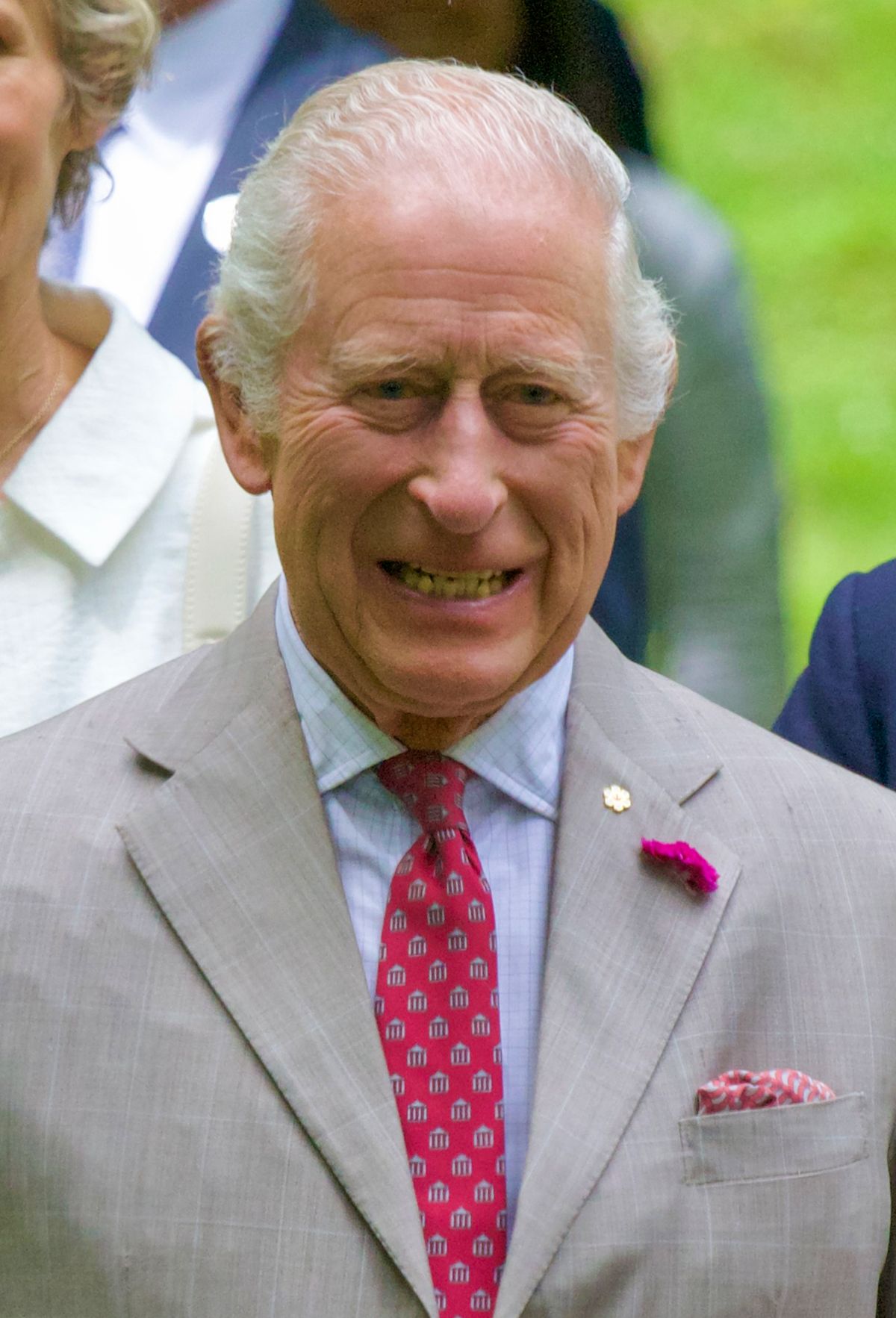
Canada is a constitutional monarchy, meaning the monarch reigns as head of state within the parameters of the constitution and democratic conventions. The sovereign's role is both symbolic and legal, serving as a guarantor of continuous and stable government. Executive authority is formally vested in the King-in-Council, a term denoting the Crown acting on the advice of the King's Privy Council for Canada. In practice, the monarch's federal representative, the governor general, carries out almost all of the Crown's daily constitutional and ceremonial duties in Canada. Governor General Louise Arbour performs functions such as summoning and dissolving Parliament, reading the Speech from the Throne, and giving royal assent to bills passed by Parliament. Since 1947, the governor general has been permitted to exercise almost all of the monarch's royal prerogative.
The royal prerogative encompasses the residual powers of the Crown, such as the power to declare war, make treaties, and appoint officials. These powers are exercised almost exclusively on the binding advice of the prime minister and Cabinet. However, the prerogative legally belongs to the Crown, not the ministers, who are said to rule 'in trust' for the monarch. In extremely rare constitutional crisis situations, the governor general or monarch may use reserve powers to act without or against ministerial advice to ensure the government complies with the constitution. This delicate balance ensures the Crown acts as a foundational, stabilizing institution above daily politics. The royal sign-manual gives authority to letters patent and orders-in-Council.
The prime minister and Cabinet
The prime minister is the head of government and the most powerful figure in the Canadian political system. The office is based on convention rather than any single constitutional document. Following a federal election, the governor general invites the person most likely to command the confidence of the House of Commons, typically the leader of the party with the most seats, to become prime minister and form a government. Prime Minister Mark Carney, leader of the Liberal Party, currently holds this office. The prime minister's duties include chairing Cabinet, setting the government's agenda, advising the governor general on appointments, and serving as the government's chief spokesperson. The prime minister remains in office until resigning, losing the confidence of the House, or being defeated in an election. Should no party hold a majority, the leader of the party with the most seats or one supported by other parties is called to form a minority government.
The Cabinet is the key decision-making body within the government, functioning as the executive committee of the Privy Council. Its members, known as ministers of the Crown, are appointed by the governor general on the prime minister's advice and are almost always drawn from elected members of the governing party in the House of Commons, with occasional representation from the Senate. The Cabinet meets regularly to approve government policies, introduce legislation, and set spending priorities. Ministers are individually responsible for their departments, such as finance or foreign affairs, and collectively responsible for all government decisions. The Cabinet operates under the principle of cabinet solidarity, meaning all ministers publicly support its decisions. The Privy Council itself consists mostly of former ministers, chief justices, and other elder statesmen and rarely meets in full.
- Heads the Cabinet and directs government activities.
- Advises the governor general on the exercise of royal prerogative powers.
- Sets the legislative and policy agenda for Parliament.
- Recommends appointments to key positions, including senators, judges, and heads of Crown corporations.
- Acts as the primary representative of the government in Parliament and to the public.
- Must maintain the confidence of the elected House of Commons to remain in power.

The public service and federal departments
The Public Service of Canada is the non-partisan, professional administrative body that implements government policies and delivers programs to Canadians. It employs over 300,000 people across the country and around the world, working in more than 103 federal departments and agencies. These institutions range from large, well-known departments like Global Affairs Canada and the Department of National Defence to smaller, specialized agencies and tribunals. Public servants provide policy advice to ministers, administer legislation, deliver services such as employment insurance and passports, and enforce regulations. The public service is headed by the Clerk of the Privy Council, who also serves as the prime minister's deputy minister and head of the public service.
Federal departments are organized under specific areas of responsibility, each led by a minister accountable to Parliament. Major departments manage critical national portfolios including finance, health, public safety, and immigration. Agencies often have more operational or regulatory independence, such as the Canada Revenue Agency or the Canadian Security Intelligence Service. The government also operates numerous Crown corporations, like Canada Post and the Canadian Broadcasting Corporation, which provide commercial or cultural services at arm's length from direct ministerial control. This complex structure allows the government to address a wide array of national needs from economic policy to environmental protection. The day-to-day operation and activities of the Government of Canada are performed by these federal departments and agencies, staffed by the public service, and the Canadian Armed Forces.
Key government functions and programs
The Government of Canada undertakes a vast array of functions that touch nearly every aspect of national life. Its core responsibilities include managing the national economy, conducting foreign policy and trade, defending the country, enforcing federal laws, and administering major social programs. It is responsible for setting immigration levels, with Immigration, Refugees and Citizenship Canada releasing multi-year plans like the 2026 to 2028 Immigration Levels Plan to manage the flow of newcomers. The government also plays a significant role in the financial markets, as illustrated by its program to purchase up to $30 billion in Canada Mortgage Bonds in the 2026 calendar year to support housing finance and market stability.
Beyond administration, the government actively fosters research, innovation, and international engagement through targeted programs. It runs scholarship initiatives like the Study in Canada Scholarships for the 2026 to 2027 academic year, which aim to strengthen global educational links. It also sponsors competitions such as the International Policy Ideas Challenge 2026, which invites graduate students and early-career researchers to develop innovative solutions to foreign policy problems. The government is involved in major infrastructure projects, exemplified by awarding a design contract in August 2026 for a new countermeasures laboratory in Winnipeg. These diverse activities demonstrate the government's role in both managing current affairs and planning for the country's future. The government has been referred to in communications as the current prime minister's government, such as the Trudeau Government or Harper Government in the past.
| Program or Initiative | Key Detail | Year/Period |
|---|---|---|
| Canada Mortgage Bond Purchases | Target purchase of up to $30 billion in fixed-rate primary issuances | 2026 calendar year |
| Study in Canada Scholarships | Accepting applications from Canadian institutions for international students | 2026 to 2027 academic year |
| International Policy Ideas Challenge | Call for policy proposals from graduate students and early-career researchers | 2026 edition |
| Immigration Levels Plan | Supplementary details released for planning | 2026 to 2028 period |
| Investment Summit | First summit planned to convene global investors | September 2026 |
Relationship with Parliament and the law
The Government of Canada is distinct from, but fundamentally accountable to, the Parliament of Canada. Parliament, composed of the Crown, the Senate, and the elected House of Commons, is the legislative branch that makes laws. The government is responsible for proposing most new laws, in the form of bills, to Parliament and for administering laws once they receive royal assent. The principle of responsible government requires that the prime minister and Cabinet maintain the confidence of the House of Commons. Key votes, such as on the budget or the Speech from the Throne, are considered matters of confidence. Losing such a vote traditionally forces the government to resign or request the dissolution of Parliament for an election.
The legislative process sees government bills introduced by ministers in either chamber of Parliament, though money bills must originate in the House of Commons. After debate and potential amendment, a bill must be passed in identical form by both the House of Commons and the Senate. It then receives royal assent from the governor general, at which point it becomes law. The government is then charged with enforcing and administering that law through its departments and agencies. This separation of functions between the executive that proposes and administers laws and the legislature that debates and passes them is a fundamental part of Canada's parliamentary system, ensuring checks and balances within the constitutional framework. The term Government of Canada refers specifically to the prime minister, Cabinet, and other members of the governing party inside the House of Commons, but typically includes the federal public service and federal departments and agencies when used elsewhere.
Public information and digital services
The Government of Canada maintains an extensive digital presence to inform citizens and deliver services efficiently. Its primary online portal is Canada.ca, the official website that provides centralized access to information from all federal departments, forms, and services. This site allows Canadians to complete tasks like applying for passports, filing taxes, finding job opportunities, and accessing benefits. The government also runs the Government of Canada Publications website, which hosts a searchable catalogue of over 636,200 publications, with more than 515,400 available in digital format. This repository includes everything from annual reports and statistical analyses to public awareness materials on topics like mental health and Truth and Reconciliation.
Transparency and communication are key aspects of the government's public interface. Departments regularly issue news releases, backgrounders, and economic statements to announce policies, report on outcomes, and consult the public. For instance, operational details for financial programs like bond purchases are published online to inform market participants. The government also uses its platforms to mark significant national events, such as Orange Shirt Day, and to promote initiatives like the Investment Summit planned for September 2026. By leveraging digital tools, the government aims to be more accessible, accountable, and responsive to the needs of Canadians and other stakeholders. In popular usage, Canadians may refer to the government when speaking about the entire state, including the executive, legislative, and judicial branches and the civil service, more formally referred to as the Crown or the Crown in Right of Canada.
Questions about Government of Canada
Who is the current prime minister of Canada?
The current prime minister of Canada is Mark Carney. He is the leader of the Liberal Party and was invited by the governor general to form a government after his party secured the confidence of the House of Commons. The prime minister chairs the Cabinet, sets the government's policy agenda, and acts as the head of government. His tenure continues until he resigns, loses the confidence of the House, or is defeated in a general election. The office exists by long-established convention and is not outlined in a constitutional document.
How many people work for the Government of Canada?
Over 300,000 people are employed in the Public Service of Canada, which forms the administrative arm of the federal government. These public servants work in more than 103 different federal departments, agencies, and other institutions across the country and internationally. They are responsible for implementing government policies, enforcing laws, and delivering programs and services to Canadians. This workforce does not include members of the Canadian Armed Forces or political staff within ministers' offices. The federal public service and federal departments and agencies are directed by the Cabinet.
What is the King's Privy Council for Canada?
The King's Privy Council for Canada is the formal body that advises the Crown on the exercise of executive power. In practice, its large, mostly honorary membership of former ministers, chief justices, and other elder statesmen rarely meets. The active, decision-making component is the Cabinet, which is the executive committee of the Privy Council. The Cabinet, chaired by the prime minister, sets government policy and directs the public service, effectively ruling on behalf of the monarch while being accountable to the elected House of Commons. The executive is defined in the Constitution Act, 1867 as the Crown acting on the advice of the King's Privy Council for Canada.
What is the role of the governor general?
The governor general, currently Louise Arbour, is the King's federal viceregal representative in Canada. Appointed by the sovereign on the advice of the prime minister, the governor general is permitted to exercise almost all of the monarch's royal prerogative, including giving royal assent to bills. The role is both legal and practical, but not political, and the governor general typically follows the near-binding advice of ministers. However, the governor general holds reserve powers that may be used unilaterally in exceptional constitutional crisis situations to ensure the government complies with the constitution. The governor general also performs ceremonial duties such as reading the Speech from the Throne. In case of the governor general's absence, the administrator of Canada performs the Crown's most basic functions.
What is the difference between the Government of Canada and the Parliament of Canada?
The Government of Canada is the federal executive, formally known as His Majesty's Government, which includes the prime minister, Cabinet, and the federal civil service that directs over 103 departments and agencies. Its role is to carry out programs and enforce laws. Parliament is the legislative branch, composed of the Crown, the Senate, and the House of Commons, and its primary role is to make laws through the passage of bills. The government is accountable to Parliament and must retain the confidence of the elected House of Commons to stay in power. Laws formed by Parliament become the responsibility of the government to oversee and enforce. This differs from the United States, where the executive branch is referred to as an administration.
Where can I find official Government of Canada services and information?
The official website for all Government of Canada services and information is Canada.ca. This portal provides centralized access to federal departments and agencies, including information on jobs, training, and immigration. For publications, the Government of Canada Publications site offers a searchable catalogue of over 636,200 publications, with access to more than 515,400 digital documents. These official platforms are the primary sources for citizens to interact with the federal government, apply for programs, and find authoritative information. The government also uses these sites to announce initiatives like the Study in Canada Scholarships for the 2026 to 2027 academic year. Media related to the Government of Canada is available at Wikimedia Commons.
Sources and further reading
- Government of Canada (Wikipedia)
- Operational Details for Government Purchases ... (bankofcanada.ca)
- Government of Canada Publications site (publications.gc.ca)
Checked by the Nosy Mag desk. Last updated 2026-10-24.