1980 Quebec referendum
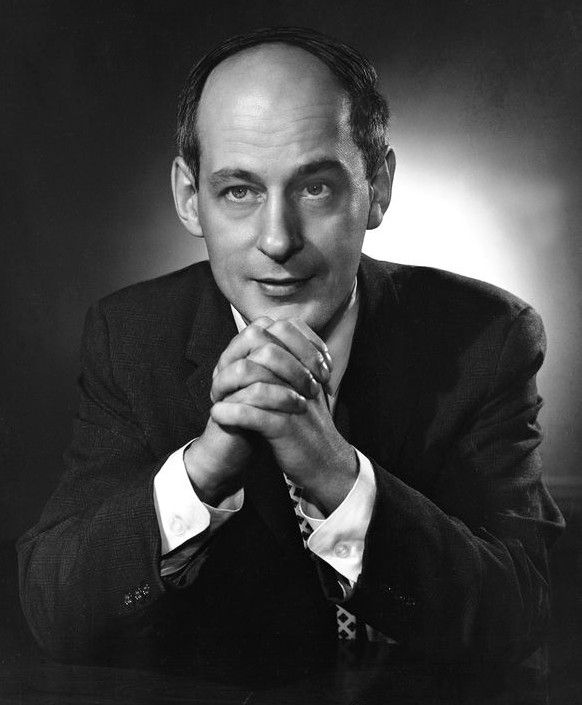
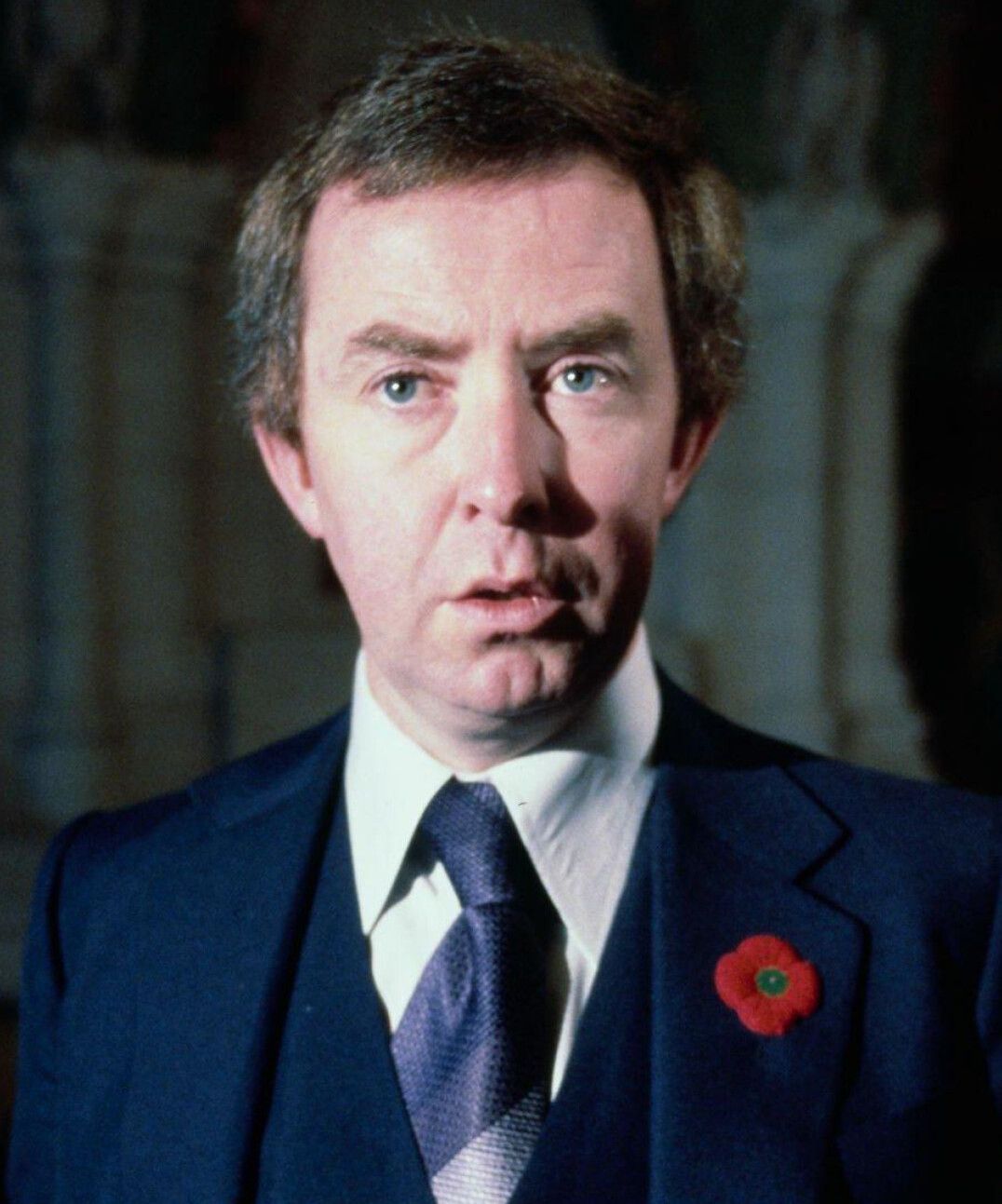
The 1980 Quebec referendum was the first province-wide vote on whether Quebec should pursue a path toward sovereignty from Canada. Held on May 20, 1980, the referendum was called by the Parti Québécois (PQ) government of Premier René Lévesque, which advocated for a proposal termed sovereignty-association. This concept envisioned Quebec becoming a sovereign nation-state while maintaining an economic partnership, including a common currency, with the rest of Canada. The proposal was decisively rejected by Quebec voters, with 59.56 per cent voting No and 40.44 per cent voting Yes. The referendum was a major event in Canadian history, intensifying constitutional debates and setting the stage for a second, much closer sovereignty vote in 1995.
Historical and Political Background
The roots of the 1980 referendum lay in longstanding tensions between Quebec's French-speaking majority and the wider Canadian federation, where English was the sole national language until 1969. For much of Quebec's history, economic and political power was concentrated in the hands of an English-speaking elite, with French Canadians controlling less than 20 percent of businesses throughout the 1900s. This dynamic fuelled the Quiet Revolution of the 1960s, a period of rapid secularization and state-building that also catalysed the sovereigntist movement. A key figure was René Lévesque, who helped found the Parti Québécois in 1968. The PQ's platform initially called for a unilateral declaration of independence upon forming government, but this was changed to a referendum strategy following internal lobbying by Claude Morin to improve chances of international recognition.
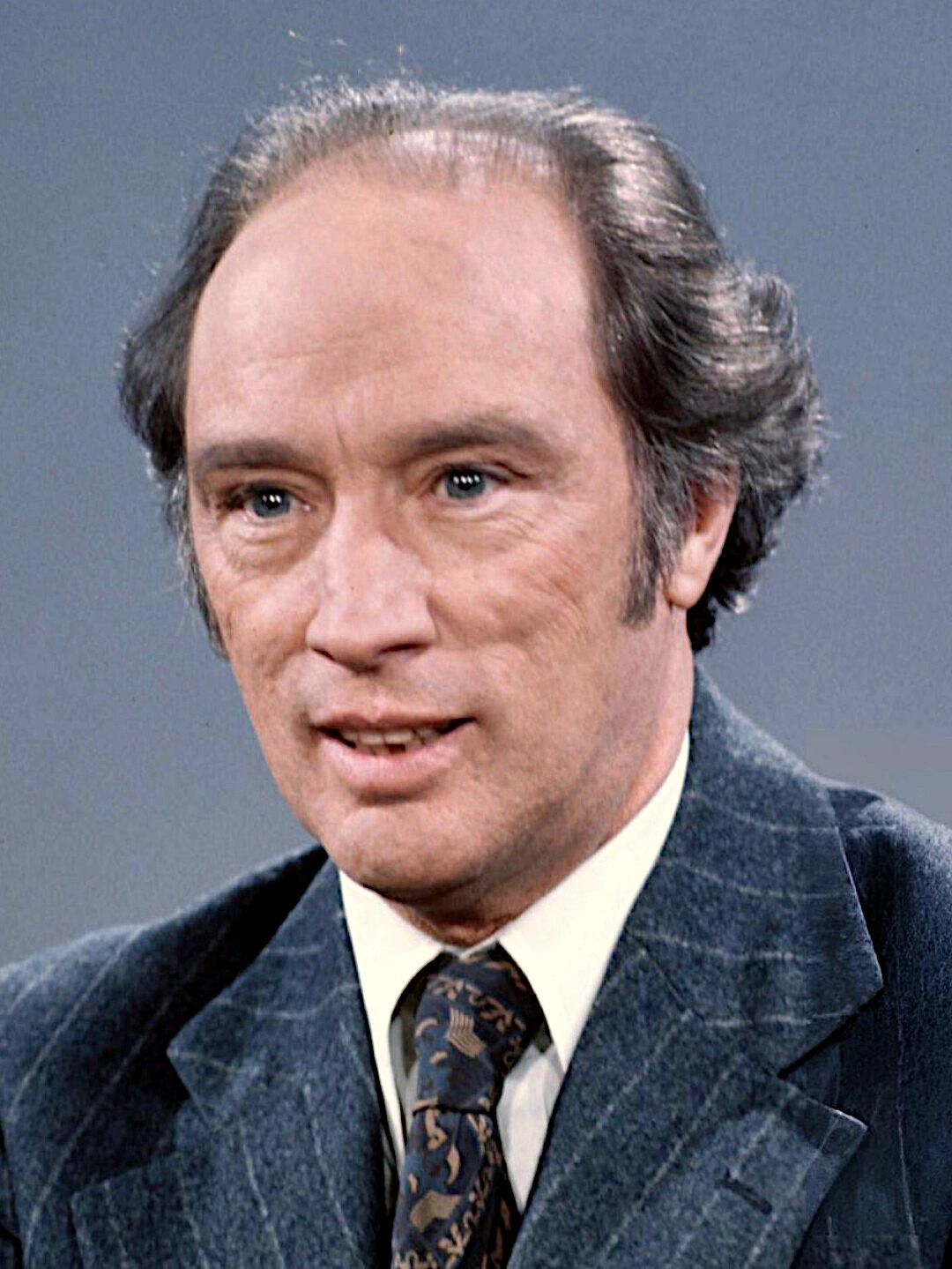
The PQ won a surprise victory in the 1976 provincial election, defeating Robert Bourassa's Quebec Liberals. In government, the PQ implemented popular social reforms and strengthened French language rights with Bill 101, which made French the official language of the legislature, courts, public administration, and workplaces. The party also promised to hold a referendum on sovereignty-association during its first term. The PQ's agenda put it in direct philosophical conflict with the federal Liberal government of Prime Minister Pierre Elliott Trudeau, a staunch federalist who advocated for bilingualism and individual rights within a united Canada. Lévesque considered Trudeau such a formidable opponent that he delayed the referendum until after the 1979 federal election, which saw Trudeau's Liberals narrowly defeated by Joe Clark's Progressive Conservatives.
The Referendum Question and Legislative Debate
On December 20, 1979, the Quebec government announced the referendum question after significant internal debate. Purist sovereigntists like Finance Minister Jacques Parizeau wanted a simple question on sovereignty, but Lévesque prevailed with a more complex formulation. He argued that since sovereignty-association required negotiations with Canada, the government needed a mandate to negotiate, with any final change subject to a second referendum. The resulting question was notably lengthy, using semicolons to connect its clauses. It asked voters whether they gave the government a mandate to negotiate a new agreement based on the equality of nations, leading to sovereignty coupled with an economic association, with any change implemented only after another referendum.
The legislative debate on the question, broadcast live on television from the Quebec National Assembly in March 1980, proved disastrous for the provincial Liberal No committee led by Claude Ryan. The PQ cabinet, coordinated by House Leader Claude Charron, delivered detailed, file-by-file explanations of the benefits of sovereignty. In contrast, Ryan's Liberals offered quick, taunting retorts that appeared flippant and insubstantial to television viewers. Ryan was also caught yawning on camera during Liberal interventions. Post-debate polls showed the Yes and No sides roughly even, with a majority of Francophone voters supporting the Yes side. This period also saw the emergence of the Brunch des Yvettes movement, sparked by a comment from PQ minister Lise Payette that mocked the No side's complacency by referencing a docile schoolbook character named Yvette and personally attacking Claude Ryan's wife, Madeleine. The remark led to a large rally of nearly 15,000 women at the Montreal Forum on April 7, who denounced Payette's statements and manifested support for the No side.
The Campaign and Federal Intervention
Premier Lévesque formally announced the referendum date of May 20 before the National Assembly on April 15, 1980. The same day, Prime Minister Pierre Trudeau, whose Liberals had returned to power with a majority in February, opened the House of Commons by declaring the federal government would not negotiate sovereignty-association under any circumstances. He argued the question was too vague to confer a mandate for independence, making a Yes vote a dead end, and instead promised that a No vote would lead to constitutional change. This position was supported by Opposition Leader Joe Clark and NDP leader Ed Broadbent. The Yes campaign initially focused on building broad acceptance through specialized regroupments in various professions and sectors, but attempts to create these in federalist strongholds like the legal profession prompted a backlash.
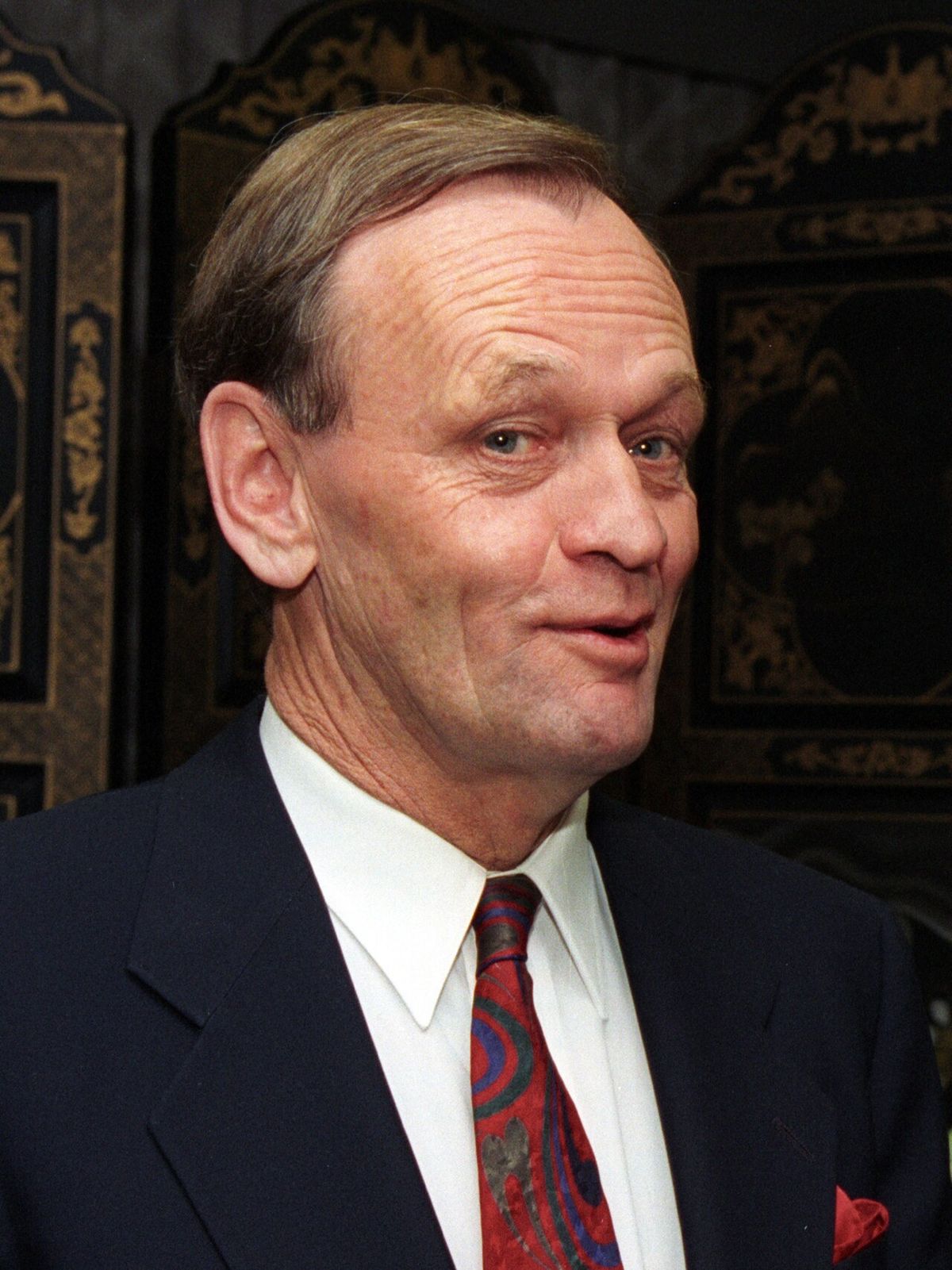
The No campaign, run by Claude Ryan, operated as a traditional election tour with speeches in local hockey arenas across rural Quebec. Crucially, the federal government, coordinated by Minister of Justice Jean Chrétien and Minister of Federal-Provincial Relations Marc Lalonde, actively intervened in the campaign despite provincial referendum laws restricting campaigning to the official committees. Federal politicians speculated on economic uncertainties, with Chrétien arguing prominent PQ member Claude Morin would sacrifice Canada's oil and gas prices and Lalonde warning that old age pensions were threatened. Though initially reluctant, Ryan began to welcome this federal help. The campaign prompted an intense political mobilization, fracturing the nationalist consensus that had existed since the Quiet Revolution and creating a traumatic atmosphere for many Quebecers.
Key Moments and the Final Push
The campaign's most decisive moment came on May 14, just six days before the vote, when Prime Minister Trudeau spoke at a packed Paul Sauvé Arena in Montreal, where the PQ had celebrated its 1976 election victory. Trudeau attacked the vagueness of the question, stating a Yes vote was a dead end because the rest of Canada was not bound by it. He then promised to interpret a No vote as a mandate to renew federalism and change the constitution, putting his MPs' seats on the line if he failed. He challenged English Canada to accept that change was necessary. In an emotional climax, Trudeau responded to Lévesque's earlier remark that he was showing his Elliott side by detailing his Québécois heritage and listing PQ members with Irish or English surnames, bringing the crowd to an uproar. The speech was widely seen as a death knell for the Yes campaign. Several other key events and figures defined the final stages of the campaign.
- The Brunch des Yvettes rally on April 7, 1980, at the Montreal Forum, drawing close to 15,000 women.
- The active federal intervention led by Ministers Jean Chrétien and Marc Lalonde, focusing on economic fears.
- Claude Ryan's traditional campaign tour across rural Quebec, speaking in local hockey arenas.
- The PQ's strategy of building professional regroupments to demonstrate support for sovereignty-association.
- Premier Lévesque's efforts to cast doubt on Trudeau's constitutional promises after the Paul Sauvé Arena speech.
- The federal government's declaration on April 15, 1980, that it would not negotiate sovereignty-association under any circumstances.
Referendum Results and Financial Summary
On May 20, 1980, Quebec voters rejected the sovereignty-association proposal by a significant margin. Voter turnout was high at 85.61 percent. An estimated 50 percent of Francophone voters supported the Yes option, but this was insufficient to overcome strong No majorities in other communities and regions. The campaign was conducted under strict spending limits set by Quebec's Referendum Act. The maximum authorized amount was $2,122,257, calculated at $0.50 per registered voter. Both the Yes and No committees received a state subsidy of $0.25 per voter, amounting to $1,061,128.50 each.
The financial records for the official committees were as follows. The No Committee's total fund was $2,060,455.11, comprising the state subsidy, $987,754.04 from political parties, and $11,572.60 in voter contributions. Its total committed and discharged expenditure was $2,060,455.00. The Yes Committee's total fund was $2,049,246.55, from the state subsidy, $683,000.00 from political parties, and $305,118.05 in voter contributions. Its total expenditure was $2,047,834.00. The figures show both sides spent nearly all their allocated funds, with the No side receiving significantly more from political parties, while the Yes side garnered more in direct voter contributions.
Immediate Aftermath and Speeches
Following the lopsided defeat, a visibly emotional Premier René Lévesque addressed his supporters. He began with the line, My dear friends, if I understand you correctly, you're saying: 'until next time'. While condemning the federal government's campaign involvement as scandalously immoral, he emphasized the result must be accepted and that it was now Ottawa's responsibility to deliver on its promised constitutional changes. He ended by asking the audience to sing Gens du Pays for him as he had lost his voice. Claude Ryan's speech later that evening struck a different tone. After refusing to let Jean Chrétien use the microphone, Ryan demanded an immediate election and listed every riding that had voted No. His speech was widely perceived as callous and harsh, especially following the emotional scenes of Lévesque's concession.
Prime Minister Trudeau addressed the nation with a more conciliatory message, emphasizing the need for unity after the hurt feelings and strained friendships caused by the referendum. The next morning, he tasked Jean Chrétien with building a provincial consensus for constitutional change. In Montreal, reactions were divided and emotional. Shortly after results were released, a small riot of Yes supporters marched through the wealthy Anglophone neighbourhood of Westmount, causing minor property damage. Sociologist Maurice Pinard predicted more violence and an early election in the uncertain atmosphere that followed the vote. The immediate reactions from key political leaders were starkly different in tone and content.
- René Lévesque's concession speech, where he told supporters "until next time" and asked them to sing "Gens du Pays."
- Claude Ryan's speech demanding an immediate election and listing No-voting ridings.
- Pierre Trudeau's national address calling for unity and reconciliation.
- The tasking of Jean Chrétien on May 21, 1980, to build a provincial consensus for constitutional change.
- The small riot in Westmount by Yes supporters causing minor property damage.
- Sociologist Maurice Pinard's prediction of more violence and an early election.
Constitutional and Political Consequences
True to his referendum promise, Prime Minister Trudeau moved to patriate Canada's constitution from the United Kingdom and enact a charter of rights. Initial first ministers' conferences showed signs of deadlock. Surprisingly, Premier Lévesque, who had argued for a Quebec veto, united with eight other premiers (the Gang of Eight) on a decentralist proposal that would allow provinces to opt out of federal programs with compensation but did not grant Quebec a veto. Facing this lack of cooperation, Trudeau announced his intention to proceed unilaterally, a move challenged in the Supreme Court of Canada. Despite a brief post-referendum malaise, the PQ easily defeated Claude Ryan's Liberals in the 1981 provincial election, campaigning on its governing record and against Trudeau's unilateral plans. Notably, the PQ did not promise a second referendum during that campaign. The sovereigntist movement, though defeated in 1980, remained a potent force in Quebec politics. A second referendum on sovereignty was held in 1995, which rejected secession by an extremely narrow margin of 50.58 percent No to 49.42 percent Yes. The legacy of the 1980 vote continues to shape Canadian federalism and Quebec's political scene.
Comparisons with Other Separatist Movements
The 1980 Quebec referendum is often compared to other separatist movements within Canada, notably the Alberta independence movement. Marie-Anne Alepin, president of the Société Saint-Jean-Baptiste de Montréal, argued Alberta was using separatism as leverage for more control over resources like oil and gas, whereas Quebec sovereigntists genuinely seek to leave Canada. Former PQ leader Jean-François Lisée called the Alberta vote mostly a waste and saw little to gain from observing the movement. Several key figures and groups have articulated the differences between the two movements.
- Marie-Anne Alepin, president of the Société Saint-Jean-Baptiste de Montréal, who contrasted economic leverage with a genuine desire for sovereignty.
- Former PQ leader Jean-François Lisée, who dismissed the Alberta referendum as a waste.
- Former PQ minister Louise Harel, who highlighted the cultural and linguistic motivations of Quebec sovereigntists.
- Alberta columnist and separatist Cory Morgan, a founding member of the Alberta Independence Party in 2001.
Questions about 1980 Quebec referendum
What was the referendum question asked in 1980?
The question was lengthy and complex, asking voters for a mandate to negotiate. It stated the government's proposal was to negotiate a new agreement based on the equality of nations, enabling Quebec to acquire exclusive powers (sovereignty) while maintaining an economic association with Canada, including a common currency. It specified that any change in political status from these negotiations would only be implemented after another referendum. The question concluded by asking if voters gave the government the mandate to negotiate this proposed agreement.
Who were the main leaders on each side of the referendum?
The Yes side was led by Quebec Premier René Lévesque and the governing Parti Québécois. The provincial No committee was chaired by Claude Ryan, leader of the Quebec Liberal Party. Federally, Prime Minister Pierre Elliott Trudeau was the most prominent opponent of sovereignty, and his government actively campaigned for a No vote. Key federal campaigners included Minister of Justice Jean Chrétien and Minister Marc Lalonde.
What was the 'Brunch des Yvettes'?
The Brunch des Yvettes was a political movement that emerged during the referendum campaign. It was sparked by comments from PQ minister Lise Payette, who mocked the No side's complacency by referencing a docile schoolbook character named Yvette and personally attacking Claude Ryan's wife, Madeleine. This prompted a rally of 1,700 women at the Château Frontenac on March 30, 1980, which grew into a massive rally of close to 15,000 women at the Montreal Forum on April 7. The movement saw prominent women, including a federal cabinet minister, denounce Payette's statements and express support for the No side.
What was the result of the 1980 Quebec referendum?
The proposal for sovereignty-association was defeated by a margin of 59.56 percent to 40.44 percent. The referendum took place on May 20, 1980, and was called by the Parti Québécois government of Premier René Lévesque. The question asked voters to give the government a mandate to negotiate a new agreement for sovereignty and an economic association with Canada. This was the first referendum on Quebec's place within Canada. The result was a clear victory for the No side, though the sovereignty debate continued.
What did Prime Minister Trudeau promise if Quebec voted 'No'?
Prime Minister Pierre Trudeau promised that a No vote would lead to constitutional change and a renewal of federalism. He made this pledge during a major speech at the Paul Sauvé Arena on May 14, 1980, six days before the vote. Trudeau stated he would interpret a No vote as a mandate to change the constitution and put his MPs' seats on the line if he failed. He also challenged English Canada to accept that change was necessary. This speech was widely seen as a key moment in the campaign.
Sources and further reading
- 1980 Quebec referendum (Wikipedia)
- Do Quebec sovereigntists compare to Alberta separatists? (cbc.ca)
- Quebec sovereigntists distancing themselves from Alberta ... (montreal.citynews.ca)
- Québec Referendum (1980) (thecanadianencyclopedia.ca)
- The Canadian pastime of holding an unsuccessful ... (nationalpost.com)
Checked by the Nosy Mag desk. Last updated 2026-10-24.