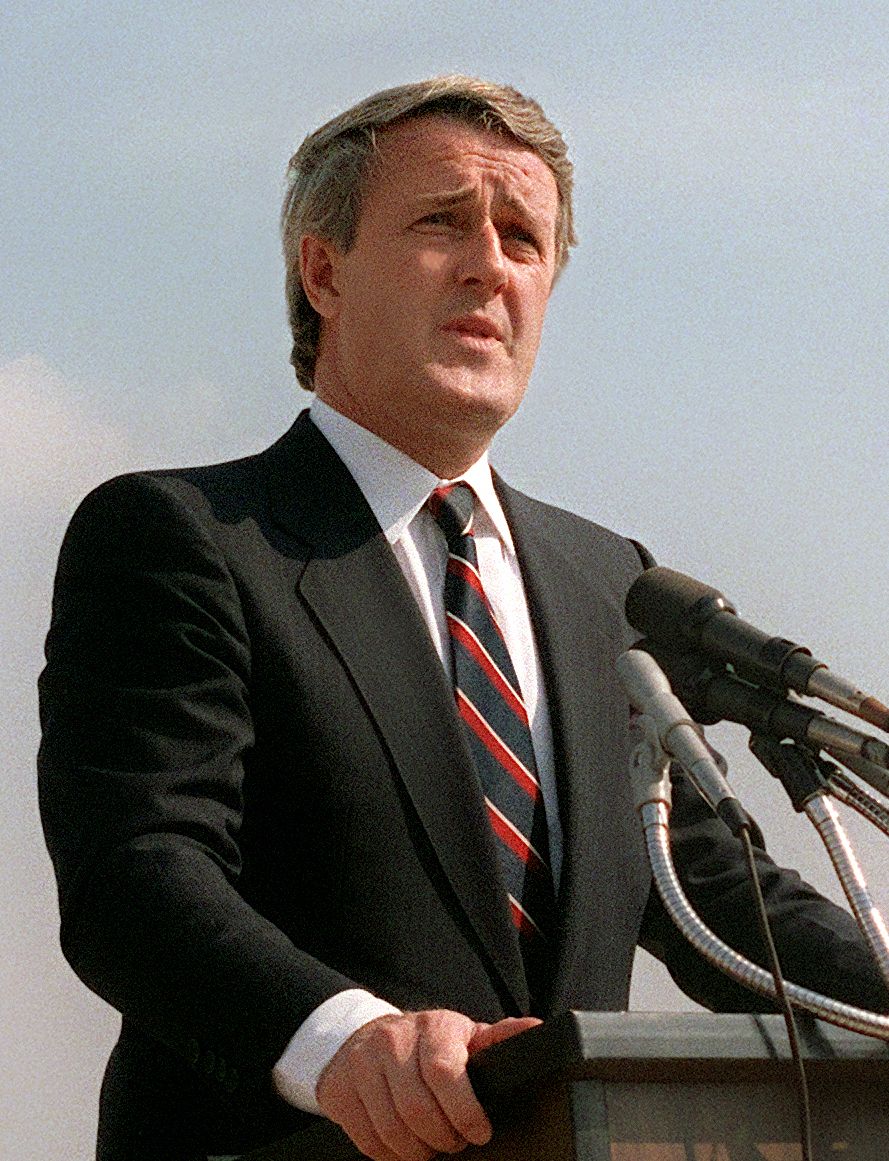
Joe Clark
Charles Joseph “Joe” Clark is a Canadian retired politician, businessman, writer, and professor who served as the 16th prime minister of Canada from 1979 to 1980. His tenure, though brief, marked the end of 16 continuous years of Liberal rule and established him as the youngest person to hold the office in Canadian history. Clark's long career in public life also included significant roles as leader of the Official Opposition, a consequential Secretary of State for External Affairs, and a key figure in the final years of the Progressive Conservative Party. His legacy encompasses pioneering work on freedom of information legislation, a steadfast commitment to national unity, and a distinctive brand of Red Toryism that influenced Canadian conservatism for decades.
Early life and education
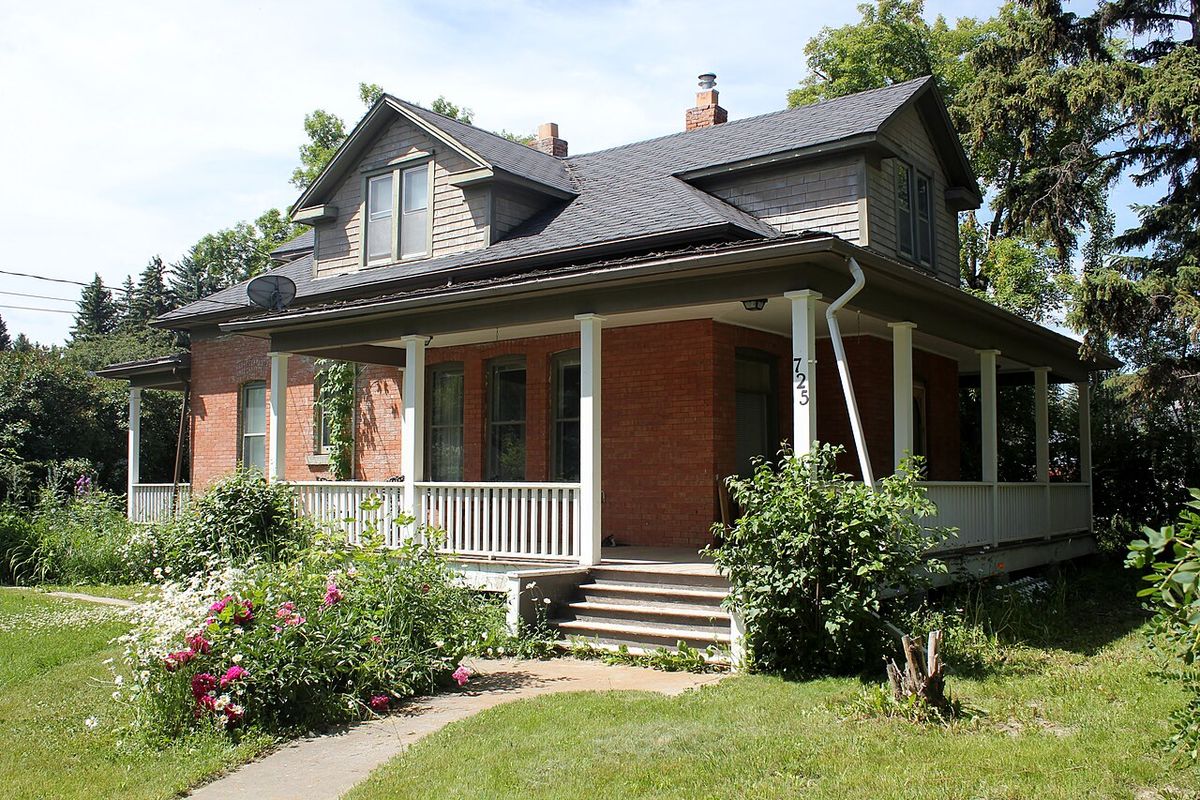
Charles Joseph Clark was born on June 5, 1939, in High River, Alberta, the son of newspaper publisher Charles A. Clark and Grace Roselyn Welch. He grew up in High River, where he gained early journalism experience working for the High River Times and the Calgary Albertan while attending high school. Clark pursued higher education at the University of Alberta, earning a Bachelor of Arts degree in history in 1960 and later a Master of Arts in political science in 1973. His university years were formative for his political career, as he became deeply involved in campus life and Conservative politics. Clark joined the staff of the campus newspaper, The Gateway, eventually rising to become its editor in chief, and was an active member of the University of Alberta Debate Society.
His political activism began in earnest during this period, serving as president of the University of Alberta Young Progressive Conservatives and later as national president of the Progressive Conservative Student Federation from 1962 to 1964. It was in these forums that he first debated future political rival Preston Manning, who represented the Youth League of the Alberta Social Credit Party. Clark then attended Dalhousie Law School and later the University of British Columbia Faculty of Law, but he did not complete a law degree, choosing instead to focus on political work. To bolster his credentials for federal politics, Clark spent time in France to improve his fluency in French and later took formal language courses while living in Ottawa. Before seeking elected office, he worked as a lecturer in political science at the University of Alberta from 1965 to 1967, and he also worked one summer at the Edmonton Journal where he met his future biographer, David L. Humphreys.
Early political career and rise to party leadership
Joe Clark's professional political career began in staff roles for prominent Progressive Conservative figures, providing him with crucial experience in the workings of government and opposition. He served as a chief assistant to Alberta opposition leader and future premier Peter Lougheed and worked in the office of federal opposition leader Robert Stanfield from 1967 to 1970. Clark first sought elected office in the 1967 Alberta provincial election but was unsuccessful. His breakthrough came in the 1972 federal election when he was elected as the Member of Parliament for the riding of Rocky Mountain, a largely rural riding in southwestern Alberta. In Parliament, he chaired the Progressive Conservative Caucus Committee on Youth and later the party's Committee on the Environment from 1974 to 1976, establishing a reputation as a diligent and socially liberal MP within a traditionally conservative caucus.
Clark's social liberalism put him at odds with right-wing members of his caucus, several of whom were not afraid to confront him. For example, in the lead-up to the 1979 election, the bulk of Clark's riding was merged into the newly created riding of Bow River during a redistribution. Fellow Tory MP Stanley Schumacher had much of his old riding of Palliser merged into Bow River as well, and even though Clark was now party leader, Schumacher refused to step aside in Clark's favour, forcing Clark to run in nearby Yellowhead. Following the resignation of party leader Robert Stanfield, Clark entered the 1976 Progressive Conservative leadership convention as a relative outsider in a field of eleven candidates. The early favourites were Claude Wagner, who represented the party's right wing, and Quebec businessman Brian Mulroney, whom Clark had first met at a Young PCs meeting in 1958. Red Tory favourite Flora MacDonald performed worse than expected, while Clark placed a surprising third on the first ballot. As the convention proceeded, Clark emerged as the compromise candidate for the party's Red Tory wing after MacDonald was eliminated. After four ballots, Clark narrowly defeated Wagner by 1,187 votes to 1,122 to become the new party leader. At age 36, he became the youngest person ever elected to lead a major federal party in Canada, with the party effectively skipping a generation by selecting him after many veterans were defeated in the 1968 election.
Leader of the Opposition and the 1979 election victory
Clark's rapid rise from a relatively unknown Alberta MP to the Leader of the Opposition took much of Canada by surprise, leading the Toronto Star to famously headline his victory with “Joe Who?” His initial public image was marked by perceptions of inexperience and occasional clumsiness, which were mocked by political commentators, such as cartoonist Andy Donato who typically drew Clark with mittens on strings hanging from his suit sleeves. To counter this, Clark hired experienced staffers such as Lowell Murray, Duncan Edmonds, and William Neville, who helped shape his policies and ran his office. The introduction of live television broadcasts of Question Period in the House of Commons in 1977 worked to his advantage, allowing Canadians to see his biting wit and earnest style as he built the Tories up as a credible alternative to the governing Liberals. Clark gradually earned the respect of political observers and his own caucus, improving his party's standing in national opinion polls through this period, and one of his most famous quips was: “A recession is when your neighbour loses his job. A depression is when you lose your job. Recovery is when Pierre Trudeau loses his job.”
Clark led the Progressive Conservatives into the 1979 federal election against an unpopular Liberal government plagued by large budget deficits, high inflation, and high unemployment. Campaigning on slogans like “Let's get Canada working again” and “It's time for a change, give the future a chance!”, Clark nonetheless faced persistent Liberal attacks focusing on his perceived inexperience, with their advertisements declaring “This is no time for on-the-job training”. The campaign was marred by several gaffes, most notably during a Middle East tour intended to highlight his ability to handle foreign affairs, where his luggage was lost and he appeared uncomfortable with the issues being discussed. During the same tour, while inspecting a military honour guard, Clark turned too soon and nearly bumped into a soldier's bayonet, an incident widely reported with some exaggeration as him nearly being beheaded. Despite these setbacks and an inability to make much headway in Quebec, where the party won only two seats, Clark's party won 136 seats in the election for the 31st Canadian Parliament, ending sixteen continuous years of Liberal rule. The Progressive Conservatives formed a minority government, having won the popular vote in seven provinces and making crucial gains in Ontario, particularly in the Toronto suburbs where they won many seats by narrow margins, though they fell six seats short of a majority.
Prime Minister and the fall of government
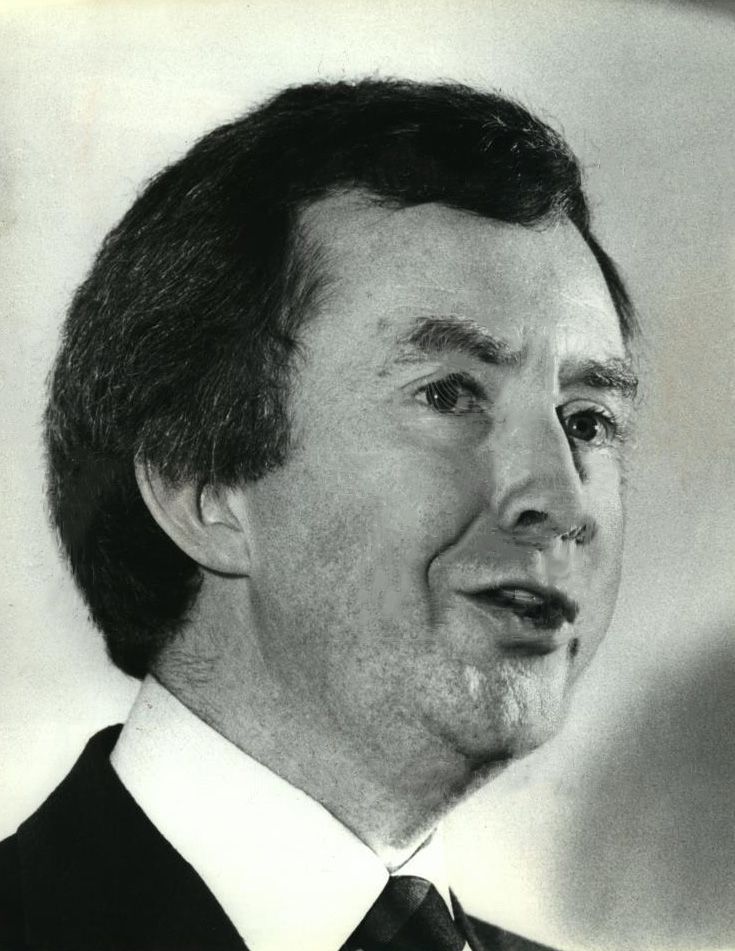
Joe Clark was sworn in as Canada's 16th prime minister on June 4, 1979, the day before his 40th birthday, becoming the youngest person and the first born in Western Canada to hold the office. Leading a minority government, Clark had to rely on the support of either the six-seat Social Credit Party or the 26-seat New Democratic Party to pass legislation. He decided against forming a coalition or granting official party status to the Socreds, choosing instead to govern as if he had a majority, and he managed to lure Socred MP Richard Janelle to the government caucus, though this still left the Tories five seats short of a majority. His government's tenure was necessarily focused on a limited agenda due to its precarious parliamentary position. Historians credit the Clark administration with making access to information legislation a priority, introducing Bill C-15, the Freedom of Information Act, which established a broad right of access to government records, an elaborate scheme of exemptions, and a two-stage review process.
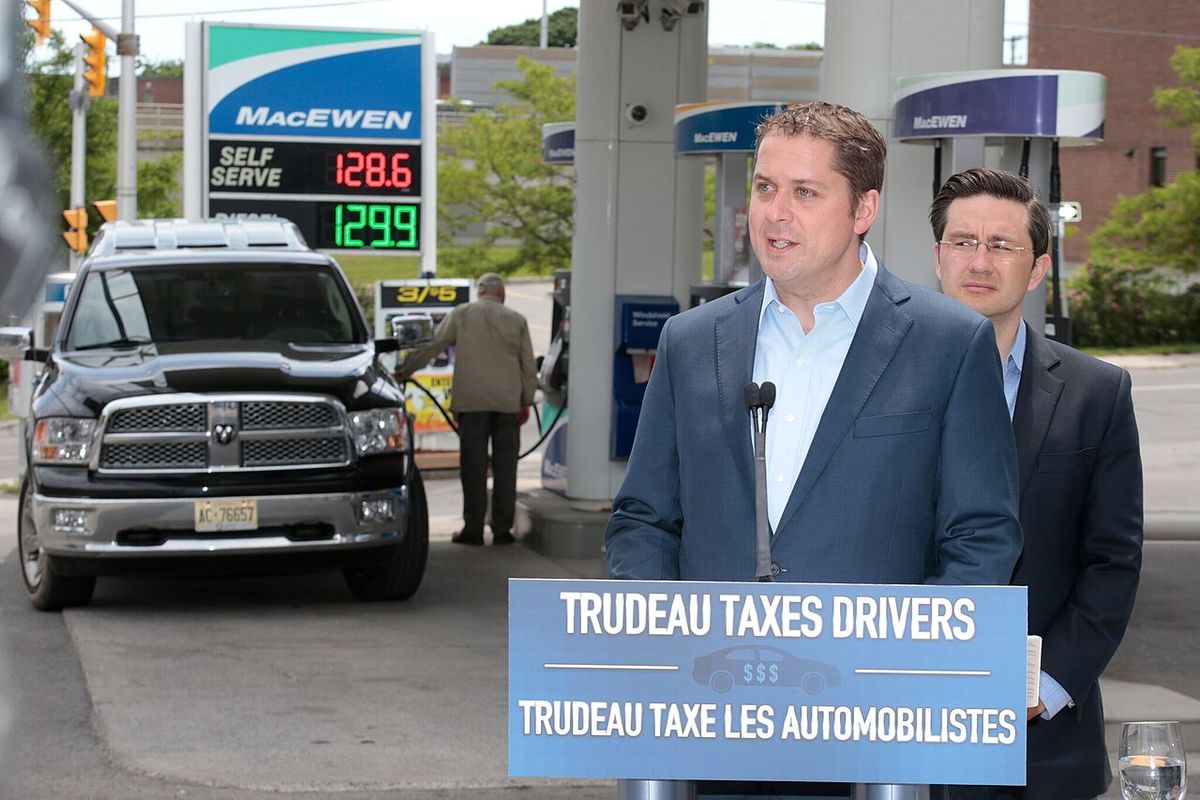
Internationally, Clark represented Canada at the 5th G7 summit in Tokyo in June 1979 and reportedly had a good relationship with US President Jimmy Carter, who phoned Clark to thank him personally for his role in the “Canadian Caper” rescue during the Iran hostage crisis. Domestically, a major point of contention was the 1979 budget introduced by Finance Minister John Crosbie, which was designed to curb inflation by slowing economic activity and proposed an 18-cent per gallon tax on gasoline. Finance Minister John Crosbie touted the budget as “short term pain for long term gain”, but it represented a reversal from Clark's campaign promise to cut taxes. Clark's refusal to work with the Socreds, combined with the unpopular gas tax which also soured his relationship with Ontario Premier Bill Davis, led to the government's defeat. On December 13, 1979, the House of Commons passed a non-confidence motion on the budget by a vote of 139 to 133, with the Liberals and NDP voting against it and the five Socred MPs abstaining after Clark turned down their demand that gas tax revenues be allocated to Quebec. Clark's government lasted a total of nine months less a day, and as of 2026, he remains the most recent prime minister to have lost power following the defeat of his budget.
Key legislative and policy actions during Clark's prime ministership included his government introducing Bill C-15, the Freedom of Information Act. This legislation established a broad right of access to government records and was a priority for his administration. The bill was debated and referred to a committee in late 1979, but it died when his minority government was defeated. The subsequent Liberal government under Pierre Trudeau based its Access to Information Act on Clark's Bill C-15, which later came into force in 1983.
- Introduction of Bill C-15, the Freedom of Information Act, in November 1979, which was debated at second reading and referred to committee before dying on the order paper.
- Representation of Canada at the 5th G7 summit in Tokyo in June 1979.
- Oversight of the “Canadian Caper” diplomatic rescue during the Iran hostage crisis.
- Appointment of Julien Chouinard to the Supreme Court of Canada on September 24, 1979.
- Reversal on October 29, 1979, of a campaign promise to move Canada's embassy in Israel to Jerusalem, deciding to wait until Jerusalem's status could be clarified.
Return to opposition and the 1980 election
After the fall of his government, Clark expected to easily defeat the demoralized and leaderless Liberals, since Trudeau had announced his intention to step aside and the Liberals had yet to hold a leadership convention. However, the Progressive Conservatives had misjudged the electorate, as they had not commissioned any polls since August. A November Gallup poll published eight days before the December 11 budget reported that their popularity was down from 36 percent during the summer to 28 percent, putting them 19 points behind the Liberals. The political scene shifted dramatically when Pierre Trudeau quickly rescinded his resignation from the Liberal leadership to lead his party into the subsequent election after the government fell. Clark's party campaigned under the slogan, “Real change deserves a fair chance,” but they were unable to recover from the budget's unpopularity and the resurgent Liberals.
The 1980 federal election resulted in a decisive Liberal majority of 147 seats, with the Progressive Conservatives reduced to 103 seats. The loss was particularly pronounced in Ontario, where criticism of the gas tax from Progressive Conservative Premier Bill Davis was used effectively in the Liberals' Ontario television ads, costing the Tories 19 seats in that province which ultimately proved decisive in the campaign. Clark remained as leader of the Official Opposition from March 1980 to January 1983. During this period, he led his party's efforts to make Canada's constitutional changes more generally acceptable, particularly in Western Canada and in Quebec. In parliamentary tactics, Clark demonstrated a determined approach to holding the government accountable, famously letting the division bells ring until the government agreed to split its omnibus energy bill for more effective scrutiny and, through a task force, forcing the reversal of over fifty measures in the 1981 MacEachen budget.
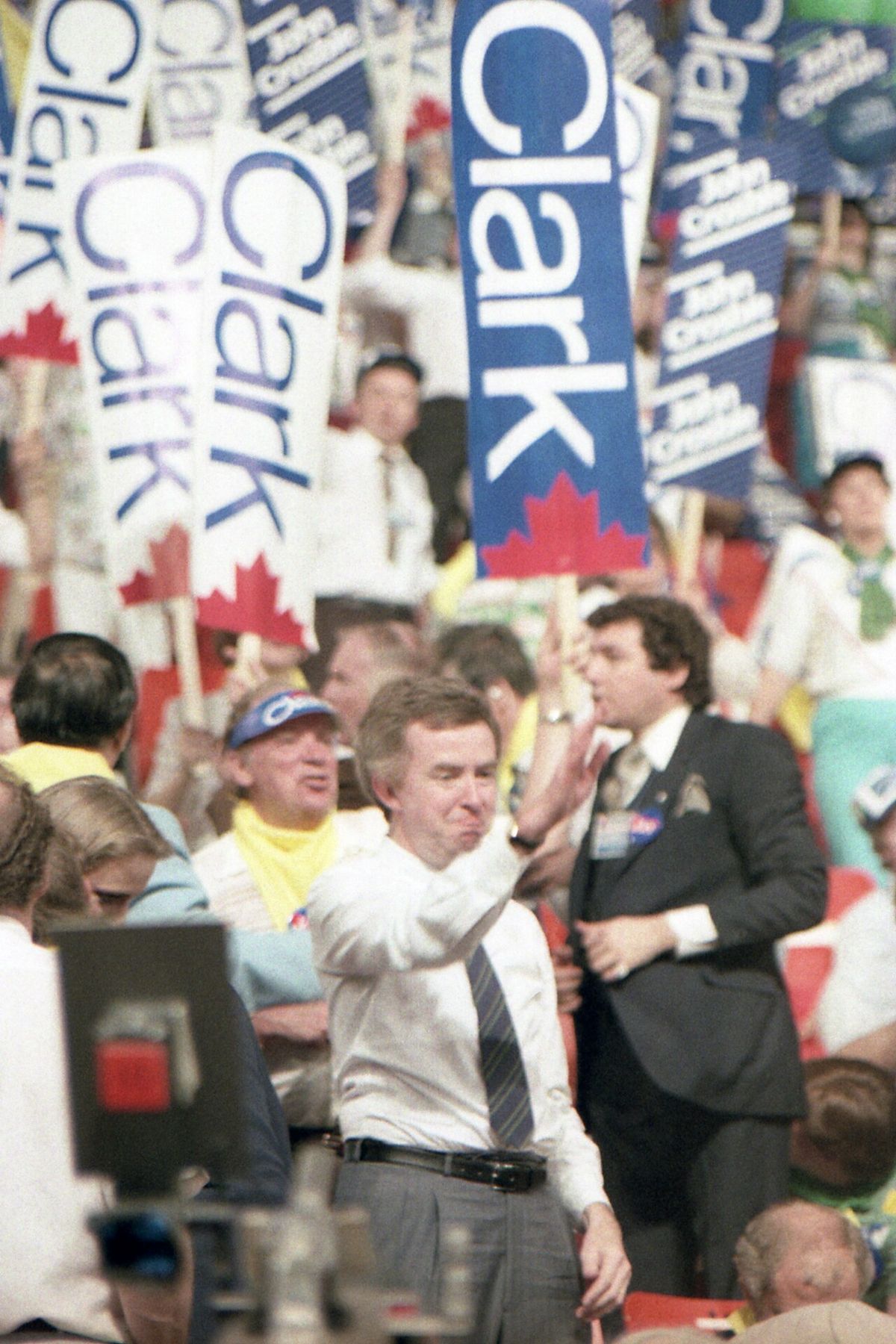
Cabinet minister under Mulroney and later political career
Joe Clark lost the leadership of the Progressive Conservative Party to Brian Mulroney in 1983. When Mulroney led the party to a massive majority victory in the 1984 election, Clark joined the cabinet as Secretary of State for External Affairs, a role he held from 1984 to 1991. In this position, he is widely regarded as one of Canada's most successful foreign ministers, overseeing a period of active international engagement. From 1991 to 1993, he served as President of the Privy Council and Minister responsible for Constitutional Affairs, playing a central role in the contentious negotiations surrounding the Charlottetown Accord. Clark did not stand for re-election in the 1993 federal election that decimated the Progressive Conservative caucus. After leaving elected politics, he served as Special Representative to the Secretary-General of the United Nations for Cyprus from 1993 to 1996, working on diplomatic efforts to resolve the Cyprus dispute.
Clark made a political comeback in 1998, returning to lead the Progressive Conservative Party during a period of decline. He was re-elected to the House of Commons in the 2000 election, serving his final term as the MP for Calgary Centre until 2004, and he led the party in its last general election before the party's eventual dissolution. In 2003, the Progressive Conservative Party merged with the more right-wing Canadian Alliance to form the modern Conservative Party of Canada. Clark opposed this merger, which he characterized as an “Alliance take-over,” believing the new party was drifting towards social conservatism and abandoning the Red Tory tradition. He chose to sit as an independent Progressive Conservative for the remainder of his term, retiring from Parliament in June 2004 after being elected eight times to the House of Commons.
Post-political life and legacy
Since retiring from elected office, Joe Clark has maintained an active career as a university professor, businessman, writer, and elder statesman. He serves as president of his own consulting firm and has been a prominent speaker on issues of governance, democracy, and Canada's role in the world. Clark served as a Regents' Lecturer at the University of California, Berkeley in 1993 and 1994. He was appointed a Companion of the Order of Canada in 1994. In 2006, he became a professor of Practice for Public-Private Sector Partnerships at McGill University. In March 2020, Prime Minister Justin Trudeau appointed Clark special envoy for Canada's bid for a UN Security Council seat. In February 2025, Clark called on Canadians to appeal to their American friends to oppose Donald Trump's tariffs amid a trade war with the United States.
Clark's impact on Canadian politics extends beyond his brief prime ministership. His tenure as foreign minister is highly regarded, and his efforts to make Parliament more accountable left a lasting mark. The nickname “Joe Who?”, initially a mark of his obscurity, ultimately came to symbolize an underdog who achieved the highest office through perseverance. His decision to govern without compromise in a minority situation, which led to his government's swift defeat, remains a studied case in Canadian parliamentary history. Clark's criticism of the merger that created the modern Conservative Party shows his enduring belief in a progressive, centrist conservative tradition. He was awarded an honorary doctorate of laws from the University of New Brunswick in May 1976 and has been named a fellow in the faculty of administrative studies at York University. In a 1999 survey of Canadian historians, Clark was ranked 15th out of the first 20 prime ministers.
Electoral record
Joe Clark's electoral career spanned over three decades, from his first victory in 1972 to his final term ending in 2004. The table below summarizes the results of the federal elections in which he served as party leader, highlighting the 1979 and 1980 contests that defined his prime ministership. The 1980 election saw a significant swing back to the Liberals, reducing Clark's party to 103 seats. By the 2000 election, which he contested after returning to the leadership, the Progressive Conservative Party had been greatly diminished, winning only 12 seats. Clark's personal electoral success was consistent, as he was re-elected in his own riding in every election he contested from 1972 onward, including in 2000 when he won in Calgary Centre.
| Election | Leader | Party | Seats Won | Result |
|---|---|---|---|---|
| 1979 | Joe Clark | Progressive Conservative | 136 | Minority Government |
| 1980 | Joe Clark | Progressive Conservative | 103 | Official Opposition |
| 2000 | Joe Clark | Progressive Conservative | 12 | Fourth Party |
Questions about Joe Clark
Why was Joe Clark's government defeated?
Joe Clark's minority government was defeated on December 13, 1979, when the House of Commons passed a non-confidence motion on its first budget. The budget, introduced by Finance Minister John Crosbie, included an unpopular 18-cent per gallon gasoline tax. The Liberals and New Democratic Party voted against the budget, and the five Social Credit MPs abstained after Clark refused their demands, leading to a 139 to 133 vote against the government. This triggered the 1980 election.
What was Joe Clark's role in Brian Mulroney's government?
After losing the Progressive Conservative leadership to Brian Mulroney in 1983, Joe Clark served in Mulroney's cabinet. He was Secretary of State for External Affairs from 1984 to 1991. From 1991 to 1993, he served as President of the Privy Council and Minister responsible for Constitutional Affairs. He did not stand for re-election in 1993.
Did Joe Clark support the merger that created the Conservative Party of Canada?
No, Joe Clark did not support the merger. He criticized the 2003 merger of the Progressive Conservative Party with the Canadian Alliance to form the Conservative Party of Canada. Clark described it as an Alliance take-over and believed the new party was drifting towards social conservatism. After the merger, he sat as an independent Progressive Conservative for the remainder of his final term in Parliament.
What is Joe Clark's legacy as prime minister?
Joe Clark's legacy as prime minister includes introducing freedom of information legislation. His government oversaw the Canadian Caper rescue during the Iran hostage crisis. His minority government was brought down by a non-confidence vote on his first budget in December 1979. As of 2026, he remains the most recent prime minister to have lost power following the defeat of his budget.
What has Joe Clark done since leaving politics?
Since leaving politics, Joe Clark has served as a university professor. He is the president of his own consulting firm. From 1993 to 1996, he served as Special Representative to the Secretary-General of the United Nations for Cyprus. He was appointed a Companion of the Order of Canada in 1994. In 2020, he was appointed special envoy for Canada's UN Security Council bid.
How old was Joe Clark when he became prime minister?
Joe Clark was sworn in as prime minister on June 4, 1979, which was the day before his 40th birthday. This made him the youngest person to assume the office of prime minister in Canadian history. He had previously become the youngest leader of a major federal party in 1976 at the age of 36. His tenure as prime minister began after his Progressive Conservatives defeated Pierre Trudeau's Liberals in the 1979 federal election.
Sources and further reading
- Joe Clark (Wikipedia)
- The Right Honourable Charles Joseph Clark (alberta.ca)
- Rt. Hon. Joe Clark | Government & Politics Speaker (nsb.com)
Checked by the Nosy Mag desk. Last updated 2026-10-21.