Quiet Revolution
The Quiet Revolution was a period of intense socio-political and cultural transformation in Quebec during the 1960s. It began with the election of Jean Lesage's Liberal Party in 1960 and marked a decisive break from the conservative, church-dominated era of Maurice Duplessis. The period was characterized by the secularization of the state, the creation of a modern welfare state, and a drive for economic autonomy, most famously through the nationalization of Hydro-Québec. These changes empowered Quebec society, fostering a new Québécois identity and triggering the rise of the sovereignty movement.
Origins in the Grande Noirceur
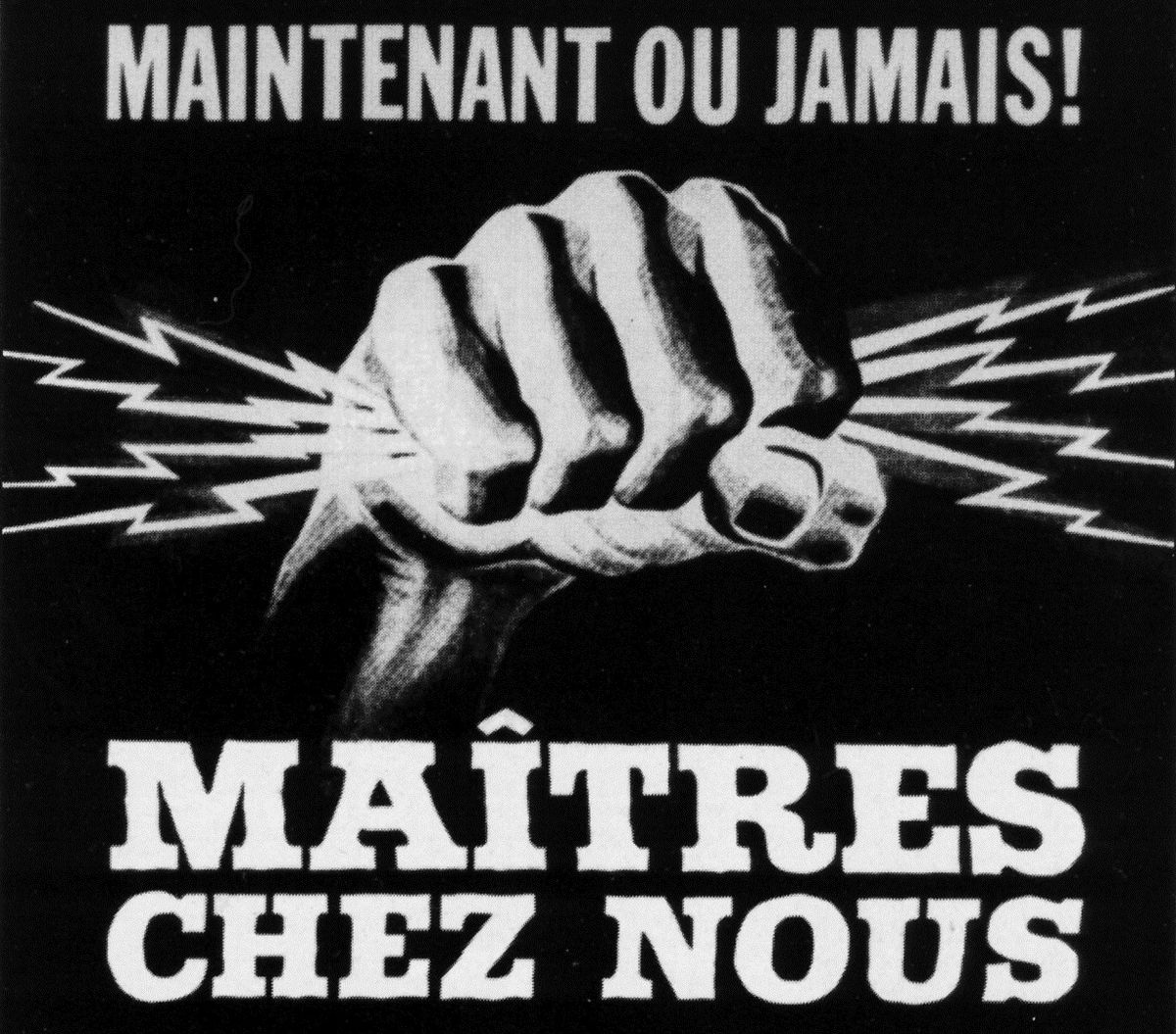
The Quiet Revolution emerged directly from the political and social conditions of the 1950s, a period often referred to by its critics as the Grande Noirceur, or Great Darkness. This era was dominated by Premier Maurice Duplessis and his Union Nationale party, which upheld a conservative, rural, and clerical vision for Quebec. Under Duplessis, the Roman Catholic Church maintained extensive control over education and social services, while the province's natural resources were frequently developed by foreign investors with limited benefit to the local francophone population. Intellectual dissent against this regime was voiced through outlets like the Radio-Canada network, the newspaper Le Devoir, and the political journal Cité Libre, which served as forums for critics like Pierre Elliott Trudeau and Gérard Pelletier. The sudden death of Duplessis in September 1959, followed quickly by the death of his successor Paul Sauvé in January 1960, created a political vacuum. The Liberal Party, led by Jean Lesage, successfully campaigned in the June 1960 election on the slogans 'Il faut que ça change' (Things have to change) and the resonant 'Maîtres chez nous' (Masters of our own house), promising a dramatic new direction for the province. The phrase 'Maîtres chez nous' was coined by Le Devoir editor André Laurendeau, encapsulating the desire for economic and political self-determination. The Liberals' victory marked the definitive end of the Union Nationale's hold on power and the beginning of a rapid and deep transformation.
Secularization and Educational Reform
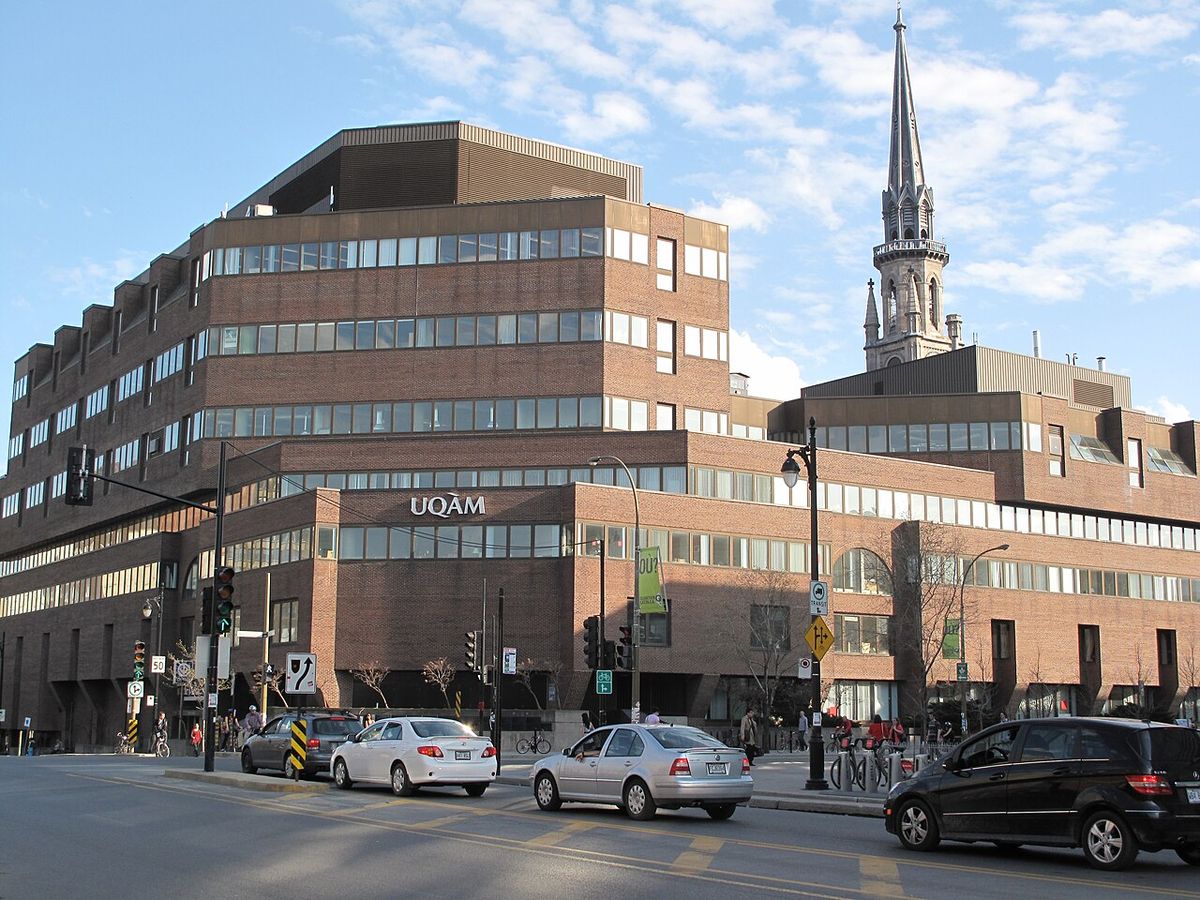
One of the most fundamental changes of the Quiet Revolution was the secularization of the state and its assumption of control over education and social services from the Catholic Church. Prior to the 1960s, Quebec's education system was fragmented among over 1,500 religiously affiliated school boards, and access to higher education for francophones was limited, with only 13 percent finishing grade 11 compared to 36 percent of English Canadians. A scathing critique of this system was published in 1960 by Brother Jean-Paul Desbiens under the pseudonym Frère Untel, whose book 'Les insolences du Frère Untel' sold over 100,000 copies and galvanized public opinion for change. In response, the government established the Royal Commission of Inquiry on Education in 1961, chaired by Alphonse-Marie Parent. The commission's recommendations led to sweeping reforms implemented throughout the mid-1960s. The government created a Ministry of Education in 1964, appointing Paul Gérin-Lajoie as the first minister since the ministry's abolition in 1875. Key reforms included raising the compulsory schooling age from 14 to 16, providing free education through grade 11, reorganizing and standardizing school boards and curricula, and creating the CEGEP system in 1965 and the Université du Québec network in 1969 to improve geographic and financial access to higher education. This shift dramatically reduced the role of nuns and clergy in education, with the provincial government taking over their traditional functions. The government also created a Ministry of Social Affairs, which became the Ministry of Health and Social Services in June 1985, centralizing the administration of health and welfare services.
The decline of the Church's influence extended far beyond institutions into personal life and demography. The province's total fertility rate plummeted from 3.8 children per woman in 1960 to 1.9 by 1970, one of the sharpest declines in the developed world. A 2007 study for the Quebec government noted this drop was so sharp and rapid it was almost without equal in the developed countries. The role of religious orders, which had once attracted 2 to 3 percent of Quebec's young women, virtually disappeared as convents emptied and few new recruits joined. This period also saw cultural protests like Opération McGill français on March 28, 1969, a street demonstration advocating for McGill University to become a French-language institution, reflecting the new linguistic assertiveness that accompanied the educational reforms.
Economic Nationalism and State Building
The Quiet Revolution was characterized by a strong push for economic autonomy, encapsulated in the slogan 'Maîtres chez nous'. The most significant project was the nationalization of Quebec's private electricity companies under the crown corporation Hydro-Québec, spearheaded by Natural Resources Minister René Lévesque. Seeking a mandate for this move, Premier Lesage called an election in 1962 and was returned with an increased majority in the Legislative Assembly, allowing the nationalization to proceed within six months. Hydro-Québec became a powerful symbol of Quebecois initiative and state capability, launching an era of hydroelectric megaprojects that continued until 1984. Today, it remains a major element of the provincial economy, with annual revenues of $12.7 billion and $1.1 billion flowing directly into the provincial treasury. The government created public companies like SIDBEC for iron and steel, SOQUEM for mining, REXFOR for forestry, and SOQUIP for petroleum to exploit the province's natural resources. This was a massive shift from the Duplessis era policy of selling untransformed natural resources at bargain prices to create employment. The strategy moved away from the earlier weakness where Quebec's resources were exploited by foreign investors for little local profit.
- SIDBEC (1964) for iron and steel production.
- SOQUEM (1965) for mining exploration and development.
- REXFOR (1969) for forestry management.
- SOQUIP (1969) for petroleum resources.
To manage the province's growing financial resources and social security, the government established key public financial institutions. The Caisse de dépôt et placement du Québec was created in 1965 to invest the funds of the newly created Quebec Pension Plan and provide capital for public and private projects. The Quebec Pension Plan was established in 1963 in conjunction with the federal Canada Pension Plan, with universal contributions beginning in 1966. The Société générale de financement was created in 1962 to encourage local Québécois investment and increase the profitability of small companies. A new labour code adopted in 1964 made unionizing much easier and granted public employees the right to strike, while the Civil Code was amended that same year to recognize the legal equality of spouses.
The Rise of Québécois Nationalism and Sovereignty
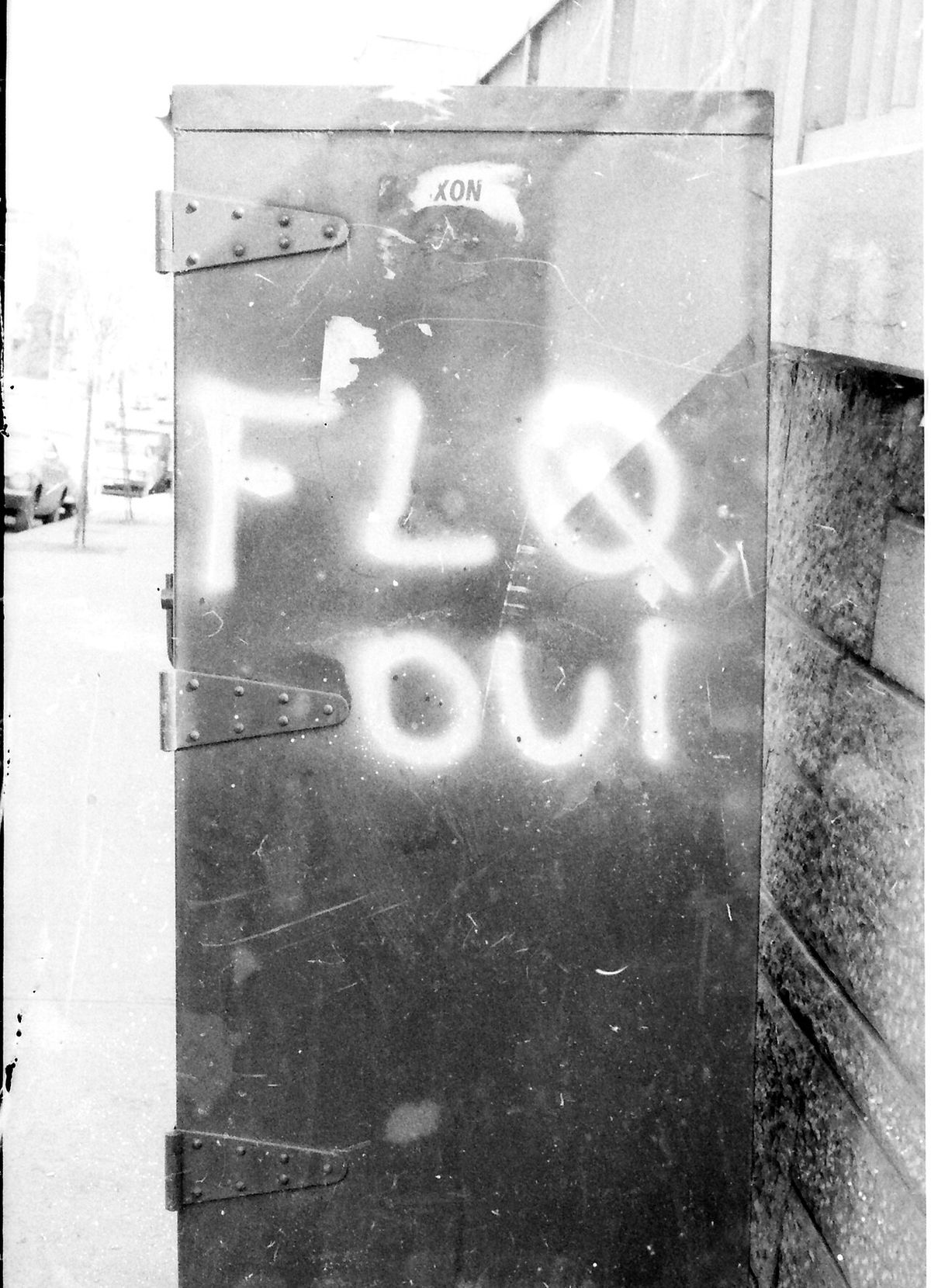
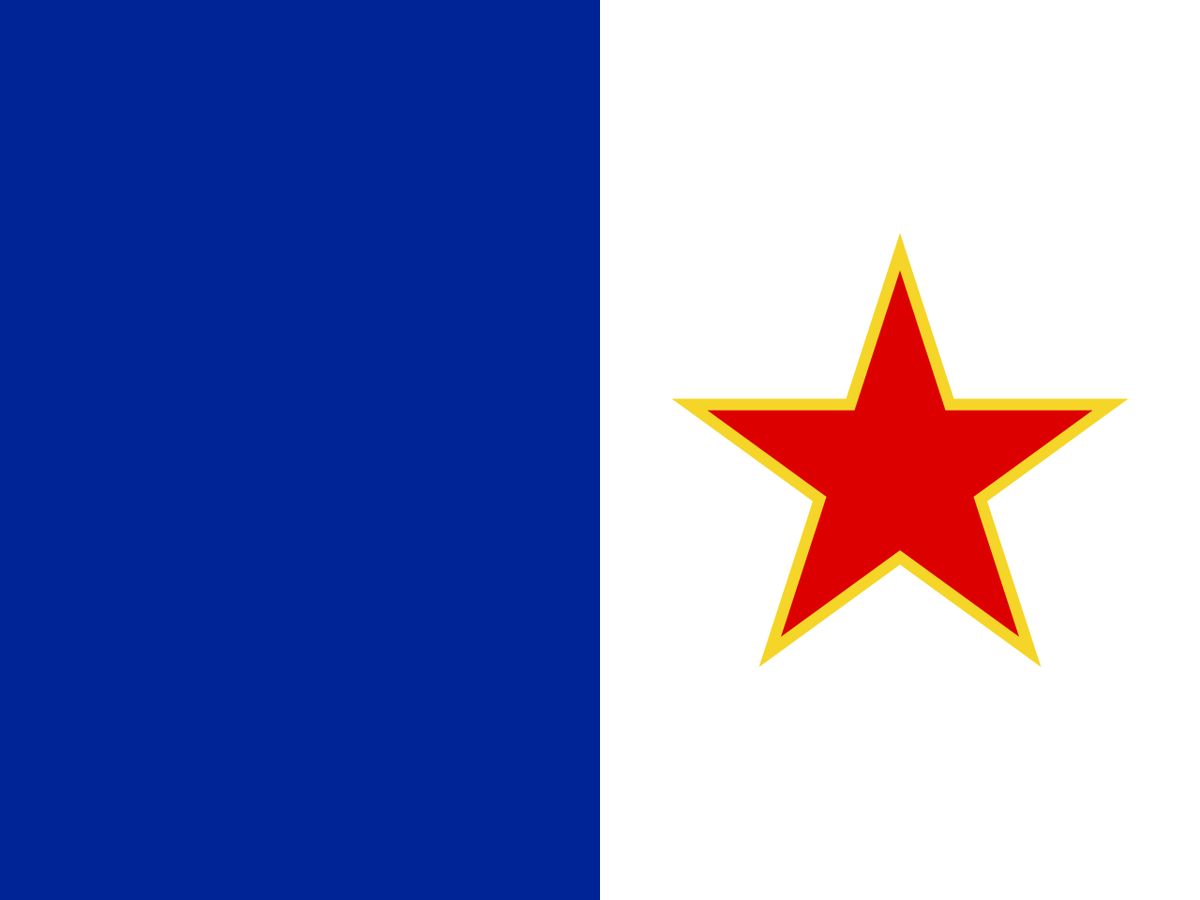
The social and economic empowerment of the Quiet Revolution fostered a renewed and more assertive form of Quebec nationalism. During this period, French Canadians in Quebec increasingly adopted the term 'Québécois' to distinguish themselves from both the rest of Canada and France, solidifying a distinct national identity. This burgeoning nationalism soon took political form, moving beyond the intellectual debates of Cité Libre and Le Devoir into electoral politics and, for a fringe, into violence. In 1968, René Lévesque left the Liberal Party to found the sovereigntist Parti Québécois, which would go on to win the 1976 provincial election. A more radical and violent fringe, the Front de libération du Québec, carried out bombings and kidnappings, culminating in the October Crisis of 1970 during which British diplomat James Cross and Quebec Labour Minister Pierre Laporte were kidnapped, with Laporte being killed. The sovereignty movement led to two provincial referendums on Quebec's political future, one in 1980 on sovereignty-association and another in 1995 on full sovereignty, both of which were defeated. The election of the Parti Québécois in 1976 also led to major language legislation, most notably the Charter of the French Language in 1977, which made French the official language of business and government and restricted access to English-language schools. The political scene was further altered by the 1991 founding of the Bloc Québécois by Lucien Bouchard, a sovereigntist party at the federal level.
Historiography and Lasting Interpretations
Historians have debated the nature and causes of the Quiet Revolution, offering different interpretations of the same period of change. Traditional narratives portray it as a dramatic and unexpected upheaval that rapidly modernized a backward society. This view emphasizes the break from the Grande Noirceur and the proactive role of the Lesage government in enacting secular and economic reforms, and it often highlights the rise of liberalism and statism as the motivating forces behind the change. This interpretation was advanced by many of the actors themselves and by scholars like Michael Behiels, who examined the importance of economic factors like outside control of Quebec's finance.
Revisionist historians, such as Jacques Rouillard, have challenged this view, arguing that the Quiet Revolution accelerated trends already present in Quebec society rather than creating them entirely anew. They point to economic growth in Quebec's manufacturing sector since the Industrial Revolution, which was buoyed by significant demand during the world wars. This perspective suggests the changes of the 1960s were part of a broader evolution occurring across the Western world. Other scholars like Michael Gauvreau have raised the issue of religious factors and changes within the Catholic Church itself, such as the implementation of Vatican II. The debate between these schools of thought, and the critique of the 'Great Darkness' concept by historians like Robert Rumilly and Conrad Black, continues to shape the understanding of this era in Quebec's history.
The Quiet Revolution in Contemporary Perspective
The legacy of the Quiet Revolution continues to shape Quebec society and its place in Canada in tangible ways. The drive for secularism that began in the 1960s has evolved, with recent decades seeing legislation like Bill 21, which bans certain religious symbols for some public servants. A 2025 poll by Léger indicated that Quebeckers remain generally favourable to the separation of church and state, a sentiment rooted in the Quiet Revolution. However, contemporary analysis suggests this secularist push may also reflect specific reactions to immigration from North Africa and the Middle East, and generational divides.
The sovereignty debate, born from the nationalist awakening of the period, also persists. As noted in a 2026 Action Canada study tour analysis, discussions in Quebec about political autonomy continue to resonate in other parts of Canada, such as Alberta. Modern conversations highlight a critical lesson from the Quiet Revolution's legacy: that discussions of sovereignty and political evolution must include the perspectives of Indigenous communities. The Quiet Revolution established a new political and cultural paradigm for Quebec, the ongoing implications of which are still being negotiated within the Canadian federation. Interestingly, while secularism remains a strong political theme, the 2021 census reported that 73 percent of Quebeckers still identified as religious adherents, and reports from 2025 noted a modest rise in baptisms among teenagers and young adults in the Quebec City archdiocese.
Questions about Quiet Revolution
When did the Quiet Revolution start and end?
The Quiet Revolution began with the election of the Liberal provincial government of Jean Lesage in the June 1960 election. It is generally accepted that the revolution ended before the October Crisis of 1970. Quebec society has continued to change dramatically since then with the rise of the sovereignty movement, evidenced by the election of the sovereigntist Parti Québécois in 1976. This major period followed the 1959 death of Premier Maurice Duplessis and his successor Paul Sauvé in early 1960.
What were the main causes of the Quiet Revolution?
The primary cause was a reaction against the preceding era, known as the Grande Noirceur, dominated by Premier Maurice Duplessis and his Union Nationale party. This period was characterized by conservative clerical control over education and social services, and economic policies that sold untransformed natural resources to foreign investors at low prices. The sudden deaths of Duplessis in 1959 and his successor Paul Sauvé in 1960 created a political opening. A growing intellectual critique in outlets like Le Devoir and Cité Libre, combined with a desire for modernization and self-determination among the francophone population, propelled the Liberal Party to power on a platform of change encapsulated by the slogan 'Maîtres chez nous'.
What was the most important economic reform?
The nationalization of Quebec's private electricity companies under Hydro-Québec was the most significant economic reform. Spearheaded by Minister René Lévesque and approved by voters in the 1962 election after the Liberals increased their majority, it symbolized the 'Maîtres chez nous' (Masters of our own house) ethos. The project demonstrated state capability, provided a foundation for future hydroelectric megaprojects that lasted until 1984, and became a major source of provincial revenue. The government also created other state corporations like SIDBEC and SOQUEM to develop resources in mining, forestry, and steel.
How did the Quiet Revolution change education in Quebec?
It secularized and modernized the entire education system through reforms stemming from the Parent Commission. These included creating a Ministry of Education in 1964, raising the school leaving age from 14 to 16, making education free through grade 11, and standardizing curricula across the province. The government established the CEGEP system in 1965 and the Université du Québec network in 1969 to dramatically improve geographic and financial access to higher education. This transferred control from over 1,500 religious school boards to the provincial state and placed greater emphasis on sciences and technical training.
What is the connection between the Quiet Revolution and secularism in Quebec today?
The Quiet Revolution initiated a rapid secularization of Quebec society, drastically reducing the influence of the Catholic Church in public life, education, and personal morality. This established a strong foundational value for the separation of church and state. Contemporary secularism laws, such as Bill 21 which restricts religious symbols for some public servants, are seen by many as a continuation of this historical trajectory. However, modern debates also indicate that current secularist pushes involve new dynamics, including reactions to immigration from Muslim-majority countries and generational differences.
How did the Quiet Revolution lead to the sovereignty movement?
The Quiet Revolution led to the sovereignty movement by empowering Quebec society and fostering a strong new Québécois identity. The societal and economic innovations of the period, including state led projects like Hydro Quebec that demonstrated Quebec's capability for self government, created the conditions for political nationalism. This emboldened figures like René Lévesque, who founded the sovereigntist Parti Québécois in 1968. The Parti Québécois was first elected in 1976, leading to sovereignty referendums in 1980 and 1995, and the later formation of the sovereigntist federal Bloc Québécois in 1991.
Sources and further reading
- Quiet Revolution (Wikipedia)
- Another quiet revolution in Quebec: Secularism vanishes ... (theglobeandmail.com)
- The Beginning of a new Era (museepop.ca)
Checked by the Nosy Mag desk. Last updated 2026-10-21.