Premier
A premier in Canada is the head of government of a province or territory. The title distinguishes provincial and territorial leaders from the federal prime minister, with ten provincial premiers and three territorial premiers exercising significant power within the Canadian federation. Premiers are typically the leaders of the party that commands a majority in the provincial or territorial legislature and are appointed by the lieutenant governor. They play a central role in provincial governance, advising on cabinet appointments, guiding legislation, and representing provincial interests in dealings with the federal government.
Etymology and Historical Usage of the Title
The title 'premier' is a synonym for 'prime minister' but is used specifically for the heads of government in Canada's provinces and territories to avoid confusion with the federal prime minister. This distinction evolved over time, as several provinces historically referred to their leaders as 'prime minister'. The last provincial leader outside Quebec to use the title 'prime minister' was W. A. C. Bennett of British Columbia, who styled himself as such until leaving office in 1972. The formal legal title for a premier is often 'President of the Executive Council', though this term is rarely used in everyday political discourse. The shift to the exclusive use of 'premier' was a deliberate move to clarify the distinct nature and jurisdiction of provincial leadership within the Canadian federation. In the French language, no such distinction exists, as both federal and provincial first ministers are styled 'premier ministre' (masculine) or 'première ministre' (feminine). The terms originate from the United Kingdom, where they are synonymous, though the UK's devolved governments use the title 'First Minister'. In a Canadian context, the federal prime minister and all premiers are collectively referred to as 'first ministers', a term that shows their parallel roles as heads of government within their respective jurisdictions.

Constitutional Role and Selection
Under Canada's system of responsible government, a premier serves a dual role as both a member of the provincial legislative assembly and the head of the provincial executive. The premier is almost always an elected member of the legislature, representing a specific electoral constituency. The leader of the political party that wins a majority of seats in a general election is conventionally invited by the lieutenant governor to form a government and be appointed premier. This process mirrors the federal model, reinforcing the premier's position as the chief political authority in the province, responsible for setting the government's agenda and policy direction.
While the majority-party leader is the typical choice, exceptions can occur, most recently after the 2021 Yukon general election. The premier holds significant powers, including advising the lieutenant governor on the appointment of cabinet ministers and guiding government legislation through the legislative assembly. This central role makes the premier the key figure in provincial governance, wielding influence over budgeting, public administration, and intergovernmental relations. The premier's ability to command the confidence of the legislature is fundamental to the stability and operation of the government.
Powers, Responsibilities, and Federal Relations
A premier's primary responsibilities include leading the provincial cabinet, setting the government's policy and legislative agenda, and managing the province's finances and public services. Premiers exercise a considerable amount of power, particularly in areas of provincial jurisdiction such as healthcare, education, natural resources, and municipal affairs. They are also the most prominent advocates for provincial interests in dealings with the federal government, a role that has grown in importance as strong party discipline in the federal Parliament can limit effective provincial representation there. This dynamic places premiers at the forefront of federal-provincial negotiations and disputes.
The significance of premiers in national affairs is formally acknowledged through the First Ministers' Conferences, where the federal prime minister meets with the ten provincial premiers. These meetings are crucial for discussing shared priorities, fiscal arrangements, and national policies. Historical constitutional proposals, such as the Meech Lake Accord, sought to mandate these conferences in the constitution. Only one Canadian provincial premier, John Thompson, has ever gone on to become prime minister of Canada. Canada's first and sixth prime ministers, John A. Macdonald and Charles Tupper, had been premier and co-premier respectively of British provinces before Confederation.

Territorial Premiers and Unique Selection Processes
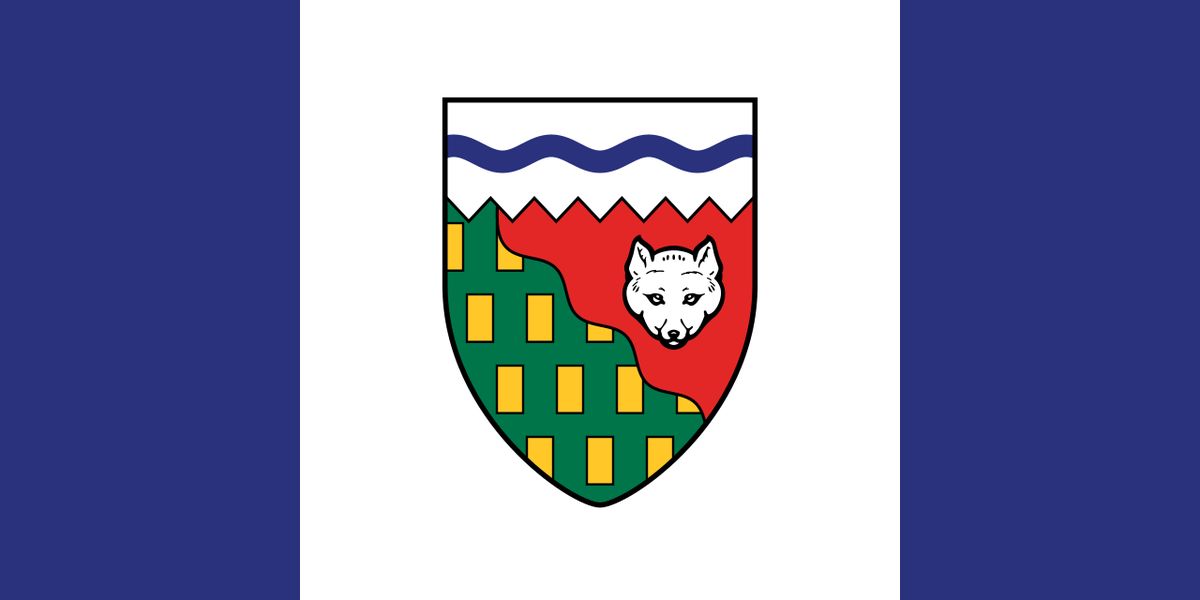
Canada's three northern territories, Yukon, Northwest Territories, and Nunavut, also have heads of government referred to as premiers, though they are technically known as 'Government Leaders'. The process for selecting a premier differs significantly among the territories, reflecting their distinct political systems. In Yukon, which operates with a conventional party system, the premier is chosen in the same manner as a provincial premier, being the leader of the party that commands a majority in the elected Legislative Assembly. This system produces clear executive leadership and opposition, similar to the provinces.
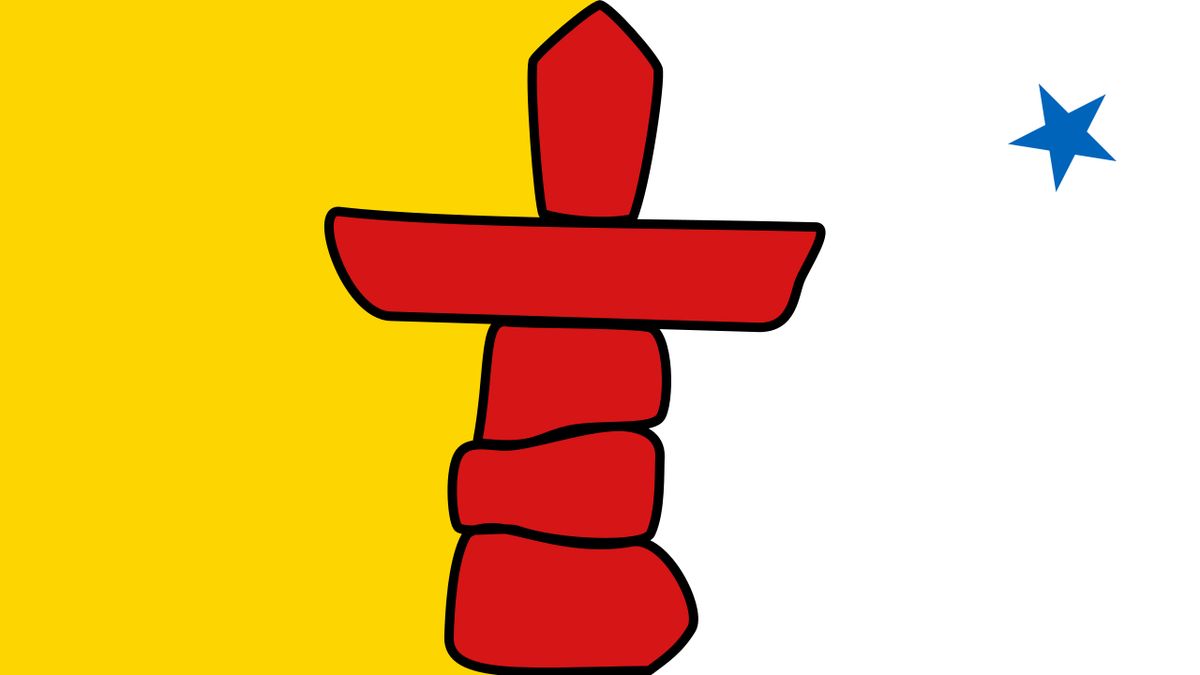
In contrast, Northwest Territories and Nunavut use a consensus government model without political parties. Following a general election, all members of the Territorial Council (or Legislative Assembly) are elected as independents. The premier is then selected by and from within this non-partisan elected council, typically through a secret ballot vote of all members. This process emphasizes collaboration and consensus-building over partisan competition. The cabinet is also chosen from among the elected members, ensuring the executive remains accountable to the whole legislature rather than a single party caucus.
Honorifics and Post-Tenure Recognition
The honorific style 'The Honourable' is granted to premiers while they are in office. The rules for retaining this title after leaving the premiership vary by province. In most provinces and all territories, former premiers lose the title unless they are appointed to the King's Privy Council for Canada, a federal honour that confers the style for life. However, four provinces have specific provisions that grant the title for life to their former premiers. In Nova Scotia, Saskatchewan, Alberta, and Ontario, former premiers are made honorary members of the provincial Executive Council, which allows them to retain the style 'The Honourable' indefinitely as a mark of their service. This provincial practice creates a distinction in how former premiers are addressed across the country, highlighting the autonomy provinces have in regulating their own honours and protocols.
A Contemporary Case Study: The 2026 Quebec Premiership
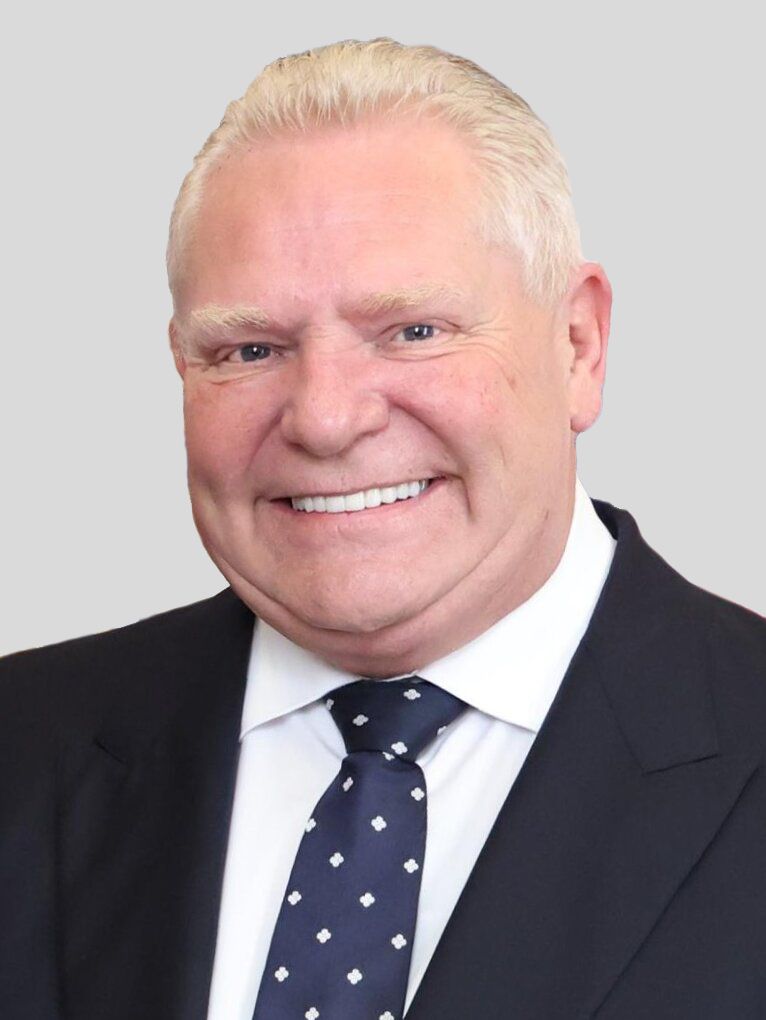
The swearing-in of Paul St-Pierre Plamondon as Quebec's 34th premier in October 2026 provides a recent and illustrative example of the premiership in action. St-Pierre Plamondon, leader of the sovereigntist Parti Québécois (PQ), was sworn in on Wednesday, October 21, 2026, following the party's victory in the October 5 provincial election. The PQ won 59 seats, falling short of the 64 needed for a majority, resulting in a minority government. Recounts were initiated in two close ridings, which had the potential to alter the final seat count. The transition marked the return of the Parti Québécois to power after more than a decade in opposition.
St-Pierre Plamondon's premiership began with several notable events that show the political and ceremonial dimensions of the office. At his request, Quebec's lieutenant governor, Manon Jeannotte, was not present at the swearing-in ceremony for the first time in the province's history. The ceremony was instead presided over by the government's general secretary, with the lieutenant governor signing the appointment documents separately. PQ members of the National Assembly had previously been sworn in, pledging allegiance to the people of Quebec rather than to the King, following a 2022 rule change prompted by St-Pierre Plamondon's own earlier refusal to swear an oath to the monarch.
The new premier immediately exercised his authority by appointing a cabinet of 22 ministers, which included nine women and 14 men, counting himself. He appointed himself as the minister responsible for homelessness, identifying it as an immediate priority. Key appointments in his cabinet included Nicolas Marceau as finance minister, Joël Arseneau as education minister, and Catherine Gentilcore as immigration minister and minister responsible for Quebec independence. St-Pierre Plamondon stated his government's priorities were to tackle the provincial deficit, reduce bureaucracy and spending, and prepare for a future referendum on Quebec independence, which he pledged to hold after the term of U.S. President Donald Trump.
Comparative Overview of Canadian Premiers
The premier is the head of government of a Canadian province or territory. Under Canada's system of responsible government, the premier is both a member of the provincial legislative assembly and the head of the executive. The premier normally holds a seat in the legislative assembly, being elected in one of the electoral constituencies of the province. The leader of the party which commands a majority in the assembly is then legally appointed the premier by the lieutenant governor, representing the Canadian monarch.
| Jurisdiction | Number of Premiers | Selection Basis | Honorific 'The Honourable' for Life | Notes |
|---|---|---|---|---|
| Provinces (Total) | 10 | Party leader with majority/most seats | In NS, SK, AB, ON | Standard responsible government model. |
| Quebec | 1 of 10 | Party leader with majority/most seats | No | Latest premier: Paul St-Pierre Plamondon (PQ), 2026. |
| British Columbia | 1 of 10 | Party leader with majority/most seats | No | NDP Premier David Eby re-elected in 2026. |
| Yukon | 1 of 3 | Party leader with majority/most seats | No | Uses standard party system. |
| Northwest Territories | 1 of 3 | Chosen from non-partisan council | No | Consensus government, no parties. |
| Nunavut | 1 of 3 | Chosen from non-partisan council | No | Consensus government, no parties. |
Canada's three territories have premiers as well, though they are technically known as government leaders. The premier of Yukon is chosen in the usual fashion, but the premiers of Nunavut and Northwest Territories are selected from within the small and non-partisan elected territorial councils. Premiers advise the lieutenant governor on whom to appoint to the cabinet and they guide legislation through the legislature. Collectively, Canada's federal prime minister and the premiers are referred to as first ministers.
Key Distinctions from Other Executive Roles
It is important to distinguish the Canadian premier from other executive positions to understand its unique place in governance. Unlike a governor in a U.S. state, who is directly elected by the people as both head of state and head of government, a Canadian premier is an elected legislator appointed by the Crown's representative based on their ability to command the legislature's confidence. The premier is also distinct from a lieutenant governor, who is the monarch's representative in the province and holds a ceremonial head-of-state role analogous to the governor general at the federal level. The lieutenant governor acts on the advice of the premier and cabinet, who hold the real executive power and are responsible for the day-to-day administration of the province.
Within Canada, the premier differs from a mayor, who is the head of a municipal government with powers delegated by the province. Premiers wield authority over much broader policy areas and derive their mandate from a province-wide electorate. While the term 'first minister' collectively includes the federal prime minister, the specific title 'premier' is reserved for the provincial and territorial level. This clear terminology helps delineate the layers of government within Canada's federal system, ensuring citizens can identify the correct source of authority for different public services and policies, from local bylaws to national defence.
Questions about Premier
What is the difference between a premier and the prime minister of Canada?
A premier is the head of government for a Canadian province or territory, while the prime minister is the head of government for the entire country. The title 'premier' is used specifically to avoid confusion with the federal prime minister, though both roles are equivalent to that of a prime minister. Premiers have jurisdiction over areas assigned to the provinces by the Constitution, such as healthcare and education, whereas the prime minister leads on national and international affairs. In French, both positions are called 'premier ministre'.
How is a premier chosen?
A premier is typically the leader of the political party that wins the most seats in a provincial or territorial general election. Following the election, the lieutenant governor (or commissioner in territories) invites that party leader to form a government and formally appoints them as premier. This process is based on the Westminster convention of responsible government, where the executive must have the confidence of the elected legislature. In the consensus governments of Nunavut and the Northwest Territories, the premier is selected by and from the non-partisan elected council members.
Do all Canadian premiers have the same powers?
All premiers hold similar core powers as the head of the provincial or territorial executive, including advising on cabinet appointments and setting the government's legislative agenda. Their constitutional authority is largely the same across provinces. However, practical power can vary based on whether they lead a majority or minority government. The premiers of Nunavut and the Northwest Territories operate within a consensus system, which requires more collaboration with all members of the legislature compared to the party-based systems in the provinces and Yukon.
What is a First Ministers' Conference?
A First Ministers' Conference is a meeting between the federal prime minister and the ten provincial premiers. These conferences are a key forum for discussing issues of national importance, federal-provincial relations, and collaborative policy development, such as healthcare funding or climate change strategies. While not constitutionally mandated, they are a longstanding tradition in Canadian federalism. The Council of the Federation, established by the premiers themselves, is another body that facilitates interprovincial cooperation independently of the federal government.
Why are some former premiers called 'The Honourable' for life?
Former premiers in Nova Scotia, Saskatchewan, Alberta, and Ontario are called 'The Honourable' for life because they become honorary members of the provincial Executive Council. In most other provinces and all territories, premiers are styled 'The Honourable' only while they hold office. The title can also be retained permanently if a premier is admitted to the King's Privy Council for Canada, which is a federal honour. This distinction in certain provinces is a formal recognition of their former service as head of the provincial government.
Has a provincial premier ever become prime minister of Canada?
Only one person who served as a premier of a Canadian province has later become the prime minister of Canada: John Thompson. Canada's first and sixth prime ministers, John A. Macdonald and Charles Tupper, had been premier and co-premier respectively of British provinces before Confederation. No individual who has led a victorious general election campaign in a Canadian province has ever become prime minister. This separation shows the distinct political career paths typically followed at the federal and provincial levels of government in Canada.
Sources and further reading
- Premier (Wikipedia)
- Paul St-Pierre Plamondon sworn in as Quebec premier ... (thecanadianpressnews.ca)
- Quebec premier-designate Paul St-Pierre Plamondon to be ... (panow.com)
- Quebec's new premier to be sworn in Wednesday as PQ ... (montreal.citynews.ca)
Checked by the Nosy Mag desk. Last updated 2026-10-26.