Paul Sauvé
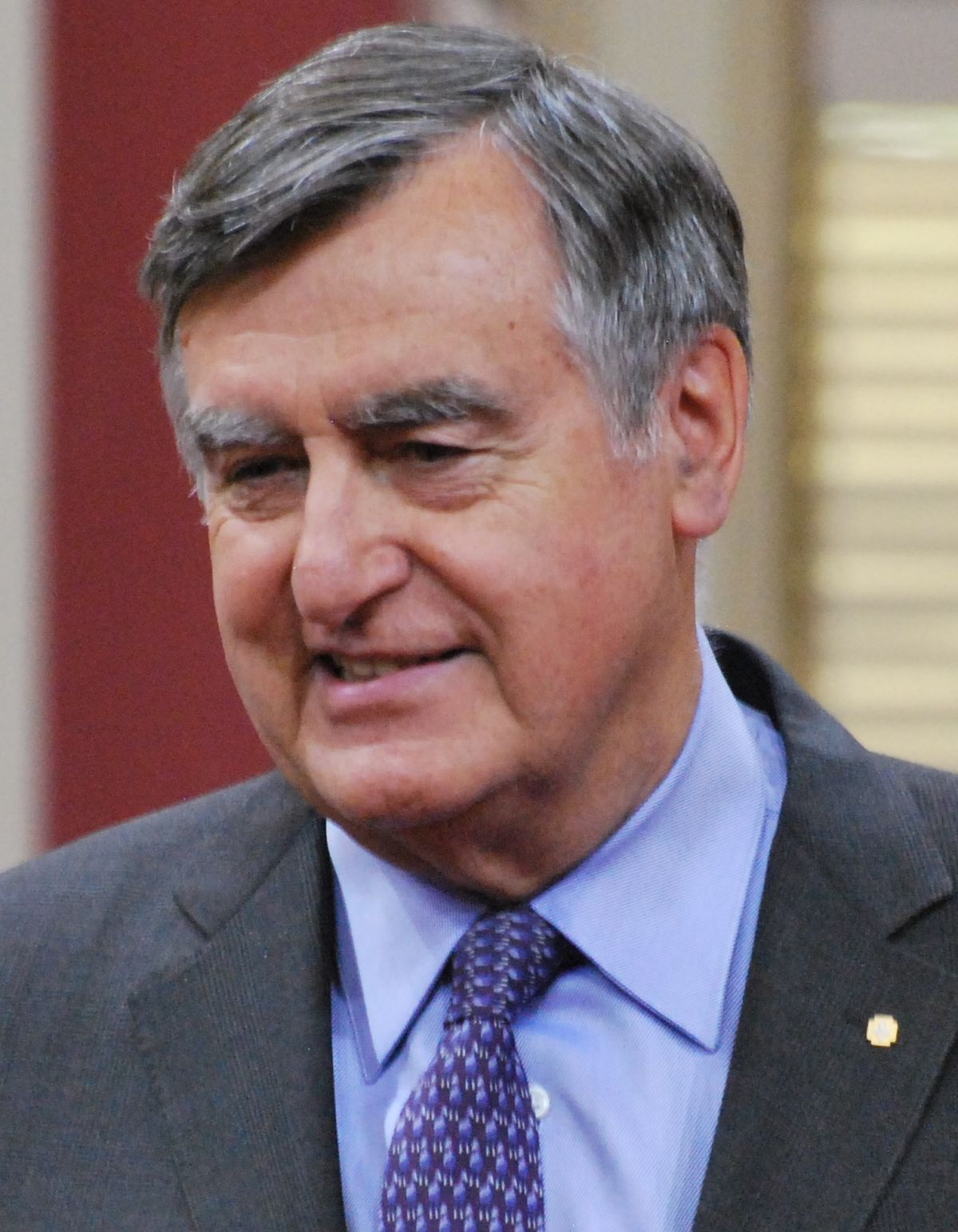
Joseph-Mignault-Paul Sauvé was a Canadian lawyer, Second World War veteran, and the 17th premier of Quebec. He served for only 117 days from September 1959 until his death in January 1960, the shortest non-interim premiership in the province's history. Despite his brief tenure, Sauvé is widely regarded as a transitional figure who initiated social and political changes that would become part of the Quiet Revolution. His premiership, marked by the motto Désormais (from now on), signalled a break from the conservative policies of his long-serving predecessor, Maurice Duplessis, and set Quebec on a new course of modernization.
Early Life, Education and Family
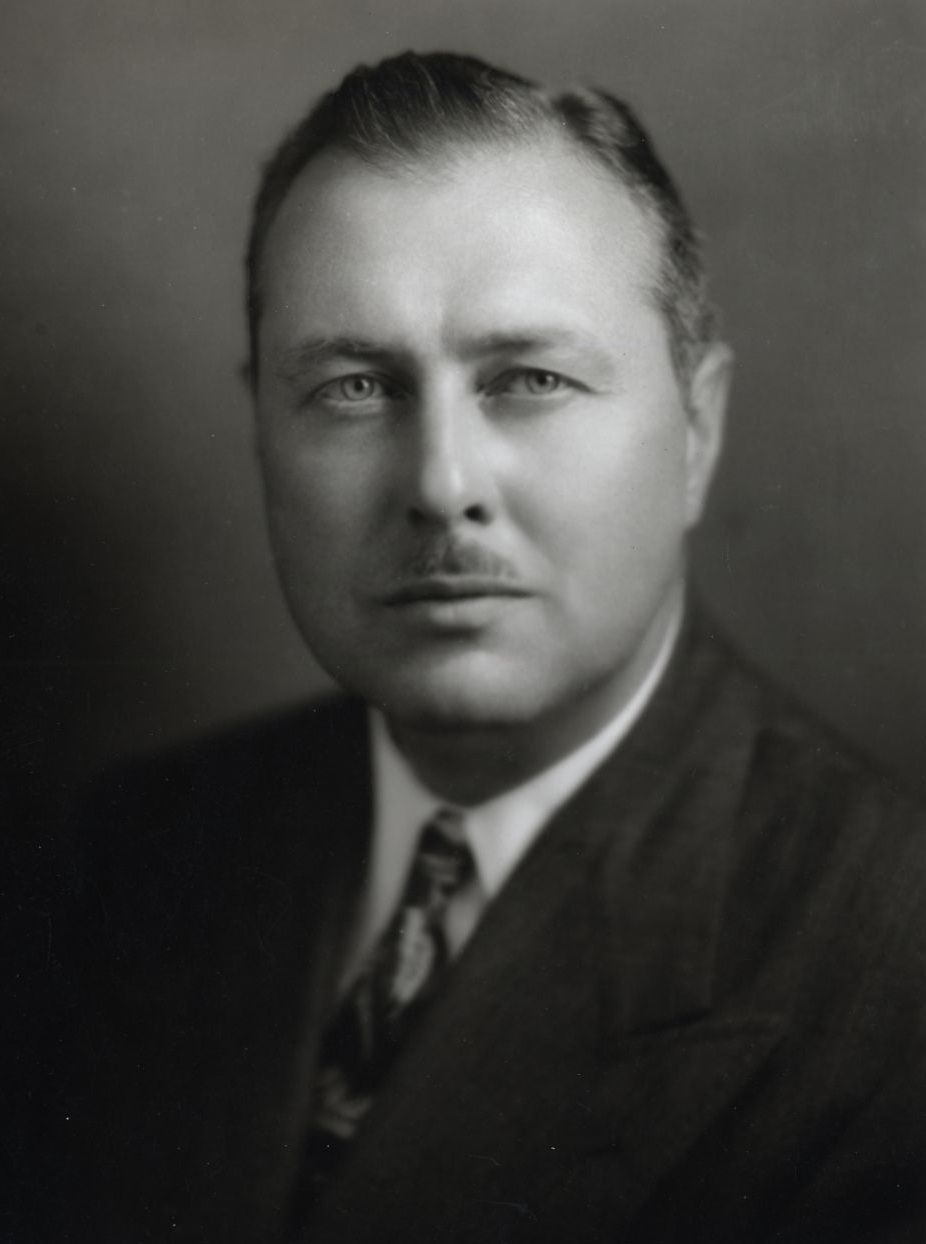
Paul Sauvé was born on March 24, 1907, in Saint-Benoît, Quebec, into a politically engaged family. His father, Arthur Sauvé, was a journalist and parliamentarian who led the Conservative Party of Quebec from 1922 to 1929 before moving to federal politics in 1930, where he served as Postmaster General under Prime Minister R. B. Bennett. His mother was Marie-Louise Lachaîne. The family moved to Saint-Eustache in 1923, where Paul began his classical studies at the Séminaire de Sainte-Thérèse before transferring to the Collège Sainte-Marie de Montréal, graduating in 1927. He then pursued law at the Université de Montréal and was called to the Quebec Bar on July 8, 1930. In 1936, Sauvé married Luce Pelland, and the couple had three children: Luce-Paule (born 1937), Pierre (born 1938), and Ginette (born 1944).
Political Beginnings and Wartime Service
Following his father's move to federal politics in 1930, Paul Sauvé ran for his father's former provincial seat in the riding of Deux-Montagnes. Elected in a 1930 by-election at age 23, he became the youngest member of the Legislative Assembly at that time. He was defeated in the 1935 general election. He played a role in the political merger that created the Union Nationale party, a coalition of Conservatives and the bulk of the Action libérale nationale. Under this new banner, he was re-elected in 1936 and, at age 29, was chosen as Speaker of the Legislative Assembly, the youngest person to hold that position in Quebec's history. When Canada entered the Second World War in 1939, Sauvé, a reserve officer with Les Fusiliers Mont-Royal since 1931, reported for duty and served overseas for the duration of the conflict. He participated in the Battle of Normandy and the South Beveland Campaign as second-in-command of his regiment. For his service, he was awarded the French Croix de guerre in 1946.
Ministerial Career under Maurice Duplessis
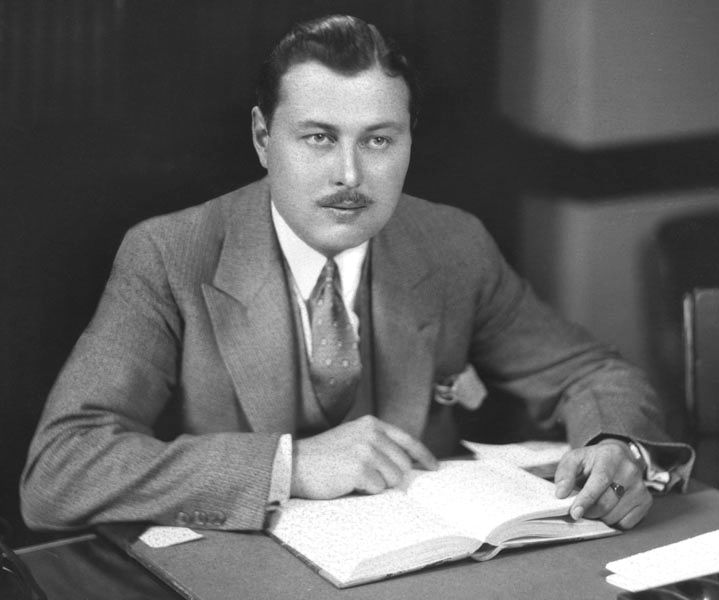
Upon returning from Europe in 1945, Sauvé resumed his political career in the Quebec legislature. In 1946, Premier Maurice Duplessis appointed him as Quebec's first Minister of Social Welfare and Youth, a portfolio he would hold continuously until his death in 1960. The creation of the Department of Youth in 1944 had initially caused controversy with the Catholic Church, as Cardinal Villeneuve and other bishops worried it would infringe upon the educational prerogatives of the church-dominated Conseil de l’instruction publique. Duplessis placated the bishops, and Minister Sauvé did not significantly interfere in matters of public education until he became premier. Sauvé is viewed as having upheld his own convictions within the Duplessis cabinet. In 1955, during a ceremony in Saint-Eustache to mark Sauvé's 25th year in public life, Duplessis formally designated him as his political successor. Arthur Sauvé, Paul's father, had been leader of the Conservative Party during the premiership of Liberal Louis-Alexandre Taschereau.
The Premiership and the "Désormais" Agenda
Paul Sauvé succeeded Maurice Duplessis as leader of the Union Nationale and premier of Quebec following Duplessis's death on September 7, 1959. He continued to serve as his own Minister of Social Welfare and Youth. He immediately signalled a break from the past with the motto Désormais (from now on). His 117-day tenure was a period of review and proposed modernization. By the time he became Premier, Sauvé was well aware he had at most two years before the next election. He launched initiatives on several fronts that had been stagnant under Duplessis. His approach involved a wide-ranging review of issues facing the Quebec government, including many ignored during the previous administration. This period is often referred to as the "100 Days of Change."
Key Policy Initiatives and Federal Relations
Premier Sauvé's brief administration focused on several concrete policy areas, primarily education and federal-provincial relations. He began negotiations with the federal government to recover money Ottawa had set aside for higher education. His government argued that federal grants to universities encroached on an area reserved exclusively for the provinces under the British North America Act, 1867, since renamed the Constitution Act, 1867. His government also demanded that the provincial university education tax be made deductible for Quebec taxpayers. Sauvé moved to increase government grants to educational institutions and ensure this funding would no longer be distributed solely at the government's discretion. The Sauvé government wanted to undertake an in-depth study of federal legislation regarding the hospital insurance system to find means of adapting it for Quebec. While pushing for change, Sauvé maintained cabinet continuity by reappointing most ministers from the Duplessis government. Educational reform was seen as a means to social change and national development.
The specific reforms and studies launched during Sauvé's 117 days were targeted. His government's key initiatives included negotiations to recover federal funds for higher education and to make the provincial university education tax deductible. The government also undertook an in-depth study of the federal hospital insurance system for potential adaptation in Quebec. Regarding federalism, his government considered that federal grants to universities encroached on an area reserved for the provinces. These actions marked a shift toward a more interventionist state. The government's position on constitutional issues is documented in official publications.
- Negotiations to recover federal funds set aside for higher education in Quebec.
- A demand to make provincial university education taxes deductible from federal income tax.
- Increasing and depoliticizing government grants to Quebec's educational institutions.
- An in-depth study of the federal hospital insurance system for potential adaptation in Quebec.
- A wide-ranging review of issues facing the Quebec government.
- Assertion of provincial jurisdiction over education under the constitution.
Death, Succession and Historical Impact
Paul Sauvé's tenure was cut short when he died suddenly in office on January 2, 1960, in Saint-Eustache of a heart attack. His death after only 117 days as premier left the Union Nationale government in disarray. Less than a year later, the party was defeated under his successor, Antonio Barrette. The historical assessment of Sauvé's premiership emphasizes its role as a critical point. His Désormais agenda directly challenged the conservatism and isolationism of the Duplessis era, particularly in education and federal-provincial relations. By actively seeking federal funds for universities and asserting provincial rights within a framework of negotiation, he charted a course that his Liberal successors would pursue. His tenure demonstrated that elements within the Union Nationale itself recognized the need for modernization. Historians Robert Bothwell and Paul-André Linteau have analyzed this transition in Quebec's political history.
Honours, Memorials and Posthumous Recognition
For his military service, Paul Sauvé was awarded the French Croix de guerre in 1946. He also received honorary doctorates from Université Laval and Bishop's University. Several public institutions and places have been named in his honour. The Paul Sauvé Arena in Montreal, named for him, was the site of the Parti Québécois's historic election night rally in 1976 where they celebrated their provincial victory. École Sauvé, an elementary school in the city of Deux-Montagnes, also bears his name. From 1972 to 2003, a provincial electoral district named Sauvé existed in his honour. It later merged with the riding of Bourassa to form Bourassa-Sauvé. In 2009, documentary filmmaker Paul Carvalho created the film Paul Sauvé : désormais, l'avenir to mark the 50th anniversary of his death. Sauvé's personal archives are part of the Famille Sauvé collection stored at the Vieux-Montréal archives centre of the Bibliothèque et Archives nationales du Québec. An extensive biography of Sauvé is available from Marianopolis College.
- French Croix de guerre (1946) for his Second World War service.
- Honorary doctorate from Université Laval.
- Honorary doctorate from Bishop's University.
- Paul Sauvé Arena in Montreal.
- École Sauvé elementary school in Deux-Montagnes.
- The provincial electoral district of Sauvé (1972 to 2003).
- The documentary film Paul Sauvé : désormais, l'avenir (2009).
- The Famille Sauvé archival collection at Bibliothèque et Archives nationales du Québec.
- Biographical entry in the Dictionnaire des parlementaires du Québec de 1792 à nos jours.
Sauvé's Lasting Influence on Quebec Politics
The legacy of Paul Sauvé extends into the fabric of Quebec's political evolution. His emphasis on educational funding and a more cooperative, though assertive, relationship with the federal government became central tenets of the Quiet Revolution. His model of a premier actively reviewing and modernizing government operations influenced the style of subsequent administrations. The rapid pace of his intended reforms, though unfinished, demonstrated the possibility of change after a long period of conservatism. Sauvé's story remains a chapter in Quebec history, symbolizing the moment when the province turned toward a new future. Sauvé's political career was marked by a series of significant firsts and records that showed his rapid rise. His premiership is studied as a precursor to the major reforms of the 1960s. The Union Nationale's defeat shortly after his death marked the end of an era and the beginning of Liberal dominance under Jean Lesage.
- 1930: Elected to the Legislative Assembly at age 23, becoming the youngest member.
- 1936: Elected Speaker of the Legislative Assembly at age 29, the youngest person to hold the position.
- 1946: Appointed as Quebec's first Minister of Social Welfare and Youth.
- 1959: Succeeded Maurice Duplessis as premier on September 11.
- 1960: Died in office on January 2, after a 117-day tenure, the shortest non-interim premiership in Quebec history.
- 1955: Publicly designated as Duplessis's political successor during a ceremony in Saint-Eustache.
- 1960: Union Nationale defeated under Antonio Barrette less than a year after Sauvé's death.
Questions about Paul Sauvé
What is named after Paul Sauvé in Quebec today?
Several institutions and places honour Paul Sauvé's memory. The Paul Sauvé Arena in Montreal and École Sauvé elementary school in Deux-Montagnes are named for him. A provincial electoral district named Sauvé existed from 1972 to 2003 before merging with the Bourassa riding to form Bourassa-Sauvé. His life was also the subject of a 2009 documentary film. His archives are held at Bibliothèque et Archives nationales du Québec.
How long was Paul Sauvé premier of Quebec?
Paul Sauvé served as premier of Quebec for 117 days, from September 11, 1959, until his death on January 2, 1960. This remains the shortest non-interim premiership in the province's history. He succeeded Maurice Duplessis as leader of the Union Nationale and premier following Duplessis's death on September 7, 1959. His period in office is often called the 100 Days of Change.
What was Paul Sauvé's famous motto and what did it mean?
Paul Sauvé's motto was Désormais, which translates to from now on. He adopted this word to convey his resolve for immediate change following the long Duplessis era. The motto represented his commitment to modernizing the provincial government. He reportedly used it at the beginning of his speeches to signal a new political direction.
What was Paul Sauvé's role in the Second World War?
Paul Sauvé served overseas in the Canadian military for the duration of the Second World War. He was a reserve officer with Les Fusiliers Mont-Royal, having joined the regiment in 1931. He served as second-in-command of the unit during the Battle of Normandy and also fought in the South Beveland Campaign. For his service, he was awarded the French Croix de guerre in 1946.
What political party did Paul Sauvé lead and help create?
Paul Sauvé led the Union Nationale party, which he helped create in 1936. The party was formed from a merger of the provincial Conservative Party, which his father Arthur Sauvé had led, with the bulk of the Action libérale nationale. Sauvé was first elected as a Conservative in 1930 but was defeated in 1935. He was then re-elected in 1936 as a member of the newly formed Union Nationale and was acclaimed leader upon Duplessis's death in 1959.
What is Paul Sauvé's connection to the Quiet Revolution?
Paul Sauvé is regarded by many as a founder of the Quiet Revolution due to the changes he initiated during his brief premiership. He launched a review of long-ignored issues. He announced the government would become more involved in education, seeking to recover federal funds for universities and reform educational grants. This new activist approach contrasted with the Duplessis era and set the stage for subsequent reforms under Jean Lesage's Liberal government.
Sources and further reading
- Paul Sauvé (Wikipedia)
- Paul Sauvé (thecanadianencyclopedia.ca)
Checked by the Nosy Mag desk. Last updated 2026-10-25.