Meech Lake Accord
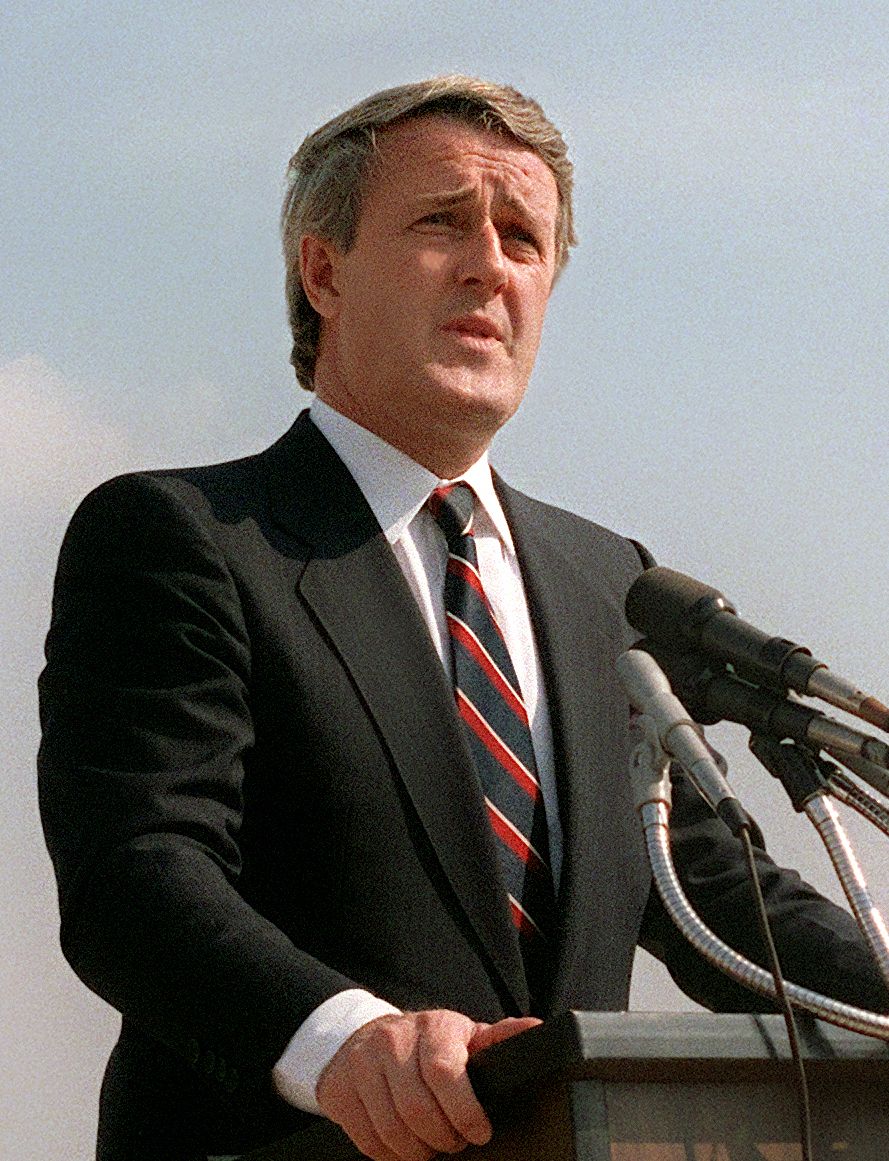
The Meech Lake Accord was a series of proposed amendments to the Constitution of Canada negotiated in 1987 by Prime Minister Brian Mulroney and the ten provincial premiers. Its primary objective was to secure Quebec's formal acceptance of the Constitution Act, 1982, which had been patriated without the province's consent. The Accord proposed recognizing Quebec as a distinct society, granting provinces greater powers in areas like immigration and Supreme Court appointments, and altering the constitutional amending formula. Despite initial widespread political support, the Accord failed to achieve ratification by the June 1990 deadline, deepening constitutional tensions and reinvigorating the Quebec sovereignty movement.
Constitutional Background and Quebec's Five Conditions
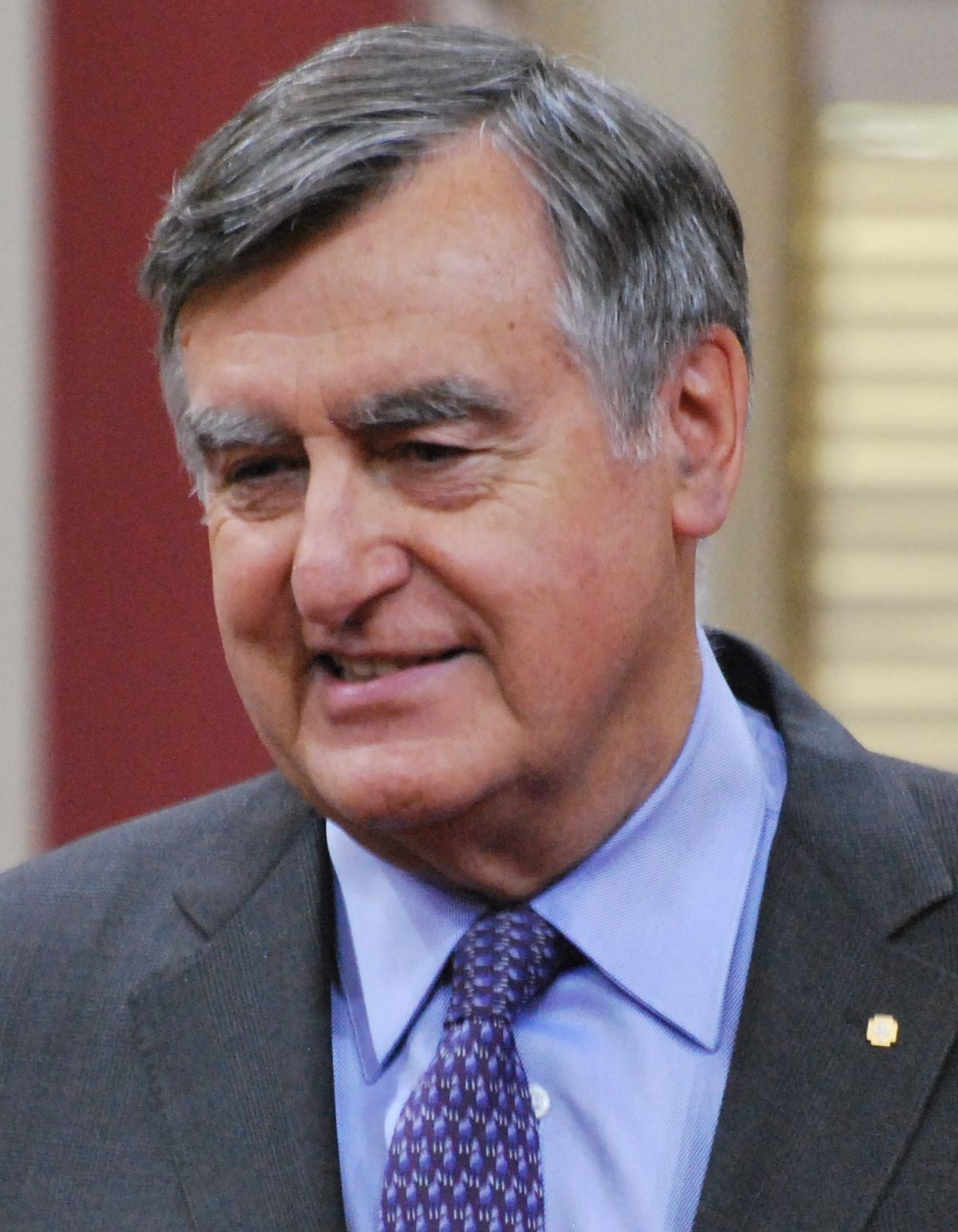
The Meech Lake Accord was a direct response to Quebec's exclusion from the 1982 patriation of the Canadian Constitution. In 1981, negotiations led by Prime Minister Pierre Trudeau resulted in the Constitution Act, 1982, but Quebec Premier René Lévesque and the sovereigntist Parti Québécois government refused to approve it. The Supreme Court later ruled in the Quebec Veto Reference that Quebec did not possess a constitutional veto, so the new constitution applied to the province regardless. The 1984 federal election brought Progressive Conservative Brian Mulroney to power, who had committed to having Quebec accept the constitution with honour and enthusiasm. The election of federalist Robert Bourassa and the Quebec Liberal Party in the 1985 Quebec election created a new opportunity for reconciliation. Bourassa outlined five specific conditions for Quebec to endorse the constitution, which became the basis for all subsequent negotiations. These conditions demanded constitutional recognition of Quebec as a distinct society, a provincial veto over future amendments, a provincial role in appointing Supreme Court justices, increased provincial authority over immigration, and limits on the federal spending power in areas of provincial jurisdiction. Bourassa considered these demands practical, as elements had been offered by Ottawa before. At an August 1986 meeting in Edmonton, the first ministers agreed to the Edmonton Declaration, prioritizing a Quebec Round of talks based on these five conditions before pursuing other constitutional reforms.
Negotiations and the Consensus of April 1987
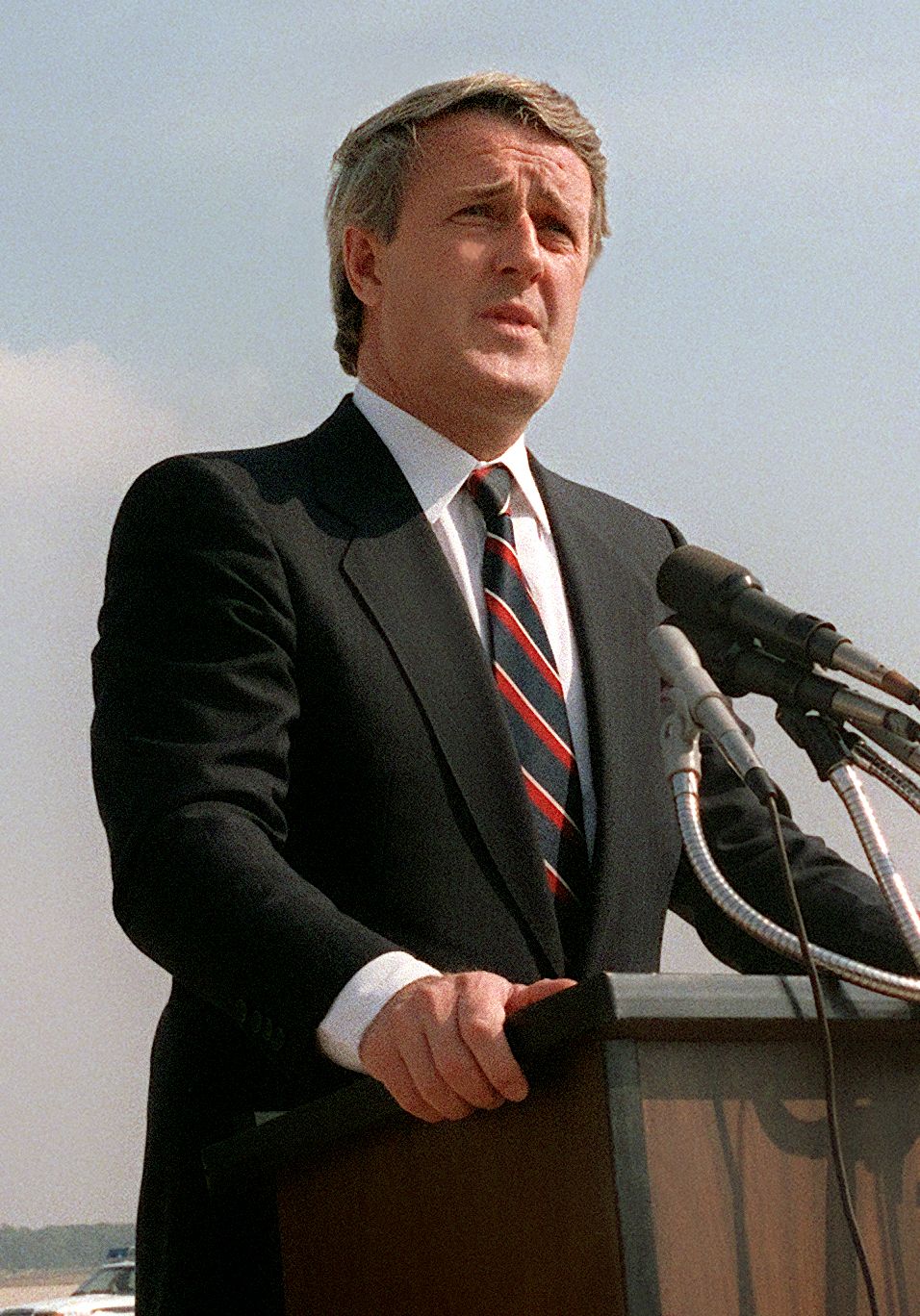
Prime Minister Brian Mulroney, believing an agreement was within reach, convened a meeting of the eleven first ministers at Willson House on Meech Lake in Quebec's Gatineau Hills on April 30, 1987. In a departure from past, more public conferences, the negotiations were conducted exclusively by the premiers and prime minister themselves, with advisors kept separate and media locked out. The meeting, chaired by Mulroney, moved quickly through Quebec's conditions. Agreement was readily found on entrenching provincial roles in Supreme Court appointments and immigration, which largely formalized existing practices. The only new agenda item added besides Quebec's conditions was Senate reform, where Mulroney initially proposed abolition but agreed to provincial nomination lists pending future reform. The most contentious issues were the precise wording of the distinct society clause and changes to the amending formula. After nine hours of discussion, a consensus was announced. The agreed-upon amendments included several key provisions designed to address Quebec's demands and provincial concerns more broadly.
- Quebec would be constitutionally recognized as a distinct society in Section 2 of the Constitution Act, 1867, a clause that would operate as an interpretive guide for the entire constitution.
- The list of constitutional amendments requiring unanimous provincial consent under section 41 would be expanded to include Senate reform, changes to proportionate representation in the House of Commons, and the creation of new provinces.
- Provincial powers over immigration would be increased and the existing federal-provincial agreements given constitutional status.
- Provinces could opt out of new federal cost-shared programs in areas of exclusive provincial jurisdiction and receive reasonable financial compensation if they established a compatible program.
- Provinces would provide lists of candidates for Senate appointments and Supreme Court nominations, shifting this traditional prerogative of the prime minister.
- The Accord also required at least one First Ministers Conference be held each year to discuss Senate reform and fisheries.
Drafting the Final Agreement and Pierre Trudeau's Opposition
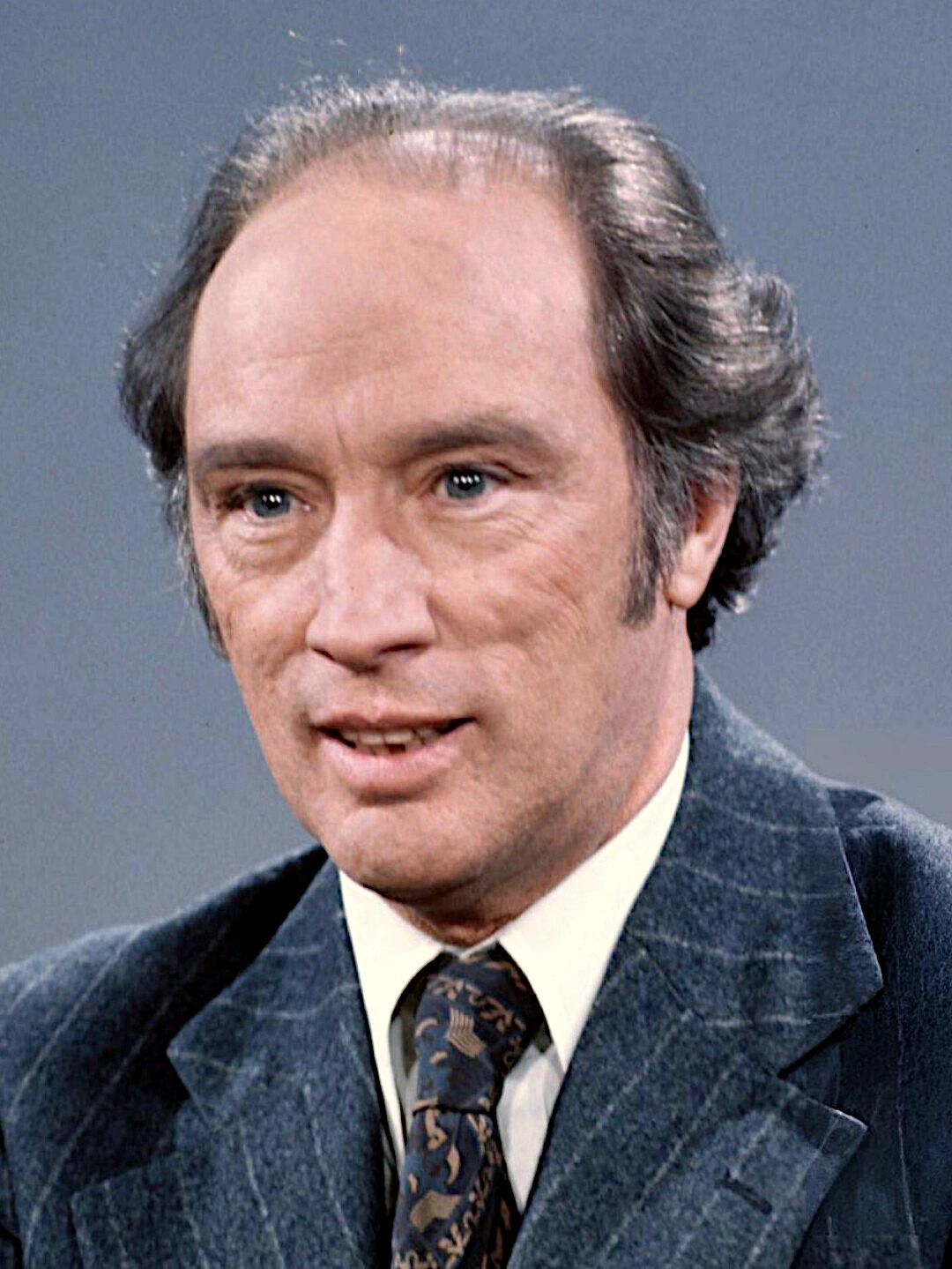
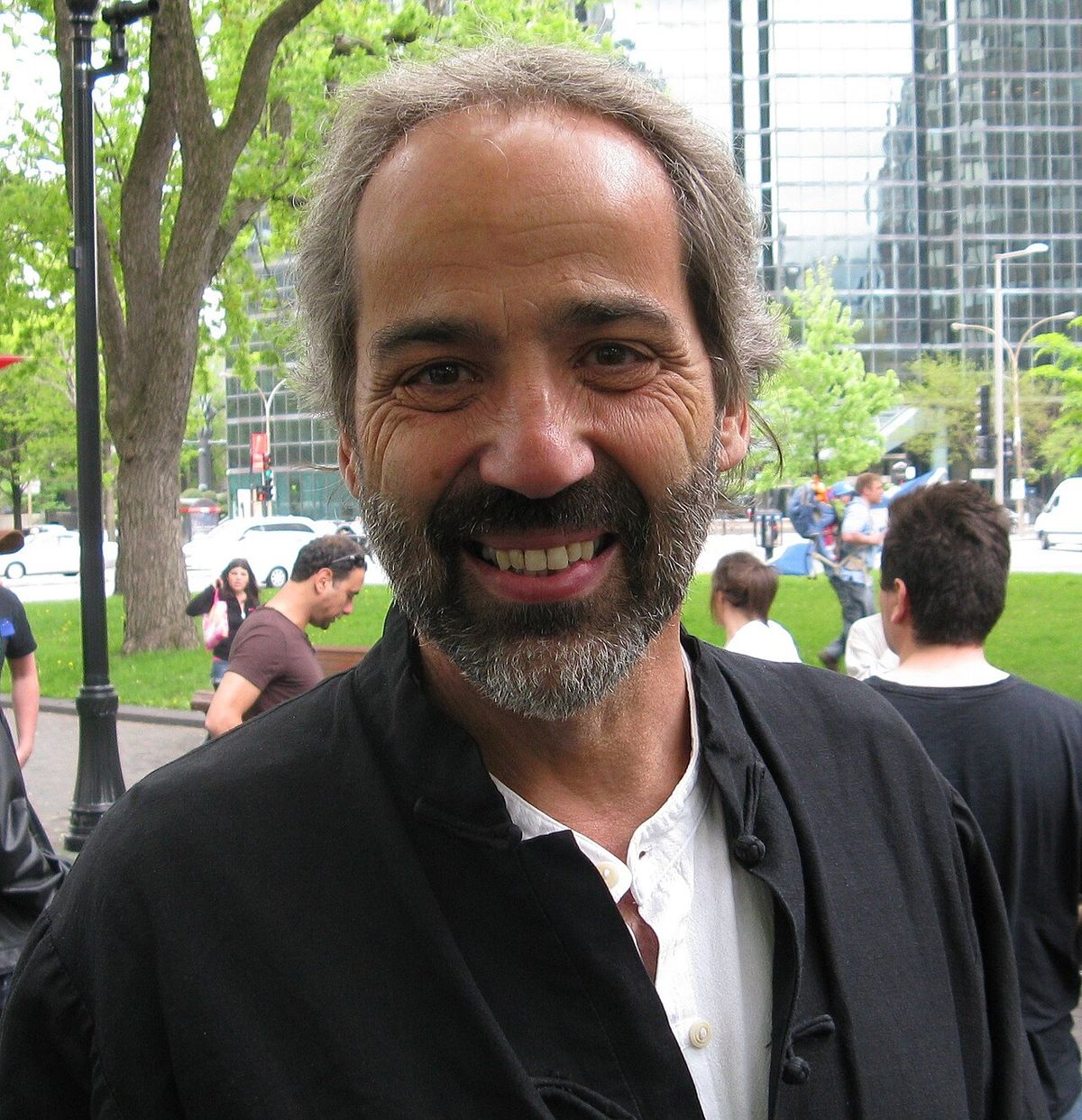
The initial shock of the agreement gave way to a drafting session in Ottawa on June 2, 1987, intended to produce the final legal text. This meeting, expected to be a formality, stretched for 19 hours due to last-minute pressures. The most significant intervention came not from a premier, but from former Prime Minister Pierre Trudeau. In a late May open letter published in the Toronto Star and La Presse, Trudeau launched a fierce attack, calling the Accord a capitulation to provincialism that would weaken the federal government and lead to the end of a unified Canada. He referred to Mulroney as a weakling and the premiers as snivelers, and invoked Bourassa's past rejection of the Victoria Charter as a sign of more concessions to come. His stature as a prominent Québécois and ardent federalist gave weight to his criticisms and sowed doubt among groups like Indigenous peoples, ethnic communities, and women's organizations, who feared the distinct society clause could override Charter rights. At the Ottawa meeting, premiers Howard Pawley of Manitoba and David Peterson of Ontario, facing domestic pressure, pushed for stronger protections for the Charter and tighter limits on federal spending power. They agreed to follow each other's lead to avoid being singled out for causing collapse. Ultimately, a clause was added stating the distinct society clause would not derogate from the Canadian Charter of Rights and Freedoms, including protections for multicultural and Aboriginal rights. At a final roll call at 4:45 a.m. on June 3, Mulroney breached convention by taking the vote in reverse order around the table. Pawley, after pressure from federal NDP leader Ed Broadbent, conceded, and Peterson approved last. The final Accord was signed in a symbolic ceremony later that day, with Premier Bourassa declaring Quebec's reintegration into Canada to a standing ovation.
The Ratification Process and Mounting Obstacles
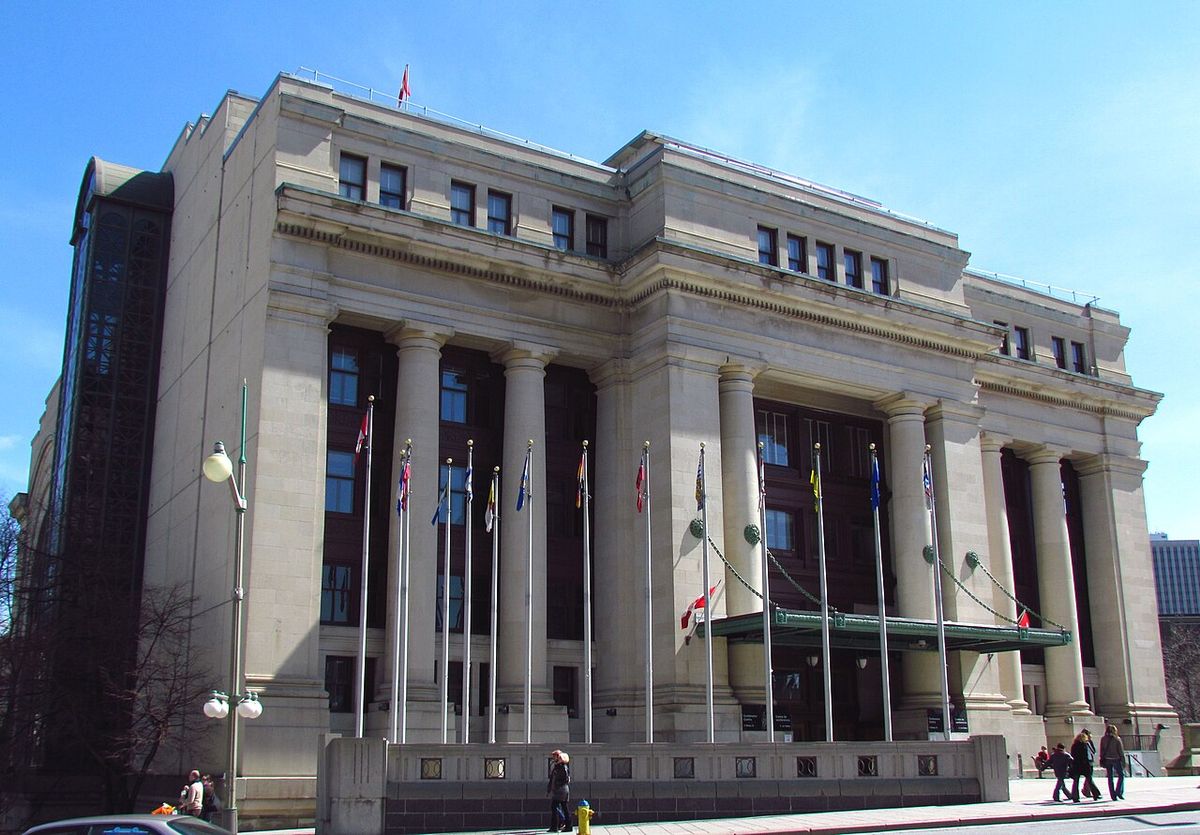
Because the Accord changed the amending formula, it required unanimous consent from all ten provincial legislatures and the federal Parliament within three years, as per Section 39(2) of the Constitution Act, 1982. Quebec's quick approval on June 23, 1987, started the clock, setting a final deadline of June 22, 1990. Saskatchewan ratified on September 23, 1987, and Alberta followed on December 7, 1987. The first major setback occurred in New Brunswick, where Premier Richard Hatfield was unable to pass the Accord before losing every seat in the October 1987 election to Frank McKenna's Liberals. McKenna had campaigned on requesting changes, especially protections for New Brunswick's linguistic duality, and demanded these before passing the Accord. The unanimous provincial consensus was now broken. In Manitoba, Premier Howard Pawley's NDP majority government fell in April 1988 after a backbencher revolt, leading to an election that produced a Progressive Conservative minority government under Gary Filmon, tacitly supported by the NDP. The opposition Liberal leader, Sharon Carstairs, was a fervent opponent who believed she could rally votes against it. At the federal level, Trudeau was invited to testify before parliamentary committees, and the Senate, a majority of whom were his appointees, rejected the Accord. The 1988 federal election was dominated by the Canada, United States Free Trade Agreement, not the constitution, as all major parties still officially supported the Accord. Bourassa's tacit support for the Tories on free trade was later speculated to have caused a disconnect between left-wing intellectuals and the Accord.
Growing Opposition and Key Events
Public and political support for the Accord eroded significantly between 1988 and 1990. A major event was the Supreme Court's December 1988 decision in Ford v. Quebec, which ruled that Quebec's ban on English-language signs violated the Charter of Rights and Freedoms. While acknowledging the protection of French as a pressing objective, the Court struck down the law. Nationalist pressure forced Premier Bourassa to use the notwithstanding clause to override the ruling, a move that angered many in English Canada and highlighted the very tensions the Accord was meant to soothe. In response, Manitoba Premier Gary Filmon ended public hearings on the Accord. The 1989 Newfoundland election brought Liberal Clyde Wells to power, who campaigned against the Accord. Wells opposed changes to the amending formula before Senate reform and felt Quebec would use the distinct society provision to gain special status. In April 1990, Wells invoked section 46(2) of the Constitution Act, 1982 to revoke Newfoundland's previous assent to the Accord. This meant the Accord now required passage in three provinces: Manitoba, New Brunswick, and Newfoundland.
Final Negotiations and Collapse in 1990
In March 1990, a commission led by Jean Charest recommended a companion accord to address concerns while keeping the original text. Bourassa dismissed the report. On May 22, 1990, federal Environment Minister Lucien Bouchard resigned after a dispute with Mulroney, later forming the sovereigntist Bloc Québécois. A final First Ministers meeting began on June 3, 1990. After a week of negotiations, a companion accord was agreed upon. It included a guarantee that the distinct society clause would not weaken gender equality, gave territories involvement in appointments, and promised future conferences on Aboriginal and minority language issues. Premier Clyde Wells of Newfoundland placed an asterisk next to his signature but promised to put the Accord before the legislature. However, Prime Minister Mulroney's subsequent remark to the Globe and Mail that he had intentionally scheduled the conference to the last minute to pressure attendees caused outrage. In the Manitoba legislature, unanimous consent was required to begin debate. Elijah Harper, a Cree MLA, raised an eagle feather and refused consent each day, arguing the Accord ignored Aboriginal rights. His opposition prevented a vote. On June 22, 1990, the final day, the Manitoba legislature adjourned without voting. Wells then canceled the planned vote in Newfoundland. The Meech Lake Accord died at midnight on June 22, 1990, unratified. It had received the assent of the federal government and eight provinces, representing 96 percent of the population.
Immediate Aftermath and Long-Term Consequences
The failure of the Accord sent shockwaves through Canadian politics, most deeply in Quebec. Many Québécois interpreted the collapse as a definitive rejection by English Canada, leading to a dramatic surge in support for sovereignty. Polls showed 61 to 64 percent in favour of sovereignty-association. In a speech the next day, Premier Robert Bourassa stated that Quebec was a distinct society, free and capable of assuming its destiny. The federal government, seeking to salvage the situation, launched a new, broader round of negotiations that included Aboriginal leaders and territorial representatives, resulting in the Charlottetown Accord of 1992. This proposal addressed some criticisms of Meech by including a Canada clause, proposals for an elected Senate, and recognition of Aboriginal self-government. It was submitted to a national referendum in October 1992 and was defeated by a majority of voters both nationally and in Quebec. The legacy of Meech Lake's failure is enduring. It entrenched a deep sense of grievance in Quebec, directly contributing to the 1995 referendum on sovereignty, which was defeated by a margin of less than one percent. The process demonstrated the extreme difficulty of achieving unanimous provincial consent for constitutional change and effectively ended an era of major constitutional negotiation in Canada.
Key Arguments For and Against the Accord
The debate over the Meech Lake Accord centred on competing visions of federalism and the process of constitutional change. Proponents, led by Mulroney and Bourassa, argued it was a necessary bridge to bring Quebec back into the constitutional family and ensure a generation of peace. Bourassa described Quebec's exclusion from the 1982 agreement as a hole in the heart that needed mending. They contended that recognizing Quebec as a distinct society merely affirmed a sociological fact, a point supported by constitutional expert Peter Hogg and noted by Chief Justice Brian Dickson regarding existing court practice. Supporters argued the reforms to Senate and Supreme Court appointments fostered cooperative federalism and reduced the power of the Prime Minister's Office. Opponents, galvanized by Trudeau, attacked both the substance and the secretive process. They argued the distinct society clause created a special status for Quebec that would undermine the Charter and lead to asymmetrical federalism, potentially harming minority language communities. Many in Western and Atlantic Canada opposed the lack of substantive, elected Senate reform and the new requirement for unanimous consent to achieve it. Indigenous groups, feminist activists, and ethnic communities were angered by their exclusion from the eleven men in suits negotiations, a process academics criticized as elite accommodation. The process was criticized as undemocratic, with only Quebec holding public hearings before the deal was struck.
Comparative Analysis: Meech Lake and the Charlottetown Accord
The failure of the Meech Lake Accord directly led to the negotiation of the Charlottetown Accord in 1992, a broader but ultimately unsuccessful attempt at constitutional reconciliation. The two accords shared the core aim of gaining Quebec's consent to the constitution but differed significantly in scope, process, and specific content. The Charlottetown Accord attempted to address the criticisms that sank Meech by including a wider array of stakeholders and a more complex set of proposals. The following table outlines the key differences between the two accords across several dimensions.
| Dimension | Meech Lake Accord (1987) | Charlottetown Accord (1992) |
|---|---|---|
| Primary Focus | Quebec's five conditions. Provincial powers. | Broader package: Quebec, Senate reform, Aboriginal self-government, a Canada Clause. |
| Negotiation Process | Closed-door meetings of 11 first ministers only. | Included federal and provincial representatives, Aboriginal leaders, and territorial leaders. |
| Distinct Society | Recognition for Quebec only, as an interpretive clause. | Included in a wider Canada Clause recognizing Quebec as a distinct society, along with other fundamental characteristics. |
| Aboriginal Rights | No mention. A major point of opposition. | Inherent right to self-government recognized and negotiated. |
| Senate Reform | Provincial nomination lists only. Future reform subject to unanimity. | Proposed an elected Senate with equal representation from each province. |
| Ratification Method | Required unanimous legislative approval within 3 years. | Submitted to a national referendum for approval. |
The Charlottetown Accord was defeated in a national referendum on October 26, 1992. Following these attempts, further amendments to the Constitution have been recognized as extremely difficult. In response to the Meech Lake process, British Columbia and Alberta enacted legislation requiring future constitutional amendments to be put to a referendum before being approved by the legislature. This change reflected the widespread criticism of the undemocratic, closed-door nature of the Meech Lake negotiations.
Questions about Meech Lake Accord
What was the main purpose of the Meech Lake Accord?
The main purpose of the Meech Lake Accord was to persuade the government of Quebec to symbolically endorse the 1982 constitutional amendments. It sought to do this by addressing the five conditions outlined by Quebec Premier Robert Bourassa in 1985. These conditions included recognizing Quebec as a distinct society, granting Quebec a constitutional veto, providing provincial input into Supreme Court appointments, increasing provincial powers over immigration, and limiting federal spending power. The Accord was intended to mend the constitutional rift and bring Quebec back into the constitutional fold as a full participant.
Why did the Meech Lake Accord fail?
The Accord failed because it was not ratified by all ten provincial legislatures before the June 22, 1990 deadline. Political changes brought opponents to power in New Brunswick, Manitoba, and Newfoundland. In Manitoba, Cree MLA Elijah Harper blocked legislative procedures, arguing the Accord ignored Aboriginal rights. Growing public opposition and criticism of the secretive process also eroded support. The Accord lapsed with the assent of only eight provinces and the federal government.
What is the distinct society clause?
The distinct society clause was a proposed amendment to the Constitution Act, 1867 that would recognize Quebec as a distinct society. It was designed to operate as an interpretive clause for the entire constitution, acknowledging Quebec's primarily French-speaking character and unique culture. Proponents like constitutional expert Peter Hogg argued it merely affirmed a sociological fact already considered by courts. Opponents, including feminist and Indigenous groups, worried it could allow Quebec to override parts of the Charter of Rights and Freedoms to preserve its distinct identity.
How did Elijah Harper contribute to the Accord's failure?
Elijah Harper contributed to the Accord's failure by blocking its progress in the Manitoba legislature. As the legislature's only Indigenous member, he refused to give the unanimous consent required to introduce the Accord for debate in the final days before the June 22, 1990 deadline. His opposition, symbolized by raising an eagle feather, reflected wider Indigenous protests against being excluded from the negotiations. This procedural block prevented a vote in Manitoba, which along with Newfoundland's withdrawn support, caused the Accord to lapse unratified.
What happened in Quebec after the Accord failed?
Support for Quebec sovereignty surged, with polls showing 61 to 64 percent in favour. Federal minister Lucien Bouchard resigned and helped found the Bloc Québécois. Premier Robert Bourassa passed Bill 150, which promised a referendum by October 1992 on a new agreement or sovereignty. The failure directly contributed to the 1995 sovereignty referendum. In a speech, Bourassa declared Quebec was a distinct society, free and capable of assuming its destiny.
What was the Charlottetown Accord?
The Charlottetown Accord was a second set of constitutional proposals in 1992, developed through wider consultations including Aboriginal leaders. It contained a Canada Clause, proposals for an elected Senate, recognition of Aboriginal self-government, and increased provincial powers. It was defeated in a national referendum on October 26, 1992. The failure of both accords marked the end of an era of comprehensive constitutional megaprojects in Canada.
Sources and further reading
- Meech Lake Accord (Wikipedia)
- Meech Lake Accord (thecanadianencyclopedia.ca)
- Meech Lake Accord | History | Research Starters (ebsco.com)
- Meech Lake Accord | History, Contents & Debate (study.com)
- Post Meech Lake and Charlottetown | Federalism-E (ojs.library.queensu.ca)
Checked by the Nosy Mag desk. Last updated 2026-10-24.