Nunavut
Nunavut is the largest and northernmost territory of Canada. It was separated from the Northwest Territories in 1999, via the Nunavut Act and the Nunavut Land Claims Agreement Act, which provided this territory to the Inuit for self-government. The boundaries were drawn in 1993. The creation of Nunavut resulted in the first major change to Canada's political map in half a century since the province of Newfoundland and Labrador was admitted in 1949. Nunavut comprises a major portion of Northern Canada and most of the Arctic Archipelago. Its vast territory makes it the fifth-largest country subdivision in the world, yet it has the smallest population of any Canadian province or territory.
Historical foundations and creation
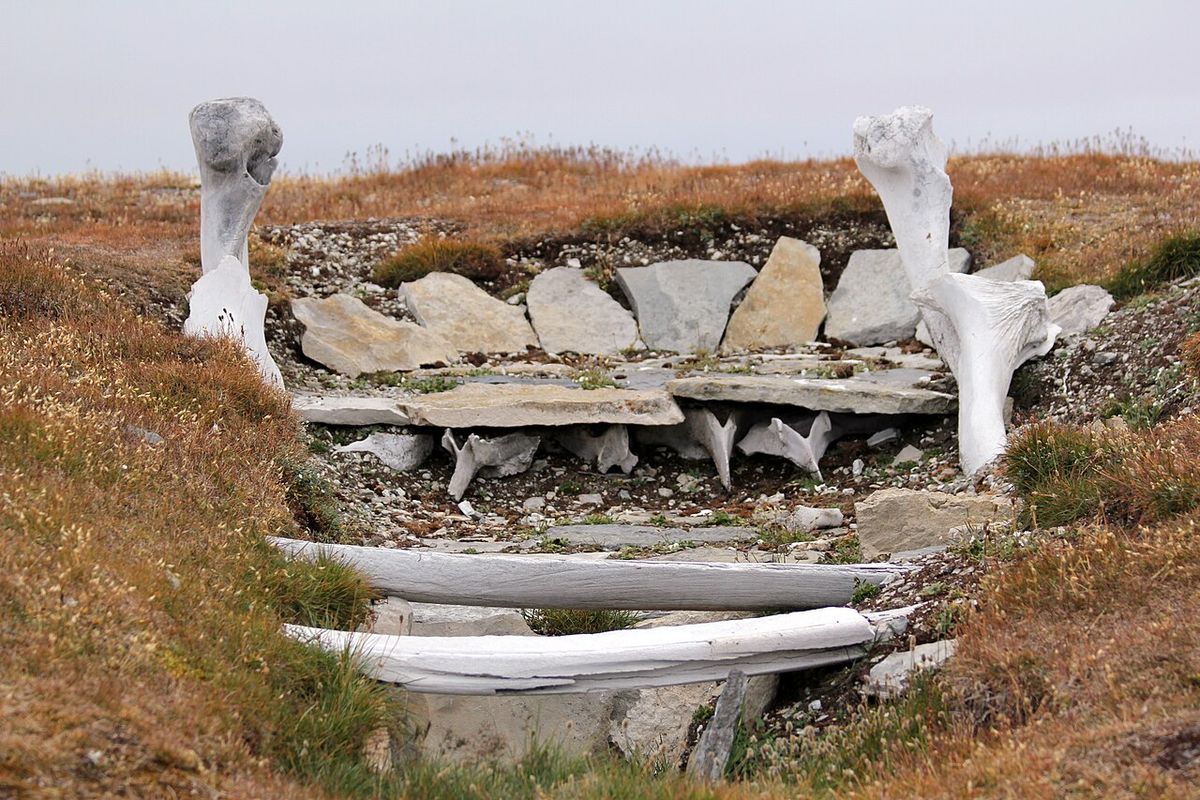
The human history of the region now known as Nunavut stretches back approximately 4,500 years, beginning with the migration of the Pre-Dorset culture from the Bering Strait. They were succeeded by the Dorset culture about 2,800 years ago. The ancestors of the modern Inuit, the Thule people, began migrating from Alaska into the area in the 11th century. By 1300, the geographic extent of Thule settlement included most of modern Nunavut. The earliest recorded European contact was by English explorer Martin Frobisher in 1576. Subsequent centuries saw further exploration but limited permanent European settlement.
The 20th century brought deep changes for Inuit communities. In the 1950s, as part of the Cold War High Arctic relocation, the federal government moved Inuit from Nunavik in northern Quebec to Resolute and Grise Fiord. The government formally apologized for this relocation in 2010. Political activism for Inuit self-determination grew in the 1970s. On April 14, 1982, a plebiscite on dividing the Northwest Territories was held, receiving majority support. The Nunavut Land Claims Agreement was completed in September 1992 and ratified by nearly 85 percent of voters in Nunavut. The Nunavut Act and the Nunavut Land Claims Agreement Act received royal assent on July 9, 1993. The territory came into being on April 1, 1999. A further step in self-government was achieved on January 18, 2024, with the signing of the Nunavut Lands and Resources Devolution Agreement.
Geography and climate
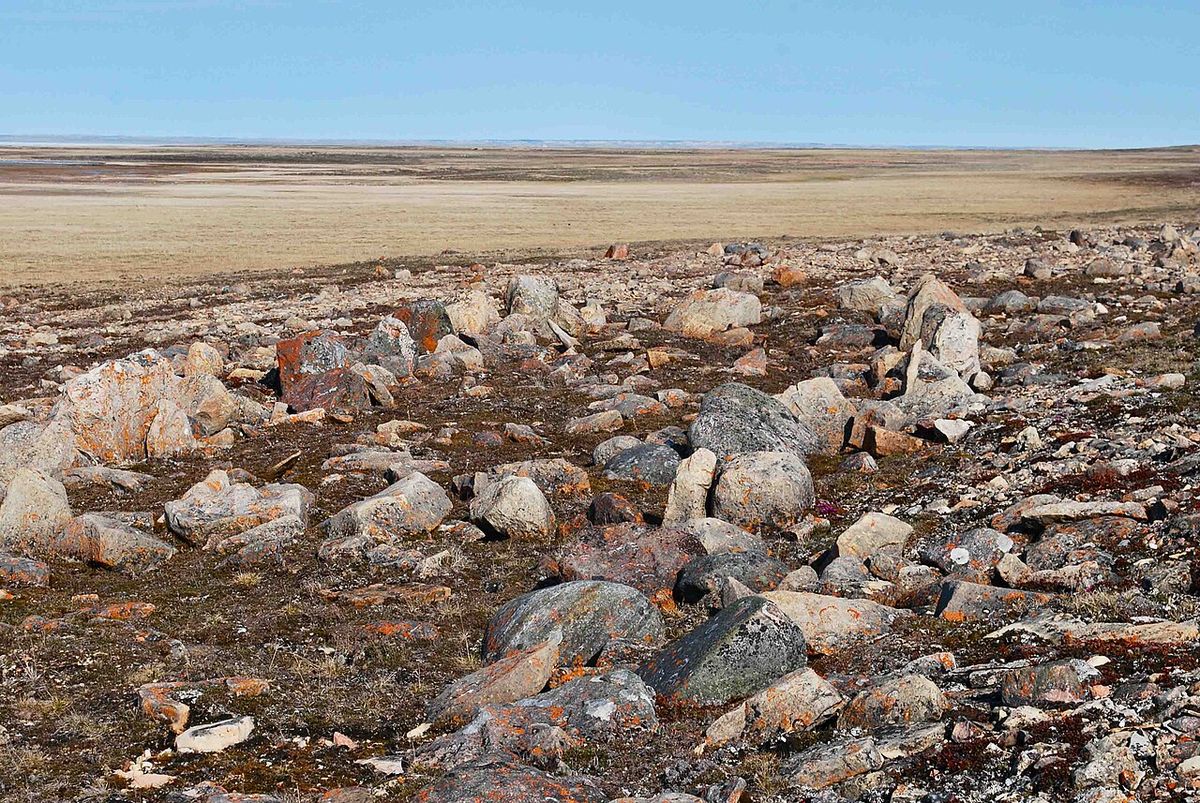
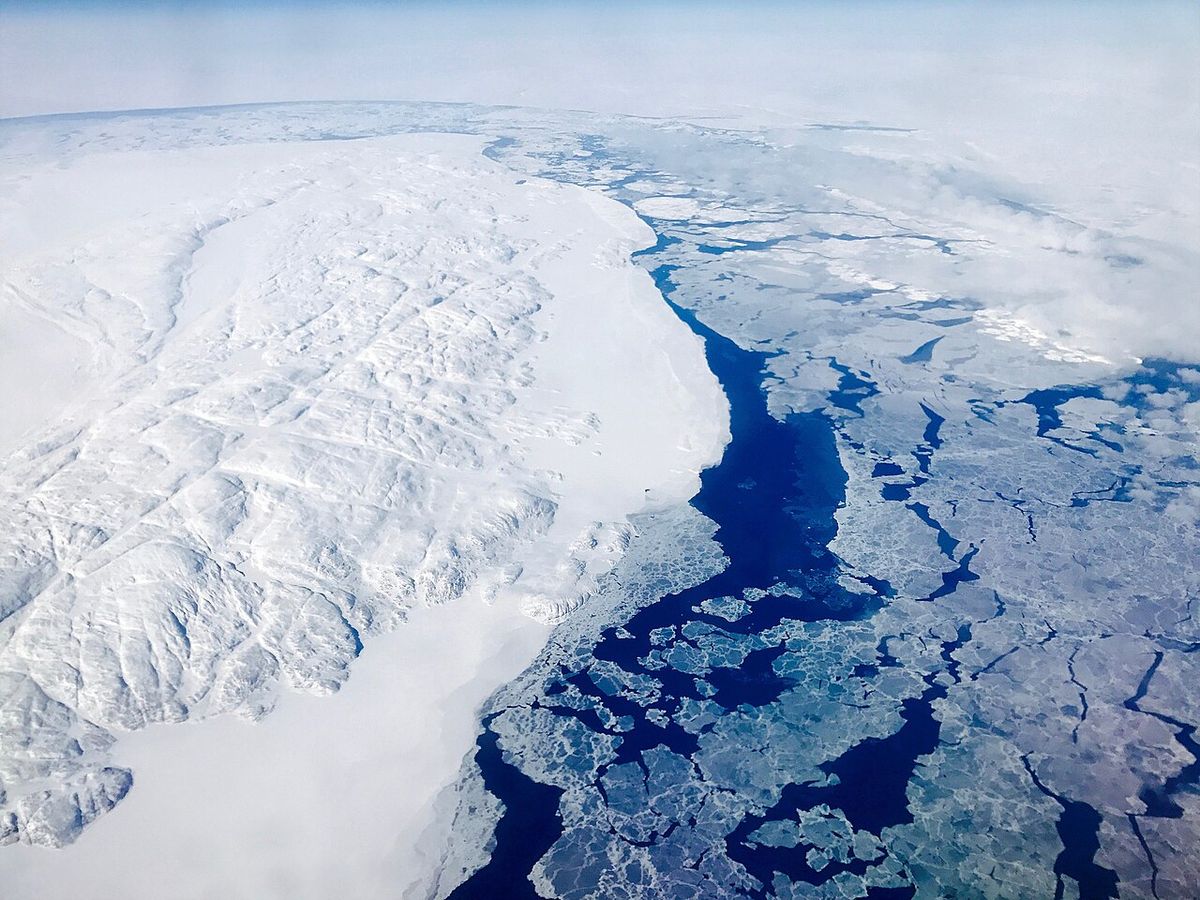
Nunavut covers 1,836,993.78 square kilometres of land and 160,930 square kilometres of water in Northern Canada. It consists of a substantial portion of the Canadian mainland and the majority of the Arctic Archipelago, including all islands in Hudson Bay, James Bay, and Ungava Bay. The territory includes Ellesmere Island, home to Alert, the world's northernmost continuously inhabited place, and the eastern and southern portions of Victoria Island. Nunavut shares land borders with the Northwest Territories and Manitoba, and meets Saskatchewan at a quadripoint. It has very small land borders with Ontario and Quebec via exclaves on the James Bay coast and a short land border with Newfoundland and Labrador on Killiniq Island. The territory's highest point is Barbeau Peak on Ellesmere Island at 2,616 metres.
The climate across Nunavut is predominantly polar, characterized by long, extremely cold winters and short, cool summers. In more southerly continental areas, very cold subarctic climates can be found. The weather station at Eureka on Ellesmere Island holds the record for the lowest average annual temperature of any Canadian station. The region is warming at about twice the global average. This rapid environmental change presents ongoing challenges for communities and ecosystems built around Arctic conditions.
Demographics and language
According to the 2021 Canadian census, Nunavut has a population of 36,858, making it the least populous Canadian jurisdiction. The population is overwhelmingly Indigenous, with 30,865 people identifying as Inuit, constituting 84.3 percent of the total. Another 180 identified as First Nations, 120 as Métis, and 230 with multiple or other Indigenous responses. The non-Indigenous population was 5,210 people. Nunavut has experienced high population growth rates for decades, primarily driven by birth rates significantly above the Canadian average. Between 2011 and 2016, it had the highest growth rate of any Canadian province or territory at 12.7 percent. Growth slowed to 2.5 percent between 2016 and 2021.
Nunavut has four official languages: the Inuit language (Inuktitut and Inuinnaqtun, collectively known as Inuktut), English, and French. The 2016 census reported that 90.7 percent of Inuit in Nunavut could speak an Inuit language. However, concerns about language preservation persist. A 2000 report commissioned by the territorial government warned of the long-term threat from English and proposed a 20-year plan to create a fully functional bilingual society in Inuktitut and English by 2020. The 2016 census indicated that 5.8 percent of Nunavut's population did not know either English or French. In the 2021 census, 73.5 percent of the population identified as Christian, while 24.9 percent reported no religious affiliation.
- Inuktitut: The most widely spoken Inuit dialect.
- Inuinnaqtun: A dialect spoken primarily in the western Kitikmeot Region.
- English: An official language used widely in government and business.
- French: An official language with a smaller speaker base.
Economy and major industries
The economy of Nunavut is driven by the Inuit and Territorial Government, mining, oil, gas, and mineral exploration, arts, crafts, hunting, fishing, tourism, transportation, and education. The territory relies heavily on diesel fuel shipped from southern Canada for electricity and heating, though there are growing efforts to incorporate renewable energy sources. Transportation is primarily by air and seasonal sea lift, as there are no road or rail links connecting Nunavut to southern Canada. The Northern Transportation Company Limited, owned by Norterra, is central to marine resupply. In the second half of 2018, travellers visited Nunavut 134,000 times and spent $436 million, with one-third of visitors coming from outside the territory.
Mining is the dominant private sector industry. There are three major mines in operation. The Mary River iron ore mine on northern Baffin Island, operated by Baffinland Iron Mines, is the territory's largest private employer with more than 2,600 workers and accounted for 23 percent of Nunavut's economic activity in 2019. The Meadowbank gold mine, operated by Agnico Eagle, was an open-pit operation with a mine life from 2010 to 2020. The Hope Bay gold mine, operated by TMAC Resources, reached commercial production in 2017. Several historic mines, such as the Lupin, Polaris, and Nanisivik mines, have previously operated in the territory. The annual Nunavut Mining Symposium in Iqaluit presents the many economic activities ongoing in the sector.
| Major Mine | Commodity | Status (as of notes) |
|---|---|---|
| Mary River | Iron Ore | In operation |
| Meadowbank | Gold | Operated 2010 to 2020 |
| Hope Bay (Doris North) | Gold | In operation (commercial production 2017) |
Culture, media and the arts
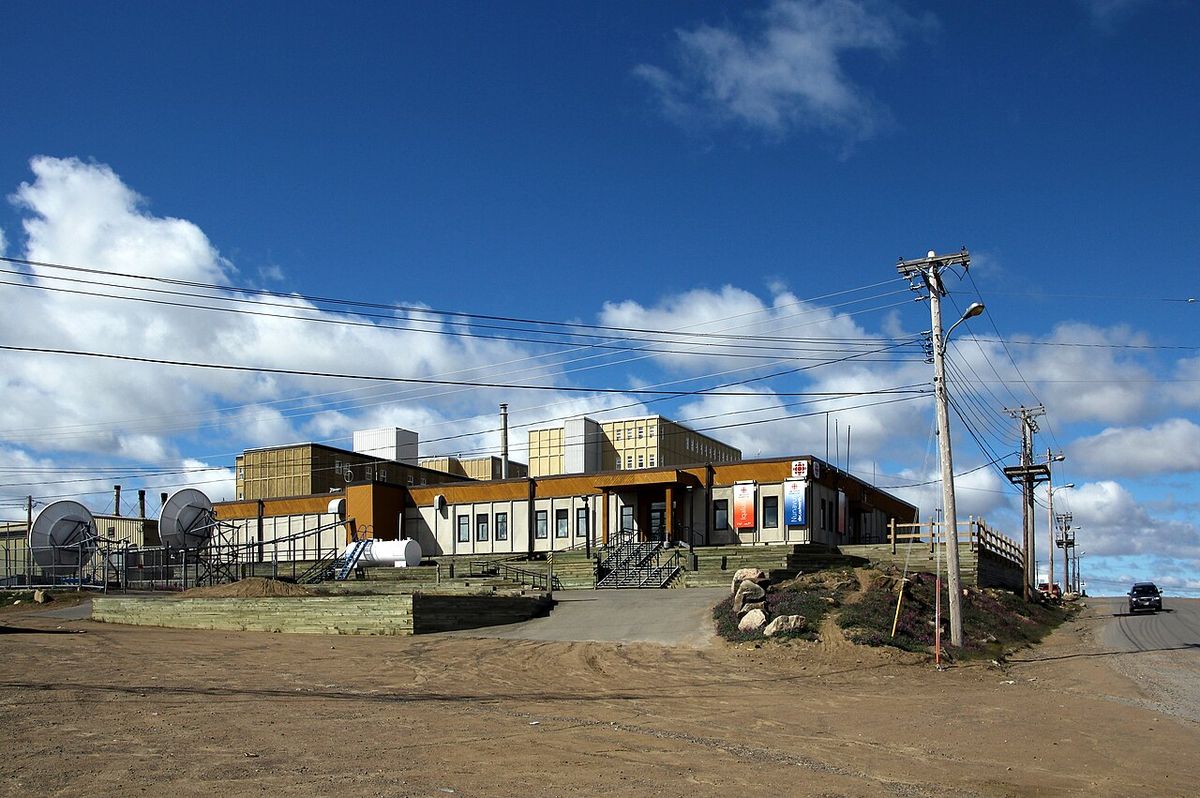
Nunavut has a rich and distinct cultural heritage centred on Inuit traditions. The territory is served by two regional weekly newspapers, Nunatsiaq News and Nunavut News/North. The Inuit Broadcasting Corporation is based in the territory, and the Canadian Broadcasting Corporation operates a production centre in Iqaluit. Film production has a strong presence, notably through the Igloolik-based company Isuma, co-founded by Zacharias Kunuk and Norman Cohn. Isuma produced the landmark 1999 feature Atanarjuat: The Fast Runner, the first feature film written, directed, and acted entirely in Inuktitut, which won the Caméra d'Or at the 2001 Cannes Film Festival. The National Film Board of Canada has collaborated on initiatives like the Nunavut Animation Lab.
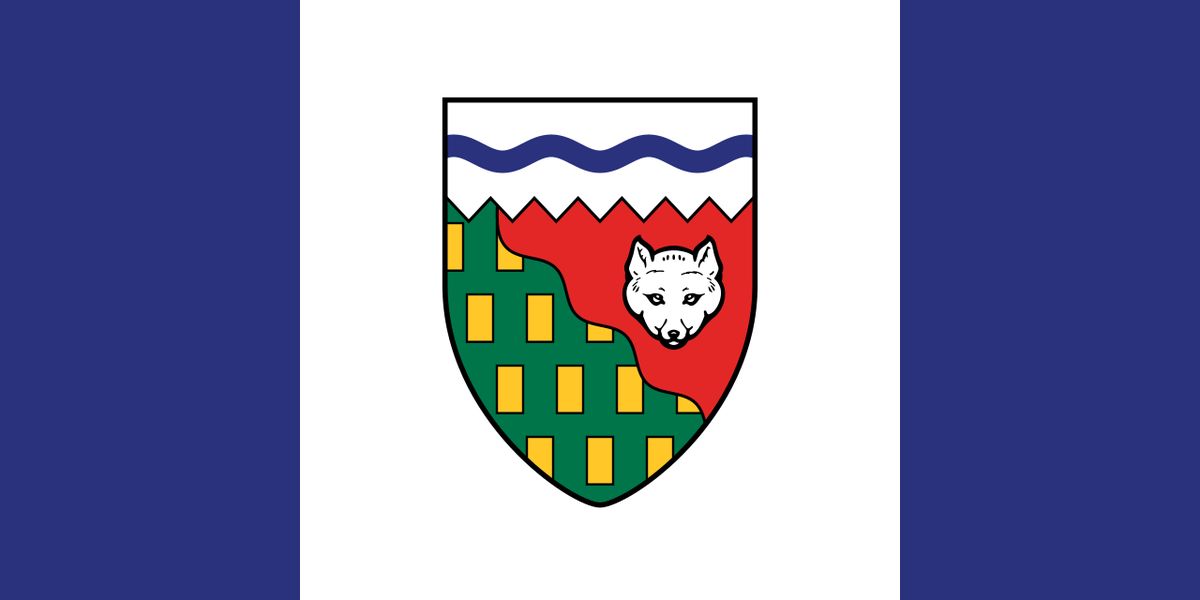
Traditional and contemporary music thrives, encompassing Inuit throat singing, drum dancing, country music, and bluegrass. The performing arts collective Artcirq, an Inuit circus group from Igloolik, has gained international recognition, performing at events like the 2010 Olympic Winter Games in Vancouver. Cultural festivals, storytelling, and visual arts, particularly printmaking and sculpture from communities like Kinngait (Cape Dorset), are vital expressions of Inuit identity. Nunavut competes at the Arctic Winter Games, and Iqaluit co-hosted the 2002 edition. The territory's flag and coat of arms were designed by Andrew Qappik from Pangnirtung.
- Atanarjuat: The Fast Runner (1999): Groundbreaking film shot in Inuktitut.
- Inuit Broadcasting Corporation: Key broadcaster for Inuit-language programming.
- Artcirq: Inuit circus collective from Igloolik.
- Nunavut Animation Lab: Initiative training animators in the territory.
- Unikkausivut collection: DVD and online archive of Inuit films.
Governance and contemporary priorities
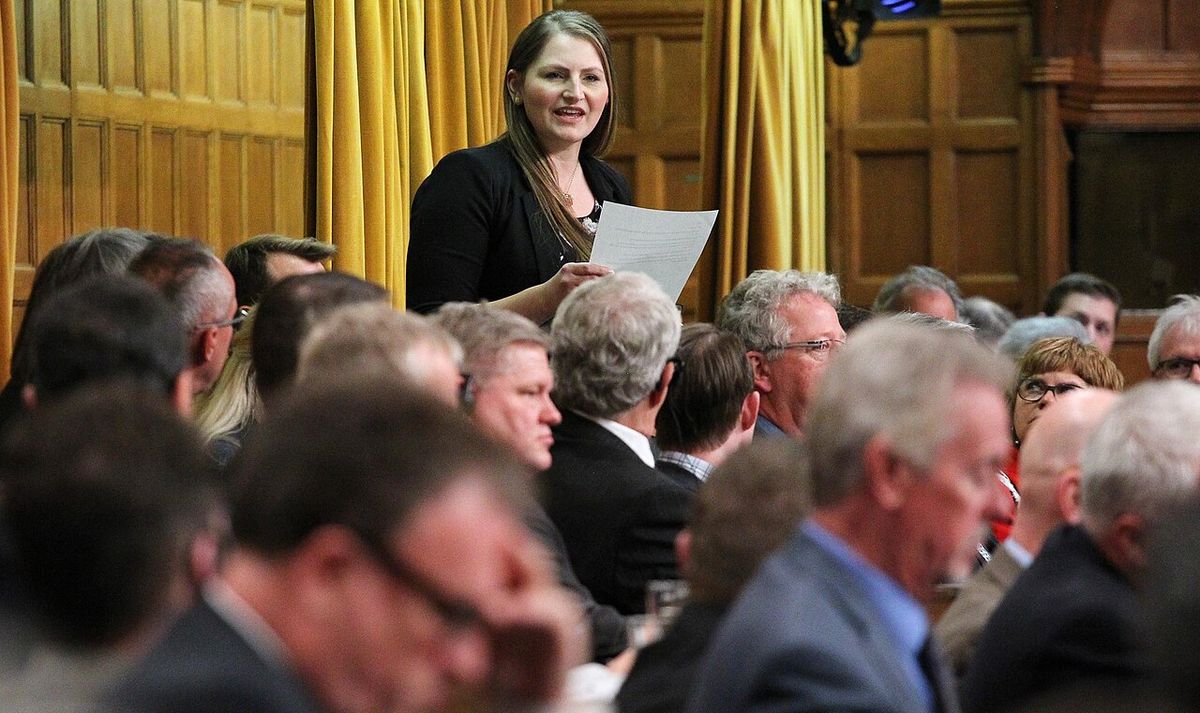
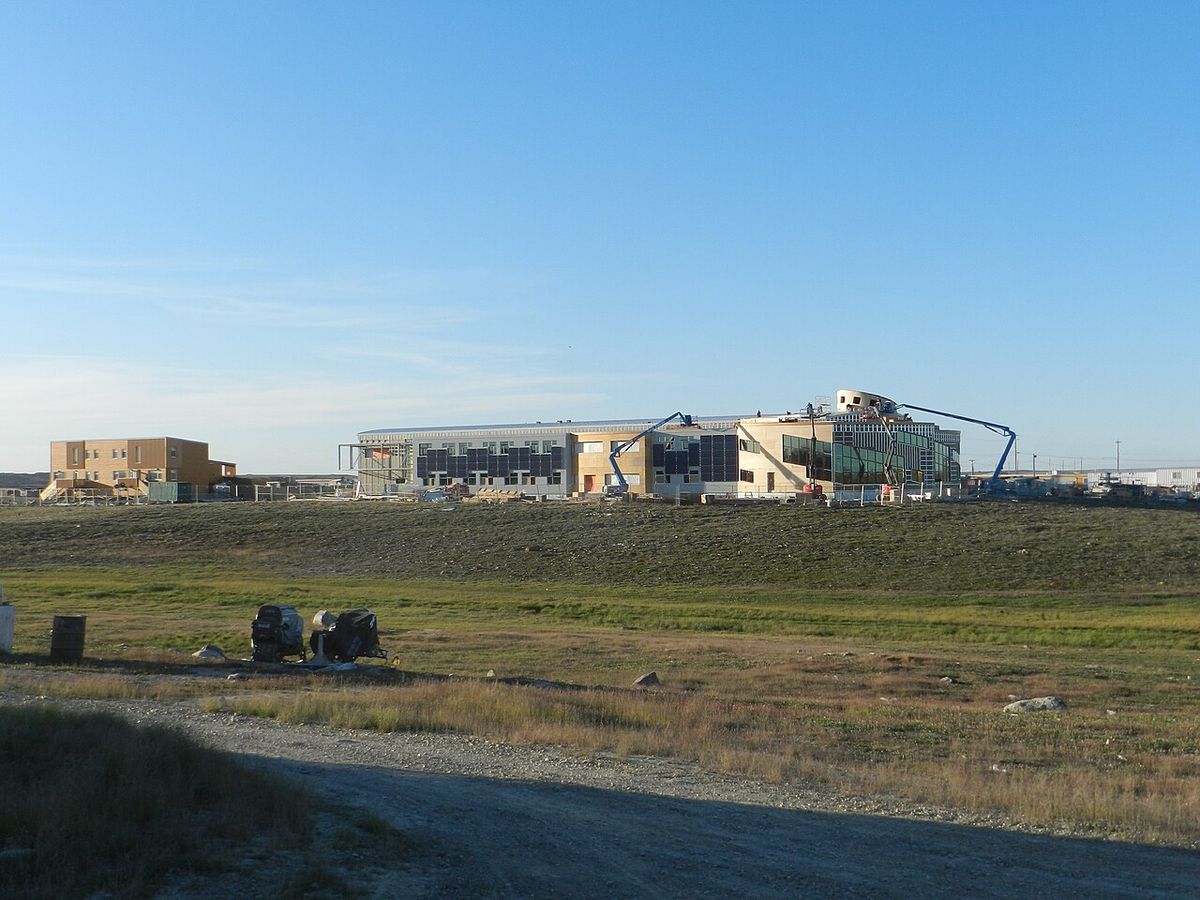
Nunavut is a public government, meaning it serves all residents but was created largely as a result of an Inuit land claim to enable Inuit self-determination. The territory is divided into three administrative regions: Qikiqtaaluk (Baffin), Kivalliq, and Kitikmeot. The territorial government, led by a Premier and a unicameral Legislative Assembly, operates on a consensus-based model without political parties. The commissioner of Nunavut is appointed by the federal government. Nunavut elects a single member of the House of Commons. The historic devolution of lands and resources management, finalized in the January 2024 Nunavut Lands and Resources Devolution Agreement, marks a significant step, allowing decisions about the territory's future to be made in Nunavut.
Contemporary challenges facing Nunavut are significant and interconnected. The territory grapples with a severe housing shortage and overcrowding. Food insecurity remains a pressing issue, though many Inuit continue to rely on country food harvesting. The high cost of living, driven by the expense of transporting goods, and the need for improved infrastructure and healthcare services are ongoing concerns. Climate change impacts are acutely felt, affecting travel safety, wildlife patterns, and community infrastructure. Alcohol is highly regulated, with prohibition in some communities, and the territory has the highest smoking rate in Canada. Despite these challenges, Inuit communities demonstrate remarkable cultural resilience, with efforts focused on language revitalization and strengthening self-governing institutions.
Regions and communities
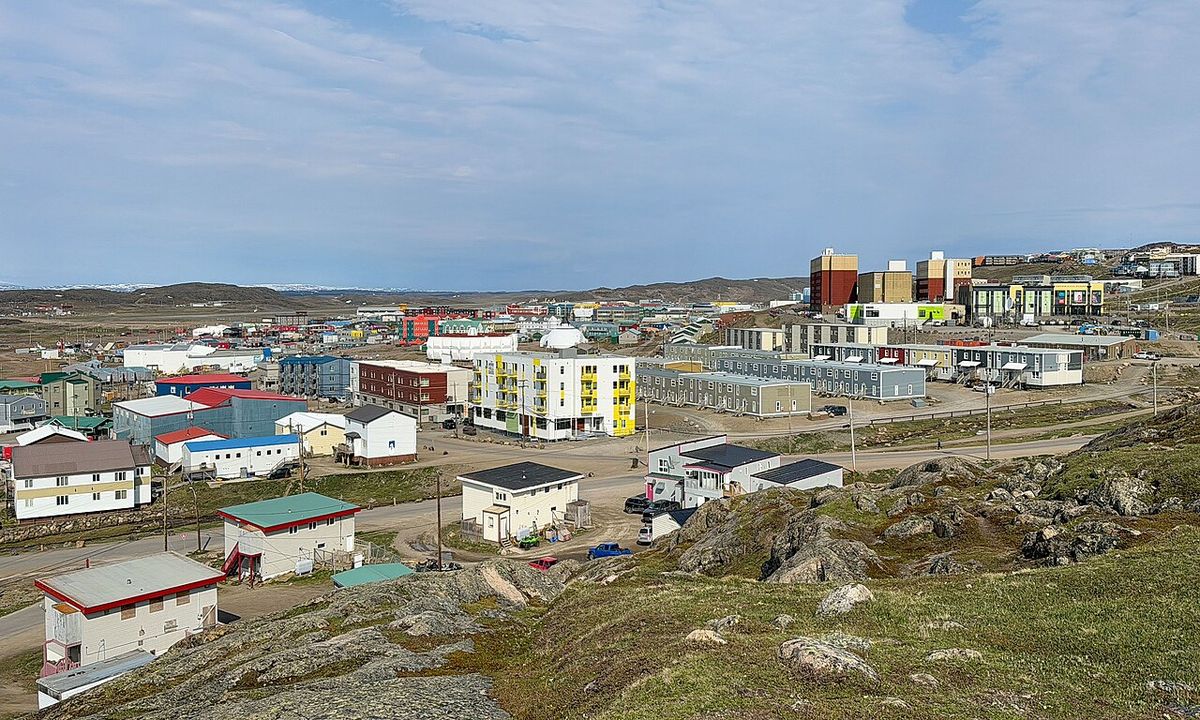
Nunavut is administratively and culturally divided into three vast regions, each with distinct geography and community characteristics. The Qikiqtaaluk Region, the easternmost area, encompasses Baffin Island and the High Arctic islands, including Ellesmere Island. It contains 13 communities, with the capital, Iqaluit, being the largest. Other communities in this region include Arctic Bay, Cape Dorset (Kinngait), Clyde River, Grise Fiord, Igloolik, Pangnirtung, Pond Inlet, and Resolute. This region features dramatic fjords, mountains, and ice caps.
The Kivalliq Region consists of the mainland west of Hudson Bay together with Southampton Island and Coats Island. It is characterized by the expansive Arctic tundra and large lakes. There are seven communities in this region, including Arviat, Baker Lake (Qamani'tuaq), Chesterfield Inlet, Coral Harbour, Naujaat, Rankin Inlet (the regional centre), and Whale Cove. The Kitikmeot Region is the most western, comprising parts of Victoria Island and the adjacent mainland. Its five communities are Cambridge Bay (the regional centre), Gjoa Haven, Kugaaruk, Kugluktuk, and Taloyoak. This region's geography includes rolling tundra. All communities in Nunavut are remote, accessible only by air or seasonal sea lift.
Questions about Nunavut
When did Nunavut become a territory?
Nunavut officially became a territory of Canada on April 1, 1999. This followed the passage of the Nunavut Act and the Nunavut Land Claims Agreement Act by the Canadian Parliament on July 9, 1993. The creation was the result of decades of Inuit political activism and negotiation, culminating in a 1992 land claims agreement ratified by nearly 85 percent of voters in the region. The transition to establish the new territory was completed on that date in 1999.
What does 'Nunavut' mean?
The name 'Nunavut' comes from the Inuktut language and translates to 'Our Land'. This name was chosen to reflect the territory's creation as a homeland for the Inuit people of the eastern Arctic. It provides them with a self-governing region established through the Nunavut Land Claims Agreement. The territory was separated from the Northwest Territories to fulfill this purpose.
What is the capital of Nunavut?
The capital of Nunavut is Iqaluit, located on Baffin Island in the territory's Qikiqtaaluk Region. With a population of 7,429 as of the 2021 census, it is Canada's smallest capital by population. The city was known as Frobisher Bay until 1987 and was selected as the capital through a 1995 plebiscite. Iqaluit is a regional centre on the eastern coast of Baffin Island.
What are the main industries in Nunavut?
Nunavut's economy is driven by the public sector, mining, and traditional activities. Mining is the largest private-sector industry, with significant operations including the Mary River iron ore mine. Other important sectors include arts and crafts, hunting, fishing, and tourism. In the second half of 2018, travel spending in the territory reached $436 million.
What is the population of Nunavut?
According to the 2021 Canadian census, Nunavut has a population of 36,858 people. This figure represents an increase from the 35,944 people recorded in the 2016 census. The population is predominantly Inuit, with 30,865 individuals identifying as such, which represents 84.3 percent of the total population. The territory's vast land area of 1,836,993.78 square kilometres results in an extremely low population density of 0.022 people per square kilometre.
What was the Nunavut Land Claims Agreement?
The Nunavut Land Claims Agreement was a comprehensive land claim settlement between the Inuit of the eastern Arctic and the Canadian federal government. It was completed in September 1992 and ratified by nearly 85 percent of the voters in Nunavut. This agreement, along with the Nunavut Act passed on July 9, 1993, led to the creation of the territory of Nunavut on April 1, 1999. The agreement provided the territory to the Inuit for self-government.
Sources and further reading
- Nunavut (Wikipedia)
- Nunavut (indigenouspeoplesatlasofcanada.ca)
- Indigenous peoples of Nunavut | Social Sciences and ... (ebsco.com)
- About Canadian Inuit (itk.ca)
- 2025 to 2026 Highlight report: Inuit (rcaanc-cirnac.gc.ca)
Checked by the Nosy Mag desk. Last updated 2026-10-18.