Member of Parliament
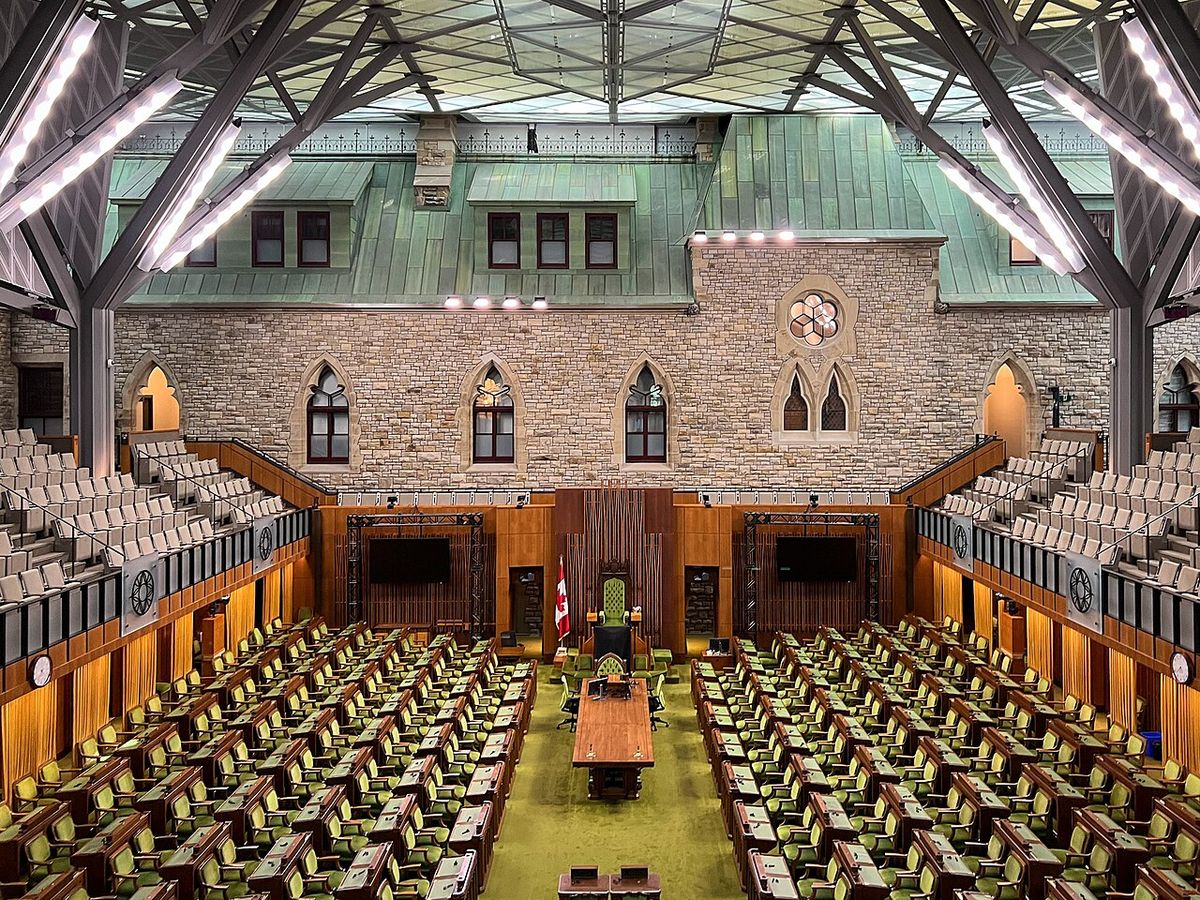
A Member of Parliament (MP) is an elected politician who serves in the House of Commons of Canada, the lower house of the Parliament of Canada. MPs each represent an individual electoral district, also known as a constituency or riding. They are elected using the first-past-the-post system in a general election or by-election. MPs are fundamental to Canada's parliamentary democracy, acting as the primary link between the government and the citizens they serve. The role involves legislating, scrutinizing government spending, and advocating for constituents on a wide range of issues.
Election and Representation
Members of Parliament are elected to represent one of Canada's 343 federal electoral districts. Elections are conducted using the first-past-the-post system, where the candidate receiving the most votes in a riding wins the seat. The total number of seats in the House of Commons is adjusted following each decennial census to reflect population changes, subject to constitutional exceptions. The Senate floor guarantees each province has at least as many MPs as senators. The grandfather clause guarantees each province has at least as many seats as it had in 1985. A general election must be called at least every five years, but can occur more frequently, particularly in minority parliament situations. By-elections are held to fill vacancies that arise between general elections.
Following the 2022 Canadian federal electoral redistribution, the number of members is 343. The distribution of seats is a critical mechanism for democratic representation, balancing population shifts with regional fairness. The process ensures that each MP, regardless of their riding's population or location, has an equal vote in the chamber. This system is a foundation of the principle that every Canadian citizen has a voice in the federal legislature through their locally elected representative. The 105 members of the Senate are appointed by the Crown on the advice of the prime minister, in contrast to elected MPs.
Roles and Responsibilities
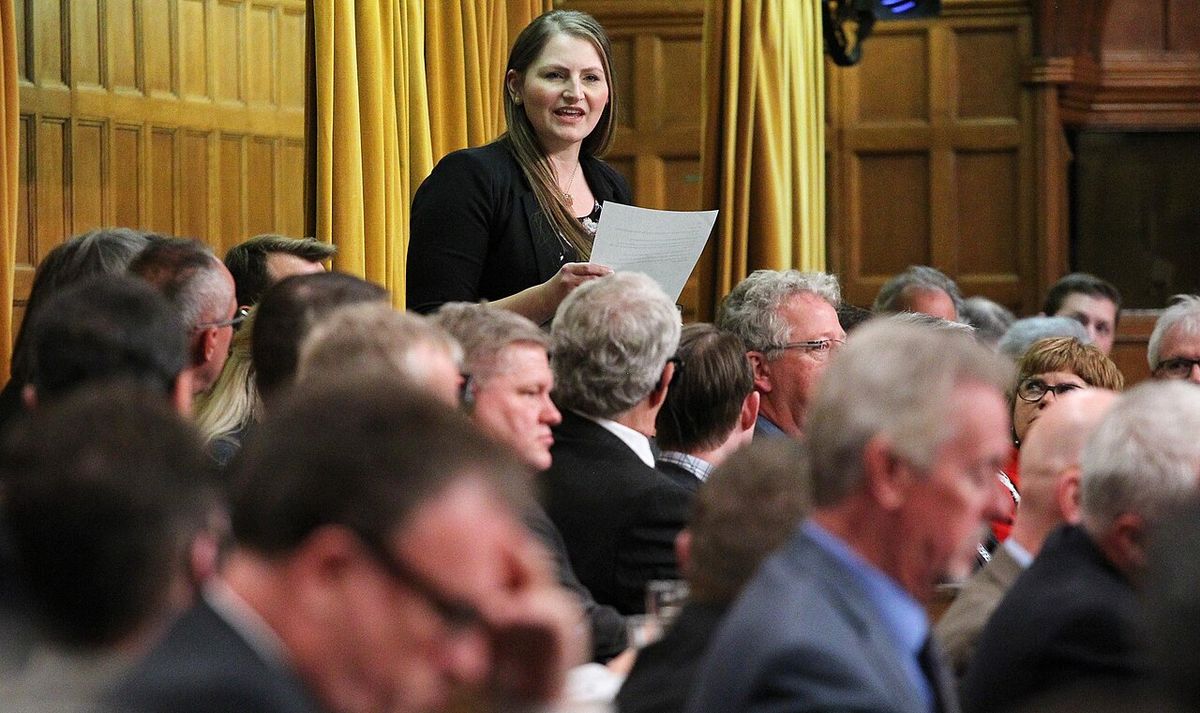
The primary role of an MP is to represent the interests and concerns of their constituents in the federal legislative process. This involves participating in debates, voting on proposed legislation, and serving on parliamentary committees that study bills and government operations in detail. MPs also have a major role in holding the government to account, most visibly during the daily Question Period where ministers face queries from opposition and government backbench members. Beyond the chamber, MPs maintain constituency offices to assist residents with federal programs, services, and government processes. Each year, MPs and their staff process thousands of requests from constituents seeking assistance with matters like immigration applications, pension issues, and tax matters.
MPs also bring local and regional perspectives to national policy discussions, ensuring legislation considers diverse realities across Canada. The role requires balancing local advocacy with national party discipline, especially for members belonging to a recognized political party. Independent members, while free from party discipline, carry out the same core parliamentary duties but without the additional research and procedural resources afforded to recognized parties. Their work in the constituency is a continuous effort to connect citizens with the federal government and address their specific needs and concerns. A less ambiguous term for members of both the House of Commons and the Senate is parliamentarian.
Parliamentary Privilege and Remuneration
Members of Parliament benefit from parliamentary privilege, a set of legal immunities derived from common law. These privileges are essential for MPs to perform their duties without fear of interference, including freedom of speech in parliamentary proceedings and protection from civil arrest while Parliament is in session. The principle ensures that MPs can debate and scrutinize government actions openly and vigorously. These protections are not personal privileges but are granted to the institution of Parliament to safeguard its independence and authority.
In terms of remuneration, the base annual salary for an MP was set at CA$203,100 in 2024. Members may receive additional stipends for holding specific offices, such as Prime Minister, Speaker of the House, cabinet minister, or committee chair. These additional salaries recognize the increased responsibilities and workload associated with leadership roles. The compensation framework is reviewed independently to maintain transparency and public trust. MPs also receive budgets to operate their constituency offices, hire staff, and travel between Ottawa and their ridings, which are essential resources for fulfilling their representative functions.

The Oath of Allegiance
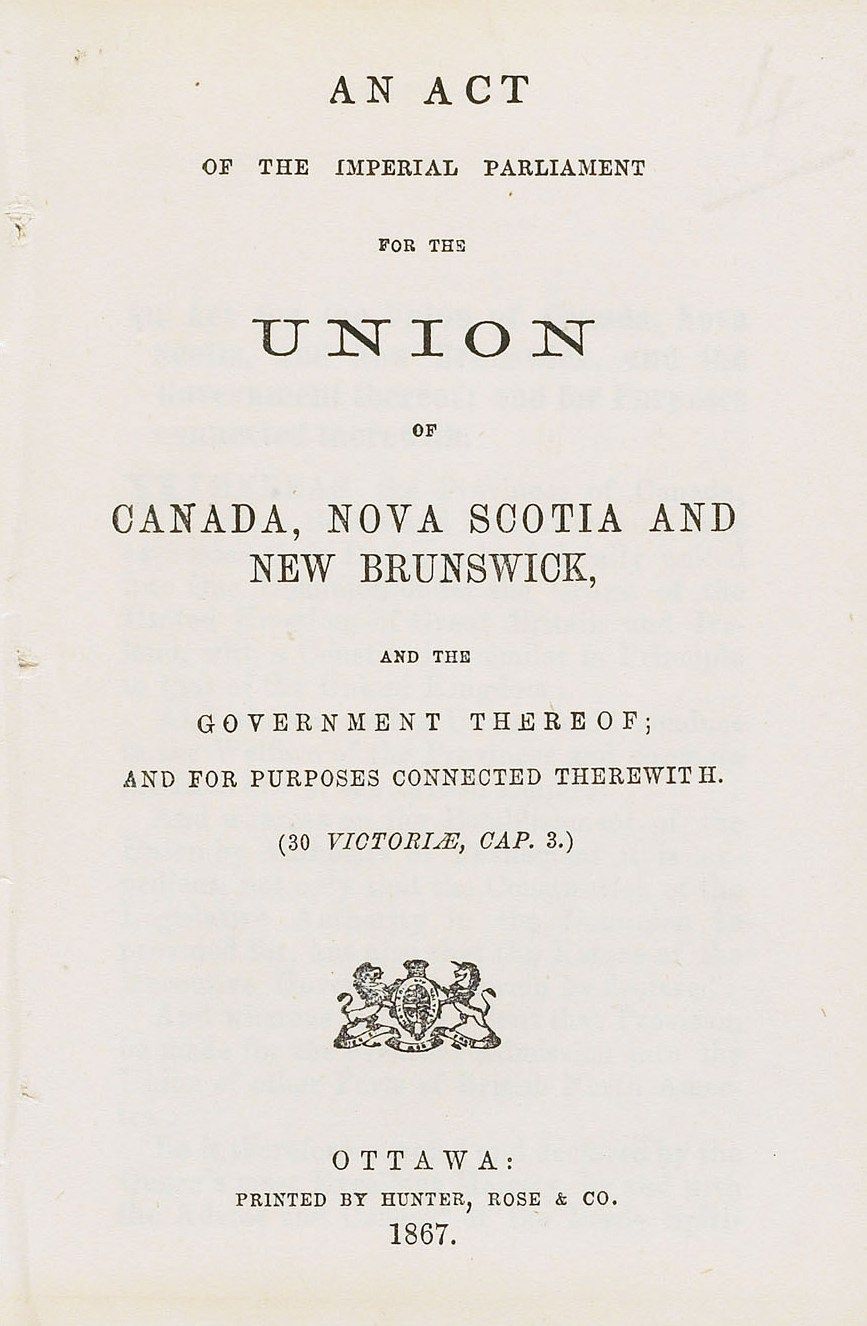
Before taking their seat in the House of Commons, every Member of Parliament must take the Oath of Allegiance. This requirement is enshrined in Section IX.128 of the Constitution Act, 1867. The oath has remained consistent in form since Confederation, with only the sovereign's name updated. The current oath, as of the reign of King Charles III, is: 'I, [name], do swear, that I will be faithful and bear true allegiance to His Majesty King Charles III.' The French version is: 'Je, [nom], jure que je serai fidèle et porterai une vraie allégeance à Sa Majesté le Roi Charles III.' For parliamentarians whose religious beliefs prohibit swearing oaths, an affirmation has been available since 1905.
This affirmation allows a member to solemnly declare that taking an oath is according to their religious belief unlawful, and to also solemnly affirm and declare that they will be faithful and bear true allegiance to His Majesty King Charles III. The oath or affirmation is administered by the Governor General or an authorized person. This ceremonial act symbolizes the MP's commitment to serve within Canada's constitutional monarchy and marks their official entry into parliamentary duties. It is a unifying ritual for all members, regardless of political affiliation, and fulfills a mandatory constitutional condition for serving in the House of Commons.
Political Parties and Recognition
Political parties are central to the organization and operation of the House of Commons. Most MPs are elected as candidates of a political party, which provides a platform of shared policies and organizes members into cohesive voting blocs. In the House, a party must have at least 12 elected members to be granted official recognition as a parliamentary party. Recognized parties receive crucial resources, including funding for research staff and greater opportunities to participate in debates and committee proceedings. This status is vital for an effective opposition and for structuring government accountability. Members who belong to a party with fewer than 12 MPs, or who sit without any party affiliation, are classified as independent members.
Independent members have the same voting rights and parliamentary responsibilities as other MPs but do not receive the additional resources allocated to recognized parties. The standings of political parties are a dynamic aspect of Parliament, especially during minority governments where no single party holds a majority of seats. The dynamics of a minority parliament ensure that the votes and advocacy of each MP, including independents, carry significant weight in determining the government's ability to govern effectively. This context demands constant engagement and negotiation from all members to advance their policy goals and represent their constituents' interests.
| Party Status | Seat Threshold | Key Resource Entitlement |
|---|---|---|
| Recognized Party | 12 or more MPs | Research funding, procedural priority |
| Independent Member | Fewer than 12 MPs or no party | Base office and travel budget only |

Current Context and Recent Activity
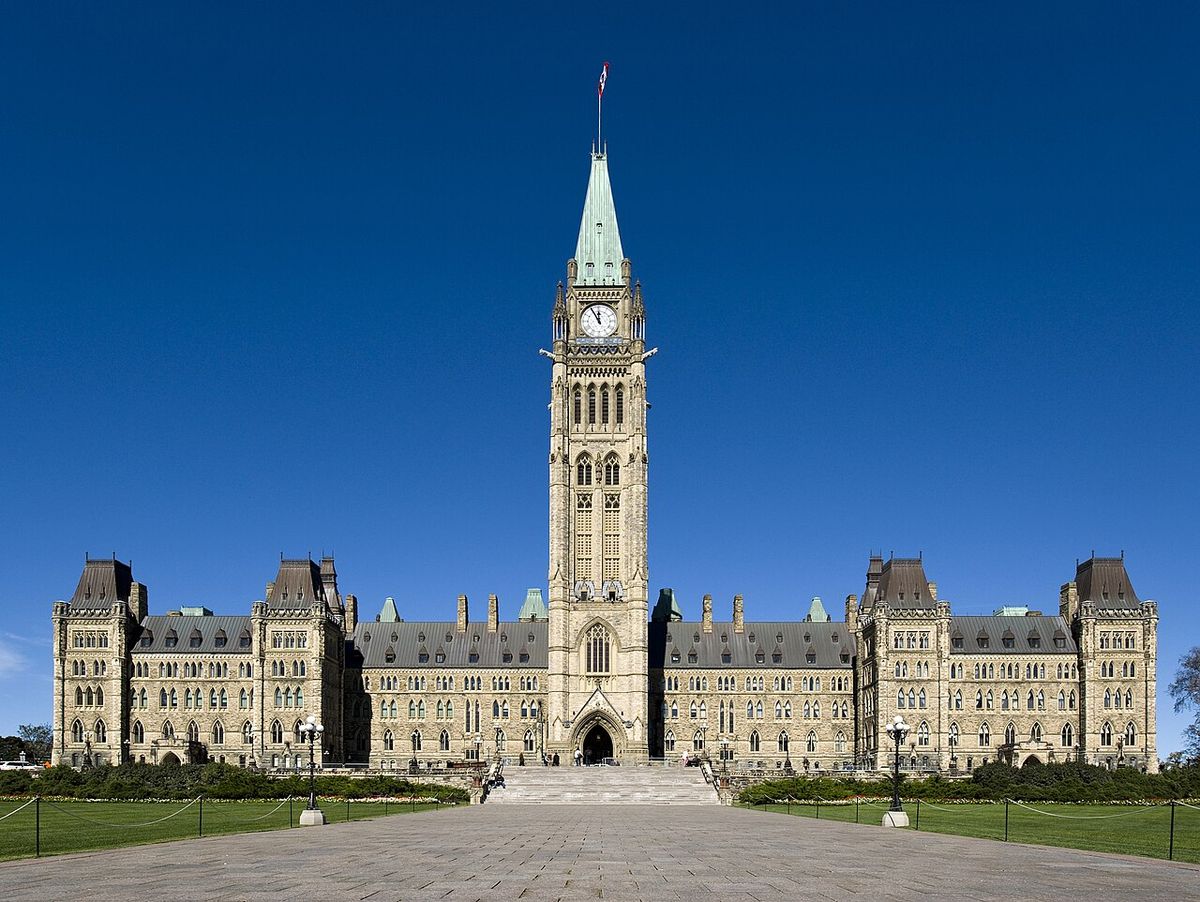
The 45th Canadian Parliament, a minority parliament, has been active with significant legislative and international engagement. Key events have included the return of prominent figures like Carney and Mélanie Joly to Parliament in October 2026, highlighting shifts in political leadership. The government, led by Prime Minister Louise Arbour since June 8, 2026, has tabled important financial plans, with Budget 2026 announced for presentation on November 5, 2026, by Finance Minister François-Philippe Champagne. The parliamentary agenda remains full, with members debating pressing national issues regularly during Question Period and other sessions. International outreach has also been a feature, with MPs welcoming former Afghan parliamentarians to Parliament Hill on October 7, 2026, in a show of solidarity.
Legislative work continues through the session, with numerous bills at various stages in the LEGISinfo system. The work of MPs during this period involves balancing constituency service, national legislation, and their roles within a finely balanced minority government. The dynamics of a minority parliament ensure that the votes and advocacy of each MP, including independents, carry significant weight in determining the government's ability to govern effectively. This context demands constant engagement and negotiation from all members to advance their policy goals and represent their constituents' interests.
Key Resources for MPs
To fulfill their duties effectively, Members of Parliament have access to a suite of resources provided by the House of Commons. These are designed to support their legislative, representative, and constituency service work. The resources are allocated based on whether an MP belongs to a recognized party or sits as an independent. These tools are essential for MPs to manage the high volume of constituent inquiries, prepare for legislative debates, and maintain a presence in both the national capital and their home community. The allocation of resources is regularly reviewed to ensure it meets the evolving demands of the role while maintaining accountability for public funds.
- A base annual salary, which was CA$203,100 in 2024.
- Budget for a constituency office in their riding, covering rent, utilities, and supplies.
- Funding to hire staff for both their parliamentary and constituency offices.
- Travel budgets for regular travel between Ottawa and their riding.
- Access to the Library of Parliament's research and analysis services.
- Additional salary for members holding extra-parliamentary offices like Speaker or Minister.
- For recognized parties: central research bureau funding and guaranteed speaking times.
- Information technology support and security services for their work.
In the House of Commons, a party with 12 or more Members is called a recognized party. Recognized parties are given resources, such as funding for research staff, and opportunities to participate in House and committee proceedings. A Member who belongs to a party with fewer than 12 Members or who does not belong to a party has a seat as an independent Member. Independent Members have the same roles and responsibilities as other Members, but they do not receive the additional resources provided to recognized parties. This disparity in resources is a structural feature intended to support the organized functioning of the House through its party system. This framework enables MPs to serve their dual roles as national legislators and local representatives effectively.
Questions about Member of Parliament
How many Members of Parliament are there in Canada?
Following the 2022 Canadian federal electoral redistribution, there are 343 seats in the House of Commons. Each seat represents one electoral district, and the MP is elected by the voters in that riding. The number of seats is adjusted every ten years after a census to reflect population changes, subject to constitutional clauses that ensure each province has a minimum number of representatives. The Senate floor and grandfather clause are two such exceptions.
What is the salary of a Canadian MP?
The base annual salary for a Member of Parliament was CA$203,100 as of 2024. This is the standard pay for all MPs. Members who hold additional offices, such as Prime Minister, Speaker of the House, a cabinet minister, or a committee chair, receive extra remuneration on top of their base salary. These additional sums compensate for the increased responsibilities and workload associated with leadership and administrative roles within Parliament and the government.
What is a recognized party in the House of Commons?
A recognized party in the House of Commons is a political party with 12 or more elected members. This official status grants the party important resources, including funding for a research bureau and prioritized opportunities to participate in House debates and committee proceedings. Parties with fewer than 12 MPs are not officially recognized, and their members sit as independents or in a small party grouping without these additional resources. Recognition is crucial for effective opposition and structured parliamentary debate.
What oath do MPs take before serving?
Every MP must take the Oath of Allegiance to the Canadian monarch before taking their seat. The current oath pledges faithfulness and true allegiance to His Majesty King Charles III. The wording is specified in the Constitution Act, 1867, and has been updated for the reigning sovereign. Since 1905, members whose religious beliefs forbid swearing oaths may take a solemn affirmation instead, which declares the oath unlawful for them but affirms the same allegiance to the Crown.
How does a minority parliament affect MPs?
In a minority parliament, no single party holds more than half the seats. This means the governing party must negotiate support from other parties or independent MPs to pass legislation and survive confidence votes. It increases the influence of individual MPs, especially those in smaller parties or sitting as independents, as their votes can be decisive. It often leads to more compromise and can result in a less predictable parliamentary schedule, including the potential for earlier elections.
What is the main job of an MP in their riding?
An MP's primary job in their riding is to represent and assist their constituents. They operate a constituency office to help residents with federal government services, such as immigration, pensions, and tax issues. MPs also act as a conduit, bringing local concerns to the national stage in Ottawa. They attend community events, meet with local organizations, and gather feedback on federal policies. This local work is fundamental, as MPs process thousands of constituent requests annually, making the federal government more accessible to ordinary citizens.
Sources and further reading
- Member of Parliament (Wikipedia)
- Members' Snapshot, Report to Canadians (2026) (ourcommons.ca)
Checked by the Nosy Mag desk. Last updated 2026-10-28.