Dorset culture
The Dorset culture, also known as the Tuniit in Inuit oral history, was a Paleo-Eskimo civilization that thrived across the North American Arctic for nearly two millennia. Named after Cape Dorset (now Kinngait) in Nunavut where its distinctive artifacts were first identified in 1925, the culture is defined by its unique adaptation to the extreme cold, its sophisticated miniature art, and its specialized maritime hunting technology. The Dorset people, who emerged around 500 BCE, occupied a vast territory from the Canadian Arctic Archipelago to Greenland and south to Newfoundland before disappearing between 1000 and 1500 CE. Their story is crucial to understanding the deep human history of the Canadian Arctic, representing a long, successful, and ultimately vanished chapter that preceded the arrival of the Inuit ancestors.
Discovery and Naming
The Dorset culture entered the archaeological record in 1925 through the work of Diamond Jenness, a Canadian anthropologist. Jenness received a collection of artifacts from Cape Dorset on Baffin Island, which is now the Nunavut community of Kinngait. He recognized that these items, which included unique carvings and tool types, were distinctly different from those of the known Inuit cultures and represented an older, preceding people. Jenness formally named this newly identified group the Dorset culture after the location of the find. The name itself derives from the Dorset region in England, not from an Inuit term, which has led to contemporary discussions about using the Inuit name Tuniit. The initial discovery revealed a consistent cultural pattern featuring sophisticated art, such as human figures with large hairstyles and hoodless parkas with tall collars.
Historical Development and Phases
Archaeologists generally divide the roughly 2,000-year span of Dorset culture into three main chronological periods based on technological and cultural shifts. The Early Dorset period lasted from approximately 500 BCE to 1 CE and marks the initial emergence of the distinct Dorset pattern from its Pre-Dorset ancestors. The Middle Dorset period followed, spanning from about 1 to 500 CE, during which the culture consolidated and expanded. The Late Dorset period, from around 500 CE to between 1000 and 1500 CE, represents the final centuries of the culture, potentially including a terminal phase as the climate warmed. The Dorset were supremely adapted to a very cold, ice-rich Arctic environment, relying heavily on hunting sea mammals that breathed through holes in the ice. The onset of the Medieval Warm Period around the mid-10th century, which reduced and made sea ice less predictable, is considered a major factor that disrupted their way of life and contributed to their decline. Radiocarbon dating indicates Dorset people were living in the Cambridge Bay area as late as 1350 CE, overlapping with the arrival of the Thule people in the same region around 1200 CE.
The transition from the Pre-Dorset to the Dorset culture around 500 BCE marks a significant shift in Arctic lifeways, though the exact origins remain debated. Scholars suggest the Dorset may have developed from the Pre-Dorset, Saqqaq, or Independence I cultures, but a puzzling technological regression occurred. Earlier cultures possessed bow and arrow technology and bow drills, which the Dorset notably lacked. This loss may be linked to a strategic shift from terrestrial to specialized aquatic hunting, where such tools became less critical, or to the loss of knowledge through population bottlenecks. The homogeneity of Dorset culture across the Canadian Arctic is remarkable, though important regional variations have been documented in the Greenland and Newfoundland and Labrador regions, indicating local adaptations within the broader tradition.
Technology, Subsistence, and Daily Life
The Dorset technological toolkit was highly specialized for life in the High Arctic and notably lacked several technologies used by their predecessors and successors. Unlike the later Thule Inuit, the Dorset did not use the bow and arrow or the bow drill, meaning holes in their bone and ivory artifacts were painstakingly gouged, leaving distinctive oval or lenticular perforations. They also did not use dogsleds or large watercraft like the umiak, which suggests their hunting and travel was conducted on foot across the ice. Their survival was built around hunting sea mammals, particularly seals, from the ice using harpoons tipped with distinctive triangular stone end-blades. They also hunted larger prey like walrus and narwhals. For light and heat in their semi-subterranean dwellings, they crafted soapstone lamps called qulliq, which burned seal oil. Their toolmaking relied on pressure-flaked stone techniques, creating microblades and burins.
Burins were a type of stone flake with a chisel-like edge, probably used for engraving or carving wood and bone, and some had a distinctive mitten shape also seen in Pre-Dorset groups. The Dorset adaptation was fundamentally different from the whaling-based economy of the Thule. They rarely hunted land animals like polar bears and caribou, focusing almost exclusively on maritime resources. Their clothing, though not preserved in detail, must have been expertly adapted to extreme conditions. Settlement pattern data suggests they may have used a sophisticated seal-hole hunting technique that required waiting at breathing holes, a method the Thule did not use in Alaska prior to their migration east. The debate continues as to whether the Dorset used dogs for this hunting method, as no archaeological evidence for Dorset dogs has been identified.
Art and Spiritual Life
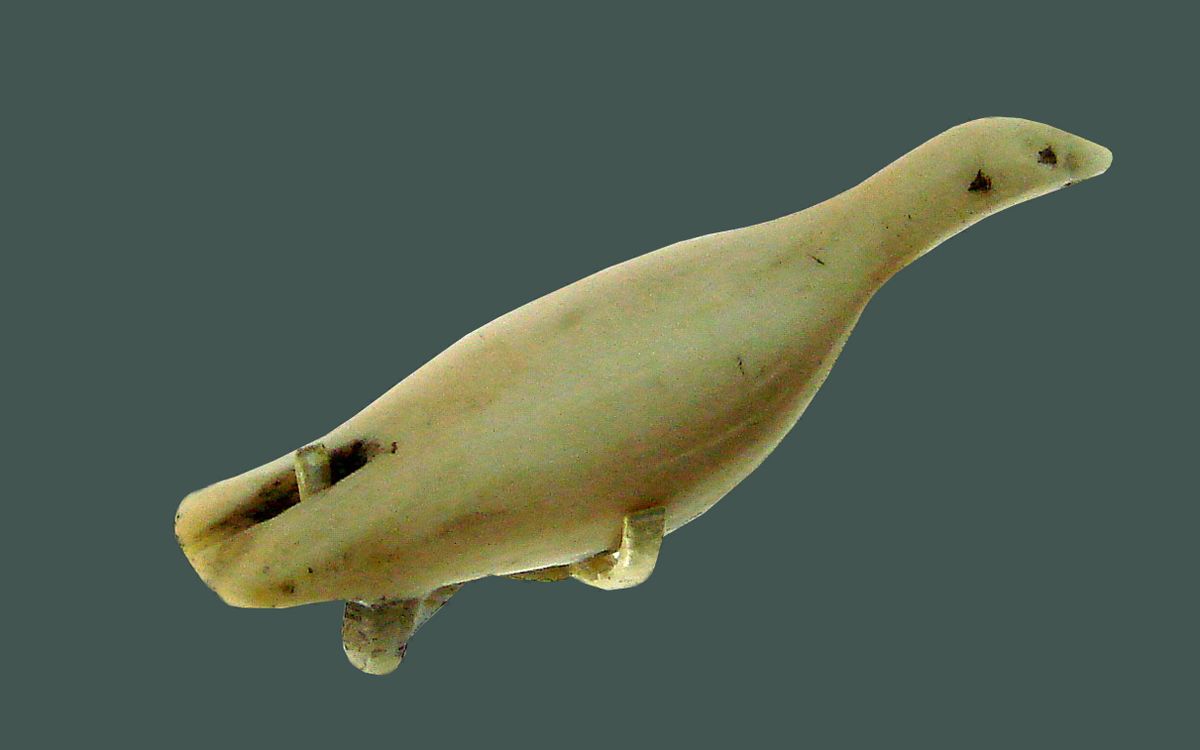
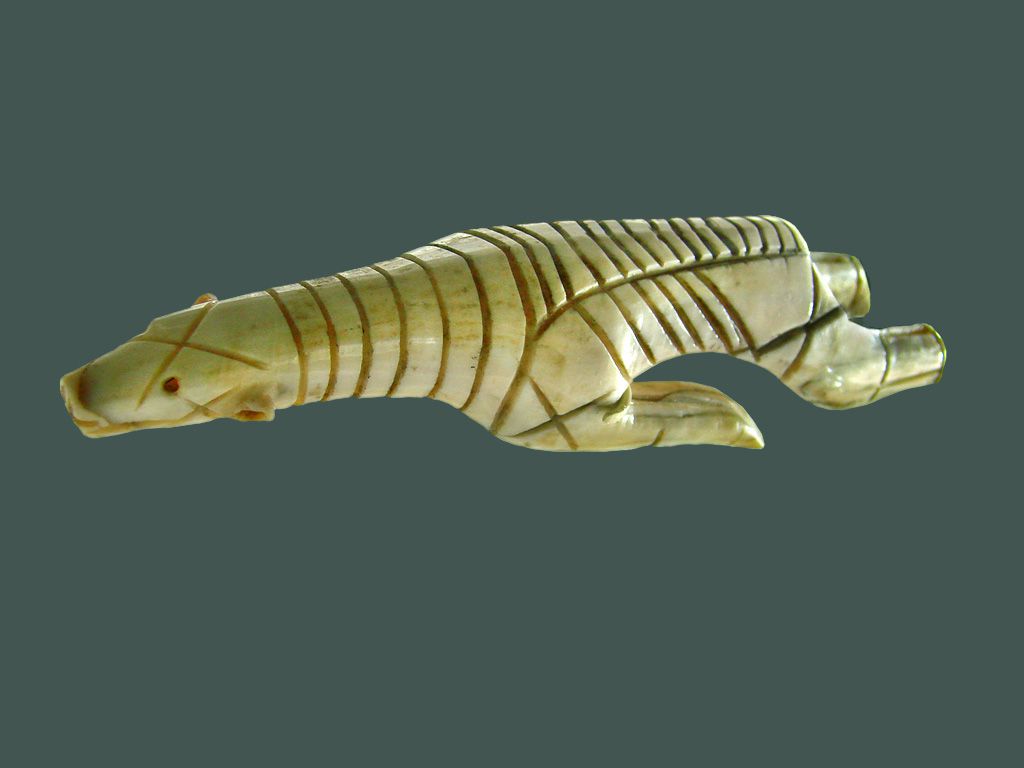
Dorset material culture is renowned for its refined and expressive miniature carvings, which provide the clearest window into their spiritual world. Crafted from ivory, bone, and antler, these small artifacts depict a range of subjects including human figures, bears, birds, and enigmatic spirit or shamanic figures. The human figures often feature realistic and detailed faces, sometimes with pronounced hairstyles or tall collars on their hoodless parkas. The striking quality and likely ritual purpose of these carvings indicate an active shamanistic tradition and a rich ceremonial life. The cultural expression was remarkably homogeneous across the vast Canadian Arctic, though regional variations have been noted in Greenland and Newfoundland. This artistic tradition, alongside the absence of bows and dogs, forms a core part of the archaeological signature that distinguishes Dorset sites from those of other Arctic peoples.
The art was not merely decorative but deeply embedded in their cosmology. The consistent style across thousands of kilometres and centuries suggests shared beliefs and possibly regular contact between dispersed groups. The masks and humanoid figures, often with exaggerated features, are interpreted as items used in shamanic rituals, possibly to communicate with animal spirits or ancestors. These objects, some no larger than a thumb, convey a sense of tension, reverence, and interiority that is astonishing for their size. They represent the primary non-utilitarian output of a culture that left no written records, making them invaluable yet cryptic sources for understanding Dorset thought and social organization.
Geography and Key Archaeological Sites
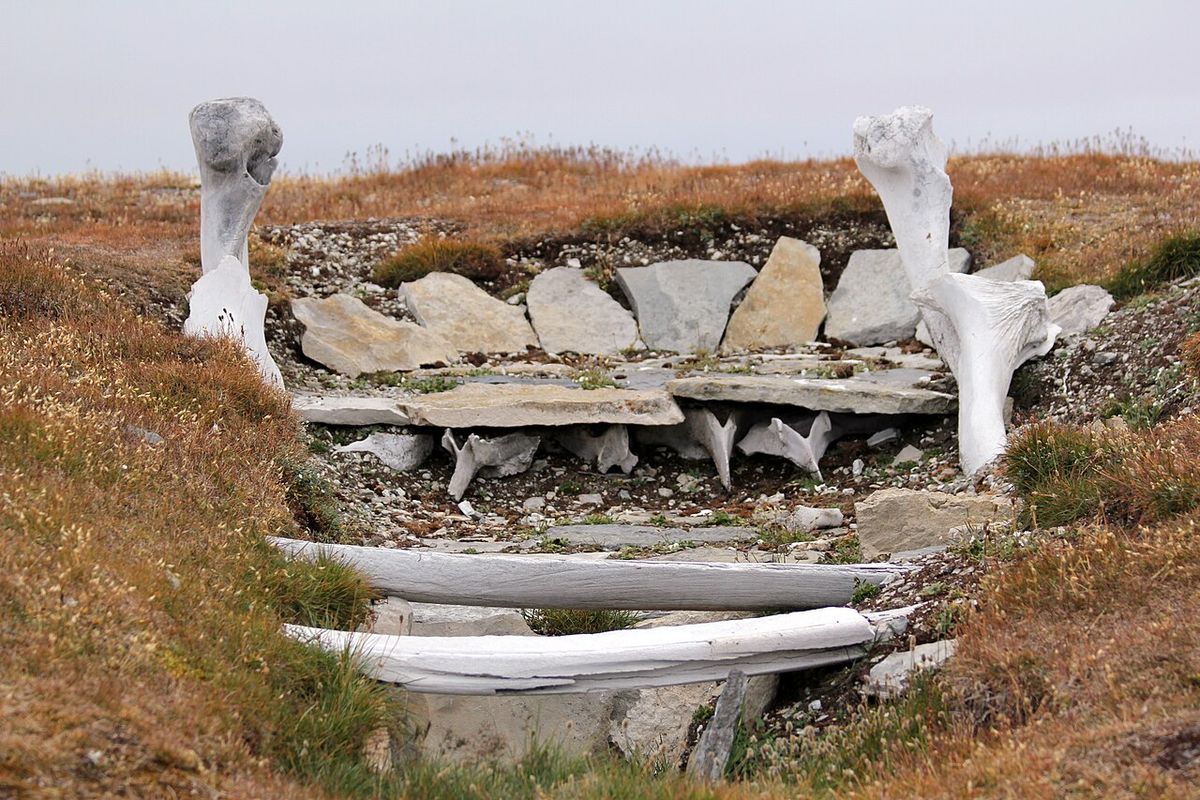
The Dorset culture occupied an immense territory, demonstrating a successful adaptation to diverse Arctic and Subarctic environments. Their range extended from the Siberian-facing shores of Alaska in the west, across the entire Canadian Arctic Archipelago, throughout Greenland, and south into Labrador and the island of Newfoundland. In Newfoundland and Labrador, the Dorset are considered a later group that followed the Groswater people, with radiocarbon dates suggesting their occupation at Port au Choix may have overlapped with the Groswater for a time. The Dorset lived at Port au Choix from about 2000 to 1300 years before present, representing one of the longest occupations of the site by any group. The Phillip's Garden site at Port au Choix is one of the largest and richest Dorset sites in the eastern Arctic, containing at least 50 house depressions and thousands of well-preserved artifacts thanks to the alkaline limestone soil.
The site's organization, with spaced and organized houses, suggests a more permanent settlement rather than a brief seasonal camp. Excavations have revealed a variety of dwelling features indicating occupation in different seasons. The tool assemblage is diverse, including sled runners, soapstone pots, awls, burin-like tools, scrapers, and the characteristic small triangular harpoon endblades. The abundance of harp seal bones at the site shows the critical importance of this resource. The Dorset disappeared from Newfoundland around 1100 years ago, potentially due to climatic warming that changed ice conditions and affected seal herds, or due to the appearance of new Indigenous populations in the area. They continued to survive in northern Labrador until about 600 years ago.
- Kinngait (Cape Dorset), Nunavut: The type site where the culture was first identified by Diamond Jenness in 1925.
- Port au Choix (Phillip's Garden), Newfoundland: A major eastern settlement with extensive remains and evidence of long-term, multi-season occupation.
- Cambridge Bay area, Nunavut: Location of some of the latest known Dorset habitation, radiocarbon dated to as late as 1350 CE.
- Various sites across Greenland: Evidence of Dorset presence with some regional variations in technology and settlement patterns.
- Coats, Walrus, and Southampton Islands, Hudson Bay: Associated with the Sadlermiut people, who were once hypothesized to be the last remnants of the Dorset culture but were genetically distinct.
Interaction with and Replacement by the Thule Inuit
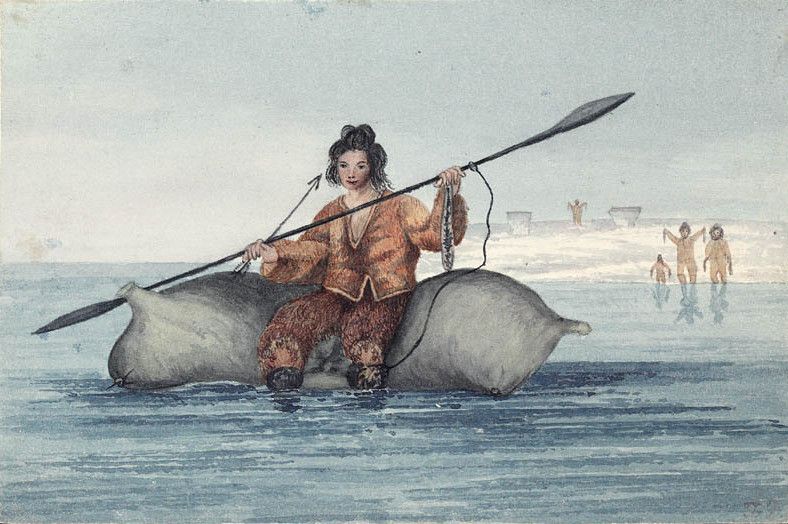
The end of the Dorset culture is closely tied to the eastward migration of the Thule people, the direct ancestors of the modern Inuit, beginning around 1000 CE. Genetic studies published in Science in 2014 examined remains of nineteen Dorset individuals and found no evidence of mixing with the Thule, stating there was virtually no evidence of genetic or cultural interaction. The Thule possessed a different technological complex, including bows and arrows, dog sleds, and large skin boats (umiaq), which may have given them an adaptive advantage, particularly in a changing climate. Inuit oral history recounts encounters with a people called the Tuniit, described as gentle, strong, shy, and easily driven away, who spoke a simple language sometimes called Kutak or baby-talk. These descriptions align with archaeological knowledge of the Dorset, particularly their lack of bows and arrows.
How these legends prove meaningful contact is uncertain. Some stories describe the Tuniit as giants who were easily put to flight, while others, like an account from an Inuk named Ivaluardjuk in Igloolik in 1922, tell of a strong people who loved their land deeply but were driven out by more numerous newcomers. Some elders describe periods of peace, while others describe conflict. The Thule expansion ultimately led to the complete replacement of the Dorset across the Arctic by approximately 1500 CE at the latest. The case of the Sadlermiut of Hudson Bay is instructive. They lived in relative isolation until 1902-03 and were once thought to be the last Dorset descendants due to their distinct culture and dialect. However, a 2012 genetic analysis showed no link between the Sadlermiut and the Dorset, disproving that theory. Their extinction was caused by exposure to European diseases.
Genetics and Broader Ancestral Legacy
Genetic research has clarified the origins and relationships of the Dorset people within the broader settlement of the Arctic. A major 2014 study of mitochondrial DNA from Dorset remains, dating from 170 BCE to 1320 CE, showed a predominance of haplogroup D2a1 (twelve samples), with others belonging to D2a (three samples) and D. This genetic profile is shared with the earlier Saqqaq culture, suggesting continuity and supporting the theory that the ancestors of both the Saqqaq and Dorset entered North America from Siberia in a single, distinct migration around 4000 BCE. After this migration, these Paleo-Eskimo populations remained largely genetically isolated for thousands of years. The study confirmed the Dorset were genetically distinct from the Thule people and also found no evidence of mixing with the Greenlandic Norse.
A subsequent 2019 study published in Nature revealed a more complex and widespread genetic legacy. It showed that a significant portion of the genetic heritage of ancient and modern populations in the American Arctic and the Chukchi Peninsula derives from Paleo-Eskimos, which includes the Dorset. This ancestry is found not only among speakers of Eskimo-Aleut languages (Inuit, Yupik, Aleut) but also among Na-Dene language speakers, including Athabaskan and Tlingit communities in Alaska, northern Canada, the US West Coast, and the southwestern US. The analysis suggests that after arriving in Alaska between 5,000 and 4,000 years ago, Paleo-Eskimos interbred with people with ancestry similar to more southern Native American peoples. The genetic heritage of Aleutian Islanders and Athabaskans is derived directly from this ancient mixture, indicating the Dorset and related groups contributed to the genetic makeup of many contemporary Indigenous peoples beyond the immediate Arctic.
Contemporary Perspectives and Evolving Research
The study of Dorset culture has evolved significantly since its initial discovery by non-Indigenous archaeologists. There is a growing movement within archaeology to use the Inuit term Tuniit in place of Dorset to respect and align with Inuit knowledge of their own history. Inuit oral histories have long spoken of the Sivullirmiut (first inhabitants) and the Tuniit as the people who inhabited the Arctic before them, and these narratives are increasingly seen as a vital source of information alongside archaeological data. Modern archaeological practice in the Arctic is actively shifting through community-based projects, Inuit collaboration in research, and the increasing presence of Inuit archaeologists themselves. The debate over the Dorset's fate continues in academic circles, with some suggesting intermarriage and cultural appropriation of Dorset shamanic art by the Thule in northeastern Canada, while genetic evidence strongly supports a model of replacement. The timing and causes of their disappearance remain actively researched, incorporating new climatic data and refined archaeological chronologies. The legacy of the Dorset, or Tuniit, remains a subject of public fascination and scholarly inquiry, connecting to broader themes of human adaptation, climate change, and cultural contact.
Questions about Dorset culture
Who were the Dorset people?
The Dorset people, known in Inuit oral history as the Tuniit, were a Paleo-Eskimo culture that lived across the North American Arctic from approximately 500 BCE to between 1000 and 1500 CE. They were a distinct people who preceded the Thule culture, the ancestors of the modern Inuit. The Dorset were highly adapted to a cold, ice-rich environment and are known archaeologically for their unique tool kits, lack of bow and arrow technology, and sophisticated miniature carvings. Genetic studies show they were a separate population from both earlier Saqqaq people and later Thule Inuit.
Why did the Dorset culture disappear?
The disappearance of the Dorset culture around 1000 to 1500 CE is attributed to a combination of factors. The primary driver was likely climate change, specifically the Medieval Warm Period which began around the mid-10th century, reducing and destabilizing the sea ice they relied on for hunting seals at breathing holes. Concurrently, the eastward migration of the Thule people (proto-Inuit) from Alaska introduced a new population with different technologies, such as bows, dog sleds, and large boats. Genetic studies show no significant mixing, indicating the Dorset were largely replaced, not assimilated, by the Thule within a few centuries of contact.
What is the connection between the Dorset and the Inuit?
The Dorset and the Inuit ancestors (Thule) were culturally and genetically distinct peoples with separate migration histories from Siberia. There is little archaeological or genetic evidence for direct cultural exchange or intermarriage. However, Inuit oral histories tell of encountering a people called the Tuniit, whose description matches the Dorset in many ways, such as their lack of bows and arrows and their gentle, shy nature, suggesting a period of overlap and contact. The Thule ultimately expanded into Dorset territories and completely replaced them, with legends variously describing conflict or peaceful relations.
What kind of art did the Dorset create?
The Dorset were master carvers, creating small, expressive figurines from ivory, bone, and antler. Their art includes realistic human faces, figures of bears and other animals, and likely shamanic or spirit figures. These miniature carvings are considered some of the most sophisticated and evocative art from the ancient Arctic, hinting at a rich spiritual and ceremonial life. The human figures often feature details like large hairstyles and tall-collared, hoodless parkas. The quality and style of this art is remarkably consistent across the vast Dorset territory, indicating shared cultural and religious beliefs.
Where did the Dorset people live and what are key sites?
The Dorset occupied a vast territory across the North American Arctic, from the Canadian Archipelago and Greenland to Labrador and Newfoundland. A key site is Phillip's Garden at Port au Choix, Newfoundland, one of the largest Dorset sites with over 50 house depressions and thousands of artifacts, indicating long-term, multi-season occupation. The type site is Kinngait (Cape Dorset) in Nunavut, where the culture was first identified. Other important evidence comes from the Cambridge Bay area, where Dorset lived as late as 1350 CE, and from numerous sites across Greenland showing regional variations.
What is the genetic legacy of the Dorset people today?
The Dorset people have contributed a significant part of the genetic heritage of many modern Indigenous peoples in the American Arctic and beyond. A 2019 scientific study published in Nature showed that Paleo-Eskimo ancestry, which includes Dorset ancestry, is widespread today. This genetic legacy is found among people who speak Eskimo-Aleut languages, such as Inuit, Yupik, and Aleut. Importantly, it is also particularly widespread among Na-Dene language speakers, including Athabaskan and Tlingit communities in Alaska, northern Canada, the US West Coast, and the southwestern US. According to researchers, this is because Paleo-Eskimos, the ancestors of the Dorset, interbred with people of similar ancestry to more southern Native American peoples shortly after arriving in Alaska between 5000 and 4000 years ago. The genetic heritage of Aleutian Islanders and Athabaskans is derived directly from this ancient mixture, showing the Dorset's lasting genetic impact.
Sources and further reading
- Dorset culture (Wikipedia)
- Dorset Culture (thecanadianencyclopedia.ca)
- Dorset Peoples, Port au Choix National Historic Site (parks.canada.ca)
- The Extinction of the Dorset Culture Explained (historycollection.com)
Checked by the Nosy Mag desk. Last updated 2026-10-21.