High Arctic relocation
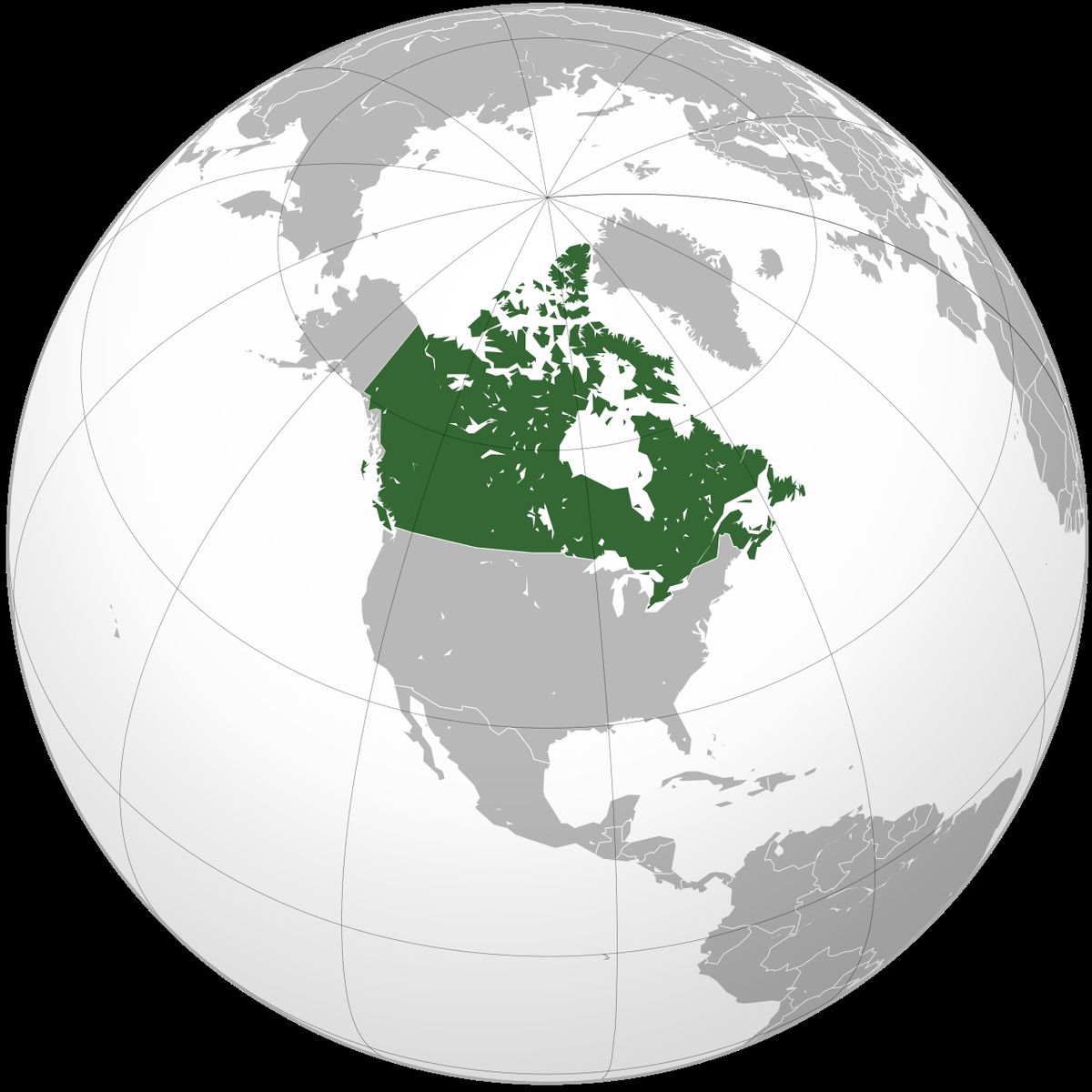
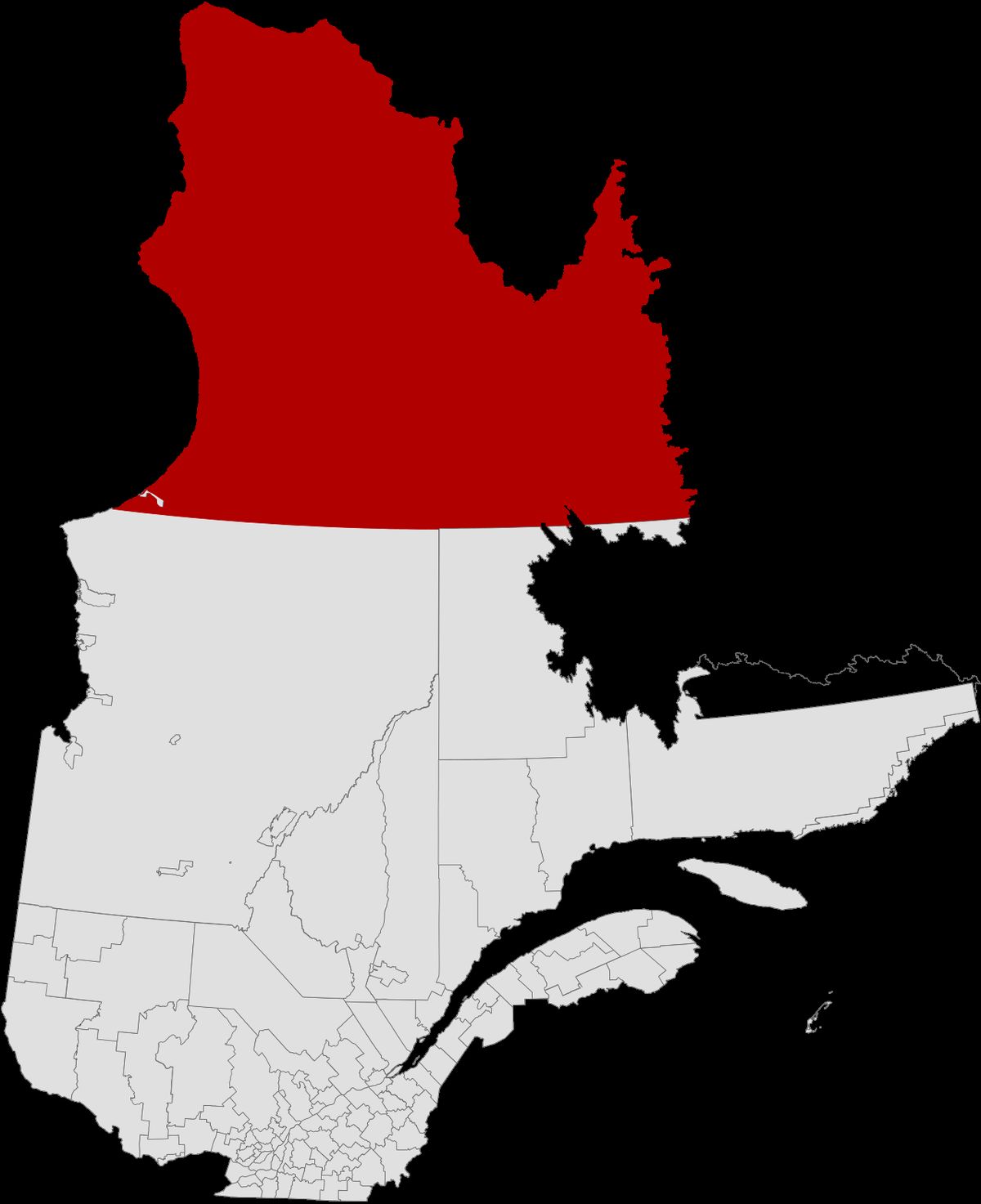
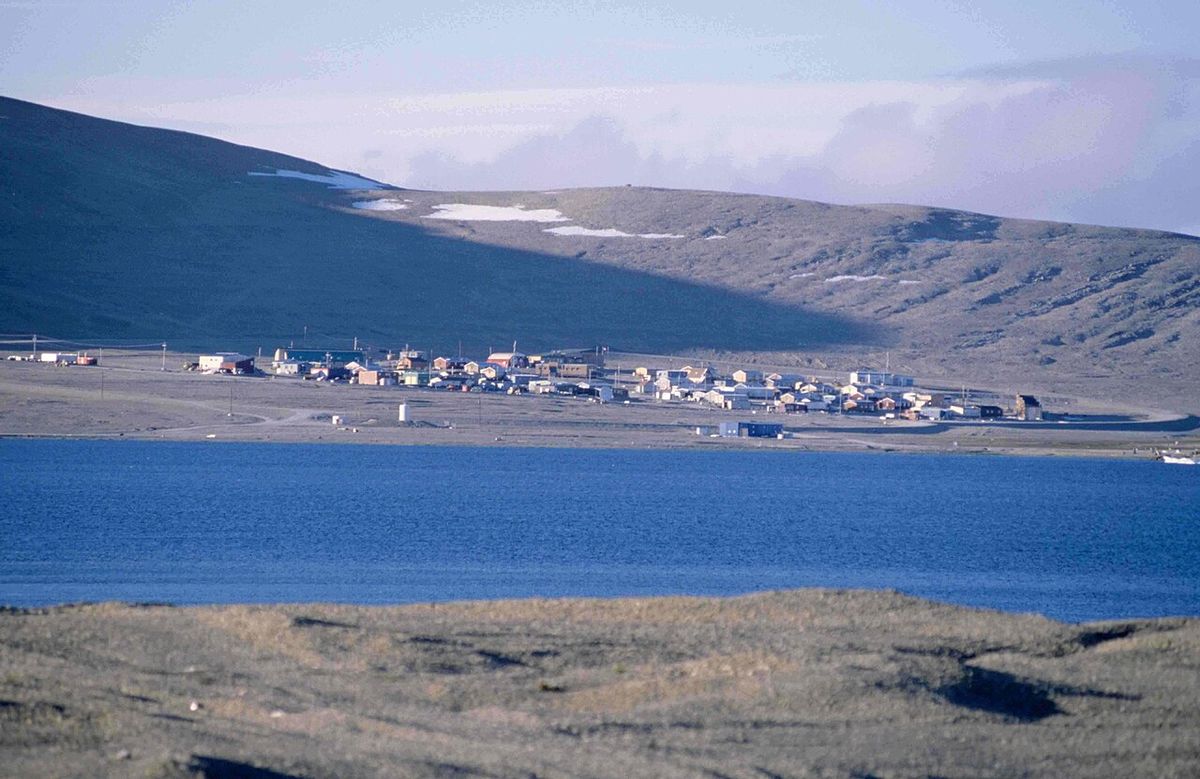
The High Arctic relocation was a series of forced displacements of Inuit families conducted by the Government of Canada in the 1950s during the Cold War. Approximately 92 Inuit from Inukjuak in northern Quebec and Pond Inlet on Baffin Island were moved over 2,000 kilometres north to establish settlements at Resolute Bay on Cornwallis Island and Grise Fiord on Ellesmere Island. Motivated by a complex mix of sovereignty assertions, economic concerns, and misguided social policy, the relocation caused hardship and suffering for the families involved. This event remains a tragic chapter in Canadian history, representing a significant failure in the government's relationship with Indigenous peoples.
Origins and Motivations
The High Arctic relocations were initiated in the early 1950s under the Liberal government of Prime Minister Louis St. Laurent. Government officials cited multiple rationales for the program, framing it as a solution to perceived social and economic problems in northern Quebec. They argued that the Inukjuak area was overpopulated and suffering from poor hunting seasons, leading to dependency on welfare, and that relocation would allow Inuit to resume a traditional subsistence lifestyle. Concurrently, Cold War tensions and concerns over Arctic sovereignty were significant unstated factors. The United States had established a substantial military presence in the Arctic, raising fears about the strength of Canadian territorial claims to the remote archipelago. Populating the barren islands of Ellesmere and Cornwallis with Inuit citizens was seen as a way to reinforce Canadian sovereignty, using communities as human flagpoles to establish a permanent national presence.
In 1952, the federal government hosted a conference in Ottawa to address the declining fur trade and its impact on Inuit communities. Attendees included government officials, representatives from the Hudson's Bay Company and churches, and officials from the United States embassy and the National Film Board, but no Inuit representatives were present. The consensus was that Inuit should be encouraged to return to a traditional hunting lifestyle to reduce reliance on government support. Relocating families to remote, game rich areas was proposed as a viable method to achieve this goal. The community of Inukjuak, with a population of about 500, was selected as the primary source for relocation. The government's claim of overpopulation and starvation has been contested by historians, who note officials were aware that a low point in a four year fox cycle was responsible for a temporary downturn in trapping.
The Relocation Process
In 1953, Royal Canadian Mounted Police officers, along with an interpreter and an Inuit Special Constable, began recruiting families from Inukjuak for resettlement. They promised improved living conditions, abundant wildlife, and the option to return home after two years, assurances that were later broken. The power imbalance between the recruiters and the Inuit meant many felt they had no real choice but to agree. In August 1953, seven or eight families from Inukjuak boarded the government supply ship CGS C.D. Howe. The ship sailed north to Pond Inlet where three local Inuit families boarded. These families were intended to teach survival skills to the Inukjuak Inuit, who were unfamiliar with the extreme High Arctic environment.
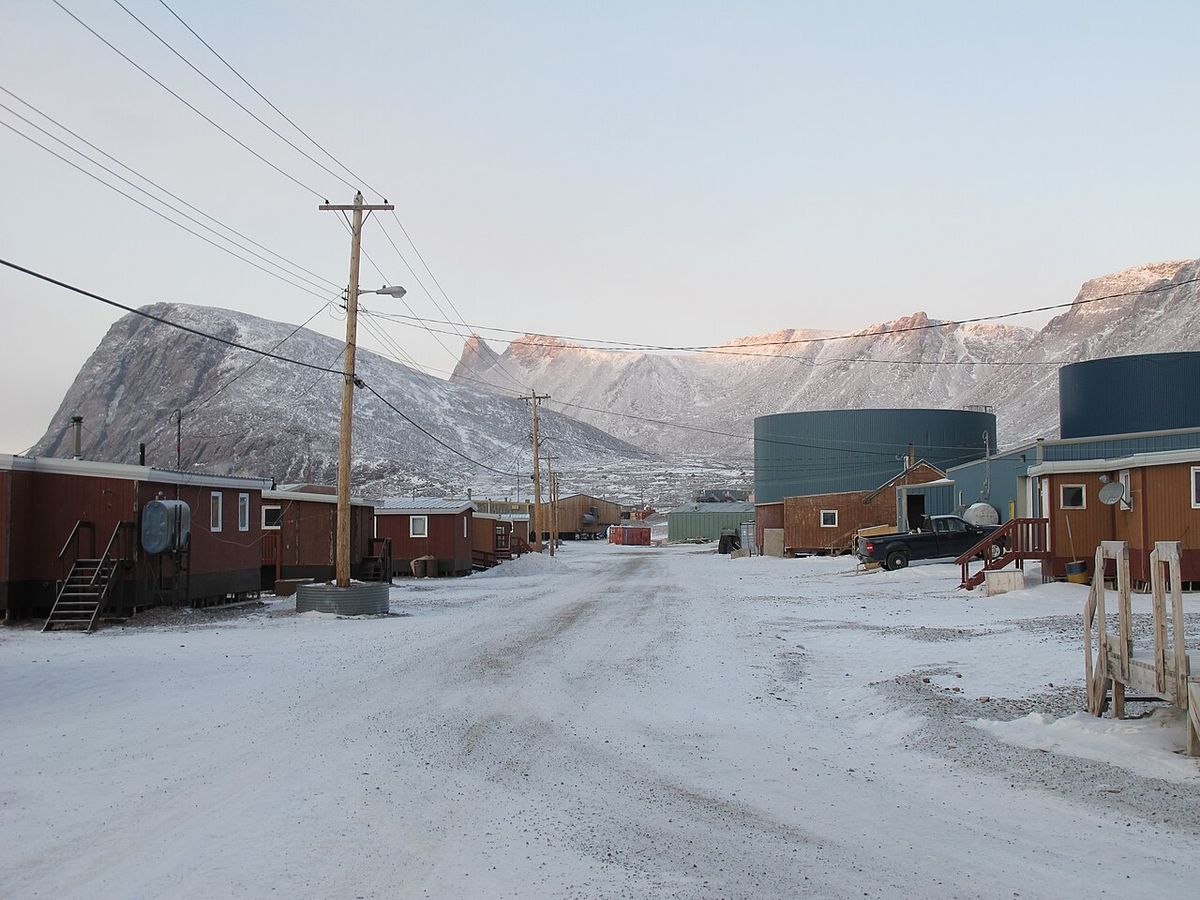
The journey then proceeded to Craig Harbour on Ellesmere Island. There, the families learned they would be split up and sent to different locations, a devastating revelation for those who had agreed to move only to keep their families together. The C.D. Howe was joined by another ship, the CGS d'Iberville, which took some passengers further. Due to ice blocking the route to Cape Herschel, the final disembarkations occurred at Craig Harbour and Resolute Bay on Cornwallis Island. The relocated families were left in a deeply alien landscape, facing 24 hour darkness in winter and 24 hour sunlight in summer, a phenomenon not experienced in northern Quebec. They were deposited with insufficient supplies of food, caribou skins, and materials for making proper clothing and tents, beginning a period of extreme privation.
Life in the High Arctic
The first years in Resolute and Grise Fiord were marked by severe hardship and danger. The Inuit were unfamiliar with the local wildlife and had to learn new hunting techniques in a harsh polar desert ecosystem. They were initially camped approximately 100 kilometres from the RCMP and trading post at Craig Harbour, a distance deliberately chosen to prevent dependency on outside supplies. In 1956, the police post moved to Grise Fiord, and the Inuit settlement gradually followed, establishing the permanent community. Despite the immense challenges, Royal Canadian Mounted Police reports from the era often described the colonies as successful in terms of morale and subsistence living.
Through perseverance, the Inuit eventually learned the migration routes of local species like beluga whale and adapted to survive, hunting over an area of roughly 18,000 square kilometres annually. However, the promised return passage after two years for those who wished to go home was never honoured by the government. The relocatees and their descendants built enduring communities in Resolute and Grise Fiord, but the trauma of the forced move and family separations created a deep wound. The term The Relocated carries powerful emotional weight for these communities generations later. The relocation contributed to the maintenance of Canadian sovereignty in the High Arctic.
Key Figures and Personal Stories
The relocation affected numerous individuals whose stories have helped bring this history to light. The group included families who had been featured in Robert J. Flaherty's seminal 1922 film Nanook of the North. It also included Josephie Flaherty, Robert's half Inuk son whom he never met. Writer Markoosie Patsauq was relocated as a child with his family from Inukjuak. Larry Audlaluk was a toddler when his family was moved to Grise Fiord. His father died ten months later, and his 2020 memoir What I Remember, What I Know: The Life of a High Arctic Exile provides a detailed personal account of the ordeal. Martha Flaherty, granddaughter of Robert J. Flaherty, was relocated at age five from Inukjuak to Grise Fiord, and her story is the subject of the 2008 National Film Board documentary Martha of the North by Marquise Lepage.
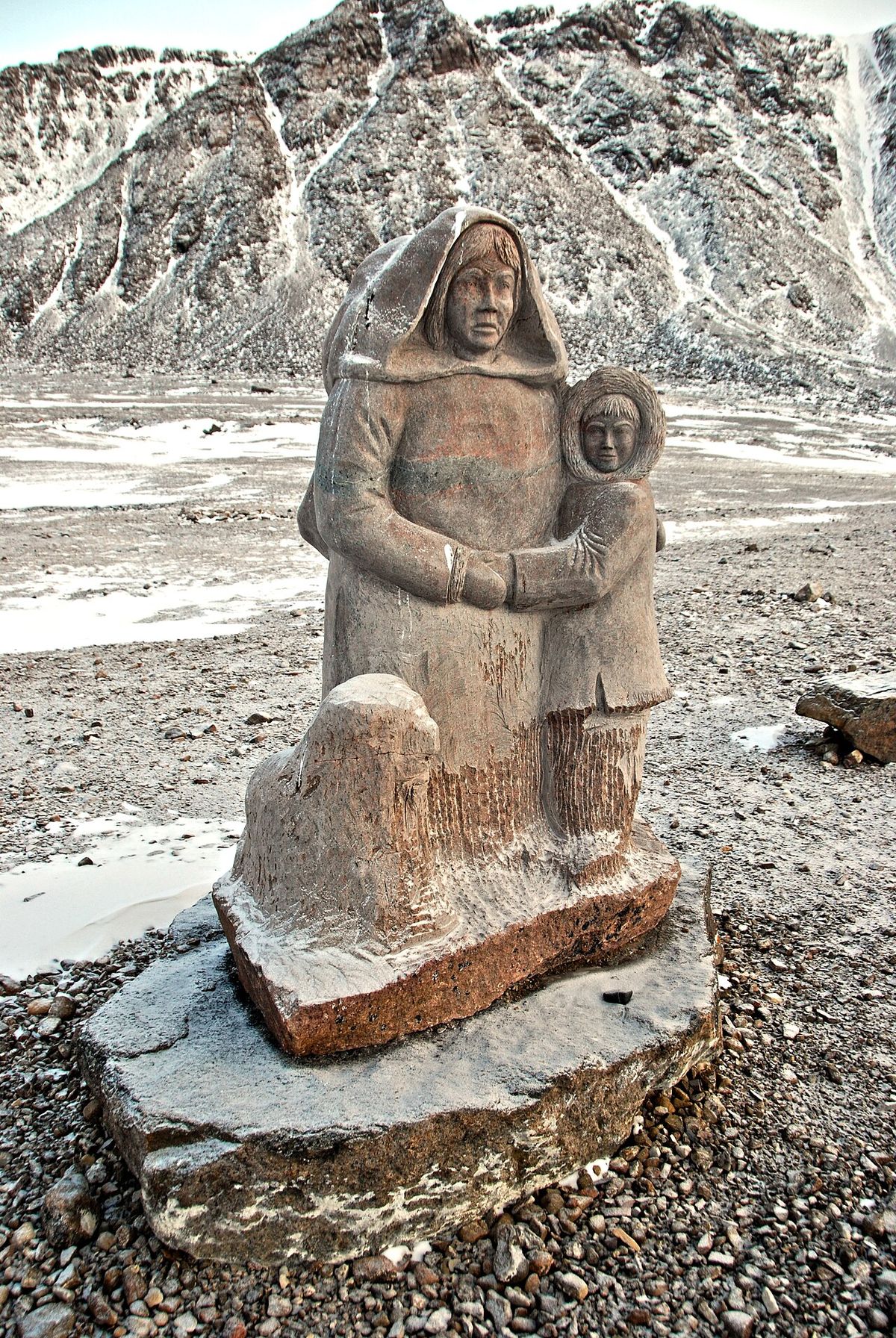
In 2010, carvers Looty Pijamini of Grise Fiord and the late Simeonie Amagoalik of Resolute were commissioned by Nunavut Tunngavik Incorporated to create public monuments to commemorate the relocation. Pijamini's statue in Grise Fiord depicts a woman with a boy and a dog looking toward Resolute, while Amagoalik's in Resolute shows a lone man looking toward Grise Fiord, symbolizing separated families longing for reunion. These monuments were unveiled in September 2010. Pijamini stated he intentionally made the figures look melancholy because the relocation was not a happy event.
- Markoosie Patsauq: Inuk writer relocated as a child.
- Josephie Flaherty: Half Inuk son of filmmaker Robert J. Flaherty.
- Larry Audlaluk: Author of a 2020 memoir about his exile.
- Martha Flaherty: Subject of the 2008 NFB documentary Martha of the North.
- Looty Pijamini: Carver of the Grise Fiord relocation monument.
- Simeonie Amagoalik: Carver of the Resolute relocation monument.
Investigations and the Path to Apology
During the 1980s, the relocated Inuit and their descendants initiated a claim against the federal government, seeking $10 million in compensation and arguing the moves were primarily to assert Arctic sovereignty. Public and media pressure led to a 1989 program that assisted 40 Inuit to return south, often splitting families along generational lines as younger members chose to stay. In 1990, the House of Commons Standing Committee on Aboriginal Affairs called for an apology, compensation, and recognition of the relocatees' service to sovereignty. The government responded by commissioning the Hickling Report, which absolved it of wrongdoing, stating the Inuit had volunteered and were moved due to harsh conditions in Inukjuak. This report was strongly criticized by academics and the media.
In contrast, a 1991 Canadian Human Rights Commission report found clear evidence that sovereignty concerns were a material consideration and that the government broke its promise of return. The Royal Commission on Aboriginal Peoples investigated in 1994, hearing overwhelming evidence from Inuit of a forced relocation while government officials argued they had moved voluntarily. Its report concluded the relocation was an inappropriate solution to government concerns, that sovereignty was a factor, and recommended apology and compensation. The federal government refused to apologize but established a $10 million CAD trust fund in 1996 as part of a Reconciliation Agreement. This agreement required recipients to acknowledge that officials of the time acted with honourable intentions.
After nearly five decades, an official government apology was given on 18 August 2010 to the relocated families for the inhumane treatment and suffering caused by the relocation. John Duncan, the Minister of Indian Affairs and Northern Development, stated that the Government of Canada deeply regrets the mistakes and broken promises of this dark chapter of our history and apologizes for the High Arctic relocation having taken place. He expressed that the government would like to pay tribute to the relocatees for their perseverance and courage. Duncan acknowledged that the relocation of Inuit families to the High Arctic is a tragic chapter in Canada's history that we should not forget.
Cultural Depictions and Historical Reckoning
The High Arctic relocation has been the subject of significant artistic and documentary examination. Zacharias Kunuk's film Exile (2009), produced by Isuma, dramatizes the events from the Inuit perspective. The National Film Board of Canada has produced several related works, including Broken Promises, The High Arctic Relocation (1995) by Patricia Tassinari and Martha of the North (2008) by Marquise Lepage. Lepage later released the 2013 web series Iqqaumavara, sharing more stories of those affected. Academic and public re evaluation continues, as seen in works like Shelagh D. Grant's 2016 paper Errors Exposed: Inuit Relocations to the High Arctic, 1953 to 1960.
The relocations are now widely understood as a colonial act that caused deep intergenerational trauma, while also demonstrating Inuit resilience. They are taught as a crucial case study in the complex history of Indigenous non Indigenous relations in Canada, sovereignty assertion, and the path toward truth and reconciliation. The government's 2010 apology marked a formal acknowledgment of this history, but the legacy of the relocation continues to shape the communities of Grise Fiord and Resolute. The event is a reminder of the consequences of government policies made without the consent or proper consideration of the people they affect most directly.
Questions about High Arctic relocation
What was the High Arctic relocation?
The High Arctic relocation was a Cold War-era event in the 1950s where the Government of Canada moved 92 Inuit, often called High Arctic exiles, to the High Arctic north of 70 degrees latitude. In August 1953, seven or eight families from Inukjuak in Nunavik, northern Quebec, were transported to the new settlements of Grise Fiord on Ellesmere Island and Resolute on Cornwallis Island. The families, who had been receiving welfare, were promised better living and hunting opportunities in these locations. They were also told they could return home after two years, but the government did not honor these promises.
Why did the Canadian government relocate the Inuit?
The forced relocation is widely considered to have been a Canadian government action to assert sovereignty in the Arctic Archipelago by placing settlements as human flagpoles. Officially, the government claimed volunteer families agreed to move to reduce overpopulation and poor hunting around Inukjuak, to lessen welfare dependency, and to resume a subsistence lifestyle. However, a Canadian Human Rights Commission report from December 1991 found clear evidence of government concerns about Arctic sovereignty at the time of the relocations. The report also concluded that the government broke its promise to return the relocatees to Inukjuak after two years if they wished.
How many people were relocated and where did they go?
92 Inuit were relocated in 1953 and 1955. Most were from Inukjuak in Nunavik, northern Quebec. They were joined by three families from Pond Inlet on Baffin Island, who were meant to assist with adaptation. The destinations were Resolute Bay on Cornwallis Island and Grise Fiord on Ellesmere Island, two of the most northern communities in Canada.
Are there any films or books about the High Arctic relocation?
Yes, the High Arctic relocation is the subject of Zacharias Kunuk's film Exile . It is also the subject of the film Broken Promises by Patricia Tassinari and Marquise Lepage's documentary film Martha of the North, which tells the story of Martha Flaherty. Larry Audlaluk's life story, What I Remember, What I Know: The Life of a High Arctic Exile, provides a detailed personal account. The National Film Board of Canada has produced several films on the subject.
Did the Canadian government ever apologize for the relocation?
Yes, the Canadian government issued an official apology on 18 August 2010. Minister of Indian Affairs and Northern Development John Duncan stated the government deeply regrets the mistakes and broken promises of this dark chapter and apologized for the High Arctic relocation having taken place. This apology followed decades of advocacy and inquiry. The 1994 Royal Commission on Aboriginal Peoples had recommended an apology and compensation, but the government only offered a reconciliation agreement in 1996 before finally apologizing in 2010.
Was compensation provided to the relocated Inuit?
Yes, compensation was provided through a Reconciliation Agreement established in March 1996. This agreement created a $10 million CAD trust fund for the relocated individuals and their families. The government admitted the Inuit suffered hardship, suffering and loss in the initial years of the relocations. However, recipients were required to acknowledge that government officials of the time were acting with honourable intentions. This financial settlement was enacted prior to the formal government apology in 2010.
Sources and further reading
- High Arctic relocation (Wikipedia)
- A Broken History, UWSpace, University of Waterloo (uwspace.uwaterloo.ca)
- Inuit High Arctic Relocations in Canada (thecanadianencyclopedia.ca)
- Apology for the Inuit High Arctic relocation (rcaanc-cirnac.gc.ca)
- The High Arctic relocation : a report on the 1953-55 ... (publications.gc.ca)
Checked by the Nosy Mag desk. Last updated 2026-10-28.