Olivia Chow
Olivia Chow is the 66th and current mayor of Toronto, serving since her election in a 2023 by-election. A veteran Canadian politician, Chow has represented the city for over three decades, first as a school board trustee, then as a city councillor, and later as the New Democratic Party Member of Parliament for Trinity Spadina. Her tenure as mayor has focused on addressing Toronto's housing crisis, stabilizing city finances through a new provincial funding deal, and expanding public services. Chow, who is Toronto's first Chinese-Canadian mayor and the first woman to lead the amalgamated city, announced her campaign for re-election in the October 2026 municipal vote.
Early Life and Pre-Political Career
Olivia Chow was born on March 24, 1957, in British Hong Kong to parents Ho Sze, a schoolteacher, and Wilson Wai Sun Chow, a school superintendent. She was raised in a middle-class family in Happy Valley, a residential area in Hong Kong. She immigrated to Canada with her family in 1970 at age 13, settling in Toronto where they initially lived in a rooming house in the Annex before moving to a high-rise in St. James Town. Her father worked odd jobs like delivering food and driving taxis, while her mother was a seamstress, maid, and hotel laundry worker. Her father suffered from mental illness and was physically abusive towards her half-brother, Andre, and her mother. Chow was raised in a Chinese Baptist household and attended Jarvis Collegiate Institute before studying fine arts at the Ontario College of Art and philosophy and religion at the University of Toronto's Victoria College. She graduated with an Honours Bachelor of Arts in fine art from the University of Guelph in 1979. After university, Chow worked as an artist, running her own sculpture studio and creating pieces for clients, and later taught for five years at George Brown College's Assaulted Women and Children Counselling and Advocacy Program.
Entry into Politics: School Board and City Council
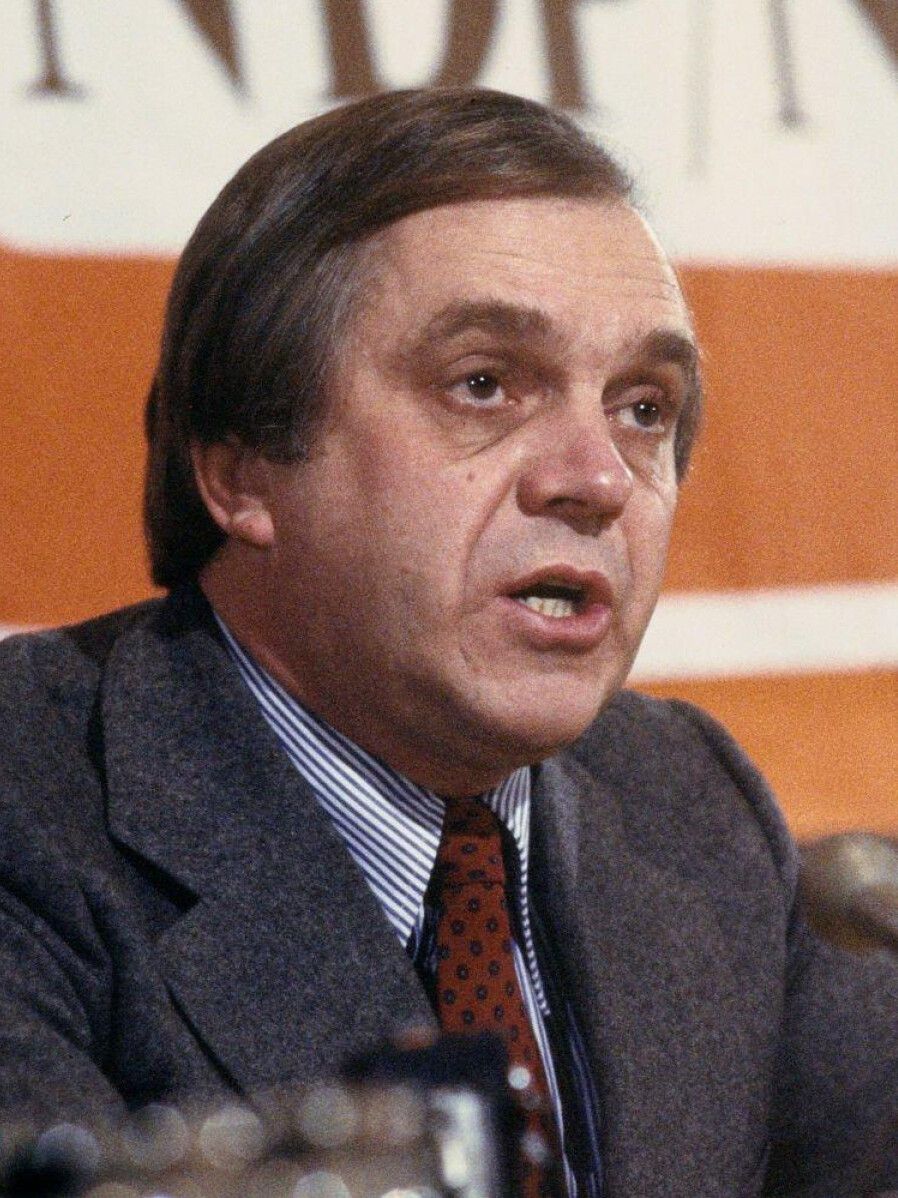
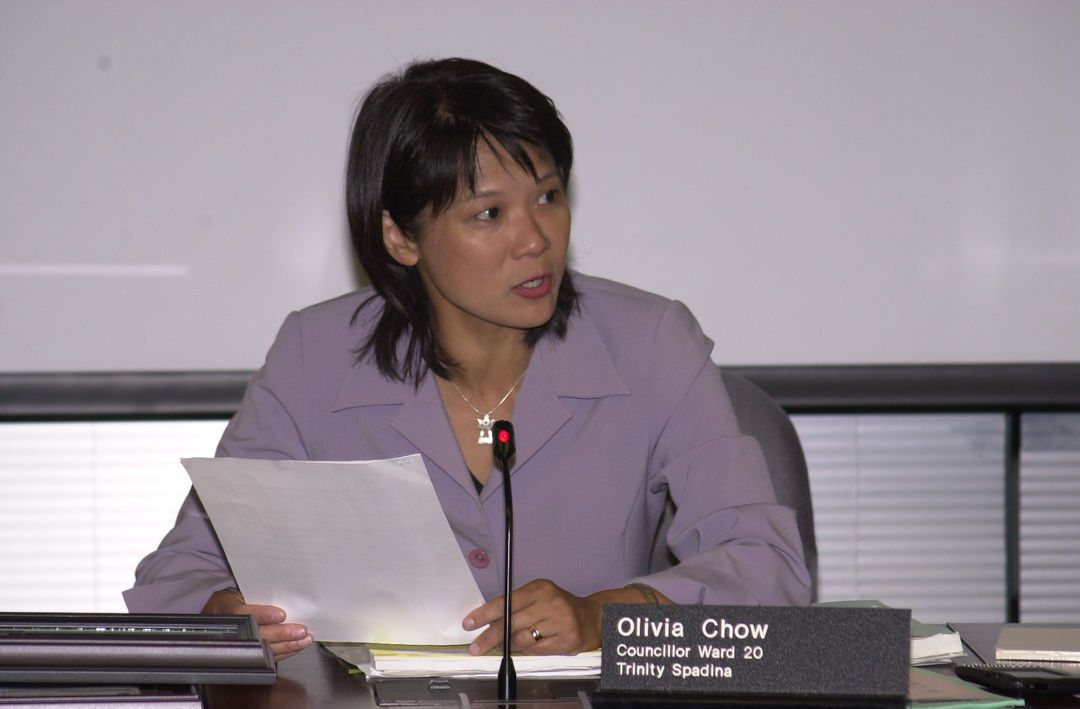
Chow's political career began in the early 1980s working in the constituency office of NDP MP Dan Heap. With his support, she was elected as a Toronto school board trustee in November 1985. As a trustee, she championed the creation of programming to protect students from harassment based on sexuality, leading to the approval in May 1988 of what was believed to be Ontario's first school program addressing sexuality. She also served as head of the board's race relations committee. In the 1991 municipal election, Chow was elected to the Metropolitan Toronto Council for the Downtown ward. Following the amalgamation of Toronto in 1998, she served on the new Toronto City Council until 2005. As a councillor, she was a prominent advocate for the homeless, public transit, and sustainable development, and a vocal opponent of the proposed Toronto Island Airport expansion. Chow was a cycling advocate, known for her daily commute on a brightly decorated bicycle. Chow was also a member of the Toronto Police Services Board but was forced to resign after attempting to informally persuade police to change tactics during a riot at the Ontario legislature.
Federal Parliament and National Profile
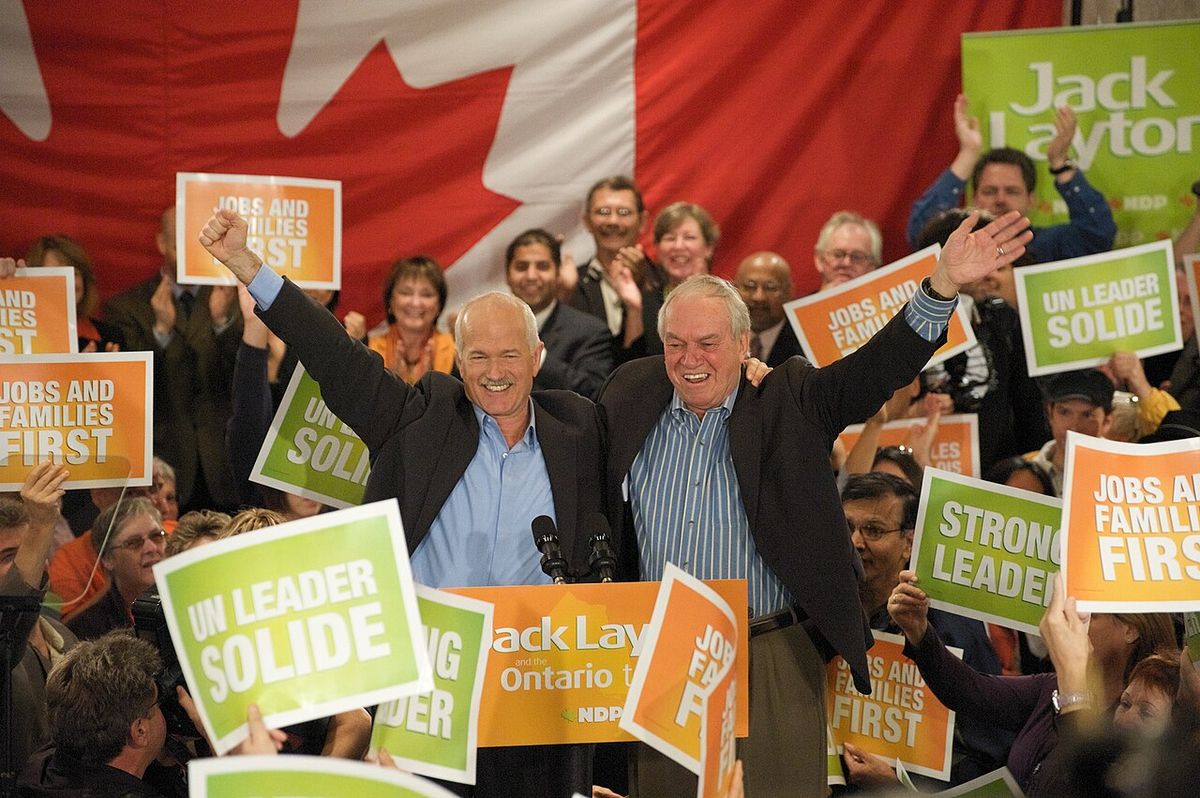
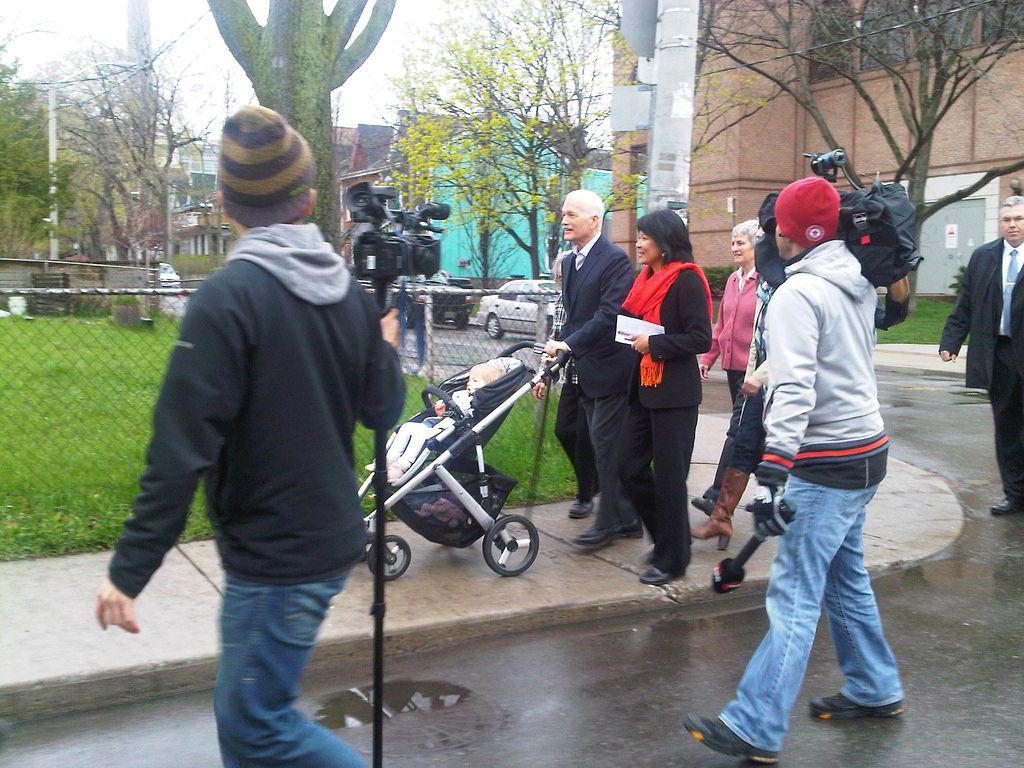
Olivia Chow made three attempts to enter the House of Commons for the New Democratic Party in the riding of Trinity Spadina. She lost to Liberal incumbent Tony Ianno in 1997 by 1,802 votes and again in 2004 by a narrower margin of 805 votes. She resigned her city council seat in November 2005 and finally won the riding in the January 2006 federal election, defeating Ianno by 3,667 votes. This made her and her husband, NDP Leader Jack Layton, only the second married couple to serve together in Canadian parliamentary history. As an MP, Chow sponsored a 2007 motion, passed unanimously, calling for Japan to apologize for its use of wartime sex slaves. In 2008 and 2009, she successfully passed motions to allow conscientious objectors to wars not sanctioned by the United Nations to remain in Canada, though the government did not act on them. She also introduced a private member's bill, the Early Learning and Child Care Act, to establish a universal non-profit national childcare program. Chow was re-elected by a wide margin of over 20,000 votes in the 2011 election that saw the NDP become the Official Opposition, and she was named the party's critic for transport, infrastructure and communities. Her time as the spouse of the Opposition Leader was brief, as Layton died of cancer just three months after the election. Chow resigned her seat in March 2014 to run for mayor of Toronto. She attempted a return to federal politics in the 2015 election in the new riding of Spadina Fort York but lost to Liberal Adam Vaughan by a wide margin.
Mayoral Campaigns and Electoral History
Olivia Chow has contested the office of Mayor of Toronto three times. Her first campaign was in the 2014 election, where she entered as a prominent centre-left candidate against scandal-plagued incumbent Rob Ford and centre-right rivals John Tory and Doug Ford. Her platform focused on transit, children, and jobs, advocating for light rail transit over subways. Despite early leads in polls, she placed third, with John Tory winning the election. Chow's second and successful campaign was in the 2023 by-election triggered by John Tory's resignation. In a field of 102 candidates, she won with 37 percent of the vote, defeating former deputy mayor Ana Bailão. Her platform included building 25,000 rent-controlled homes on city land, increasing taxes on vacant and luxury properties, and opposing provincial plans for Ontario Place. On May 25, 2026, Chow formally declared her candidacy for re-election in the October 2026 municipal election, where her main challenger is Toronto City Councillor Brad Bradford, who previously placed eighth in the 2023 race.
- 1997 Federal Election (Trinity Spadina): Lost to Liberal Tony Ianno by 1,802 votes.
- 2004 Federal Election (Trinity Spadina): Lost to Tony Ianno by 805 votes.
- 2006 Federal Election (Trinity Spadina): Won, defeating Tony Ianno by 3,667 votes.
- 2011 Federal Election (Trinity Spadina): Re-elected with a margin of over 20,000 votes.
- 2014 Toronto Mayoral Election: Placed third behind John Tory and Doug Ford.
- 2015 Federal Election (Spadina Fort York): Lost to Liberal Adam Vaughan.
- 2023 Toronto Mayoral By-election: Won with 37% of the vote.
First Term as Mayor: Policies and Appointments
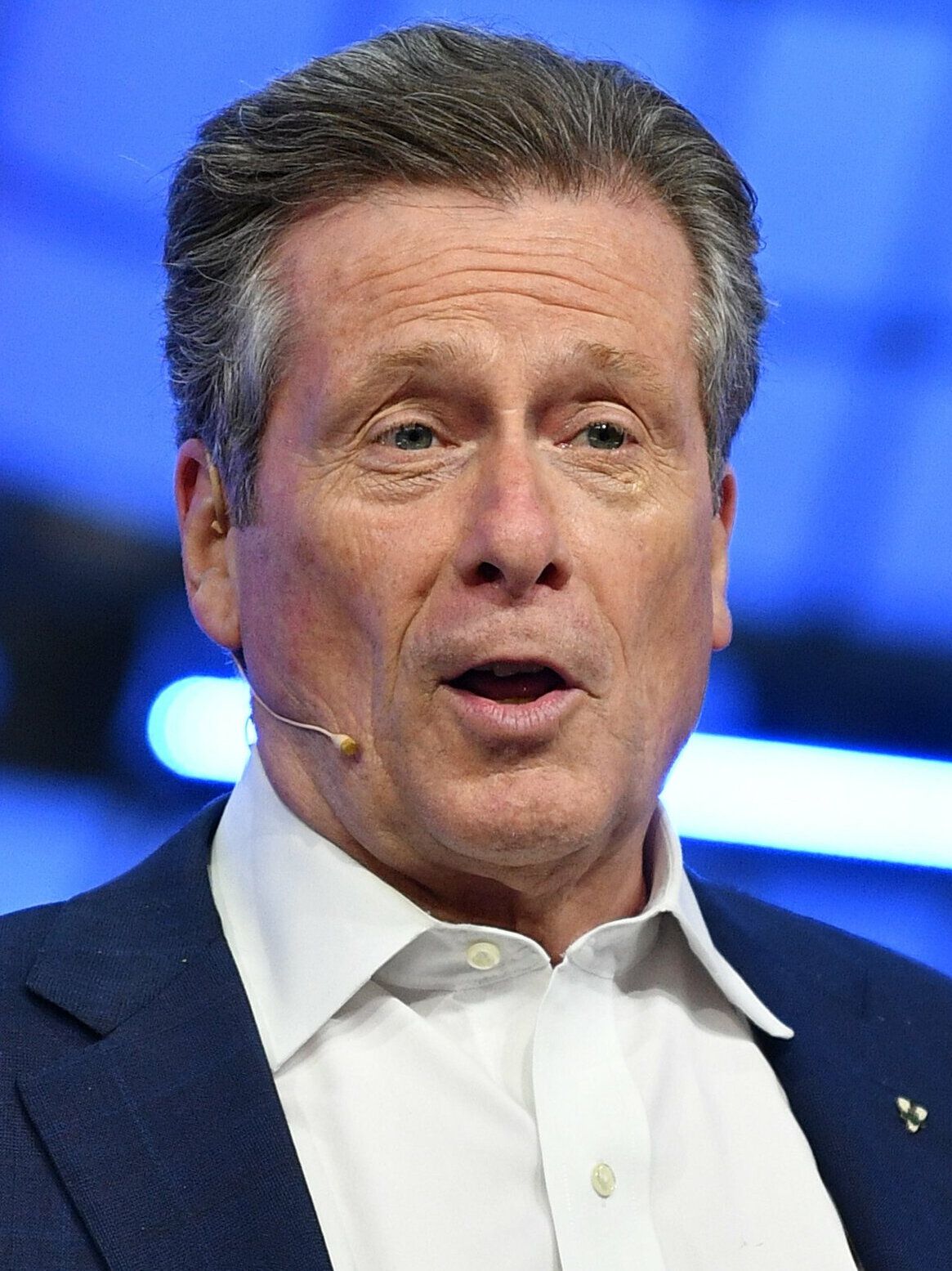
Sworn in as Toronto's 66th mayor on July 12, 2023, Olivia Chow moved quickly to shape her administration and address key city issues. She made significant appointments to her executive, naming Ausma Malik as the statutory deputy mayor and appointing Shelley Carroll, Gord Perks, Jamaal Myers, and Alejandra Bravo to chair major council committees. In December 2024, she dismissed Brad Bradford as vice-chair of the Planning and Housing Committee, replacing him with Frances Nunziata. In May 2025, she appointed Paul Ainslie as deputy mayor for Scarborough following Jennifer McKelvie's resignation from council. In June 2025, she appointed former New York Metropolitan Transportation Authority executive Mandeep Lali as the new CEO of the Toronto Transit Commission. In December 2025, she created the new position of chief congestion officer, appointing Andrew Posluns. A central achievement of her first term was negotiating a New Deal with the provincial government of Premier Doug Ford to address Toronto's chronic budget shortfalls, which had reached $1.5 billion. Her administration implemented several signature policies, including annual property tax increases, a freeze on TTC fares, and the introduction of a fare-capping program. She also introduced a new tax on homes sold for over $3 million and passed a Rental Renovation Licence Bylaw in 2025 requiring landlords to obtain a city license for renovations that displace tenants.
Record on City Services and Public Safety
Mayor Chow's first term saw significant investments and changes across Toronto's municipal services. On transit, she increased the TTC's operating budget from the city by a total of $451.2 million over three years, bringing the annual city contribution to $1.48 billion. She installed priority bus lanes on Dufferin Street and Eglinton Avenue East, a priority streetcar lane on Bathurst Street, and opened the Scarborough Busway, which reduced travel time between Scarborough Centre and Kennedy Station by seven minutes. In community services, her administration expanded library hours to seven days a week and launched a school meal program providing breakfasts at 764 schools. Public safety and emergency services were a major focus. In November 2024, a five-year police hiring plan was approved, which would send Toronto's maximum allocation to the Ontario Police College, totaling 720 police officers in the first two years. The Toronto police budget increased to $1.43 billion for 2026. The city also hired 150 more firefighters, 361 additional paramedics and staff, and 90 more 911 call-takers. Chow made the Toronto Community Crisis Service pilot project permanent and expanded it citywide, dispatching mental health workers to relevant emergency calls.
2026 Re-election Platform and Key Promises
Launching her campaign for a second term on May 25, 2026, Olivia Chow's platform builds on the policies of her first term with expanded promises. On housing, she pledges to add 10,000 more rent-controlled homes to her existing construction program, bringing the total promised by 2030 to 65,000 units. She promises to create a Bad Landlords Task Force of enforcement officers and lawyers to proactively target poorly maintained buildings, with the city undertaking repairs and billing non-compliant landlords. Her transit plan includes updating the fare-capping program to make TTC rides free for passengers after 10 trips in a single week, rather than the current monthly model. She commits to expanding the school food program to provide free lunch to all students, in addition to breakfast, estimating a savings of $1,800 per year for families. For seniors, she promises to expand a free homemaking program to assist 5,000 more individuals and to expand mobile health and dental clinics to serve 8,000 additional seniors. Chow has pledged to keep future property tax increases near the rate of inflation, a shift from the higher hikes in her first term which included a 9.5 percent increase in 2024. Public safety remains a key issue, with Chow highlighting her record of police hiring and committing to continue adding officers if re-elected.
2026 Election Context and Public Safety Debate
The October 2026 mayoral election has become a contest primarily between incumbent Olivia Chow and challenger Brad Bradford, a city councillor. A central point of debate has been public safety and policing, with both candidates promising to hire more police officers despite differing assessments of the city's safety. Chow points to declining crime statistics, with homicides in 2025 at a 50-year low of 39, and an eight percent reduction in homelessness as evidence of improvement under her leadership. Her existing five-year police hiring plan, which maxes out the current provincial training capacity, is forecast to improve the police officer to population ratio. In contrast, Bradford has centred his campaign on a promise to hire a net total of 1,000 new police officers over four years, a plan the Toronto Police Association notes depends on increased provincial co-operation and training capacity. The Toronto Police Service's 2026 operating budget is $1.43 billion, one of the city's largest expenses. Chow has also endorsed candidates in the concurrent city council elections, including former Liberal MP Nate Erskine-Smith in Ward 19 Beaches, East York.
| Candidate | Police Hiring Promise | Timeframe | Key Detail |
|---|---|---|---|
| Olivia Chow | Continue existing five-year plan | 2024 to 2029 | Seeks to improve officer to population ratio, sending 720 officers to college in first two years. |
| Brad Bradford | New hiring pledge | Over 4 years | Net gain of 1,000 officers, dependent on provincial capacity. |
Questions about Olivia Chow
How did Olivia Chow become mayor of Toronto?
Olivia Chow was elected mayor in a by-election on June 26, 2023, following the resignation of former mayor John Tory. In an election with 102 candidates, she won with 37 percent of the vote, defeating former deputy mayor Ana Bailão. She was sworn in as the 66th mayor on July 12, 2023. This made her the first person of colour elected to a city-wide post since William Peyton Hubbard in 1904 and the first woman to lead the amalgamated City of Toronto.
What is Olivia Chow's political background?
Olivia Chow has served Toronto in elected office for over three decades. She began as a Toronto school board trustee in 1985, then served on Metropolitan Toronto Council from 1992 and Toronto City Council from 1998 to 2005. She was elected as the New Democratic Party Member of Parliament for Trinity Spadina in 2006 and served until 2014. Before entering politics, she worked as an artist and a college instructor at George Brown College.
What are some key achievements from Olivia Chow's first term as mayor?
Key achievements include negotiating a New Deal with the provincial government, which included the province taking over the Gardiner Expressway and Don Valley Parkway by 2027. She implemented property tax increases and a TTC fare freeze. Her administration passed the Rental Renovation Licence Bylaw to protect tenants from renovictions and expanded the Toronto Community Crisis Service citywide. She also oversaw the approval of a five-year police hiring strategy and expanded library hours to seven days a week.
What is Olivia Chow's 2026 re-election platform focused on?
Her 2026 platform focuses on adding 10,000 more rent-controlled homes, creating a Bad Landlords Task Force, and updating the TTC fare-capping program to make rides free after 10 trips in a week. She promises to expand the school food program to include free lunches and to expand senior services. She has pledged to keep property tax increases near inflation and to continue adding police officers. She formally declared her candidacy on May 25, 2026.
Was Olivia Chow married to Jack Layton?
Yes, Olivia Chow was married to Jack Layton from 1988 until his death in 2011. Jack Layton was the leader of the New Democratic Party and became the Leader of the Official Opposition in 2011. Chow and Layton were part of only the second husband and wife team in Canadian parliamentary history to serve jointly. Following his death, Chow ruled out a bid for the NDP leadership.
How has Olivia Chow addressed Toronto's budget challenges?
Olivia Chow addressed a 1.5 billion dollar budget shortfall by negotiating a New Deal with the provincial government in November 2023. This agreement provided 1.2 billion dollars over three years in operating funding and 7.6 billion dollars in capital relief. Key elements included the province taking over responsibility for the Gardiner Expressway and Don Valley Parkway by 2027 and providing a 300 million dollar transfer for transit operations. Her administration also implemented property tax increases, including a 9.5 percent hike in 2024, and secured federal and provincial funding for housing and transit projects.
Sources and further reading
- Olivia Chow (Wikipedia)
- Olivia Chow for Mayor of Toronto (oliviachow.ca)
- Toronto Mayor Olivia Chow: What She's Done and ... - The Local (thelocal.to)
- Here's how Olivia Chow and Brad Bradford plan to hire ... (cbc.ca)
- Olivia Chow, Mayor of Toronto (labourcouncil.ca)
Checked by the Nosy Mag desk. Last updated 2026-10-19.