John Tory
John Howard Tory is a Canadian lawyer, broadcaster, businessman, and former politician who served as the 65th mayor of Toronto from 2014 to 2023. He led the Progressive Conservative Party of Ontario from 2004 to 2009 and served as Leader of the Official Opposition from 2005 to 2007. Tory's time in office was marked by major transit proposals, budget management, and a focus on civic safety, but ended with his resignation following an admission of an affair with a staff member. He remains a public figure and commentator.
Early life, education and family
John Howard Tory was born on May 28, 1954, in Toronto, Ontario, the eldest of four children. His parents were Elizabeth Bacon and John A. Tory, a business executive who served as president of Thomson Investments Limited and was a director of Rogers Communications. His grandfather was lawyer John S. D. Tory and his great-grandfather founded Sun Life of Canada. He attended the University of Toronto Schools before enrolling at the University of Toronto. Tory earned a Bachelor of Arts degree in political science from Trinity College in 1975 and then attended Osgoode Hall Law School at York University, receiving his Bachelor of Laws degree in 1978. He was called to the bar in Ontario in 1980. Tory married Barbara Hackett in 1978, and the couple has four children.
Business career and entry into politics
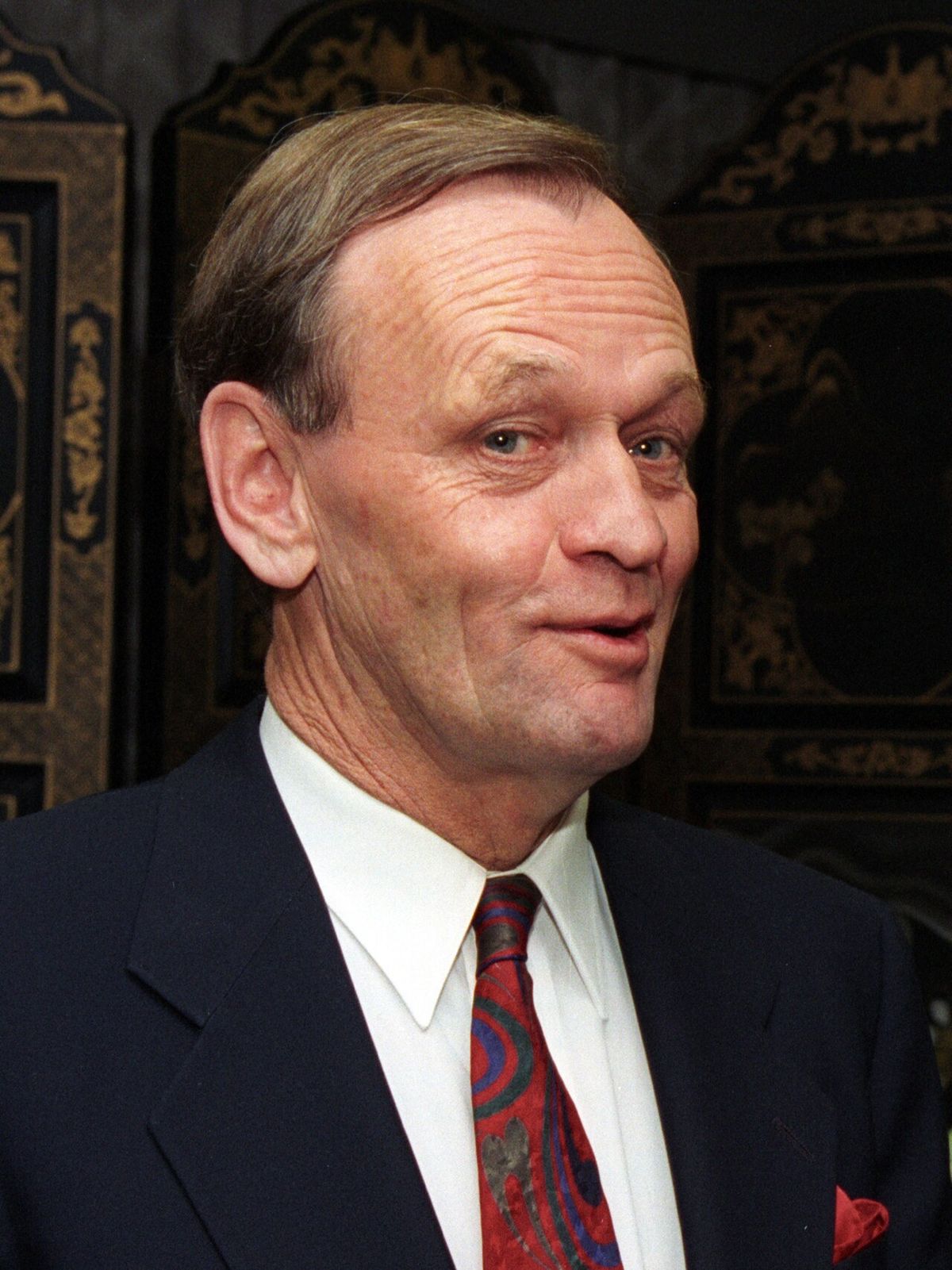
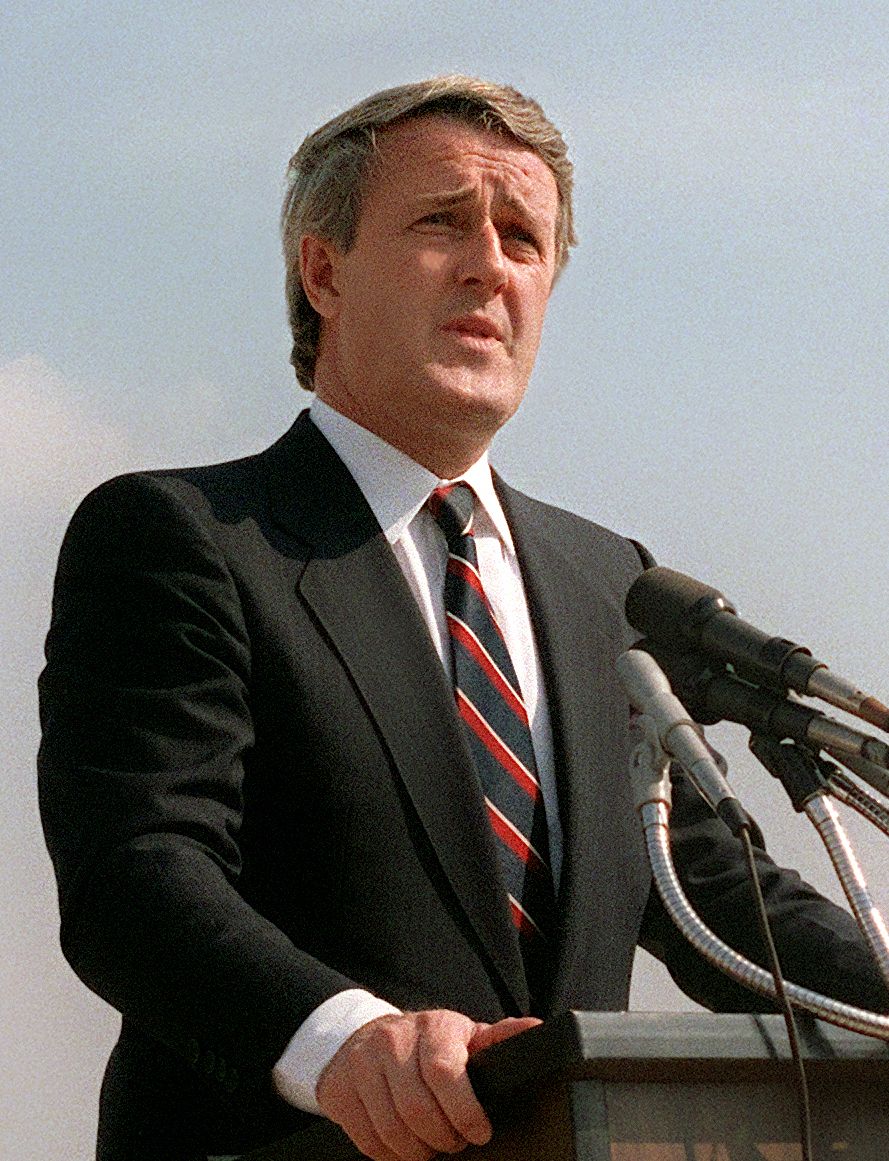
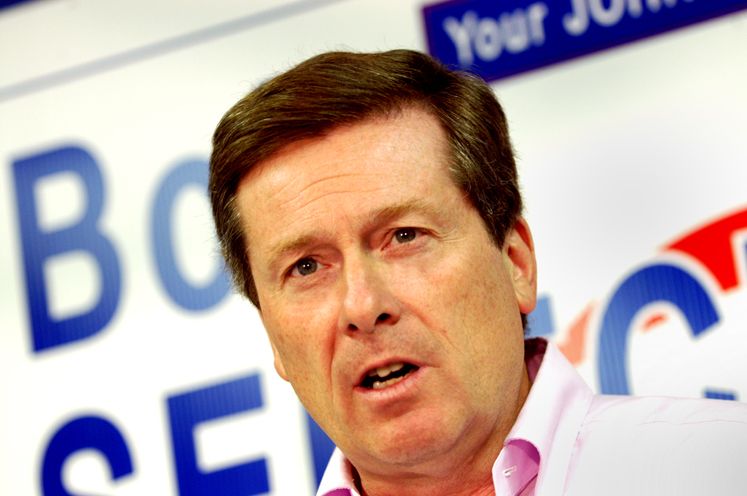
John Tory's professional life began in media, working for family friend Ted Rogers as a journalist for Rogers Broadcasting's Toronto radio stations CFTR and CHFI from 1972 to 1979. After being called to the bar, he worked as a lawyer at the firm Tory, Tory, DesLauriers & Binnington, where he became a partner and later managing partner. His first major political role came in 1981 when he joined the office of Ontario Premier Bill Davis as principal secretary to the premier and associate secretary of the cabinet, a position he held until Davis retired in 1985. Following this, Tory served as a special advisor to the Canadian Special Envoy on Acid Rain under the federal Mulroney government. He later became a key political strategist for the federal Progressive Conservatives, serving as tour director and campaign chairman for Prime Minister Brian Mulroney and managing the 1993 federal election campaign for Mulroney's successor, Kim Campbell. In that role, Tory authorized two controversial campaign ads that mocked Liberal leader Jean Chrétien's facial paralysis, which were pulled after public outcry.
Tory returned to the private sector in 1995, taking on executive roles at Rogers Communications. He served as president and CEO of Rogers Media from 1995 to 1999, overseeing one of Canada's largest publishing and broadcasting portfolios. He then became president and CEO of Rogers Cable from 1999. Concurrently, from 1997 to 2000, Tory served as the ninth commissioner of the Canadian Football League. He remained connected to Rogers as a board member from 2010 until 2014 and also sat on the board of Metro Inc. Throughout this period, Tory maintained a presence in broadcasting, hosting a public affairs program on Rogers Cable's community channel for many years.
Provincial politics and party leadership
After an unsuccessful first bid for mayor of Toronto in 2003, where he finished second to David Miller, John Tory turned his attention to provincial politics. In March 2004, he signalled his intention to seek the leadership of the Progressive Conservative Party of Ontario following Ernie Eves's resignation. He officially entered the race in May 2004, with campaign manager John Laschinger. At the leadership convention on September 18, 2004, Tory defeated his main rivals, Jim Flaherty and Frank Klees, winning on the second ballot with 54 percent of the vote. To enter the legislature, Tory ran in a by-election in the safe PC riding of Dufferin, Peel, Wellington, Grey on March 17, 2005, winning with 56 percent of the vote and becoming Leader of the Official Opposition.
Tory's leadership was tested in the 2007 Ontario general election, where he chose to run in the Toronto riding of Don Valley West. His campaign platform, A Plan for a Better Ontario, included promises to eliminate the provincial health tax, invest in transit, and address doctor shortages. However, the campaign was dominated by controversy over his pledge to extend public funding to all faith-based schools, which included a statement that he would allow the teaching of creationism in religious studies classes. On election night, the PCs remained the Official Opposition but made only minor gains, and Tory personally lost his race in Don Valley West to Liberal candidate Kathleen Wynne. Despite the loss, Tory initially stated he would stay on as leader.
His position became increasingly tenuous as he led the party from outside the legislature. A leadership review in 2008 gave him 66.9 percent support. In an attempt to regain a seat, PC MPP Laurie Scott resigned her seat in Haliburton, Kawartha Lakes, Brock in January 2009, triggering a by-election. Tory ran but lost to Liberal candidate Rick Johnson on March 5, 2009. He announced his resignation as party leader the following day. Bob Runciman served as interim leader until Tim Hudak won the subsequent leadership election.
Broadcasting interlude and return to municipal politics
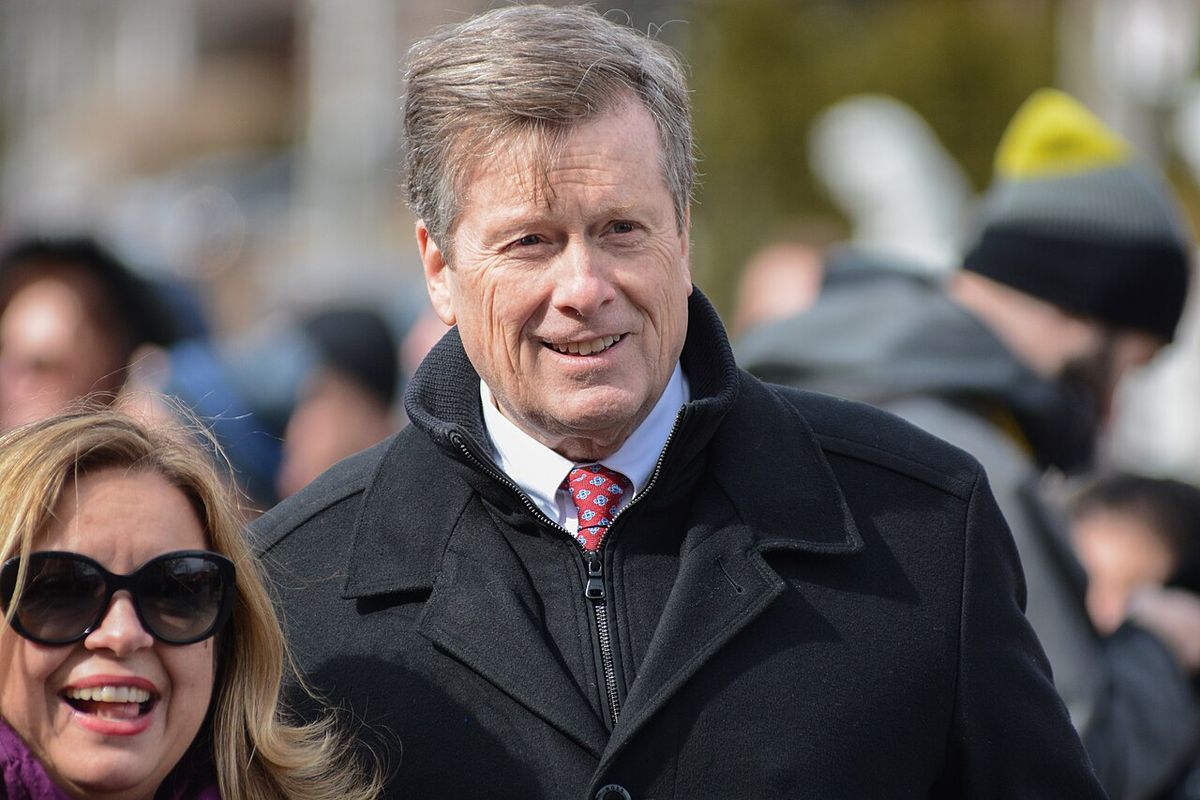
Following his departure from provincial politics, John Tory returned to broadcasting. In 2009, he began hosting a Sunday evening phone-in show on Toronto's CFRB radio. The program, later renamed Live Drive, was moved to the weekday afternoon drive-time slot and was simulcast on stations in Hamilton and St. Catharines. During this period, Tory was also the volunteer chair of the civic engagement non-profit group CivicAction from 2010 to 2014. There was widespread speculation that he would challenge for the mayor's office in the 2010 municipal election, especially after incumbent David Miller announced he would not seek re-election. However, on January 7, 2010, Tory confirmed he would not run, citing his commitment to his radio show and his role at CivicAction. He hosted his final radio broadcast on February 21, 2014, before officially declaring his candidacy for mayor of Toronto.
Mayor of Toronto: Elections and key policies
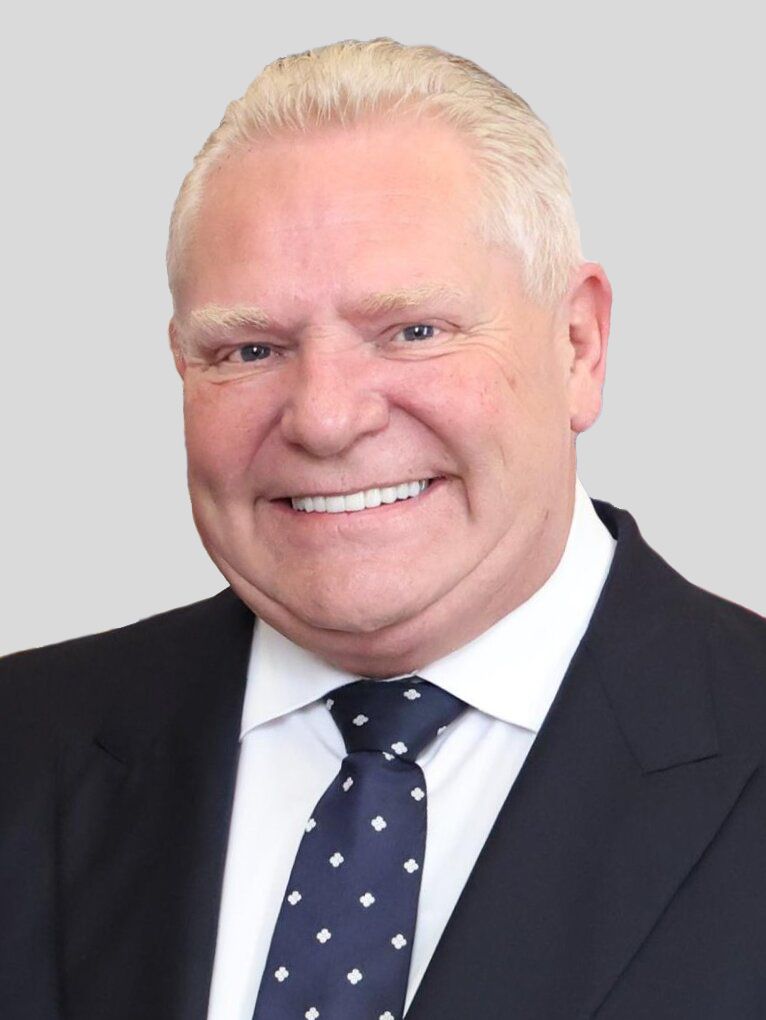
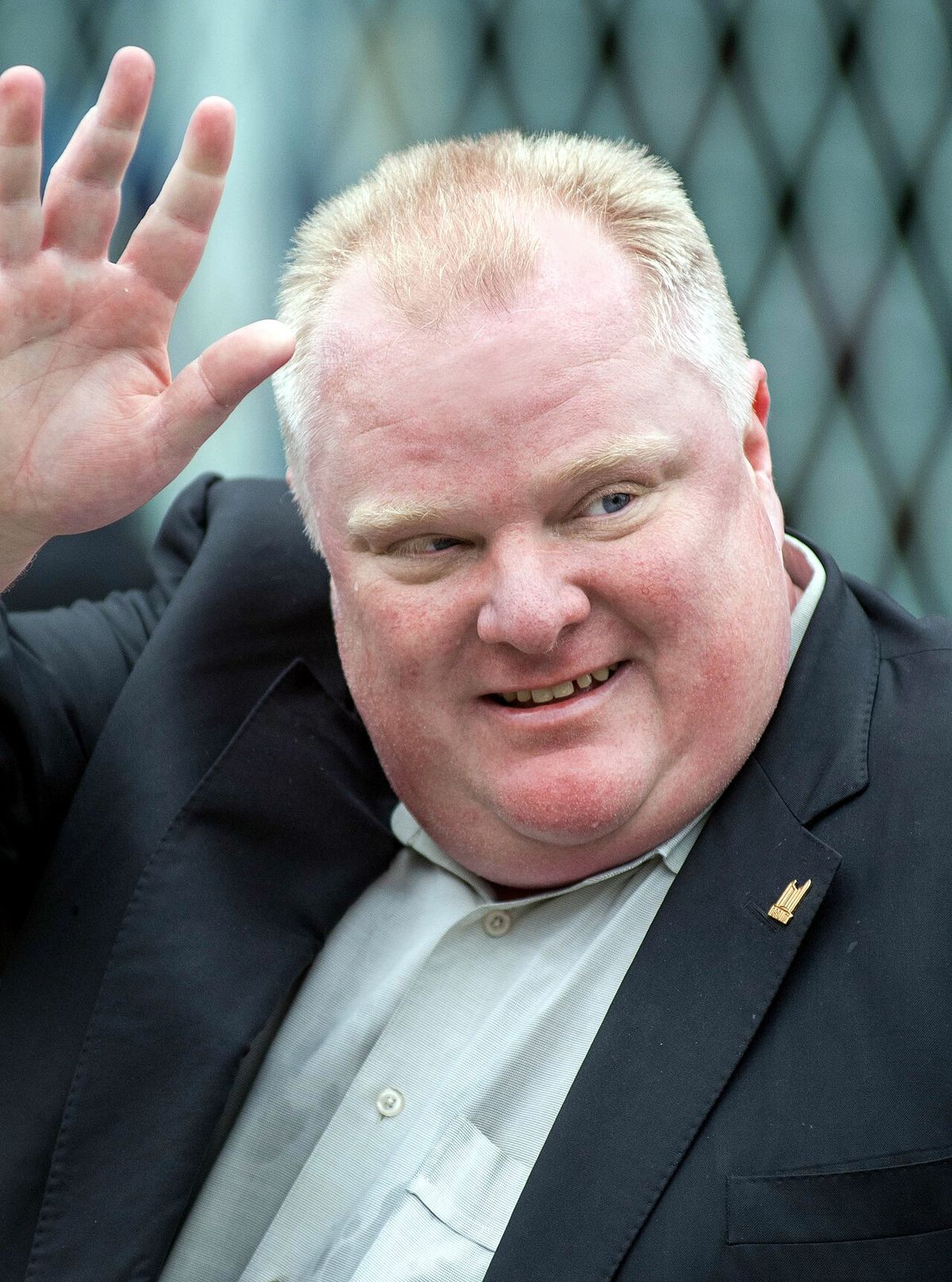
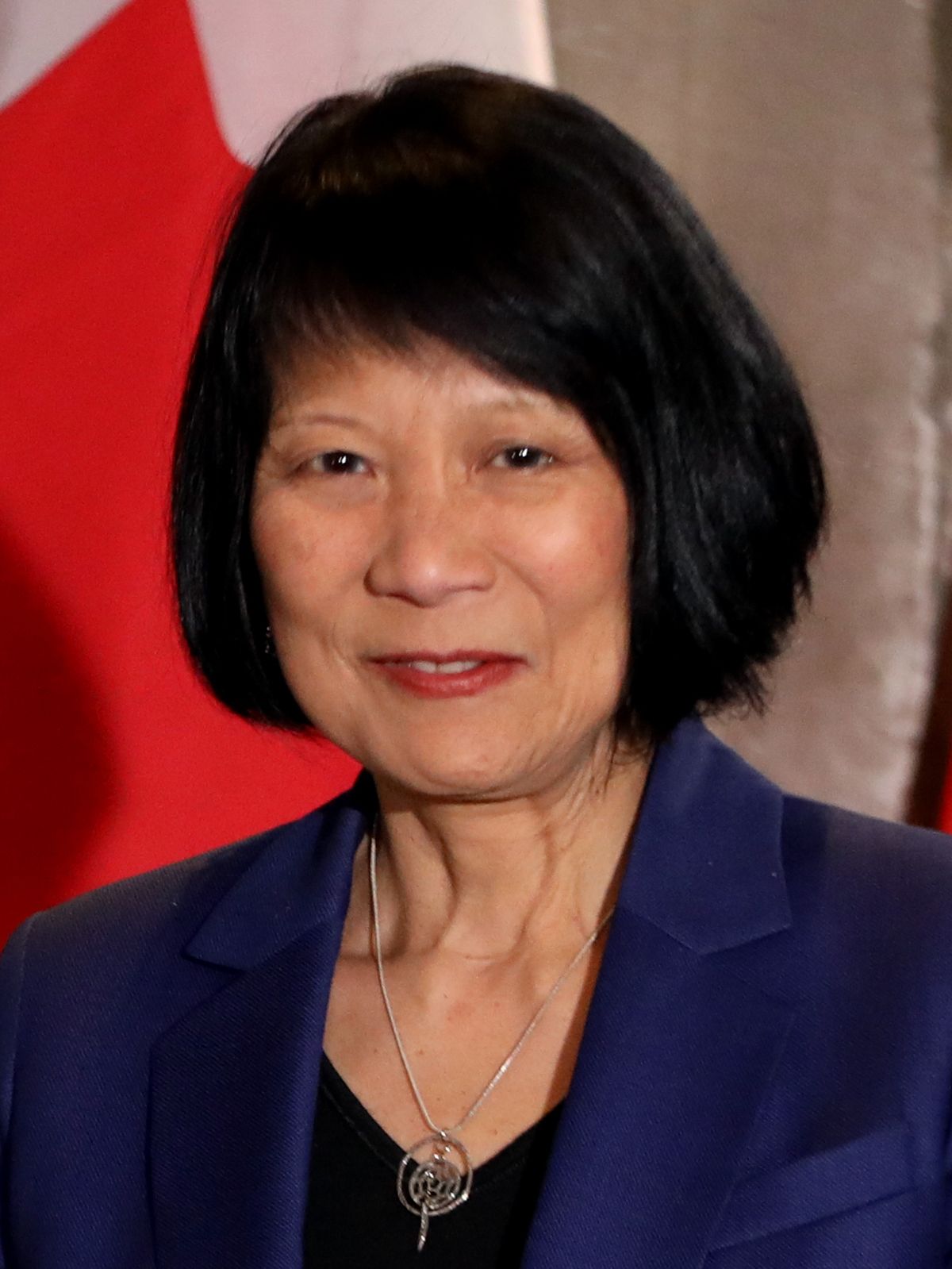
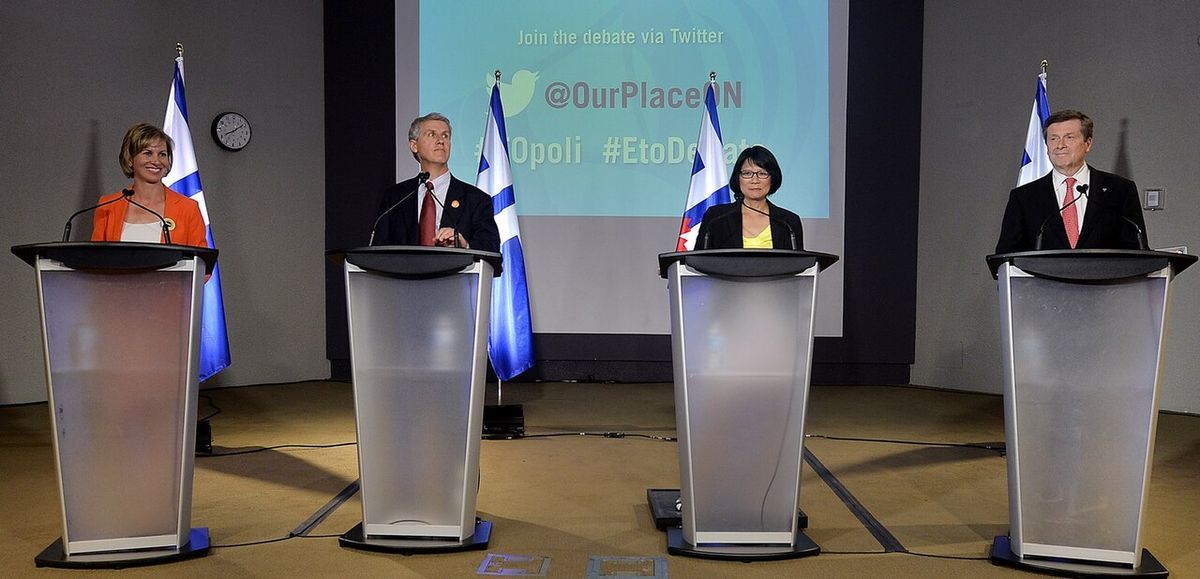
John Tory registered as a candidate in the 2014 Toronto mayoral election on February 24, 2014. His campaign centred on a pledge to build transit, famously stating that a Yonge Street relief subway line was "job one." He also unveiled an ambitious transit plan called SmartTrack, which proposed using existing GO train corridors to create a new surface rail line with frequent electric service from Unionville to Pearson Airport. On October 27, 2014, Tory was elected mayor, defeating councillor Doug Ford and former MP Olivia Chow. He was sworn in on December 1, 2014, and appointed Councillor Denzil Minnan-Wong as his deputy mayor. Tory was re-elected in 2018, defeating former chief city planner Jennifer Keesmaat with 63.49 percent of the vote, and won a third term in 2022, defeating urbanist Gil Penalosa with 62 percent support.
His time in office was defined by several policy areas and initiatives. A consistent theme was fiscal management, with Tory's budgets aiming to keep property tax increases at or below the rate of inflation while investing in city services. He guided the city through the COVID-19 pandemic, implementing public health measures and economic support programs. On transit, the SmartTrack plan underwent significant revisions and delays, and construction of five new stations is scheduled for completion in 2026 at a cost of $1.463 billion to the city. In housing, his administration launched initiatives to accelerate affordable housing construction and introduced new zoning tools. Public safety and policing were also major focuses, with Tory serving on the Toronto Police Services Board throughout his mayoralty.
Policing and community safety controversies
As mayor and a member of the Toronto Police Services Board, John Tory was deeply involved in policing policy. One of the most contentious issues was the practice of "carding," or the community contacts policy, which allowed police to stop individuals, collect their personal information, and store it in a database. The practice was widely criticized for disproportionately targeting Black and racialized communities. Initially, Tory defended carding as a tool that needed reform, not elimination. However, following sustained public pressure, he reversed his position. On June 7, 2015, he called for an end to the practice, describing it as "illegitimate, disrespectful and hurtful." At a police board meeting on June 18, his motion to end carding was amended, resulting in a policy that required officers to notify individuals that stops were voluntary and to provide a receipt. The practice was effectively banned province-wide in 2017.
In June 2020, amid global protests following the murder of George Floyd and local incidents like the death of Regis Korchinski-Paquet, calls to defund the police grew louder. Councillors Josh Matlow and Kristyn Wong-Tam introduced a motion to cut the police budget by $122 million and reallocate funds to community services. Tory, along with a majority of city council, rejected the proposal for immediate defunding. Instead, council passed a series of motions that supported reforms but maintained police funding. Tory tabled a motion to "detask" the police and explore alternative models of community safety response, which passed unanimously. This led to the launch of the Toronto Community Crisis Service pilot program in March 2022.
Resignation and post-mayoral activities
John Tory's third term as mayor was cut short by scandal. On February 10, 2023, he announced his intention to resign after admitting to having had an affair with a former member of his staff during the COVID-19 pandemic. He submitted his formal resignation letter to the city clerk on February 16 and left office at 5 p.m. on February 17, 2023. He was succeeded by Olivia Chow, who won the subsequent mayoral by-election. In October 2023, the city's integrity commissioner, Jonathan Batty, released a report concluding that Tory had violated the city's human resources policies and code of conduct by having the relationship with a subordinate. The report also found he improperly used his influence by voting in favour of two council motions related to Toronto's successful bid to host the 2026 FIFA World Cup, as the staffer involved later worked for a company connected to the bid.
Since his resignation, Tory has remained active in public life. In December 2023, he joined Bell Media as a municipal affairs commentator appearing on CFRB, CTV News and CP24. In March 2024, he rejoined the board of directors of Rogers Communications. There was considerable speculation that he might attempt a political comeback by running against Olivia Chow in the October 2026 municipal election. However, on March 3, 2026, Tory announced he would not be a candidate, citing a desire to protect his family and friends from personal attacks. In 2026, he endorsed federal Liberal candidate Doly Begum in the Scarborough Southwest federal by-election.
Electoral record
| Year | Office | Riding/Position | Result | Vote % |
|---|---|---|---|---|
| 2003 | Mayor of Toronto | Toronto | Defeated (2nd) | n/a |
| 2005 | MPP | Dufferin, Peel, Wellington, Grey (by-election) | Elected | 56% |
| 2007 | MPP | Don Valley West | Defeated | n/a |
| 2009 | MPP | Haliburton, Kawartha Lakes, Brock (by-election) | Defeated | n/a |
| 2014 | Mayor of Toronto | Toronto | Elected | n/a |
| 2018 | Mayor of Toronto | Toronto | Re-elected | 63.49% |
| 2022 | Mayor of Toronto | Toronto | Re-elected | 62% |
Family and personal life
John Tory is married to Barbara Hackett, a home builder and renovator. The couple married in 1978 and have four children. Their son, John Tory, Jr., is an aviation executive. Tory has two brothers, Michael and Jeffrey, and one sister, Jennifer. His maternal grandmother, Helen Yvonne Solomon, was born to a Russian Jewish family that had immigrated to Canada. Tory's father, John A. Tory, was a prominent business figure with ties to the Rogers and Thomson corporate empires. In 2012, Tory was made a member of the Order of Ontario. He is also a recipient of the Queen Elizabeth II Diamond Jubilee Medal and the King Charles III Coronation Medal awarded in June 2025.
Questions about John Tory
Why did John Tory resign as mayor of Toronto?
John Tory resigned as mayor of Toronto in February 2023 after admitting to having had an affair with a former member of his staff. He announced his intention to step down on February 10, submitted his resignation on February 16, and formally left office on February 17. A subsequent report by the city's integrity commissioner found he violated human resources policies and the code of conduct, and improperly used his influence by voting on matters related to Toronto's World Cup bid.
Is John Tory running for mayor again in 2026?
No, John Tory announced on March 3, 2026, that he will not be a candidate in that year's Toronto mayoral election. He stated he did not want to put his family and friends through personal attacks. He remains engaged as a commentator for Bell Media and through volunteer work, and in 2026 endorsed federal Liberal candidate Doly Begum in a by-election.
What was John Tory's SmartTrack transit plan?
SmartTrack was John Tory's signature transit proposal during his 2014 mayoral campaign. It proposed using existing GO Transit rail corridors to provide frequent electric commuter rail service from Unionville in Markham to Pearson Airport. The plan underwent significant revisions after he took office. The current plan involves the construction of five new transit stations scheduled for completion in 2026, at a cost of $1.463 billion to the city.
What was John Tory's stance on police carding?
John Tory's position on police carding evolved. Initially, he defended the practice as needing reform. After public criticism that it disproportionately targeted Black communities, he reversed his stance. In June 2015, he called for an end to carding, calling it "illegitimate, disrespectful and hurtful. The final policy required officers to inform individuals that stops were voluntary and provide a receipt. The practice was banned province-wide in 2017.
How long was John Tory the leader of the Ontario PC Party?
John Tory served as leader of the Progressive Conservative Party of Ontario from September 18, 2004, until his resignation on March 6, 2009. He became Leader of the Official Opposition on March 17, 2005, after winning a by-election. His leadership included the 2007 provincial election campaign, which was dominated by controversy over his promise to extend public funding to faith-based schools.
What roles did John Tory have at Rogers Communications?
John Tory held several senior executive positions at Rogers Communications. His career there began as a radio journalist from 1972 to 1979. He returned as president and CEO of Rogers Media from 1995 to 1999, and then served as president and CEO of Rogers Cable from 1999. He later served on the Rogers board of directors from 2010 until 2014, and rejoined the board in March 2024 after his mayoralty.
Sources and further reading
- John Tory (Wikipedia)
- John Tory says he won't run for Toronto mayor this fall (cbc.ca)
- John Tory Jr. suspends Beaches, East York Liberal ... (toronto.citynews.ca)
Checked by the Nosy Mag desk. Last updated 2026-10-23.