Leader of the Official Opposition
The leader of the Official Opposition is the parliamentarian who leads the largest party not in government in the House of Commons of Canada. This role is a fundamental component of the Westminster parliamentary system, providing a structured alternative to the governing party and holding the government to account. The leader is entitled to significant privileges, including a state salary, an official residence, and a seat directly across from the prime minister in the House. As of August 2025, the leader of the Official Opposition is Pierre Poilievre, the Member of Parliament for Battle River, Crowfoot and leader of the Conservative Party of Canada.
Constitutional role and legal status
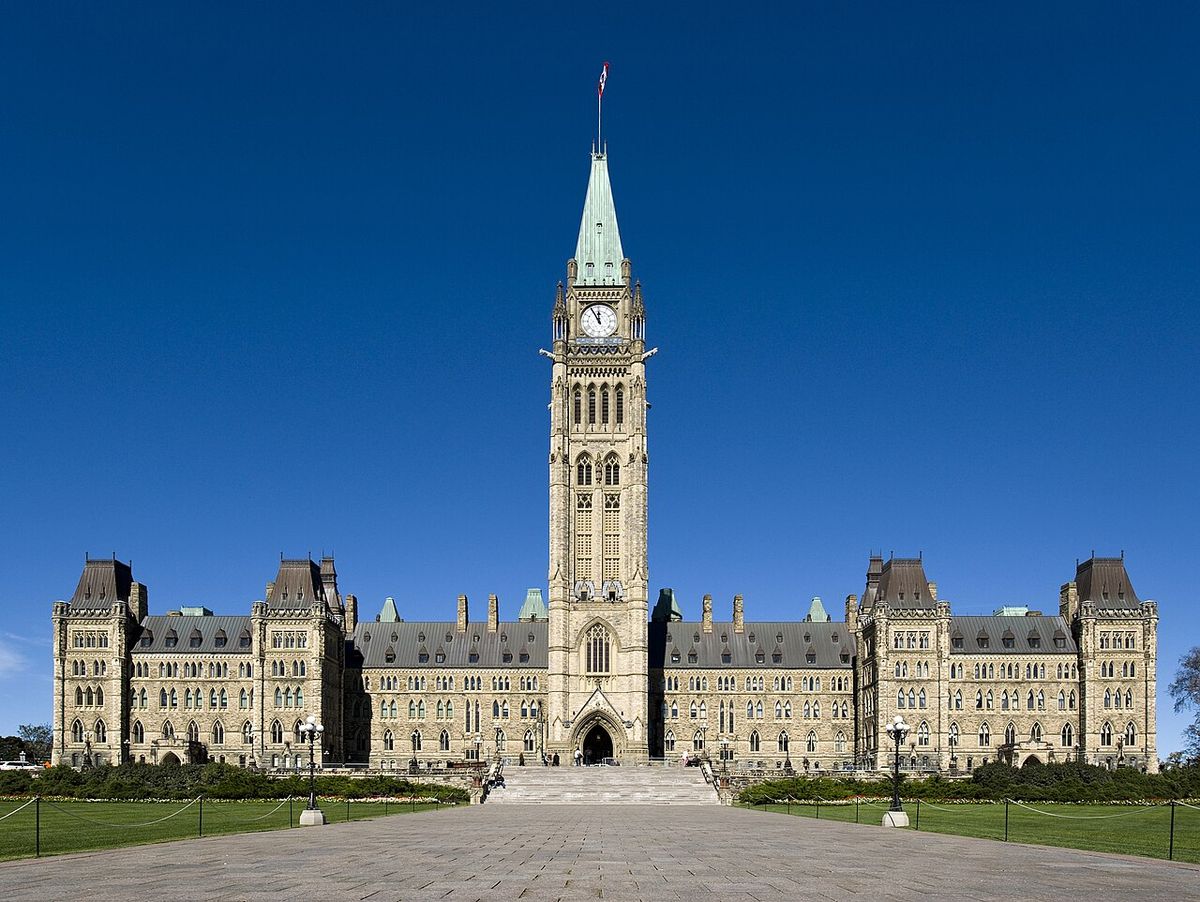
The leader of the Official Opposition is a formally recognized office under the Parliament of Canada Act and the Standing Orders of the House of Commons. This legal recognition, established in 1905, shows the role's constitutional importance as a check on executive power. Prime Minister Wilfrid Laurier, in proposing the measure, stated that the opposition leader is just as much a part of the constitutional system as the prime minister. The role comes with privileges designed to equip the holder to effectively challenge the government. The leader receives a salary equal to that of a federal Cabinet minister, a provision that made Canada the first entity in the British Empire to pay a state salary to an opposition leader. The leader is also entitled to the official residence of Stornoway, located in Ottawa, and ranks thirteenth in the Canadian order of precedence, immediately after federal ministers. In the House of Commons chamber, the leader sits directly across from the prime minister, symbolizing the central adversarial dynamic of parliamentary debate. The terms 'leader of the loyal opposition' and 'his majesty's opposition' are sometimes used to communicate the party's loyalty to the monarch as the nonpartisan head of state, even while opposing the government.
Historical development and early holders
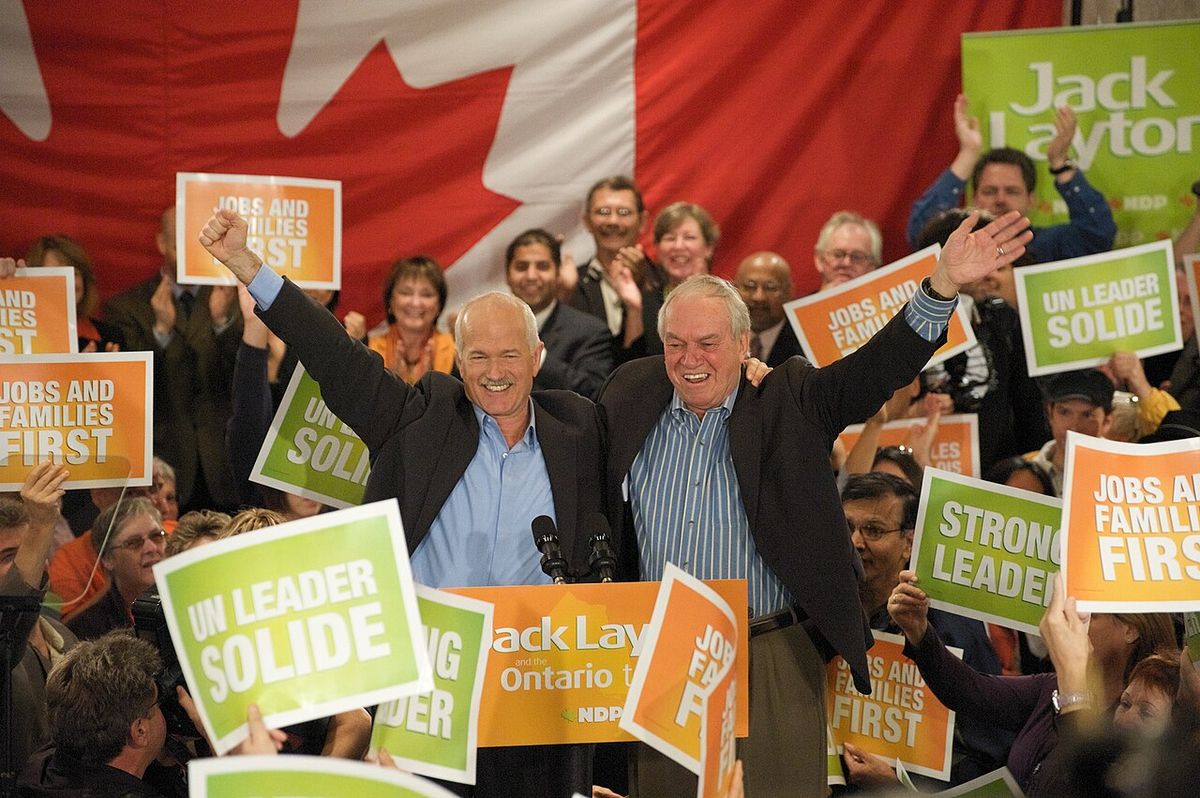
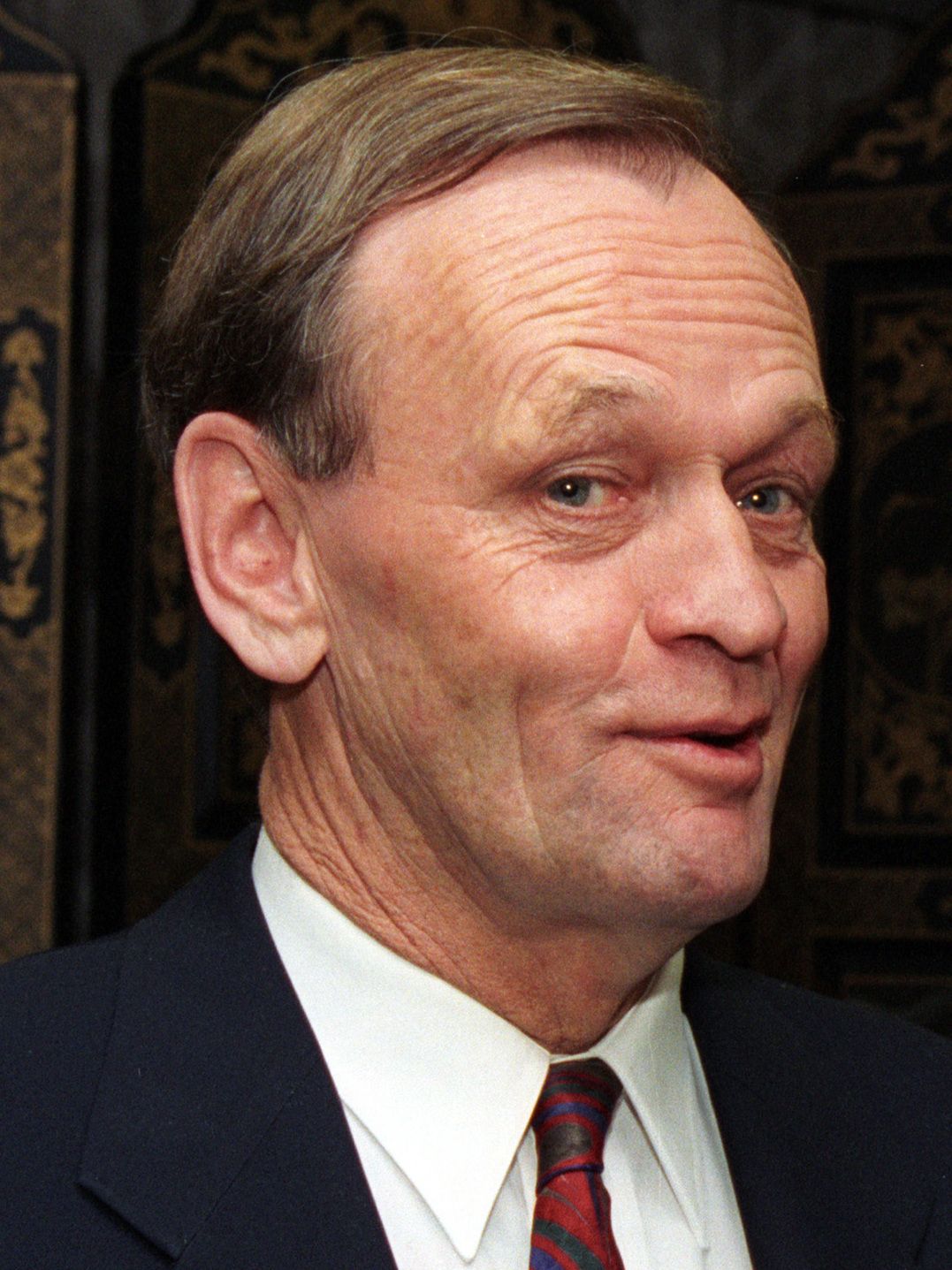
The position evolved gradually after Confederation in 1867, as the parliamentary system matured. During the first Parliament, the opposition benches were occupied by a loose coalition of various interests rather than a unified party, and no formal leader was named. Historians note that John Sandfield Macdonald, the Premier of Ontario and an ally of Prime Minister John A. Macdonald, was appointed Leader of the Opposition by the government and granted the reserved seat, though he played a minimal role in opposition. The de facto leader of the opposition from 1869 was Alexander Mackenzie, who emerged as the government's most prominent critic. Mackenzie was formally recognized as Leader of the Opposition in 1873 after assuming the leadership of the Liberal Party. The role's formalization in law in 1905, complete with a $7,000 per session allowance, cemented its status. Throughout Canadian history, two leaders of the Opposition have died in office: Wilfrid Laurier in 1919 and Jack Layton in 2011. The 1905 legislation was a landmark that influenced other Westminster systems, establishing the principle that the opposition leader is an essential part of the state apparatus.
Core responsibilities and functions
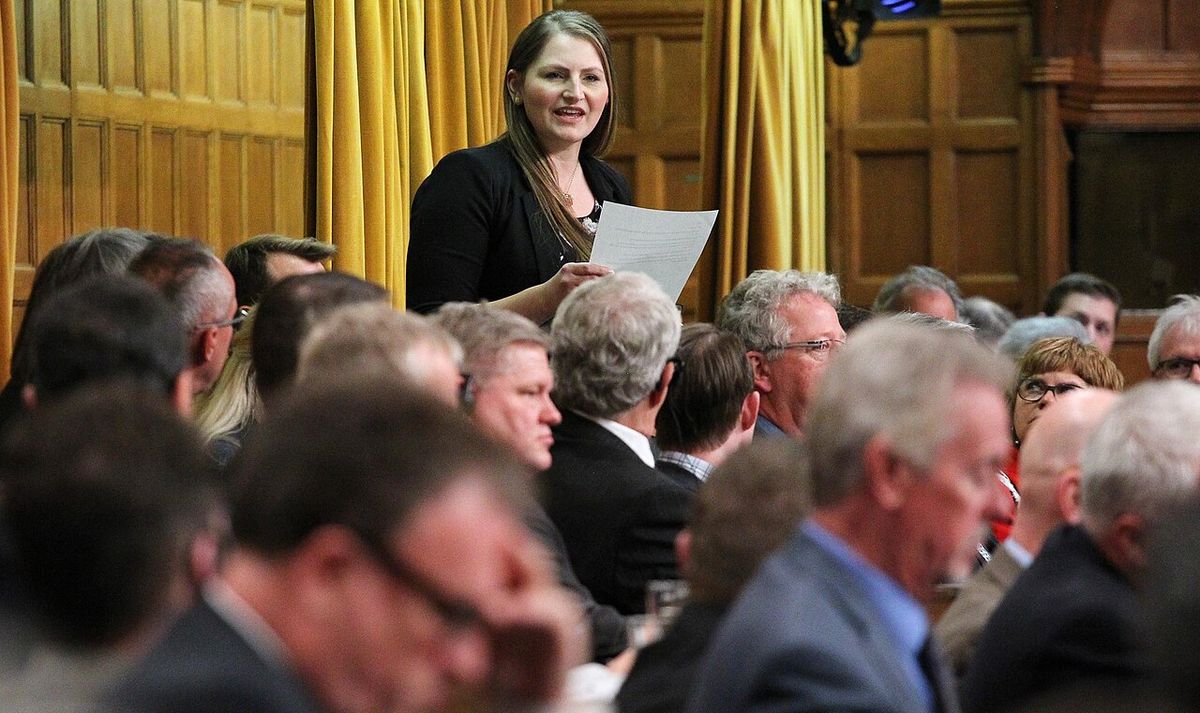
The leader of the Official Opposition serves as the chief spokesperson for the largest alternative to the government in the House of Commons. A primary responsibility is to lead the opposition in parliamentary debate, particularly during Question Period, where the leader directly challenges the prime minister and cabinet ministers on government policy and administration. The leader is also tasked with presenting the opposition party's policy alternatives to the public and developing the party's platform for the next election. Internationally, the leader may undertake diplomatic travel to advocate for Canadian interests, as demonstrated by Pierre Poilievre's 2026 visits to the United States, Great Britain, and Germany. The leader oversees the Official Opposition Shadow Cabinet, a team of critics who mirror government ministries and develop detailed policy positions. The leader manages the party's strategy in the House of Commons, often in close coordination with the Opposition House Leader, who handles the daily procedural business. The leader also represents the party at major events, conventions, and in the media, shaping the national political conversation and defining the choice presented to voters.
The Shadow Cabinet and opposition structure
The leader of the Official Opposition appoints and leads a Shadow Cabinet, which is composed of MPs from the opposition party who serve as critics for specific government departments. These opposition critics are responsible for scrutinizing the minister and policies of their assigned portfolio, developing alternative policies, and communicating the party's stance to the media and public. While the term 'Shadow Minister' is sometimes used, the more common Canadian title is 'critic'. The Shadow Cabinet is a key tool for holding the government to account and demonstrates the opposition's readiness to govern. The leader works alongside other key opposition officers, including the Opposition House Leader, who manages the party's day-to-day tactical business in the Commons, and the leader of the Opposition in the Senate. The opposition structure ensures a coordinated effort across both chambers of Parliament to challenge government legislation and highlight its shortcomings. The leader must also maintain discipline and unity within the opposition caucus, balancing the diverse views of its members with the need for a coherent public message.
Pierre Poilievre's tenure and activities
Pierre Poilievre has served as leader of the Official Opposition since August 2025, representing the Conservative Party of Canada. He first assumed the role in September 2022 after winning the party's leadership election. Poilievre lost his seat in the riding of Carleton in the 2025 federal election, which temporarily ended his tenure as opposition leader. He returned to Parliament after winning a by-election in the Alberta riding of Battle River, Crowfoot in August 2025 and resumed the leadership of the Opposition. His leadership was affirmed by the party membership at the Conservative convention in 2026. As opposition leader, Poilievre has emphasized economic issues, trade, and energy policy. In 2026, he undertook international travel to advocate for Canadian interests, including meetings with auto industry leaders in Detroit, energy executives in Houston, and delivering a keynote speech on Canada-US relations in New York. His foreign travel that year also included stops in Great Britain and Germany to promote a plan for free trade among free nations. All such foreign travel is funded by the Conservative Party of Canada, not by public funds.
Key events during Pierre Poilievre's tenure as Leader of the Official Opposition include his initial service in the role from September 2022 until April 2025. He lost his seat in Carleton in the 2025 federal election but was elected to the seat of Battle River, Crowfoot in an August 2025 by-election, once again becoming leader of the Opposition. In October 2026, he was retained as leader of the Conservative Party at the party's convention. In September 2026, he delivered a keynote speech in Toronto, and he has undertaken international advocacy, including visits to Great Britain, Germany, and the United States to promote Canadian trade and interests.
- Elected Conservative Party leader in September 2022.
- Became leader of the Official Opposition in September 2022.
- Lost his seat in Carleton in the 2025 federal election.
- Won a by-election in Battle River, Crowfoot in August 2025.
- Resumed role as leader of the Official Opposition in August 2025.
- Retained as party leader at the 2026 Conservative convention.
- Conducted international advocacy trips to the US, UK, and Germany in 2026, meeting with industry and political leaders.
Distinction from related parliamentary roles
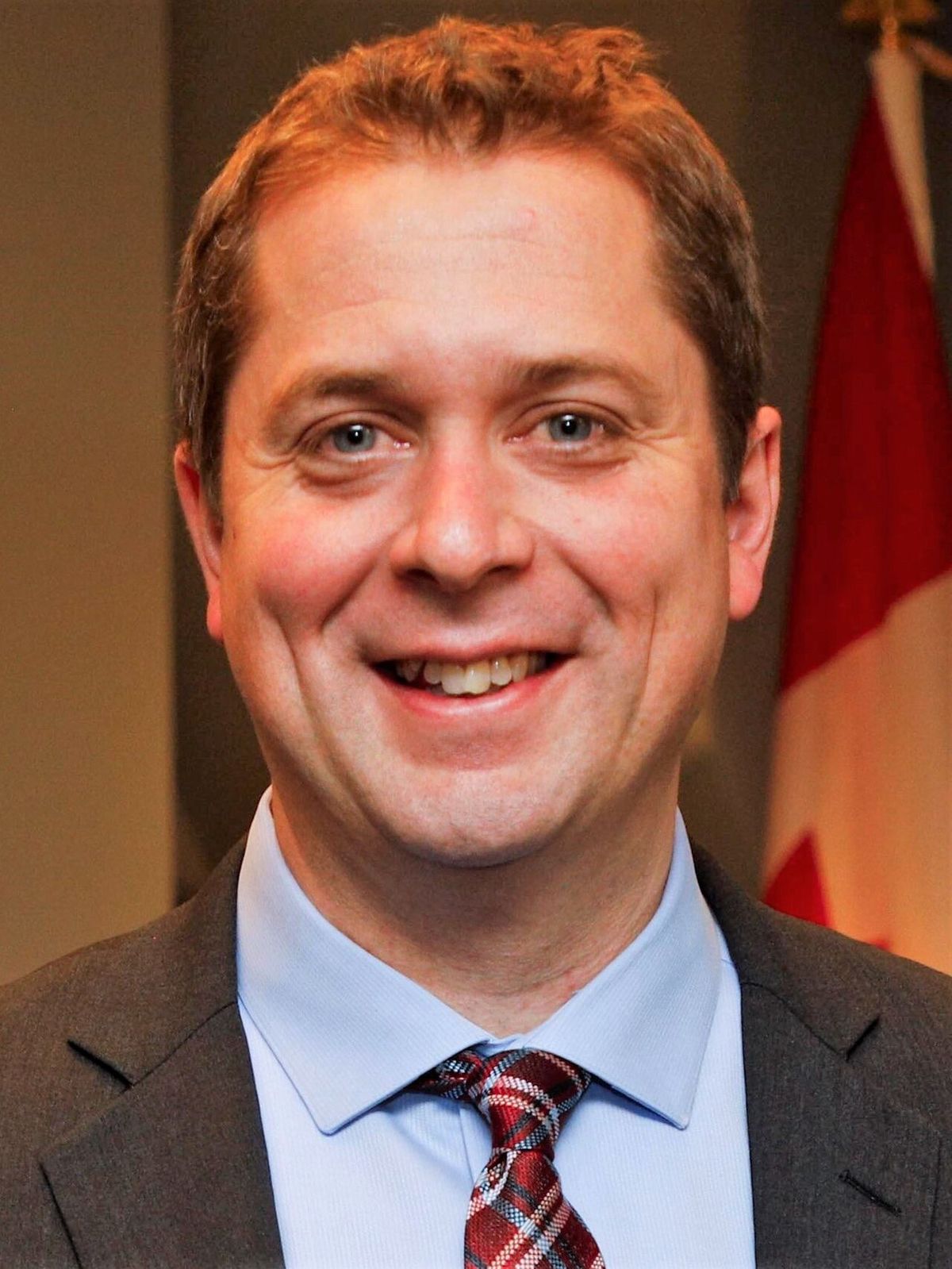
It is important to distinguish the leader of the Official Opposition from other parliamentary officers with similar titles. The Opposition House Leader, formally titled the Leader of the Opposition in the House of Commons, is a different MP appointed by the opposition leader to manage the party's procedural strategy and daily business in the chamber. For example, Andrew Scheer served as House leader of the official opposition as of May 2025. Separately, the leader of the Opposition in the Senate leads the opposition party's caucus in the upper house and is usually from the same party as the Commons opposition leader. The term 'leader of the opposition' is also used at the provincial and territorial level, where it refers to the leader of the largest non-government party in a provincial legislature, such as Alberta's Danielle Smith or British Columbia's David Eby before they became premiers. The federal opposition leader's role is unique in its national scope, its legal definition, and its place in the federal order of precedence.
Privileges, salary, and official resources
The leader of the Official Opposition is granted specific resources and honours to perform the role effectively. The salary is set by law to match that of a federal Cabinet minister, recognizing the position's importance. The leader is also typically made a member of the King's Privy Council for Canada, which is generally the only non-government member of the House of Commons afforded that privilege. The official residence, Stornoway, is provided at no cost and serves as both a home and a venue for political and diplomatic functions. The leader's rank of thirteenth in the order of precedence places them ahead of provincial lieutenant governors and territorial commissioners. In addition to these permanent benefits, the leader has an office budget and staff allocated to support their parliamentary and political work. These combined resources ensure the opposition leader can operate on a footing similar to government ministers, enabling rigorous scrutiny and the development of comprehensive policy alternatives.
List of notable opposition leaders
Since its formal recognition, the role of leader of the Official Opposition has been held by many significant figures in Canadian political history. The first officially recognized holder was Alexander Mackenzie, who led the Liberal Party and later became prime minister. Other notable leaders include Sir Wilfrid Laurier, who served as opposition leader both before and after his time as prime minister, and who died in the role in 1919. In the modern era, leaders like John Diefenbaker, Lester B. Pearson, and Stephen Harper all served as opposition leader before becoming prime minister. The role has also been held by leaders who shaped their parties deeply without becoming prime minister, such as Tommy Douglas of the New Democratic Party and Jack Layton, who also died in office in 2011. The table below shows a selection of notable opposition leaders and their terms.
Questions about Leader of the Official Opposition
Who is the current leader of the Official Opposition in Canada?
The current leader of the Official Opposition is Pierre Poilievre. He is the Member of Parliament for Battle River, Crowfoot and the leader of the Conservative Party of Canada. Poilievre first became opposition leader in September 2022 and resumed the role in August 2025 after returning to Parliament via a by-election. His leadership was confirmed at the Conservative Party's convention in 2026. He previously held the role from September 2022 until April 2025, when he was not an MP following the general election.
What are the benefits and salary of the opposition leader?
The leader of the Official Opposition receives a salary equal to that of a federal Cabinet minister, a provision established by law in 1905. The leader is also entitled to reside at the official residence, Stornoway, in Ottawa. In terms of protocol, the leader ranks thirteenth in the Canadian order of precedence, after Cabinet ministers and before provincial lieutenant governors. The leader is also usually appointed to the King's Privy Council for Canada. These benefits are designed to support the leader in effectively performing their constitutional role.
What is the difference between the opposition leader and the Opposition House Leader?
The leader of the Official Opposition is the overall head of the largest opposition party and its chief spokesperson. The Opposition House Leader, a different MP, is responsible for managing the party's tactical and procedural business in the House of Commons, such as negotiating the schedule of debate with the government House Leader. The Opposition House Leader holds the formal title 'Leader of the Opposition in the House of Commons' and is a key lieutenant to the opposition leader. As of May 2025, Andrew Scheer held the position of Opposition House Leader.
Has an opposition leader ever died while in office?
Yes, two leaders of the Official Opposition have died while holding the office. Liberal leader Wilfrid Laurier died in 1919 during his tenure as opposition leader. New Democratic Party leader Jack Layton also died in office in 2011. In both instances, the death of the opposition leader was a significant event in Canadian political history, leading to interim leadership and subsequent leadership elections within their respective parties. Their deaths highlighted the personal demands and public nature of the role.
When was the role of opposition leader first legally recognized?
The role of leader of the Opposition was first formally recognized and provided for in Canadian law in 1905 through an amendment to the Parliament of Canada Act. Prime Minister Wilfrid Laurier introduced the measure, which also granted the opposition leader a $7,000 annual allowance per parliamentary session in addition to an MP's salary. This made Canada the first country in the British Empire to provide a state salary for an opposition leader. Laurier argued the position was an integral part of the constitutional system of government.
What is the Official Opposition Shadow Cabinet?
The Official Opposition Shadow Cabinet is a team of MPs from the main opposition party, each assigned to shadow a specific government minister. These members are known as opposition critics and their role is to scrutinize government policy, develop alternative policies for their portfolio, and hold the corresponding minister accountable. The Shadow Cabinet is appointed by the leader of the Official Opposition and demonstrates the party's readiness to form an alternative government. The term 'Shadow Minister' is used in some other Westminster systems but is less common in Canada than 'critic'.
Sources and further reading
- Leader of the Official Opposition (Wikipedia)
- Leaders of the Official Opposition (lop.parl.ca)
- Who is the leader of the Federal Official Opposition Party? (oathready.ca)
- Canadian Opposition Leader to Advocate for Canada in the United ... (conservative.ca)
Checked by the Nosy Mag desk. Last updated 2026-10-29.