Quebec Court of Appeal to rule Monday on oath requirement for MNAs
The decision comes a day before the legislature is scheduled to resume, with the premier vowing to sit regardless.
Explainer
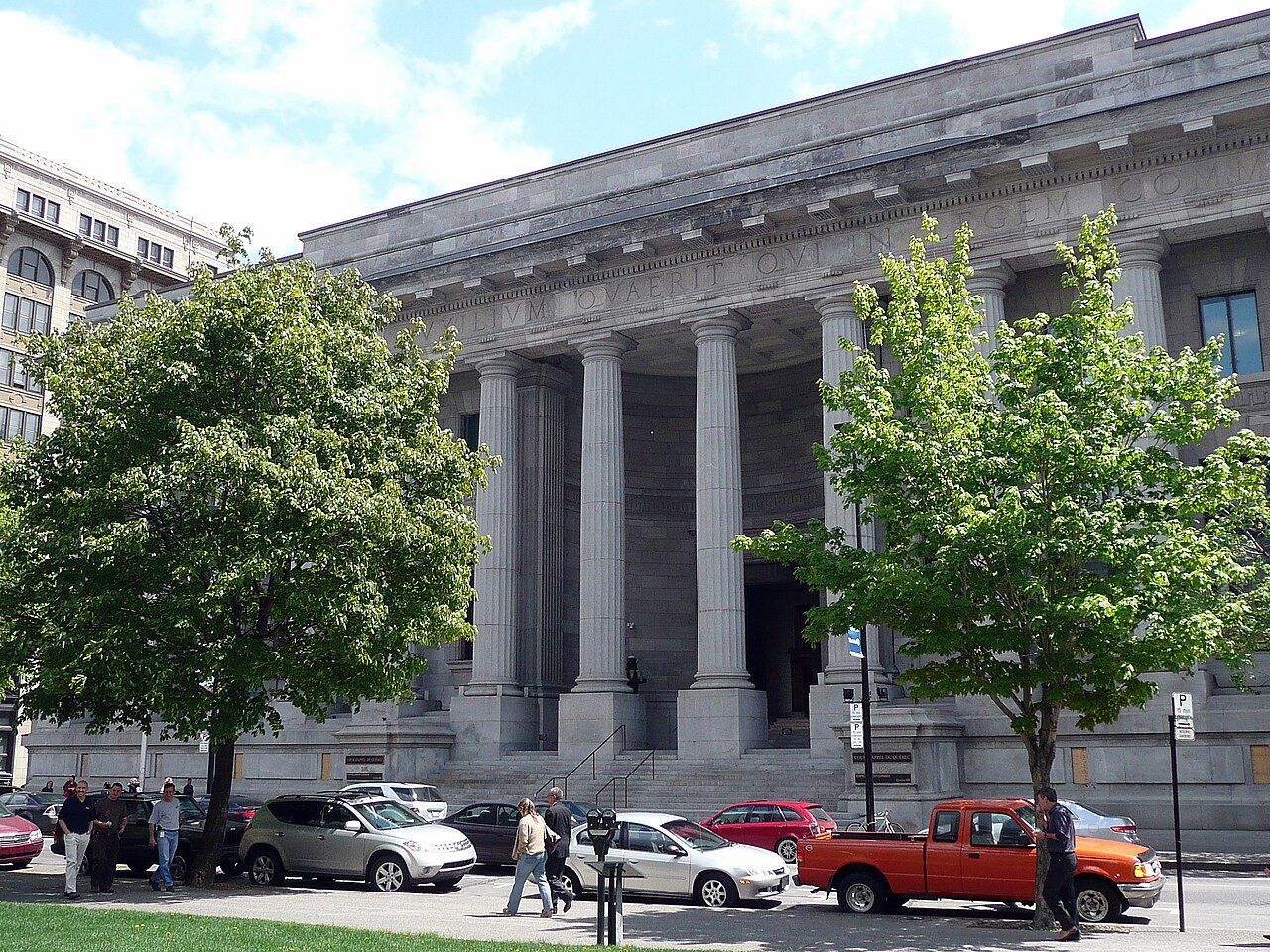
The Quebec Court of Appeal will deliver a ruling Monday on whether elected officials must swear allegiance to the King before taking their seats. Lawyers for the Parti Québécois government argued against the requirement at a hearing Friday, contesting a lower court decision that suspended a provincial law. That law, passed unanimously in 2022, allowed MNAs to swear an oath to the people of Quebec instead of the monarch. Premier Paul St-Pierre Plamondon has stated the parliamentary session will begin on Dec. 1 as scheduled, without members taking the royal oath.
Justice Lori Renée Weitzman heard arguments on the government's request to appeal a ruling from Superior Court Justice Ian Demers. Demers suspended the 2022 law this week, ordering his decision to take effect immediately. He ruled that the constitutional oath to the King is mandatory for MNAs before they can sit. Demers also warned that any legislation passed by members who had not sworn the oath would be unconstitutional. Weitzman must decide whether to grant the appeal and whether to pause Demers's ruling while the appeal proceeds.
READ MORE: Quebec government appeals ruling requiring oath to King before legislature sits
READ MORE: Supreme Court to rule on Quebec secularism law next week
Michel Déom, representing Quebec's attorney general, argued the lower court judge erred by not considering the disruption to parliamentary work. University of Ottawa law professor Lawrence David, who helped challenge the law, urged the court to reject the government's requests. "Law number 4, as stated by the Superior Court, is manifestly unconstitutional," David argued. He said the government's arguments simply repeated those already rejected by the Superior Court.
What does the Constitution require?
Section 128 of the Constitution Act, 1867, requires members of provincial legislatures to swear allegiance to the monarch. Quebec's 2022 law sought to override that requirement for its members. None of the 127 MNAs elected in October have sworn the oath to the King, having instead pledged allegiance to Quebecers. David argued the constitutional text is clear and that laws passed by MNAs who bypass the oath would be invalid. He also expressed concern about political pressure on the court from the premier's actions.
David stressed the need to uphold the Superior Court's judgment during the appeal process. "It is essential that the judgment of the Superior Court not be suspended pending the merits of the appeal to ensure that an unlawful assembly does not go forward," he said. He noted that politicians, including the premier, have stated they will sit on Dec. 1 regardless of the appeal court's decision. If permission to appeal is granted, a hearing on the merits of the case is scheduled for Jan. 11.
What is the premier's position?
Premier Paul St-Pierre Plamondon said the conflict shows the flaws of the Canadian Constitution. "The Constitution is set in concrete. That's a problem," he told reporters in Quebec City. He argued the document is dysfunctional when a unanimously passed provincial law on an oath can paralyze the legislature. The premier invited opposition parties to sign a declaration reaffirming their opposition to the mandatory oath, but only Québec solidaire agreed. The Quebec Liberals and Conservatives refused, saying they would not defy a court order to sit illegally.
St-Pierre Plamondon said he was "incredibly disappointed and even stunned" by the refusal of the Liberal and Conservative leaders. He accused them of lacking principles and consistency. On Thursday, the premier dismissed the legal challenge from the academic who brought the case. "It isn't Mr. Lawrence Whatever from the University of Ottawa who is going to stop me from dedicating myself to the public service and Quebecers," St-Pierre Plamondon said.
What are the potential consequences?
Political analyst Daniel Tran said the PQ government's credibility is at stake. He warned that if the court rules the assembly is unlawful, any laws it passes could be challenged. "Any laws or bills that they're trying to pass could be contested on a judicial level," Tran told CityNews. He said such a scenario would damage the party's credibility and have financial repercussions for groups affected by its legislation. Tran noted that in a minority government, delays on important bills would be significant.
Tran said the government must handle the situation carefully to avoid major repercussions. "Ultimately the concern about it is that if they are going to the National Assembly, pushing through and lots of the bills that they are voting can end up being contested by different groups," he said. The analyst said the symbol of not having seated elected officials before year's end would be catastrophic for the Parti Québécois. He added that time is of the essence for addressing issues like homelessness.
Nosy Mag reported in November that the Quebec government is contesting a court decision that says MNAs must swear allegiance to the Crown. David said his side looks forward to the January hearing to defend the Superior Court's judgment. The case is scheduled to return to court on Jan. 11 for further arguments from both sides.
With files from The Canadian Press, CityNews and Global News