Christy Clark
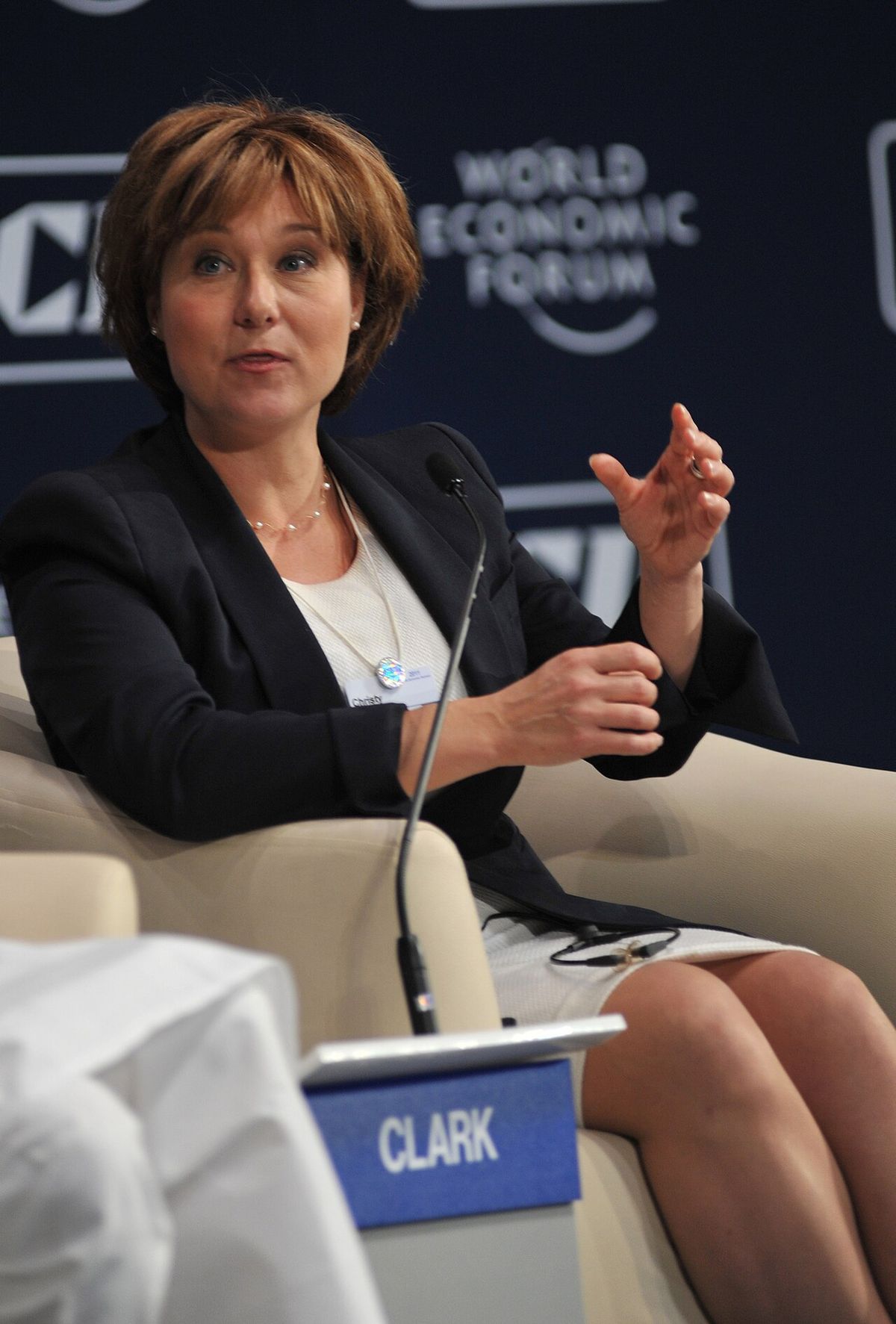
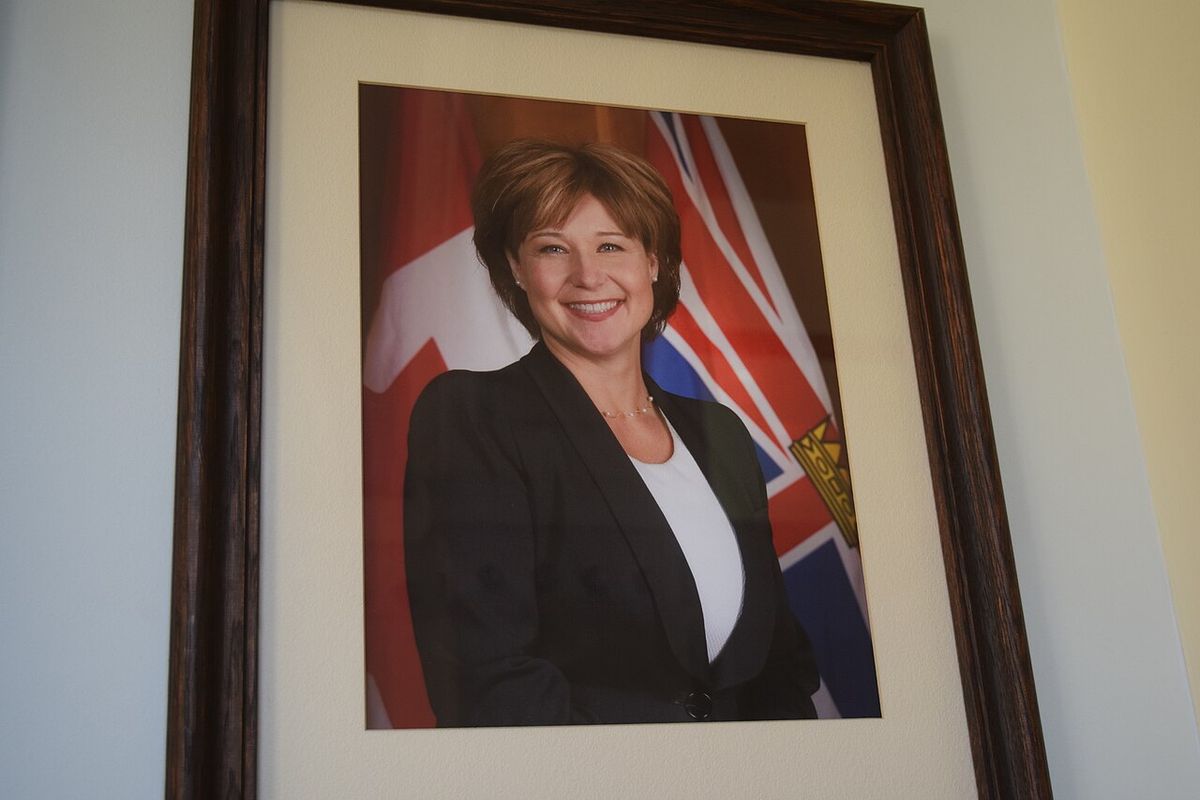
Christina Joan Clark is a Canadian politician who served as the 35th premier of British Columbia from 2011 to 2017. A member of the British Columbia Liberal Party, she was the second woman to serve as premier of the province. Her tenure was marked by a focus on economic development, fiscal management, and the promotion of the liquefied natural gas sector, alongside significant social policy initiatives. Clark's political career, which included a period as a radio host and political commentator after her premiership, remains a significant chapter in British Columbia's political history.
Early life, education and entry into politics
Christy Clark was born on October 29, 1965, in Burnaby, British Columbia, the daughter of Mavis Audrey Bain and Jim Clark. Her father was a teacher and a three-time candidate for the provincial legislative assembly, and her mother, born in Glasgow, Scotland, was a marriage and family therapist in Vancouver. Clark graduated from Burnaby South Senior Secondary before attending Simon Fraser University (SFU), the Sorbonne in France, and the University of Edinburgh in Scotland to major in political science and religious studies. She did not graduate from any post-secondary institution. Clark was active in student politics while at SFU, and in 1987 was elected president of the campus Young Liberals. In 1989, she was elected student president, but her election was voided after the opposition charged she broke campaign rules. Clark served as a political staffer for the BC Liberal Party during its time in opposition, and in 1993, moved to Ottawa to serve as an aide to then-federal transport minister Doug Young. She returned to British Columbia in 1996 after new Liberal leader Gordon Campbell invited her to run for office. In 2001, Clark gave birth to her only child, Hamish Marissen-Clark, with then husband Mark Marissen. Clark was the second woman in Canadian history to give birth to a child while serving as a cabinet minister, after Pauline Marois, then a Quebec provincial minister, in 1985.
Provincial political career and cabinet roles (1996 to 2005)
Clark was first elected to the legislative assembly in the 1996 election, representing the riding of Port Moody-Burnaby Mountain. During the next five years, she served as the Official Opposition critic for the environment, children and families and for the public service. She also served as the campaign co-chair for the BC Liberals during the 2001 election, in which the party won 77 of 79 seats in the legislative assembly. Following the BC Liberal Party's election victory in 2001, Premier Gordon Campbell appointed Clark Minister of Education and Deputy Premier on June 5, 2001. She brought in a number of changes that were claimed to increase accountability, strengthen parental power in the decision-making process, and provide parents greater choice and flexibility in the school system. These changes were unpopular amongst teachers, school board members, opposition politicians, and union officials who argued that the decision not to fund the pay increases agreed to by the government resulted in funding gaps. The changes made were challenged by the BC Teacher's Federation, and were later found to be unconstitutional. As Education Minister in 2002, Clark introduced Bills 27 and 28 forcing teachers back to work and banning collective bargaining. In 2011, the BC Supreme Court found Minister Clark's decision to do so unconstitutional. Clark was deputy premier at the time of the privatization of BC Rail and resulting scandal. Clark was also the co-chair of the 2001 Liberal campaign, which included a platform that specifically promised not to sell BC Rail. In 2004, Clark was appointed Minister of Children and Family Development after Minister Gordon Hogg was forced to resign. On September 17, 2004, Clark quit provincial politics and did not seek re-election in the 2005 provincial election. She declared she wanted to spend more time with her three-year-old son.
- Elected MLA for Port Moody-Burnaby Mountain in the 1996 provincial election.
- Served as Official Opposition critic for Environment, and for Children and Families from 1996 to 2001.
- Co-chair of the BC Liberal campaign for the 2001 provincial election, where the party won 77 of 79 seats.
- Appointed Deputy Premier and Minister of Education on June 5, 2001.
- Resigned from provincial politics on September 17, 2004.
Campaign for mayor and media career
On August 31, 2005, Clark announced that she would seek the nomination of the Non-Partisan Association (NPA) to run for mayor in the Vancouver Civic Elections against local councillor Sam Sullivan. On September 24, 2005, she lost the NPA's mayoral nomination to Sullivan by 69 votes out of 2,100 cast. Sullivan was subsequently elected Mayor of Vancouver and in 2013 was elected a Liberal MLA while Clark was premier. From 2005 to 2010, Clark built a career in media outside of elected office. She served as a weekly columnist for the Vancouver Province and the Vancouver Sun newspapers during the 2005 provincial election and an election analyst for Global BC and CTV News Channel during the 2006 federal election. Her most prominent media role was as the host of The Christy Clark Show, airing weekdays on CKNW 980 AM in Vancouver from August 27, 2007, until the time of her decision to enter the BC Liberal leadership election in December 2010.
Leadership campaign and return to office
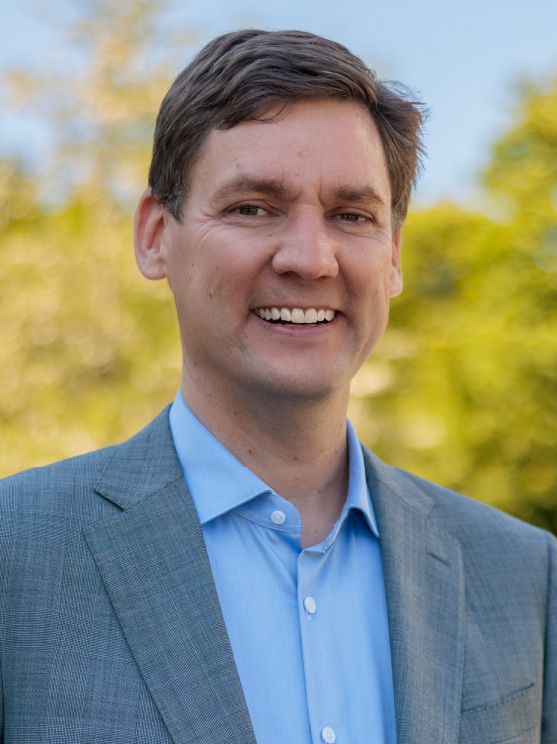
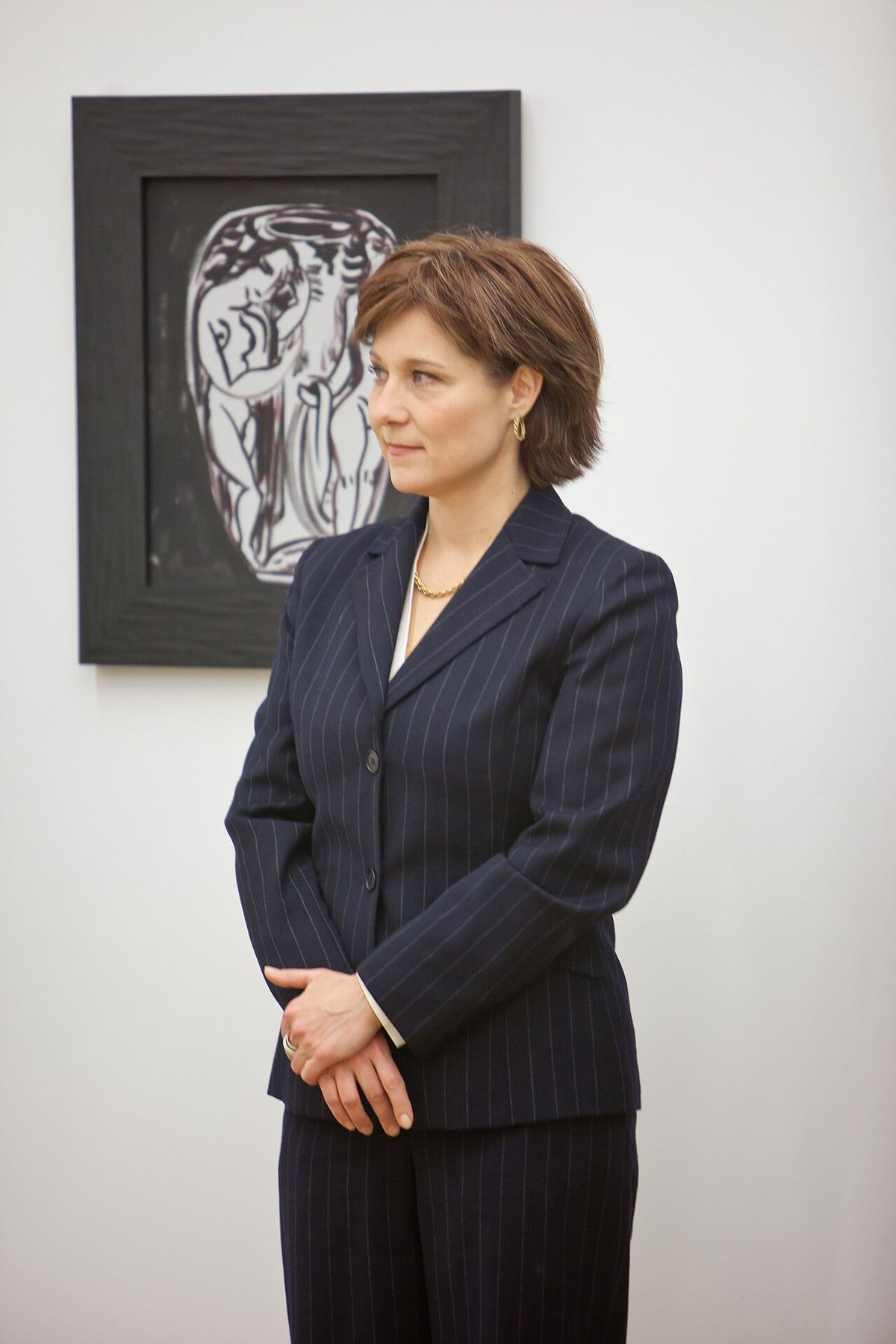
On December 8, 2010, Clark officially announced her intent to seek the leadership of the BC Liberal Party. Public polling conducted prior to and after the announcement of her candidacy showed that Clark was the frontrunner to succeed Campbell as leader of the BC Liberals and premier. Clark launched her leadership bid saying she wanted a family-first agenda. During the campaign she tried to cast herself as an outsider from the current caucus, and as the only candidate who could provide the change voters were looking for. Clark's policy proposals included observing a provincial Family Day in February, establishing an Office of the Municipal Auditor General to monitor local government taxation, and to provide a more open government by holding 12 town hall meetings a year to hear from residents. Regarding the controversial Harmonized Sales Tax (HST), she campaigned early on to cancel the referendum scheduled for September 2011. She suggested a free vote in the legislature by MLAs, believing the HST referendum has little chance of success. However, she eventually decided to continue with the planned referendum. Despite her perceived frontrunner status, backbench MLA Harry Bloy was the only sitting member of BC Liberal caucus to endorse her candidacy for leader. The majority of the caucus supported the campaigns of Kevin Falcon and George Abbott, who were each endorsed by 19 MLAs. At the leadership convention held on February 26, 2011, Clark was elected leader of the BC Liberals on the third ballot, over former Health Minister Kevin Falcon. She won 52 per cent of the vote, compared to 48 per cent for Falcon. Clark was sworn in as premier of British Columbia on March 14, 2011, and unveiled a new smaller cabinet on the same day. At the time of her swearing in, she did not hold a seat in the legislature. Clark ran in former Premier Gordon Campbell's riding of Vancouver-Point Grey and defeated NDP candidate David Eby by 595 votes on May 11, 2011. Her win marked the first time that a governing party won a by-election in 30 years.
Premiership: economic and energy policies
Under Clark the party charted a more centrist outlook while continuing its recent tradition of being a coalition of federal Liberal and federal Conservative supporters. She immediately raised the minimum wage from $8 per hour to $10.25 per hour and introduced a province-wide Family Day similar to Ontario's. Clark became premier during the aftermath of the 2008-09 recession, and continued to hold the line on government spending, introducing two deficit budgets before a balanced one for the 2013-14 fiscal year, which included a tax hike on high-income British Columbians. Clark's government sought to take advantage of BC's liquified natural gas (LNG) reserves, positioning the budding LNG industry as a major economic development opportunity over the next decade. While the final years of Gordon Campbell's administration had seen far-reaching and progressive environmental legislation enacted, Clark was more measured in her approach to environmental policy. While continuing with BC's first-in-North-America carbon tax, she promised to freeze the rate during the 2013 election and her LNG development aspirations seemed to contradict greenhouse gas emissions targets set by the Campbell government in 2007. She also announced in 2012 that any future pipeline that crosses BC would have to meet five conditions that included environmental requirements and Aboriginal consultation. Controversially, she indicated that one of her five conditions would be that BC receives its fair share of any revenues that accrue from increased pipeline and tanker traffic. This has put her in direct conflict with the province of Alberta, who sought increased market access for its bitumen through BC ports. Her government's economic initiatives included the BC Jobs Plan, the Single Parent Employment Initiative, and programs to revitalize the ship-building industry and expand trades training.
- The BC Jobs Plan, aimed at leveraging the province's economic strengths.
- The Single Parent Employment Initiative, to assist parents entering the workforce.
- A program to revitalize the province's ship-building industry.
- The promotion of LNG as a key new resource sector for Canada.
- Expansion of education and workforce training in trades and STEM-based jobs.
Social policy, race relations and controversies
Clark's premiership included several significant social policy actions and efforts to improve community relations. In May 2014, Clark gave a formal apology in the legislature for over 160 historical racist and discriminatory policies imposed against Chinese Canadians. She stated that the governments which passed these laws acted in a manner lawful at the time, but today this racist discrimination is seen as unacceptable. The entire legislative assembly acknowledged the perseverance of Chinese Canadians. In October 2014 the British Columbia government exonerated First Nations leaders who had been sentenced to be hanged in the Chilcotin War by Judge Begbie in 1864. Clark stated, We confirm without reservation that these six Tsilhqot'in chiefs are fully exonerated for any crime or wrongdoing. Her premiership was not without controversy. The Quick Wins scandal in 2012, where the Liberals used government resources for partisan ethnic outreach, generated significant public outcry and shook her government. During her premiership, she was accused of conflict of interest by MLA and former BC Liberal cabinet minister John van Dongen in relation to the sale of BC Rail. In April 2013, BC's Conflict of Interest Commissioner released a decision that Clark had been in neither a real nor apparent conflict of interest. Her government's record on money laundering later came under scrutiny. The 2022 Cullen Commission of Inquiry into Money Laundering in British Columbia final report stated that in 2015, the premier learned that casinos conducted by a Crown corporation were reporting transactions involving enormous quantities of cash as suspicious, but failed to ensure such funds were not accepted. On June 8, 2016, Clark recounted that, as a 13-year-old girl on her way to work at her first job, she was forcibly grabbed and pulled into some bushes. She also shared that she had been subject to other sexual offences throughout her life.
Elections, defeat and resignation
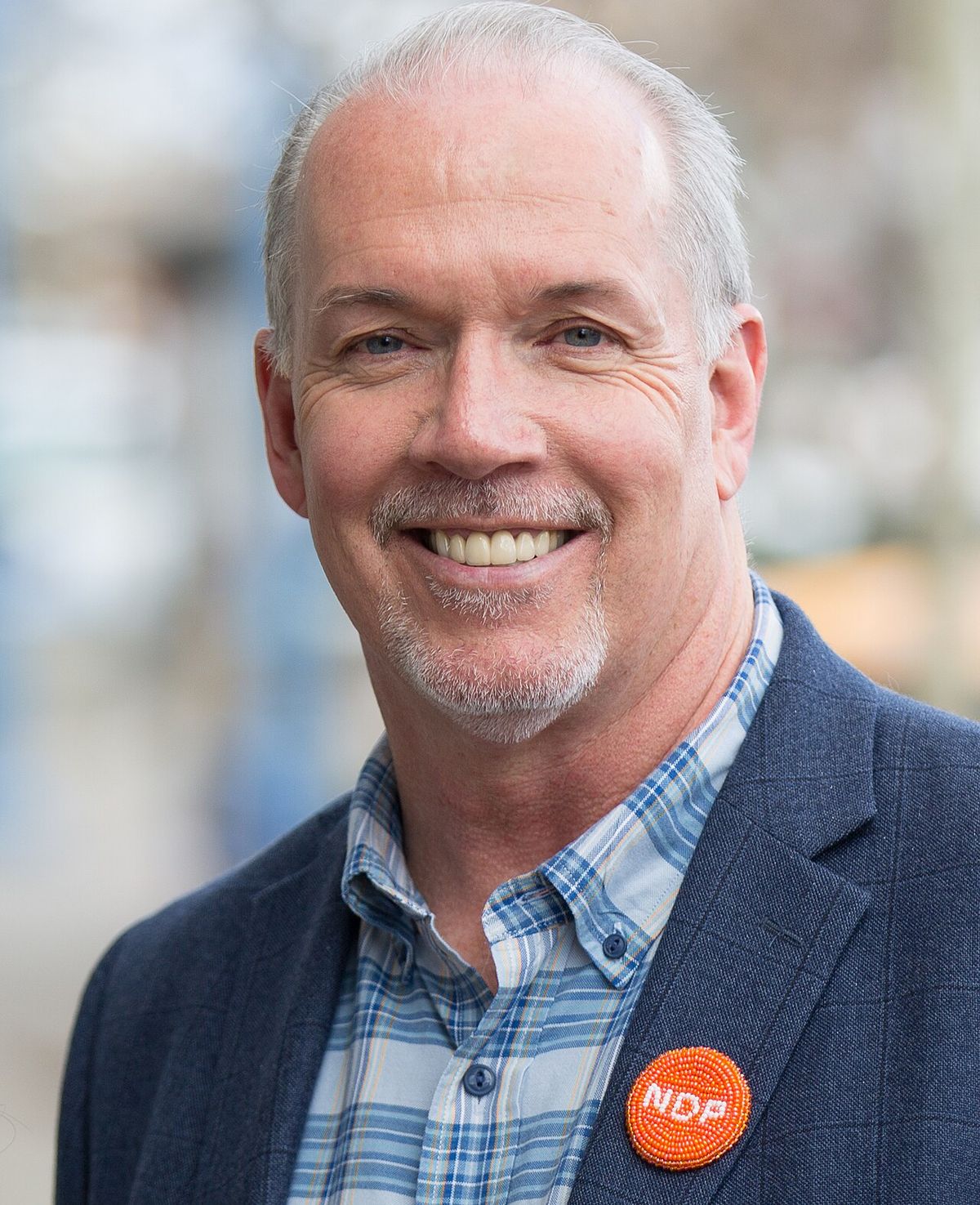
As the 2013 general election approached, polls showed that Clark was one of the least popular premiers in Canada. However, Clark ran a tightly-focused campaign that centred on jobs, LNG, and a debt free BC. During the leaders' televised debate, Clark attacked NDP leader Adrian Dix for his waffling position on the Kinder Morgan pipeline expansion. Clark defied pollster predictions by leading her party to victory, its fourth consecutive mandate, in the May 14, 2013, provincial election reversing a 20-point lead held by the BC NDP. However, she suffered personal defeat in Vancouver-Point Grey, losing her seat to NDP candidate David Eby by a margin of 785 votes. According to parliamentary precedent, she was entitled to remain premier, but had to win a by-election. On June 4, Clark announced she would run in a by-election for the safe Liberal seat of Westside-Kelowna to re-enter the Legislative Assembly. The incumbent MLA, government whip Ben Stewart, resigned in Clark's favour. Clark won the by-election on July 10, 2013, taking more than 60 per cent of the vote over NDP candidate Carole Gordon. The 2017 provincial election resulted in a minority parliament. The BC Liberals held the largest number of seats (43), ahead of the NDP (41) and Greens (3), but they were one seat short of forming a majority. After the election the Liberals entered negotiations with the Green Party, which held the balance of power. However, on May 29, 2017, the Greens instead reached a confidence and supply agreement with the official opposition NDP. Clark's new cabinet was sworn in on June 8. Clark subsequently recalled the legislative assembly to test its confidence in her government, with a speech from the throne that included billions of dollars in new funding and key policies supported by the NDP and Greens. On June 29, Clark's minority government was defeated 44-42 after Horgan introduced a no-confidence motion as an amendment to the throne speech. Clark then asked Lieutenant Governor Judith Guichon for a new election, contending that an NDP minority government would be unstable. Guichon did not agree and refused to dissolve the legislature. Clark then resigned as premier, and Guichon invited Horgan to form a minority government, which took office on July 18. On July 28, Clark announced that she would resign as Liberal Party Leader and exit from politics, effective August 4, 2017.
| Election | Date | Riding | Result | Vote Margin |
|---|---|---|---|---|
| By-election | May 11, 2011 | Vancouver-Point Grey | Won | 595 votes over David Eby (NDP) |
| General Election | May 14, 2013 | Vancouver-Point Grey | Lost | 785 votes to David Eby (NDP) |
| By-election | July 10, 2013 | Westside-Kelowna | Won | Over 60% of vote, defeating Carole Gordon (NDP) |
| General Election | May 9, 2017 | Westside-Kelowna | Won | Part of party's 43-seat minority result |
Post-premiership activities and federal politics
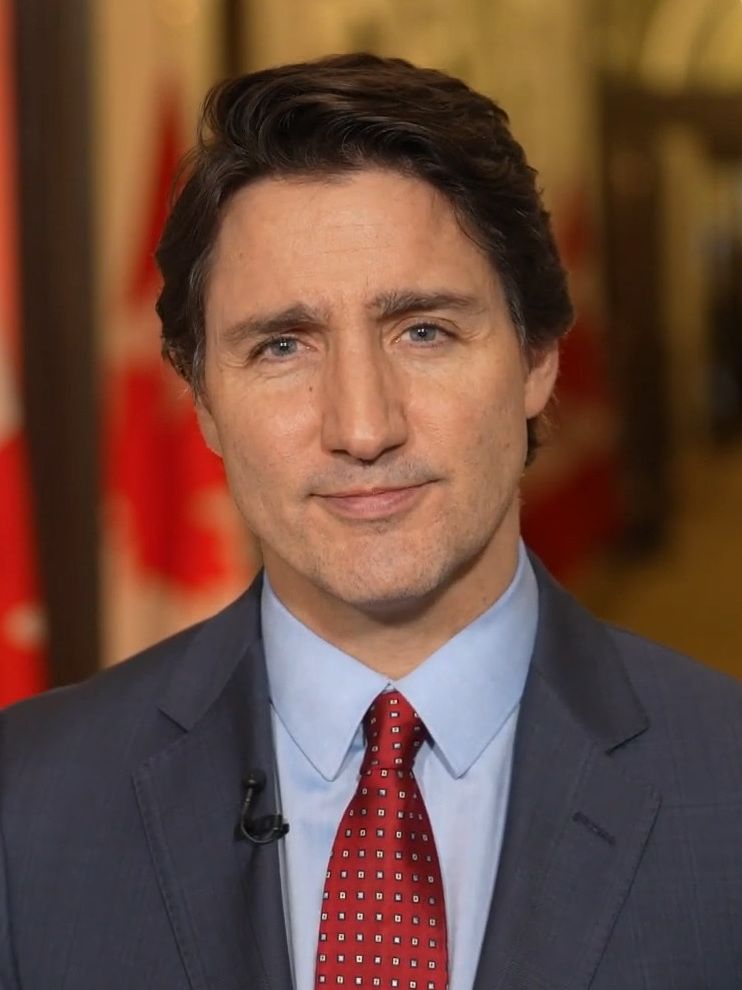
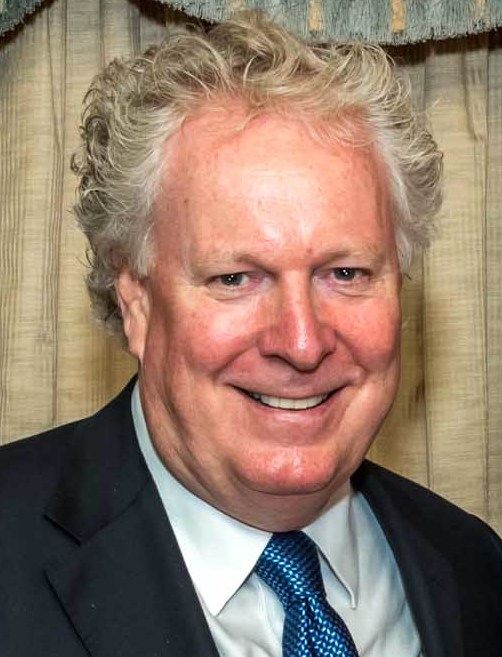
Clark considered running in the 2020 Conservative Party of Canada leadership election, but ultimately decided against it. She endorsed Jean Charest in the 2022 Conservative Party of Canada leadership election. Clark took out a membership in the party and received a ballot to vote in the race, her membership expired on June 23, 2023. She was on the advisory council of Centre Ice Canadians in 2023. She left the group before it became the Canadian Future Party, stating she believed the group would have been better served focusing on supporting centrist candidates within existing parties. On June 27, 2024, she called on Justin Trudeau to resign as Prime Minister after the Conservative upset byelection win against the Liberals in Toronto, St. Paul's. In September 2024, Clark gave a speech at the Ontario Liberal Party's annual general meeting about running a winning campaign. In October 2024, she confirmed that she was interested in running for the leadership should Justin Trudeau resign. Following Trudeau's resignation announcement on January 6, 2025, Clark was considered as a possible candidate in the 2025 Liberal Party of Canada leadership election. She had been reportedly learning French prior to his resignation. On January 10, during an interview with CBC Radio's The House, she announced that she was seriously considering running. She falsely claimed that she never took out a Conservative membership when she supported Charest, despite multiple past statements saying she had done so. Clark challenged the Conservative Party of Canada to publish her membership record, which it did shortly after the interview. She then apologized for misspeaking. On January 14, 2025, she declined to enter the race, citing her lack of French fluency and the short timescale of the race. After Mark Carney became prime minister, his team made efforts to recruit Clark as a star candidate for the 2025 federal election. On March 24, 2025, Clark announced that she would not be running in the election. Clark is a political commentator on CTV News Channel. She launched a podcast in 2026.
Personal life and historical significance
Clark holds two significant records in Canadian political history. She is the longest-serving female premier in Canada, having served for over six years from 2011 to 2017. She is also the only woman in Canada to have been re-elected as a premier, having led the BC Liberals to victory in the 2013 provincial election. Her government recorded five consecutive balanced budgets. Clark was the second woman to serve as premier of British Columbia. She was the second woman in Canadian history to give birth to a child while serving as a cabinet minister, after Pauline Marois. Clark's personal revelation about being a survivor of sexual assault, shared in 2016, brought public attention to the issue. Her career path from student politician to radio host to premier demonstrates a unique trajectory in Canadian public life. Her tenure was defined by economic focus, energy development, and significant social apologies, leaving a complex legacy in British Columbia politics.
- Second woman to serve as Premier of British Columbia (2011).
- Only woman in Canada to be re-elected as a premier (2013).
- Longest-serving female premier in Canadian history (over six years).
- Second woman in Canadian history to give birth while serving as a cabinet minister (2001).
- Host of her own radio talk show, The Christy Clark Show (2007 to 2010).
Questions about Christy Clark
How long did Christy Clark serve as premier of British Columbia?
Christy Clark served as the 35th premier of British Columbia from March 14, 2011, to July 18, 2017, a period of over six years. This makes her the longest-serving female premier in Canadian history. She led the BC Liberals to re-election in 2013 before her minority government was defeated following the 2017 election.
What was Christy Clark's background before becoming premier?
Before becoming premier, Christy Clark was first elected as an MLA in 1996 and served as Deputy Premier and Minister of Education from 2001 to 2004. She left politics in 2005 and worked in media as a newspaper columnist, a television election analyst, and the host of her own radio talk show, The Christy Clark Show, on CKNW in Vancouver from 2007 to 2010. In 2005, she also lost a bid for the Non-Partisan Association's mayoral nomination in Vancouver.
What were some of Christy Clark's key policies as premier?
Key policies included raising the minimum wage from $8 to $10.25 per hour, introducing a provincial Family Day, and balancing the budget. She championed the liquefied natural gas (LNG) industry as a major economic opportunity. Her government set five conditions for new oil pipelines, including environmental safeguards and a fair share of economic benefits for BC. In social policy, she issued formal apologies for historical wrongs against Chinese Canadians and exonerated Tsilhqot'in First Nations chiefs.
Did Christy Clark run for federal Liberal leadership in 2025?
Following Prime Minister Justin Trudeau's resignation, Christy Clark was considered a potential candidate for the federal Liberal leadership in 2025 and confirmed her interest in October 2024. However, on January 14, 2025, she declined to enter the race, citing her lack of French fluency and the short timeline. She later confirmed on March 24, 2025, that she would not be a candidate in the subsequent federal election.
What is Christy Clark doing now after politics?
Christy Clark works as a political commentator on CTV News Channel and launched a podcast in 2026. She is a sought-after public speaker. She was on the advisory council of Centre Ice Canadians in 2023 but left before it became the Canadian Future Party. She has been involved in federal political commentary, endorsing Jean Charest in the 2022 Conservative leadership race and calling for Justin Trudeau's resignation in 2024.
What records does Christy Clark hold in Canadian politics?
Christy Clark is the longest-serving female premier in Canada, having served for over six years. She is the only woman in Canada to have been re-elected as a premier, following the 2013 BC election. She was also the second woman in Canadian history to give birth while serving as a provincial cabinet minister, after Pauline Marois. She was the second woman to serve as Premier of British Columbia.
Sources and further reading
- Christy Clark (Wikipedia)
- Christy Clark says B.C. facing challenges, opportunities (nanaimobulletin.com)
- Christy Clark | Legislative Assembly of BC (leg.bc.ca)
- The Hon. Christy Clark | Former Premier of BC (speakers.ca)
Checked by the Nosy Mag desk. Last updated 2026-10-23.