Gordon Campbell
Gordon Muir Campbell is a Canadian politician, businessman, and diplomat. He served as the 34th premier of British Columbia from 2001 to 2011, leading the BC Liberal Party to three consecutive majority governments. He previously served as the 35th mayor of Vancouver from 1986 to 1993. After leaving provincial politics, Campbell served as Canadian High Commissioner to the United Kingdom from 2011 to 2016 and as Canada's representative to the Ismaili Imamat from 2014 to 2016.
Early life, education and initial career
Gordon Campbell was born in Vancouver on January 12, 1948, the son of Charles Gordon Campbell, a physician and assistant dean of medicine at the University of British Columbia, and Peg Campbell, a kindergarten assistant at University Hill Elementary School. His father died by suicide in 1961 when Gordon was 13. Campbell grew up in the city's West Point Grey neighbourhood, attending Stride Elementary and University Hill Secondary School, where he served as student council president. He attended Dartmouth College in New Hampshire on a scholarship, earning a Bachelor of Arts degree with a major in English in 1969. In 1969, he received a $1,500 Urban Studies Fellowship to work in Vancouver's city government, where he met future mayor Art Phillips. After graduating, Campbell married Nancy Chipperfield in New Westminster on July 4, 1970. The couple went to Nigeria under the Canadian University Service Overseas program, where Campbell taught, coached basketball and track and field, and launched literacy initiatives.
Returning to Vancouver, Campbell briefly attended law school at the University of British Columbia but soon left to work on Art Phillips's successful mayoral campaign in 1972. He served as Phillips's executive assistant until 1976. Campbell then worked as a project manager for Marathon Realty and concurrently pursued a Master of Business Administration degree at Simon Fraser University's Beedie School of Business, which he completed in 1978. In 1981, he left Marathon Realty and founded his own real estate development firm, Citycore Development Corporation, which successfully constructed several buildings in Vancouver despite a national economic slowdown. During this period, Campbell also became involved in civic advocacy, supporting the Downtown Stadium for Vancouver Committee, which promoted the stadium project to revitalize the polluted False Creek industrial lands after Premier Bill Bennett announced the project in 1980.
Vancouver City Council and Mayor
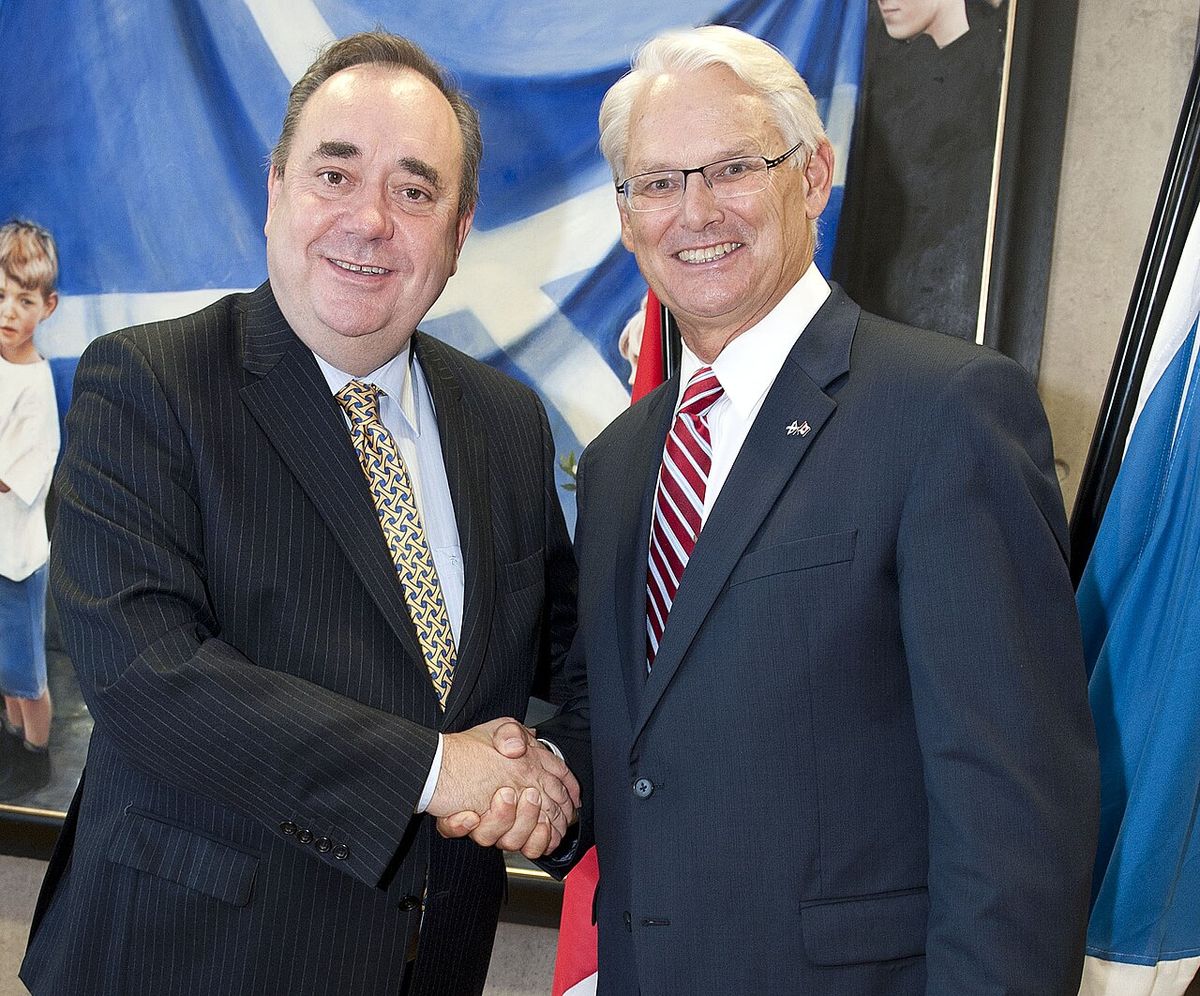
Gordon Campbell entered electoral politics in 1984, winning a seat on Vancouver City Council as a member of the Non-Partisan Association. He was elected mayor of Vancouver in 1986 and served three successive terms until 1993. His tenure oversaw significant urban development, including the redevelopment of the Expo Lands following the 1986 World Exposition, the transformation of the Yaletown district from an industrial area into a residential and commercial neighbourhood, and the foundational planning for the Coal Harbour residential community. A prominent civic achievement was the construction of the new Vancouver Public Library's central branch, a landmark building designed by architect Moshe Safdie. Campbell also held regional leadership roles, serving as chair of the Greater Vancouver Regional District, now known as Metro Vancouver, and as president of the Union of British Columbia Municipalities. These roles allowed him to shape regional policy on transportation, housing, and environmental management.
Leader of the BC Liberals and Opposition
Campbell became leader of the British Columbia Liberal Party in 1993 in a three-way race with Gordon Gibson, Jr. and incumbent leader Gordon Wilson, who had lost the confidence of his party. He was elected to the Legislative Assembly the next year in a by-election in the Vancouver-Quilchena riding. In the 1996 provincial election, Campbell was elected in the Vancouver-Point Grey riding, which he would hold until 2010. The Liberals entered that campaign leading in the polls, largely due to a fundraising scandal plaguing the governing New Democratic Party. While Campbell's party gained 16 seats and won a slight plurality of the popular vote, the NDP retained enough seats to form a majority government, leaving Campbell as leader of the Official Opposition. He served in that role through the premierships of NDP leaders Glen Clark, Dan Miller, and Ujjal Dosanjh. In May 2000, Campbell, along with Michael de Jong and Geoffrey Plant, brought a court case against the Nisga'a Nation, the Attorney General of Canada and the Attorney General of British Columbia, parties to the Nisga'a Final Agreement. They claimed the treaty was inconsistent with the Constitution of Canada. Justice Williamson dismissed the application, judging the treaty to be constitutionally valid. In the 2001 BC election, Campbell's Liberals defeated the two-term NDP incumbents, taking 77 of 79 seats in the legislature, the largest majority of seats and the second-largest majority of the popular vote in BC history.
Premier of British Columbia: first term (2001 to 2005)
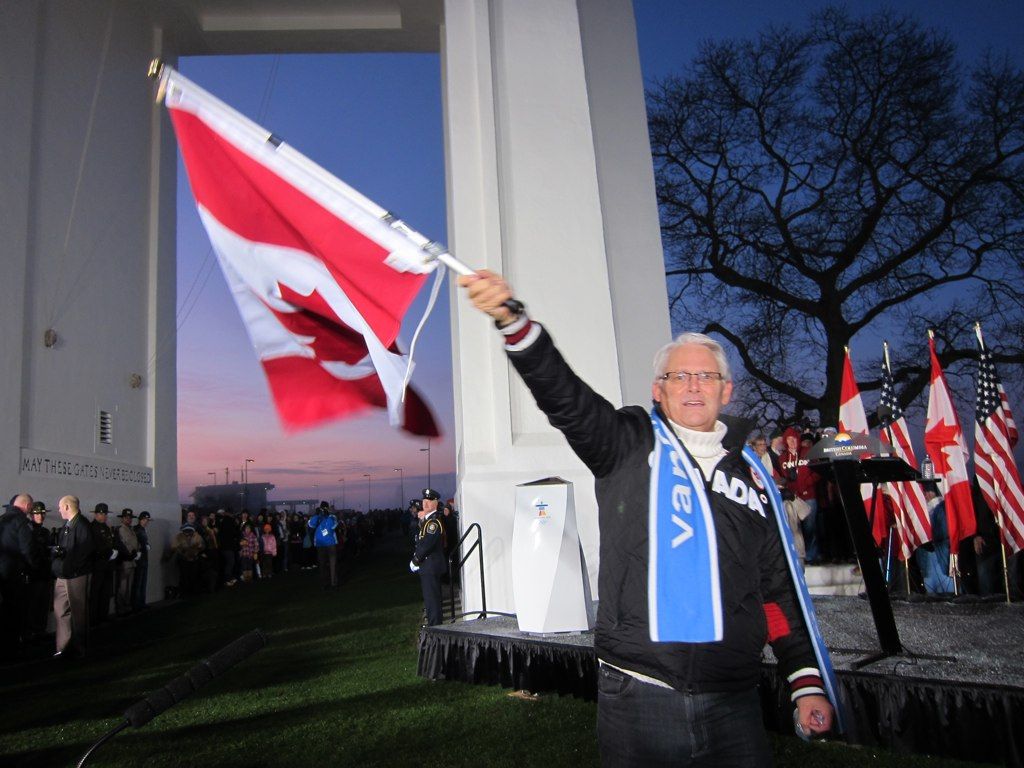
Upon taking office in June 2001, the Campbell government announced a 25 percent reduction in personal income tax rates across all brackets within a day. This was accompanied by cuts to the corporate income tax and the elimination of the Corporation Capital Tax. To finance these cuts and balance the budget, the government pursued fiscal austerity that included reductions in welfare rolls and some social services, deregulation, sale of government assets such as the fast ferries, reducing the size of the civil service, and closing government offices. In 2003, the government announced the controversial sale of the publicly owned BC Rail to Canadian National Railway, a move that contradicted a specific 2001 campaign promise. In 1996, he had lost an election after promising to sell BC Rail. The sale triggered charges based in information found during police raids on cabinet offices in a drug-related investigation known as the BC Legislature Raids. The government passed legislation in August 2001 declaring education an essential service, making teacher strikes illegal. It also started on the largest expansion of BC's post-secondary system since 1965, planning for 25,000 new spaces between 2004 and 2010. In November 2002, the Campbell government passed the Forest and Range Practices Act which reversed many regulations from the former New Democrat government. The government also made significant changes to environmental assessment legislation and aquaculture policies on salmon farming. In the spring of 2002, the government held a referendum on eight principles for treaty negotiations with First Nations. Over 80 per cent of participating voters agreed to all eight proposed principles, leading treaty negotiations to resume. In health care, the government passed Bill 29, the Health and Social Services Delivery Improvement Act, which led to the privatization of more than 8,000 healthcare jobs. The Supreme Court of Canada later ruled in 2007 that the Act violated good faith requirements for collective bargaining. The government increased health funding by $3 billion during its first term and increased the number of new nurse training spaces by 2,500, an increase of 62 percent. It nearly doubled the doctors in training and opened new medical training facilities in Victoria and Prince George. Nurses received a 23.5 percent raise while doctors received a 20.6 percent raise after arbitration. In January 2003, Campbell was arrested and pleaded no contest for driving under the influence of alcohol in Hawaii, with a blood-alcohol level more than twice the legal limit. He was fined $913 (US), ordered into a substance abuse program, and assessed for alcoholism. Mothers Against Drunk Driving Canada called for his resignation. On November 1, 2001, the Campbell government increased the minimum wage to $8.00 per hour, while new entrants into the labour force could be paid $6 per hour. British Columbia won the right to host the 2010 Winter Olympics on July 2, 2003. On April 23, 2010, Campbell received the Olympic Order from the Canadian Olympic Committee. The government lifted a six-year tuition fee freeze and in 2005 implemented a policy capping increases at the rate of inflation.
Second and third terms as premier
Campbell led the BC Liberals to a second majority government in the May 17, 2005, election, though with a reduced majority. The provincial economy showed strong job growth during this period, with 430,000 new jobs created since December 2001, the best job creation record in Canada at the time. By spring 2007, unemployment had fallen to 4.0 percent, a 30-year low. However, 40,300 jobs were lost in 2008, mostly in December, pushing the unemployment rate to 7.8 percent by July 2009, the same level as in July 2001. On October 7, 2005, following the imposition of contracts on teachers, British Columbia's teachers began an indefinite walkout in an act of civil disobedience. The walkout lasted two weeks and threatened to culminate in a general strike. A major policy achievement was the 2008 Climate Action Plan, which included North America's first revenue-neutral carbon tax. Campbell stated he introduced the carbon tax after reading Tim Flannery's book The Weather Makers. The Campbell government attempted to negotiate treaties with a number of First Nations. Final agreements in principle were signed with the Tsawwassen First Nation, Maa-nulth Treaty Society, and Lheidli T’enneh First Nations. The Tsawwassen Treaty was passed by the band's membership in a contested referendum and came into effect on April 3, 2009. The Maa-nulth Treaty, covering Nuu-chah-nulth band governments, is pending federal ratification. The Lheidli-T'enneh Treaty was rejected in a band referendum. The government launched the Conversation on Health, a province-wide consultation on health care. In July 2009, Campbell announced the province would adopt a Harmonized Sales Tax, combining the GST and PST into a single 12 percent tax. The announcement triggered strong opposition from the public, with polls showing opposition at 82 to 85 percent. On June 11, 2010, Energy Minister Blair Lekstrom resigned from cabinet and caucus over the HST. A freedom of information request revealed the BC Liberals had formed HST-related plans prior to the 2009 election. The BC Rail email controversy arose when an affidavit suggested emails among Campbell and his officials may have existed until May 2009 but were ordered destroyed. A Supreme Court judge ordered Campbell and top officials to turn over their email records by August 17, 2009, but these were never located. Campbell's government was re-elected in the May 12, 2009, election, winning 49 seats in a new expanded 85-seat legislature.
Resignation and post-premiership
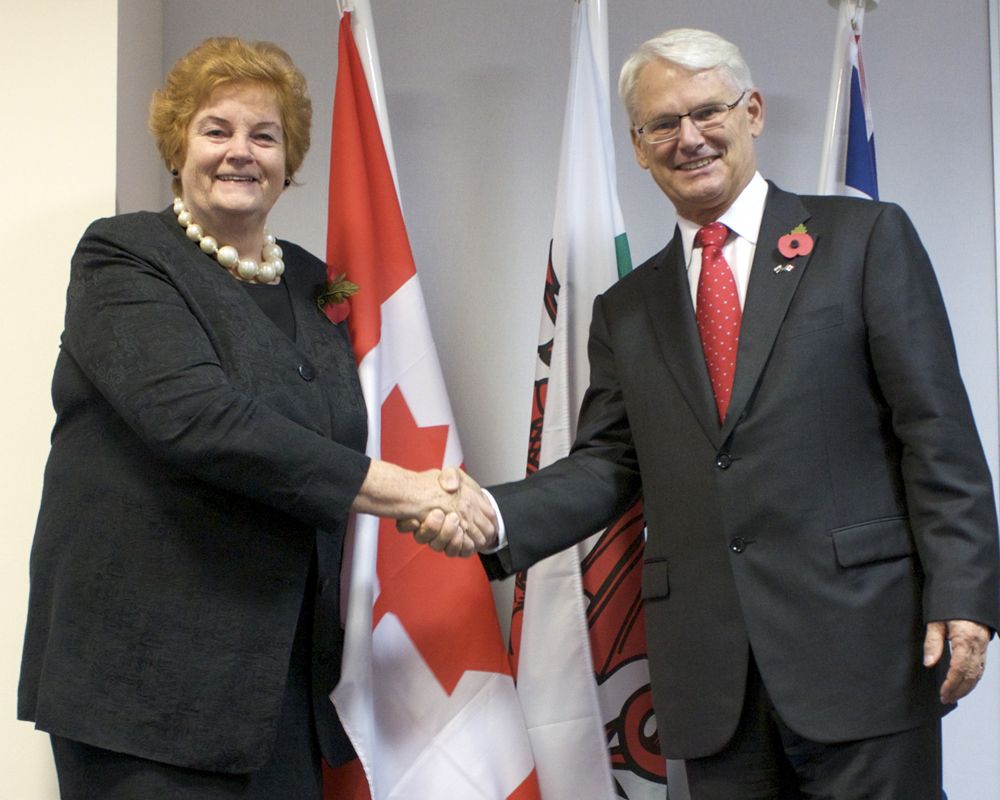
On November 3, 2010, Campbell announced his intention to resign as premier after months of strong political opposition to the HST, which saw his approval rating fall to 9 percent. Another factor was the ongoing BC Rail scandal trial. He resigned as premier on March 14, 2011, and was succeeded by Christy Clark. He did not stay on as an MLA after his successor was chosen. In late June 2011, it was reported Campbell would be named Canadian High Commissioner to the United Kingdom. He was formally announced on August 15, 2011, and officially took the post on September 15, 2011, serving until 2016. Concurrently, from 2014 to 2016, he served as Canada's representative to the Ismaili Imamat. He was shortlisted for the Grassroot Diplomat Initiative Award in 2015 for his work on business partnership. In January 2019, a former High Commission employee, Judith Prins, filed a sexual assault complaint with the Metropolitan Police alleging Campbell groped her in 2013. A spokesperson for Campbell denied the allegation, saying the complaint was investigated and dismissed at the time. In September 2020, details emerged of a civil suit filed by Prins naming Campbell and the Government of Canada as defendants.
Honours and later activities
On September 2, 2011, it was announced that Campbell would receive the Order of British Columbia, the second premier to be a recipient. Chief Justice Lance S. G. Finch declared that although his nomination was received on March 10, 2011, he was appointed on September 2, 2011, when he was not an elected MLA. He was awarded the Queen Elizabeth II Golden Jubilee Medal in 2002 and the Diamond Jubilee Medal in 2012. In 2014, Thompson Rivers University gave Campbell the Honorary degree of Doctor of Laws for his contributions to the founding of their law school. Though no longer holding elected office, Gordon Campbell has remained engaged in British Columbia's political discourse. In 2026, he endorsed Caroline Elliott in the leadership race for the BC Conservative Party. He participated in a panel of former premiers at the Canada Strong and Free Network conference in Ottawa and was announced as the opening keynote speaker for the CSFN Vancouver 2026 conference on April 24 at the JW Marriott. In his public commentary, he has reflected on his own premiership, stating his biggest regret was not being bold enough or moving faster on his agenda.
Key policy initiatives and results
Gordon Campbell served as the 34th premier of British Columbia from 2001 to 2011. His government's key initiatives spanned taxation, fiscal management, job creation, education, health care, environment, and First Nations relations. A day after taking office, he reduced personal income tax for all taxpayers by 25 per cent across every tax bracket. The government also introduced reductions in the corporate income tax, and eliminated the Corporation Capital Tax. Since December 2001, 430,000 new jobs had been created in B.C., the best job creation record in Canada at the time. By Spring 2007, unemployment had fallen to 4.0%, the lowest rate in 30 years.
| Policy Area | Key Initiative | Notable Result or Figure |
|---|---|---|
| Taxation | 25% personal income tax cut (2001) | Reduced rates across all brackets. Corporate tax cuts and elimination of Corporation Capital Tax. |
| Fiscal Management | Budget austerity and asset sales | Sale of BC Rail (2003). Reduction of civil service and welfare rolls. |
| Job Creation | Economic growth focus | 430,000 new jobs created from Dec 2001 to 2007 peak. 40,300 jobs lost in 2008. |
| Unemployment | Pre- and post-financial crisis | Fell to 4.0% (Spring 2007). Rose to 7.8% (July 2009). |
| Education | Post-secondary expansion and essential service law | 25,000 new spaces planned (2004 to 2010). Teacher strikes made illegal. |
| Health Care | Bill 29 and funding increases | Over 8,000 jobs contracted out. $3 billion funding increase. 2,500 new nurse training spaces. |
| Environment | Climate Action Plan and Forest Act | Revenue-neutral carbon tax introduced (2008). Forest and Range Practices Act (2002). |
| First Nations | Treaty negotiations and referendum | Tsawwassen Treaty enacted (April 3, 2009). Referendum held (2002) with over 80% approval for principles. |
| Olympics | 2010 Winter Olympics bid | Bid won July 2, 2003. Campbell received Olympic Order (2010). |
| Sales Tax | Harmonized Sales Tax (HST) | Announced July 23, 2009. Combined GST and PST into 12% tax, triggering major public opposition. |
The Campbell government lifted the six-year-long tuition fee freeze that was placed on BC universities and colleges. In 2005 a tuition limit policy was put in place, capping increases at the rate of inflation. The government passed the Forest and Range Practices Act in November 2002, reversing many NDP-era regulations. The 2008 Climate Action Plan entrenched a revenue-neutral carbon tax in law. The HST controversy contributed significantly to Campbell's resignation in 2010.
Questions about Gordon Campbell
What did Gordon Campbell do before becoming premier of BC?
Before becoming premier, Gordon Campbell worked in real estate development, founding Citycore Development Corporation in 1981. He served as the 35th mayor of Vancouver for three terms from 1986 to 1993, overseeing major projects like the Expo Lands redevelopment and the Vancouver Public Library. He was elected to Vancouver City Council in 1984. Earlier, he worked as an executive assistant to Mayor Art Phillips and as a project manager for Marathon Realty. He and his wife taught in Nigeria through the Canadian University Service Overseas program, where he coached basketball and track and field.
Why was Gordon Campbell's arrest in Hawaii significant?
Gordon Campbell's arrest in Hawaii in January 2003 for driving under the influence was a significant political scandal because, as premier, he was responsible for impaired driving laws in British Columbia. His blood-alcohol level was more than twice the legal limit. The release of his police mugshot created a lasting public relations challenge. He was fined $913 (US), ordered to complete a substance abuse program, and assessed for alcoholism. Mothers Against Drunk Driving Canada called for his resignation.
What happened with the sale of BC Rail under Gordon Campbell?
In 2003, the Campbell government announced the sale of BC Rail to Canadian National Railway, contradicting a 2001 campaign promise. The sale was part of the BC Legislature Raids investigation. During the BC Rail email controversy, a Supreme Court judge ordered Campbell and top officials to turn over email records by August 17, 2009, but these were never located. An affidavit suggested emails may have existed until May 2009 but were ordered destroyed.
What were Gordon Campbell's major achievements as premier?
Major achievements included a 25 percent personal income tax cut in 2001, North America's first revenue-neutral carbon tax in 2008, and planning 25,000 new post-secondary spaces between 2004 and 2010. His government implemented the Tsawwassen Treaty in 2009. He was instrumental in British Columbia winning the 2010 Winter Olympics bid. His government created 430,000 new jobs from December 2001 to 2007, achieving a 4.0 percent unemployment rate by spring 2007.
What has Gordon Campbell done since leaving office as premier?
Gordon Campbell served as Canadian High Commissioner to the United Kingdom from 2011 to 2016. He also served as Canada's representative to the Ismaili Imamat from 2014 to 2016. In 2011, he was appointed to the Order of British Columbia. The Wikipedia text does not contain information about events in 2026, such as an endorsement, a panel, or a conference keynote.
What was the HST controversy under Gordon Campbell?
The HST controversy began on July 23, 2009, when Campbell announced British Columbia would adopt a Harmonized Sales Tax, combining the 5 percent GST and 7 percent PST into a single 12 percent tax. The announcement triggered strong public opposition, with polls showing 82 to 85 percent against it. A freedom of information request revealed the BC Liberals had formed HST-related plans prior to the 2009 election. The controversy contributed to Campbell's resignation in 2010 after his approval rating fell to 9 percent.
Sources and further reading
- Gordon Campbell (Wikipedia)
- Former B.C. premier Gordon Campbell back in the political ... (theglobeandmail.com)
- Gordon Campbell (fraserinstitute.org)
- Gordon Campbell (Profile) (thecanadianencyclopedia.ca)
Checked by the Nosy Mag desk. Last updated 2026-10-29.