Liberal Party of Canada
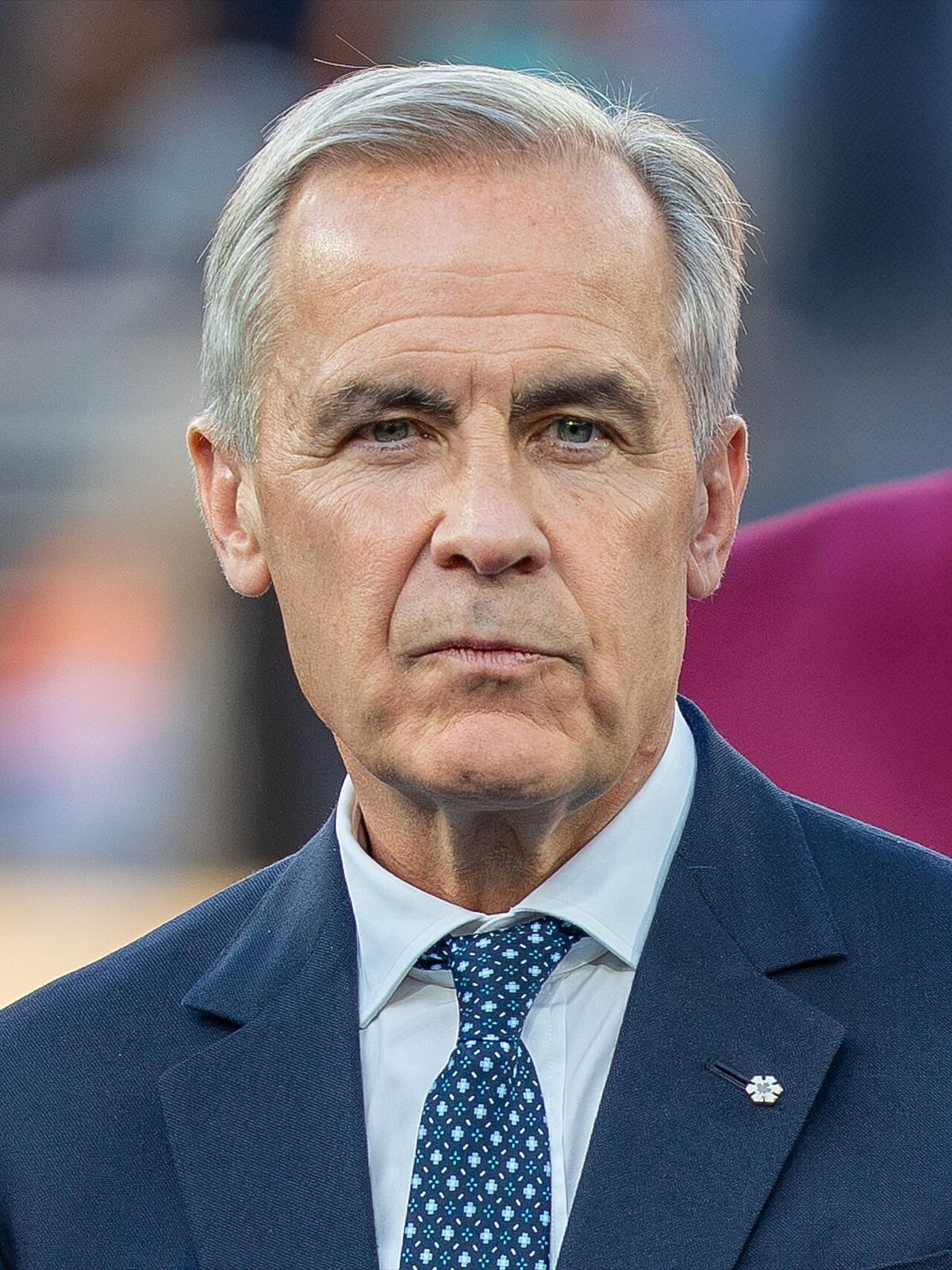
The Liberal Party of Canada is the country's oldest active federal political party and has been the dominant force in Canadian politics for much of its history. Often described as a "big tent" party practising brokerage politics, it sits at the centre to centre-left of the political spectrum. The party has been the governing party since 2015, with Mark Carney serving as its leader and Prime Minister of Canada since March 2025. Its extensive legacy includes the creation of Canada's social safety net, the patriation of the Constitution, and the establishment of official bilingualism and multiculturalism.
Historical Origins and Early Government
The Liberal Party of Canada traces its lineage to the mid-19th century Reformers and Clear Grits in Upper Canada and the Parti rouge in Lower Canada, who advocated for responsible government. These groups began to function as a united bloc in the legislature of the Province of Canada in 1854, but a formal, united Liberal Party combining English and French Canadian members was not formed until 1867. For the first 29 years after Confederation, the party was largely consigned to opposition, marginalized by Sir John A. Macdonald's Conservative coalition. Alexander Mackenzie became the party's first official leader in 1873 and led it to power for the first time that same year after the Pacific Scandal forced Macdonald's resignation. Mackenzie's government, which lasted five years until 1878, introduced significant reforms including the secret ballot, a single election day, and the creation of the Supreme Court of Canada, the Royal Military College of Canada, and the Office of the Auditor General. Despite these achievements, the party's support base remained largely confined to Ontario, leading to its defeat in 1878 and a subsequent 18-year period in opposition.
The Laurier Era and Nation Building
Wilfrid Laurier modernized the party. He capitalized on the Conservative Party's alienation of French Canada, particularly over the execution of Louis Riel and the Conscription Crisis of 1917. Laurier also overcame the party's reputation for anti-clericalism that had offended the powerful Quebec Roman Catholic Church. He led the party to victory in the 1896 election, becoming Canada's first Francophone prime minister, and governed for 15 years until 1911. His government dramatically increased immigration to settle Western Canada and created the provinces of Saskatchewan and Alberta out of the North-West Territories in 1905. Laurier promoted Canadian industry and, in a move towards greater sovereignty, created the Department of External Affairs in 1909 and proposed the creation of a Canadian Navy in 1910. His leadership cemented the party's appeal in both Quebec and the growing prairie provinces, where its support for reciprocity (free trade) was popular with farmers.
Organizational Evolution and National Structure
For much of its early history, the Liberal Party was a loose coalition of provincial and regional bodies with no formal national membership. Laurier called the first national convention in 1893 to unite supporters behind a programme for the 1896 election, but a permanent national structure was slow to develop. Following defeats in 1911 and 1917, Laurier attempted to create three national bodies: the Central Liberal Information Office, the National Liberal Advisory Committee, and the National Liberal Organization Committee. These bodies were underfunded, competed with local associations, and were soon dominated by members of Parliament. The party's second national convention in 1919 elected William Lyon Mackenzie King as leader in Canada's first leadership convention. After returning to power in 1921, the nascent national organizations were eclipsed by powerful ministers and patronage-driven local machines. A central coordinating organization, the National Liberal Federation, was created in 1932 with Vincent Massey as its first president, spurred by the party's 1930 defeat and the Beauharnois scandal. This federation remained largely dependent on provincial parties until further reforms after the heavy defeats of 1957 and 1958, which established a national executive, a Council of presidents from each riding association, and regular biennial conventions. Over time, provincial Liberal parties in most provinces separated from the federal party. By the 1980s, the National Liberal Federation was officially known as the Liberal Party of Canada, the structured national entity that organizes events like the 2026 National Convention in Montréal.
Sovereignty, War and the Foundations of Social Policy
Under Laurier and his successor William Lyon Mackenzie King, the Liberals consistently promoted Canadian sovereignty and greater independence within the British Commonwealth. At Imperial Conferences in the 1920s, Liberal governments argued that the United Kingdom and dominions should have equal status and opposed an 'imperial parliament'. This stance was formalized in the Statute of Westminster in 1931. The party also insisted on Canada managing its own foreign policy, with King recommending Vincent Massey as the first Canadian ambassador to Washington in 1926. The period surrounding the Second World War saw the party champion progressive social policy under King's long premiership. He introduced the mother's allowance, a monthly payment to mothers with young children. In 1926, facing a minority government, King reluctantly introduced old age pensions as a condition for securing support from J. S. Woodsworth's Co-operative Commonwealth Federation. Louis St. Laurent, who succeeded King as leader in 1948 and prime minister later that year, continued this work by establishing the system of equalization payments to provinces and making improvements to pensions and health insurance during his governments from 1948 to 1957.
The Pearson and Trudeau Legacy: Flags, Health and Rights
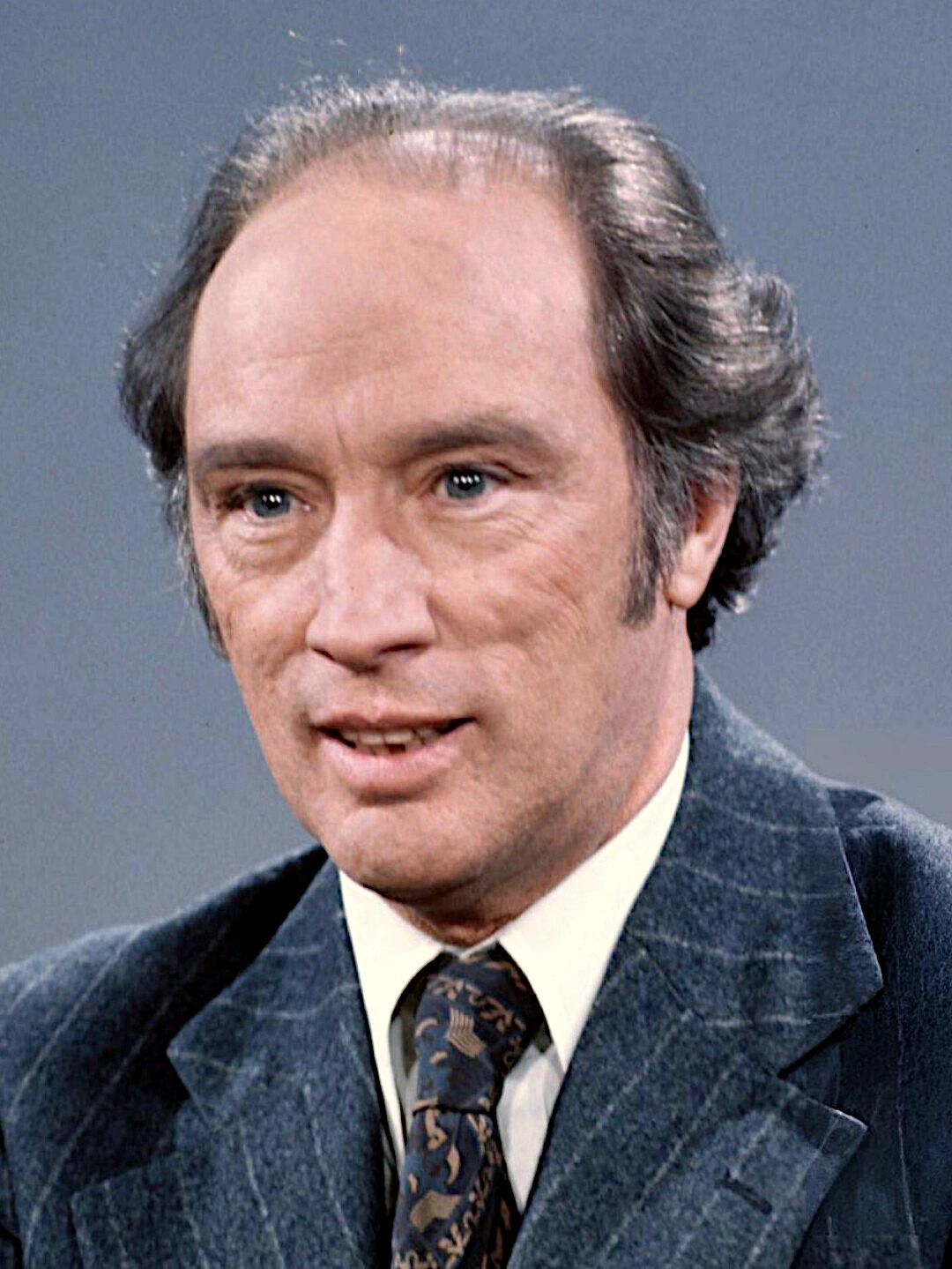
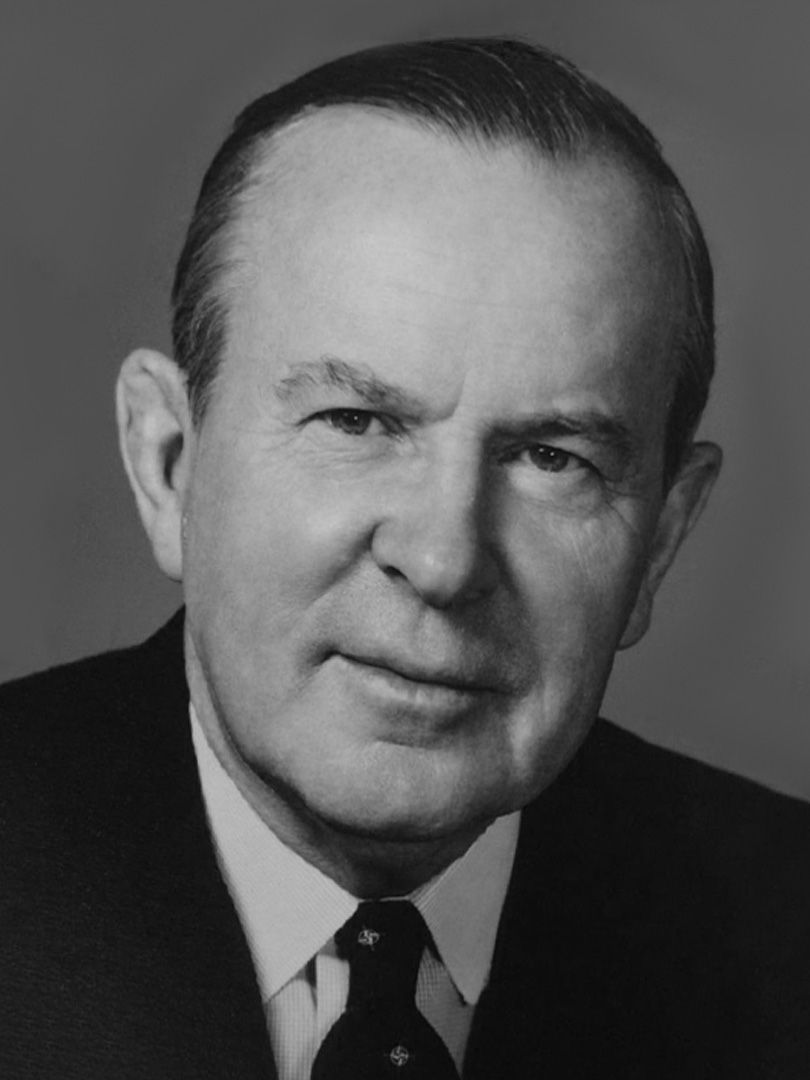
Lester B. Pearson led the party from 1958 to 1968. He first led it through the 1958 election that reduced the Liberals to 48 seats, then back to power as a minority government from 1963 to 1968. Despite never holding a parliamentary majority, Pearson's government left a significant legislative legacy. His administration introduced Medicare, the Canada Pension Plan, the Canada Student Loan program, and the Canada Assistance Plan. Pearson also oversaw the adoption of the Maple Leaf as Canada's national flag in 1965 and the introduction of a new immigration act. Pierre Trudeau, who became leader in 1968, evolved the party's mission towards creating a "just society" from what he called the "radical centre". The Trudeau Liberals promoted official bilingualism and passed the Official Languages Act. They also championed state multiculturalism as official policy. Trudeau's most lasting effect was the patriation of the Constitution of Canada and the creation of the Canadian Charter of Rights and Freedoms. His strong centralist vision and opposition to granting Quebec "distinct society" status, however, alienated many Francophone Quebeckers.
Modern Governance and Policy Legacy
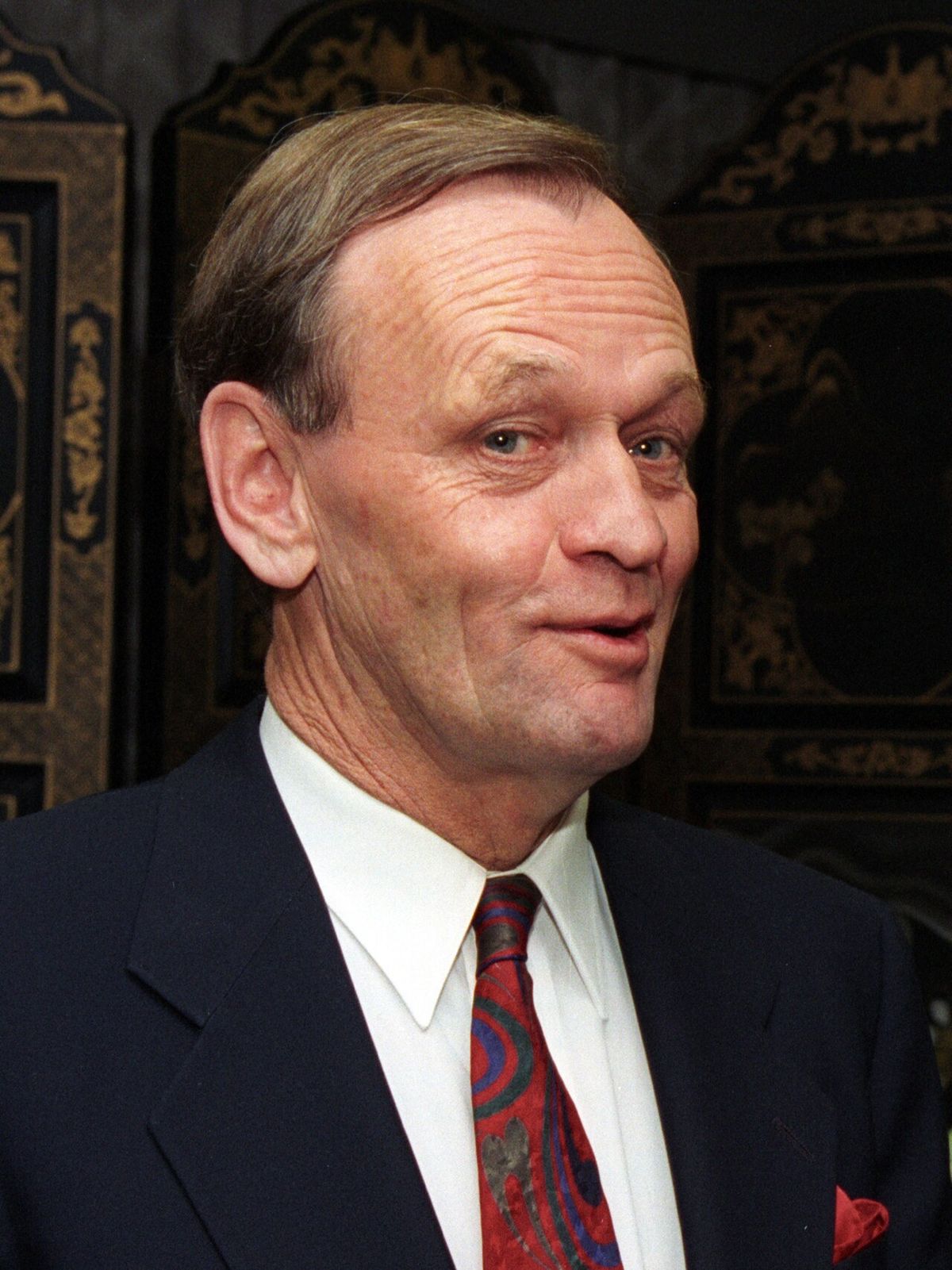
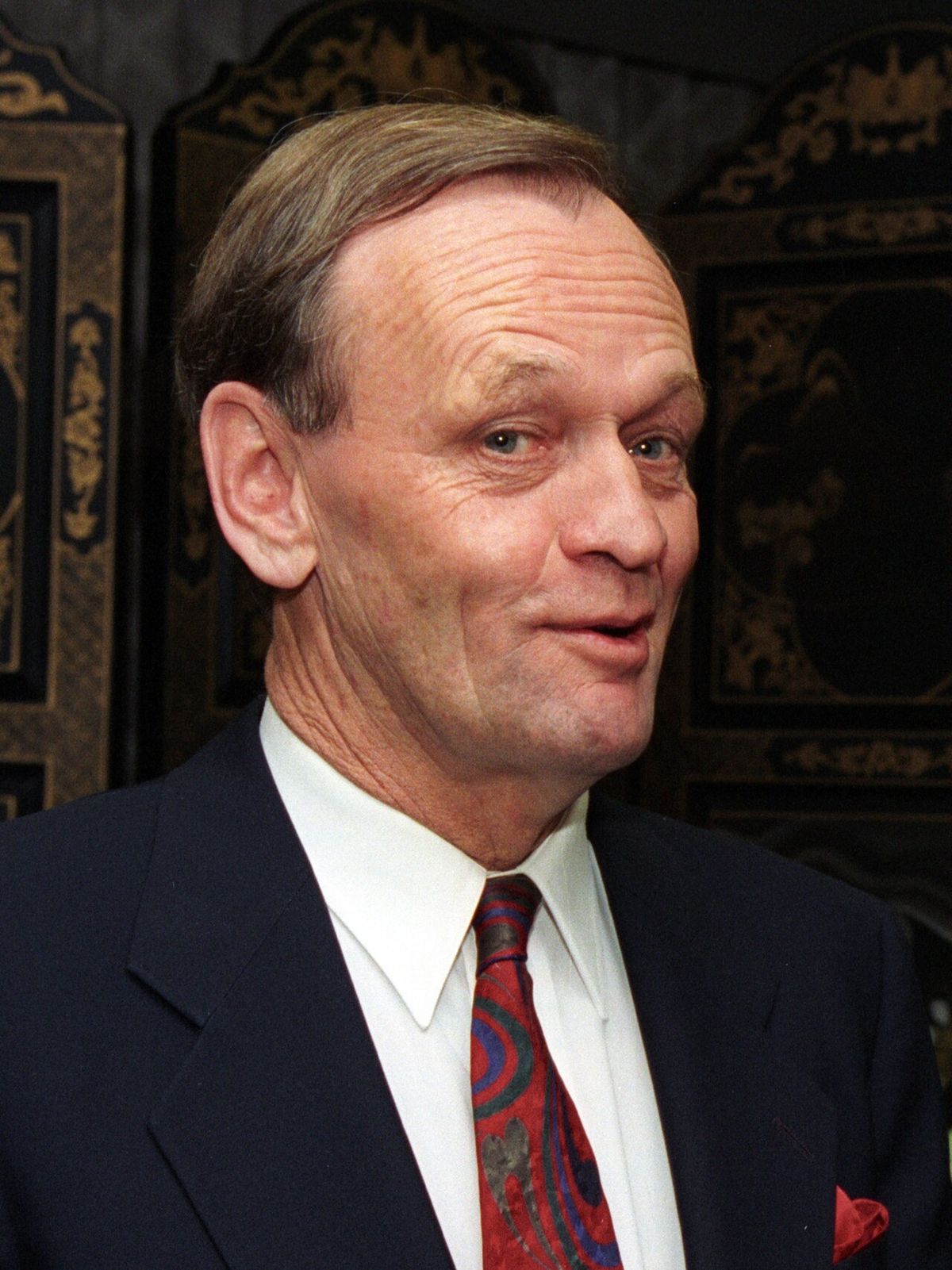
Following a landslide defeat in 1984 under John Turner, the Liberals returned to power under Jean Chrétien in 1993, embracing a Third Way philosophy. His government eliminated the federal budget deficit in 1995, passed the Clarity Act, and ratified the Kyoto Protocol. The party returned to power under Justin Trudeau in 2015. His government legalized recreational cannabis and euthanasia, implemented a federal carbon pricing system, and began establishing national programs for child care and dental care. Mark Carney succeeded Trudeau as party leader and prime minister in March 2025. He led the party to win 43.7 percent of the popular vote in the 2025 election, its highest share since 1980, and achieved a majority government in April 2026. Key legislative and policy achievements credited to Liberal governments include:
- The establishment of the Royal Canadian Navy in 1910.
- The introduction of Canadian citizenship and equalization payments.
- The creation of the Maple Leaf flag in 1965 and the unification of the armed forces in 1968.
- The Canada Pension Plan, universal health care (Medicare), and the Canada Student Loan Program.
- The Official Languages Act and the patriation of the Constitution with the Canadian Charter of Rights and Freedoms.
- The legalization of same-sex marriage in 2005, euthanasia, and recreational cannabis.
- Federal carbon pricing and national child care and dental care programs.
Electoral Performance and Governing Status
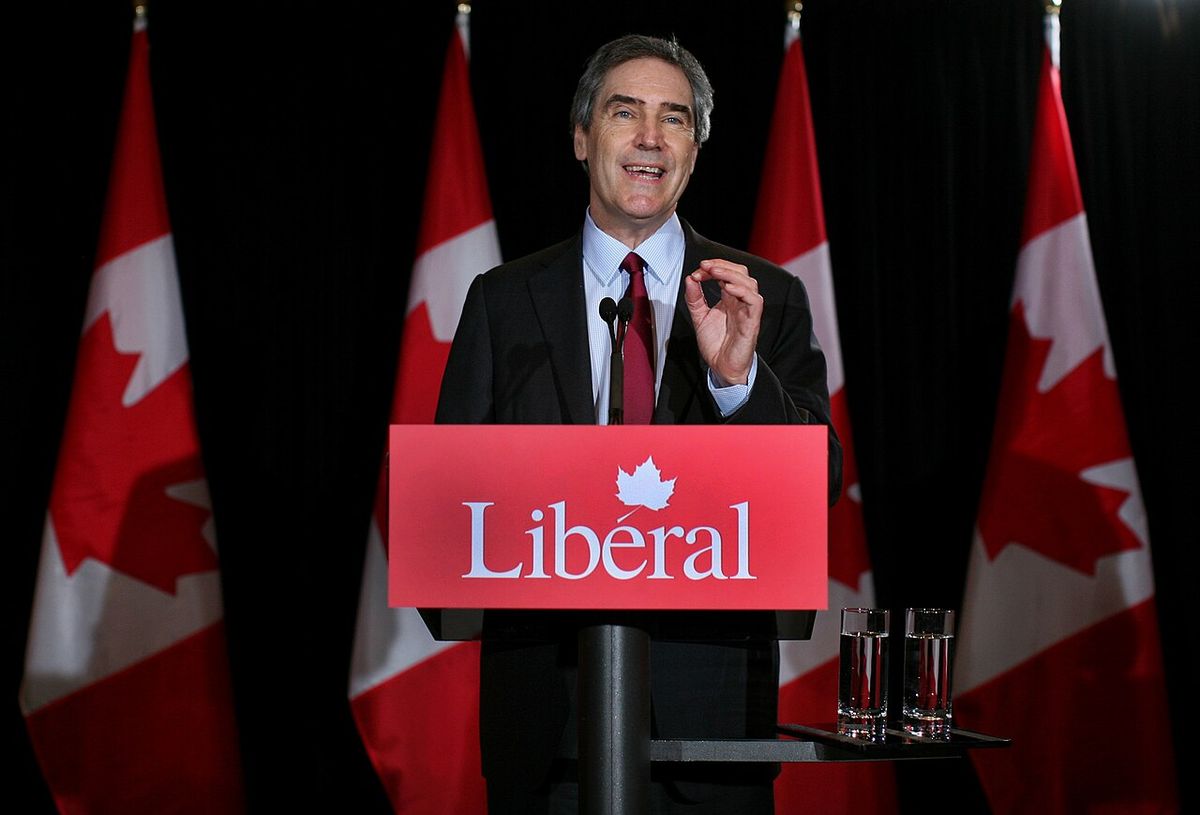
The Liberal Party's electoral history is marked by long periods of governance, earning it the informal title of Canada's "natural governing party". From 1935 to 1984, the party was in power for all but seven years, under leaders King, St. Laurent, Pearson, and Pierre Trudeau. Its most severe defeat came in the 1984 federal election under John Turner, when it was reduced to only 40 seats. The party suffered its worst defeat in the 2011 election, finishing in third place with 34 seats, the only time it failed to be either the government or Official Opposition. Under Mark Carney's leadership, the party earned 43.7 percent of the popular vote in the 2025 election, its largest share since 1980, securing a renewed mandate that later became a majority.
| Election | Leader | Seats | Result |
|---|---|---|---|
| 1984 | John Turner | 40 | Opposition |
| 1993 | Jean Chrétien | 177 | Majority |
| 2011 | Michael Ignatieff | 34 | Third Party |
| 2015 | Justin Trudeau | 184 | Majority |
| 2025 | Mark Carney | Majority (2026) | Majority |
Contemporary Party Activity and Conventions
The Liberal Party maintains an active grassroots and organizational presence between elections, centred on its national conventions. The 2026 Liberal National Convention, held from April 9 to 11 at the Palais des Congrès in Montréal, set a new attendance record with 4,500 participants. The convention featured speeches from Prime Minister Mark Carney, party president Sachit Mehra, and Finance Minister François-Philippe Champagne. Delegates participated in panel discussions, field training, and workshops, while also voting on 24 policy resolutions. Internal elections were held for the party's National Board of Directors. This event built on strong organizational momentum, including record grassroots fundraising in the first quarter of 2025. The party's fundraising success continued into the second quarter of 2025. The convention's location in Montréal provided a setting for the party to chart its course under Carney's leadership following its 2025 electoral success.
Questions about Liberal Party of Canada
Who is the current leader of the Liberal Party of Canada?
Mark Carney has been the leader of the Liberal Party of Canada since March 9, 2025, when he was elected with 85.9 percent of the vote. He succeeded Justin Trudeau and was appointed Prime Minister of Canada that same month. Carney led the party to win 43.7 percent of the popular vote in the 2025 federal election. He previously served as the Governor of the Bank of Canada and the Governor of the Bank of England.
What are the core political values of the Liberal Party?
The Liberal Party espouses the principles of liberalism and generally occupies the centre to centre-left of the Canadian political spectrum. It is known as a "big tent" party that practises brokerage politics. Historically, its values have included the promotion of Canadian sovereignty, the construction of a social safety net, official bilingualism, multiculturalism, and the protection of rights and freedoms through the Charter. In recent decades, it has also focused on policies like carbon pricing and national social programs.
How long have the Liberals been in power in Canada?
The Liberal Party has been the governing party of Canada since the 2015 federal election. Historically, it has dominated federal politics, governing for much of the 20th century. From 1935 to 1984, the party was in power for all but seven years under leaders like Mackenzie King, Louis St. Laurent, Lester B. Pearson, and Pierre Trudeau. Its lengthy tenure in government has led to it being informally called Canada's "natural governing party".
What are some major achievements of Liberal governments?
Liberal governments have been responsible for many of Canada's defining institutions and policies. These include the creation of the Royal Canadian Navy, the Supreme Court of Canada, and the Maple Leaf flag. They established the foundation of the social safety net: Medicare, the Canada Pension Plan, and old age pensions. Under Pierre Trudeau, the Constitution was patriated and the Canadian Charter of Rights and Freedoms was enacted. More recent achievements include the legalization of same-sex marriage in 2005, euthanasia, and recreational cannabis, as well as the launch of national dental care programs.
When and where was the most recent Liberal national convention?
The most recent Liberal national convention was the 2026 Liberal National Convention. It was held from April 9 to 11, 2026, at the Palais des Congrès in Montréal, Québec. This event was the party's first national convention since 2023 and the first with Mark Carney as leader. The convention set a new attendance record with 4,500 participants. It featured policy debates, leadership speeches, training sessions, and elections for the party's National Board of Directors.
What was the Liberal Party's worst electoral defeat?
The Liberal Party of Canada suffered its worst electoral defeat in the 2011 federal election. The party finished in third place with only 34 seats. This remains the only federal election where the Liberals failed to attain the status of either government or Official Opposition. The party rebounded to return to power in the 2015 federal election under Justin Trudeau.
Sources and further reading
- Liberal Party of Canada (Wikipedia)
- 2026 Liberal National Convention | Liberal Party of Canada (2026.liberal.ca)
- Liberal Party of Canada Announces 2026 Liberal National ... (liberal.ca)
- 2026 Liberal Convention (cpac.ca)
Checked by the Nosy Mag desk. Last updated 2026-10-25.