Iroquoian peoples
The Iroquoian peoples are an ethnolinguistic group of Indigenous nations whose traditional territory, sometimes called Iroquoia, stretches from the mouth of the St. Lawrence River to the Cape Fear River. They are distinguished by their family of related languages and include member nations of the Haudenosaunee, Wendat, Tionontate, and Neutral confederacies, as well as the Erie, Wenro, Susquehannock, Cherokee, and Meherrin. Their societies are characterized by matrilineal kinship, longhouse dwellings, and participatory governance. Today, Iroquoian communities are distributed across Canada and the United States as far west as Oklahoma, actively maintaining their heritage and engaging in contemporary nation-to-nation diplomacy.
Historical and Archaeological Origins
Archaeological evidence places Iroquoian peoples in the area around present-day New York state by approximately 500 to 600 AD, with their distinctive cultural patterns developing by about 1000 AD. Their origins are connected to broader cultural networks like the Hopewell tradition, which flourished from 100 BC to 500 AD across the northeastern and midwestern United States. The Hopewell tradition was a widely dispersed set of populations connected by a common network of trade routes known as the Hopewell exchange system. In Ontario, the Ontario Iroquoian tradition, conceptualized by archaeologist J.V. Wright in 1966, encompasses a group of archaeological cultures considered Iroquoian or proto-Iroquoian in character. The Early Ontario Iroquois stage, beginning around 900 AD, featured the Glen Meyer and Pickering cultures clustered in southwestern and eastern Ontario respectively. During the Middle Ontario Iroquois stage in the 14th century, rapid cultural change led to increased homogeneity. Wright's initial 'conquest theory' to explain this has been widely criticized and reconsidered by subsequent archaeologists like Ronald Williamson and Dean Snow. The Point Peninsula complex, existing from 600 BC to 700 AD in Ontario and New York, is seen as a cultural precursor that eventually developed into several Iroquoian-speaking nations. The Laurentian tradition, a distinct culture from southern Ontario, New York, and the St. Lawrence Valley, is also considered ancestral to Iroquoian peoples.
Traditional Social and Political Structures
Iroquoian societies were historically semi-sedentary, living in large towns enclosed by defensive palisades and sustained by farming, supplemented by hunting and gathering. A defining feature of many Iroquoian cultures is a matrilineal kinship system, where lineage and clan identity are traced through the mother's line, and clan mothers held significant authority, including choosing chiefs. Families lived in large multi-family longhouses, which could house several related families. The most renowned political structure is the Haudenosaunee Confederacy, properly called the Haudenosaunee, meaning People of the Longhouse, and founded by the prophet known as the Peacemaker with the help of Aionwatha, more commonly known as Hiawatha. The confederacy is considered one of the world's first and longest lasting participatory democracies, governed by the Great Law of Peace. The original five nations, Mohawk, Oneida, Onondaga, Cayuga, and Seneca, were joined by the Tuscarora in 1722 after they were forced to flee North Carolina, forming the Six Nations. Each nation maintained its own council with Chiefs chosen by the Clan Mother but came together in a Grand Council to deal with issues affecting all. The main meeting place was and remains on Onondaga territory. The Wendat Confederacy, also known as the Huron, was a powerful alliance of four or five nations in the Georgian Bay area with a population of 20,000 to 30,000 before European contact.
Historical Engagements and Impacts
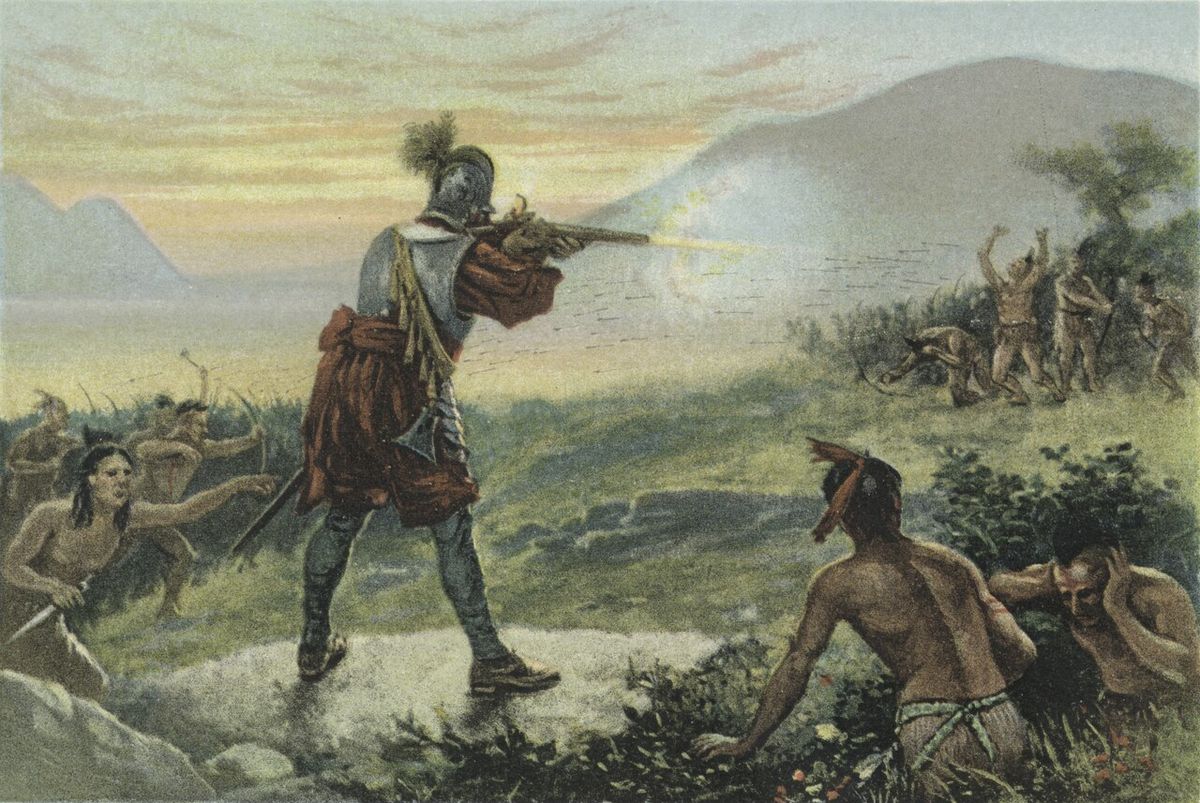
The arrival of Europeans in the 16th and 17th centuries brought deep change to Iroquoian peoples, most devastatingly through waves of infectious diseases that caused catastrophic population declines. By the mid-17th century, the Wendat population had decreased from an estimated 20,000-30,000 to about 9,000, while the Tionontati dropped from around 8,000 to 3,000. Throughout much of the 17th century, the Haudenosaunee were engaged in the Beaver Wars or French and Iroquois Wars, seeking to control trade routes. These conflicts led to the dispersal of the Wendat, Tionontati, Neutral, and Erie nations. The Great Peace of Montreal in 1701, negotiated by the Iroquois, the French, and many other native tribes, temporarily ended these conflicts. During the colonial wars between France and Britain, the Haudenosaunee initially assisted the British. Their alliances fractured during the American Revolution, with the Oneidas under Chief Skenandoah and the Tuscaroras largely supporting the colonists, while most other Haudenosaunee nations sided with the British. After the American Revolution, many Haudenosaunee who sided with the British relocated to Canada, settling on reserves granted by the Crown, such as the Six Nations of the Grand River.

Contemporary Governance and Representation
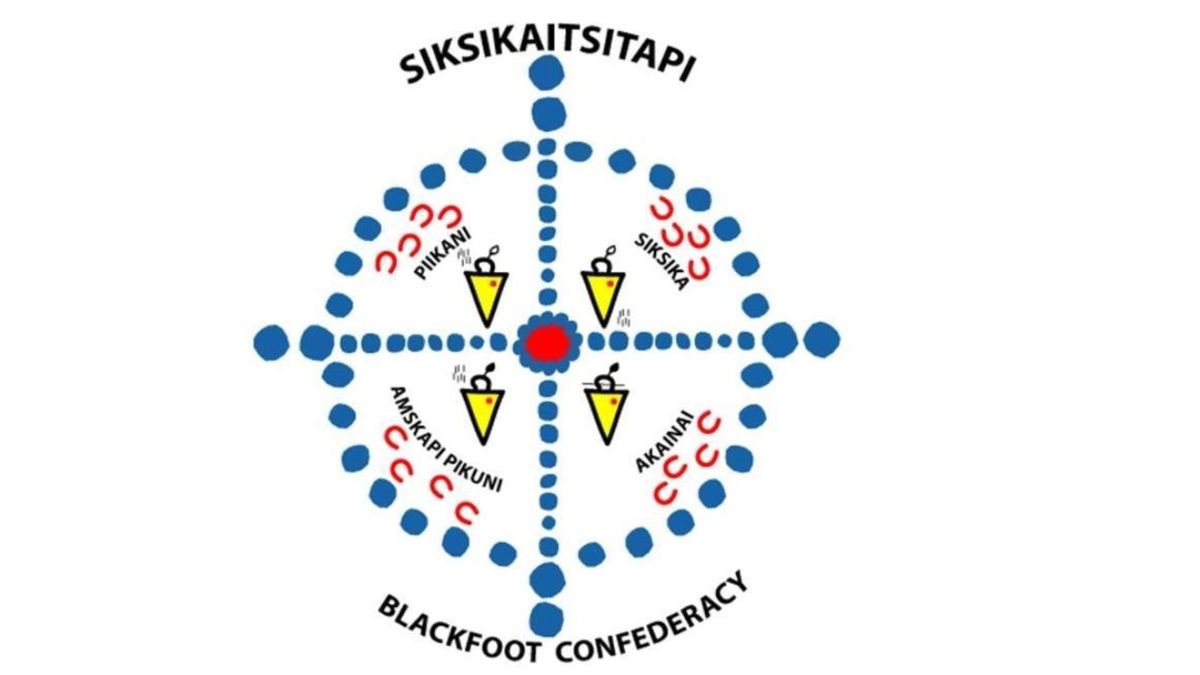
In contemporary Canada, a key political body for Haudenosaunee communities is the Iroquois Caucus. This body is comprised of elected councils from seven Haudenosaunee nations: Akwesásne, Kahnawà:ke, Kanehsatà:ke, Mohawks of the Bay of Quinte (Tyendinaga), Oneida Nation of the Thames, Wahta Mohawks, and Six Nations of the Grand River. Collectively, the Iroquois Caucus represents approximately 75,000 rightsholders. The caucus maintains a distinct voice while engaging in broader Indigenous advocacy. On July 16, 2026, the Iroquois Caucus, represented by Grand Chiefs Cody Diabo and Leonard Lazore of Akwesásne, signed a renewed Protocol Agreement with the Assembly of First Nations (AFN) and National Chief Cindy Woodhouse Nepinak. This agreement strengthens cooperation and communication on shared priorities while fully respecting the autonomy of the Iroquois Caucus. This diplomatic activity extends beyond relations with the AFN, as the Iroquois Caucus and the Atikamekw Nehirowisiw Nation signed a historic Peace and Alliance Agreement on the same day. On July 15, 2026, the Blackfoot Confederacy and the Iroquois Caucus signed a resolution in Ottawa reaffirming a Nation-to-Nation relationship. Many Haudenosaunee communities in the United States maintain separate governments, such as the Seneca Nation of New York.
Cultural Beliefs and Practices
Traditional Iroquoian culture is anchored in a deep connection between society, law, and the natural world. A common spiritual concept among many Iroquoian-speaking peoples is a belief in a powerful force often called Orenda. The Haudenosaunee creation story, as told in their mythology, states that the people have their origin in a woman who fell from the sky, and that they have always been on Turtle Island. The political system of the Haudenosaunee Confederacy blends law and core values as outlined in the Great Law of Peace. Cultural continuity is maintained today through the preservation of languages, traditional ceremonies, and the practice of the Longhouse Religion. The confederacy's symbol of the longhouse continues to define their political geography. Important ceremonies include the Midwinter Festival and the Green Corn Ceremony. The False Face Society is a traditional healing society among the Haudenosaunee known for its carved wooden masks.
Major Iroquoian Peoples and Confederacies
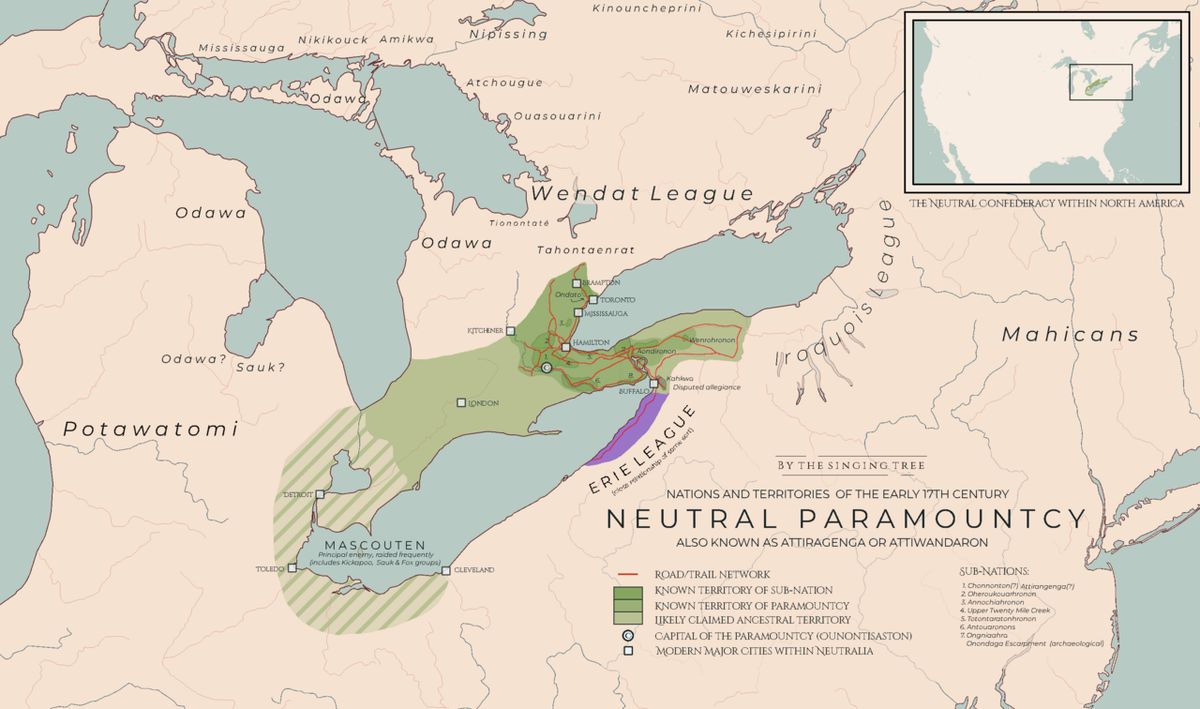
The Iroquoian ethnolinguistic family encompasses numerous distinct peoples, many of whom organized into powerful confederacies for mutual defence and governance. The most prominent was the Haudenosaunee Confederacy, originally comprising five and later six nations. Other significant confederacies in the Great Lakes region included the Wendat (Huron), the Tionontate (Petun), and the Neutral Confederacy. Beyond these large alliances, other notable Iroquoian-speaking peoples inhabited vast territories across eastern North America. The Susquehannock held a powerful position along the Susquehanna River in Pennsylvania and Maryland until their decline. The Cherokee, originally in the southeastern United States, are the largest Iroquoian-speaking people today. The Meherrin remain in their traditional territory along the Meherrin River in North Carolina and Virginia. The inhabitants of the province of Canada at the time of contact, documented at sites like Cartier-Brébeuf, belonged to the Iroquoian cultural universe. The St. Lawrence Iroquoians, who lived along the St. Lawrence River, disappeared as a distinct group after the 16th century, likely due to warfare and disease.
Demographic Presence and National Recognition
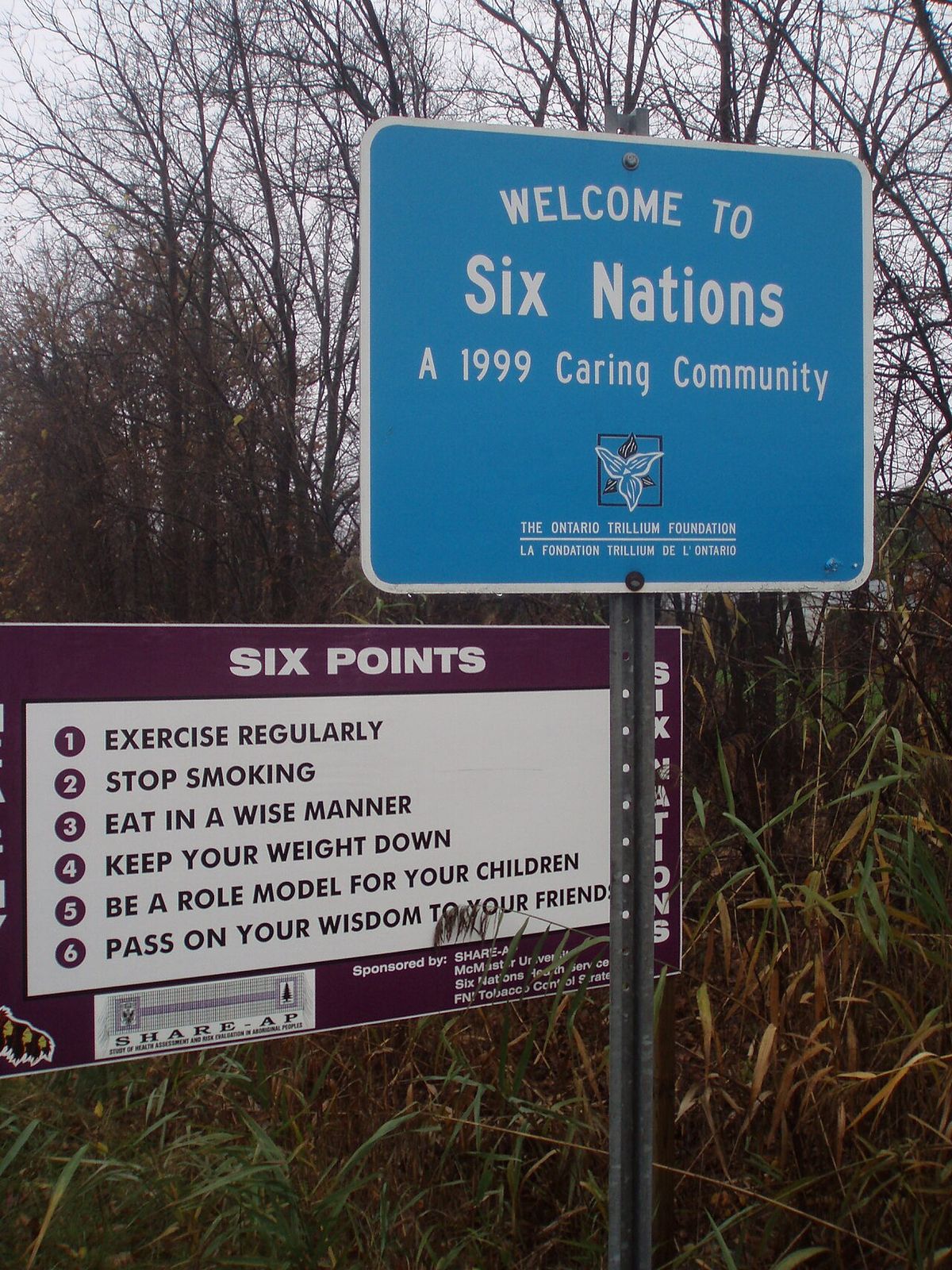
Today, Iroquoian peoples are distributed throughout Canada and the United States as far west as Oklahoma. In Canada, significant Haudenosaunee populations reside in the communities represented by the Iroquois Caucus. The Six Nations of the Grand River is the most populous First Nation in Canada. National Indigenous History Month in June and National Indigenous Peoples Day on June 21 serve as important occasions for all Canadians to recognize the rich history, heritage, and diversity of First Nations, including Iroquoian peoples. These observances encourage exploration of Iroquoian experiences, traditions, and cultures through educational resources. The ongoing political engagements, such as the renewed AFN protocol and peace treaties with other Indigenous nations, highlight the dynamic and enduring presence of Iroquoian governments within Canada. In the United States, the Cherokee Nation and the Eastern Band of Cherokee Indians are federally recognized tribes. The Cherokee Nation is a large tribal nation in the United States.
Notable Historical Figures and Events
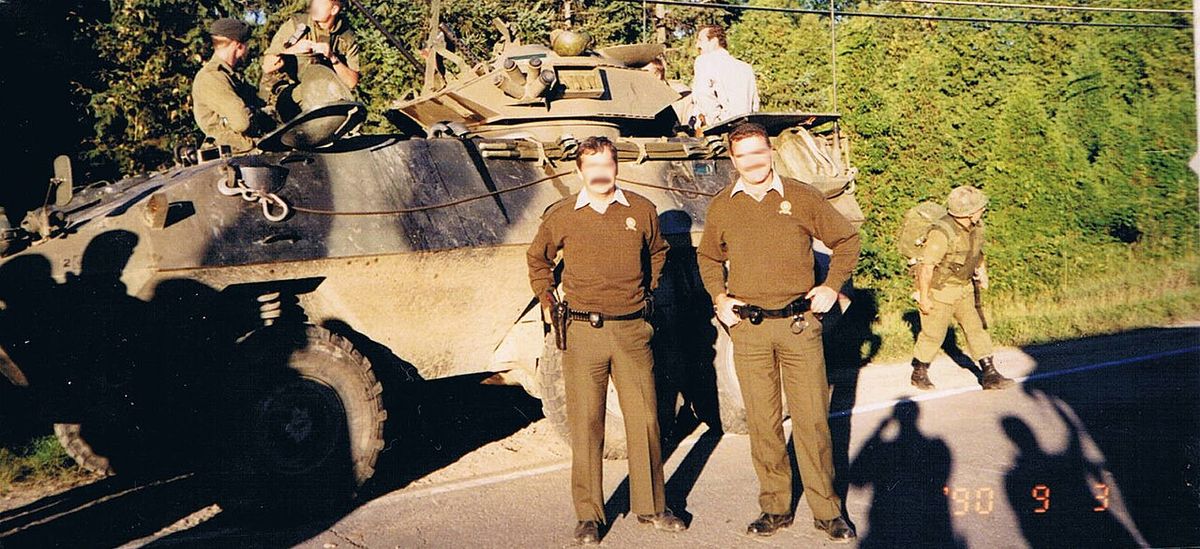
The history of Iroquoian peoples is marked by influential leaders and major events that shaped their relations with each other and with colonial powers. The foundational figures of the Haudenosaunee Confederacy are the Peacemaker and Aionwatha (Hiawatha), who are credited with bringing the original five nations together under the Great Law of Peace. During the colonial era, leaders like Chief Skenandoah of the Oneida played crucial roles, as he allied with American colonists during the Revolution. Joseph Brant (Thayendanegea), a Mohawk leader, led many Haudenosaunee to Canada after the American Revolution. The Beaver Wars of the 17th century represent a major series of conflicts where the Haudenosaunee fought to control the fur trade. The signing of the Great Peace of Montreal in 1701 was a landmark diplomatic achievement. The forced migration of the Tuscarora from North Carolina after the Tuscarora War and their subsequent adoption into the Haudenosaunee Confederacy in 1722 was a significant event. In the modern era, the signing of the renewed Protocol Agreement between the Iroquois Caucus and the Assembly of First Nations on July 16, 2026, is a key event in contemporary Indigenous politics. The Oka Crisis in 1990 involved the Mohawk community of Kanehsatà:ke in a land dispute that highlighted Indigenous rights in Canada.
Questions about Iroquoian peoples
What is the Haudenosaunee Confederacy?
The Haudenosaunee Confederacy, often called the Iroquois Confederacy or Six Nations, is a powerful alliance of Indigenous nations founded by the Peacemaker and Hiawatha. Originally comprising the Mohawk, Oneida, Onondaga, Cayuga, and Seneca nations, it was joined by the Tuscarora in 1722. It is recognized as one of the world's oldest participatory democracies, where member nations maintain internal self-governance but unite in a Grand Council for common issues. The confederacy's sophisticated political structure is symbolized by the longhouse and governed by the Great Law of Peace.
Where did the Iroquoian peoples traditionally live?
The traditional territory of Iroquoian peoples, sometimes called Iroquoia, stretched from the mouth of the St. Lawrence River in the north to the Cape Fear River in the south. This area encompasses parts of present-day Ontario, Quebec, New York, Pennsylvania, and the southeastern United States. Archaeological evidence places them in the region around New York state by 500 to 600 AD, with their distinctive culture developing by about 1000 AD. Specific archaeological traditions include the Laurentian tradition and the Point Peninsula complex. Today, Iroquoian communities are distributed across Canada and the United States as far west as Oklahoma.
What are some key features of traditional Iroquoian culture?
Traditional Iroquoian societies were historically semi-sedentary farmers who lived in large towns protected by palisades. A central social feature is matrilineal kinship, where lineage and clan membership are traced through the mother, and clan mothers chose chiefs. Families lived in large, multi-family longhouses. Many Iroquoian peoples hold a spiritual belief in a powerful force called Orenda. The Haudenosaunee creation narrative tells of their origin from a woman who fell from the sky onto Turtle Island. Important ceremonies include the Midwinter Festival and the Green Corn Ceremony.
What is the Iroquois Caucus and what does it do?
The Iroquois Caucus is a contemporary political body representing elected councils from seven Haudenosaunee nations in Canada: Akwesásne, Kahnawà:ke, Kanehsatà:ke, Mohawks of the Bay of Quinte (Tyendinaga), Oneida Nation of the Thames, Wahta Mohawks, and Six Nations of the Grand River. It represents approximately 75,000 rightsholders. The caucus advocates for its member communities and engages in nation-to-nation diplomacy, as seen in its renewed Protocol Agreement with the Assembly of First Nations in July 2026 and peace agreements with the Atikamekw Nehirowisiw Nation and Blackfoot Confederacy. It ensures the Iroquois Caucus has a distinct voice in national Indigenous discussions.
Which Iroquoian peoples were not part of the Haudenosaunee Confederacy?
Several major Iroquoian-speaking peoples existed independently of the Haudenosaunee Confederacy. These included the Wendat (Huron), Tionontate (Petun), and Neutral confederacies in the Great Lakes region. Other distinct Iroquoian peoples were the Erie south of Lake Erie, the Wenro of western New York, the Susquehannock of Pennsylvania, the Cherokee of the southeastern United States, and the Meherrin of North Carolina and Virginia. The St. Lawrence Iroquoians, who lived along the St. Lawrence River, disappeared as a distinct group after the 16th century. Each of these nations had their own distinct histories, territories, and political structures.
How did European contact affect Iroquoian populations?
European contact caused catastrophic population decline among Iroquoian peoples due to waves of infectious diseases like smallpox and measles, to which they had no immunity. For instance, by the mid 17th century, the Wendat population decreased from an estimated 20,000 to 30,000 people to about 9,000, and the Tionontati population dropped from around 8,000 to 3,000. This contact also integrated Iroquoian nations into the fur trade economy, which led to conflicts like the Beaver Wars and the dispersal of several nations. These combined factors of disease, economic change, and conflict dramatically reshaped Iroquoian societies and their territorial holdings in eastern North America.
Sources and further reading
- Iroquoian peoples (Wikipedia)
- Who We Are (haudenosauneeconfederacy.com)
- Assembly of First Nations and Iroquois Caucus Sign ... (afn.ca)
- National Indigenous History Month (rcaanc-cirnac.gc.ca)
- Iroquois | Social Sciences and Humanities (ebsco.com)
Checked by the Nosy Mag desk. Last updated 2026-10-23.