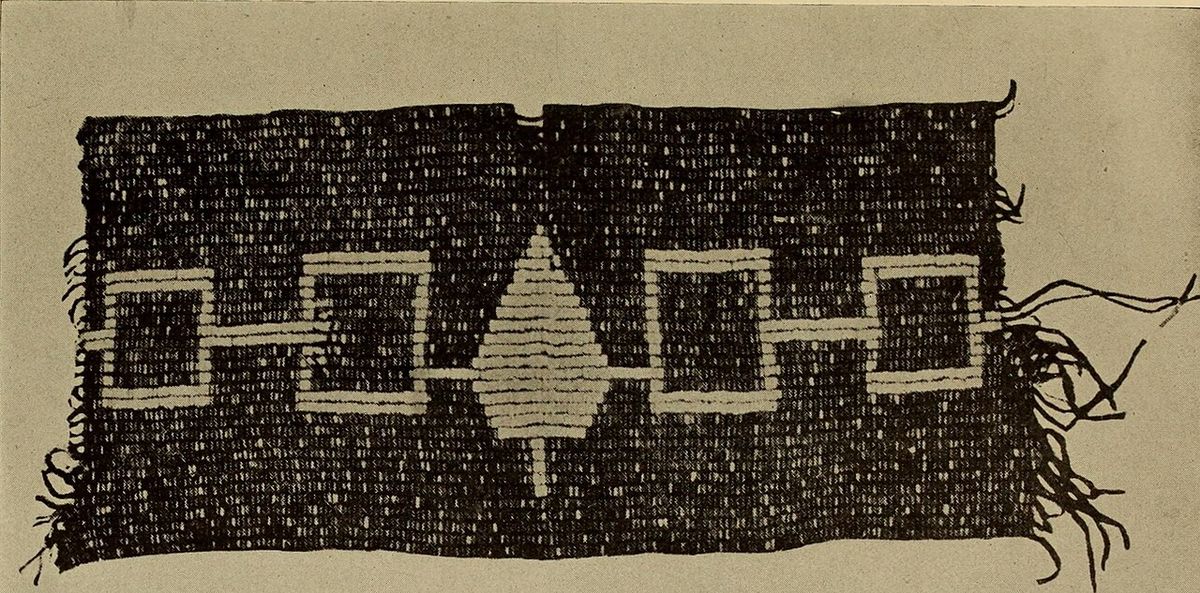
Six Nations of the Grand River
The Six Nations of the Grand River is the most populous First Nations reserve in Canada, located in southern Ontario. It is the only community where all six nations of the Haudenosaunee Confederacy, Mohawk, Cayuga, Onondaga, Oneida, Seneca, and Tuscarora, live together, alongside Lenape (Delaware) people. The community's history is rooted in the Haldimand Proclamation of 1784, a land grant in recognition of alliance with the British Crown during the American Revolutionary War. Today, Six Nations is a significant cultural, political, and economic entity, actively engaged in governance, cultural revitalization, and sustainable development.
Historical Foundations and Settlement
The establishment of the Six Nations of the Grand River is directly tied to the aftermath of the American Revolutionary War. Many Haudenosaunee nations, particularly the Mohawk, Cayuga, Onondaga, and Seneca, had allied with the British Crown, hoping to stem American encroachment on their territories. After the British defeat, the Crown ceded Haudenosaunee lands in New York to the United States without their consent. In compensation and to secure a loyal population on its frontier, the Crown, through Governor Sir Frederick Haldimand, issued a proclamation on October 25, 1784, granting a tract of land along the Grand River. This land, approximately 2,200 square kilometres, had been purchased from the Mississauga earlier that year on May 22, 1784, as part of the Between the Lakes Treaty. The influential Mohawk war chief and diplomat Joseph Brant (Thayendanegea) led a large group of Haudenosaunee to settle on this tract, preferring it over the Bay of Quinte settlement chosen by other Mohawk under John Deseronto.
The early years of settlement were challenging, with the government providing limited tools and provisions for clearing the wooded land. A census in 1785 recorded 1,843 Indigenous people living on the reserve, including 548 Mohawk, 281 Cayuga, 145 Onondaga, 262 Oneida, 109 Tuscarora, and 98 Seneca. Other groups like the Lenape, Nanticoke, and Tutelo also lived there, numbering about 400 persons. Joseph Brant also brought African American slaves to the area, and their descendants, along with African Americans who arrived via the Underground Railroad in subsequent decades, were absorbed into the community. Brant invited white Loyalist veterans to settle as well, granting them land to encourage development. The main settlement, initially called Brant's Town, grew at the site of present-day Brantford. In 1785, Her Majesty's Royal Chapel of the Mohawks was built there, becoming the first Protestant church in what would become Ontario and one of only twelve Chapels Royal worldwide.
Disputes over land tenure began almost immediately. Governor John Simcoe issued a deed on January 14, 1793, that restricted land sales to the Crown or among themselves, which Brant and the chiefs rejected. Facing a declining population and seeking a sustainable income, the chiefs empowered Brant in 1795 to sell large blocks of the northern, unused portion of the grant. Between 1795 and 1797, Brant sold 381,480 acres to land speculators for £85,332, the highest price paid to Haudenosaunee for undeveloped land up to that time. However, the speculators often fell behind on payments, leading to further sales and complex legal disputes. In 1796, Lord Dorchester issued another deed allowing sale or lease if offered first to the government, but Brant rejected it.
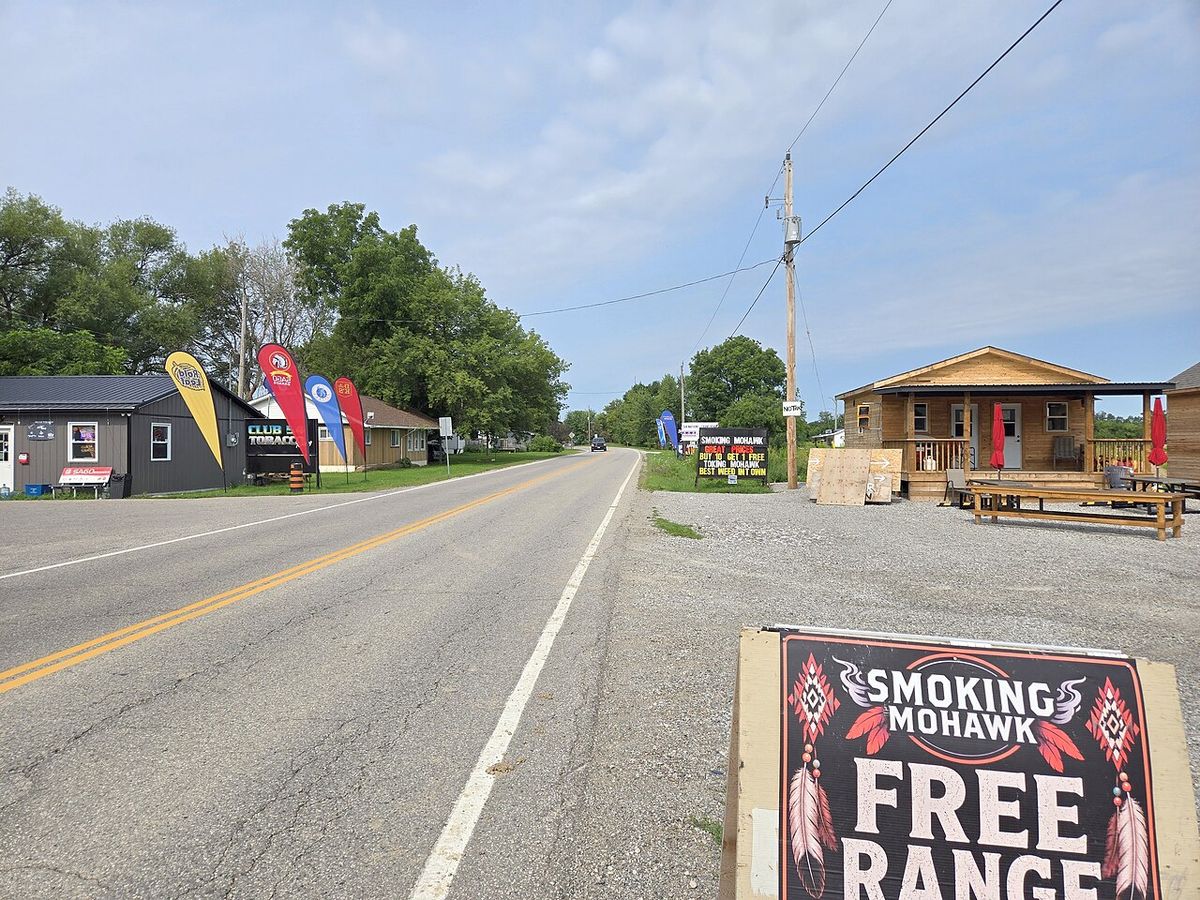
Governance and Political Structure
Six Nations of the Grand River operates under a dual governance system that reflects both imposed colonial structures and traditional Indigenous law. The Six Nations Elected Council (SNEC) is the governing body established under the Canadian Indian Act in 1924 and is the primary government recognized by the federal government. As of 2026, the community is governed by its 59th Elected Council, which manages day-to-day affairs, services, and programs. Parallel to this system, the Haudenosaunee Confederacy Chiefs Council (HCCC) maintains a continuous presence, representing the traditional government of the Haudenosaunee Confederacy based on the Great Law of Peace. This council consists of Chiefs, Clan Mothers, and Faith Keepers, embodying a governance structure that predates European contact.
The traditional system is matrilineal and clan-based. Clan and nation identity are passed down through the mother, and society is organized into nine clans: Turtle, Eel, Beaver, Heron, Hawk, Snipe, Bear, Wolf, and Deer. Clan Mothers hold significant authority, including the responsibility to appoint and remove Chiefs, ensuring leadership serves the people's best interests. For decades, the relationship between the elected council and the Confederacy Council was strained due to the imposed nature of the Indian Act system. However, in recent years, both governing bodies have worked towards establishing a more cooperative relationship to address community issues collectively. This ongoing dialogue is central to the community's political life and its assertions of sovereignty.
Demographics and Community Life
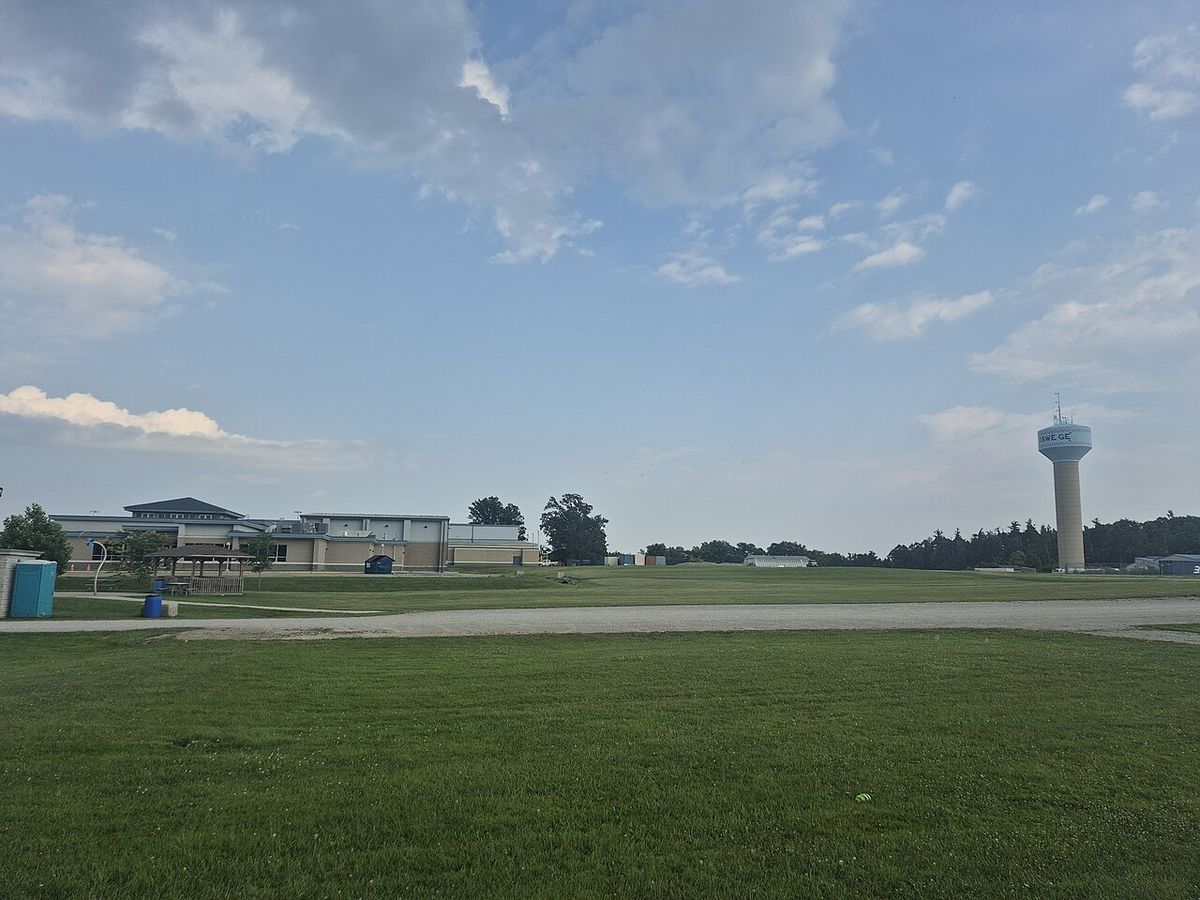
Six Nations is demographically the largest First Nation in Canada. As of March 2023, the band had 28,520 registered members, with 11,688 living on the reserve. The community is a mosaic of the six Haudenosaunee nations, with significant populations of Mohawk, Cayuga, Onondaga, Oneida, Seneca, and Tuscarora peoples. A number of Lenape (Delaware) people also live within the territory. The reserve is situated southwest of Hamilton, bordered by Brantford, Hagersville, and Caledonia, within the counties of Brant, Haldimand, and Norfolk. The primary village and administrative hub is Ohsweken, which houses the band council offices, the Gaylord Powless Arena, and many community services.
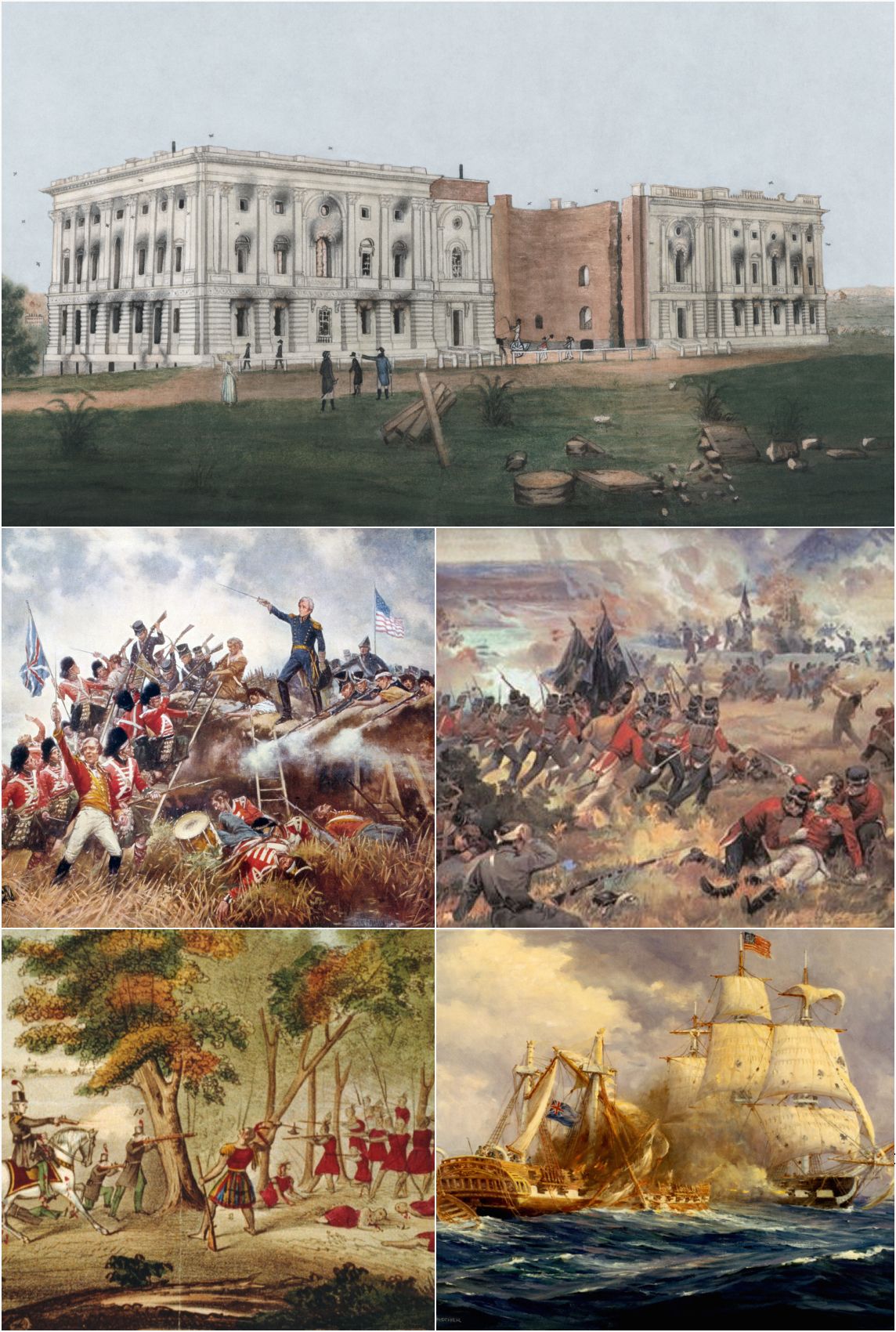
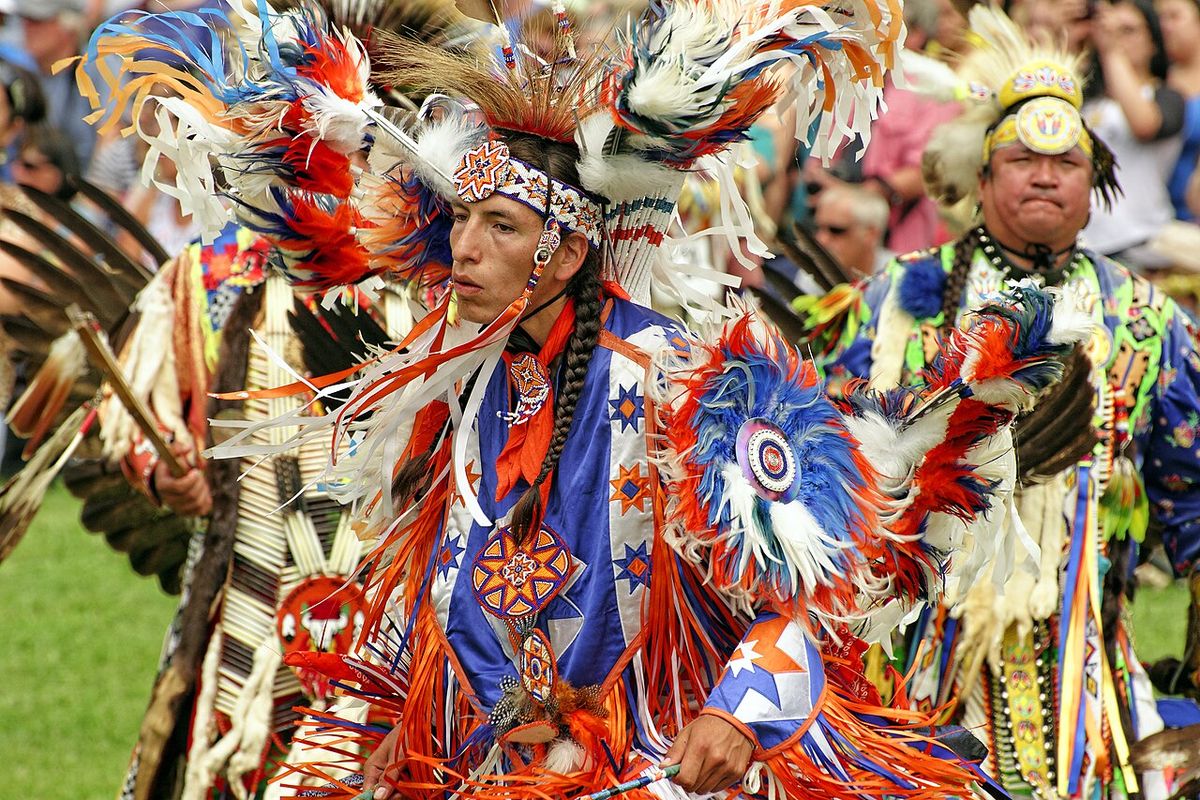
Community life features a full calendar of cultural, social, and recreational activities. Key annual events include Bread and Cheese Day, a tradition revived in 1924 that commemorates gifts from Queen Victoria in appreciation of the Six Nations' alliance during the American Revolution and War of 1812. The community also hosts the Champion of Champions Pow Wow, Solidarity Day, and various cultural festivals. In July 2024, the community celebrated a historic moment when NHL player Brandon Montour, a member of Six Nations, brought the Stanley Cup to Ohsweken after winning with the Florida Panthers, leading to a parade from the Ohsweken Speedway to the Gaylord Powless Arena. The community is part owner of a large grid battery in Hagerville and plans two other batteries.
Several named communities exist within the Six Nations reserve. These communities include Beavers Corner, Longboat Corners, Medina Corners, Millers Corner, and Ohsweken. Other communities are St. Johns, Sixty-Nine Corners, Smith Corners, and Smoothtown. The communities of Sour Spring and Stoneridge are also located within the reserve boundaries. The reserve encompasses 184.7 square kilometres, all but 0.4 square kilometres in Six Nations reserve No. 40.
- Ohsweken
- St. Johns
- Smoothtown
- Sour Spring
- Beavers Corner
- Longboat Corners
- Medina Corners
- Millers Corner
- Sixty-Nine Corners
- Smith Corners
- Stoneridge
Education and Cultural Revitalization
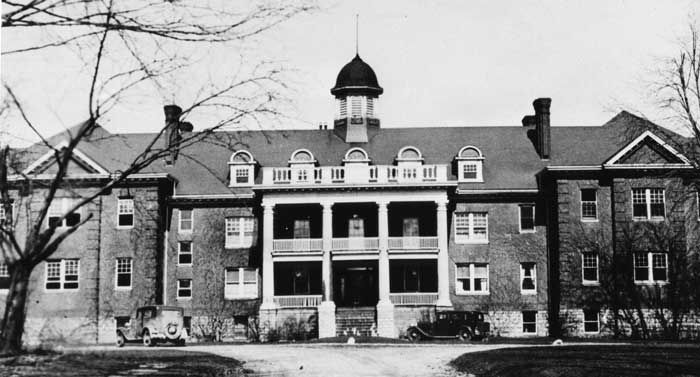
Education within Six Nations has a complex history, balancing traditional Haudenosaunee methods with provincial systems. Prior to colonization, education was informal and non-coercive, centred on family and community learning, a practice that continues today. The community was deeply affected by the Mohawk Institute Residential School in Brantford, which many Six Nations children attended and which was the subject of numerous abuse allegations. After its closure in 1972, the building was transformed into the Woodland Cultural Centre, which now serves as a vital institution for preserving and promoting Haudenosaunee history, language, and art.
Six Nations also has a notable history of Indigenous-led education governance. From 1878 to 1933, it operated the Six Nations School Board, the first Indigenous school board in Ontario. While it taught the official colonial curriculum, the board's Indigenous influence allowed for the hiring of many Six Nations teachers, particularly women. These teachers formed the Six Nations Teacher's Organization for professional development. Today, language revitalization is a major focus, with numerous programs, classes, and 'language nests' operating in the community. Language lessons are even broadcast on the local radio station, ensuring cultural knowledge is passed to new generations. The community also hosts the Annual Chiefs Assembly with the Chiefs of Ontario.
Economic Development and Tourism
Six Nations of the Grand River is actively pursuing diverse economic development and energy sovereignty initiatives. The community is a part-owner of a large grid battery storage facility in nearby Hagerville and, as of 2026, has plans to develop two additional battery projects. These ventures represent steps toward greater energy independence and economic sustainability. The community also engages in partnerships with neighbouring municipalities, such as the memorandum of understanding announced with the City of Brantford in August 2026 at the Association of Municipalities of Ontario conference, aimed at fostering cooperative development.
Tourism is a growing sector managed by Six Nations Tourism, a Destination Marketing Organization established in 1995. It promotes cultural heritage and outdoor adventures, managing several key sites. Visitors can tour Chiefswood National Historic Site, the childhood home of famed Mohawk poet E. Pauline Johnson, or participate in guided canoe trips along the Grand River that begin with the Haudenosaunee Thanksgiving Address. The organization also offers augmented and virtual reality experiences, archery, snowshoeing, and hiking on a Carolinian nature trail. Seasonal events, like a fall witch-costume paddle or a Two Nations Cultural Exchange weekend, draw visitors to experience Haudenosaunee culture firsthand.
Land and Legal Disputes
The Grand River land dispute remains a defining and unresolved issue for Six Nations. The original Haldimand Proclamation granted a tract of land stretching from the mouth of the Grand River at Lake Erie to its source, extending six miles (approximately 10 kilometres) on either side. This amounted to roughly 2,200 square kilometres. The current reserve encompasses only 184.7 square kilometres, less than five percent of the original grant. The community asserts that many of these land transfers were illegal or conducted under duress without proper communal consent.
These historical grievances have led to modern land reclamation protests and ongoing litigation, particularly concerning development on lands within the Haldimand Tract outside the current reserve boundaries. The community's position is that the Crown has a fiduciary duty to protect its land interests, a duty it failed to uphold. Resolving these claims is seen as essential for justice, economic self-sufficiency, and the future relationship between Six Nations and Canada. The dispute is not merely about acreage but about the honour of the Crown, treaty obligations, and the right to stewardship over traditional territories.
Cultural Heritage and Repatriation
The cultural heritage of Six Nations is deeply connected to the land, the Great Law of Peace, and the clan system. The community works diligently to preserve and celebrate this heritage. Institutions like the Woodland Cultural Centre and Six Nations Polytechnic are crucial in this effort. The community also maintains unique historical sites such as Her Majesty's Royal Chapel of the Mohawks, a Chapel Royal, and Chiefswood, a national historic site. Cultural practices, from lacrosse to traditional agriculture centred on the 'Three Sisters' (corn, beans, and squash), are actively promoted.
Repatriation of cultural items and ancestors taken without consent is an important aspect of heritage work. In a significant case, journalists and researchers in 2020 located skulls of Indigenous people from Six Nations in the anatomical collection of the Berlin Society for Anthropology, Ethnology and Prehistory in Germany. These remains had been excavated in the late 19th century by Scottish doctor Joseph Bell and sent to Berlin with the involvement of physician William Osler. Their discovery has led to discussions about the ethical return of these ancestors to their community of origin for proper care, highlighting the global scope of Indigenous rights and cultural reclamation.
- Bread and Cheese Day, revived in 1924, commemorates the historic alliance with the British Crown.
- The Champion of Champions Pow Wow is a major gathering for dance and celebration.
- Solidarity Day promotes community unity and awareness.
- The Fall Paddle event in Chiefswood Park, like the 2026 witch-costume paddle, combines recreation with cultural connection.
- The Two Nations Cultural Exchange weekend in August features traditional teachings, dancing, and food.
- Cultural arts festivals at Her Majesty's Royal Chapel of the Mohawks show local musicians, writers, and storytellers.
Key Historical Figures and Events
- Joseph Brant (Thayendanegea), the Mohawk war chief who led the initial settlement to the Grand River after 1784 and sold 381,480 acres of land between 1795 and 1797.
- Sir Frederick Haldimand, the Governor of Quebec who issued the Haldimand Proclamation on October 25, 1784.
- John Deseronto, the Mohawk leader who settled followers at the Bay of Quinte, establishing the Tyendinaga Mohawk Territory.
- Governor John Simcoe, who issued the restrictive land deed of January 14, 1793, which was rejected by Brant and the chiefs.
- Chief John Brant, son of Joseph Brant, who was appointed resident superintendent for Six Nations in 1828.
- The closure of the Mohawk Institute Residential School in 1972 and its transformation into the Woodland Cultural Centre.
- The discovery in 2020 of ancestral remains in Berlin, leading to repatriation discussions.
- Brandon Montour's Stanley Cup celebration in Ohsweken on July 24, 2024.
- The community's part ownership of a large grid battery in Hagerville and plans for two other batteries.
Questions about Six Nations of the Grand River
Where is Six Nations of the Grand River located?
Six Nations of the Grand River is located in southern Ontario, approximately 25 kilometres southwest of Hamilton. The reserve is situated between the cities of Brantford, Hagersville, and Caledonia, within the counties of Brant, Haldimand, and Norfolk. The main village on the reserve is Ohsweken, which serves as the administrative and community hub. The territory is traversed by the Grand River, which was central to the original 1784 land grant.
Which nations make up the Six Nations community?
The community is composed of the six nations of the Haudenosaunee (Iroquois) Confederacy: the Mohawk, Cayuga, Onondaga, Oneida, Seneca, and Tuscarora. The Tuscarora joined the original five nations around 1722, forming the Six Nations Confederacy. Some Lenape (also known as Delaware) people live within the territory. Six Nations of the Grand River is unique as the only community in North America where all six Haudenosaunee nations live together on one reserve.
What is the Haldimand Proclamation?
The Haldimand Proclamation was a decree issued on October 25, 1784, by Sir Frederick Haldimand, the Governor of Quebec. It granted a tract of land along the Grand River to the Mohawk and other Six Nations allies in recognition of their loyalty and service to the British Crown during the American Revolutionary War. The original grant was approximately 2,200 square kilometres, stretching from the mouth of the Grand River at Lake Erie to its source. This proclamation is the foundational document for the Six Nations reserve, though subsequent land sales drastically reduced its size.
How is Six Nations governed?
Six Nations has a dual governance structure. The Six Nations Elected Council operates under the Canadian Indian Act, first established in 1924, and is the government officially recognized by Canada for administering programs and services. Simultaneously, the traditional Haudenosaunee Confederacy Chiefs Council, based on the Great Law of Peace, maintains its authority. This traditional system is matrilineal, with Clan Mothers holding the power to appoint and remove Chiefs. While historically there was tension between the two systems, efforts have been made in recent decades to foster cooperation.
What is the population of Six Nations of the Grand River?
Six Nations is the most populous First Nations reserve in Canada. As of March 2023, there were 28,520 registered band members. Of this total, 11,688 members lived on the reserve itself, while the remainder lived off-reserve. The on-reserve population resides in several communities, with Ohsweken being the largest. The community's size and cultural diversity make it a significant centre of Haudenosaunee life and political activity in Canada.
What are some key cultural events and attractions at Six Nations?
The community hosts numerous cultural events and attractions. Key annual events include Bread and Cheese Day, a commemoration of the alliance with the British Crown, and the Champion of Champions Pow Wow. Six Nations Tourism offers experiences like guided canoe trips on the Grand River, tours of Chiefswood National Historic Site, and seasonal festivals. Visitors can also learn about Haudenosaunee culture at the Woodland Cultural Centre, located on the former site of the Mohawk Institute Residential School. The community also hosts the Annual Chiefs Assembly with the Chiefs of Ontario.
Sources and further reading
- Six Nations of the Grand River (Wikipedia)
- Six Nations of the Grand River: Home (sixnations.ca)
- Six Nations Tourism (sixnationstourism.ca)
- Six Nations of the Grand River Territory (eolfn.lakeheadu.ca)
Checked by the Nosy Mag desk. Last updated 2026-10-22.