Oka Crisis
The Oka Crisis, also known as the Kanehsatà:ke Resistance, was a 78-day armed standoff in the summer of 1990 between Mohawk land defenders, the Sûreté du Québec, and the Canadian Army. The conflict was sparked by the town of Oka's plans to expand a golf course and build condominiums on a pine forest and Mohawk burial ground known as The Pines. The crisis resulted in two fatalities, including Sûreté du Québec Corporal Marcel Lemay, and brought unprecedented national and international attention to Indigenous land rights in Canada. It was a defining and violent confrontation that forced a national reckoning on unresolved historical grievances and contemporary injustices faced by First Nations.
Historical Background and Land Dispute
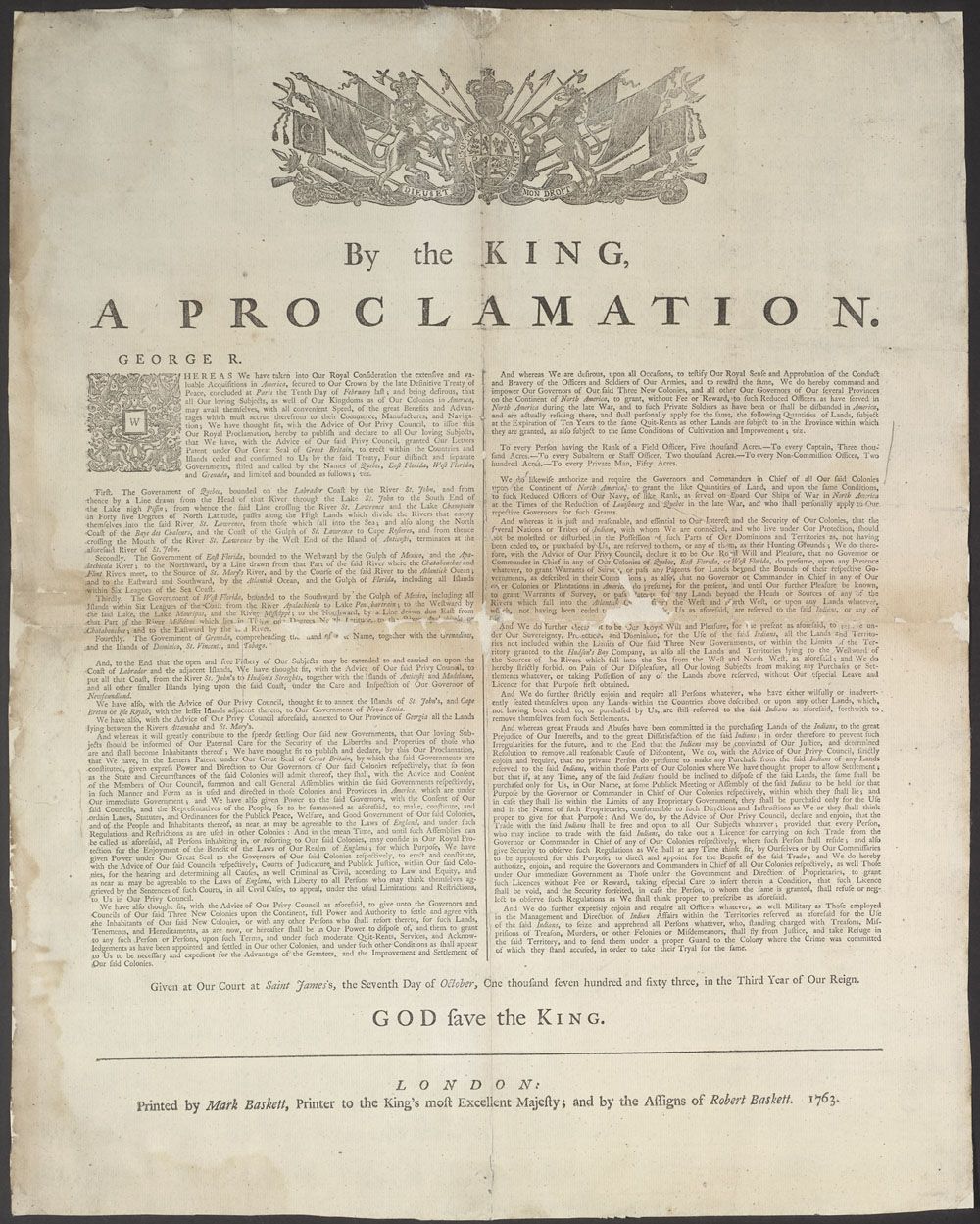
In 1717, the French Crown granted a large tract of land, the seigneurie du Lac-des-Deux-Montagnes, to the Roman Catholic Sulpician order for the benefit of Indigenous inhabitants, including Mohawk communities. The Mohawk were settled on this land at Kanehsatà:ke in 1721, with their assigned territory including the area later known as The Pines. Following the British conquest of New France, the Royal Proclamation of 1763 guaranteed Indigenous peoples the right to lands they inhabited unless formally ceded, but the Mohawk's subsequent petitions for recognition of their land rights at Kanehsatà:ke were consistently ignored by British and later Canadian authorities. In contrast, similar claims by the Mohawk communities at Kahnawá:ke and Ahkwesáhsne were recognized, leaving Kanehsatà:ke in a precarious position.
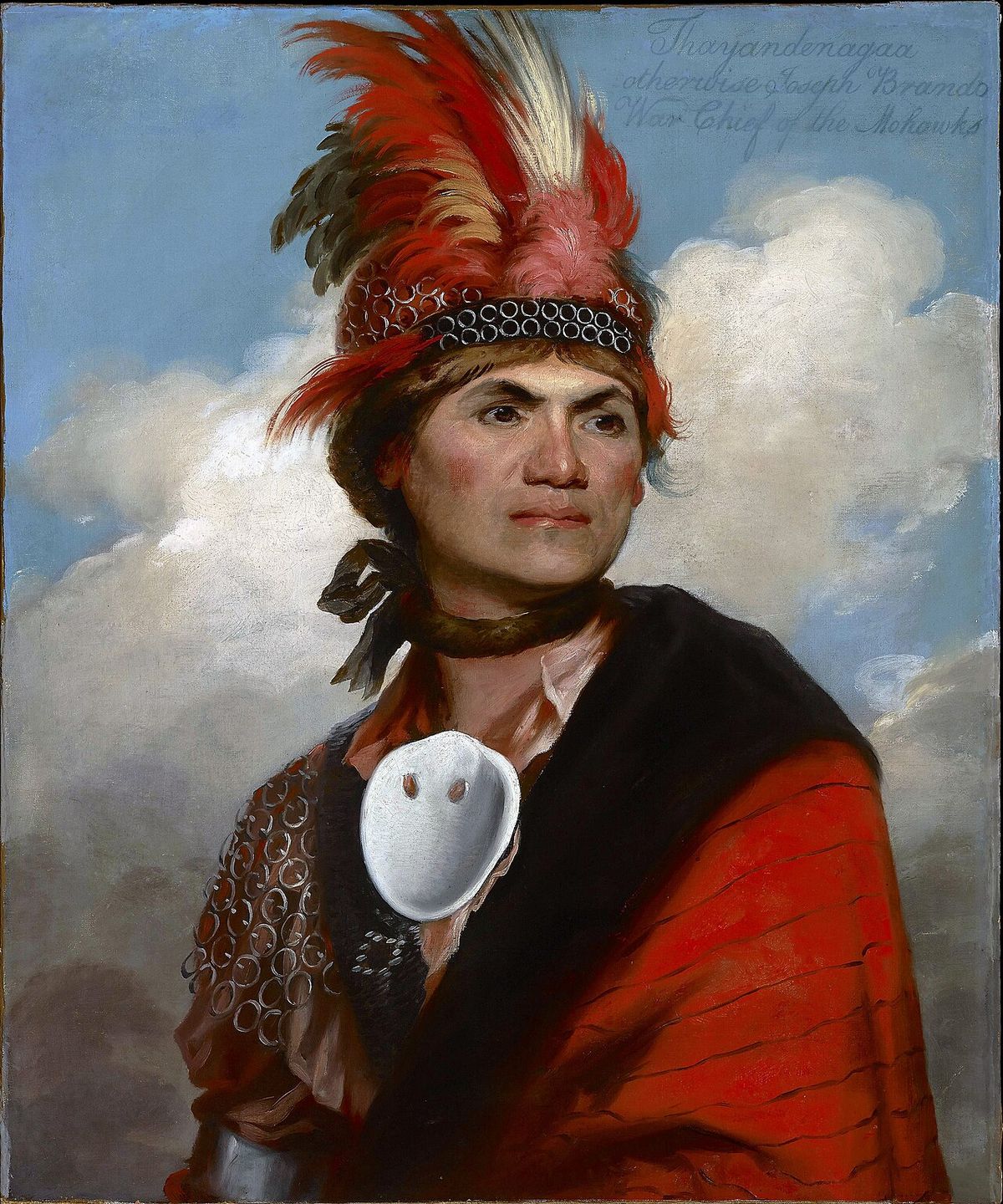
Throughout the 19th century, the Sulpicians, whose legal title was confirmed by the colonial government, began selling off parcels of the seigneurie to white settlers. Mohawk efforts to assert their rights, including an 1868 letter from Chief Joseph Onasakenrat and an 1869 armed protest, were met with forceful opposition from local authorities. By 1956, the Mohawk community at Kanehsatà:ke had been reduced to about six square kilometres from an original land base estimated at 165 square kilometres. The unresolved status of The Pines, a common area used by the community, became the focal point of the eventual crisis. In 1959, the town of Oka approved the development of a nine-hole golf course on a portion of this disputed land, directly bordering the active Mohawk cemetery, a move the community contested unsuccessfully.
The land dispute entered a critical phase in the latter part of the 20th century. The Kanehsatà:ke band filed an official land claim with the federal Office of Native Claims in 1977, but it was rejected in 1986 for failing to meet legal criteria. This rejection cleared the path for the town of Oka and the golf club to proceed with further development plans without consulting the Mohawk. In March 1989, Mayor Jean Ouellette announced plans to expand the golf course to eighteen holes and to construct 60 condominiums, which would require clearing The Pines and building over the ancestral burial ground. A Quebec court ruling on June 30, 1990, found in favour of the developers, leading the Mohawk community and supporters to erect barricades blocking access to the site in March 1990, setting the stage for the violent confrontation that summer.
The Police Raid and Escalation
The crisis erupted in the early morning of July 11, 1990, when approximately one hundred Sûreté du Québec officers, including a tactical intervention squad and riot police, moved to dismantle the Mohawk barricade at The Pines. The raid was initiated at the request of Mayor Ouellette, despite assurances from an SQ officer to protesters that police would not intervene in what was considered a civil injunction matter. As police advanced, a group of Mohawk women, asserting their traditional role as protectors of the land, approached the officers with arms outstretched to show they were unarmed, but authorities refused to speak with them without a designated male leader. Tensions escalated rapidly, and the SQ's Emergency Response Team deployed tear gas and concussion grenades in an attempt to disperse the defenders.
The situation turned deadly when a front-end loader rammed the barricade and armed police moved into The Pines, triggering an exchange of gunfire. During the firefight, SQ Corporal Marcel Lemay was fatally shot. A later inquest determined the bullet struck his left side below the armpit, an area not covered by his bulletproof vest. The police retreated from the area, abandoning six cruisers and the front-end loader, which the land defenders then used to crush the vehicles and fortify their barricade across Route 344. In the immediate aftermath, the SQ established a tight perimeter around the protest sites at both Kanehsatà:ke and Kahnawá:ke, blocking access to food, medication, and ambulances. Simultaneously, Mohawk reinforcements from Kahnawá:ke seized and blockaded the Honoré-Mercier Bridge and several key highways leading to Montreal's South Shore, creating massive traffic disruptions and heightening regional tensions.
The Siege and Rising Tensions
Following the raid, the standoff solidified into a prolonged siege. The number of armed Mohawk defenders, initially around 30, grew to between 60 and 70 and eventually included hundreds of supporters from across Canada and the United States. The community established a sophisticated communication network linking Kanehsatà:ke, Kahnawá:ke, and Ahkwesáhsne using radios, cellular phones, and local radio stations. They were joined by a diverse group of allies, including members of Mi'kmaq, Oneida, and Algonquin communities, activist students, and international supporters. The blockade of the Mercier Bridge, a major commuter artery, became a flashpoint for public anger, particularly among residents of South Shore suburbs like Châteauguay who faced lengthy detours.
Public sentiment, already strained by the recent failure of the Meech Lake Accord, grew increasingly hostile. Some media figures inflamed tensions with racist commentary. For instance, radio host Gilles Proulx remarked that the Mohawk "couldn't even speak French." Violent confrontations erupted between protesters and civilians, with Châteauguay residents assaulting a Mohawk woman at a grocery store, burning effigies of warriors, and chanting slurs. On August 12, a riot involving several thousand people at the Mercier Bridge resulted in destroyed police vehicles, injured officers, and 35 hospitalizations, forcing the SQ to cede control to the Royal Canadian Mounted Police. The Quebec government, under Premier Robert Bourassa, determined that the police could no longer manage the situation, setting the stage for military intervention.
- Key allies joining the Mohawk defenders included people from Mi'kmaq communities, Oneida from New York and Ontario, a Quebec Algonquin man, and activist students from across Canada.
- Critical infrastructure blockaded included the Honoré-Mercier Bridge and Highways 132, 138, and 207.
- Notable incidents of public backlash included the assault on a Mohawk woman in Châteauguay and the burning of warrior effigies.
- The August 12 riot at the Mercier Bridge led to 35 hospitalizations and the deployment of the RCMP.
Military Intervention and Resolution
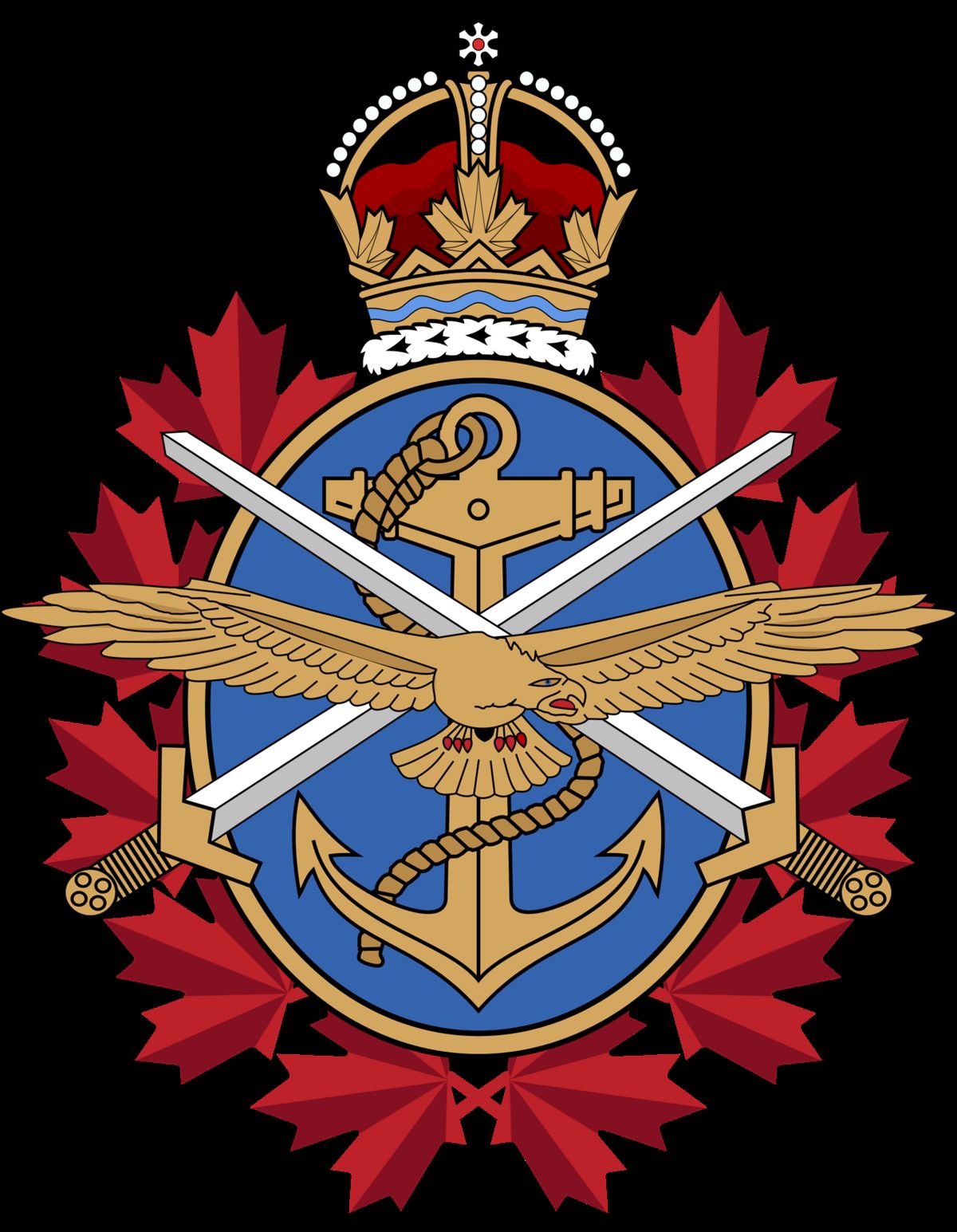
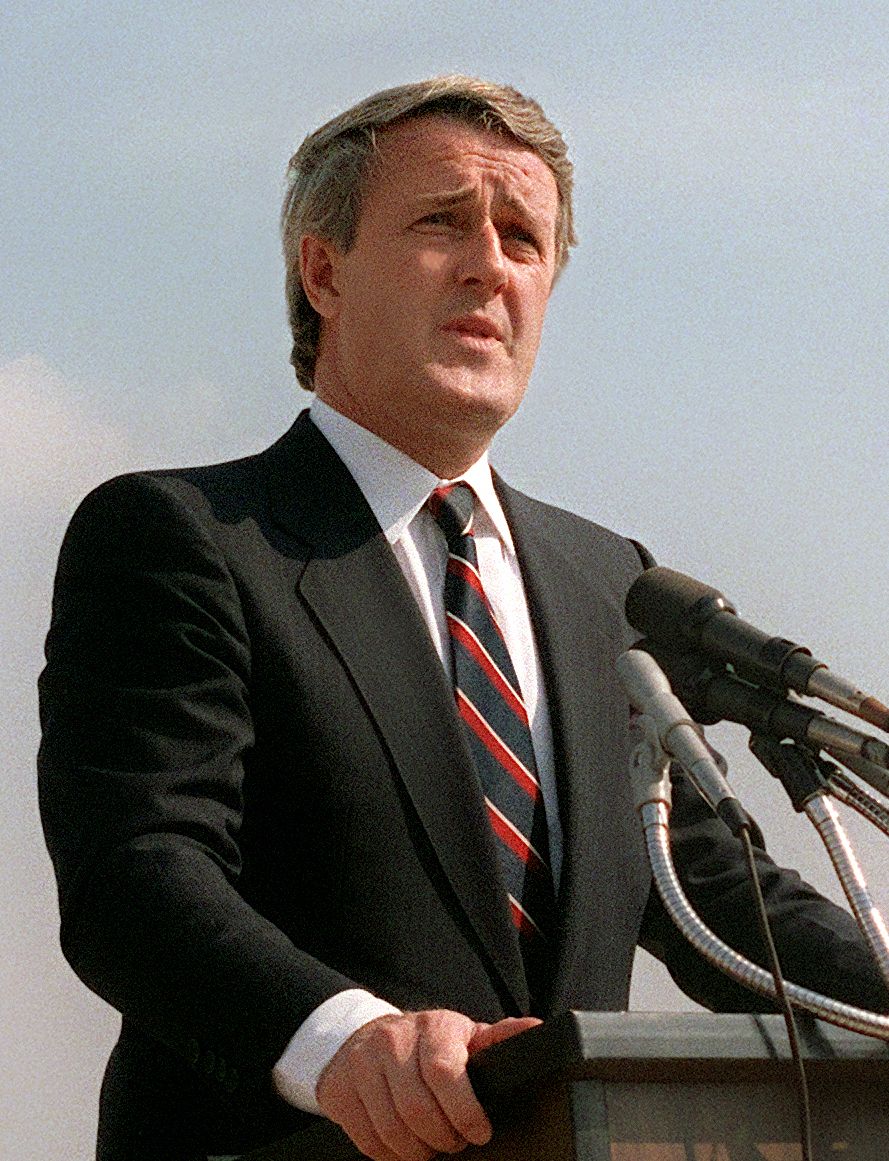
On August 27, Premier Robert Bourassa invoked the National Defence Act to requisition military support from the Canadian Armed Forces. The same day, Prime Minister Brian Mulroney appointed Quebec Chief Justice Alan B. Gold as a special mediator. Lieutenant-General Kent Foster announced the deployment, which would eventually involve approximately 4,000 soldiers supported by artillery, armoured vehicles including Leopard tanks, navy vessels, and air force assets. Historian Timothy C. Winegard noted the operation was so extensive it consumed the army's entire national stockpile of barbed wire. Brigadier-General Armand Roy was given full autonomy to force an "unconditional surrender" from the Warriors, a declaration that prompted many Mohawk families to attempt to flee Kahnawá:ke, where they were met with violence from angry crowds.
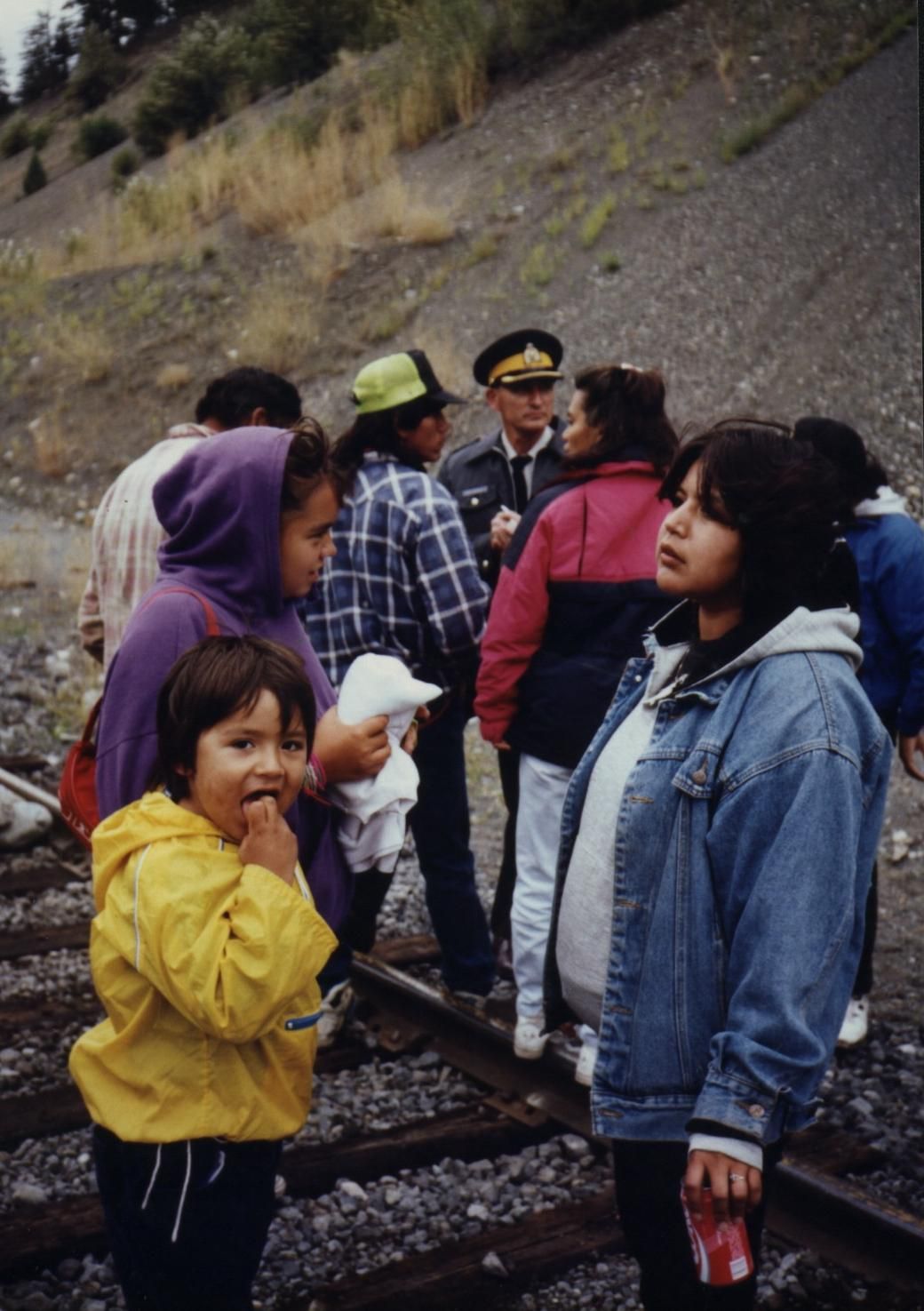
The military's methodical advance, which began in earnest after Labour Day, involved slowly tightening a perimeter around the Mohawk positions, cutting supply lines and applying psychological pressure. Faced with overwhelming force and after negotiations, the land defenders at Kahnawá:ke began dismantling their barricades on September 26. At Kanehsatà:ke, after a final confrontation where soldiers used tear gas and concussion grenades, the remaining protesters, including women, children, and elders, walked out of the treatment centre where they had gathered. The 78-day standoff ended with the arrest of many participants. The immediate result was the cancellation of the golf course expansion and condominium project. The federal government later purchased the disputed land from the town of Oka, but it did not transfer the land to the Mohawks as a reserve, leaving the core issue of land title unresolved.
Immediate Aftermath and Legal Actions
The conclusion of the standoff did not bring closure or justice for the Mohawk community. Many who were arrested faced lengthy and complex legal proceedings. The core issue of land ownership remained in limbo, with the federal government holding the title to The Pines but not establishing it as a reserve for the Mohawks of Kanehsatà:ke. In the decades that followed, the municipality of Oka retained a degree of control over the area. In response, the Mohawks of Kanehsatà:ke took the municipality to court in 2021, arguing the bylaw unjustly gave Oka control over their ancestral land. As of the end of 2023, no organized transfer of the land to the Mohawk community had occurred.
The most significant institutional outcome of the crisis was the establishment of the Royal Commission on Aboriginal Peoples (RCAP) on August 26, 1991. The commission was tasked with investigating the wide range of issues highlighted by the Oka Crisis and proposing solutions to rebuild the relationship between Indigenous and non-Indigenous people in Canada. After extensive research and hearings, RCAP released a comprehensive five-volume report in 1996. Its recommendations included a complete restructuring of the relationship, based on recognition, respect, sharing, and responsibility, and it called for a new Royal Proclamation and companion legislation to implement treaty relationships and Indigenous self-government. While many of its recommendations were not immediately adopted, the report provided a crucial framework for future discussions on reconciliation.
Long-Term Significance and Perspectives
Thirty-six years later, the events of 1990 continue to resonate powerfully. For the Mohawk community and many Indigenous peoples, it is remembered not as the "Oka Crisis" but as the Kanehsatà:ke Resistance, a defensive struggle rooted in over 300 years of defending their land from encroachment. As Mohawk journalist Tahieròn:iohte Dan David reflected before his death in January 2026, the massive deployment of state force against a small Indigenous community revealed a deep-seated colonial mindset. He questioned why Canada would send hundreds of police and thousands of soldiers with tanks and jets to surround an Indigenous community, an action he believed would never have been taken against any other town in Canada. For David and others, the siege was a stark illustration of the ongoing fight for control over land and resources, a fight that has seen little fundamental change since 1990.
The crisis was a watershed moment for Canadian society, marking the first well-publicized violent conflict between a First Nation and government forces in the late 20th century. It forced non-Indigenous Canadians to confront the reality of unresolved land claims and systemic injustice. The images of armed soldiers facing off against Mohawk warriors were broadcast around the world, damaging Canada's international reputation as a peacekeeping nation. Within Canada, it galvanized Indigenous activism and solidarity across the country, inspiring subsequent protests and land defence movements. It also exposed severe flaws in police and government handling of Indigenous relations, highlighting the need for new approaches to negotiation and conflict resolution. The legacy of the Kanehsatà:ke Resistance endures as a symbol of both Indigenous resilience and the urgent, unfinished work of addressing historical wrongs and achieving meaningful reconciliation.
Key Figures and Communities
The Oka Crisis involved a wide array of individuals and groups whose actions defined the conflict. On the Mohawk side, the land defenders were primarily from the community of Kanehsatà:ke, joined by crucial reinforcements from the neighbouring Mohawk territories of Kahnawá:ke and Ahkwesáhsne. The Kahnawá:ke Warrior Society played a significant role in establishing the blockades on the Mercier Bridge. Ellen Gabriel was chosen by the People of the Longhouse and her community to be the official spokesperson during the siege, becoming a prominent public face of the resistance. Wanda Gabriel, then a 30-year-old community member, helped establish a barricade at the north end of Kanehsatà:ke with her teenage daughter. Tahieròn:iohte Dan David, a Mohawk journalist and co-founder of APTN, was among those who spent the entire 78 days behind the barricades and later provided critical reflection on the events.
On the government and institutional side, key figures included Oka Mayor Jean Ouellette, who championed the golf course expansion and requested police intervention. Quebec Premier Robert Bourassa made the decision to call in the Canadian Armed Forces. Prime Minister Brian Mulroney's government appointed mediator Alan B. Gold and later established the Royal Commission on Aboriginal Peoples. The police response was led by the Sûreté du Québec, whose Corporal Marcel Lemay became the conflict's first fatality. Military operations were commanded by Lieutenant-General Kent Foster and Brigadier-General Armand Roy. The crisis also involved provincial cabinet ministers like John Ciaccia, the Minister of Native Affairs, who expressed sympathy for the Mohawk position but was unable to prevent the escalation.
| Figure/Role | Name | Key Association |
|---|---|---|
| Mohawk Spokesperson | Ellen Gabriel | Chosen spokesperson for Kanehsatà:ke during the siege |
| Oka Mayor | Jean Ouellette | Advocated for golf course expansion, requested police raid |
| SQ Officer Killed | Cpl. Marcel Lemay | Died in the July 11 firefight |
| Quebec Premier | Robert Bourassa | Authorized military intervention |
| Military Commander | Lt. Gen. Kent Foster | Announced deployment of army and tanks |
| Federal Mediator | Alan B. Gold | Chief Justice appointed as special negotiator |
| Mohawk Journalist | Tahieròn:iohte Dan David | Chronicled the resistance, co-founded APTN |
Questions about Oka Crisis
Who was killed during the Oka Crisis?
Two people died as a direct result of the conflict. The first was Sûreté du Québec Corporal Marcel Lemay, aged 31, who was shot and killed during the initial police raid on the Mohawk barricade at The Pines on July 11, 1990. An inquest later determined the fatal bullet struck his left side below the armpit. The second fatality was a Mohawk protester. Additionally, many people on both sides were injured during the various confrontations and riots that occurred over the 78-day period.
Why was the Canadian Army called in during the Oka Crisis?
The Canadian Armed Forces were called in after the Sûreté du Québec lost control of the situation, particularly following a large riot at the blockaded Mercier Bridge on August 12, 1990. Quebec Premier Robert Bourassa invoked the National Defence Act on August 27, requisitioning military support. The government deemed the police unable to manage the escalating violence and the well-fortified Mohawk positions. The military deployment eventually involved about 4,000 soldiers, along with tanks, armoured vehicles, and significant logistical support, with the stated objective of obtaining an unconditional surrender from the Mohawk Warriors.
What was the outcome of the Oka Crisis?
The immediate plans to expand the golf course and build condominiums were cancelled. The federal government later purchased the disputed land from the town of Oka. However, it did not transfer the land to the Mohawks of Kanehsatà:ke as a reserve, leaving the underlying issue of land title unresolved. A major long-term outcome was the establishment of the Royal Commission on Aboriginal Peoples in 1991, which conducted a sweeping investigation into Indigenous issues. The crisis also raised national awareness about Indigenous land rights and sparked ongoing legal battles, including a 2021 lawsuit by the Mohawks against the municipality of Oka over a development bylaw.
What is the difference between the terms 'Oka Crisis' and 'Kanehsatà:ke Resistance'?
The term "Oka Crisis" is the name most commonly used by government officials, media, and the general public, framing the event from the perspective of the neighbouring town of Oka and as a disruption to be managed. In contrast, "Kanehsatà:ke Resistance" is the term preferred by the Mohawk community and many Indigenous scholars and allies. This name centres the Mohawk community that was under siege, frames their actions as a legitimate defence of their ancestral land, and connects the 1990 events to a centuries-long history of resistance to colonial dispossession. The choice of terminology reflects fundamentally different perspectives on the nature and causes of the conflict.
What was the main cause of the Oka Crisis?
The main cause was a land dispute over plans to build a golf course on land known as The Pines, which included an Indigenous burial ground. The town of Oka, Quebec, approved a private nine hole golf course on a portion of the disputed land in 1959. In March 1989, the golf club announced plans to expand the course by an additional nine holes and to construct 60 condominiums. This occurred after the federal Office of Native Claims had rejected the Mohawk land claim on the area in 1986. The deeper historical cause was a long standing dispute where the Mohawk people of Kanehsatà:ke had pursued recognition of their land rights since the British conquest, with the Sulpician order being granted official title to the disputed land in 1859.
How long did the Oka Crisis last and when did it happen?
The Oka Crisis lasted 78 days. It began on July 11, 1990, with a police raid on a Mohawk barricade blocking access to The Pines. The standoff ended on September 26, 1990. The dispute was the first well publicized violent conflict between First Nations and provincial governments in the late 20th century. The events primarily took place in Kanehsatà:ke near the town of Oka, Quebec. Related blockades also occurred at the Kahnawá:ke reserve, where the Mercier Bridge was sealed off, creating major traffic disruptions for Montreal's South Shore suburbs.
Sources and further reading
- Oka Crisis (Wikipedia)
- Kanehsatà:ke resistance and the “Oka Crisis,” 36 years later (policyalternatives.ca)
- Kanesatake Resistance (Oka Crisis) (thecanadianencyclopedia.ca)
- Oka Crisis | History | Research Starters | EBSCOhost (ebsco.com)
- Let's talk about what happened long before the 'Oka Crisis' (cbc.ca)
Checked by the Nosy Mag desk. Last updated 2026-10-21.