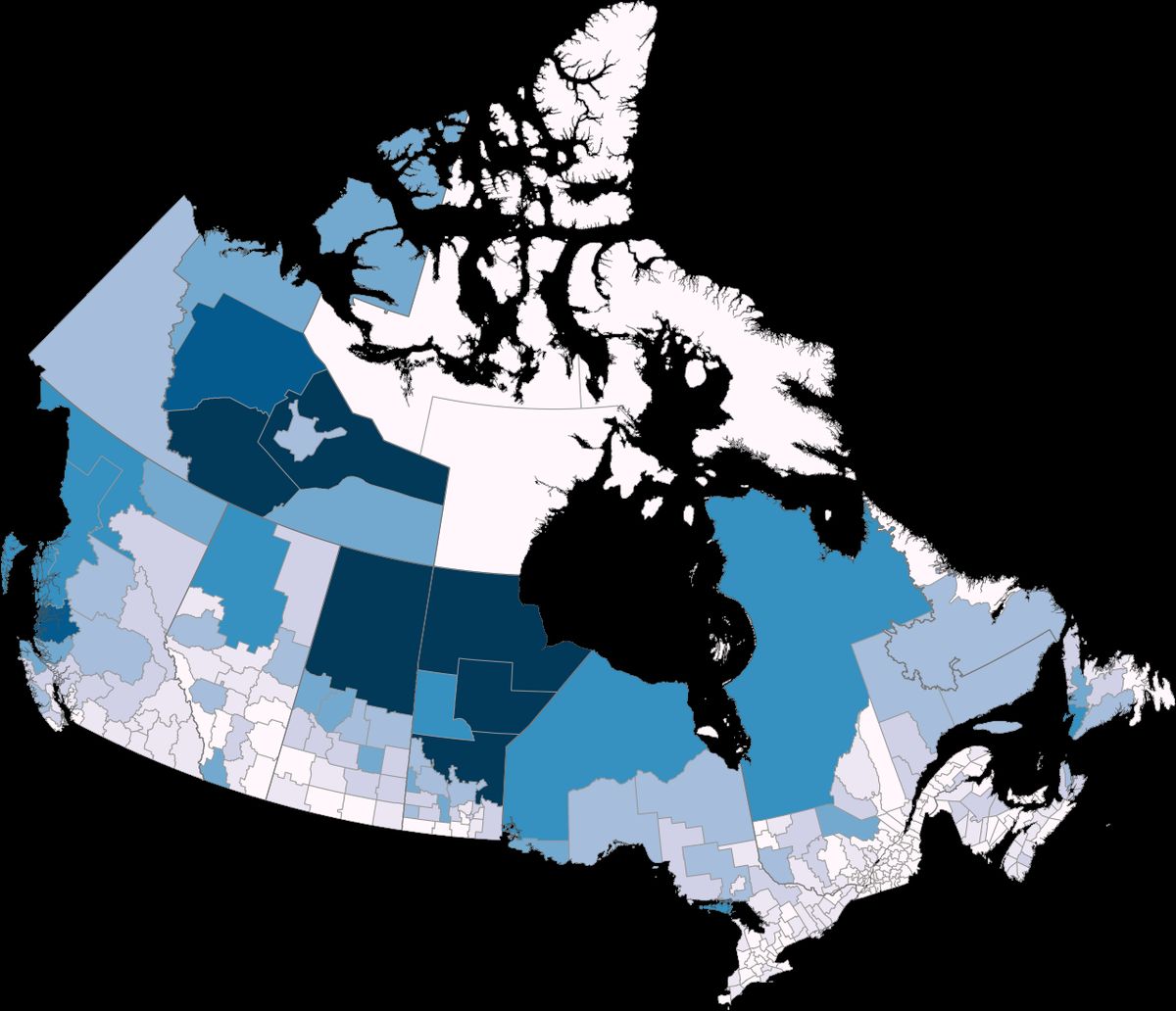
Beaver Wars
The Beaver Wars, also known as the Iroquois Wars or the French and Iroquois Wars, were a series of intermittent conflicts fought in the Great Lakes and St. Lawrence River regions from 1609 to 1701. These wars pitted the Haudenosaunee (Iroquois) Confederacy, supported by the Dutch and later the English, against neighbouring Indigenous nations allied with the French, such as the Wendat (Huron). The conflict fundamentally reshaped the political and demographic map of eastern North America, leading to the dispersal of several major confederacies and the expansion of Haudenosaunee power. For Canada, the wars were a central chapter in early colonial history, setting the stage for French and English imperial rivalry and altering Indigenous alliances across the continent.
Origins and Early Confrontations
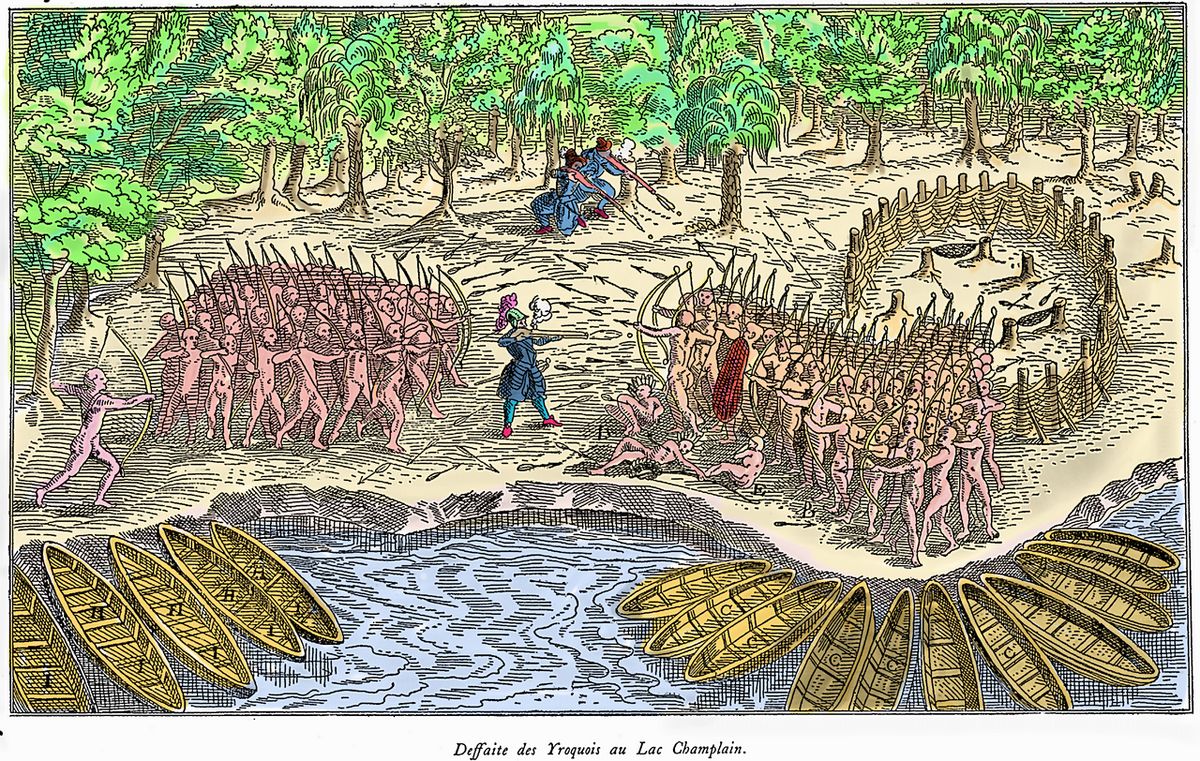
The roots of the Beaver Wars extend to the earliest European contacts in the St. Lawrence Valley. Champlain found the region used as a hunting ground by the Haudenosaunee and a trade corridor for the Wendat. To secure his colony's future, Champlain accepted an invitation in 1609 to join a longstanding alliance of the Innu, Algonquin, and Wendat against the Haudenosaunee. This decision gave the French access to vital fur trade networks and Indigenous knowledge, while their allies gained European goods. Champlain demonstrated his commitment by joining an attack on the Mohawk at Lake Champlain in the summer of 1609, where his use of an arquebus killed two Mohawk leaders despite their wooden armour and sparked hostilities. He participated in another failed attack on a Haudenosaunee village south of Lake Ontario in 1615, during which he was injured. Meanwhile, the Dutch established trading posts like Fort Nassau and later Fort Orange on the Hudson River, and after the Mohawk defeated the Mahican in the Mohawk, Mahican War (1624 to 1628), they secured direct access to European firearms and goods. French policy, established by Champlain, was reluctant to provide firearms to Indigenous allies, creating a significant technological imbalance when the Haudenosaunee began acquiring muskets from Dutch traders in the late 1630s.
Competing Theories on the Causes of War
Historians and ethnohistorians have proposed several complementary explanations for the Haudenosaunee's military expansion, moving beyond a single cause. The traditional explanation centres on the North American fur trade, arguing that by the 1630s, beaver populations in Haudenosaunee territory were depleted. To maintain their supply of European goods, the Haudenosaunee sought to control new hunting grounds and become the middlemen between western nations and European traders, attacking nations like the Wendat who traded with the French. George T. Hunt argued this in The Wars of the Iroquois, stating the wars were a strategic effort to force the flow of pelts to the Dutch at Fort Orange rather than the French on the St. Lawrence. Critics like Bruce Trigger have argued this view is Eurocentric, reducing Indigenous actors to mere surrogates for European market logic. Two other theories have gained wide acceptance. Daniel Richter emphasizes the role of 'mourning wars,' a cultural practice where captives were taken to replace family members lost to disease. Catastrophic epidemics in the 1630s, such as smallpox, created a desperate need to replenish population, driving larger and more frequent raids. Francis Jennings proposed an ideological motivation, suggesting the Haudenosaunee sought to impose their Great Law of Peace, the oral constitution of their confederacy, on other Iroquoian-speaking peoples, a process described as 'extending the rafters' of their Longhouse to bring wayward relatives into their political union. José António Brandão provided quantitative evidence that Haudenosaunee raids consistently prioritized capturing people over seizing pelts, supporting the demographic and ideological theories over a purely commercial one.
The Escalation and Petite Guerre
Conflict escalated significantly in the early 1640s after the Mohawk began ambushing Wendat trading expeditions on the St. Lawrence and Ottawa Rivers, effectively blocking these crucial routes. In 1642, the Mohawk launched their first raids against French settlements, including the new outpost of Ville-Marie (Montreal), initiating a period the French called the Petite Guerre. This phase was characterized by frequent, small-scale raids that made life outside fortified settlements like Quebec, Trois-Rivières, and Montreal extremely hazardous for farming and travel. Diplomatic efforts proved fragile. In 1641, Mohawk representatives proposed a peace treaty that included establishing a trading post in their territory, but Governor Charles de Montmagny rejected it to protect New France's relationship with its Wendat allies. When the truce collapsed, Haudenosaunee focus shifted decisively toward the destruction of the Wendat Confederacy, their primary rivals and French allies. The Haudenosaunee were increasingly well-armed, as Dutch authorities facilitated the acquisition of 400 muskets for the Mohawk in 1643 following Kieft's War, further widening the military gap.
The Destruction of the Wendat Confederacy
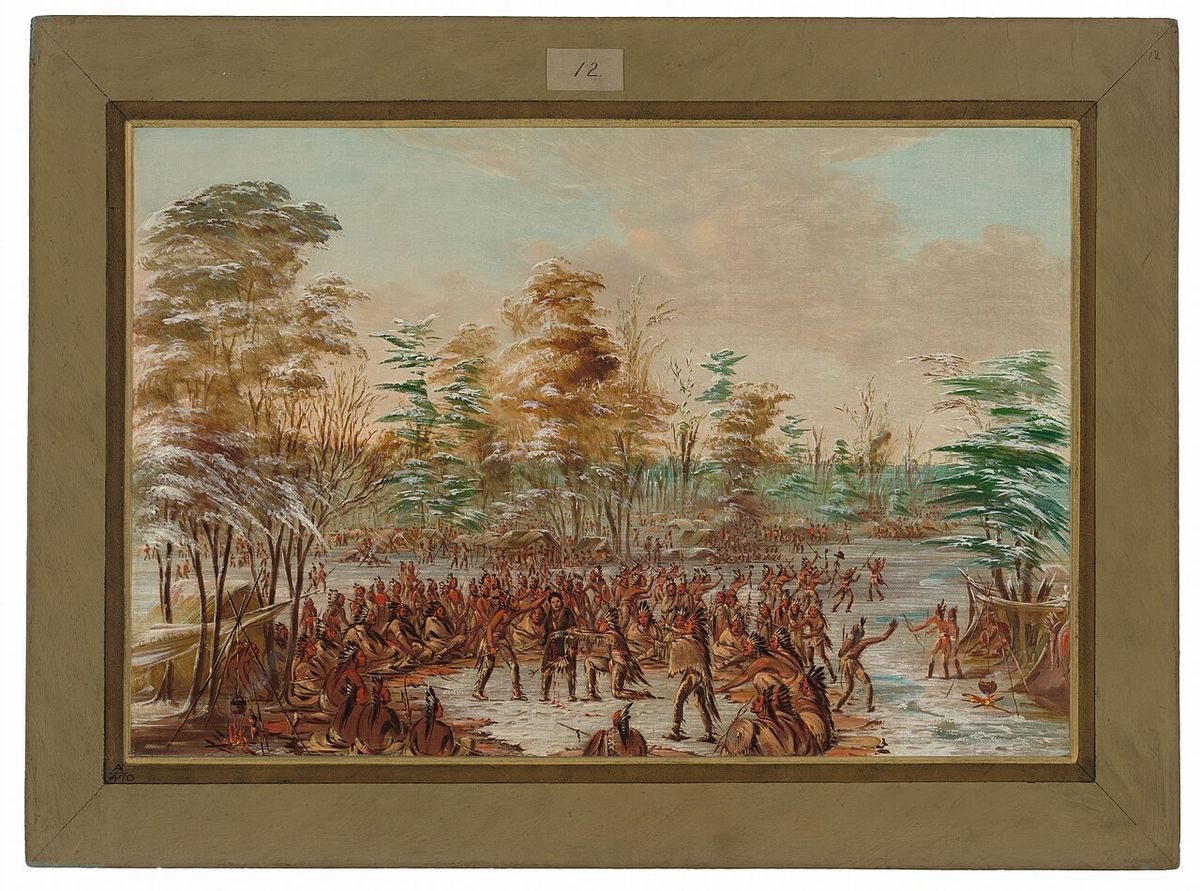
The war against the Wendat culminated in devastating attacks in 1648 and 1649. The Haudenosaunee had intensified raids throughout the 1640s, primarily targeting the eastern Arendarhonon nation, who abandoned their principal village of Contarea in the fall of 1647. Despite Wendat attempts at peace through Susquehannock mediation and direct talks with the Onondaga in 1647, opposition from the Seneca and Mohawk prevailed. In July 1648, the village of Teanaostaiaé fell with hundreds killed or captured. The decisive blow came in March 1649. A Haudenosaunee army of over 1,000 warriors, many armed with Dutch muskets, attacked and overwhelmed the village of Taenhatentaron (St. Ignace). The following day, after two assaults, they breached the defences of St. Louis. Two Jesuit missionaries, Jean de Brébeuf and Gabriel Lalemant, were captured, taken to Taenhatentaron, tortured, and killed. Although the Wendat inflicted heavy casualties in a counterattack a few days later, they could not save their homeland. In June 1649, the Jesuits decided to abandon the mission settlement of Sainte-Marie among the Hurons to prevent its capture. The Wendat burned their remaining villages and dispersed. Many sought refuge with the Petun and Neutral, while others fled to Gahoendoe (Christian Island), where hundreds died from starvation and exposure during the winter of 1650. The few hundred survivors left the island in the summer of 1650 and relocated near Quebec under French protection, marking the effective end of the Wendat Confederacy as a political force in its homeland.
Dispersal of the Petun, Neutral and Erie
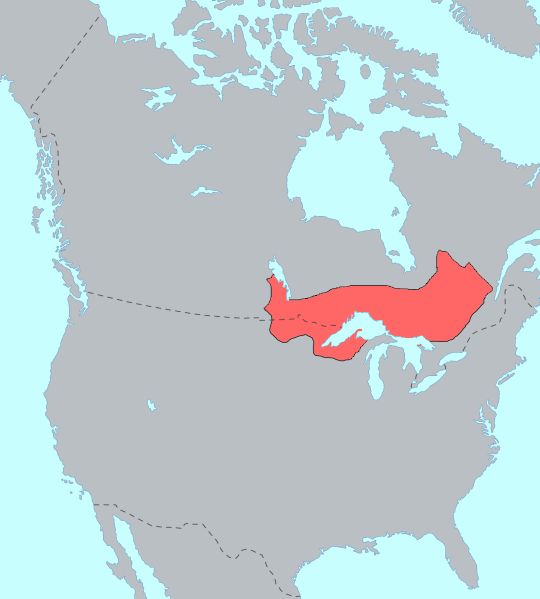
Following the Wendat collapse, the Haudenosaunee turned on neighbouring nations that had offered refuge, initiating a wave of dispersal across the lower Great Lakes. In late 1649, they launched a swift campaign against the Petun (Tionontati), destroying their principal town of Etharita and killing Jesuit missionary Noël Chabanel. The surviving Petun, joined by significant numbers of Wendat and Wenro refugees, fled northwest toward the safety of Michilimackinac rather than face further incursions. The Neutral Confederacy, the most populous regional group and long-term non-aligned, became the primary target in 1650 and 1651 after allegedly allowing Wendat refugees to use their territory as a base for counter-raids. The Haudenosaunee captured several major fortified towns, and the Neutral defence crumbled under coordinated assaults. Many survivors were absorbed through mass adoption into the Haudenosaunee, while others fled south to the Erie or crossed into present-day Michigan, leaving the lands north of Lake Erie largely depopulated. The Erie, who had welcomed many refugees, then became the next target. After facing stiff resistance, the Erie were ultimately defeated and absorbed by the Haudenosaunee in 1657. This series of conquests effectively removed the major Indigenous buffers between the Haudenosaunee and the French colonies. The cascading effects of these victories triggered massive demographic shifts and realigned tribal geography across a vast area.
- The Wenro abandoned their territory between the Neutral and Haudenosaunee in 1638, with over 600 refugees traveling to Wendake.
- The Petun were dispersed from their homeland west of Wendake in 1649.
- The Neutral Confederacy was defeated and its population scattered between 1650 and 1651.
- The Erie Confederacy was absorbed after concentrated attacks ending in 1657.
- The Susquehannock were defeated and absorbed by the Haudenosaunee by 1675.
- The Potawatomi moved northward into Wisconsin through Michigan's Upper Peninsula around 1665 to avoid the conflicts.
These displacements forced over 20,000 refugees into the region around Wisconsin's Door Peninsula. This led to severe overcrowding and subsequent epidemics. Starvation and intertribal conflict for scarce resources followed. The Potawatomi, isolated on the peninsula, maintained tribal unity and grew to become the dominant tribe in the region. Larger surrounding tribes separated into mixed villages as a result of these pressures.
Western Expansion and Conflict with the French
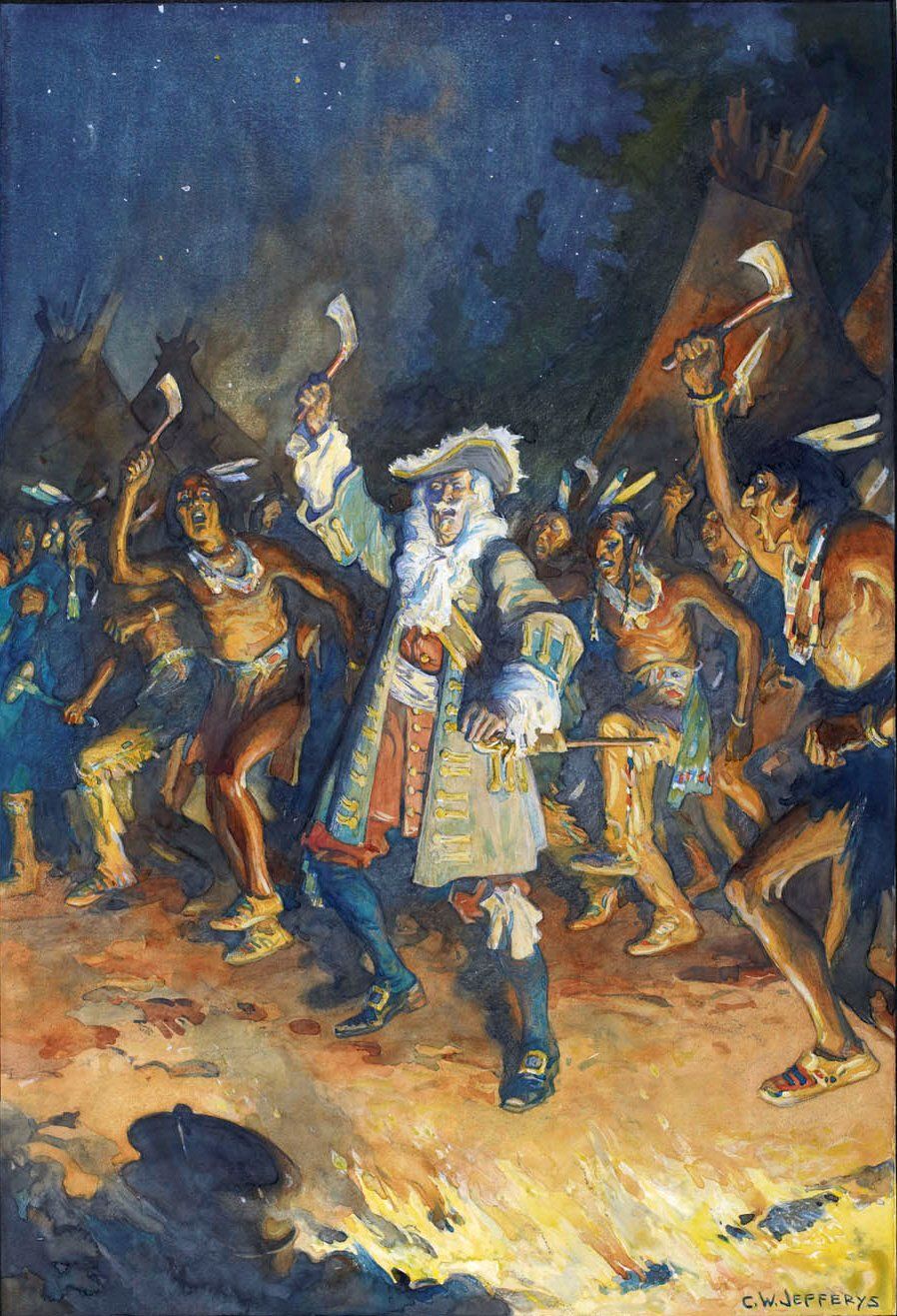
With the eastern confederacies shattered, the Haudenosaunee pushed westward into the Ohio Country and the territories of the Algonquian-speaking tribes of the western Great Lakes. Their goal was to dominate the fur trade and control trade routes between European markets and western tribes. Supplied with Dutch and English firearms, they aggressively expanded, claiming present-day Pennsylvania, Ohio, Michigan's lower peninsula, Indiana, and Illinois by the end of the century. This expansion directly threatened French economic interests, as the French were economically dependent on the fur trade and aligned with the Algonquian tribes. The Haudenosaunee attempted to rob shipments of fur traveling along major rivers to the French market in Canada. In response, the Wyandot (descendants of the Wendat) and Ottawa used Chippewa warriors to help deliver pelts to Montreal, leading to Iroquois attacks on any tribe in Wisconsin and upper Michigan found supplying furs. The French, seeing the increasing strength of their opponents, began selling firearms to their Algonquian allies in the early 1680s to match the Haudenosaunee's battle prowess. This period from the 1650s to 1700 was fraught with kidnappings, village decimation, and massacres as the Iroquois attempted to maintain trade relationships with both the French and English while gaining an upper hand in the region.
Shifting European Alliances and the Path to Peace
The geopolitical landscape shifted decisively in 1664 when the English seized the Dutch colony of New Netherland, depriving the Haudenosaunee of their primary European ally and source of arms. The Haudenosaunee soon established a formal alliance with the English, which escalated tensions with New France. In response to relentless Haudenosaunee raids, the French sent the Carignan-Salières Regiment, which burned Mohawk villages and food supplies, leading to a peace treaty in 1667. This peace allowed French exploration and trade to expand into the Great Lakes, with explorers like Louis Jolliet advancing to the Mississippi River. However, conflict resumed as part of broader imperial wars between France and England. The Haudenosaunee, allied with the English, launched a major attack on the settlement of Lachine in 1689. By the late 1690s, war exhaustion set in on all sides. The English ceased fighting with the French after several years of ineffective attacks and counterattacks alongside the Iroquois, and both European powers signed the Treaty of Ryswick in 1697. This treaty left the question of Iroquois sovereignty unresolved, as both nations claimed their territory, and battles continued until a comprehensive peace was finally negotiated.
The Great Peace of Montreal and Lasting Consequences
The Beaver Wars formally concluded with the Great Peace of Montreal, signed on August 4, 1701, and ratified that July. This monumental treaty was signed by the governor of New France and more than 1,300 representatives from almost 40 Indigenous nations, including former adversaries like the Haudenosaunee and the French-aligned Algonquian nations such as the Potawatomi. The Haudenosaunee agreed to remain neutral in future wars between the British and French, a crucial diplomatic achievement for New France that aimed to secure its western trade. The wars had profound and lasting consequences for the continent's Indigenous and colonial societies. The Haudenosaunee emerged as the dominant political power in the region, having expanded their territory into the Ohio River Valley and redrawn the map of eastern North America. However, the cost was immense for other Indigenous societies, as multiple confederacies were broken. The table below summarizes the fate of several major confederacies during the wars, illustrating the scale of the disruption.
| Confederacy/Nation | Primary Period of Conflict | Outcome |
|---|---|---|
| Wendat (Huron) | 1640s, culminating 1649 | Confederacy destroyed. Population dispersed, adopted, or relocated to Quebec |
| Petun (Tionontati) | 1649 | Dispersed. Fled northwest to Michilimackinac |
| Neutral | 1650 to 1651 | Defeated. Population scattered, adopted, or fled south/west |
| Erie | 1650s, absorbed by 1657 | Defeated and absorbed into the Haudenosaunee |
| Susquehannock | 1670s, absorbed by 1675 | Defeated and absorbed into the Haudenosaunee |
The wars entrenched economic patterns driven by European demand for furs. This demand forced Indigenous hunters into conflict as their own territories were exhausted. The Beaver Wars established patterns of alliance, neutrality, and conflict that influenced colonial and Indigenous relations for generations. These patterns directly shaped the context of subsequent conflicts like the Seven Years' War. The Haudenosaunee policy of dispersing rivals like the Wendat left them free to raid northern hunting peoples. However, their victories did not bring the expected prosperity as the French extended their trade networks deep into the continent during periods of peace.
Questions about Beaver Wars
What were the Beaver Wars?
The Beaver Wars were a series of intermittent conflicts fought from 1609 to 1701 in the Great Lakes and St. Lawrence River regions of North America. They pitted the Haudenosaunee (Iroquois), supported by the Dutch and later the English, against neighbouring Indigenous nations such as the Wendat (Huron), who were allied with the French. The wars are also known as the Iroquois Wars or the French and Iroquois Wars. As a result, the Haudenosaunee became the dominant political power in the region and considerably expanded their territory.
What caused the Beaver Wars?
Historians point to several interconnected causes. The traditional explanation involves competition over the fur trade, as the Haudenosaunee sought new beaver hunting grounds and control of trade routes after depleting their own resources by the 1640s. Other major theories include 'mourning wars,' where the Haudenosaunee launched raids to capture people to replace population losses from devastating European epidemics like smallpox in the 1630s. A third theory suggests an ideological drive to extend the Haudenosaunee's Great Law of Peace to other Iroquoian-speaking nations, a process of political absorption described as 'extending the rafters.'
Which Indigenous nations were most affected by the Beaver Wars?
Several major confederacies were defeated and dispersed. The Wendat (Huron) Confederacy was destroyed in 1649. Subsequently, the Petun were dispersed in 1649, the Neutral Confederacy was defeated in 1650 to 1651, and the Erie were absorbed by 1657. The Susquehannock were also defeated and absorbed by the 1670s. Other groups like the Potawatomi were forced to migrate, moving to Wisconsin around 1665. These events created over 20,000 refugees, forcing massive demographic shifts into areas like Wisconsin's Door Peninsula.
How did the Beaver Wars end?
The wars concluded with the Great Peace of Montreal in 1701. This treaty was signed by the French governor and over 1,300 representatives from nearly 40 Indigenous nations after years of war exhaustion and shifting European alliances. The Haudenosaunee agreed to cease hostilities and remain neutral in future wars between the British and French. This agreement followed the English and French Treaty of Ryswick in 1697 and brought an end to nearly a century of intermittent conflict in the region.
What was the role of European powers in the Beaver Wars?
European alliances and arms supply were central. The French, dependent on the fur trade, allied with nations like the Wendat and Algonquin but were initially reluctant to provide them firearms. The Dutch, and later the English after they seized New Netherland in 1664, allied with and supplied firearms to the Haudenosaunee, including facilitating the sale of 400 muskets to the Mohawk in 1643. This support created a significant technological imbalance, especially in the wars' early phases, and entangled Indigenous conflicts with European imperial rivalries between France and England.
What were the long-term consequences of the Beaver Wars for Canada?
The wars dramatically reshaped Indigenous and colonial North America. The Haudenosaunee became the dominant regional power and expanded their territory into the Ohio Valley. The dispersal of nations like the Wendat and Neutral altered the demographic map, leading to new Indigenous alliances, migrations like that of the Potawatomi, and refugee crises. The conflict entrenched French and English rivalries in the region and established the framework of Haudenosaunee neutrality formalized in 1701, a diplomatic stance that would be tested in later colonial wars and influence the strategic balance of power for decades.
Sources and further reading
- Beaver Wars (Wikipedia)
- 1640 to 1701, Beaver Wars (French and Iroquois ... (nhbp-nsn.gov)
- Colonial and Intertribal Wars: Beaver Wars (1628 to 1701) (potawatomi.org)
- Iroquois Wars (thecanadianencyclopedia.ca)
Checked by the Nosy Mag desk. Last updated 2026-10-19.