Blackfoot Confederacy
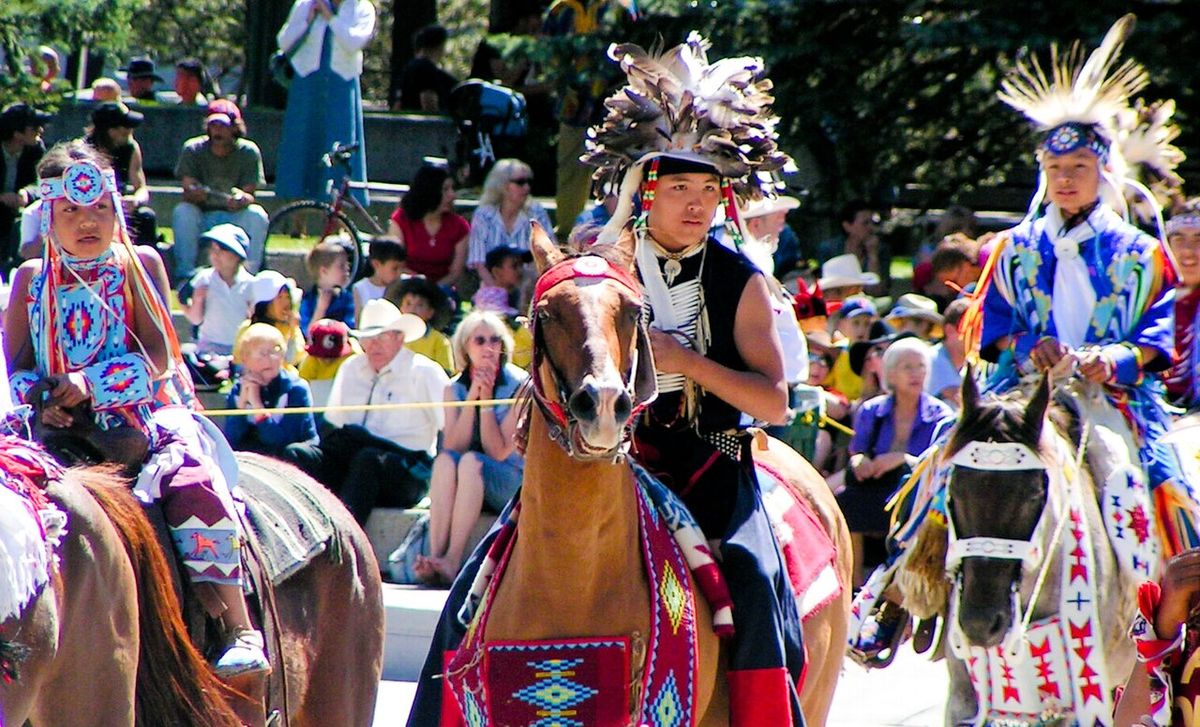
The Blackfoot Confederacy, known in its own language as Niitsítapi or Siksikáí'tsitapi, is a historic and contemporary alliance of Indigenous peoples whose traditional territory spans the northern Great Plains of North America. The Confederacy's core consists of three closely related Blackfoot-speaking nations: the Siksika (Blackfoot), the Kainai (Blood), and the Piikani (Peigan), which is further divided into Northern and Southern sections. Historically nomadic bison hunters, the peoples of the Confederacy were among the most powerful on the Plains before being forced onto reserves in the late 19th century. Today, the Confederacy represents a significant political and cultural force, with member First Nations in Alberta and a federally recognized tribe in Montana, collectively working to advance treaty rights, sovereignty, and cultural continuity.
Historical Territory and Traditional Life
The traditional territory of the Blackfoot Confederacy, known as Niitsitpiis-stahkoii, was vast and ecologically diverse. It stretched from the North Saskatchewan River, called Ponoká'sisaahta, near present-day Edmonton, Alberta, south to the Yellowstone River, called Otahkoiitahtayi, in Montana. The territory's western limit was the Rocky Mountains, called Miistakistsi, and its eastern boundary extended to the Cypress Hills, called Kaayihkimikoyi. This semi-arid shortgrass prairie region was defined by the migratory patterns of the American bison, the animal around which Niitsítapi life was organized. The basic social and economic unit was the band, a highly flexible group of 10 to 30 lodges, or roughly 80 to 240 people, which could easily form, split, or merge in response to hunting conditions and leadership dynamics. This decentralized structure was ideal for a nomadic hunting people, allowing for communal defence and large-scale buffalo hunts while maintaining the agility needed to follow game and survive the harsh Plains winters. The annual cycle was marked by seasonal movements between dispersed winter camps in wooded river valleys and large summer gatherings for the sacred Okan (Sun Dance) ceremony, the only time all nations would assemble. During the long northern winter, bands camped a day's march apart in wooded valleys where buffalo also sheltered, and in spring they would split up to hunt as the herds moved onto the grasslands.
The Centrality of the Bison
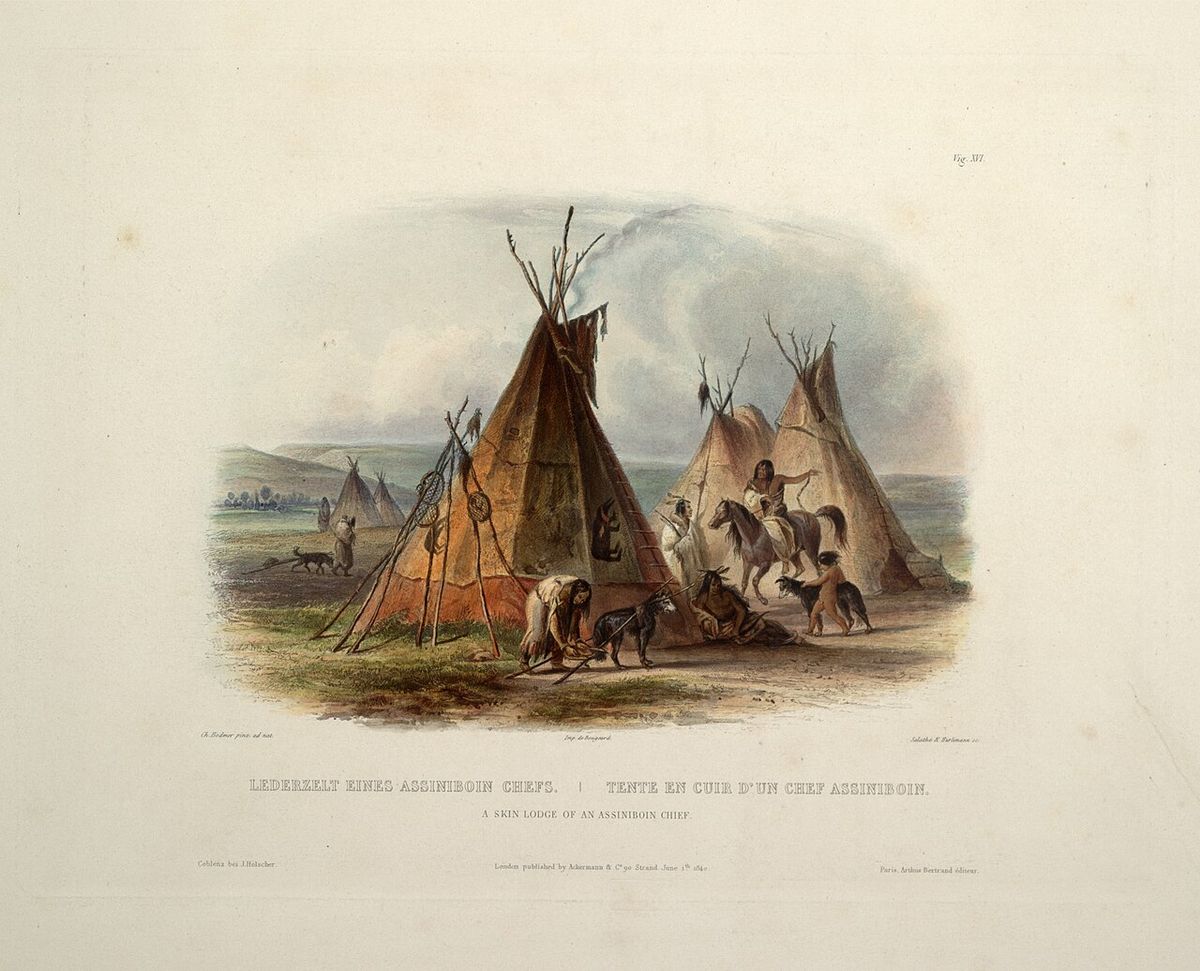
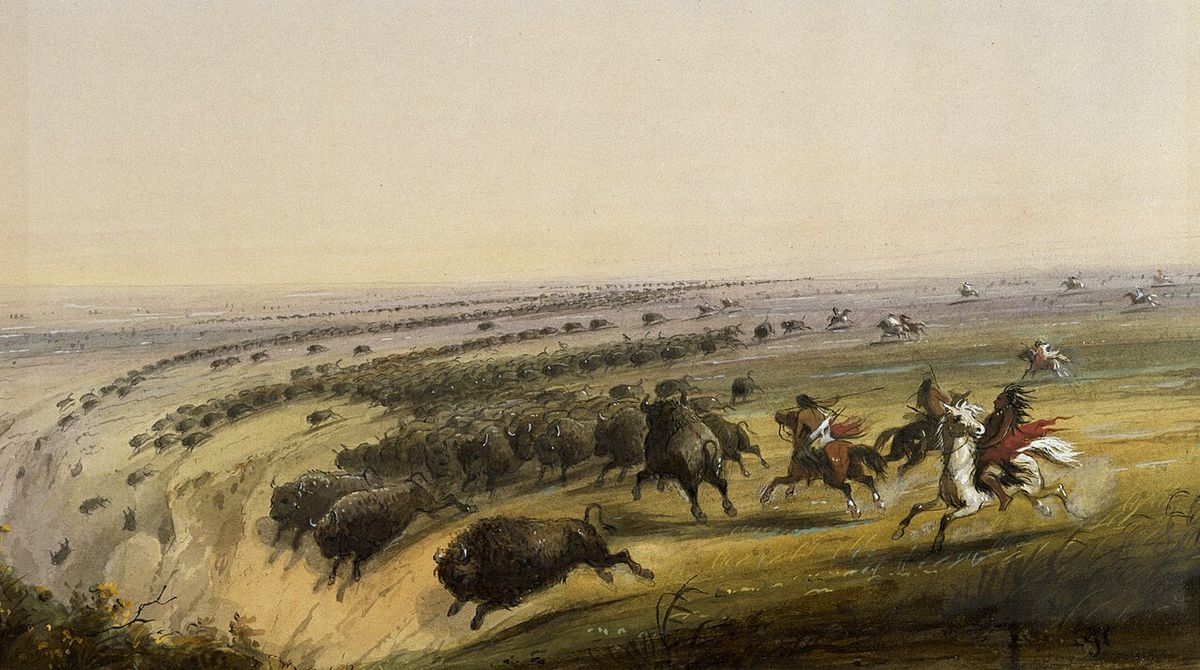
The American bison was the foundation of the Blackfoot economy, diet, and material culture, considered a sacred and integral part of existence. Standing about 6+1⁄2 feet tall and weighing up to 2,000 pounds, the bison provided everything needed for survival on the Plains. The Niitsítapi developed sophisticated communal hunting techniques, most famously the buffalo jump, where herds were driven over cliffs, and pounds, where they were corralled into V-shaped pens. They used the same method to hunt pronghorn antelope. Before acquiring horses, hunters also used camouflage, draping themselves in buffalo hides from previous hunts to blend in and mask their scent to stalk close to the herd. The processing of the animal was a comprehensive undertaking led by women, who prepared the meat by boiling, roasting, or drying it into jerky and pemmican for long-term storage. As a ritual, hunters often ate the bison heart minutes after a kill. Virtually every part of the bison was utilized in a sustainable cycle. The women tanned the hides for tipi covers, which were made of log poles draped with skins, creating dwellings that were warm in winter and cool in summer. They also made clothing such as robes and moccasins, made soap from the fat, and used the stomach and bladder as storage containers. Men and women made tools, sewing needles, and utensils from the bones, used sinew for fastening and binding, and burned dried dung for fuel. The near-extirpation of the bison by 1881 was therefore a catastrophic event that forced a complete upheaval of the traditional Blackfoot way of life.
Adoption of the Horse and Expansion
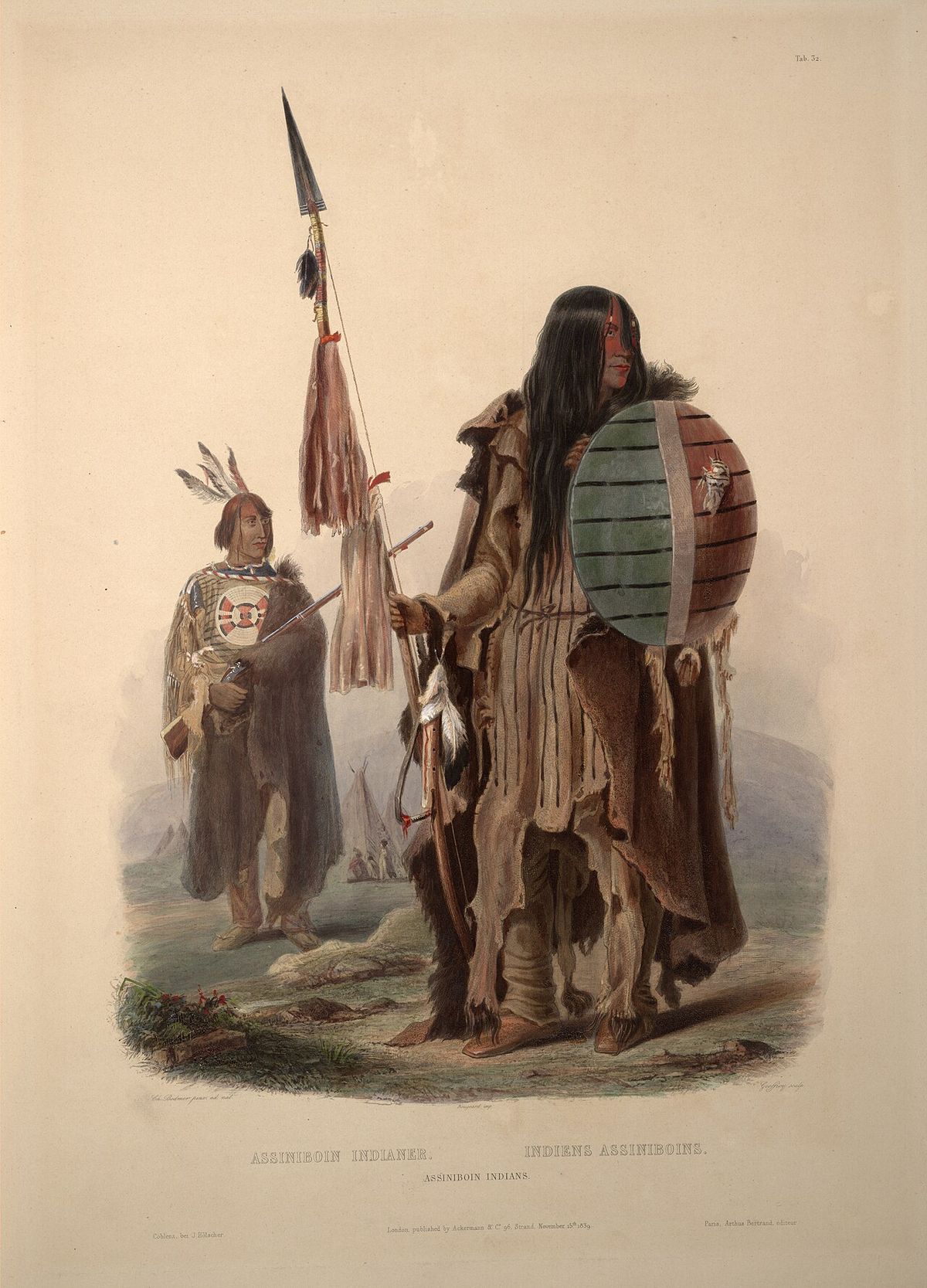
The acquisition of the horse, which the Blackfoot called ponokamita (elk dog), around 1730 revolutionized their society and cemented their dominance on the northwestern Plains. Introduced through trade and raiding with tribes like the Shoshone, horses provided unprecedented mobility, range, and carrying capacity, replacing dog-drawn travois. This new technology transformed hunting, warfare, and trade, with horses becoming the primary measure of wealth and a universal standard of barter. Medicine men were paid for cures with horses, and those who designed shields or war bonnets were also compensated with them. An individual's prestige was determined not by how many horses he kept, but by how many he could give away, reinforcing a cultural value of sharing wealth. Armed with horses and, later, firearms obtained through trade, the Niitsítapi expanded their territory at the expense of neighbouring tribes, earning the name The Lords of the Plains. This period also saw shifting alliances and conflicts, particularly with their former Cree and Assiniboine allies, with whom competition over hunting grounds and horses often escalated into warfare. After 1800, they entered a long phase of keen competition in the fur trade with the Cree. The area between the North Saskatchewan and Battle Rivers, the latter named for the conflict between these groups, became a contested frontier, with the Blackfoot Confederacy and the Iron Confederacy (Nehiyaw-Pwat) as powerful, opposing forces.
Warrior Culture and Relations with Other Nations
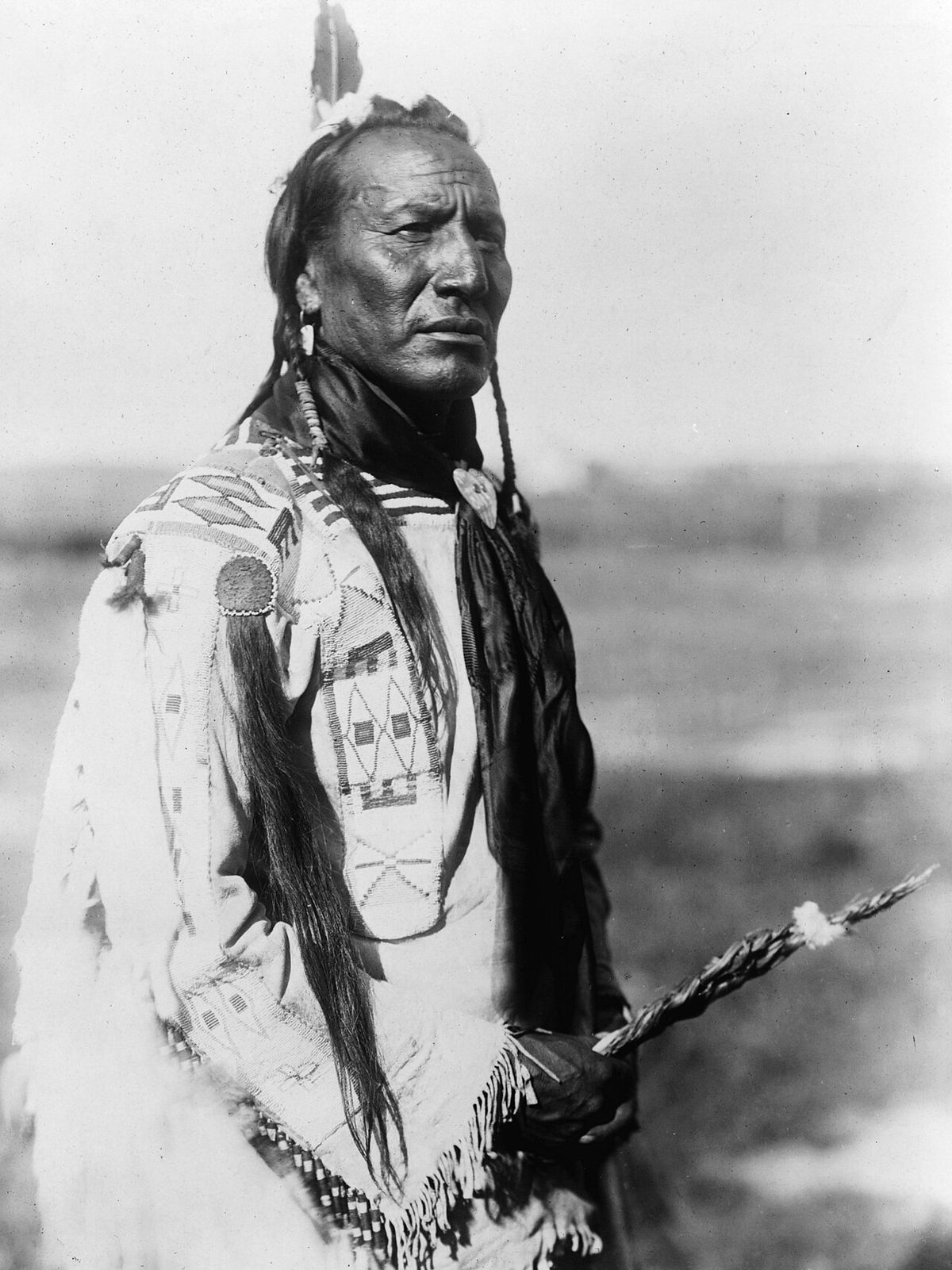
The Niitsítapi maintained a strong warrior culture where status was earned through acts of bravery known as counting coup. War parties would ride hundreds of miles on raids, and a complex hierarchy of coups dictated social rank. A boy on his first war party was given a silly or derogatory name, but after stealing his first horse or killing an enemy, he received an honourable name. The most esteemed acts included taking a gun from a living enemy, touching an enemy directly in combat, capturing lances and bows, and scalping. Other coups included killing an enemy, freeing a tied horse from in front of an enemy lodge, leading a war party, and stealing headdresses or pipes. The Blackfoot Confederacy had numerous historical enemies across the Plains and mountain regions. Their adversaries on the Plains included the Crow, Cheyenne (called kiihtsipimiitapi or Pinto People), and Sioux (called pinaapisinaa or East Cree). To their west and southwest, they conflicted with the Shoshone, Flathead, Kalispel, Kootenai (kotonáá'wa), and Nez Perce (komonóítapiikoan). Their most formidable opponent was the Iron Confederacy or Nehiyaw-Pwat, an alliance dominated by the Plains Cree (Asinaa) and Assiniboine (Niitsísinaa), which also included Stoney (Saahsáísso'kitaki), Saulteaux, and Métis peoples. This prolonged conflict defined much of the 18th and 19th-century geopolitics of the northern Plains.
Treaties, Reserves, and Modern Governance
The encroachment of European settlers and the decimation of the bison herds led to the end of nomadic life and the signing of treaties that confined the Niitsítapi to reserves. In the United States, the Southern Piikani (Blackfeet Nation) were assigned land through the Fort Laramie Treaty of 1851 and later given a distinct reservation by the Sweetgrass Hills Treaty of 1887. In Canada, the Siksika, Kainai, and Northern Piikani signed Treaty 7 in 1877 and settled on reserves in southern Alberta. This transition initiated a period of severe economic hardship and social upheaval, exacerbated by devastating epidemics of Eurasian diseases for which they had no natural immunity. Today, the four nations maintain their own separate band governments, each led by a head chief, but are united under the collective banner of the Blackfoot Confederacy. The Siksika, Kainai, and Piikani Nations are located in Alberta, while the Blackfeet Nation is in Montana. The Tsuutʼina Nation in Alberta and the Gros Ventre (A'aninin) in Montana were historical allies but have distinct governance today. In 2000, the Blackfoot Confederacy Tribal Council was established to unify advocacy and political action for all Blackfoot peoples, operationalizing the ancient alliance for contemporary sovereignty struggles. The Confederacy remains politically active, engaging with provincial, national, and international bodies to advance treaty and Indigenous rights. A key recent action was the formal withdrawal of the Blackfoot Confederacy Nations from the Treaty 7 First Nations Chiefs' Association, effective March 4, 2024. The Confederacy hosts major annual events to strengthen unity and discuss pressing issues. Key recent and upcoming events from 2026 include:
- The 25th Annual Siksikaitsitapi Blackfoot Confederacy Conference, beginning with a Land Marking Ceremony on September 21, 2026, at the Westin Calgary Airport Hotel.
- The third annual Blackfoot Confederacy Justice Symposium, with a registration deadline of April 10, 2026.
- A Gathering for Treaty and Unity hosted by the Chiefs Society at Fort Calgary on June 14, 2026.
- Participation in the Assembly of First Nations Annual General Assembly in Ottawa from July 14 to 16, 2026.
- A weekly voter information campaign launched for the Alberta referendum on October 19, 2026.
Population and Contemporary Identity
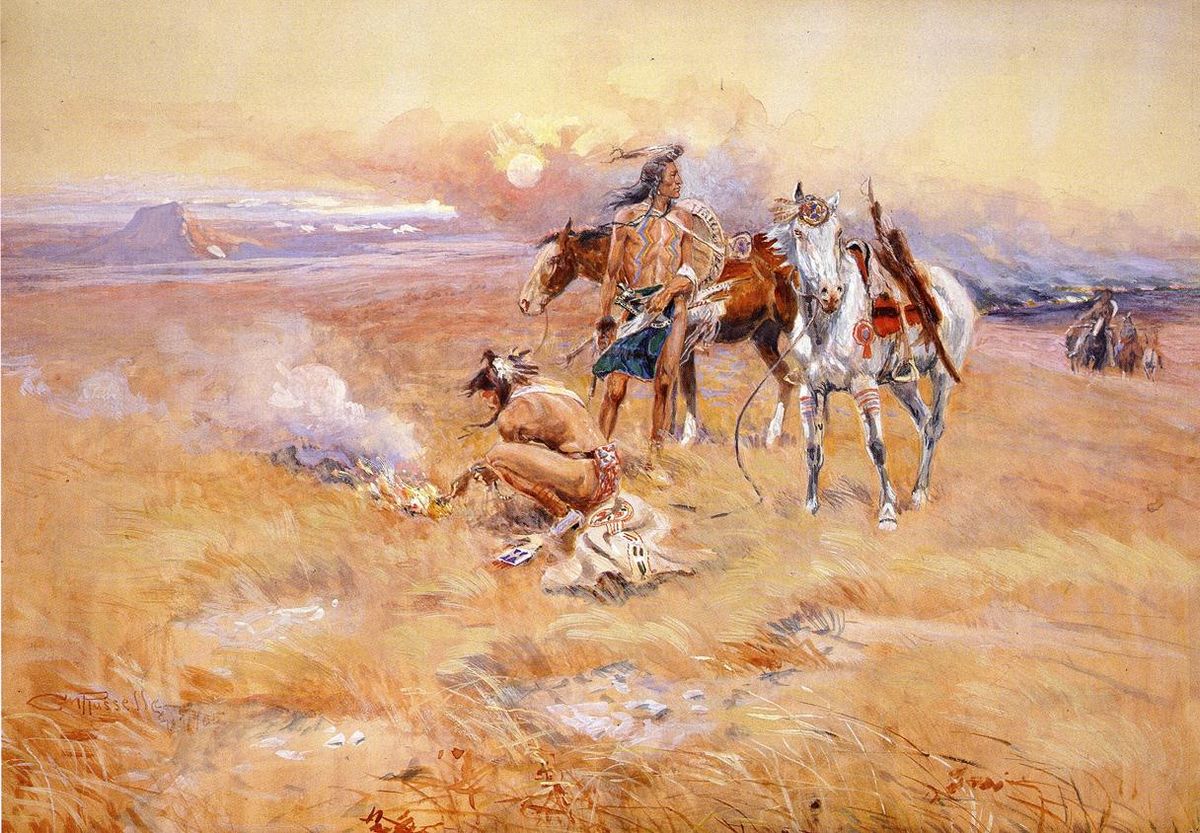
From the struggles of the reserve period, the Niitsítapi have rebuilt a stable economy based on ranching, farming, and light industry, leading to a significant population recovery. About 16,000 Blackfoot people live in Canada, primarily on the Siksika, Kainai, and Piikani Nation reserves in Alberta. Approximately 15,000 live in the United States, mainly on the Blackfeet Indian Reservation in Montana. This demographic strength, combined with economic stability, has allowed for a powerful cultural resurgence and renewed connection to ancient traditions. The people continue to identify themselves first and foremost as Niitsítapi, the Real People, with a deep, millennia-old connection to their traditional territory, Niitsitpiis-stahkoii. Their story spans over a thousand years, and they consider themselves the original inhabitants, predating contemporary North America by many generations. Archaeological findings continue to validate this enduring presence. The Confederacy actively promotes this identity and connection to land through initiatives like the Destination Blackfoot Google Map, an exclusive guide designed to help visitors explore hidden gems and must-see attractions within their vast traditional territory, which extends from south of the North Saskatchewan River to the Wyoming border.
Cultural Practices and Spiritual Life
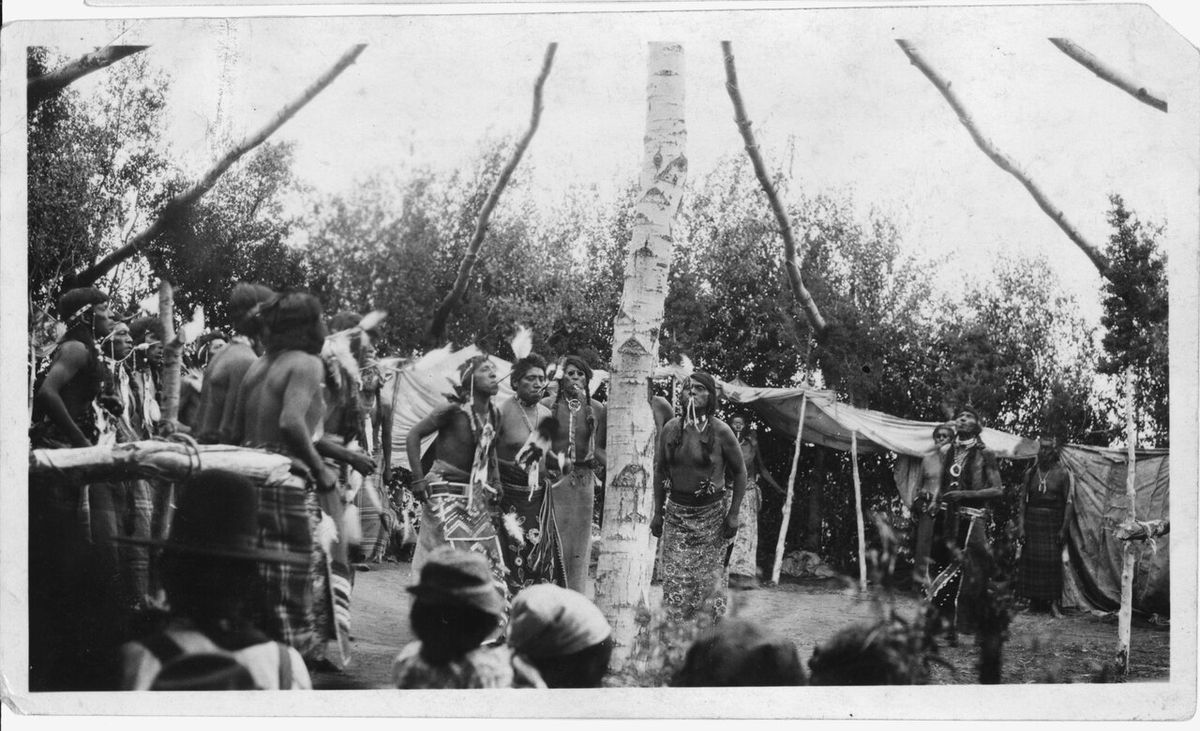
The spiritual and ceremonial life of the Blackfoot Confederacy was deeply intertwined with the natural world and the annual subsistence cycle. The most important communal ceremony was and remains the Okan, or Sun Dance, a sacred gathering held in midsummer when the chokecherries ripened. This was the primary occasion when all bands and nations of the Confederacy would assemble, reinforcing social bonds and individual connections to the collective. The ceremony involved prayers, fasting, and dancing, and included offerings of the bulls' tongues, a considered delicacy, taken from buffalo killed in communal hunts that provided food for the gathering. Warrior societies, known as men's societies, played a role in these summer gatherings and in the broader social structure, with membership earned through brave acts and deeds. Winter was a time for more dispersed family and band life in sheltered camps along wooded river valleys, where women worked extensively on crafts, processing hides for clothing, tipi reinforcements, and warm fur robes. They also made leggings, cords, and other needed items from game skins, while men used animal sinews to tie arrow points and make bridles for horses. Storytelling, oral history, and a deep respect for the animal world, particularly the bison, were central to passing knowledge and values through generations, practices that continue to be revitalized today.
Origins and Early Migrations
Anthropologists believe the Niitsítapi did not originate on the Great Plains but migrated from the upper Northeastern part of North America, coalescing as a group in the forests of what is now the Northeastern United States around the Canada-Maine border. By 1200, they were moving west in search of more land, settling for a time north of the Great Lakes in present-day Canada. There, they faced competition for resources with existing tribes, prompting them to continue their westward movement. They traveled using an A-shaped sled called a travois, which was pulled by dogs before the acquisition of horses. Their migration eventually brought them to the Great Plains, a region covering approximately 780,000 square miles from the Saskatchewan River to the Rio Grande. The origin of the name Siksika (Blackfoot) is said to have come from the colour of their moccasins, typically dyed or painted black on the soles. One legendary story claims the Siksika walked through the ashes of prairie fires, which coloured the bottoms of their moccasins black. Despite these migration theories, Niitsítapi oral stories trace their residence and possession of the plains territory to time immemorial, asserting an ancient and unbroken connection to the land.
Key Historical Enemies and Alliances
The history of the Blackfoot Confederacy on the Plains was defined by a complex web of military conflicts and strategic alliances. Their expansion, fueled by horses and firearms, brought them into prolonged conflict with many neighbouring nations. The most significant and dangerous enemy alliance was the Iron Confederacy or Nehiyaw-Pwat, a powerful coalition that opposed Blackfoot territorial ambitions. Alongside these major conflicts, the Blackfoot engaged in hostilities with numerous other groups across a wide geographic range. The primary historical enemies of the Niitsítapi included:
- The Crow nation on the Great Plains.
- The Cheyenne (kiihtsipimiitapi) on the Great Plains.
- The Sioux (Dakota, Lakota, Nakota), referred to as pinaapisinaa.
- The Shoshone in the mountain country to the west.
- The Flathead (Salish) in the mountain country.
- The Kalispel in the mountain country.
- The Kootenai (kotonáá'wa) in the mountain country.
- The Nez Perce (komonóítapiikoan) in the mountain country.
The Blackfoot Confederacy formed important alliances with groups speaking different languages. They allied with the unrelated Tsuutʼina (Sarcee), who became merged into the Confederacy. They also allied for a time with the A'aninin, known as the Gros Ventre. The Gros Ventre moved southward to the Milk River in Montana. This move followed conflicts with the Cree and Assiniboine peoples. After leaving the Confederacy, the Gros Ventres settled on a reservation in Montana.
Questions about Blackfoot Confederacy
What tribes make up the Blackfoot Confederacy?
The core of the Blackfoot Confederacy consists of three closely related Blackfoot-speaking nations: the Siksika (Blackfoot), the Kainai (Blood), and the Piikani (Peigan). The Piikani are further divided into the Northern Piikani in Alberta and the Southern Piikani (Blackfeet Nation) in Montana. Historically, the alliance also included the Tsuutʼina (Sarcee) and the A'aninin (Gros Ventre), who spoke different languages but were allied politically and militarily. Today, each of these groups has its own separate government but the Siksika, Kainai, and Piikani Nations in Canada and the Blackfeet Nation in the U.S. maintain the Confederacy alliance through the Blackfoot Confederacy Tribal Council.
Where is the traditional territory of the Blackfoot Confederacy?
The traditional territory, known as Niitsitpiis-stahkoii, was immense, covering much of the northern Great Plains. It stretched from the North Saskatchewan River (called Ponoká'sisaahta) near present-day Edmonton, Alberta, in the north to the Yellowstone River (called Otahkoiitahtayi) in Montana in the south. Its eastern boundary was the Cypress Hills (called Kaayihkimikoyi) and present Alberta-Saskatchewan border, while the Rocky Mountains (called Miistakistsi) formed its western limit. This vast shortgrass prairie region was defined by the migratory routes of the bison herds. The territory was divided by the current Canada-U.S. border in the 19th century when the nations were forced onto reserves in southern Alberta and northern Montana.
What happened to the Blackfoot Confederacy after the bison disappeared?
The near-extirpation of the bison by 1881 was catastrophic, destroying the foundation of the traditional nomadic hunting economy. This forced the Niitsítapi to settle permanently on reserves established by treaty. In Canada, the Siksika, Kainai, and Northern Piikani signed Treaty 7 in 1877. In the U.S., the Southern Piikani were confined by the Fort Laramie Treaty of 1851 and later the Sweetgrass Hills Treaty of 1887. This began a difficult period of transition to a sedentary lifestyle, marked by economic hardship, famine, and disease. Over time, they established a new economic base in ranching, farming, and light industry, leading to population recovery and cultural adaptation within their new circumstances.
What is the Blackfoot Confederacy Tribal Council?
The Blackfoot Confederacy Tribal Council is a modern political organization established in the year 2000 to unify the advocacy and sovereignty efforts of the four Blackfoot nations. It serves to bring together, strengthen, and advance the collective interests of the Siksika, Kainai, Northern Piikani, and Southern Piikani (Blackfeet Nation). The Council works on issues of treaty rights, economic development, cultural continuity, and political action. It is operationally distinct from the historical cultural alliance, focusing on contemporary intergovernmental affairs, hosting annual conferences, and launching initiatives like voter engagement campaigns, as seen in the lead-up to the 2026 Alberta referendum.
What was the significance of the horse to the Blackfoot?
The horse, acquired around 1730, revolutionized Blackfoot society. Called ponokamita or elk dog, it dramatically increased mobility for hunting, travel, and warfare, replacing the dog and travois. Horses became the primary measure of wealth and a universal standard of trade. Items like shields, medical services, and war bonnets were paid for with horses. Social prestige was tied not to hoarding horses but to giving them away, reinforcing communal values. The advantage provided by horses, combined with access to firearms, allowed the Blackfoot to expand their territory and become one of the most powerful tribes on the northwestern Plains, often clashing with neighbours like the Shoshone and the Iron Confederacy over hunting grounds and horse raids.
What is the population of the Blackfoot people today?
About 16,000 Blackfoot people live in Canada, primarily on the Siksika, Kainai, and Piikani Nation reserves in Alberta. Approximately 15,000 live in the United States, mainly on the Blackfeet Indian Reservation in Montana. This population has increased from a period of great struggle and hardship following the loss of the bison and settlement on reserves. With their establishment of a viable economy based on farming, ranching, and light industry, the Niitsitapi have seen their numbers grow. This recovery represents a significant change from the population lows experienced after exposure to Eurasian diseases and the end of their nomadic way of life.
Sources and further reading
- Blackfoot Confederacy (Wikipedia)
- Blackfoot Confederacy: Home (blackfootconfederacy.ca)
Checked by the Nosy Mag desk. Last updated 2026-10-19.