Indigenous peoples in Canada
Indigenous peoples in Canada are the original inhabitants of the land, comprising the distinct First Nations, Inuit, and Métis peoples. Representing roughly five percent of the national population, they include over 600 recognized First Nations governments or bands, each with unique cultures, languages, and traditions. Their history in Canada spans millennia, with archaeological evidence of human habitation dating back at least 14,000 years. Today, Indigenous peoples are central to the Canadian story, contributing significantly to the nation's cultural identity, politics, and ongoing journey of reconciliation.
Terminology and Legal Identity
The legal and cultural terminology for Indigenous peoples in Canada has evolved significantly over time. Section 35 of the Constitution Act, 1982, recognizes three distinct groups: the Indian, Inuit, and Métis peoples of Canada. The term 'Aboriginal' has been used as a legal collective noun but is increasingly being replaced by 'Indigenous peoples' in common usage. The term 'First Nations' came into general use in the 1970s, replacing 'Indians' and 'Indian bands' in everyday vocabulary, though many people prefer to identify by their specific nation, such as Haida or Mi'kmaq. The term 'Indian' remains a specific legal term within statutes like the Indian Act, which governs the federal government's relationship with registered Status Indians. The Act maintains the Indian Register, a list of individuals entitled to be registered as Status Indians, a legal identity that specifically excludes Inuit. Court cases, including Reference Re Eskimos in 1939 and Daniels v. Canada in 2013, have clarified that the constitutional term 'Indians' encompasses Inuit, Métis, and non-status First Nations. Outdated and pejorative terms like 'Eskimo' have been largely replaced by 'Inuit', though related Yupik peoples in Alaska and Siberia may use different terminology.
The legal framework defining Indigenous identity is complex and subject to ongoing reform. The Indian Act, passed in 1876, has long been the primary statute determining who is recognized as a Status Indian under Canadian law. This federal recognition is tied to specific rights and access to programs. However, many First Nations are increasingly asserting jurisdiction over determining their own membership or citizenship, moving beyond the Indian Act's definitions. This shift is supported by the United Nations Declaration on the Rights of Indigenous Peoples (UNDRIP), which affirms rights to self-determination. Recent legislative efforts, such as Bill S-2, aim to amend the Indian Act, including proposals to address the 'second-generation cut-off' that limits status transmission. This bill passed second reading in the House of Commons on February 27, 2026, and is part of a broader collaborative process to support First Nation jurisdiction over membership.
Deep History and Early Cultures
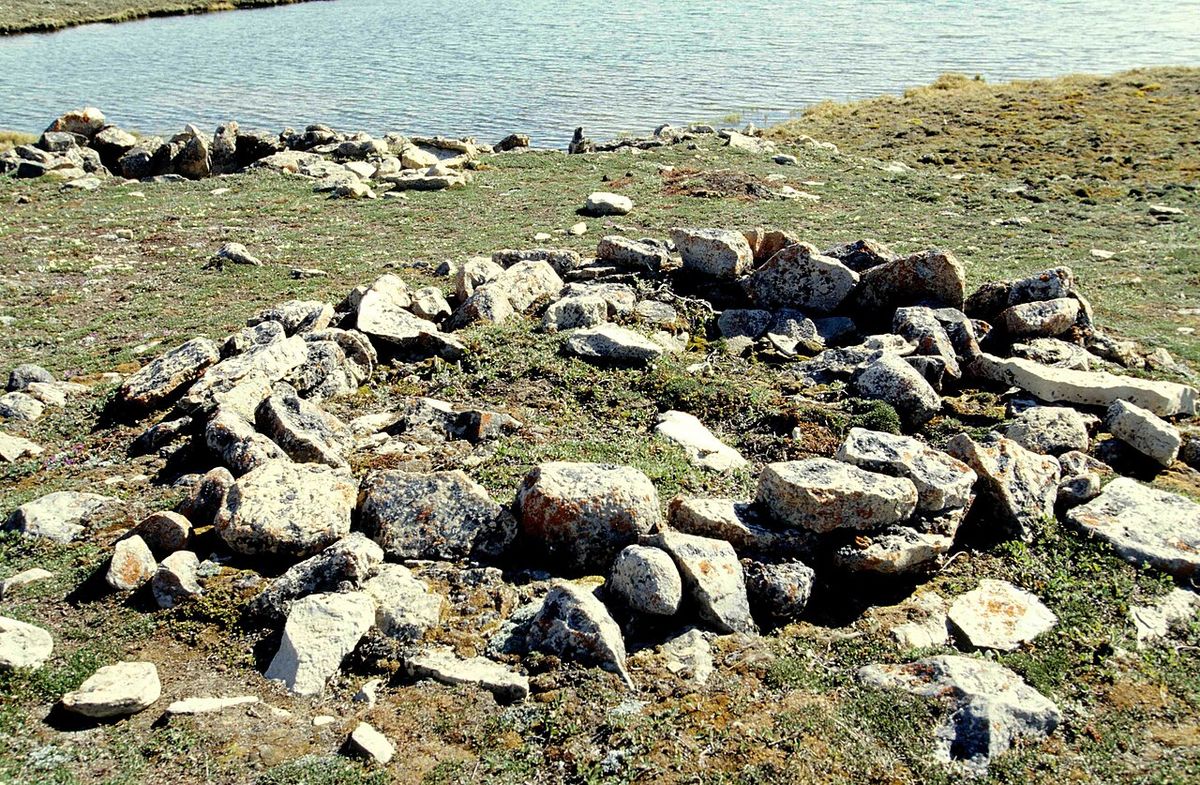
Human presence in Canada dates to the last ice age, with migration from Siberia occurring across the Bering land bridge. Genetic and archaeological evidence suggests ancestral populations were isolated in Beringia for 10,000 to 20,000 years before moving south and east as glaciers retreated around 16,500 years ago. The earliest confirmed sites of human habitation in Canada include Old Crow Flats in Yukon and the Bluefish Caves, where evidence such as a worked mammoth bone dates back approximately 12,000 years. These Paleo-Indians were highly mobile hunter-gatherers pursuing Pleistocene megafauna like mammoths, mastodons, and giant bison. Distinct cultural traditions emerged, such as the Clovis culture around 13,500 years ago, known for its distinctive stone projectile points, and the subsequent Plano cultures on the Great Plains, which specialized in hunting bison between 10,000 and 8,000 years ago.
As the climate stabilized by 8000 BCE, the Archaic period began, characterized by regional diversification and the development of new technologies. In the subarctic, the Maritime Archaic culture thrived along the Atlantic coast from 7000 BCE to 1500 BCE, building longhouses and engaging in long-distance trade. On the west coast, cultures organized around salmon fishing emerged by 7000 to 5000 BCE, with the Nuu-chah-nulth developing advanced whaling techniques. In the interior, the use of significant sites like Head-Smashed-In Buffalo Jump in Alberta for communal bison hunting began around 6000 to 5000 BCE and continued for millennia. The Arctic Small Tool tradition, originating around 2500 BCE, introduced microblade technology to the far north, leading to cultures that were ancestral to the Inuit. The domestication of plants in the Americas during this era led to crops that now constitute 50 to 60 percent of all crops in cultivation worldwide.
Cultural Development Before European Contact
Following the Archaic period, several complex cultural traditions flourished across what is now Canada. The Old Copper complex, active around 3000 BCE to 500 BCE in the Great Lakes region, involved the extraction and use of native copper for tools. The Woodland cultural period, dating from about 1000 BCE to 1000 CE, saw the introduction of pottery, the development of more sedentary lifestyles, and the cultivation of crops like squash, corn, and beans. The Hopewell tradition, which influenced areas around Lake Ontario from 300 BCE to 500 CE, was notable for its extensive trade networks and ceremonial earthworks. By 500 BCE to 1000 CE, diverse and well-established First Nations civilizations spanned the continent, each with distinct social structures, languages, and economies.
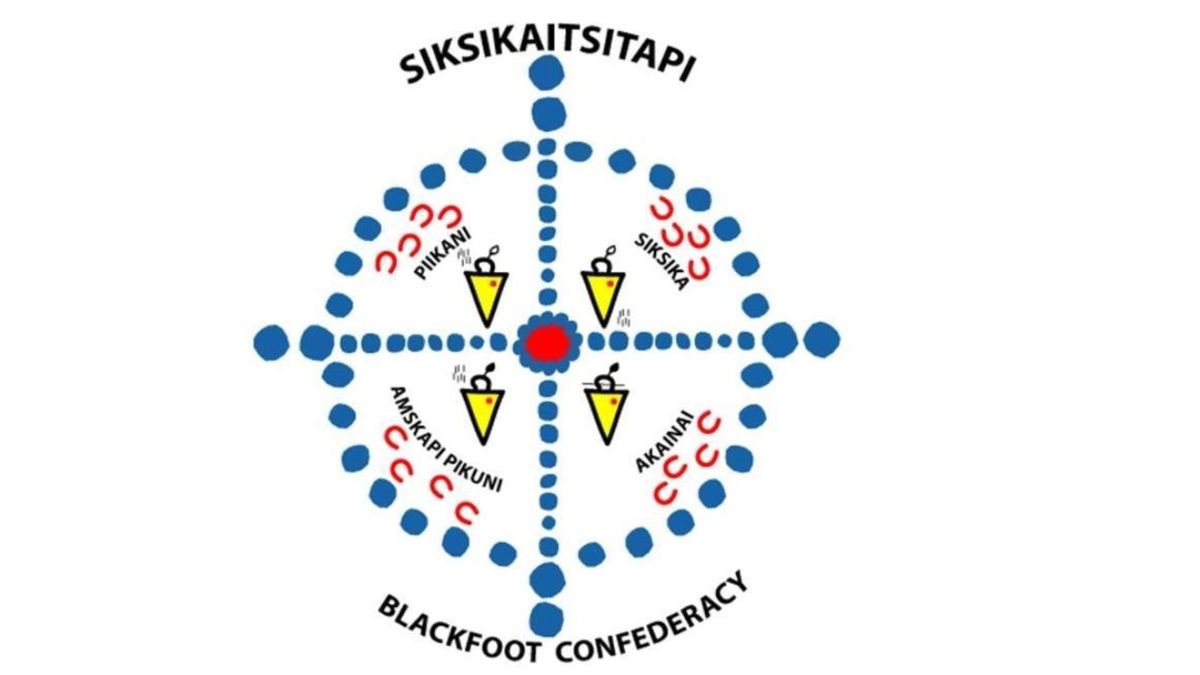
These pre-contact societies exhibited a wide range of characteristics, including permanent settlements, agriculture, complex civic architecture, and sophisticated trading networks. Major cultural and linguistic groupings were firmly established. In the northwest were Athapaskan-speaking peoples like the Dene. The Pacific coast was home to the Haida, Coast Salish, and Kwakwakaʼwakw, among others. The Plains were inhabited by the Niisitapi (Blackfoot Confederacy), Káínawa (Blood), and others. The Northern Woodlands and areas around the Great Lakes were the domain of the Anishinaabe, Haudenosaunee (Iroquois), and Wendat (Huron). Along the Atlantic Coast lived the Mi'kmaq, Wolastoqiyik (Maliseet), and Innu, as well as the now-extinct Beothuk of Newfoundland. This period represented a peak of Indigenous cultural development and societal organization prior to the deep changes brought by European colonization.
Colonial Encounters and Assimilationist Policies
The arrival of European explorers and settlers beginning in the late 15th century initiated a new and often devastating chapter for Indigenous peoples. Early interactions were frequently defined by the fur trade, where First Nations and Métis knowledge and labour were critical to the economic success of European colonies. The Métis nation itself originated in the mid-17th century from relationships between First Nations women, primarily the Cree and Ojibwe, and European fur traders, often French. Over centuries, the Crown entered into numerous treaties with Indigenous nations, agreements that were often misunderstood or breached by colonial authorities. The British North America Act of 1867 assigned legislative authority over 'Indians, and Lands reserved for the Indians' to the federal government, setting the stage for pervasive federal control.
The most impactful instrument of this control was the Indian Act of 1876, which consolidated earlier policies and imposed a colonial governance structure on First Nations communities. The Act aimed to assimilate Indigenous peoples into Euro-Canadian society by restricting cultural practices, imposing elected band council systems, and creating the residential school system. These policies, designed to eradicate Indigenous languages, traditions, and spiritual practices, have been described by the Truth and Reconciliation Commission and others as constituting cultural genocide. The legacy of this colonial system includes the intergenerational trauma of residential schools, the disruption of traditional governance, and the ongoing socio-economic disparities faced by many Indigenous communities. The Indian Act remains in force today, though it is widely criticized and is the subject of reform and replacement efforts.
Contemporary Realities and Self-Determination
In contemporary Canada, Indigenous peoples are actively reclaiming and revitalizing their cultures, languages, and political authority. The modern Indigenous right to self-government is recognized and provides a framework for communities to manage their own cultural, political, health, and economic affairs. This is evident in the negotiation of modern treaties and self-government agreements, which move beyond the Indian Act. Land claims settlements have returned significant resources and decision-making power to Indigenous nations. Culturally, there is a powerful resurgence in art, music, literature, and film, with Indigenous creators achieving national and international acclaim. Indigenous knowledge and perspectives are increasingly sought in fields like environmental stewardship, education, and justice.
Politically, national organizations like the Assembly of First Nations, represented by leaders such as National Chief Perry Bellegarde, advocate for Indigenous rights at the federal level. The implementation of the United Nations Declaration on the Rights of Indigenous Peoples (UNDRIP) through federal legislation is a significant driver of change, affirming rights to self-determination, language, and culture. A key contemporary issue is the reform of Indian registration and membership rules. The federal government, through Indigenous Services Canada, is engaged in a collaborative process to support First Nations in exercising jurisdiction over their own citizenship, moving away from the restrictive definitions of the Indian Act. This work is guided by UNDRIP and includes addressing the 'second-generation cut-off' that has excluded many descendants from status.
National Recognition and Commemorations
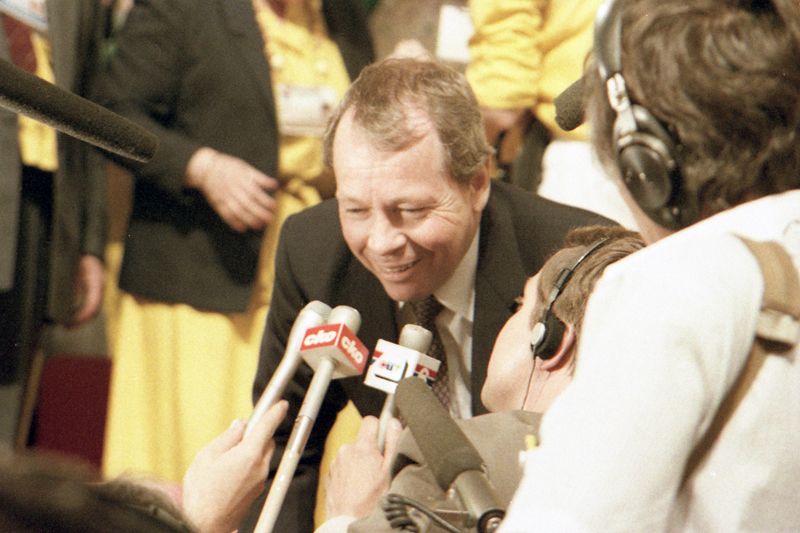
National recognition of Indigenous peoples' contributions and history has grown substantially in recent decades. June is designated as National Indigenous History Month, a time for learning about the rich heritage and resilience of First Nations, Inuit, and Métis. The month culminates in National Indigenous Peoples Day on June 21, coinciding with the summer solstice, a date of spiritual significance for many Indigenous cultures. This day was first proclaimed as National Aboriginal Day in 1996 by Governor General Roméo LeBlanc following consultations with Indigenous groups. In 2017, the federal government announced its renaming to National Indigenous Peoples Day. The year 2026 marks the 30th anniversary of this day of celebration.
National Indigenous Peoples Day is part of the Celebrate Canada program and is marked by festivals, ceremonies, and educational events hosted by Indigenous communities across the country. It is a day for all Canadians to recognize and celebrate the unique heritage, diverse cultures, and outstanding contributions of Indigenous peoples. Another important commemoration is Indigenous Veterans Day on November 8, which honours the service and sacrifice of Indigenous members of the Canadian Armed Forces. These observances contribute to raising public awareness and fostering a spirit of reconciliation.
Key Demographic and Statistical Context
Understanding the demographic profile of Indigenous peoples is essential for policy and programming. Indigenous peoples constitute approximately five percent of Canada's total population, a proportion that is growing faster than the non-Indigenous population due to higher birth rates. According to the 2021 Census, there are over 1.8 million Indigenous people in Canada. There are over 630 First Nations communities across the country, representing more than 50 distinct nations and over 50 Indigenous languages. Ontario alone is home to 133 First Nations communities, representing 23 percent of all Indigenous people in Canada. The Inuit primarily inhabit Inuit Nunangat, the homeland encompassing the Inuvialuit Settlement Region (Northwest Territories), Nunavut, Nunavik (Quebec), and Nunatsiavut (Labrador). The Métis people have a distinct history and culture rooted in the Red River Valley but now have communities across Canada, particularly in the Prairie provinces and Ontario.
The Canadian census is a crucial tool for collecting data on Indigenous populations. For the 2026 Census of Population, Statistics Canada has implemented content changes specific to the questions about Indigenous Peoples to improve data quality and relevance. This updated data will inform government services, funding allocations, and the measurement of socio-economic outcomes. The following table outlines the three main Indigenous groups as recognized in the census and their primary cultural and geographic associations.
| Group | Primary Cultural/Linguistic Families | Traditional Geographic Regions |
|---|---|---|
| First Nations | Algonquian, Iroquoian, Siouan, Salishan, Athapaskan, etc. | Coast to coast, with concentrations in Ontario, BC, Prairies |
| Inuit | Inuit languages (Inuktitut, Inuinnaqtun) | Inuit Nunangat (Arctic regions) |
| Métis | Michif (mixed Cree & French), Indigenous & European traditions | Historically Red River, now nationwide, especially Prairies |
Questions about Indigenous peoples in Canada
What is the difference between First Nations, Inuit, and Métis?
First Nations, Inuit, and Métis are the three distinct groups of Indigenous peoples recognized in Canada's Constitution. First Nations are the diverse Indigenous peoples who are neither Inuit nor Métis, with over 600 recognized communities and dozens of languages. The Inuit are the Indigenous people of the Arctic regions of Canada, Greenland, and Alaska, with a distinct culture and language family. The Métis are a distinct people of mixed Indigenous and European ancestry who originated in the Red River area in the mid-17th century and developed a unique culture, language (Michif), and nationhood.
What is National Indigenous Peoples Day?
National Indigenous Peoples Day is celebrated annually on June 21 to recognize and honour the heritage, cultures, and contributions of First Nations, Inuit, and Métis peoples. It was first proclaimed in 1996 as National Aboriginal Day by Governor General Roméo LeBlanc and renamed in 2017. The date coincides with the summer solstice, which holds cultural significance for many Indigenous communities. In 2026, Canada will mark the 30th anniversary of this day, which is part of the Celebrate Canada program and marked by festivals and ceremonies.
What is the Indian Act and why is it controversial?
The Indian Act is a federal statute first passed in 1876 that governs most aspects of life for registered Status Indians and their bands. It was designed to assimilate Indigenous peoples by imposing federal control over governance, land, resources, and identity. It has historically restricted cultural practices and created the legal framework for the residential school system. The Act is controversial because it is a colonial instrument that undermines self-determination, contains discriminatory clauses, and imposes a foreign governance structure on First Nations. Ongoing efforts aim to reform or replace it with structures based on self-government.
What is the current status of Indian Act reform?
Reform of the Indian Act is an ongoing process. A key focus is changing the rules for Indian registration (status) and supporting First Nations jurisdiction over membership. Bill S-2, An Act to amend the Indian Act (new registration entitlements), was introduced in 2025. It passed second reading in the House of Commons on February 27, 2026, and was being studied by a parliamentary committee as of April 2026. The bill includes measures to address the 'second-generation cut-off'. Concurrently, the government is engaged in a collaborative process to develop options for First Nations to determine their own citizenship outside the Act.
How far back does Indigenous history go in Canada?
Indigenous history in Canada spans millennia. Archaeological evidence, such as sites at Old Crow Flats and Bluefish Caves in Yukon, indicates human habitation dating back at least 14,000 years. These early Paleo-Indians migrated from Siberia across the Bering land bridge. Genetic studies suggest ancestral populations were isolated in Beringia for 10,000 to 20,000 years before moving into Canada as glaciers retreated around 16,500 years ago. Distinct cultural traditions like the Clovis and Maritime Archaic developed over thousands of years before European contact.
What does Indigenous self-government mean?
The modern Indigenous right to self-government allows Indigenous communities to manage their own cultural, political, health and economic responsibilities. This right is recognized in Canadian law and policy, including the federal Aboriginal Right to Self-Government Policy from 1995. It provides for governance through negotiated self-government agreements and modern treaties. These arrangements enable Indigenous peoples to create forms of government that reflect their specific historical and cultural circumstances.
Sources and further reading
- Indigenous peoples in Canada (Wikipedia)
- National Indigenous Peoples Day (rcaanc-cirnac.gc.ca)
- 2026 National Indigenous Peoples Day (ona.org)
- First Nations (indigenouspeoplesatlasofcanada.ca)
- Options to Support Broader First Nation Jurisdiction (sac-isc.gc.ca)
Checked by the Nosy Mag desk. Last updated 2026-10-19.