History of British Columbia
The history of British Columbia encompasses millennia of Indigenous inhabitation, European exploration, colonial development, and eventual integration into Canada. The region's story is defined by its rich Indigenous cultures, the impact of the fur trade and gold rushes, and the complex political negotiations that shaped its borders and institutions. British Columbia's entry into Confederation in 1871, contingent upon the promise of a transcontinental railway, solidified its place within the nation. This history provides the foundation for the province's diverse identity and its ongoing relationships with First Nations.
Indigenous Foundations
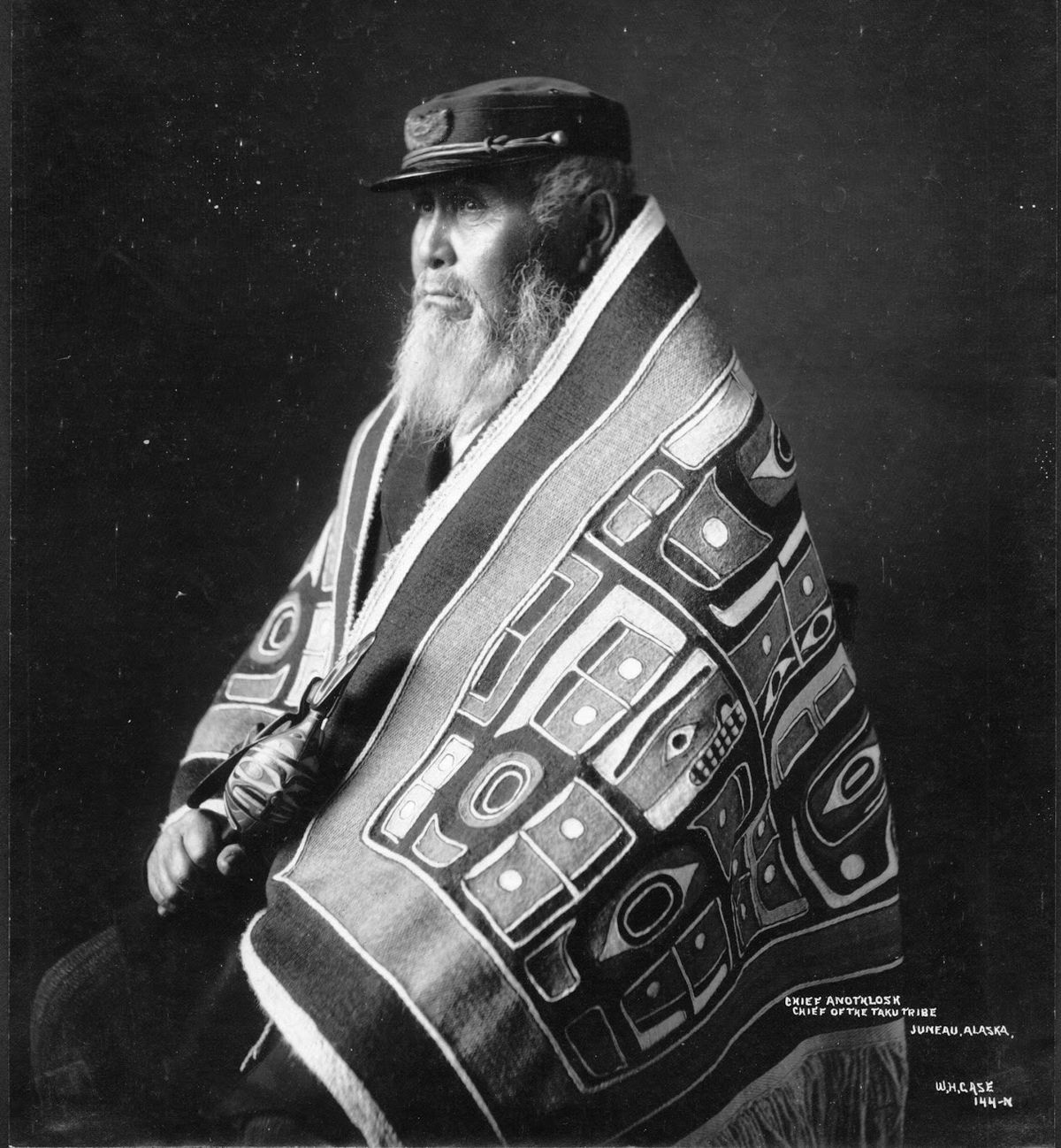
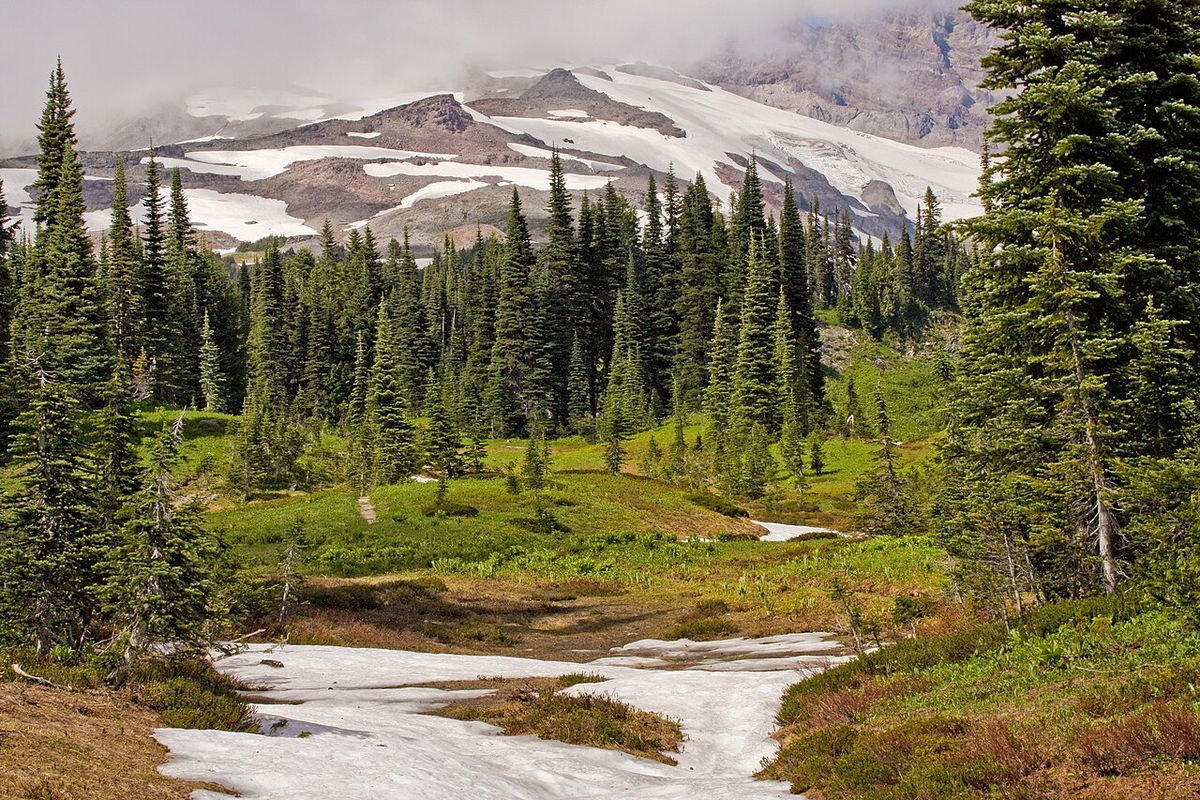
Human presence in the lands now called British Columbia dates back thousands of years, with archaeological evidence pointing to occupation as early as 13,543 years ago. The diverse geography, ranging from rugged coastlines to interior plateaus, fostered the development of three distinct cultural areas: the Northwest Coast, the Plateau, and the North. Within these regions, First Nations developed sophisticated societies adapted to local resources, with salmon forming a substantial part of the diet where available. The abundance of natural resources on the coast, particularly cedar and salmon, supported the growth of permanent villages, complex social institutions, and significant artistic traditions.
Prior to European contact, the area was home to peoples speaking more than thirty distinct languages, including Babine-Witsuwit'en, Danezaa (Beaver), Carrier, Chilcotin, Gitxsan, Haida, Haisla, Halkomelem, Kaska, Kutenai, Kwak̓wala, Nisga'a, Nuu-chah-nulth, Nuxalk, Secwepemc (Shuswap), Sinixt, Squamish, Tagish, Tahltan, Nlaka'pamux (Thompson), Tlingit, Tsetsaut, and Tsimshian. Extensive trade networks and travel across coastal waterways, including the Strait of Georgia and Juan de Fuca, facilitated interaction and exchange between these diverse groups long before the arrival of outsiders. The term pre-contact is used to describe the period prior to contact between First Nations and European explorers. The exact time of contact varied, occurring on the coast during the 1770s and later in the Interior.
European Exploration and Rivalry
The first documented European voyage to the coast was by Spanish navigator Juan José Pérez Hernández in 1774. He sailed from San Blas, Nueva Galicia, with instructions to reach 60° north latitude, and he sighted Haida Gwaii and Vancouver Island at approximately 55° north. The following year, Juan Francisco de la Bodega y Quadra led another expedition, formally claiming lands for Spain up to present-day Sitka, Alaska, at 59° north. British interest was catalyzed by Captain James Cook's 1778 landing at Nootka Sound on Vancouver Island, where trade for sea otter pelts revealed a lucrative new commerce.
This led to increased traffic and a clash of imperial ambitions, culminating in the Nootka Crisis of 1789 when Spanish commander Esteban José Martínez established Fort San Miguel at Nootka Sound and seized British ships. The crisis was resolved diplomatically with the Nootka Conventions, which opened the coast to British trade and effectively ended Spanish territorial claims in the region by 1795. Following maritime exploration, overland expeditions from the east sought a river route to the Pacific to expand the fur trade. In 1793, Alexander Mackenzie of the North West Company became the first European to cross the continent north of Mexico, reaching the Pacific overland at North Bentinck Arm near Bella Coola.
Simon Fraser explored the interior from 1805 to 1809, travelling the river that bears his name and establishing several forts including Fort St. James, Fort Fraser, and Fort George. David Thompson successfully travelled the entire Columbia River to its mouth in 1811, only to find American traders from John Jacob Astor's Pacific Fur Company had already established Fort Astoria there months earlier. These explorations mapped the interior and laid the groundwork for extended fur trade operations. They also set the stage for a prolonged boundary dispute between Britain and the United States over the Columbia District.
Fur Trade Era and the Oregon Treaty
After the forced merger of the North West Company and the Hudson's Bay Company in 1821, the HBC dominated the Pacific Northwest from its Columbia Department headquarters at Fort Vancouver on the Columbia River. The mainland interior was administered as the New Caledonia district from Fort St. James, about 150 kilometres northwest of present-day Prince George. HBC policy, enforced by Chief Factor John McLoughlin, aimed to discourage settlement to protect the fur trade, maintaining a network of forts across the region. At its peak, Fort Vancouver oversaw 34 outposts, 24 ports, six ships, and 600 employees from the Rockies to Hawaii.
Linguistic diversity in the region led to the development and use of Chinook Jargon as a trade language for governance and commerce. The Oregon boundary dispute was resolved by the 1846 Treaty of Washington, which established the border at the 49th parallel from the Rockies to the sea, with all of Vancouver Island remaining British. This division severed the HBC's Columbia River lifeline, as the lower river was the core of its system, prompting a strategic shift northward. The HBC had already established Fort Victoria on Vancouver Island in 1843 as a trading post and to assert British claims.
The American portion was soon organized as the Oregon Territory, while the British created the Crown Colony of Vancouver Island in 1849, appointing HBC's James Douglas as its governor in 1851. Douglas began the process of expanding the colony's economic base by signing 14 treaties between 1850 and 1854 to purchase land for settlement and access coal deposits near Nanaimo and Fort Rupert. These treaties were part of the colonial land acquisition process on Vancouver Island. Subsequent native population clashes and economic changes later in the 19th century saw less consistency in the application of treaty principles.
Establishment of Colonies and the Gold Rush
In 1858, gold was found along the banks of the Thompson River just east of what is now Lytton, triggering the Fraser Canyon Gold Rush. When news reached San Francisco, Victoria was quickly transformed as up to twenty thousand gold seekers, mostly Americans from California, travelled to the Fraser River. This event forced Britain to formally establish the mainland Colony of British Columbia on 2 August 1858 to assert sovereignty and maintain order. Douglas was named governor of this new colony as well, giving him authority over land policy on both sides of the Strait of Georgia.
The two colonies were merged into a single Colony of British Columbia in 1866 for administrative efficiency amid financial pressures. The economic boom of the gold rush era was followed by the Cariboo Gold Rush of 1861 to 1864, which further shaped the colony's development and infrastructure demands like the Cariboo Wagon Road. By 1862, the Cariboo Gold Rush was underway, attracting an additional 5000 miners. Douglas hastened construction of the Great North Road, commonly known as the Cariboo Wagon Road, up the Fraser Canyon to the prospecting region around Barkerville.
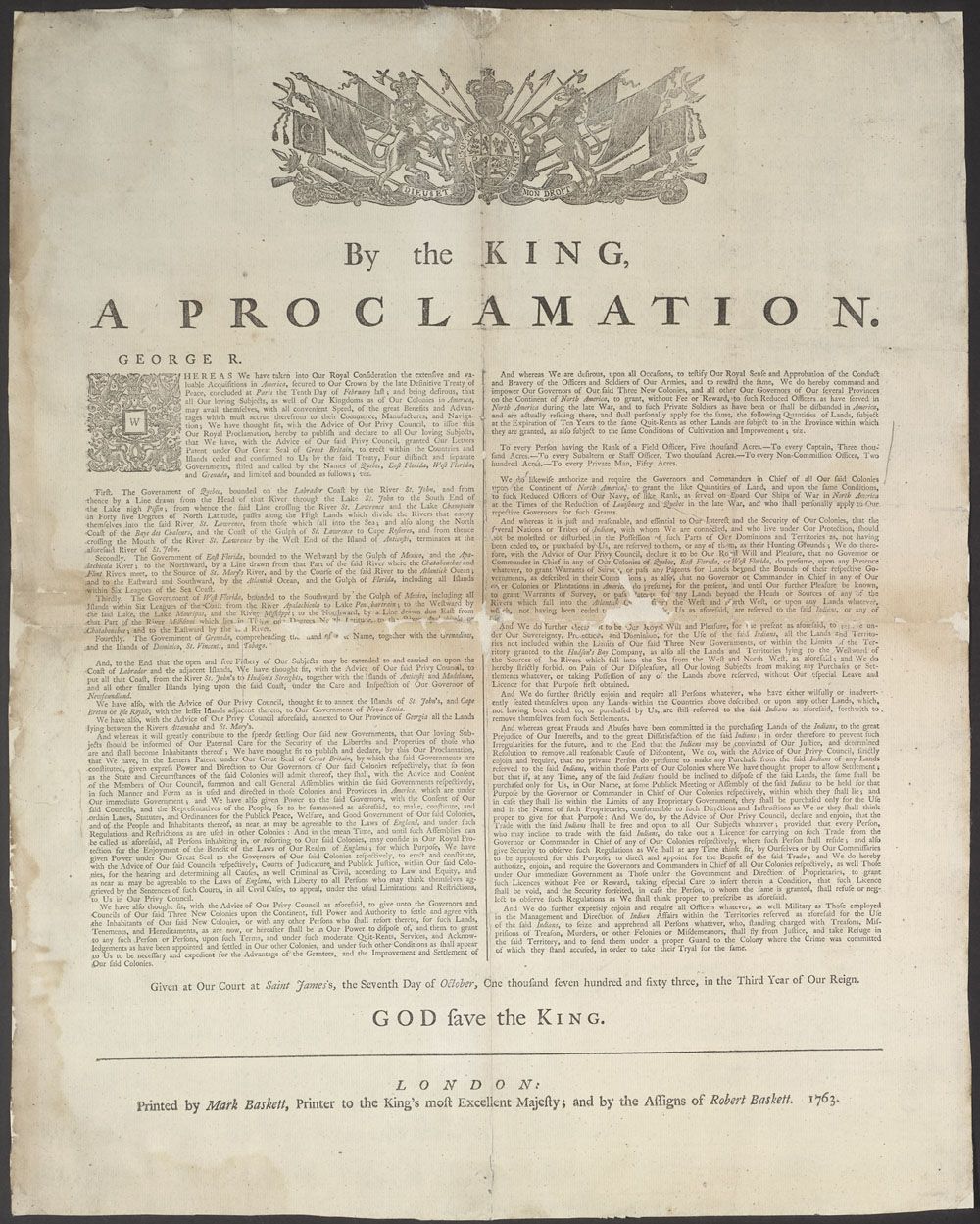
Throughout this period, the Hudson's Bay Company officially discouraged widespread settlement on the mainland as it interfered with the fur trade. In accordance with the Royal Proclamation of 1763, large-scale settlement by non-aboriginal people was prohibited until lands were surrendered by treaty, a principle not consistently followed in subsequent decades. The colonial period saw the ongoing influence of what historian Margaret Ormsby described as the opposition between a closed, hierarchical model of society represented by the HBC and colonial officials, and the open, egalitarian vision of incoming settlers. This dynamic was part of the structural model Ormsby presented in her 1958 history of the province.
The Road to Confederation
Promises of a transcontinental railway to link British Columbia with eastern Canada became the central condition for union. After negotiations, British Columbia joined Canada as the sixth province on July 20, 1871. The first provincial general election for the 1st Parliament elected 25 members from 12 electoral districts, with many initially sitting as independents. The construction of the Canadian Pacific Railway's B.C. section relied heavily on labour from approximately fifteen thousand Chinese workers, of whom an estimated six hundred died during the work.
This monumental project physically and economically integrated the province into the Canadian nation but also entrenched social and racial divisions that would persist for decades. The early provincial government, reflecting the settler population, moved to consolidate political control. The provincial legislature passed legislation that disenfranchised First Nations and Chinese residents. These early laws set the stage for the social policy debates that would define the province's next century, including the long campaign for women's suffrage.
Social and Political Development in the Provincial Era
The early decades of provincialhood were marked by struggles for political inclusion and defining social policy. A referendum held alongside the 1916 provincial election showed 65 percent support among male voters for women's suffrage, following similar victories in Manitoba, Saskatchewan, and Alberta earlier that year. In 1918, Mary Ellen Smith won a by-election in Vancouver City, becoming the first woman elected to the provincial legislature. Smith later championed social legislation, including the 1918 Minimum Wage for Women Act and the B.C. Mothers' Pension Act, the province's first social assistance legislation.
The federal government extended the vote to women in federal elections through legislation that came into effect on January 1, 1919. An influential historian of British Columbia, Margaret Ormsby, presented a structural model of the province's history in her 1958 book British Columbia: A History. Chad Reimer says that in many aspects, it still has not been surpassed. Ormsby posited a series of propositions that provided the dynamic to the history of the province.
These included the ongoing pull between maritime and continental forces. They also included the opposition between a closed, hierarchical model of society and an open, egalitarian vision. Finally, they included regional tensions between Vancouver Island and the mainland, and between metropolitan Vancouver and the hinterland interior. This model has been widely adopted by historians and teachers to understand the province's development.
20th Century Developments
The 20th century saw significant economic, social, and political changes. The economy remained based on natural resources like fishing, logging, and mining, dominated by large commercial interests. The labour movement became increasingly militant, with major strikes including a 1903 railway strike and Canada's first general strike in 1918 following the death of labour leader Ginger Goodwin. The Great Depression brought severe economic hardship, leading to protests like the On-to-Ottawa Trek in 1935, which was stopped by police in Mission.
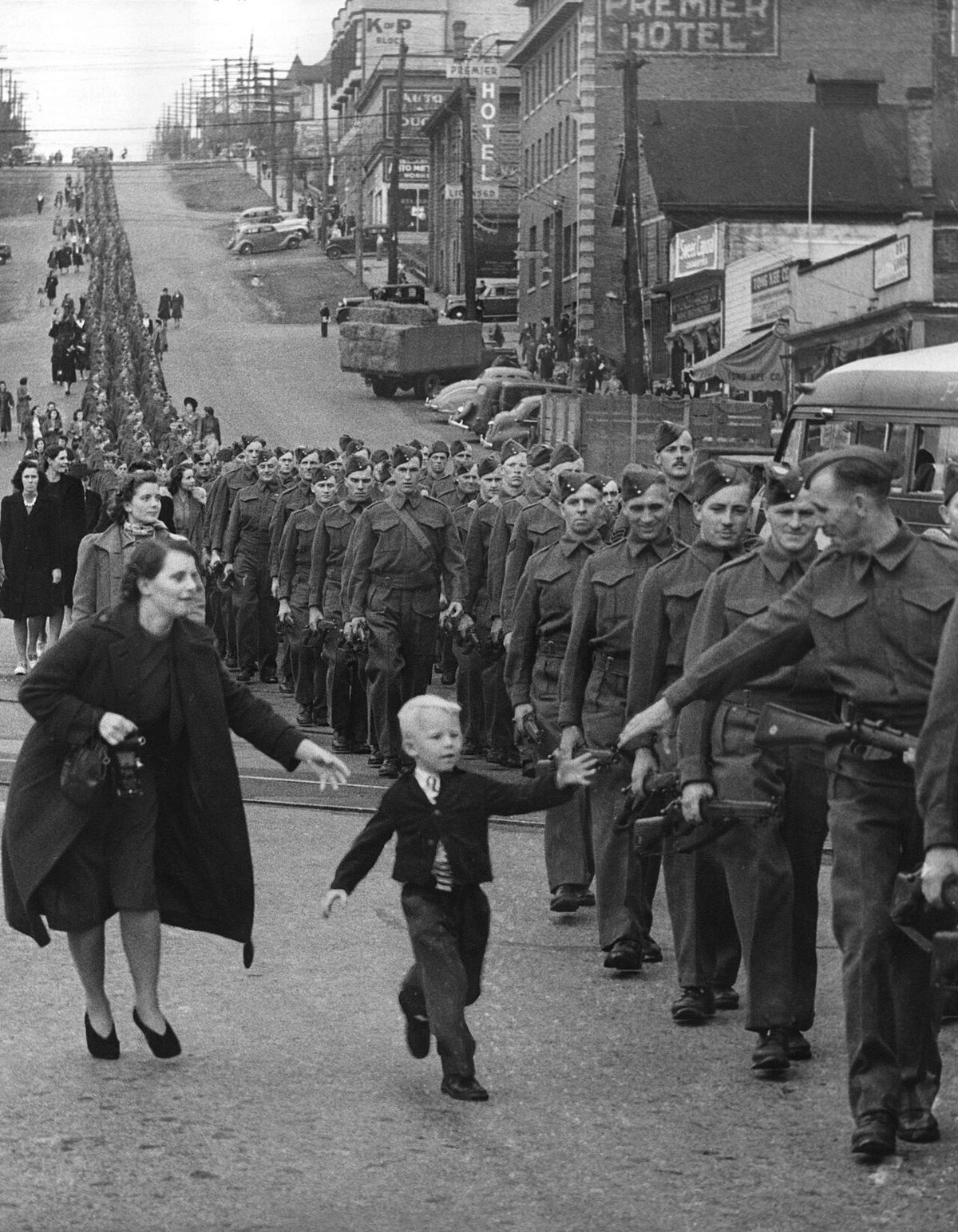
Race relations were often contentious. Restrictive laws were passed, including a head tax on Chinese immigrants and the 1923 Chinese Immigration Act which prohibited Chinese immigration. In 1914, the Komagata Maru incident saw 376 Punjabi migrants denied entry after a two-month standoff in Vancouver Harbour. During the Second World War, people of Japanese descent were interned in the Interior region of the province.
The post-war period was a boom time. The coalition government of Liberals and Conservatives initiated major projects like the John Hart Highway and introduced public hospital insurance. In 1952, the Social Credit Party, led by W. A. C. Bennett, began a twenty-year period of government focused on infrastructure development and resource exploitation. Bennett's government nationalized BC Electric, creating BC Hydro, and initiated major dam projects on the Peace, Columbia, and Nechako rivers.
Historical Interpretation and Legacy
The framework for understanding British Columbia's complex history was deeply shaped by historian Margaret Ormsby in her 1958 work British Columbia: A History. Ormsby's model emphasized enduring tensions that provided the dynamic to the province's history. This structural analysis has been widely adopted by historians and teachers. Modern historical inquiry continues to grapple with the legacies of colonialism, the diversity of immigrant experiences, and the ongoing process of reconciliation with First Nations.
The history of the province is actively studied and commemorated by organizations like the BC Historical Federation, which supports community historians and publishes resources. The history of British Columbia covers the period from the arrival of Paleo-Indians thousands of years ago to the present day. It remains a field of active research and public discussion, reflecting the province's evolving identity and its place within Canada and the wider world.
Questions about History of British Columbia
When did British Columbia become a province of Canada?
British Columbia became a province of Canada on 20 July 1871. The colony that joined Canada was formed in 1866 from the merger of the Colony of Vancouver Island and the Colony of British Columbia. This followed a period of negotiation where the promise of a transcontinental railway was a key condition for union.
Who were the first European explorers to reach British Columbia?
The first documented European explorers to reach British Columbia were Spanish. In 1774, Spanish navigator Juan José Pérez Hernández became the first European to sight Haida Gwaii and Vancouver Island. In 1775, Juan Francisco de la Bodega y Quadra led another Spanish expedition, formally claiming lands for Spain. British exploration began with Captain James Cook's arrival in 1778.
What was the impact of the gold rushes on British Columbia?
The gold rushes dramatically transformed British Columbia. The 1858 Fraser Canyon Gold Rush led directly to the creation of the mainland Colony of British Columbia that same year to assert British authority. The subsequent Cariboo Gold Rush of the early 1860s led to the construction of the Cariboo Wagon Road and further intensified settlement. These rushes shifted the economic focus from the fur trade to mining and accelerated non-Indigenous settlement on the mainland.
What was the role of the Hudson's Bay Company in British Columbia's history?
The Hudson's Bay Company played a central role after its merger with the North West Company in 1821. It controlled trading operations in the Pacific Northwest from Fort Vancouver. The company administered the New Caledonia and Columbia districts, and actively discouraged settlement to protect its fur trade monopoly. Its Chief Factor, James Douglas, later became the governor of the colonies of Vancouver Island and British Columbia, directly linking corporate and colonial governance.
How long have Indigenous peoples lived in British Columbia?
Indigenous peoples have lived in British Columbia for thousands of years. Archaeological finds in the region have been dated to as early as 13,543 years ago. Prior to European contact, the lands were inhabited by many First Nations speaking more than 30 different languages. These peoples developed diverse cultures adapted to the coastal and interior environments, with coastal communities establishing complex hierarchical societies.
Sources and further reading
- History of British Columbia (Wikipedia)
- Historical Timeline | Legislative Assembly of BC (leg.bc.ca)
- B.C. History Moments in Time (canadashistory.ca)
Checked by the Nosy Mag desk. Last updated 2026-10-23.