Royal Proclamation of 1763
The Royal Proclamation of 1763 was a decree issued by King George III on 7 October 1763, following Great Britain's acquisition of French territories in North America after the Seven Years' War. It established new colonial governments, including the province of Quebec, and created a vast 'Indian Reserve' west of the Appalachian Mountains, temporarily prohibiting colonial settlement there. The proclamation is a foundational constitutional document for Canada, representing the first legal recognition by the British Crown of Aboriginal title and rights, and it continues to inform treaty relationships and Indigenous rights, being referenced in section 25 of the Constitution Act, 1982. Its restrictions on westward expansion also became a significant source of colonial discontent, contributing to the tensions that led to the American Revolution.
Historical Context and Issuance
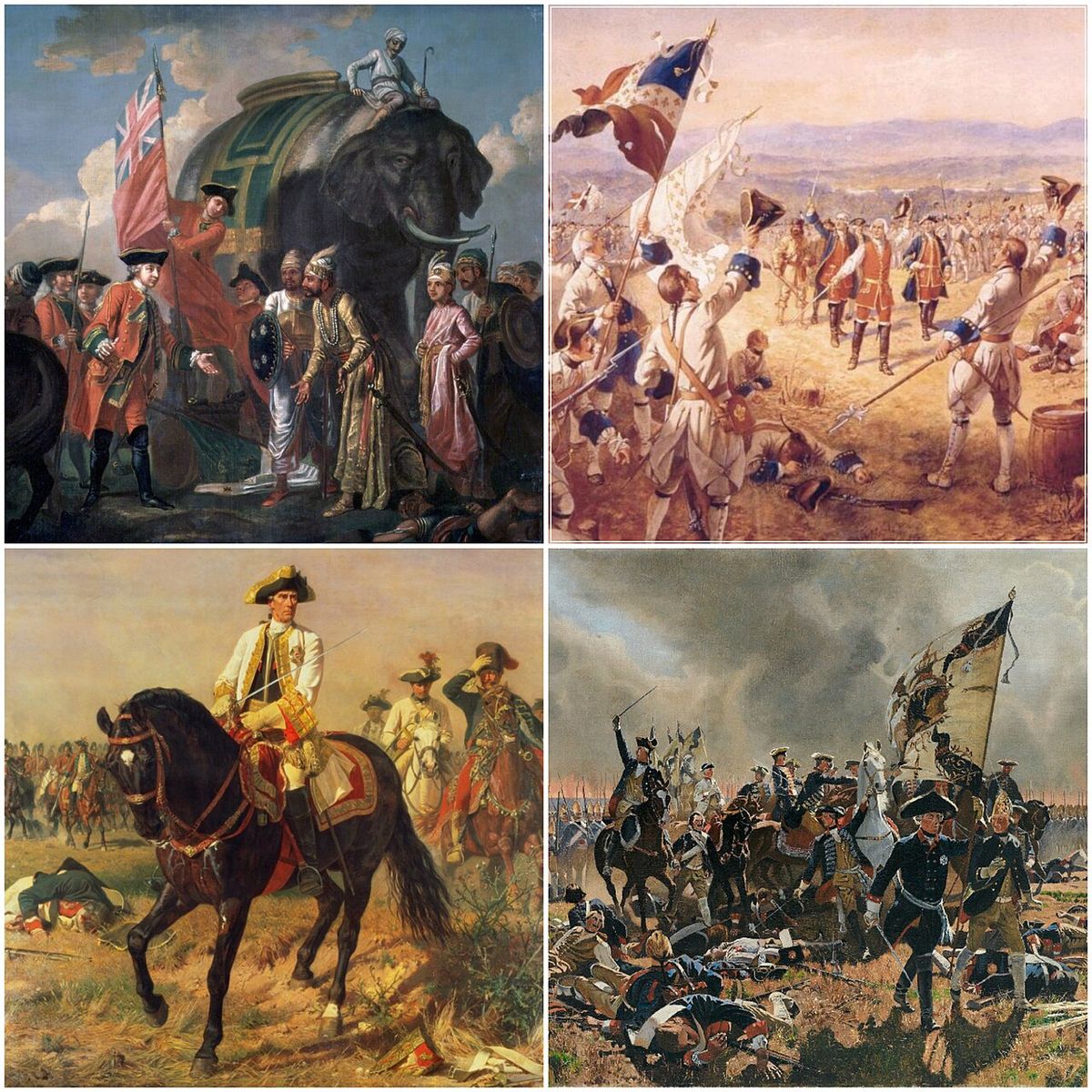
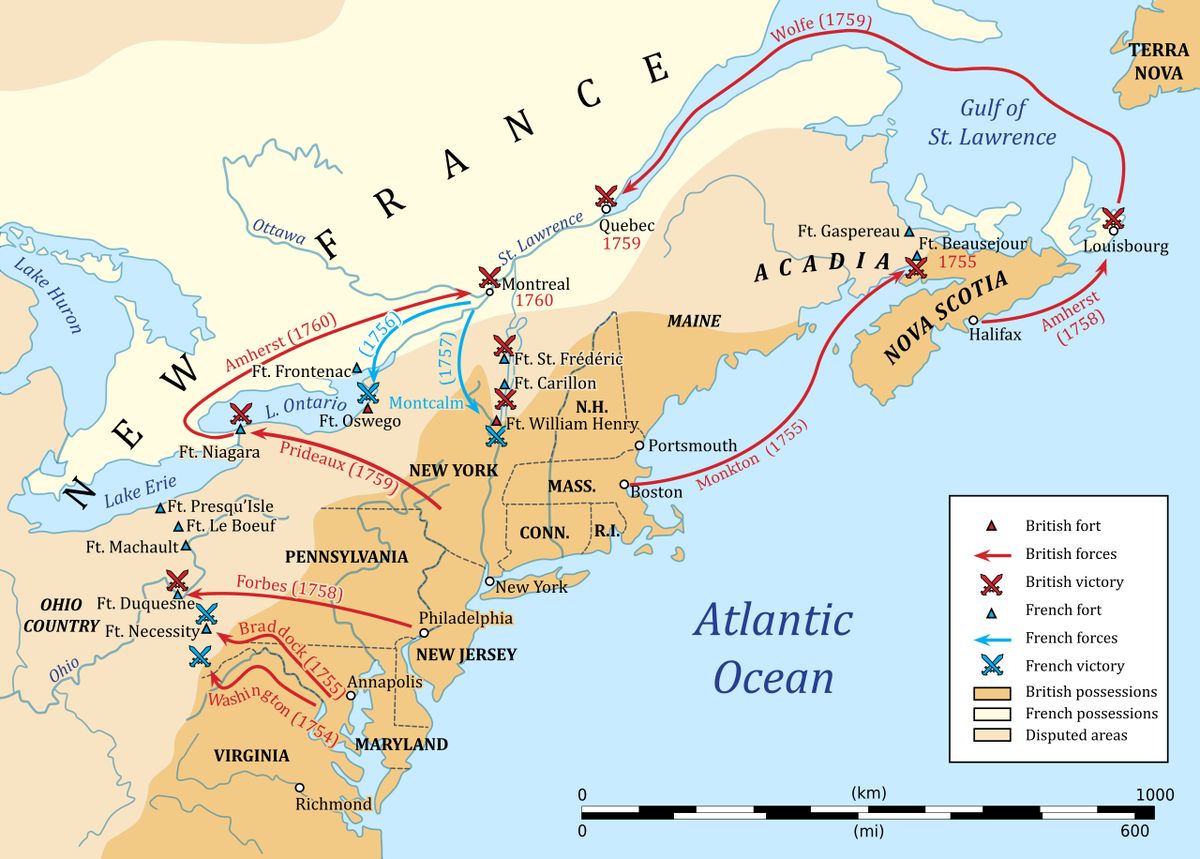
The Royal Proclamation was a direct consequence of the global Seven Years' War, known in North America as the French and Indian War, which concluded with the Treaty of Paris on 10 February 1763. This treaty transferred nearly all of France's North American possessions east of the Mississippi River to Great Britain, with the exception of Saint Pierre and Miquelon, while Spain received French territory west of the Mississippi, including the colony of Louisiana. Faced with the immense task of governing these new lands and managing relations with the Indigenous populations and existing French colonists, the British government moved swiftly to establish order. King George III, with the advice of his Privy Council, issued the proclamation on 7 October 1763 from London, intending to stabilize the frontier, organize new colonial administrations, and formally outline the Crown's policies towards Indigenous nations whose military power had been demonstrated during the recent conflict and the concurrent Pontiac's Rebellion which began in 1763.
Key Provisions and Administrative Structure
The proclamation served as a comprehensive blueprint for British governance in North America, with its most immediate effect being the creation of four new colonial governments from the acquired territories, each with specifically defined boundaries. The Province of Quebec was defined with specific boundaries, encompassing a reduced area along the St. Lawrence River, while East Florida and West Florida were established on the peninsula, and the island of Grenada, along with several other Caribbean islands, was organized as a separate entity. For the colony of Quebec, the proclamation imposed significant changes aimed at assimilation, replacing French civil law with English law and requiring a public oath that effectively barred Roman Catholics from holding office, a policy that proved unworkable and was later reversed by the Quebec Act of 1774. Beyond colonial administration, the proclamation contained critical clauses regulating land acquisition and settlement, which would have lasting consequences for Indigenous relations and colonial expansion throughout the continent.
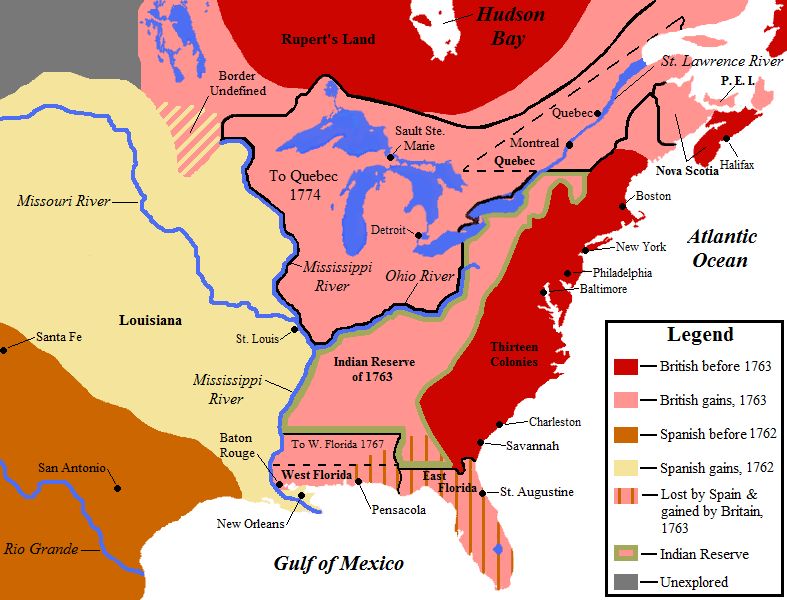
The proclamation defined the jurisdictional limits of the British territories in North America. It revised the lands of the former Royal Province of New France east of the Great Lakes and south of Rupert's Land under the name Quebec. It also reassigned the territory northeast of the St. John River on the Labrador coast to the Newfoundland Colony. The proclamation established the following new governments with these boundaries.
- East Florida: Bounded to the west by the Gulf of Mexico and the Apalachicola River, to the north by a line from the confluence of the Chatahouchee and Flint Rivers to the source of the St. Mary's River.
- West Florida: Bounded to the south by the Gulf of Mexico, to the west by the Mississippi River, and to the north by a line drawn east from the Mississippi at 31 degrees north latitude.
- Grenada: Comprehending the island of Grenada along with the Grenadines, Dominica, Saint Vincent, and Tobago.
The Proclamation Line and Indigenous Reserve
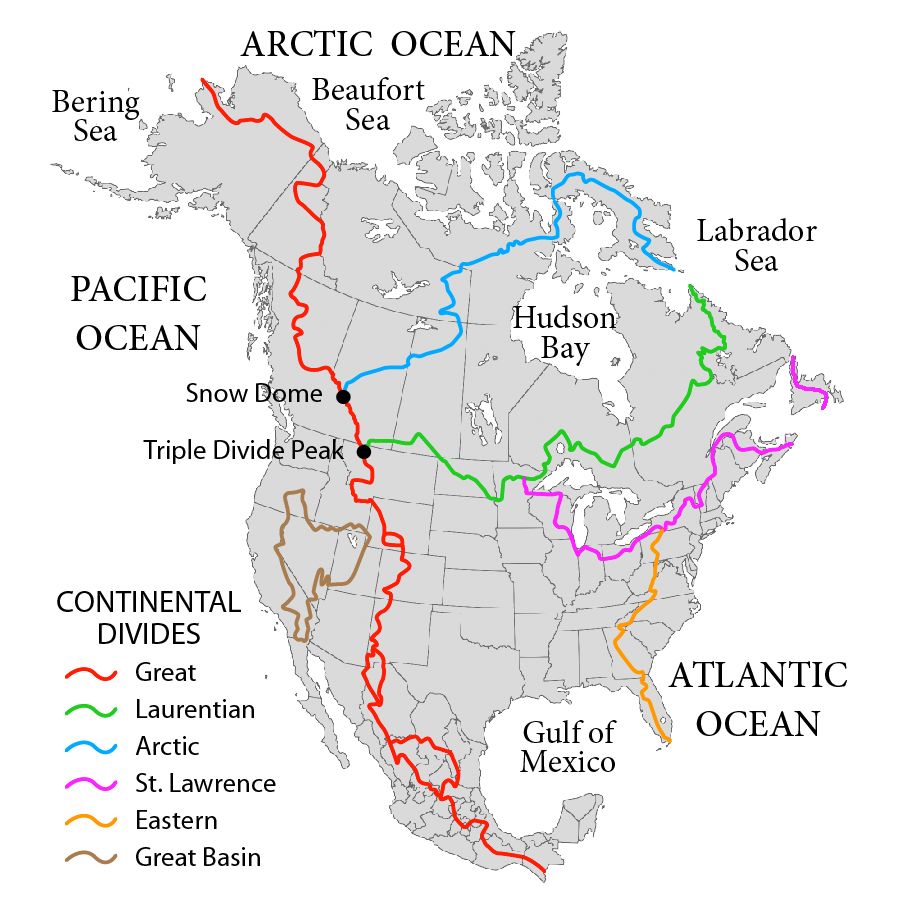
A central and controversial feature of the proclamation was the establishment of a boundary line along the crest of the Appalachian Mountains, with all land to the west of this line declared an 'Indian Reserve,' reserved for the exclusive use of Indigenous nations. The proclamation explicitly stated that Indigenous peoples should not be 'molested or disturbed' in their possession of lands not ceded to or purchased by the Crown, and it forbade British subjects from settling or purchasing land west of the line, thereby nullifying any existing private land grants in the region. All future land purchases were to be conducted solely by the Crown in a public assembly with the Indigenous nations concerned, a measure designed to prevent the private deals that had often created conflict. The line was conceived as a temporary measure to prevent frontier conflict by controlling the pace of westward expansion, and its contour was geographically defined by the Eastern Continental Divide, reserving the watershed of the Mississippi River for Indigenous use while allocating Atlantic-flowing watersheds to the colonies. This line extended from Georgia to the northern border of Pennsylvania, where it intersected the St. Lawrence Divide.
Colonial Reaction and Subsequent Adjustments
The proclamation's western boundary provoked immediate opposition from American colonists and land speculators. British colonists objected to the proclamation boundary since the British government had already assigned land grants to them. For example, George Washington had been granted lands past the boundary and viewed the proclamation as a temporary expedient. This discontent became one of the first significant areas of dispute between Britain and the Thirteen Colonies. Due to pressure, the British government negotiated treaties with Native Americans to move the line further west. The first two of these treaties were completed in 1768. These were the Treaty of Fort Stanwix and the Treaty of Hard Labour. The Treaty of Hard Labour was followed by the Treaty of Lochaber in 1770. These agreements opened much of what is now Kentucky and West Virginia to British settlement. The land granted by the Virginian and North Carolinian government heavily favored the land companies, which had more wealthy backers than poorer settlers.
- Treaty of Fort Stanwix (1768): Adjusted the border with the Iroquois Confederacy, opening lands in the Ohio Country.
- Treaty of Hard Labour (1768): Adjusted the border with the Cherokee in the Carolinas.
- Treaty of Lochaber (1770): Further adjusted the border between Virginia and the Cherokee, opening the Kentucky border region.
Despite these treaties and the official restrictions, many colonists disregarded the proclamation line and settled west, which created tension with Native Americans. In 1769, the frontiersman Daniel Boone crossed the Appalachian boundary line to hunt and explore deep into Kentucky. Similarly, in 1774, James Harrod led an unauthorized group of 31 frontiersmen to found Harrodstown, which is now known as Harrodsburg. This settlement became the first permanent Anglo-American community established west of the Allegheny Mountains, directly contravening the Royal Proclamation of 1763.
Legal and Constitutional Legacy in Canada
While its influence ended in the United States after the American Revolutionary War, the Royal Proclamation became a critical instrument in British North America and Canada. It established the principle that Indigenous title to land exists until voluntarily ceded to the Crown through treaty. The Royal Proclamation is considered the first legal recognition of Aboriginal rights and title by the British Crown. Its principles were recognized in the Constitution Act, 1982, partly due to direct action by Indigenous peoples of Canada, known as the Constitution Express movement of 1980 to 1982. The proclamation's legacy is complex and subject to differing interpretations. According to historian Colin Calloway, scholars disagree on whether the proclamation recognized or undermined tribal sovereignty. Some see it as a fundamental document for First Nations land claims and self government. Anishinaabe jurist John Borrows has written that the proclamation illustrates the British government's attempt to exercise sovereignty over First Nations. He argues it supports Indigenous claims to self determination. The document's influence extends beyond Canada, having been cited in Australia's Mabo v Queensland decision. Sir William Johnson advised the Board of Trade that securing British interests required purchasing the favour of the numerous Indian inhabitants.
Impact on the Thirteen Colonies and the United States
The Royal Proclamation was a significant catalyst in the deteriorating relationship between Britain and its American colonies, as by restricting access to western lands, it alienated powerful economic interests and a broad settler population seeking new opportunities. Historians debate whether this grievance remained potent after the boundary was moved in 1768, but the principle of imperial control over colonial expansion was firmly established and resented, contributing to the growing divide that led to revolution. The proclamation's policies ended with American independence, as Britain ceded the lands in question to the United States in the Treaty of Paris (1783), but the new United States government faced identical challenges in managing westward expansion and frontier violence. It eventually adopted similar policies, passing the first of a series of Indian Intercourse Acts in 1790 to regulate trade and travel in Indigenous territories, and the proclamation's legal doctrine was reintroduced into American law by the U.S. Supreme Court in the 1823 case Johnson v. McIntosh, which affirmed that only the federal government, not private individuals, could purchase land from Native American nations, mirroring the 1763 proclamation's core tenet.
Key Documents and Physical Legacy
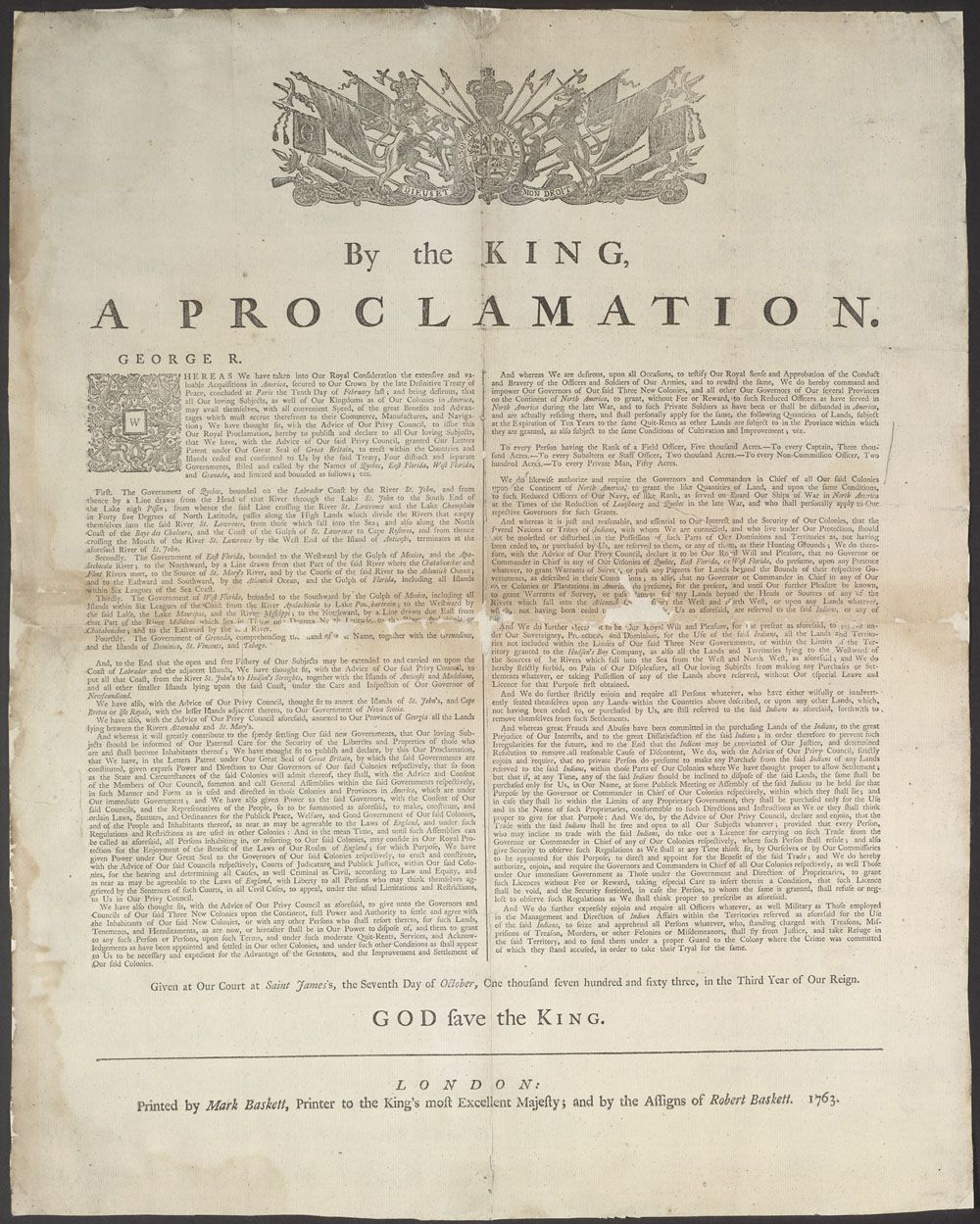
The original proclamation was printed as a broadside in London. Very few contemporary copies survive today. Library and Archives Canada holds one existing English copy in its collection. There are three contemporary copies located in the United States and one in the United Kingdom. There is no completely faithful French translation of the original document from 1763. The full text begins with the preamble, 'Whereas We have taken into Our Royal Consideration the extensive and valuable Acquisitions in America'. It then details the boundaries of the new governments and the regulations concerning Indigenous lands. Notable individuals and groups directly involved with or affected by the proclamation include the following.
- George Washington: Received a 20,000-acre land grant in the Ohio region and actively lobbied against the proclamation's restrictions.
- Sir William Johnson: Superintendent of Indian Affairs who provided key advice on Indigenous policy to the British government in 1764.
- The Ohio Company: A wealthy land speculation company that protested the proclamation line to the governor of Virginia.
- Daniel Boone: Famously crossed the Appalachian boundary in 1769 to hunt and explore Kentucky.
- James Harrod: Led 31 frontiersmen in 1774 to found Harrodstown (Harrodsburg), the first permanent Anglo-American settlement west of the Alleghenies.
- Idle No More: The Aboriginal movement that held birthday parties for the proclamation document across Canada during its 250th anniversary in 2013.
Comparative Analysis of Post-1763 Treaties
The Royal Proclamation set a precedent that led to a series of treaties to acquire Indigenous lands. These treaties adjusted the original 1763 boundary. Each treaty opened specific regions for colonial expansion. The treaties demonstrate the British government's response to colonial pressure. They effectively moved the western boundary for settlement. This process transferred vast territories like Kentucky and West Virginia from the Indigenous reserve to colonial control. The land grants heavily favored the land companies over poorer settlers. The following table summarizes the key treaties that adjusted the proclamation line.
| Treaty | Year | Indigenous Nation(s) | Primary Region Opened |
|---|---|---|---|
| Treaty of Fort Stanwix | 1768 | Iroquois Confederacy | Ohio Country |
| Treaty of Hard Labour | 1768 | Cherokee | Carolinas |
| Treaty of Lochaber | 1770 | Cherokee | Virginia/Kentucky border region |
Questions about Royal Proclamation of 1763
What was the main purpose of the Royal Proclamation of 1763?
The Royal Proclamation of 1763 had two primary purposes. First, it established new governments for the territories Britain acquired from France after the Seven Years' War, including the province of Quebec and the new colonies of West Florida and East Florida. Second, it aimed to manage colonial expansion by forbidding new settlements west of a line along the Appalachian Mountains, creating an Indian Reserve. It also regulated future land purchases, requiring them to be made by Crown officials at public meetings with Indigenous peoples.
Why is the Royal Proclamation important to Canada today?
The Royal Proclamation is a foundational constitutional document for Canada. It represents the first legal recognition by the British Crown of Aboriginal title and rights, establishing the principle that land must be ceded by treaty before being opened for settlement. This created the treaty-making process that shaped Canada's expansion. Its principles are explicitly recognized and affirmed in section 25 of the Constitution Act, 1982, making it a living part of Canadian constitutional law and a critical element of the relationship between the Crown and Indigenous peoples.
How did American colonists react to the proclamation?
American colonists, particularly land speculators and veterans promised western lands, were furious about the proclamation's boundary line. They viewed it as an unjust restriction on their economic opportunities and a betrayal of their service during the war. Figures like George Washington lobbied vigorously against it. This discontent was a major early source of tension between the colonies and the British government, contributing to the revolutionary sentiment. Although the boundary was moved westward through treaties in 1768 and 1770, the resentment over imperial control of westward expansion persisted.
What was the 'Proclamation Line' or 'Indian Reserve'?
The Proclamation Line was a boundary drawn along the crest of the Appalachian Mountains. All territory west of this line was designated as an 'Indian Reserve,' reserved for the exclusive use of Indigenous nations. British colonists were forbidden from settling or buying land in this vast region. The line was intended as a temporary measure to prevent conflict by controlling the pace of westward expansion. It was geographically defined by the Eastern Continental Divide, extending from Georgia to the northern border of Pennsylvania, where it intersected the St. Lawrence Divide.
Where can I see the original Royal Proclamation?
Original copies of the 1763 proclamation are extremely rare. The only known existing English copy in Canada is held in the collection of Library and Archives Canada. Internationally, there are three contemporary copies located in the United States and one in the United Kingdom. A reproduction was featured in a special display for the document's 250th anniversary in 2013. there is no completely accurate French translation of the original 1763 text.
How is the Royal Proclamation connected to modern treaties?
The Royal Proclamation of 1763 is directly connected to modern treaties as it laid the essential legal groundwork for the treaty making process in Canada. It was the first legal recognition by the British Crown of Aboriginal rights and title. The proclamation established that all future land purchases from Indigenous peoples must be made by Crown officials at a public assembly, a principle that guided subsequent historic treaties. This foundational document is recognized in Section 25 of the Constitution Act, 1982, affirming its ongoing constitutional significance. Modern comprehensive land claim and self government negotiations continue to be based on the relationship and legal principles first articulated in this 1763 proclamation.
Sources and further reading
- Royal Proclamation of 1763 (Wikipedia)
- The Royal Proclamation of 1763 (rcaanc-cirnac.gc.ca)
- Royal Proclamation of 1763 (thecanadianencyclopedia.ca)
- Royal Proclamation of 1763 (historymuseum.ca)
- Royal Proclamation | The Governor General of Canada (gg.ca)
Checked by the Nosy Mag desk. Last updated 2026-10-21.