North West Company
The North West Company was a major Canadian fur trading enterprise headquartered in Montreal from 1779 to 1821. Founded primarily by Scottish merchants, it mounted the most significant challenge to the century-old monopoly of the Hudson's Bay Company, aggressively expanding trade across Western Canada and into the Arctic and Pacific Northwest. The company's operations, characterized by its network of wintering partners and French Canadian voyageurs, were instrumental in the exploration and economic development of the continent's interior. Intense and sometimes violent competition with its rivals ultimately led the British government to force a merger with the Hudson's Bay Company in 1821, ending over four decades of independent operation.
Origins and Formation
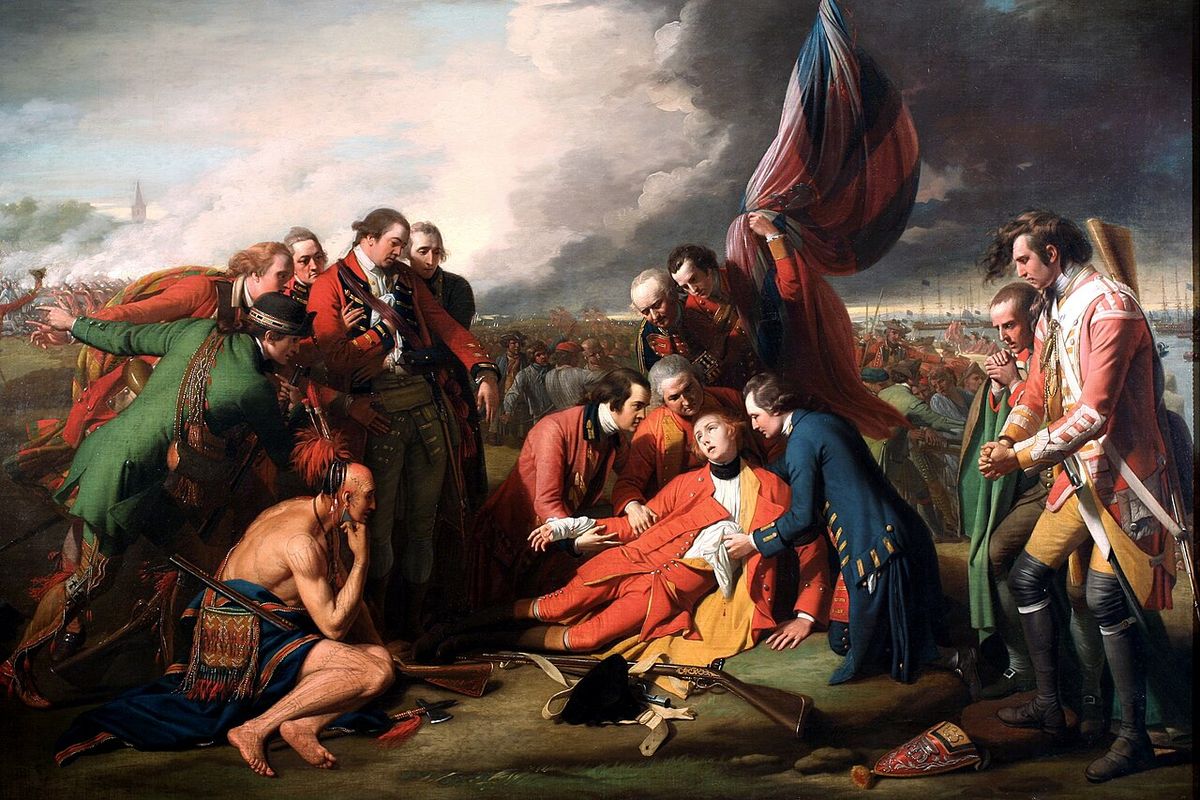
The foundations for the North West Company were laid following the British conquest of New France in 1763, which created a vacuum in the fur trade previously dominated by French Canadian coureurs des bois. This space was filled by independent English-speaking traders, often called pedlars by the Hudson's Bay Company, who operated from Montreal and ventured westward along established French routes. By the 1770s, destructive competition among these small traders prompted a move towards consolidation. Historical references to a North West Company exist as early as 1770, but the standard founding date is 1779, when a 16-share organization was formed by Montreal businessmen including Simon McTavish, Benjamin and Joseph Frobisher, Isaac Todd, and James McGill. A more formal and permanent partnership was established in the winter of 1783 to 1784, with corporate offices on Vaudreuil Street in Montreal. The company was created explicitly to break the HBC monopoly and access richer fur territories further inland.
Expansion and Exploration
Under its early leadership, the North West Company pursued an aggressive strategy of westward expansion and exploration. A significant boost came in 1787 with the merger of the rival Gregory, McLeod and Co., which brought in dynamic figures like explorer Alexander Mackenzie and his cousin Roderick Mackenzie. The company established its main inland depot at Grand Portage on Lake Superior, later moved to Fort William, where agents and wintering partners met each July. From these bases, the NWC pushed its operations up the Saskatchewan River, establishing a fort near modern-day Edmonton by 1795, and north to Great Bear Lake. The company sponsored landmark expeditions that mapped vast sections of the continent, with Alexander Mackenzie following the river that now bears his name to the Arctic Ocean in 1789 and becoming the first European to cross North America north of Mexico overland to the Pacific in 1793. David Thompson, starting in 1797, and Simon Fraser further charted the Rocky Mountains and river systems, reaching the Pacific Coast and establishing a far-flung system of canoe brigades.
The company's expansion was not limited to British territory, as it operated in the American Northwest Territory and, seeking to bypass British trade restrictions, briefly established an agency in New York City in 1796. In a bold challenge to the HBC, the NWC organized an overland expedition from Montreal to James Bay in 1803, meeting a supply ship at Charlton Island and laying claim to Inuit territory. This period of growth was highly profitable. By 1800, the company's trade was valued at £144,000, significantly outpacing the HBC's £38,000. The NWC's success was built on a transportation system of canoe brigades provisioned by pemmican and a trade network that took commerce directly to Indigenous trappers.
Internal Rivalry and the XY Company
The forceful leadership of Simon McTavish, who consolidated control through the firm McTavish, Frobisher and Company, caused friction with some shareholders. This dissent grew in the late 1790s, particularly among wintering partners like Alexander Mackenzie who were dissatisfied with their standing. Several dissidents left and, backed by the Montreal firm Forsyth, Richardson, and Co., formed a rival concern unofficially known as the XY Company in 1798, a name derived from the mark used on their bales of furs. The rivalry escalated to armed conflict, including an incident where the master of an NWC post at Great Bear Lake was shot by an XY Company employee. The death of Simon McTavish in July 1804 allowed for reconciliation, and his nephew and successor, William McGillivray, negotiated a merger in November 1804 where the old NWC partners held 75 percent of the shares and the former XY partners 25 percent, with Alexander Mackenzie notably excluded from the new partnership.
Competition with the Hudson's Bay Company
The North West Company's entire existence was defined by its struggle with the chartered Hudson's Bay Company. The HBC held a legal monopoly in Rupert's Land, which contained the richest fur regions, and repeatedly refused NWC petitions for transit rights, including a personal appeal by Simon McTavish to Prime Minister William Pitt. This forced the NWC into longer, more expensive supply routes from Montreal. Competition intensified in the early 1800s, with both companies building neighbouring posts and engaging in confrontations from the Great Lakes to Athabasca.
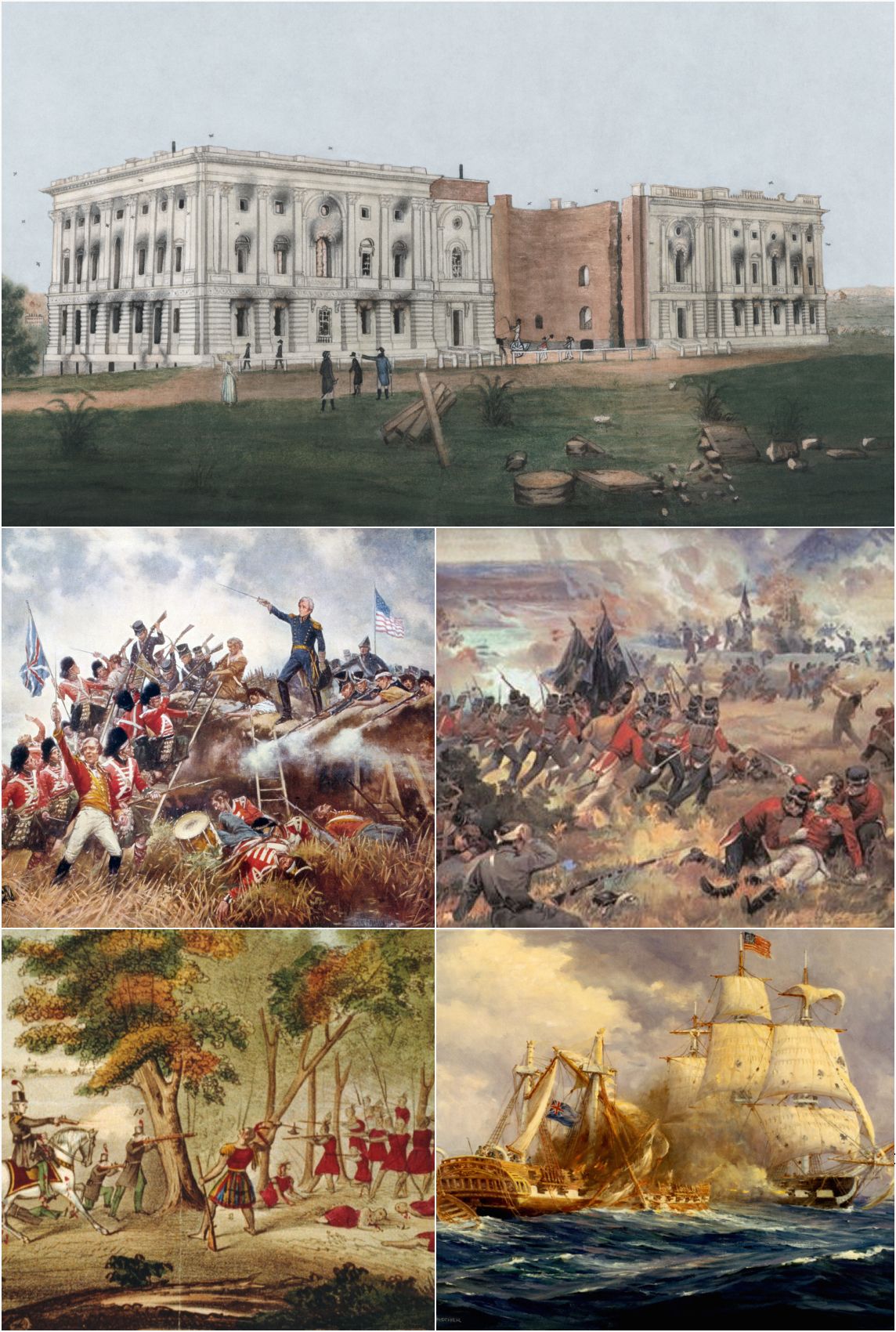
A new front opened in the Pacific Northwest, where the NWC competed with American John Jacob Astor's Pacific Fur Company. Although Astor founded Fort Astoria first in 1811, the War of 1812 led to its sale to the NWC in October 1813, and it was renamed Fort George. The conflict reached a critical point with the HBC's Selkirk Concession, a land grant in the Red River Valley that lay across the NWC's vital supply route. The Pemmican Proclamation issued by the settlement's governor and the ensuing Battle of Seven Oaks in 1816, which left 21 dead, led to Lord Selkirk arresting William McGillivray and seizing Fort William. Although the charges were later dropped by authorities in Montreal, the violence and legal battles destabilized the NWC, damaging its financial viability during an already difficult time marked by over-harvesting and the postwar closure of the American border to Canadian traders.
Corporate Structure and Social Hierarchy
The North West Company was a complex partnership, not a corporation, with a distinct social and ethnic hierarchy rooted in kinship and descent. Its structure was divided into two main groups: the bourgeois (masters) and the engagés (servants). The bourgeois were primarily of Scottish descent and formed a closed network often related by blood or marriage, such as the McTavish and McGillivray families, with 77 of 128 leading figures being of Scots origin. They operated at three levels: Montreal agents were the owners and shareholders who managed finance, supply, and marketing from the city. Wintering partners were also shareholders who managed districts and trade in the interior. And clerks were salaried employees who hoped to become partners after serving a five to seven year apprenticeship.
The engagés performed the physical labour and were mostly French Canadian or Métis. They were not a uniform group, as voyageurs or mangeurs du lard (pork-eaters) were seasonally employed to paddle between Montreal and the Great Lakes, while hivernants (wintering servants) paddled to interior posts and worked there through the winter. Within canoe crews, a bowsman (devant) and steersman (gouvernail) could earn up to five times the pay of a middleman (milieu), and interpreters and guides commanded wages up to three times that of a common labourer. This kinship-based structure was efficient but also created barriers to advancement for those outside the Scottish circle.
Decline and Forced Merger
By 1820, multiple pressures converged to threaten the North West Company's survival, as the fur trade was suffering from over-harvesting, particularly of beaver, and the company was financially strained. The War of 1812 resulted in the destruction of the NWC post at Sault Ste. Marie and the postwar closure of the American border to Canadian traders, severing profitable cross-border networks. The violent conflict with the Red River Settlement and the HBC had exhausted both resources and morale, leading some of the wealthiest partners to leave the company. Financially strained, the company even began issuing its own copper token currency, each representing the value of one beaver pelt. With the business in great doubt and under direct orders from British Secretary of State for War and the Colonies Henry Bathurst to cease hostilities, the shareholders had no choice but to merge with their rival. An agreement was signed in July 1821, under new regulations for the fur trade in British North America, and the North West Company name disappeared. The merged entity inherited 97 NWC trading posts and 76 HBC posts, which were soon consolidated to avoid redundancy, with George Simpson of the HBC appointed to oversee the Northern Department from his headquarters in Lachine, Montreal.
Key Figures of the North West Company
The history of the North West Company is inseparable from the ambitious individuals who led it, with a few key figures defining its trajectory. Simon McTavish was the driving force behind the company's early consolidation, known for his autocratic and aggressive business style, and he formed the controlling firm McTavish, Frobisher and Company and established the London supply house McTavish, Fraser and Company. Benjamin Frobisher was a founding partner who, with his brother Joseph, was instrumental in the initial 1779 organization and the 1783 to 1784 formal partnership. William McGillivray, nephew and successor to Simon McTavish, negotiated the 1804 merger with the XY Company and led the NWC through its most intense period of competition with the HBC until his arrest after the Battle of Seven Oaks. Alexander Mackenzie was a legendary explorer whose 1789 and 1793 journeys were sponsored by the NWC, but he later became a dissident and joined the XY Company after disagreements with McTavish. David Thompson and Simon Fraser, also renowned explorer-mappers employed by the company, extensively charted the western rivers and mountains.
Major Trading Posts and Forts
The North West Company established a vast network of trading posts across the continent to facilitate its trade and secure territory. These posts served as hubs for commerce with Indigenous nations, supply depots, and bases for further exploration. Many were strategically located at key river junctions or near rich hunting grounds. The following list includes some of the significant posts founded by the NWC during its expansion across the northwest.
- Fort Chipewyan on Lake Athabasca, established as a new base for the Athabasca trade after 1787.
- A fort near the site of modern-day Edmonton, established along the Saskatchewan River in 1795.
- Fort Providence (Old Fort Providence) near the mouth of Yellowknife Bay, established in 1789.
- Fort of the Forks (later Fort Simpson) at the junction of the Liard and Mackenzie rivers, established in 1804.
- Fort Liard, established in 1807.
- Fort Norman (now Tulita), established in 1810.
- Fort George, the renamed Fort Astoria on the Columbia River, acquired in 1813.
- The company depot at Grand Portage on Lake Superior, later moved to Fort William.
- Fort William, the new main inland depot on Lake Superior established after 1803.
- Fort des Prairies, a district in the Saskatchewan River region.
- Fort Dauphin, a post in the Lake Winnipegosis region.
Notable Explorations and Expeditions
The North West Company's drive for new fur sources and trade routes funded some of the most important expeditions of discovery in Canadian history. These journeys, undertaken by company employees, dramatically expanded European geographical knowledge of the continent's interior and western reaches. The explorers often combined their mapping duties with the practical work of establishing trade relations and identifying sites for future posts. The following are key expeditions conducted under the auspices of the North West Company.
- Alexander Mackenzie's descent of the Grand River (Mackenzie River) to the Arctic Ocean in 1789.
- Alexander Mackenzie's overland journey from the Peace River to the Pacific Ocean in 1793.
- David Thompson's explorations starting in 1797, which included mapping the Rocky Mountains and reaching the Columbia River mouth in July 1811.
- Simon Fraser's exploration and descent of the Fraser River.
- The 1803 overland expedition from Montreal to James Bay and the sea expedition to Charlton Island.
Questions about North West Company
What was the social structure within the North West Company?
The company had a clear hierarchy based on ethnicity and kinship. The masters or bourgeois were primarily Scottish-descended shareholders and managers, including Montreal agents and wintering partners, who formed a closed network. The labourers or engagés were mostly French Canadian and Métis voyageurs who paddled the canoes and manned the posts, with voyageurs seasonally employed on the Great Lakes routes and hivernants wintering in the interior. Status and pay varied greatly, with steersmen and interpreters earning several times more than common paddlers.
When was the North West Company founded and when did it end?
The North West Company was founded in 1779 and ended in 1821. It was a Canadian fur trading business headquartered in Montreal for over forty years. The company was officially created on a long term basis in the winter of 1783 to 1784. Its operations ceased when it was forced by the British government to merge with the Hudson's Bay Company in July 1821 under new regulations for the fur trade in British North America.
Who were the main rivals of the North West Company?
The main rival of the North West Company was the Hudson's Bay Company. Their competition was intense for control of the fur trade in Western Canada and led to several minor armed skirmishes. From 1798 to 1804, the North West Company also faced a significant internal rival called the XY Company, formed by dissident partners including explorer Alexander Mackenzie. In the Pacific Northwest, the company briefly competed with John Jacob Astor's American Pacific Fur Company.
What role did the North West Company play in exploring Canada?
The North West Company played a major role in exploring Canada by sponsoring key expeditions. Under its auspices, Alexander Mackenzie journeyed to the Arctic Ocean via the Mackenzie River in 1789 and reached the Pacific Ocean overland in 1793. The company also supported the explorations of David Thompson starting in 1797 and Simon Fraser, who descended the Fraser River. These men pushed into the wilderness territories of the Rocky Mountains and the Interior Plateau, vastly expanding geographic knowledge.
Why did the North West Company and Hudson's Bay Company merge?
The North West Company and Hudson's Bay Company merged in 1821 due to financial pressures and British government intervention. Years of costly competition, overharvesting of beaver, and the aftermath of the War of 1812 had weakened the North West Company. After violence like the Battle of Seven Oaks in 1816, the British government, led by Colonial Secretary Henry Bathurst, ordered the companies to cease hostilities. With its future in doubt, the North West Company shareholders agreed to the merger.
How successful was the North West Company compared to the Hudson's Bay Company?
The North West Company was very successful in competing against the Hudson's Bay Company for decades. By 1800, its trade was valued at 144000 pounds compared to the Hudson's Bay Company's 38000 pounds. The North West Company's strategy of sending wintering partners inland to trade directly was highly effective. However, it was at a legal disadvantage as the Hudson's Bay Company held a charter monopoly over Rupert's Land. Despite its operational success, the North West Company could not overcome these structural and political challenges.
Sources and further reading
- North West Company (Wikipedia)
- The North West Company: Home Page (northwest.ca)
- North West Company (thecanadianencyclopedia.ca)
- The North West Company vs. HBC (nwttimeline.ca)
- North West Company (cbc.ca)
Checked by the Nosy Mag desk. Last updated 2026-10-26.