Tlingit
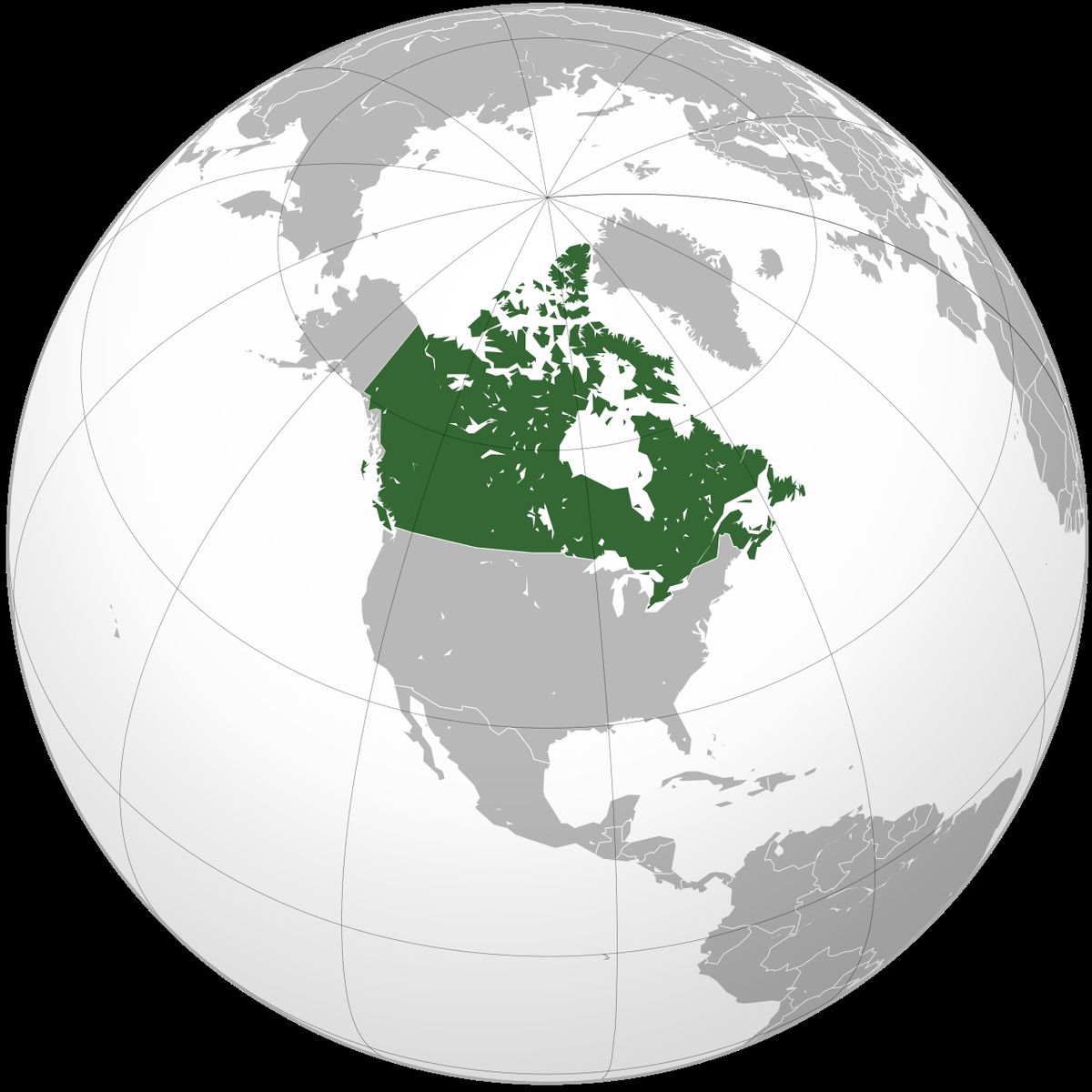
The Tlingit, or Lingít, are an Indigenous people whose traditional territory spans the Pacific Northwest Coast of North America, encompassing the southeastern Alaskan panhandle and parts of British Columbia and the Yukon. As both Alaska Natives and First Nations in Canada, the Tlingit are a transboundary people with a cultural heritage rooted in the temperate rainforest and complex social structures. Their society is organized into matrilineal clans within two moieties, Raven and Eagle, and is known for its art, oratory, and potlatch ceremonies. The Tlingit have maintained a complex hunter-gatherer culture based on semi-sedentary management of fisheries.
Territory and Contemporary Communities
The historical territory of the Tlingit, known as Lingít Aaní, is vast and ecologically diverse, stretching from the Portland Canal north to the coast just southeast of the Copper River delta in Alaska and encompassing the Alexander Archipelago. This territory is traditionally divided into four major ecological and cultural sections, each with distinct dialects and subsistence patterns. The Southern Tlingit live south of Frederick Sound, the Northern Tlingit inhabit the area north to Cape Spencer and Lynn Canal, the Inland Tlingit reside around interior lakes and river drainages in the Yukon and British Columbia, and the Gulf Coast Tlingit occupy the storm-battered coastline north of Cape Spencer along the Gulf of Alaska. These groups maintained extensive trade networks, particularly with Athabascan peoples of the interior, exchanging goods like dried fish, otter furs, and Chilkat robes for caribou skins, copper, and jade.
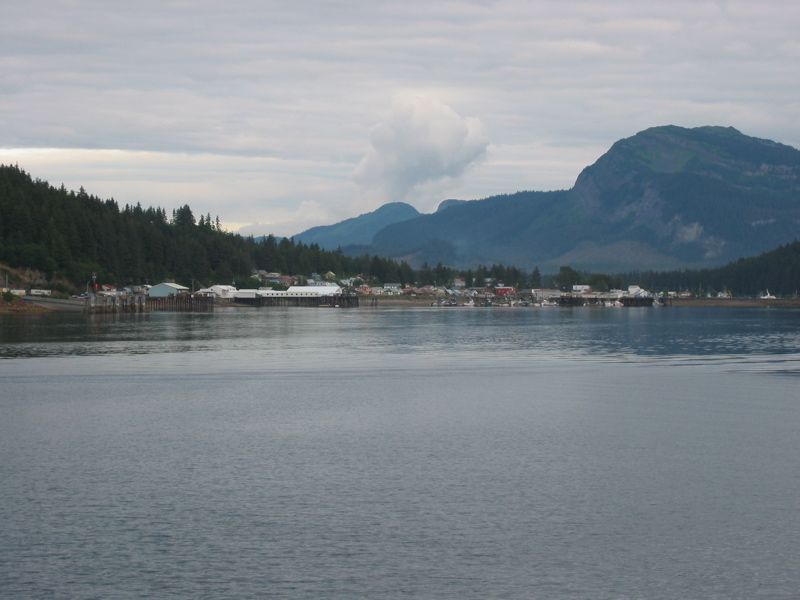
Today, Tlingit people live in numerous communities on both sides of the Canada, United States border. In Alaska, they are represented by federally recognized tribes such as the Angoon Community Association, Sitka Tribe of Alaska, and Yakutat Tlingit Tribe, among others. The Central Council of the Tlingit & Haida Indian Tribes of Alaska is a central tribal government representing over 37,000 Tlingit and Haida citizens. In Canada, Tlingit people are recognized as First Nations with designated reserves and traditional territories.
- Carcross/Tagish First Nation: Located in the Yukon, with communities at Carcross and Tagish.
- Taku River Tlingit First Nation: Based in British Columbia, with traditional territories spanning the Yukon, BC, and Alaska.
- Teslin Tlingit Council: Governs the Teslin community in the Yukon.
Social Structure and Clan System
Tlingit society is fundamentally organized around a matrilineal kinship system, where an individual's clan affiliation, property rights, and hereditary status are inherited through the mother's line. This system creates a web of familial responsibility and identity. The entire society is divided into two major moieties, Raven (Yéil) and Eagle (Ch’áak’). These moieties are exogamous, meaning individuals must marry someone from the opposite moiety, ensuring social balance and extending kinship networks across the entire population. Each moiety is further subdivided into numerous clans, which are themselves composed of smaller house groups or lineages. These clans are the primary social units, each with its own history, territories, songs, stories, and heraldic crests.
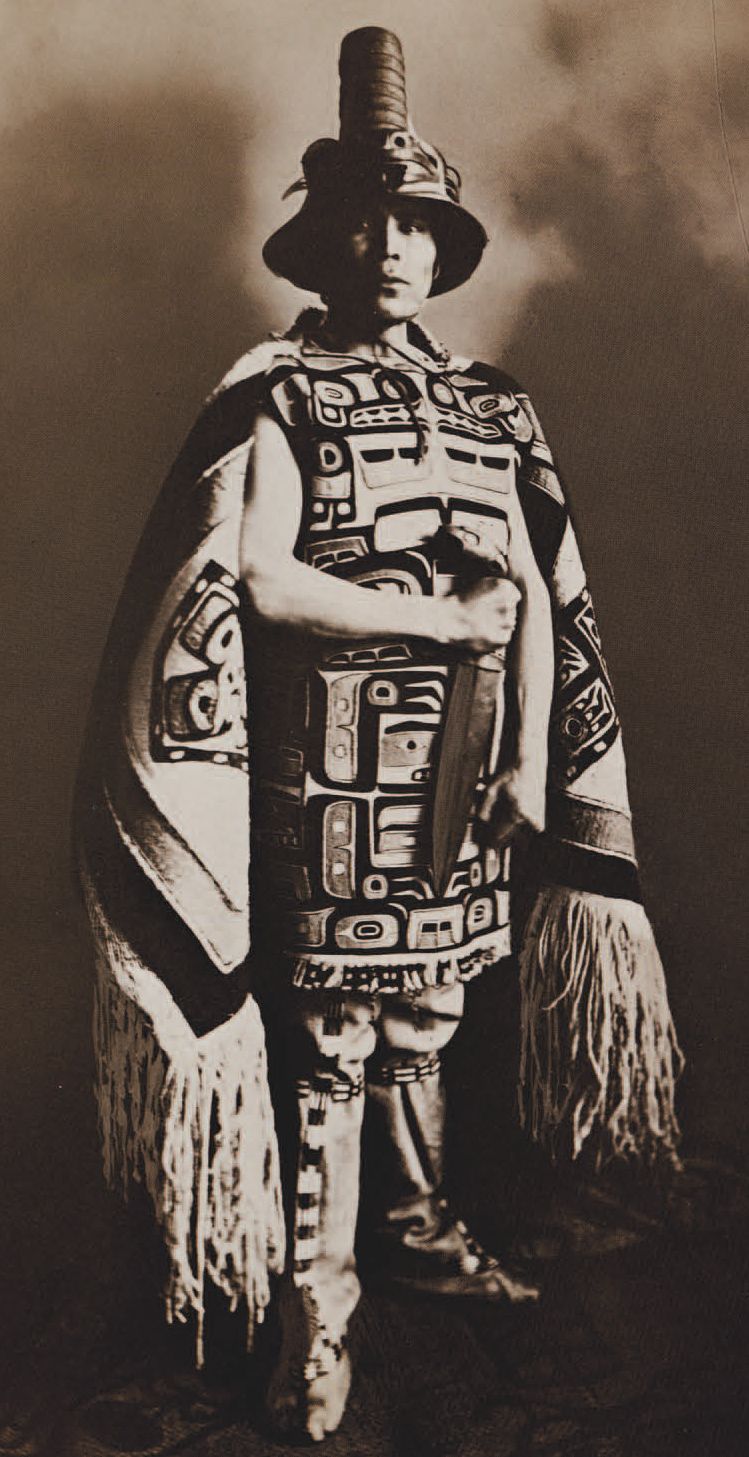
The crests, or at.óow, are sacred property that embody the history and spiritual power of the clan. They are displayed prominently on totem poles, house posts, ceremonial regalia, woven blankets, and everyday objects like spoons and storage boxes. Ownership and display of these crests are governed by strict protocols, and unauthorized use is considered a serious offence. Hereditary leadership positions, such as clan heads or village leaders, are also passed down through the maternal line. Wealth is an indicator of status, and traditional Tlingit values place emphasis on generosity, proper oratory, and dignified behaviour as signs of nobility.
Like other Northwest Coast native peoples, the Tlingit practiced hereditary slavery, with slaves typically being war captives or their descendants. Slaves were considered property and could be traded or given away at potlatches. This institution was outlawed after American and Canadian sovereignty was established. The matrilineal clan system remains deeply significant today, forming the bedrock of Tlingit identity, governance in many communities, and the ongoing transmission of cultural knowledge from elders to youth.
Language and Revitalization
The Tlingit language, Lingít, is a complex and ancient tongue that forms its own independent branch within the Na-Dené language family. It is known for its detailed grammar, use of tones, and a sound system that includes several rare phonemes, such as lateral fricatives and ejective consonants. For centuries, Lingít was the primary medium of Tlingit oratory, history, and spiritual life. However, like many Indigenous languages, it faced severe decline due to colonial policies, residential schools, and the dominance of English. Current estimates suggest there are between 200 and 400 native speakers in the United States and approximately 100 in Canada, nearly all of whom are bilingual elders.
In response to this critical endangerment, a revitalization movement has emerged, led by Tlingit communities, institutions, and dedicated linguists. Multiple organizations have launched comprehensive programs to document, teach, and promote the language. The Sealaska Heritage Institute in Juneau and the Goldbelt Heritage Institute are at the forefront of these efforts in Alaska, developing curriculum, hosting language camps, and producing learning materials. The University of Alaska Southeast offers Tlingit language courses. At the community level, language classes are regularly held in villages such as Klukwan and Angoon, often led by fluent elders. In Canada, the Yukon Native Language Centre and the First Nations schools operated by the Carcross/Tagish, Teslin Tlingit, and Taku River Tlingit communities integrate language instruction into their programs.
Technological tools, including online dictionaries, mobile apps, and social media groups, are also being leveraged to reach younger, digitally connected generations. The goal of these wide-ranging efforts is the reclamation of Lingít as a living language. They aim for the language to be used in homes, ceremonies, and daily life. This ensures it remains a central pillar of Tlingit identity for centuries to come.
History and Encounters with Colonial Powers
Tlingit history in their homeland extends back thousands of years, with cultural antecedents dating to around 10,000 years ago near the Skeena and Nass Rivers. By the time of European contact, they had established a sophisticated and autonomous society across the islands and coastline. The first recorded contact with Europeans occurred in 1741 with Russian explorers. Spanish explorers followed in 1775. Initial relations often centred on trade, with the Tlingit exchanging sea otter pelts for European goods like metal tools, textiles, and later firearms. However, the Russians of the Russian-American Company sought more than trade. They desired permanent settlements and control over Tlingit labour and resources.
This led to significant conflict, most notably the 1802 Tlingit attack on the Russian outpost at Redoubt Saint Michael and the subsequent 1804 Battle of Sitka. In 1802, Tlingit warriors, primarily of the Kiks.ádi clan, overran the Russian fort near Sitka, killing nearly all the inhabitants. When the Russians returned in force in 1804, the Tlingit made a strategic stand at a wooden fort. After a six-day siege and running low on ammunition, the Tlingit silently abandoned the fort, allowing the Russians to establish a fortified town on the site of the original Tlingit village of Shee Atika. While this marked the end of large-scale armed resistance, Tlingit autonomy remained strong in many areas, and a tense, guarded coexistence characterized Russian-Tlingit relations in Sitka until the Alaska Purchase in 1867.
The most devastating impact of contact was biological. The Tlingit had no immunity to Old World diseases, leading to catastrophic population loss. The 1862 Pacific Northwest smallpox epidemic was particularly horrific, killing an estimated 60 percent of the Mainland Tlingit and 37 percent of the Island Tlingit. These epidemics shattered communities, disrupted social structures, and left a deep demographic and cultural scar. Following the transfer of Alaska to the United States and the incorporation of British Columbia and the Yukon into Canada, Tlingit people faced new pressures of assimilation, land dispossession, and restrictive policies.
Subsistence and Traditional Economy
The traditional Tlingit economy was a sophisticated form of semi-sedentary hunter-gatherer culture, expertly managed to harness the immense bounty of the coastal rainforest and marine environment. This economy formed the basis of wealth, social status, and spiritual life. The annual cycle of food harvesting was precise and deeply connected to the seasons and the migratory patterns of key species. Salmon was the unequivocal staple, treated with immense respect and harvested during summer runs using weirs, traps, and spears. Surplus salmon was meticulously smoked or dried for winter consumption and trade. Halibut, cod, and herring were other critical marine resources, while seals, sea lions, and sea otters were hunted for both food and materials for clothing and tools.
While the ocean provided the majority of sustenance, the Tlingit also utilized intertidal zones for shellfish and seaweed, and the forests for land game and plants. Deer, mountain goats, and bears were hunted, and a variety of berries, such as salmonberries, soapberries, and currants, were gathered in late summer. A unique and highly valued resource was the eulachon, or candlefish, a small oily fish that was rendered into a nutritious grease that was a crucial trade commodity with interior peoples. The Tlingit diet was diverse, but social and spiritual protocols governed its consumption. For instance, eating only "beach food" was considered a sign of poverty, and shamans would avoid it before important rituals, believing it could weaken spiritual power.
The control of resource harvesting sites was a fundamental part of Tlingit law. Each clan had exclusive rights to specific fishing streams, berry patches, and hunting grounds. Infringement on these territories was a serious offence that could lead to conflict. The surplus from these managed territories fueled an extensive trade network. Using large cedar canoes, Tlingit traders traveled established routes along the coast and up major rivers like the Taku and Stikine to trade with Athabascan and other Interior peoples. They exchanged dried fish, eulachon grease, and marine products for inland goods such as caribou hides, moose skins, copper, and obsidian. This trade was economically vital and also fostered social and kinship ties through intermarriage, particularly with Athabascan groups, leading to the cultural blend seen in the Inland Tlingit communities.
Spirituality and Worldview
Traditional Tlingit spirituality was an integrated animist philosophy that perceived spiritual essence, or life force, in all elements of the natural world, including animals, plants, rocks, and weather phenomena. This worldview shaped every aspect of life, from hunting protocols to social conduct. A central tenet was the belief in reincarnation, where the spirits of both humans and animals could be reborn. Hunters performed rituals of purification before hunting to show respect to the animal's spirit and ensure future success. Shamans, who were usually men, acted as intermediaries between the human and spirit worlds. They cured illnesses, influenced weather, aided in hunting, foretold the future, and protected communities from harmful witchcraft.
The arrival of European missionaries in the 19th century initiated a spiritual transformation. Between 1886 and 1895, as epidemics devastated populations and traditional healers proved unable to cure the new diseases, many Tlingit turned to Christianity. Russian Orthodox missionaries were notably successful, partly because they translated their liturgy into the Tlingit language. Some scholars argue that conversion to Orthodoxy was also a strategic choice by Tlingit leaders to resist assimilation into the dominant American culture, which was associated with Protestant denominations like Presbyterianism. The introduction of Christianity led to a gradual erosion of the traditional belief system.
In contemporary times, Tlingit spiritual life is often characterized by syncretism and a conscious revival of tradition. While many elders and communities maintain strong Christian faiths, there is a growing movement, particularly among younger generations, to reconnect with and revitalize pre-contact spiritual practices and worldview. This is not seen as a rejection of Christianity but rather a reconciliation, where individuals draw inspiration, identity, and ethical guidance from both systems. Ceremonies like the potlatch, which was banned by Canadian and American governments for decades, have been powerfully reclaimed as central expressions of Tlingit law, history, and spiritual values.
Artistic Traditions and Material Culture
Tlingit art is a celebrated and integral component of their culture, where aesthetic expression, spiritual belief, and social status are fused. It is a highly formalized system of design, primarily focused on the depiction of clan crests and mythological beings. These designs are governed by strict conventions and proprietary rights, as they represent the sacred history and identity of matrilineal clans. Art was, and remains, applied to a vast array of objects, transforming functional items into masterpieces of cultural significance. The most prominent mediums include wood carving, weaving, and metalwork, each requiring years of dedicated apprenticeship to master.
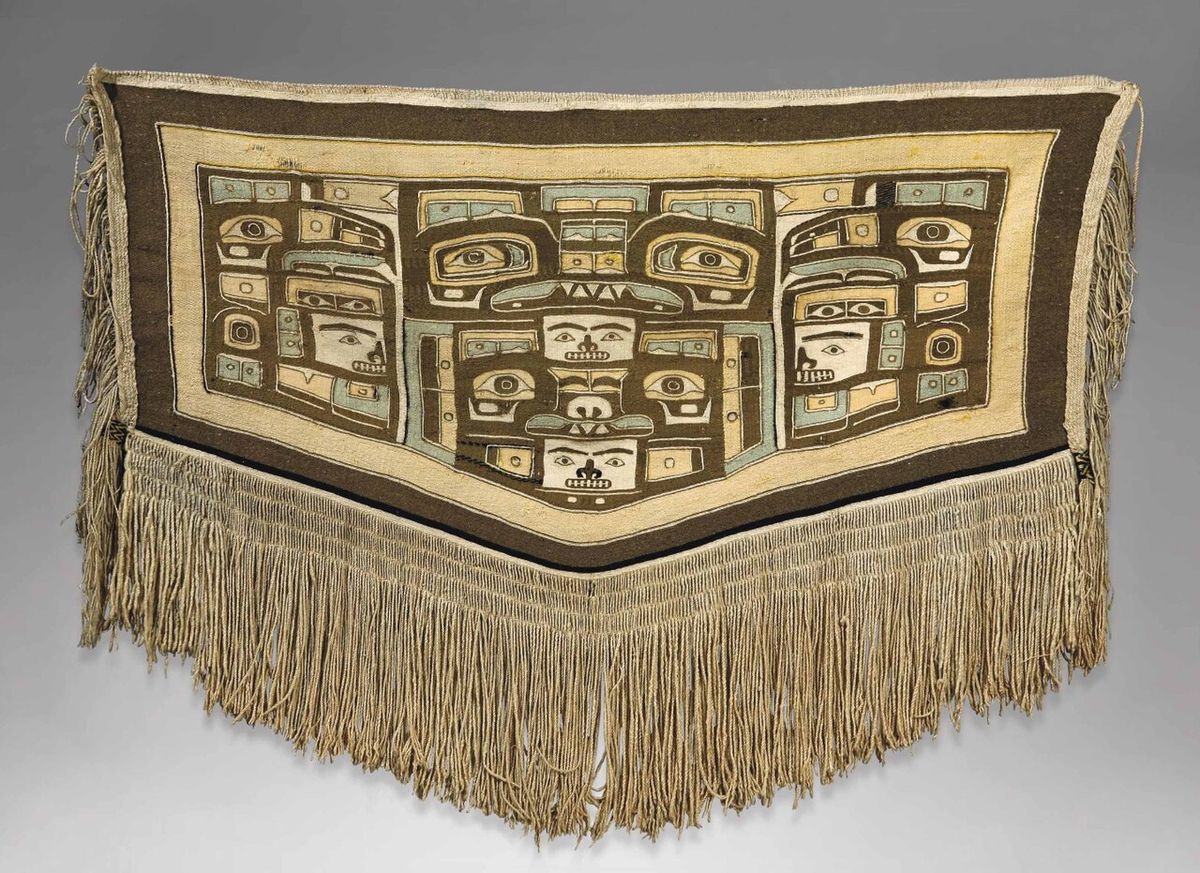
Wood carving produced some of the most monumental Tlingit art forms. Totem poles, both interior house posts and free-standing memorial poles, narrate clan histories, honour ancestors, and mark territory. Master carvers also created elaborate feast dishes, masks for ceremonial dances, and the prows and interiors of massive cedar canoes. Weaving, traditionally women's work, reached extraordinary heights of technical and artistic complexity. The Chilkat blanket, woven from mountain goat wool and cedar bark, features detailed, curvilinear patterns representing crest animals and is considered one of the most difficult weaving techniques in the world. Ravenstail weaving, an older geometric style, has also been successfully revived in recent decades.
In the modern era, Tlingit artists have both preserved these ancient forms and innovated with new materials and contexts. Prestigious artists like Nathan Jackson (woodcarver), Jennie Thlunaut and Clarissa Rizal (weavers), and Preston Singletary (glass artist) have gained international acclaim, bringing Tlingit design principles into contemporary galleries and museums. Their work ensures the continuity of cultural knowledge while engaging with the global art world. Community cultural centres, demonstrations for visitors, and institutes like the Sealaska Heritage Institute support artists and educate the public about the deep meanings embedded in Tlingit artistic expression.
Notable Tlingit Individuals
Throughout history and into the present day, numerous Tlingit individuals have made significant contributions in diverse fields, from politics and law to arts and cultural scholarship. Their achievements have shaped both their communities and the broader national landscapes of Canada and the United States. In the area of politics and civil rights, figures like Elizabeth Peratrovich, whose advocacy was instrumental in the passage of Alaska's Anti-Discrimination Act of 1945, and Byron Mallott, who served as Lieutenant Governor of Alaska from 2014 to 2018, stand out. William Paul was a pioneering attorney and one of the first Alaska Natives to serve in the Alaska Territorial Legislature, fighting for Indigenous rights.
The arts have been deeply enriched by Tlingit masters. Nathan Jackson is a revered woodcarver and totem pole carver whose work is displayed worldwide. Weavers like Jennie Thlunaut, Clarissa Rizal, and contemporary artist Ursala Hudson have preserved and advanced the techniques of Chilkat and Ravenstail weaving. Nora Marks Dauenhauer was a celebrated poet, author, and scholar who worked extensively to document the Tlingit language and oral literature. In other fields, Walter Soboleff was a revered scholar, Presbyterian minister, and elder who bridged Tlingit culture and Christianity, while Da-ka-xeen Mehner is a noted contemporary photographer and installation artist.
- Elizabeth Peratrovich (1911 to 1958): Key civil rights advocate whose testimony led to Alaska's 1945 Anti-Discrimination Act.
- Byron Mallott (1943 to 2020): Served as the Lieutenant Governor of Alaska from 2014 to 2018.
- Nathan Jackson (b. 1938): Master woodcarver and totem pole artist.
- Nora Marks Dauenhauer (1927 to 2017): Poet, author, and linguist who documented Tlingit language and oral traditions.
- Clarissa Rizal (1956 to 2016): Renowned master weaver of Chilkat and Ravenstail textiles.
- Preston Singletary (b. 1963): Internationally acclaimed glass artist who incorporates Tlingit designs.
- Walter Soboleff (1908 to 2011): Scholar, elder, and religious leader who promoted cultural understanding.
- X̱ʼunei Lance Twitchell: Contemporary scholar, author, and leading advocate for Tlingit language revitalization.
Questions about Tlingit
Where do the Tlingit people live?
The Tlingit people are indigenous to the Pacific Northwest Coast, with their traditional territory, Lingít Aaní, encompassing the southeastern Alaska panhandle, the Alexander Archipelago, and extending into northwestern British Columbia and the southern Yukon in Canada. Today, they live in numerous communities on both sides of the border. In Alaska, major communities include Sitka, Juneau, Hoonah, Klukwan, and Yakutat, represented by federally recognized tribes. In Canada, key First Nations are the Carcross/Tagish First Nation in the Yukon, the Taku River Tlingit First Nation in British Columbia, and the Teslin Tlingit Council in the Yukon.
What is the Tlingit social structure based on?
Tlingit society is organized around a matrilineal clan system. This means that clan affiliation, property rights, and social status are inherited through the mother's line. The entire society is divided into two major moieties, Raven and Eagle, and individuals must marry someone from the opposite moiety. Each moiety contains many individual clans, which are further divided into house groups. Each clan owns sacred crests and stories, and hereditary leadership roles pass through the maternal line. This complex system governs social relations, ceremonial responsibilities, and traditional laws.
How many people speak the Tlingit language today?
The Tlingit language, Lingít, is considered critically endangered. Current estimates suggest there are between 200 and 400 native speakers in the United States and approximately 100 in Canada. The vast majority of these speakers are elders who are bilingual in English. However, significant revitalization efforts are underway. Organizations like the Sealaska Heritage Institute, community language classes in villages, and university programs are working to teach Lingít to younger generations through immersion camps, digital tools, and formal education to ensure its survival.
What was the impact of the 1862 smallpox epidemic on the Tlingit?
The 1862 Pacific Northwest smallpox epidemic was a demographic catastrophe for the Tlingit people. Having no prior exposure or immunity to the disease, their population was devastated. Historical estimates indicate the epidemic killed about 60 percent of the Mainland Tlingit population and 37 percent of the Island Tlingit. This massive loss of life shattered families, disrupted the transmission of cultural knowledge, and weakened social and political structures, leaving a deep and long-term impact on Tlingit communities during a period of increasing colonial pressure.
What is a potlatch and why was it important?
The potlatch is a central ceremonial institution for the Tlingit and other Northwest Coast peoples. It is a complex feast where a host, often a clan leader, invites guests from other clans to witness and validate important events such as the raising of a totem pole, the appointment of a new leader, or the settlement of a debt. The host distributes vast quantities of wealth, including blankets, food, and later, trade goods. By giving away their wealth, the host and their clan demonstrate their generosity, solidify their social rank, and fulfil obligations. Potlatches were banned by Canadian and American governments for decades but have been powerfully revived as crucial expressions of Tlingit law, history, and cultural continuity.
Who are some notable contemporary Tlingit artists?
Contemporary Tlingit artists are known for both preserving traditional forms and innovating with new media. Master woodcarver Nathan Jackson creates totem poles and masks celebrated worldwide. Preston Singletary has achieved international fame for his glass sculptures that translate classic Tlingit formline designs into a modern medium. In textile arts, weavers like Ursala Hudson continue the exacting traditions of Chilkat and Ravenstail weaving. Other notable figures include photographer and installation artist Da-ka-xeen Mehner, and the late poet and scholar Nora Marks Dauenhauer. Their work is supported by cultural institutions like the Sealaska Heritage Institute.
Sources and further reading
- Tlingit (Wikipedia)
- The Tlingit, Sitka (nps.gov)
Checked by the Nosy Mag desk. Last updated 2026-10-20.