October Crisis
The October Crisis was a major political and security emergency in Canada that began in October 1970 when the militant Front de libération du Québec (FLQ) kidnapped British diplomat James Cross from his Montreal residence and Quebec Labour Minister Pierre Laporte. The crisis prompted Prime Minister Pierre Trudeau, at the request of Quebec Premier Robert Bourassa and Montreal Mayor Jean Drapeau, to invoke the War Measures Act on October 16, suspending civil liberties and deploying the Canadian Army to Quebec. The events culminated in Laporte's murder by his captors on October 17 and Cross's release on December 3 after negotiations that sent his kidnappers to Cuba. This marked the only peacetime use of the War Measures Act, during which police arrested 497 people, and it deeply shaped Canadian politics and debates over security, sovereignty, and civil rights.
Background and Escalating Tensions
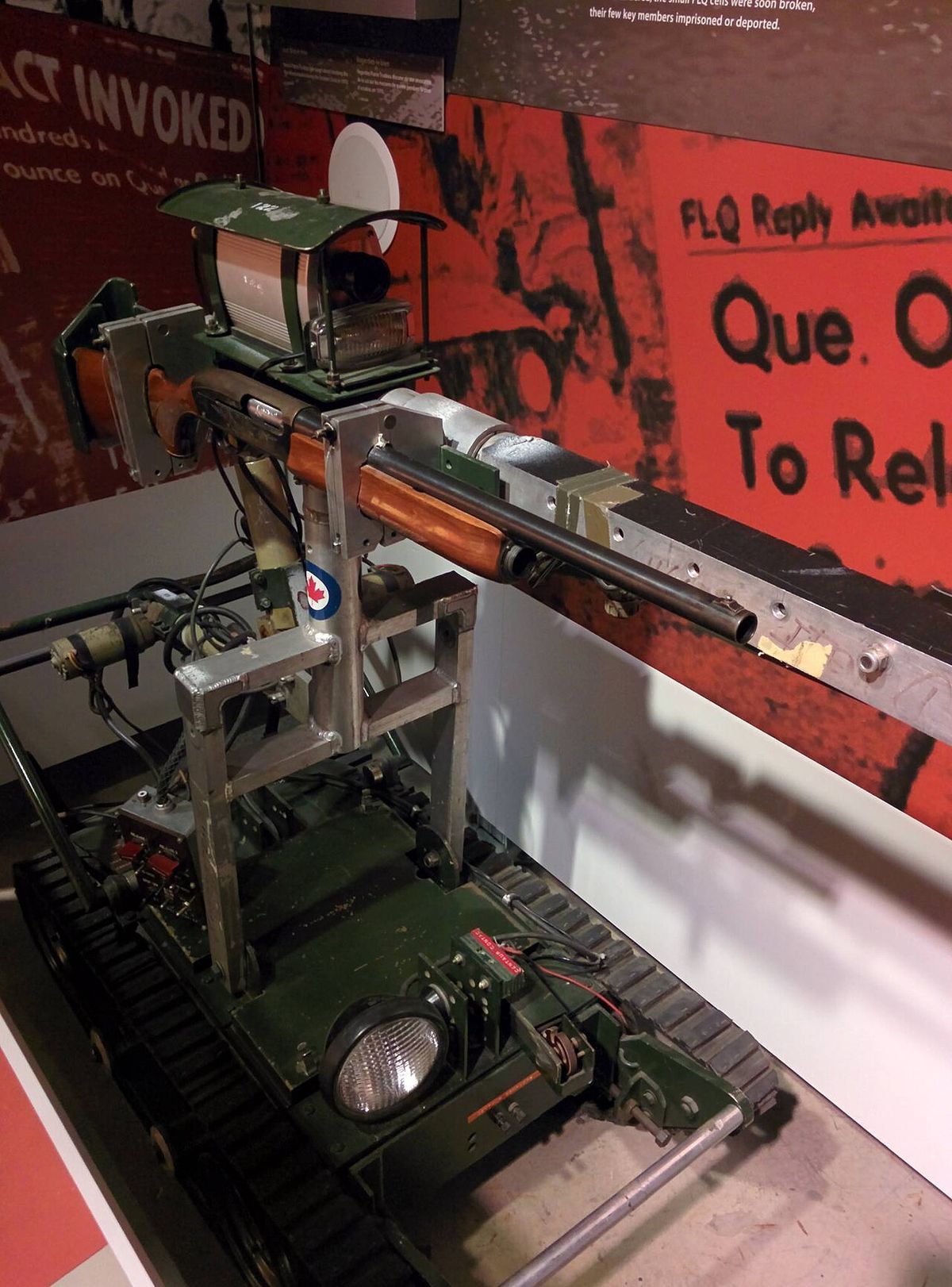
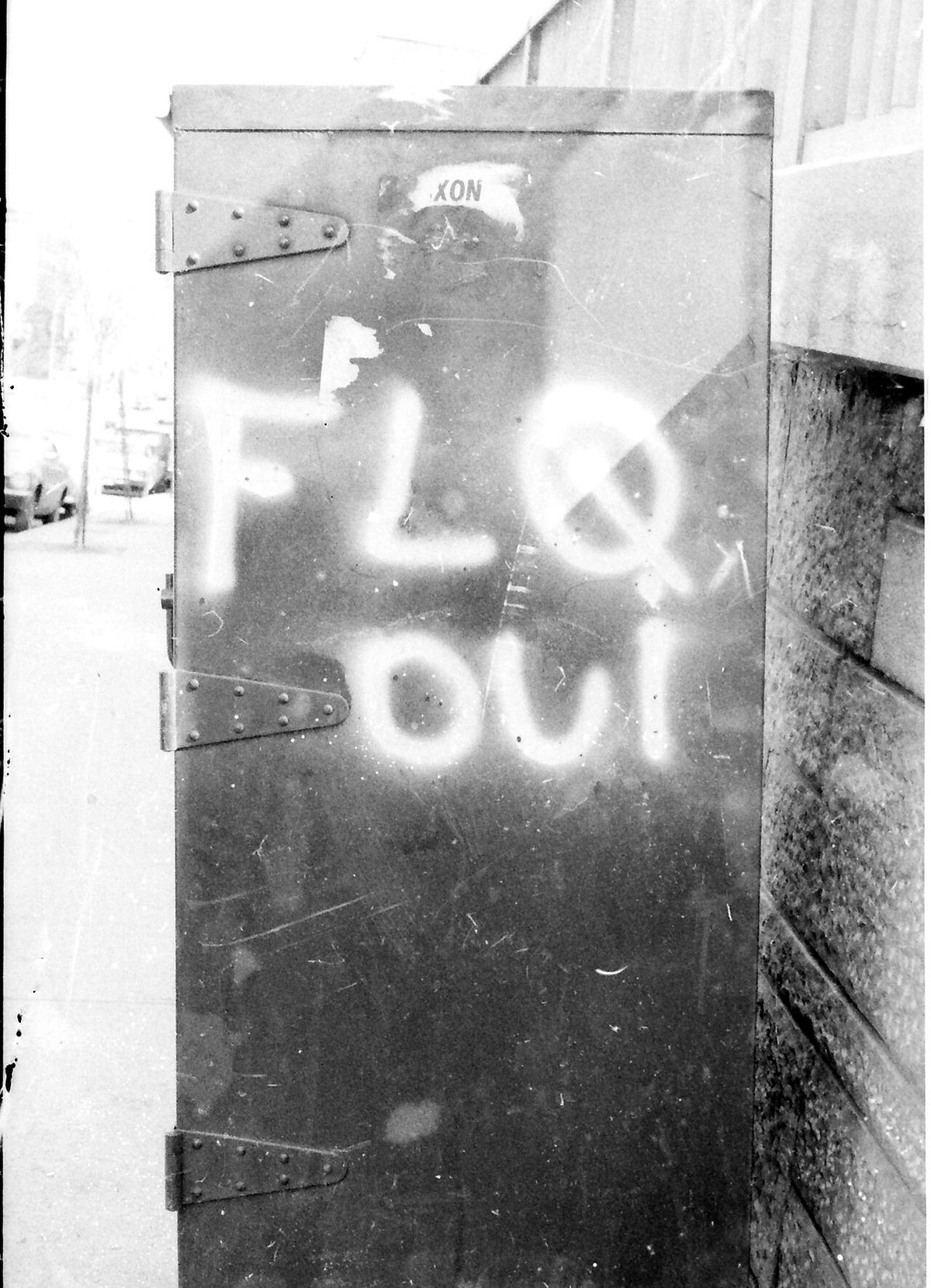
The roots of the October Crisis lay in a prolonged campaign of violence by the Front de libération du Québec, a radical nationalist group seeking Quebec's independence through revolutionary means. From 1963 to 1970, the FLQ was responsible for detonating over 200 bombs across Quebec, primarily targeting symbols of English-Canadian affluence and federal authority. Their most destructive single attack occurred on February 13, 1969, at the Montreal Stock Exchange, causing extensive damage and injuring 27 people. Other frequent targets included Montreal City Hall, Royal Canadian Mounted Police installations, railway tracks, and armed forces recruiting offices. The group financed its operations through bank robberies and strategically stole several tons of dynamite from military and industrial sites. By 1970, 23 FLQ members were in prison, including four convicted of murder. The nationalist cause received a significant, though controversial, boost on July 24, 1967, when French President Charles de Gaulle, during a visit to Montreal, shouted 'Vive le Québec libre' from a balcony, a statement promptly rebuked by Canadian Prime Minister Lester Pearson. In February 1970, Jacques Lanctôt was arrested with a sawed-off shotgun and a communiqué announcing the planned kidnapping of the Israeli consul. In June 1970, a police raid in Prévost found firearms, 140 kilograms of dynamite, and a draft ransom note for a planned kidnapping of the United States consul.
Timeline of Key Events
The crisis began on October 5, 1970, when two members of the FLQ's Liberation Cell, disguised as delivery men, kidnapped British diplomat James Cross from his Montreal home. The kidnappers issued a communiqué demanding the release of FLQ prisoners and the broadcast of their manifesto. On October 8, the FLQ Manifesto was broadcast across French- and English-language media in Quebec. Two days later, on October 10, the FLQ's Chénier Cell kidnapped Quebec Labour Minister Pierre Laporte from the front lawn of his Montreal home while he was playing football with his nephew. The Quebec and federal governments entered a tense period of negotiation, with lawyer Robert Lemieux appointed by the FLQ to negotiate and Robert Demers representing the Quebec government. Public tension escalated dramatically on October 15 when a rally of approximately 3,000 students at Montreal's Paul Sauvé Arena, organized by Lemieux, expressed support for the FLQ, with labour leader Michel Chartrand stating support was rising. The following day, October 16, after a formal request from Quebec Premier Robert Bourassa and Montreal Mayor Jean Drapeau, Prime Minister Pierre Trudeau's cabinet advised the governor general to invoke the War Measures Act. The provisions took effect at 4 a.m., suspending habeas corpus and granting police sweeping arrest powers. The crisis reached its tragic peak on October 17 when the Chénier Cell announced it had executed Pierre Laporte. His body was found strangled in the trunk of a car near Saint-Hubert Airport. James Cross was held for 59 days until his release on December 3, following negotiations that secured safe passage to Cuba for his five kidnappers. The remaining members of the Chénier Cell were arrested on December 28 in a tunnel in Saint-Luc, Quebec, bringing the immediate crisis to a close.
- October 5, 1970: Kidnapping of James Cross in Montreal.
- October 10, 1970: Kidnapping of Pierre Laporte in Montreal.
- October 16, 1970: War Measures Act invoked at 4 a.m.
- October 17, 1970: Body of Pierre Laporte discovered near Saint-Hubert Airport.
- November 6, 1970: Arrest of FLQ member Bernard Lortie.
- December 3, 1970: Release of James Cross. Five kidnappers exiled to Cuba.
- December 28, 1970: Arrest of Paul Rose, Jacques Rose, and Francis Simard in Saint-Luc.
Invocation of the War Measures Act
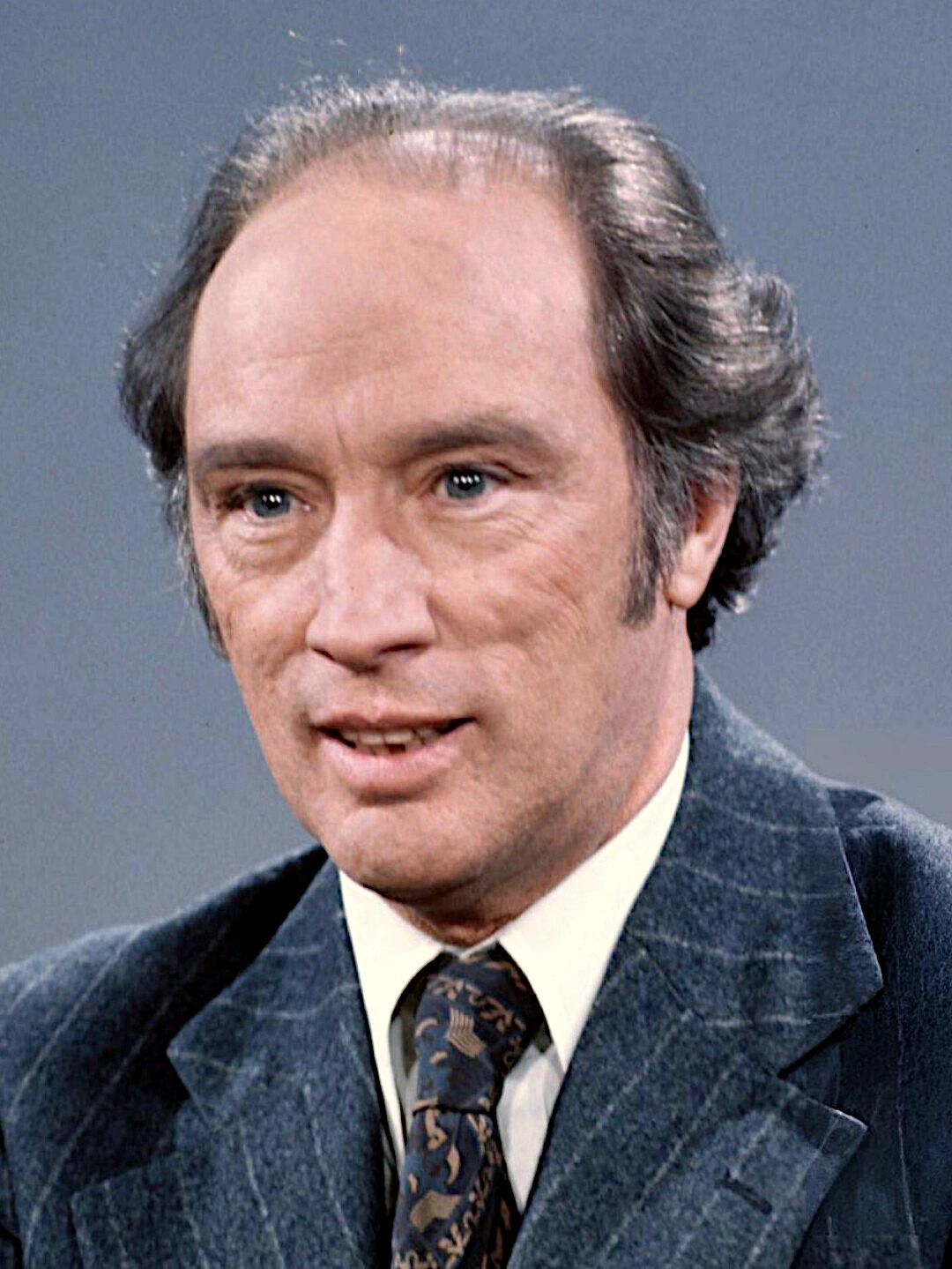
The decision to invoke the War Measures Act was the defining governmental response to the crisis and remains its most controversial aspect. Prime Minister Trudeau announced the imposition in a televised address on October 16, 1970, stating the government had been told that the kidnappers intended to murder two innocent men. The Act was invoked at the request of Quebec Premier Robert Bourassa and Montreal Mayor Jean Drapeau after negotiations with the FLQ had broken down. The Act declared the FLQ an unlawful association, granting police the power to arrest, interrogate, and detain anyone believed to be associated with the group without the usual safeguards of due process. Habeas corpus was suspended, meaning individuals could be held without a judge confirming the lawfulness of their detention. The Crown could detain a suspect for seven days before laying a charge, and the attorney general could extend that detention for up to 21 days. Detainees were not permitted to consult legal counsel initially, and many were held incommunicado. Within the first 24 hours, police conducted around 3,000 searches. In total, 497 people were arrested under the Act's provisions. Those detained included union activist Michel Chartrand, singer Pauline Julien, poet Gaston Miron, and CBC journalist Nick Auf der Maur. Public opinion at the time showed overwhelming support for the measure, with a December 1970 Gallup Poll indicating 89% support among English-speaking Canadians and 86% among French-speaking Canadians. The Act remained in effect until April 30, 1971. The federal cabinet's internal debates showed significant initial skepticism about Quebec's request, with officials like Deputy Minister of Justice Donald Maxwell stating he was not aware facts required special powers. This skepticism shifted within 48 hours leading to the Act's invocation.
Military Deployment and Police Actions
Concurrent with the legal measures, military force was deployed to Quebec under the National Defence Act, separate from the War Measures Act. The Solicitor-General of Quebec requisitioned military aid to support civil power, primarily to free up police resources for proactive investigative work. The Canadian Forces launched Operation Essay to provide this aid within Quebec. To avoid political friction, the army made a concerted effort to deploy primarily French-Canadian soldiers for guard duties in the province. The Royal 22e Régiment, the famous 'Van Doos' regiment based in Quebec City, was deployed to Montreal to guard buildings. Outside Quebec, mainly in the Ottawa area, troops were deployed under federal authority to guard government offices in an operation dubbed Operation Ginger. The military saw no combat during its deployment, which lasted until November 12, 1970, though one soldier was killed in an accidental discharge of his own rifle while on guard duty. The combination of soldiers in the streets and the mass arrests created an atmosphere many described as akin to martial law, though the military remained in a support role to civil authorities and had no judicial function. Police exercised their new powers broadly, and while many interrogations were reported as courteous, officials sometimes abused their powers without just cause. Several prominent artists and intellectuals associated with the sovereignty movement were detained. The Quebec Ombudsman, Louis Marceau, was instructed to hear complaints from detainees, and the Quebec government agreed to pay damages to anyone unjustly arrested.
Aftermath and Legal Proceedings
The immediate aftermath of the crisis involved the legal prosecution of those responsible for the kidnappings and murder. Following the release of James Cross on December 3, 1970, the five members of the Liberation Cell, Marc Carbonneau, Yves Langlois, Jacques Lanctôt, Jacques Cossette-Trudel, and Louise Lanctôt, were flown to Cuba on a Canadian Forces aircraft after the Cuban government approved their exile. The members of the Chénier Cell were apprehended and faced trial in Canada. Bernard Lortie was arrested on November 6, 1970, during a police raid and charged with the kidnapping and murder of Pierre Laporte. The three remaining cell members, Paul Rose, Jacques Rose, and Francis Simard, were arrested on December 28, 1970, in Saint-Luc. They were subsequently charged and convicted for their roles in Laporte's death. By February 3, 1971, Justice Minister John Turner reported that of the 497 people arrested under the War Measures Act, 435 had been released, 62 were charged, and 32 were denied bail due to the seriousness of the accusations against them. The troops stationed in Quebec were fully withdrawn by January 5, 1971, as announced by Prime Minister Trudeau on December 23, 1970. The crisis did not achieve the FLQ's aims but had the opposite effect of strengthening democratic, electoral paths to sovereignty. Support grew for the Parti Québécois, which went on to form the provincial government in 1976 under René Lévesque, who had been a critic of the War Measures Act during the crisis. By 1982 all convicted participants had been paroled and all those exiled to Cuba had returned to Canada.
- Bernard Lortie: Arrested November 6, 1970. Charged with kidnapping and murder.
- Paul Rose: Arrested December 28, 1970. Charged with kidnapping and murder.
- Jacques Rose: Arrested December 28, 1970. Charged with kidnapping and murder.
- Francis Simard: Arrested December 28, 1970. Charged with kidnapping and murder.
- Michel Chartrand: Union activist arrested under the War Measures Act.
- Pauline Julien: Singer arrested under the War Measures Act.
- Gaston Miron: Poet arrested under the War Measures Act.
- Nick Auf der Maur: CBC journalist arrested under the War Measures Act.
Political Reactions and Criticism
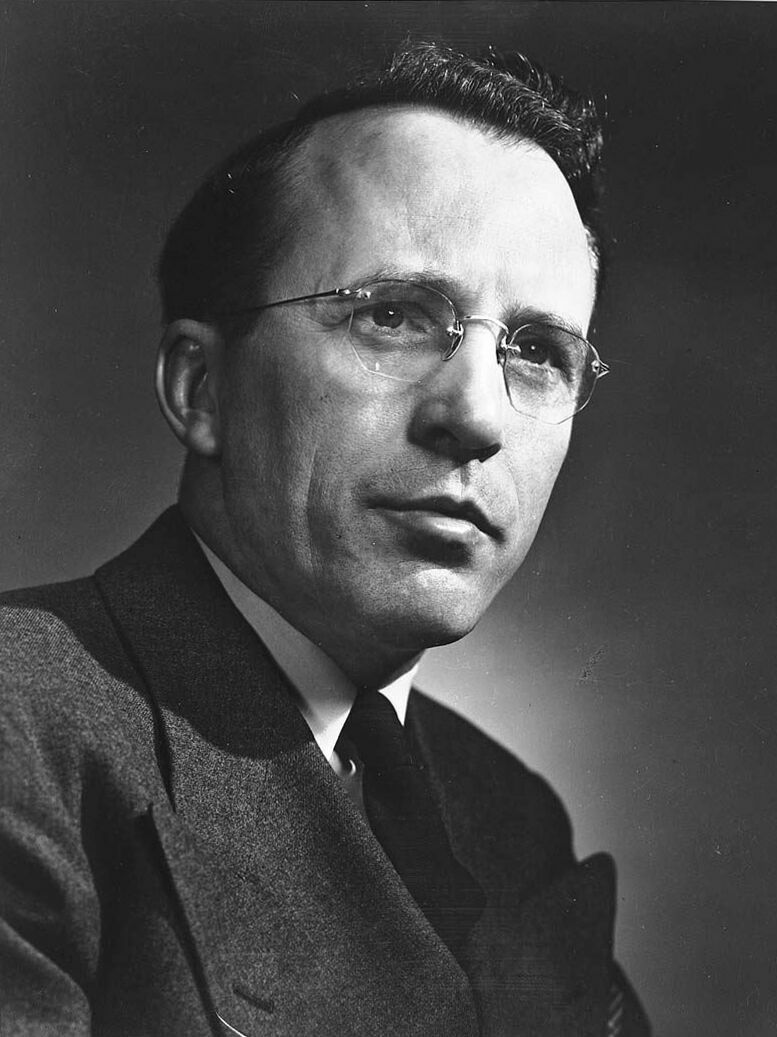
The government's actions during the October Crisis sparked immediate and enduring controversy. While the War Measures Act enjoyed overwhelming popular support in opinion polls at the time, it was criticized by several prominent figures. Quebec politician and future premier René Lévesque, while denouncing FLQ terrorism, criticized the Act as a 'panicky and altogether excessive reaction' given the small number of revolutionaries involved. Federal New Democratic Party leader Tommy Douglas believed Trudeau's use of the Act was excessive and set a dangerous precedent for the suspension of civil liberties. Federal Progressive Conservative leader Robert Stanfield initially supported Trudeau's actions but later expressed regret for doing so. The crisis also exposed tensions within the Quebec government. The federal cabinet's own internal debates showed significant initial opposition to granting emergency powers, with officials believing Quebec had no real strategy. The only time the War Measures Act was used in peacetime, the crisis became a lasting reference point in Canadian debates about the balance between collective security and individual freedoms, the limits of state power, and the right of the government to suspend civil liberties during an emergency. In 1988, the War Measures Act was replaced by the Emergencies Act.
Long-term Impact and Legacy
The October Crisis left a deep and complex legacy on Canadian law, politics, and national identity. The crisis is often cited as a catalyst that pushed the Quebec independence movement from violent radicalism toward the democratic, electoral path championed by the Parti Québécois. The image of Prime Minister Trudeau defiantly stating 'Just watch me' in response to how far he would go has become a widely recognized and debated moment in Canadian political history. The events are studied as a case study in crisis management, counter-terrorism, and the ethical dilemmas of liberal democracies facing internal violent threats. The War Measures Act was replaced by the Emergencies Act in 1988. In October 2020, Bloc Québécois leader Yves-François Blanchet introduced a motion in the House of Commons demanding an official apology from the federal government for invoking the War Measures Act. The memory of the crisis continues to be a historical reference point for understanding contemporary political tensions and challenges to national unity.
Key Figures Involved
The crisis involved a wide array of individuals whose decisions and actions shaped its course. Key political leaders included Prime Minister Pierre Trudeau, Quebec Premier Robert Bourassa, and Montreal Mayor Jean Drapeau, who collectively authorized the extreme measures taken. The victims were British Trade Commissioner James Cross, who was kidnapped and later released, and Quebec Labour Minister Pierre Laporte, who was kidnapped and murdered. The perpetrators from the FLQ's Liberation Cell were Marc Carbonneau, Yves Langlois, Jacques Lanctôt, Jacques Cossette-Trudel, and Louise Lanctôt, who were exiled to Cuba. The members of the Chénier Cell responsible for Laporte's death were Paul Rose, Jacques Rose, Francis Simard, and Bernard Lortie, who were arrested and tried in Canada. Prominent critics included Quebec politician René Lévesque and federal NDP leader Tommy Douglas, who questioned the government's response. Lawyer Robert Lemieux acted as the FLQ's negotiator, while Robert Demers represented the Quebec government in talks. Other notable individuals arrested included Gérald Godin, Dr. Henri Bellemare, Serge Mongeau, and a junior CBC producer. The roles of these individuals encapsulate the conflict between state authority and violent dissent that defined the period.
- Over 200 bombings from 1963 to 1970.
- Montreal Stock Exchange bombing on February 13, 1969, injuring 27.
- Targeting of mailboxes in Westmount.
- Attacks on Montreal City Hall and RCMP installations.
- Theft of several tons of dynamite from military sites.
- Bank robberies to finance operations.
- Attempted kidnapping of the Israeli consul in February 1970.
- Discovery of a draft ransom note for the U.S. consul in June 1970.
Questions about October Crisis
What was the October Crisis in Canada?
The October Crisis was a major political and security emergency in Canada in 1970. It began when the Front de libération du Québec (FLQ) kidnapped British diplomat James Cross and Quebec Labour Minister Pierre Laporte. Prime Minister Pierre Trudeau invoked the War Measures Act, suspending civil liberties and deploying the Canadian Army to Quebec. The crisis ended with Laporte's murder and Cross's release after negotiations. It was the only peacetime use of the War Measures Act.
Why did Pierre Trudeau invoke the War Measures Act?
Prime Minister Pierre Trudeau invoked the War Measures Act on October 16, 1970, at the formal request of Quebec Premier Robert Bourassa and Montreal Mayor Jean Drapeau. The invocation came after the FLQ kidnapped two officials and threatened to execute them. The government believed police needed sweeping powers to arrest and detain suspects to end the kidnappings and prevent further violence. Trudeau stated in a televised address that governments had been told the kidnappers intended to murder two innocent men.
How many people were arrested during the October Crisis?
Under the authority of the War Measures Act, police arrested a total of 497 people. Habeas corpus was suspended, allowing individuals to be detained without charge. Police conducted approximately 3,000 searches in the first 24 hours. Those arrested included suspected FLQ members, artists, intellectuals, and labour activists. By February 3, 1971, 435 had been released, 62 were charged, and 32 were denied bail.
What happened to the FLQ kidnappers?
The five members of the Liberation Cell, which kidnapped James Cross, were granted safe passage to Cuba on December 3, 1970, as part of the negotiation that secured Cross's release after 59 days. The members of the Chénier Cell, responsible for kidnapping and murdering Pierre Laporte, were arrested and tried in Canada. Bernard Lortie was arrested on November 6, 1970. Paul Rose, Jacques Rose, and Francis Simard were arrested on December 28, 1970. They were convicted and imprisoned.
Was the War Measures Act popular with Canadians at the time?
Public opinion polls showed overwhelming support for the invocation of the War Measures Act. A Gallup Poll in December 1970 indicated 89% of English-speaking Canadians and 86% of French-speaking Canadians in Quebec supported the decision. Only 6% of English speakers and 9% of French speakers disapproved. The decision faced criticism from politicians like Tommy Douglas and René Lévesque, who argued it was excessive.
What is the legacy of the October Crisis today?
The October Crisis remains a critical case study in Canadian history regarding the balance between state security and civil liberties. It accelerated the shift of the Quebec sovereignty movement toward electoral politics, strengthening the Parti Québécois. The War Measures Act was replaced by the Emergencies Act in 1988. In 2020, the Bloc Québécois demanded an apology for the Act's invocation. The crisis continues to be a historical reference point for understanding political tensions.
Sources and further reading
- October Crisis (Wikipedia)
- October Crisis: Canadians are tested again by threats both ... (legionmagazine.com)
- Fifty-six years ago, Pierre Trudeau invoked the War ... (theglobeandmail.com)
Checked by the Nosy Mag desk. Last updated 2026-10-20.