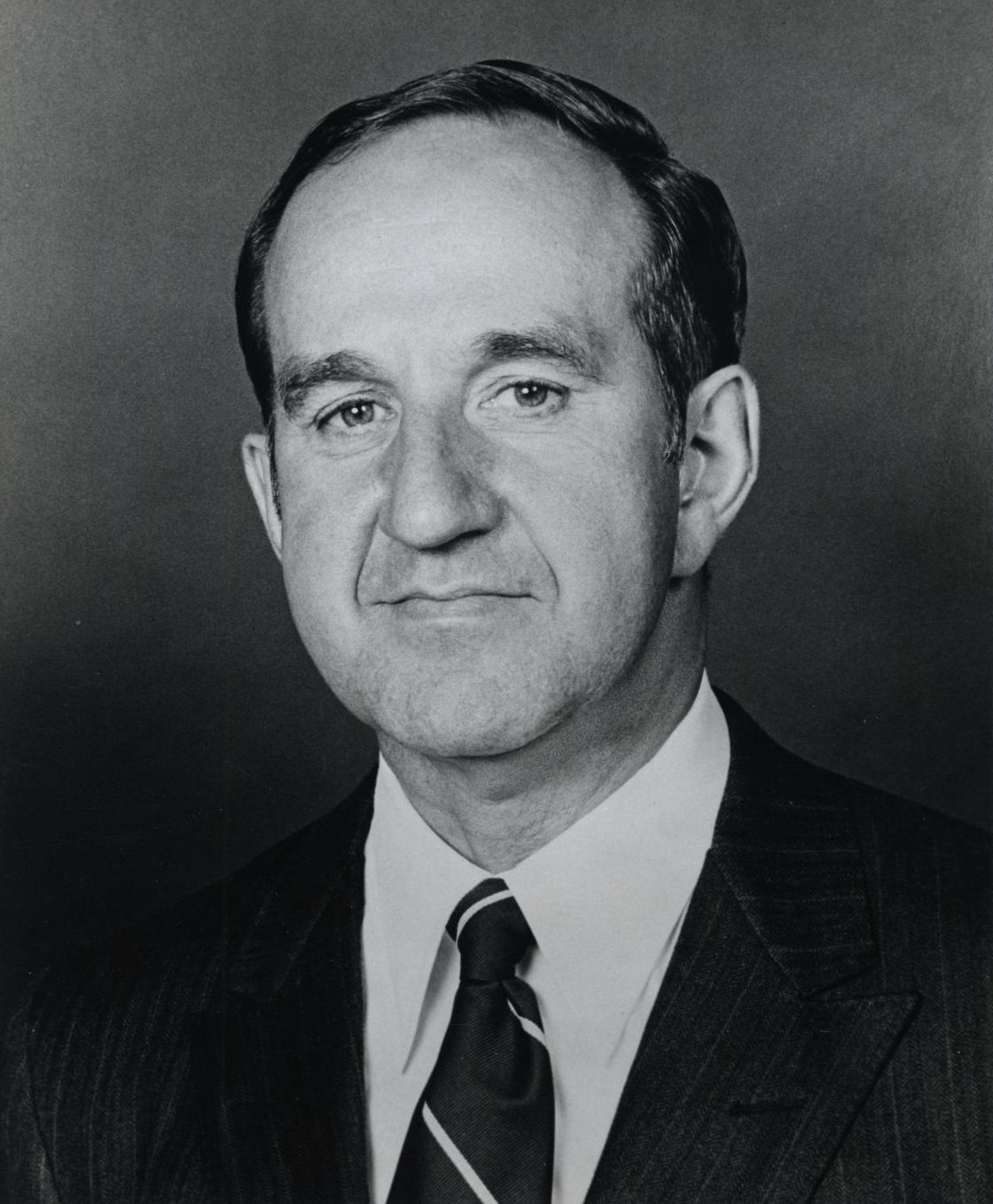
Pierre Laporte
Pierre Laporte was a Canadian lawyer, journalist and provincial politician who served as Quebec's deputy premier. A leading figure in the Quebec Liberal Party, his career was defined by his investigative journalism against the Duplessis government and his subsequent ministerial roles in the 1960s. Laporte's life was tragically cut short when he was kidnapped and murdered by the Front de libération du Québec (FLQ) in October 1970, an event that became a central part of the October Crisis. His legacy is commemorated in the naming of a Quebec provincial electoral district, Pierre-Laporte.
Early Career and Investigative Journalism
Pierre Laporte was born in Montreal on 25 February 1921, the grandson of Liberal politician Alfred Leduc. He graduated from the Université de Montréal Law School in 1950 and was hired by the newspaper Le Devoir, where he worked from 1945 to 1961. Laporte established himself as a courageous investigative journalist during the era of Premier Maurice Duplessis. He published numerous series targeting the management of the Union Nationale government, including a six-part exposé in 1954 on alleged kickbacks during the construction of the Bersimis-1 generating station. Duplessis responded with fierce personal attacks, calling Laporte a man without a heart, a pig, a snake and a slothy individual whose journalism pandered to the vilest instincts of yellow journalism. In 1958, Laporte was part of the Le Devoir team that exposed the natural gas scandal, which led to the formation of the Salvas Commission after the 1960 election. His work demonstrated a commitment to holding power to account and laid the groundwork for his future political career.
Laporte's journalism was not confined to a single publication or tone, as he also wrote campaign pamphlets for the Union Nationale during elections even while criticizing the government in public. In 1954, he published a column in the left-wing newspaper Vrai where he wrote that the Union Nationale was rotten, a fruit whose stink wafted all the way to the provincial borders. His biographer, Jean-Charles Panneton, stated that Laporte was very courageous and a pioneer of investigative journalism in an era when it was not commonly practiced. This period of intense scrutiny of the Duplessis regime defined his public persona long before he entered electoral politics.
Political Career and Ministerial Roles
Following the death of Maurice Duplessis, Pierre Laporte entered provincial politics, successfully running for the Quebec Liberal Party in a 1961 by-election in the riding of Chambly. He served in the government of Premier Jean Lesage and was considered a leading member of the party's left wing, often taking a populist line as a defender of the average citizen. Laporte held several cabinet portfolios, beginning as Minister of Municipal Affairs from 1962 to 1966. During this tenure, he was the leading force behind a 1962 bill that disqualified J. Aldéo Léo Rémillard, the Union Nationale mayor of Ville Jacques-Cartier, from office due to a criminal record, and in 1965 he introduced the bill that led to the merger of several municipalities creating the city of Laval. He also served as Minister of Cultural Affairs from 1964 to 1966. His time in office was not without controversy, as he faced accusations of conflict of interest in 1962 for government rentals from a firm he owned, earning him the mocking nickname Monsieur Dix Pour Cent and leading to newspaper cartoons showing him leading bulldozers into Quebec City.
After the Liberals lost the 1966 election to the Union Nationale, Laporte served in opposition for four years. Union Nationale Premier Daniel Johnson Sr. derisively called him le roi des patroneux, or king of the porkbarrel. When Jean Lesage announced his resignation in 1969, Laporte ran to succeed him as Liberal leader. He lost the 1970 Quebec Liberal Party leadership election to his fellow cabinet member Robert Bourassa. Following the Liberal victory in the April 1970 general election, Premier Bourassa advised the Lieutenant Governor to appoint Laporte to a powerful suite of positions. His final political appointments, held for only a few months before his kidnapping, included several key roles that consolidated his power as the second most prominent figure in the Bourassa government at a time of rising social and political tension in the province.
- Deputy Premier of Quebec (1970)
- Parliamentary Leader of the government (1970)
- Minister of Immigration (1970)
- Minister of Labour and Manpower (1970)
Links to Organized Crime and the 1970 Election
During his political career, Pierre Laporte had troubling connections to organized crime figures, though there is no evidence he was personally involved in criminal activities. His principal aides, René Gagnon and Jacques Côté, received campaign contributions from Frank D'Asti and Nicolo Di Iorio, capos of the Cotroni crime family, during both Laporte's 1969 leadership bid and the 1970 provincial election. Royal Canadian Mounted Police surveillance observed a meeting between Laporte, his aides, and the two mafiosi in a Montreal apartment on 16 April 1970, noting Laporte arrived at about 1740 hours and left at about 1850 hours. Police wiretaps on 3 May 1970 recorded D'Asti, Di Iorio, Angelo Lanzo and Romeo Bucci discussing their hopes that Laporte would be appointed Attorney General, expecting favours in return. According to the aides, the meeting was called by the mobsters to warn Laporte about allegations of electoral fraud in Montreal, ending with Laporte asking them to keep Côté informed of developments.
A Royal Canadian Mounted Police summary dated 17 September 1970 stated the mobsters foresaw they would be able to get favors from Laporte and were very hopeful he would be appointed justice minister. They were very disappointed when he was named minister of labour and immigration instead, though they were later assured by Côté they would have no problems with Justice Minister Jerôme Choquette. The authorities in Ottawa considered Laporte's situation highly sensitive and made it clear they did not want the Mounties investigating him directly. These links to the Cotroni family would later become a factor cited by the FLQ in their decision to target him for kidnapping, aiming to embarrass the government with a minister of unemployment and assimilation they claimed was connected to corruption.
The October Crisis: Kidnapping and Murder
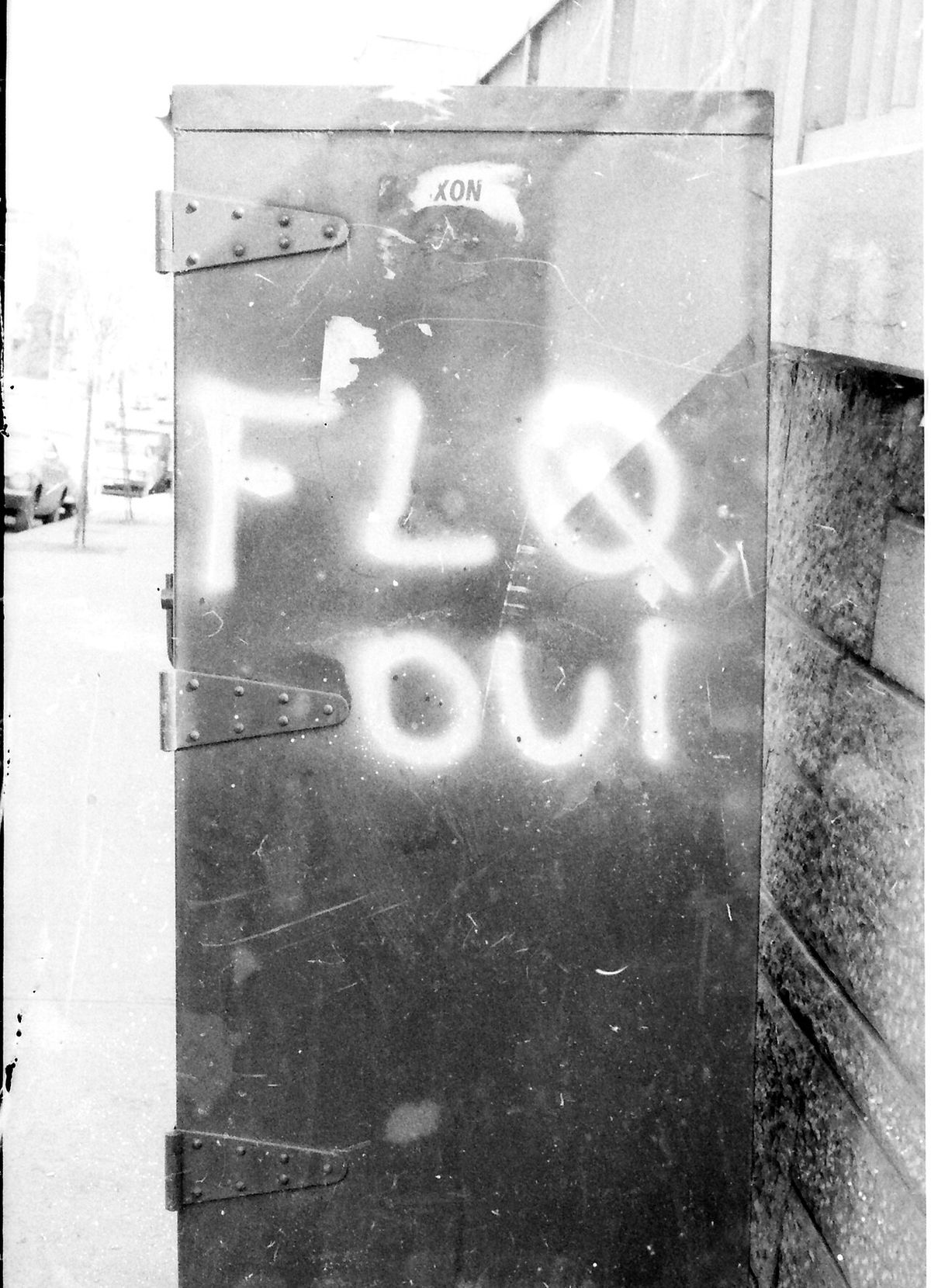
The October Crisis of 1970 began with the kidnapping of British diplomat James Cross by the FLQ on 5 October. Laporte initially called the Cross kidnapping a wind of madness temporarily blowing across Canada. Five days later, on 10 October, Pierre Laporte was kidnapped from the front lawn of his home on Robitaille Street in Saint-Lambert by the FLQ's Chénier Cell, comprising Paul Rose, Jacques Rose, Francis Simard, and Bernard Lortie. The cell approached Laporte while he was playing football with his nephew Claude and forced him into a vehicle at gunpoint as he went to pick up the football. The cell chose Laporte partly because of his government links to the Cotroni family, which they believed would embarrass the Bourassa government, and partly because he had no bodyguards. Dubbing him the Minister of Unemployment and Assimilation, the kidnappers demanded the release of 23 so called political prisoners in exchange for his freedom. They also intended to force him to write a confession about his mafia connections, which they hoped would be the Magna Carta of corruption in Quebec, though Laporte was defiant, telling his captors it would all work out perfectly.
Prime Minister Pierre Trudeau invoked the War Measures Act on 16 October, authorizing widespread searches and arrests. Trudeau stated that nothing the government had done could excuse injury to the hostages and promised unceasing pursuit of those responsible. Laporte was held handcuffed, chained to the floor, and blindfolded in a house at 5630 Armstrong Street in Longueuil. On the afternoon of 16 October, hearing a police siren responding to a fire further down the street, he attempted to escape by throwing himself through a window but was left dangling, severely cutting the arteries on his left wrist, right thumb and in his chest on broken glass. As he dangled he screamed for help in French, but only his captors heard him. Bleeding badly through the night, his captors decided he could not be taken to a hospital. Francis Simard later described Laporte as looking like a zombie, stripped of all life, and said he looked totally empty as if he had already received the death blow. On the morning of 17 October 1970, two men held him in place while a third wrapped the leg chain around his neck and strangled him to death. His body was discovered later that day in the trunk of a car at the Montreal Saint-Hubert Longueuil Airport. The Chénier Cell members were arrested by the Sûreté du Québec on 28 December 1970 at a farmhouse south of Montreal.
Aftermath, Trials and Conflicting Narratives
The murder of Pierre Laporte sent shockwaves across Canada and marked a violent escalation in Quebec's political tensions. In the immediate aftermath, his aide René Gagnon was approached by Frank D'Asti and Nicolo Di Iorio on 17 October, who stated their boss Vic Cotroni had ordered the family to find Laporte and claimed they knew where he was. Minutes after this offer, Gagnon heard the news of the murder on the radio. Laporte was buried at Cimetière Notre-Dame-des-Neiges on 20 October 1970 in a funeral attended by the political elite from Ottawa and Quebec City. The legal proceedings and public accounts of the crime evolved over the following decade, creating conflicting narratives about the event and the motivations behind it.
- 1971: While in police custody on 4 January, Francis Simard wrote an unsigned statement saying he and the two Rose brothers killed Laporte.
- 1977: Separatist journalist Pierre Vallières published L'exécution de Pierre Laporte, advancing a conspiracy theory that the Canadian Army, RCMP, and Cotroni family murdered Laporte to discredit the FLQ.
- 1980: A report by Justice Duchaine concluded at least Jacques Rose and Francis Simard were present at the killing, though it did not name who performed the strangulation.
- 1982: The four Chénier Cell members co-authored Pour en finir avec octobre, explicitly accepting collective responsibility for the murder while refusing to name the individual who strangled Laporte and expressing no remorse. They dismissed Vallières's book as idiocies and a theory of infiltration of the enemy coming from the inside.
- 2010: Journalist Guy Gendron produced a Radio-Canada documentary series asserting the killing was unintentional, that Laporte was choked in a moment of panic, a portrayal criticized by Montreal Gazette journalist Dan MacPherson as part of a tendency to whitewash the FLQ.
The members of the Chénier Cell were arrested on 28 December 1970 and served prison terms ranging from 20 years to life. However, they were all released on parole much earlier than their original sentences. In their 1982 book, Pour en finir avec octobre, they stated explicitly that Pierre Laporte was murdered and that his death was not accidental. The four co-authors, Francis Simard, Paul and Jacques Rose, and Bernard Lortie, confirmed their complete and unlimited responsibility for the killing. Despite this admission, they expressed no remorse for the murder and offered no apologies to Laporte's family.
Legacy and Commemoration
Pierre Laporte is remembered as a dedicated public servant whose life was violently taken during a period of national crisis. His legacy is honoured in several tangible ways that ensure his story is not forgotten by future generations. On the 40th anniversary of his death, 17 October 2010, then Premier Jean Charest unveiled a monument to Laporte at the St. Lawrence Seaway Park in Saint-Lambert, near his former home on Robitaille Street. The monument is inscribed with the words Nul ne vit pour soi-même. Nul ne meurt pour soi-même, which translates to No one lives for oneself. No one dies for oneself. A middle school in Toronto also bears his name, extending his commemoration beyond Quebec. Most significantly, his name was posthumously attached to a Quebec provincial electoral district, ensuring his name endures in the province's political geography.
The Pierre-Laporte Electoral District and 2026 Election
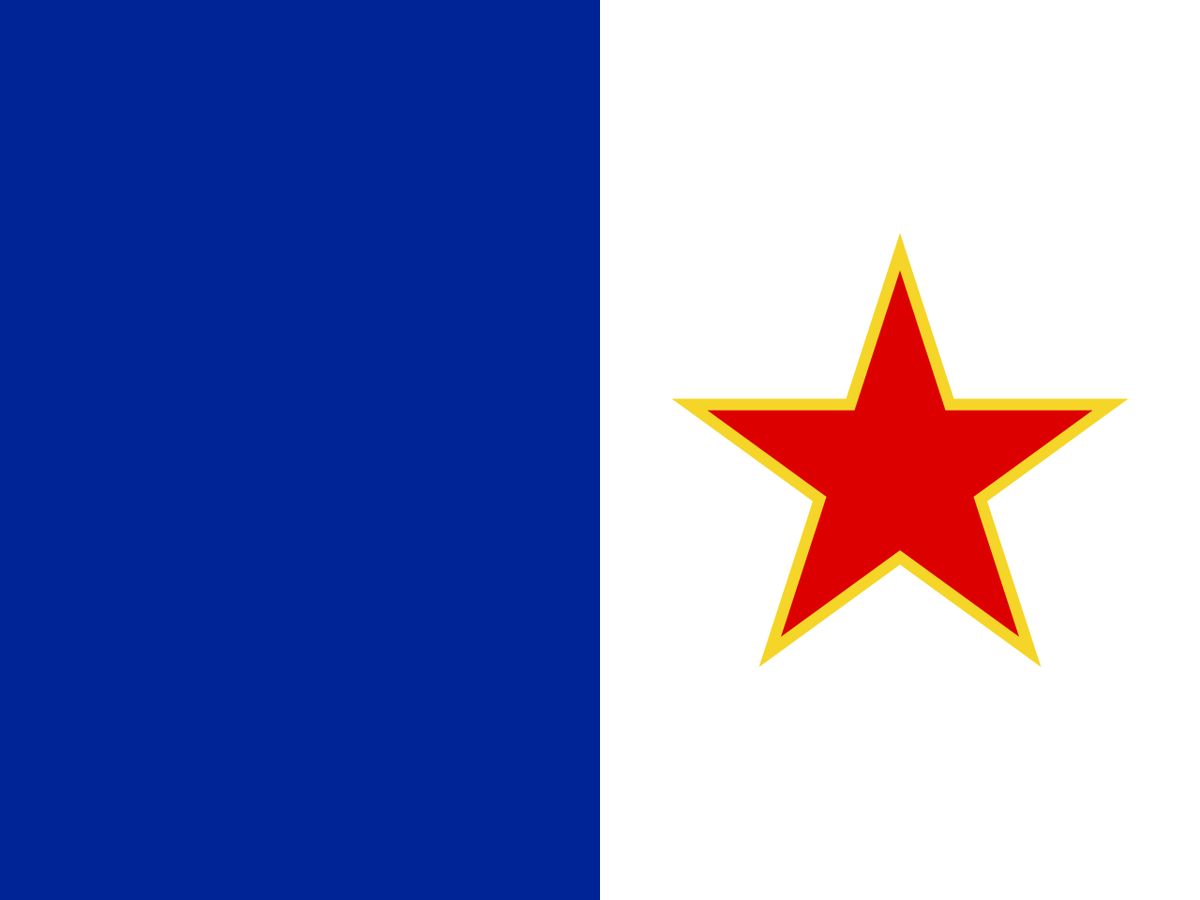
The provincial electoral district of Pierre-Laporte serves as a lasting geographical tribute to the late minister. The riding was officially renamed from Laporte to Pierre-Laporte in June 2025, with the new name taking effect for the 2026 Quebec general election. The district's boundaries were reviewed and potentially adjusted as part of the 2026 provincial electoral map review. The socio demographic data for the riding, including population and number of electors, is drawn from Statistics Canada's 2021 census. The 2026 election in Pierre-Laporte featured a competitive slate of candidates representing Quebec's major political parties.
- Quebec Liberal Party (LIB): David Bowles, who was elected as the Member of the National Assembly for the riding.
- Parti Québécois (PQ): Anne-Sophie Maguire Armand, a school director and former actress with twenty years of experience in public education.
- Québec Solidaire (QS): Claude Lefrançois.
- Conservative Party of Quebec (CPQ): Mi Jie.
- Parti Vert du Québec: Yahia Ghzala, an architect and public servant advocating for the environment and affordable housing.
- Canadian Party of Quebec: Michael Douris, a candidate holding a BA.
Personal Life and Character
Pierre Laporte was a devoted family man who adored his wife, Françoise. Colleagues and friends described him as someone who preferred his wife's company, taking her fishing and travelling together, and who introduced her with great affection. Peter Edwards, the crime correspondent of The Toronto Star, wrote in 1990 that Laporte was a devoted family man. One acquaintance stated that Laporte was the type of guy who went fishing with his wife and would not go to a stag party, and he would always think how he could take his wife when travelling. His biographer, Jean-Charles Panneton, noted his courage as a pioneering investigative journalist. In politics, he cultivated a populist image, warning in a speech that governments must look after the interests of the average men to prevent societal upheaval. Despite the controversies and nicknames that dogged his ministerial career, he was seen as a hardworking and committed politician. The deep personal tragedy of his kidnapping and murder reveals a man who, in his final hours, made a desperate attempt to escape, screaming for help in French, and who faced his death with a resigned silence as he grew weaker and refused to speak.
Questions about Pierre Laporte
Who was Pierre Laporte and why is he important in Canadian history?
Pierre Laporte was a Quebec lawyer, journalist, and Liberal politician who served as the province's deputy premier and minister of labour and manpower. He is a central figure in Canadian history because he was kidnapped and murdered by the Front de libération du Québec in October 1970 during the October Crisis. This event led Prime Minister Pierre Trudeau to invoke the War Measures Act, marking one of the most dramatic uses of federal emergency powers in peacetime Canada. His career also included significant work as an investigative journalist opposing the Duplessis government and later as a cabinet minister responsible for municipal affairs and cultural affairs.
How did Pierre Laporte die?
Pierre Laporte was murdered on 17 October 1970 by members of the FLQ's Chénier Cell who were holding him hostage. After a failed escape attempt during which he was severely cut by glass, he was bleeding badly from severed arteries. His captors, deciding they could not take him to a hospital, strangled him to death using the chains that had been binding his legs. His body was discovered later the same day in the trunk of a car at the Montreal Saint-Hubert Longueuil Airport. The four members of the cell, Paul Rose, Jacques Rose, Francis Simard, and Bernard Lortie, were later arrested, convicted, and served prison sentences for the crime.
What is the Pierre-Laporte riding in Quebec?
Pierre-Laporte is a provincial electoral district in Quebec named in honour of the late politician. The riding was originally created as Laporte in 1972 and was renamed Pierre-Laporte in June 2025 ahead of the 2026 Quebec general election. It includes the city of Saint-Lambert, where Laporte was kidnapped. In the 2026 election, the candidates included David Bowles (Liberal), Anne-Sophie Maguire Armand (Parti Québécois), Claude Lefrançois (Québec Solidaire), and Mi Jie (Conservative Party of Quebec), with Bowles being elected.
What were Pierre Laporte's connections to organized crime?
During his political campaigns, Pierre Laporte's principal aides, René Gagnon and Jacques Côté, received cash campaign contributions from Frank D'Asti and Nicolo Di Iorio, who were capos in the Cotroni crime family. RCMP surveillance observed a meeting between Laporte, his aides, and these mobsters in a Montreal apartment on 16 April 1970. Police wiretaps on 3 May 1970 indicated the mobsters hoped Laporte would become Attorney General so they could obtain favours. There is no evidence that Laporte was personally involved in criminal activities. The authorities in Ottawa considered the matter sensitive, instructing the RCMP not to investigate him directly. The FLQ later cited these connections as one reason for targeting him for kidnapping.
Where is the monument to Pierre Laporte located?
A monument to Pierre Laporte was unveiled on the 40th anniversary of his death, 17 October 2010, by then Premier Jean Charest. It is located at the St. Lawrence Seaway Park in Saint-Lambert, Quebec, near his former home on Robitaille Street where he was kidnapped. The monument is inscribed with the phrase Nul ne vit pour soi-même. Nul ne meurt pour soi-même, which translates to No one lives for oneself. No one dies for oneself.
What was Pierre Laporte's role as a journalist?
Before entering politics, Pierre Laporte was a prominent investigative journalist for Le Devoir from 1945 to 1961. He was known for his work challenging the practices of Premier Maurice Duplessis's Union Nationale government. His major investigations included a 1954 series alleging kickbacks in the construction of the Bersimis-1 dam and his role in exposing the 1958 natural gas scandal, which led to the Salvas Commission public inquiry. Duplessis famously attacked him in speeches, calling him a pig and a snake. Laporte's biographer described him as a pioneer of investigative journalism in an era when the media was largely docile towards the government.
Sources and further reading
- Pierre Laporte (Wikipedia)
- Pierre-Laporte, Electoral division information sheet (electionsquebec.qc.ca)
- Yahia Ghzala, Candidate in Pierre-Laporte (pvq.qc.ca)
Checked by the Nosy Mag desk. Last updated 2026-10-28.