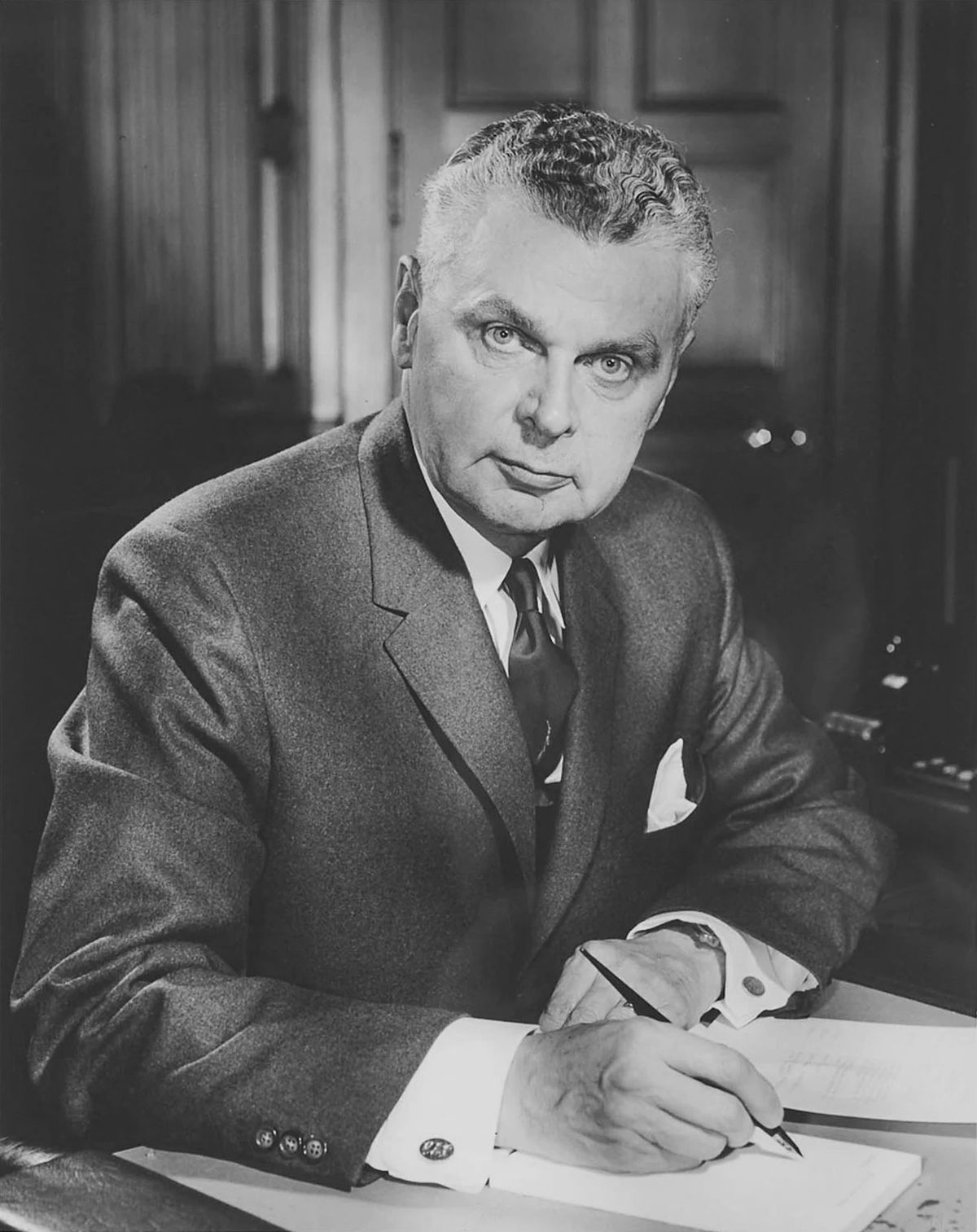
Tommy Douglas
Thomas Clement "Tommy" Douglas was a Scottish-born Canadian politician and Baptist minister. He served as the seventh premier of Saskatchewan from 1944 to 1961, leading the first social democratic government in North America. Douglas later became the first leader of the federal New Democratic Party from 1961 to 1971. He is best known for introducing the continent's first single-payer, universal health care program in Saskatchewan. In a 2004 CBC Television survey, he was named "The Greatest Canadian."
Early Life and Formative Experiences
Thomas Clement Douglas was born in Falkirk, Scotland, in 1904 and immigrated to Winnipeg, Canada, with his family in 1910 at age seven. Shortly before emigrating, he fell and injured his right knee, developing osteomyelitis, a severe bone infection. After multiple operations in Scotland failed to cure him, doctors in Winnipeg warned his leg might need amputation. A prominent surgeon offered to treat him for free if medical students could observe, a series of operations that ultimately saved his leg. This childhood ordeal convinced him that health care should be free to all, and he later reflected that no child's life or limb should hinge on their parents' financial capacity.
During the First World War, his family returned to Glasgow, coming back to Winnipeg in late 1918. As a 14-year-old, Douglas witnessed the Winnipeg General Strike from a rooftop on Main Street. He saw police charge strikers with clubs and guns, a streetcar overturned and set ablaze, and the Royal Canadian Mounted Police shoot and kill a worker. This violent suppression of labour protest influenced his later commitment to protect fundamental freedoms in a bill of rights. In his youth, Douglas also took up amateur boxing at the One Big Union gym in Winnipeg. He won the Lightweight Championship of Manitoba in 1922 after a six-round fight, and he held the title the following year.
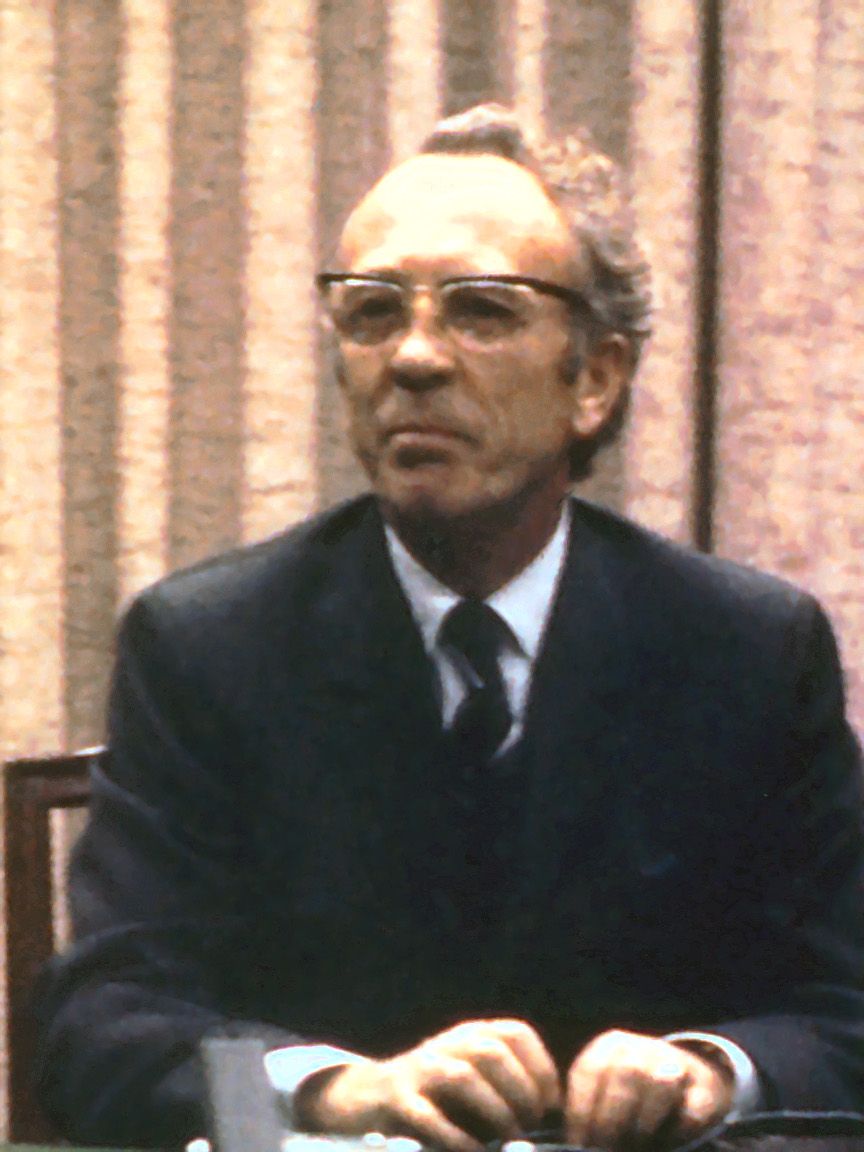
Education and Theological Development
Douglas started elementary school in Winnipeg and completed his elementary education after returning to Glasgow. He dropped out of high school at 13 to work in a cork factory, but the family returned to Winnipeg when the war ended. He then entered the printing trades, serving a five-year apprenticeship and working as a Linotype operator. Deciding to pursue the ministry, he enrolled at Brandon College, a Baptist school, in 1924 at age 19 to finish high school and study theology. During his six years there, he was deeply influenced by the Social Gospel movement, which linked Christian ethics with social reform.
Douglas financed his education by serving as a student minister for several rural churches, preaching sermons that advocated for social reform. He also earned money by performing entertaining monologues and poetry recitals at church suppers and service club meetings. It was while preaching at a Presbyterian church in Carberry, Manitoba, that he met Irma Dempsey, a farmer's daughter whom he would later marry. He graduated from Brandon College in 1930 and went on to complete a Master of Arts in sociology at McMaster University in 1933. His MA thesis, "The Problems of the Subnormal Family," endorsed eugenics, proposing state controls on marriage and sterilization for those deemed unfit, a view he later recanted.
In the summer of 1931, Douglas continued his studies in sociology at the University of Chicago. He conducted field work in the Depression-era hobo camps, where about 75,000 transients sheltered. He interviewed men who once belonged to the American middle class, such as despondent bank clerks, lawyers, and doctors. Douglas was equally disturbed that members of the Socialist Party sat around quoting Marx and Lenin while refusing to help the destitute. He never completed his PhD thesis, but this experience soured him with absolutists who wanted to talk about a blueprint for society and do nothing about it.
Entry into Politics and Federal Service
After graduating and marrying Irma Dempsey in 1930, Douglas moved to Weyburn, Saskatchewan, where he was ordained as a minister at the Calvary Baptist Church. The hardships of the Great Depression quickly turned him into a social activist, and he joined the newly formed Co-operative Commonwealth Federation (CCF). He was elected to the House of Commons as the CCF MP for Weyburn in the 1935 federal election. During the September 1939 special House of Commons debate on entering the war, Douglas, who had visited Nazi Germany in 1936, supported going to war against Hitler.
He broke with his pacifist party leader, J. S. Woodsworth, to support the war, arguing that force was necessary to defend democratic freedoms. A medical examination later revealed his old leg ailment, preventing him from deploying with his regiment. His regiment, the Grenadiers, was sent to Hong Kong, where most were killed or captured in December 1941. Douglas remained in Canada, continuing his parliamentary duties. In 1942, while still a federal MP, he was elected leader of the Saskatchewan CCF, successfully challenging incumbent George Hara Williams. He did not resign his federal seat until 1 June 1944, just before leading his provincial party into a historic election.
Premier of Saskatchewan and Pioneering Reforms
On 15 June 1944, Tommy Douglas led the Saskatchewan CCF to a landslide victory, winning 47 of 52 seats and forming the first social democratic government in North America. At age 39, he became premier and began an ambitious program of reform. His government's first term was remarkably productive, passing over 100 bills. Key innovations from this period included the creation of the publicly owned Saskatchewan Power Corporation, which began extending electrical service to isolated farms and villages.
The government also established Canada's first publicly owned automotive insurance service, the Saskatchewan Government Insurance Office. It passed legislation allowing the unionization of the public service and removed the sales tax on food. Douglas's administration was fiscally prudent under Provincial Treasurer Clarence Fines, paying down the provincial debt left by the previous government and eventually creating a budget surplus. This financial management enabled further social investments, including new departments like the Department of Co-operatives.
Douglas's government broke new ground in human rights by passing the Saskatchewan Bill of Rights in 1947. This legislation protected fundamental freedoms and equality rights against abuse by both government actors and private institutions. It preceded the United Nations' Universal Declaration of Human Rights by 18 months. Among the most significant early reforms was the introduction of publicly funded health services. In 1944, the government made medical, hospital, and dental services free for pensioners and provided free treatment for diseases like cancer and tuberculosis.
In 1947, Douglas introduced North America's first universal, publicly funded hospital insurance plan, available to all residents for a premium of five dollars per person per year. He argued this spread the financial burden of illness across the entire population rather than letting it fall solely on the sick. The Douglas government won five consecutive majority mandates, remaining in power until 1961. He attended the coronation of Elizabeth II in June 1953. In January 1950, he was the first head of any government in Canada to call for a constitutional bill of rights at a federal-provincial conference.
The Fight for Medicare
Tommy Douglas's most enduring achievement was laying the foundation for Canada's universal health care system, known as Medicare. His government's 1947 hospital insurance plan was the crucial first step. By 1959, with the provincial finances strong, Douglas announced plans for a comprehensive, single-payer medical care plan to cover physicians' services. The legislation was passed, but its implementation in 1962, under his successor Woodrow Lloyd, triggered the bitter Saskatchewan doctors' strike.
The medical establishment opposed the plan, using scare tactics, including racist imagery, claiming Douglas would import foreign doctors. The doctors feared a significant loss of income and government interference in medical care decisions. The strike brought medical services to a halt during the summer of 1962 but was ultimately resolved through negotiation. Saskatchewan's medicare program proved successful and attracted national attention, leading Prime Minister John Diefenbaker to appoint Justice Emmett Hall to chair a Royal Commission on Health Services.
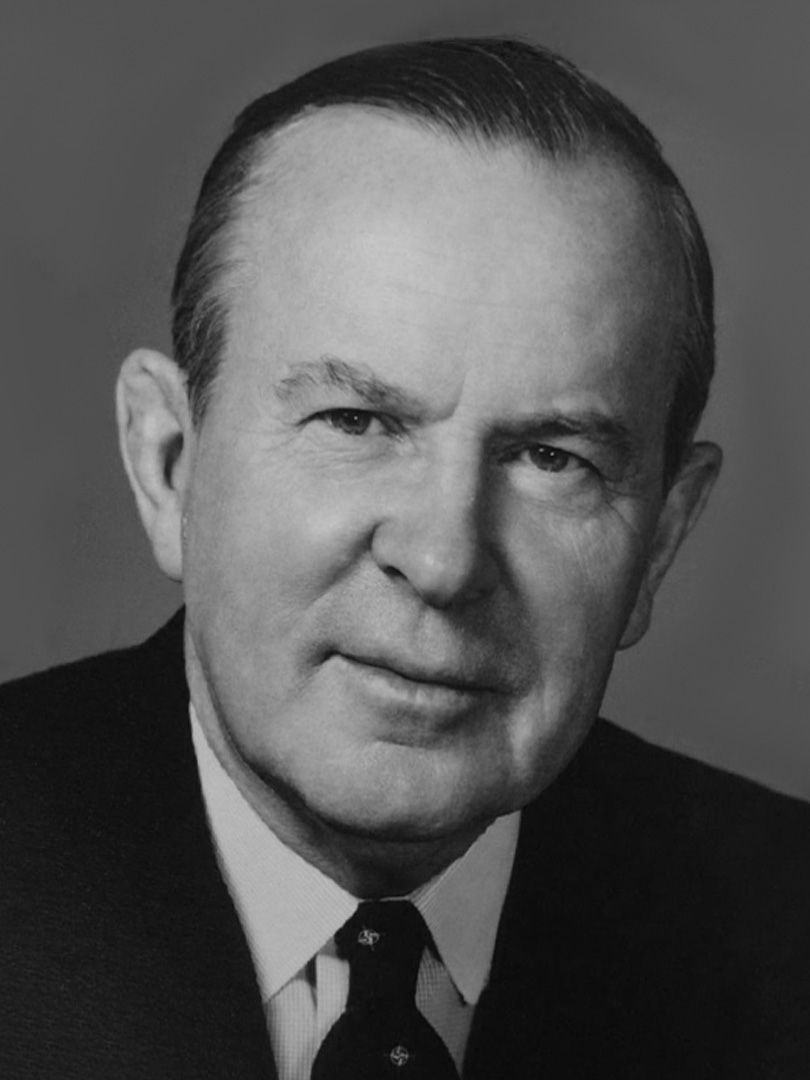
In 1964, the Hall Commission recommended the nationwide adoption of Saskatchewan's single-payer model. In 1966, the federal Liberal minority government under Lester B. Pearson established a national cost-sharing program, offering to pay 50 percent of provincial costs for medicare. The adoption of public health care across Canada was thus a collaborative achievement across party lines, involving Douglas (CCF), Diefenbaker (Progressive Conservative), and Pearson (Liberal). This program remains a core part of Canadian identity.
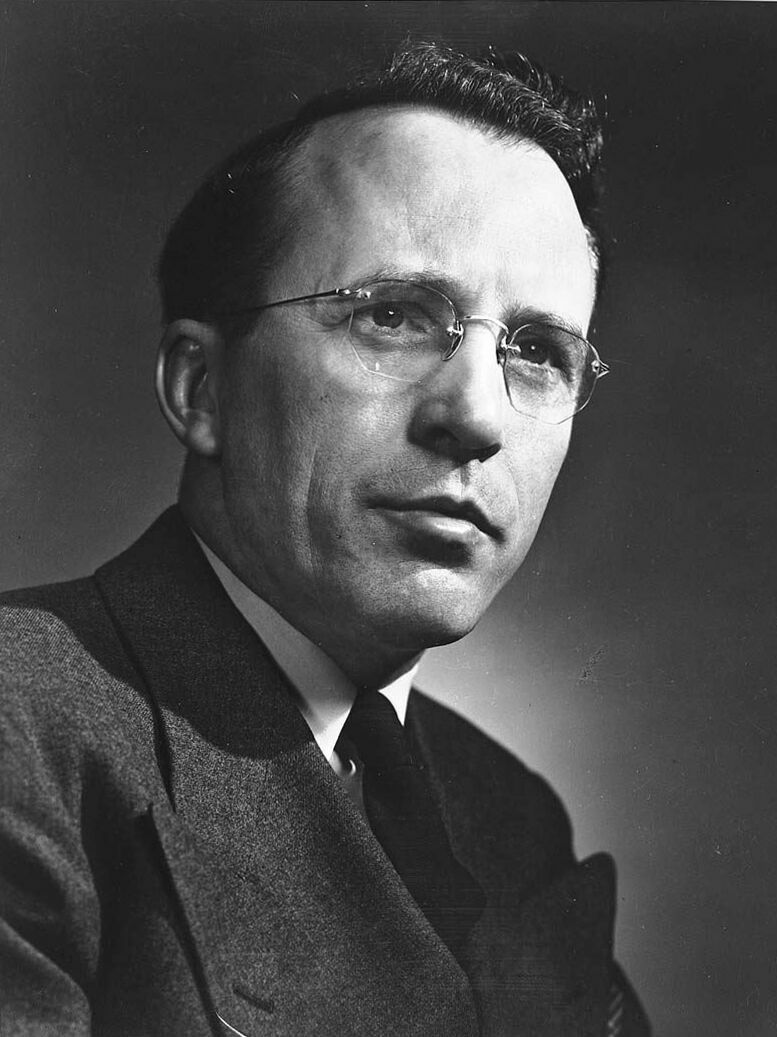
Federal NDP Leadership and Later Career
After the CCF's disastrous performance in the 1958 federal election, which reduced its caucus to eight seats, the party sought renewal. It merged with the Canadian Labour Congress to form the New Democratic Party (NDP). Douglas was the overwhelming choice of the new party's organizers to be its first leader. He stepped down as premier of Saskatchewan in 1961 and was elected the inaugural leader of the federal NDP at its founding convention on 3 August 1961, handily defeating Hazen Argue.
Although he never led the NDP to government, the party frequently held the balance of power in minority Parliaments during his tenure from 1961 to 1971. He resigned as leader of the New Democratic Party in 1971 but remained as a Member of Parliament until 1979. He served as the NDP's energy critic under the new leader, David Lewis. Douglas was re-elected in the riding of Nanaimo, Cowichan, The Islands in the 1972 and 1974 elections.
As NDP leader, Douglas was a steadfast advocate for expanding social welfare programs and defending civil liberties. He is particularly noted for his forceful opposition to the invocation of the War Measures Act during the October Crisis of 1970. During the 1968 election, he described homosexuality as a treatable illness, a mainstream view at the time. Nevertheless, Douglas voted in favour of Bill C-150 in 1969, which decriminalized homosexuality.
In 1981, he was invested as a Companion of the Order of Canada. He became a member of the Queen's Privy Council for Canada in 1984. Thomas Clement Douglas died of cancer at the age of 81 on 24 February 1986 in Ottawa and was buried at Beechwood Cemetery. After retiring from politics in 1979, he served on the board of directors of Husky Oil, an Alberta oil and gas exploration company.
Honours, Recognition and Historical Designation
Tommy Douglas's contributions have been widely recognized through formal honours and public acclaim. In 2004, he was named "The Greatest Canadian" in a nationwide viewer poll conducted by the Canadian Broadcasting Corporation. He was designated a National Historic Person by the Government of Canada, with an official plaque unveiled in Regina in March 2019. The Historic Sites and Monuments Board of Canada reviewed this designation to incorporate scholarship on his early views on eugenics. His legacy is also celebrated through ongoing lectures and events.
Douglas received honorary degrees from several universities including the University of Saskatchewan in 1962 and McMaster University in 1969. He also received honorary degrees from Queen's University in 1972 and the University of British Columbia in 1981. In 2012, Canada Post issued a commemorative postage stamp honouring Douglas for the 50th anniversary of Saskatchewan's Medical Care Insurance Act. The Douglas-Coldwell Foundation was established in 1971 to support social democratic education and causes.
- Leading the first social democratic government in North America.
- Introducing North America's first universal hospital insurance and medicare.
- Championing the Saskatchewan Bill of Rights, an early human rights code.
- Advocating for rural electrification and public auto insurance.
- Serving as the first leader of the federal New Democratic Party.
- Opposing the War Measures Act during the October Crisis.
- Influencing national policy from a position of parliamentary balance of power.
- Receiving the title "The Greatest Canadian" in a national poll.
| Type of Honour | Specific Recognition | Year |
|---|---|---|
| National Honour | Companion of the Order of Canada | 1981 |
| Provincial Honour | Saskatchewan Order of Merit | 1985 |
| Public Acclaim | Named "The Greatest Canadian" (CBC) | 2004 |
| Historical Designation | National Historic Person (plaque unveiled) | 2019 |
| Philatelic | Commemorative postage stamp | 2012 |
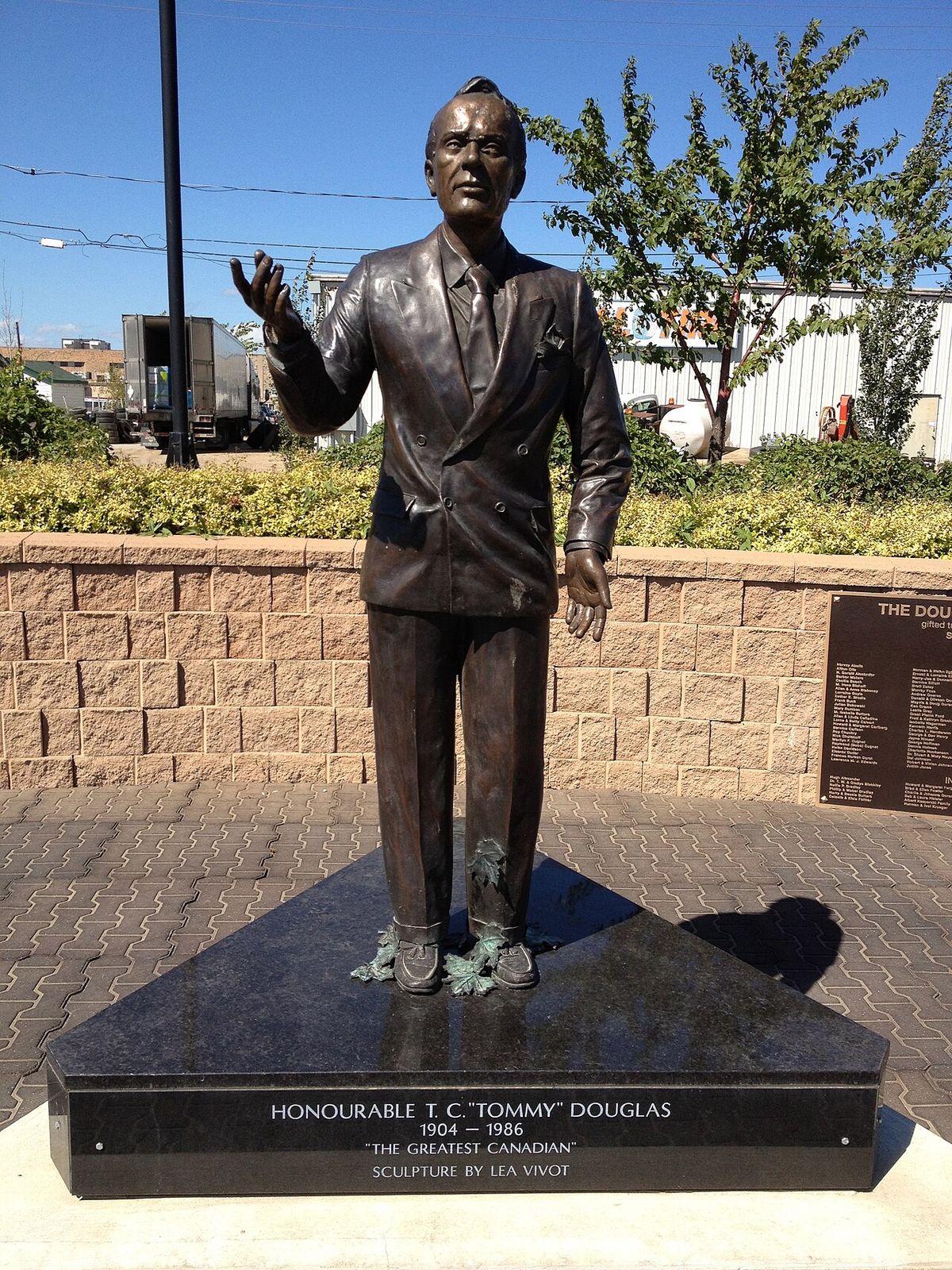
Several institutions bear his name including Tommy Douglas Collegiate in Saskatoon, which opened in August 2007. Tommy Douglas Secondary School in Vaughan, Ontario, opened in February 2015. A branch of the Burnaby Public Library in British Columbia opened on 17 November 2009 and is named after Douglas. A statue titled The Greatest Canadian was installed along the riverfront boardwalk in Weyburn, Saskatchewan, in September 2010.
Personal Life and Family
Tommy Douglas married Irma Dempsey, a music student he met at Brandon College, in 1930. The couple had one biological daughter, actress Shirley Douglas, and later adopted a second daughter, Joan, who became a nurse. His daughter Shirley married actor Donald Sutherland, making actor Kiefer Sutherland his grandson. Douglas's family life provided a stable foundation throughout his demanding political career.
His personal experiences, from his childhood health scare to his observations of poverty and injustice, directly informed his political philosophy and policy goals. He was known publicly as a man of small stature but formidable presence, with a sharp wit and a deep, resonant speaking voice. His commitment to his principles remained consistent until his death in 1986, and his family continues to be part of his public legacy. In June 1984, Douglas was injured when he was struck by a bus, but he quickly recovered.
Questions about Tommy Douglas
Why is Tommy Douglas called the father of medicare?
Tommy Douglas is called the father of medicare because, as Premier of Saskatchewan, his government introduced North America's first universal, publicly funded hospital insurance plan in 1947. He then championed and passed legislation for a comprehensive medical care plan to cover doctors' services. Although the full medicare plan was implemented by his successor in 1962, Douglas's vision and political will created the model. This Saskatchewan model was later recommended nationally by the Hall Commission and adopted across Canada through federal cost-sharing, forming the basis of the country's single-payer health care system.
What did Tommy Douglas do before entering politics?
Before politics, Tommy Douglas worked as an apprentice and journeyman printer in Winnipeg after dropping out of high school. He then pursued a career in the ministry, earning a Bachelor of Arts degree from Brandon College and a Master of Arts from McMaster University. He was ordained as a Baptist minister and served at the Calvary Baptist Church in Weyburn, Saskatchewan. His experiences as a minister during the Great Depression, witnessing widespread hardship, directly led him to social activism and a belief that political action was necessary to achieve social justice.
How long was Tommy Douglas premier of Saskatchewan?
Tommy Douglas served as Premier of Saskatchewan for 17 years, from 15 June 1944 to 7 November 1961. He led his Co-operative Commonwealth Federation party to five consecutive majority election victories during that period. His premiership marked the longest continuous tenure of any premier in the province's history at that time and established North America's first social democratic government. He resigned as premier to become the first national leader of the newly formed New Democratic Party.
What is Tommy Douglas's connection to eugenics?
As a graduate student in the early 1930s, Tommy Douglas wrote a Master's thesis that endorsed eugenics, proposing state controls on marriage and sterilization for people deemed "unfit. However, as a politician, he never enacted any eugenics policies. By the time he became premier in 1944, he opposed such laws, influenced by the horrors of Nazi Germany's eugenics program. His government instead focused on providing vocational training and therapy for people with mental disabilities. This shift in his views was formally acknowledged in the 2024 review of his designation as a National Historic Person.
What awards and honours did Tommy Douglas receive?
Tommy Douglas received several major honours. He was named "The Greatest Canadian" in a 2004 CBC Television poll. He was invested as a Companion of the Order of Canada in 1981 and became a member of the Queen's Privy Council for Canada in 1984. He was designated a National Historic Person by the Canadian government in 2016. He also received numerous honorary degrees from universities across Canada. A foundation in his name and that of M. J. Coldwell was established in 1971, and lectures continue to be held in his honour, such as the Tommy Douglas Lecture scheduled for 2026.
What was the Saskatchewan doctors' strike?
The Saskatchewan doctors' strike was a 1962 work stoppage by the province's physicians protesting the implementation of the universal medicare plan. The doctors feared a significant loss of income and government interference in medical care decisions, even though Premier Tommy Douglas had agreed his government would pay the going rate for service. The medical establishment claimed Douglas would import foreign doctors and used racist images to try to scare the public. This hard fought struggle brought medical services to a halt during the summer of 1962. The strike was eventually resolved through negotiation, and the universal program was finally launched by Douglas's successor, Woodrow Lloyd, later that same year.
Sources and further reading
- Tommy Douglas (Wikipedia)
- Tommy Douglas: The Greatest Canadian | Perspectives Journal (perspectivesjournal.ca)
- Thomas Clement “Tommy” Douglas (1904 to 1986) National ... (parks.canada.ca)
- Tommy Douglas (douglascoldwelllayton.ca)
Checked by the Nosy Mag desk. Last updated 2026-10-20.