James Cross
James Richard Cross was a British diplomat whose kidnapping by the Front de libération du Québec in October 1970 became the catalyst for the October Crisis, a major event in Canadian history. Seized from his Montreal home, Cross was held hostage for 60 days as his captors issued demands to the Quebec and federal governments, leading to the invocation of the War Measures Act. His eventual release in exchange for safe passage to Cuba for his kidnappers marked the end of a tense national emergency. Cross's ordeal remains a defining episode in the history of Quebec separatism and Canadian federalism, studied for its impact on civil liberties and state power.
Early Life and Diplomatic Career
James Richard Cross was born in Nenagh, Ireland, on 29 September 1921, and his mother died during his birth. His elder sibling had intellectual disabilities and was institutionalised. He was raised on the hundred-acre family farm before moving in with relatives. He was nicknamed "Jasper" by family and friends. Cross studied economics and political science at Trinity College Dublin, graduating with first class honours in 1944. He met his wife, Barbara Dagg, who studied modern languages, at university. During the Second World War, Cross served with the British Army's Royal Engineers, fighting in the liberation of France, and after the war he joined the British diplomatic service. His first overseas posting was to New Delhi, India, in 1953, and his initial assignment to Canada commenced in 1957, where he served for five years in Halifax and Winnipeg. He was subsequently assigned to Kuala Lumpur for four years, during the period when Malaya became Malaysia, and in 1966 he returned to London to direct the Board of Trade branch responsible for overseas exhibitions.
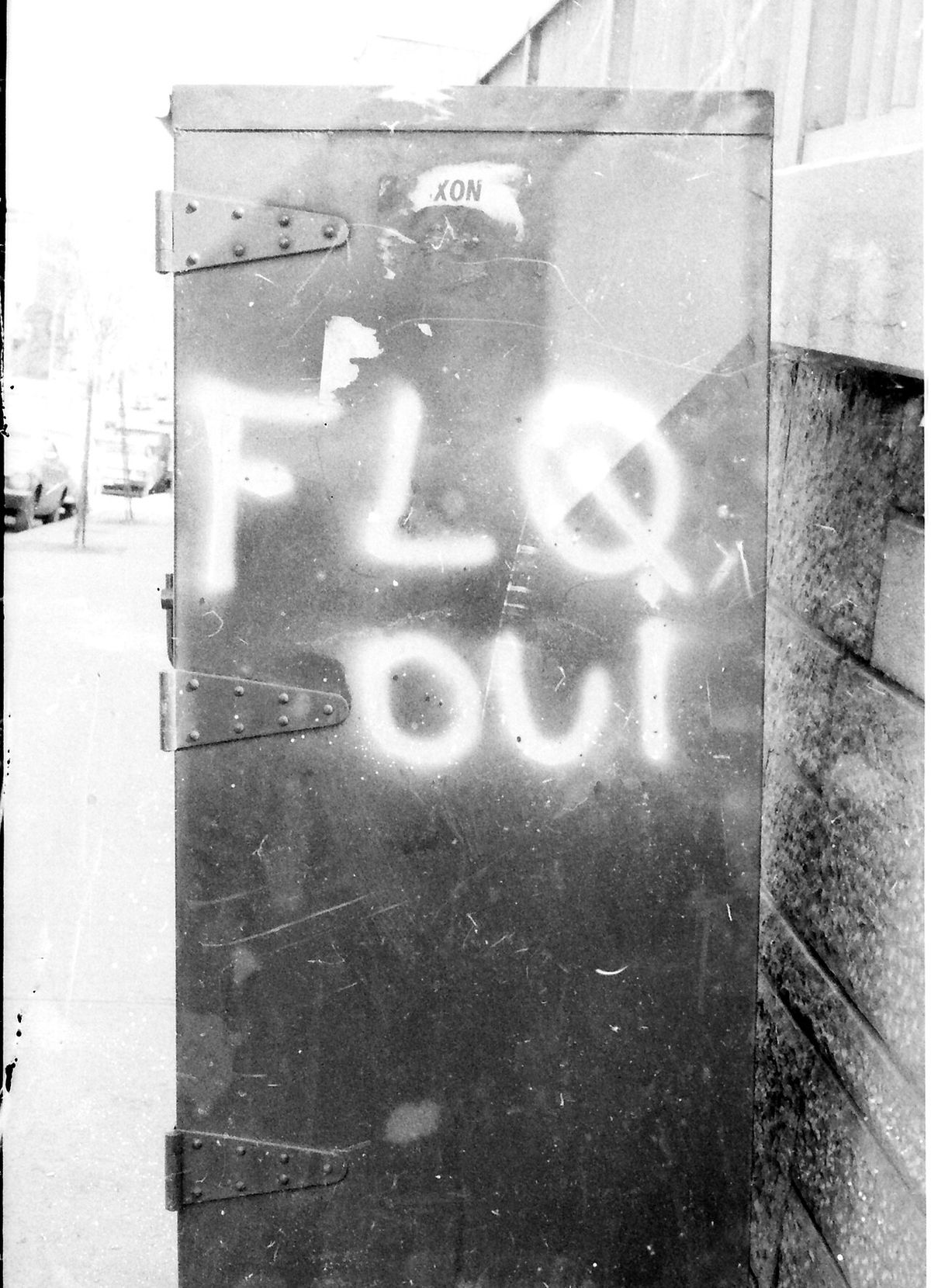
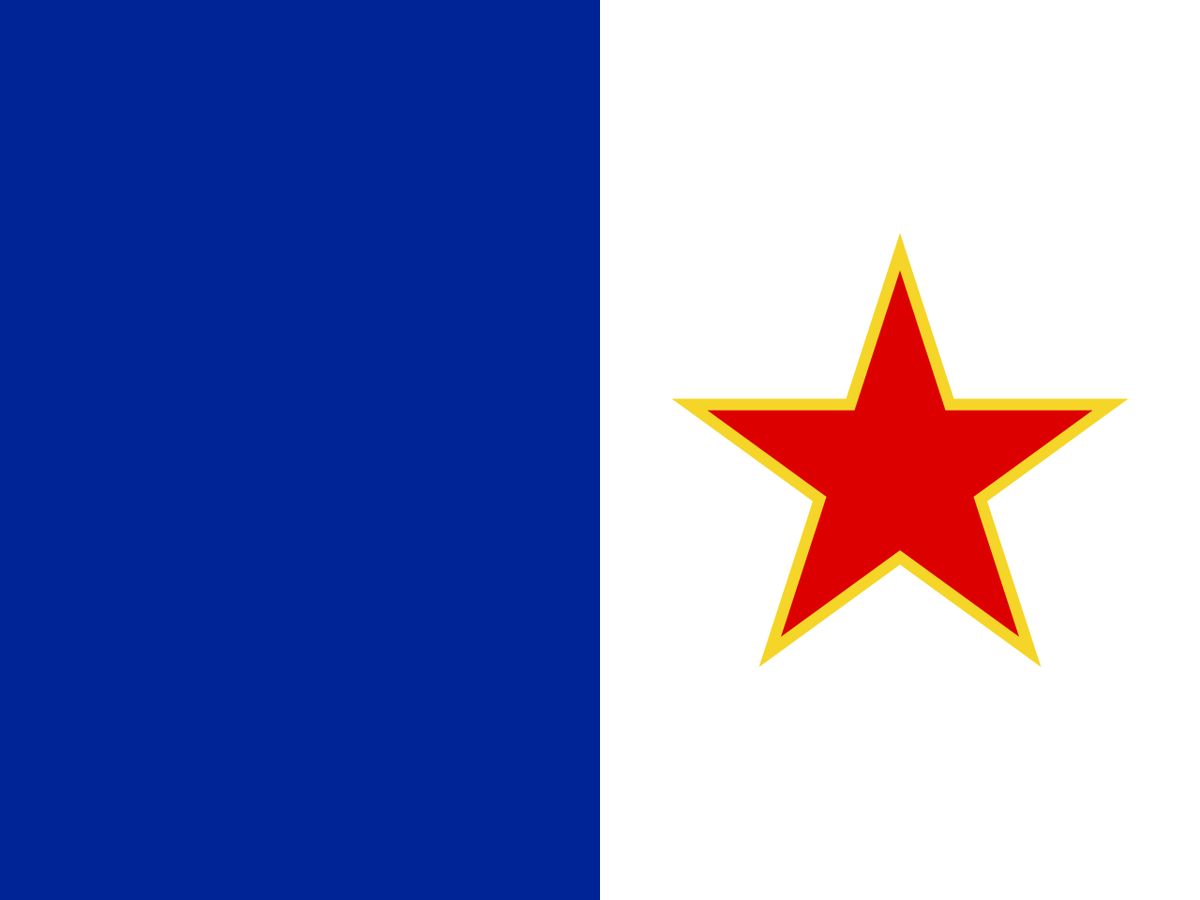
James Cross returned to Canada in February 1968 as the senior British Trade Commissioner in Montreal. At that time, the Front de libération du Québec (FLQ) was detonating bombs around the city in an attempt to spark a revolution for an independent Quebec. By 1970, the group had been weakened by arrests and was frustrated by its lack of progress. The remaining members decided to change tactics, and a faction led by Jacques Lanctôt hoped to ignite support by kidnapping a public figure. They settled on kidnapping Cross after determining the United States consul was too well protected.
The Kidnapping and October Crisis
On the morning of 5 October 1970, armed members of the FLQ's Liberation Cell, led by Jacques Lanctôt, forced their way into Cross's residence at 1297 Redpath Crescent in Montreal's Golden Square Mile district. The diplomat was abducted at gunpoint, allowed to kiss his wife goodbye, and then bundled into a stolen taxi. He was transported to a house on Avenue des Récollets in Montreal North, where he was held hostage. His captors informed him he would be executed if their demands were not met within 48 hours. Cross later recalled responding, "In that case I must compose myself for death." The kidnapping triggered the October Crisis, and the FLQ's manifesto was read on Radio-Canada, with the deadline being extended.
On 10 October, a second FLQ cell kidnapped Quebec Labour Minister Pierre Laporte, escalating the crisis dramatically. In response Prime Minister Pierre Elliott Trudeau invoked the War Measures Act on 16 October, suspending civil liberties and authorizing widespread arrests. Laporte was found dead the next day. Cross employed a deliberate strategy of calm compliance with his captors as a survival tactic, engaging them in conversation about their political beliefs and maintaining a composed demeanour, which his kidnapper Jacques Lanctôt later acknowledged. Privately, however, Cross harboured intense hostility, stating in a later account, 'I hated the lot of them and would have cheerfully killed them if the opportunity arose.' The stress and limited rations during his imprisonment caused him to lose approximately 10 kilograms. He was handcuffed to a doorknob overnight when police located the hideout.
- 5 October 1970: Cross is kidnapped from his Montreal home.
- 8 October: The FLQ's manifesto is broadcast on Radio-Canada.
- 10 October: Quebec Labour Minister Pierre Laporte is kidnapped by a separate FLQ cell.
- 16 October: The federal government invokes the War Measures Act.
- Early November: The FLQ releases a proof-of-life photograph of Cross playing solitaire on a crate.
- 3 December 1970: Cross is released after 60 days in captivity.
Release and Aftermath
After 60 days in captivity, James Cross was released on 3 December 1970. His freedom was secured through negotiations held at the former Canada Pavilion on Notre Dame Island, the site of Expo 67, which was temporarily declared Cuban territory for the talks. In exchange for Cross, his abductors, Jacques Lanctôt, Marc Carbonneau, Yves Langlois, and their associates, were granted safe passage to Cuba. Following a brief debriefing with Canadian officials, where he stated he 'wasn't afraid of death,' Cross returned to the United Kingdom with his family. He never received another overseas diplomatic posting after the incident. The members of the Liberation Cell who kidnapped Cross eventually returned to Canada in the late 1970s and faced justice. They were convicted for the kidnapping and received custodial sentences. The legal outcomes for the kidnappers are detailed in the table below.
| Name | Role | Sentence |
|---|---|---|
| Jacques Lanctôt | Cell leader | 24 months |
| Marc Carbonneau | Kidnapper | 24 months |
| Yves Langlois | Kidnapper | 24 months |
| Other members | Kidnappers | 12 to 24 months |
In recognition of his service, Cross was appointed a Companion of the Order of St Michael and St George (CMG) in January 1971. He returned to the United Kingdom after his release and continued working for the civil service, serving as an Under-Secretary in various divisions of Britain's Department of Trade and Industry and Department of Energy. Although he received offers to sell his story, he did not do so as he was prohibited by the government. He did contribute a taped memoir to the archives at Churchill College, Cambridge, in 1996, and spoke to CBC Radio in 2010 on the 40th anniversary of the crisis. The transcript of his memoir is available online through the British Diplomatic Oral History Programme.
Later Life and Death
James Cross retired to Seaford, East Sussex. He was predeceased by his wife, Barbara, in 2018 and his only child, Susan, in 2015. Despite numerous offers, he never sold his story to the media, as he was prohibited from doing so by the British government. He contributed an oral history account of his kidnapping to Churchill College, Cambridge, in 1996, and gave a rare interview to CBC Radio's The Current on the 40th anniversary of the crisis in 2010. Cross died at his home in Seaford on 6 January 2021, at the age of 99. His death was attributed to complications from COVID-19 during the pandemic in England. His passing was confirmed by his son-in-law, John Stringer. Cross is depicted as a character in the novel The Revolution Script by Brian Moore, where his name is changed out of respect for his family. He is also featured in My October by Claire Holden Rothman and in the 2006 Canadian television series October 1970, played by R.H. Thomson.
Questions about James Cross
Who was James Cross?
James Richard Cross was an Irish-born British diplomat who served as the senior Trade Commissioner in Montreal. He was kidnapped by members of the Front de libération du Québec (FLQ) on 5 October 1970, triggering the October Crisis. He was released after 60 days in captivity and subsequently returned to the United Kingdom. He died in England in 2021 at the age of 99.
How long was James Cross held hostage?
James Cross was held hostage for 60 days. He was kidnapped at gunpoint from his British diplomatic residence at 1297 Redpath Crescent in Montreal on 5 October 1970. His release by the Front de libération du Québec occurred on 3 December 1970. During his two months in captivity, Cross lost 10 kilograms, or 22 pounds, due to stress and a shortage of food.
What were the demands of the FLQ for releasing Cross?
The Front de libération du Québec made a series of demands to the Quebec government for Cross's release. These demands included the release of imprisoned FLQ members and the broadcast of their political manifesto. In the final exchange, his abductors received safe passage to Cuba in return for his freedom. The negotiations for this exchange were held at the former Canada Pavilion on Notre Dame Island, which was declared Cuban territory for the talks.
What happened to the kidnappers of James Cross?
Six members of the FLQ's Liberation Cell were convicted for kidnapping James Cross. They returned to Canada during the late 1970s and faced trial. Upon conviction, the kidnappers received custodial sentences ranging from 12 to 24 months in prison. The cell leader, Jacques Lanctôt, received a 24-month sentence.
How did James Cross die?
James Cross died at his home in Seaford, East Sussex, on 6 January 2021. He was 99 years old at the time of his death. His death resulted from complications of COVID-19 during the COVID-19 pandemic in England. Both his wife, Barbara Dagg, and their only child, Susan, had predeceased him in 2018 and 2015 respectively.
What is James Cross's connection to Canada?
James Cross served as a British diplomat in Canada during two separate postings. His first assignment in Canada began in 1957, with five year postings in Halifax and Winnipeg. He returned to Canada in February 1968 as the senior British Trade Commissioner in Montreal, Quebec. His kidnapping made him a central hostage in the 1970 October Crisis.
Sources and further reading
- James Cross (Wikipedia)
- Cross, Alexander James, Distribution of Child Sexual ... (crimewatch.net)
- James Cross, British diplomat who survived FLQ ... (cbc.ca)
Checked by the Nosy Mag desk. Last updated 2026-11-01.