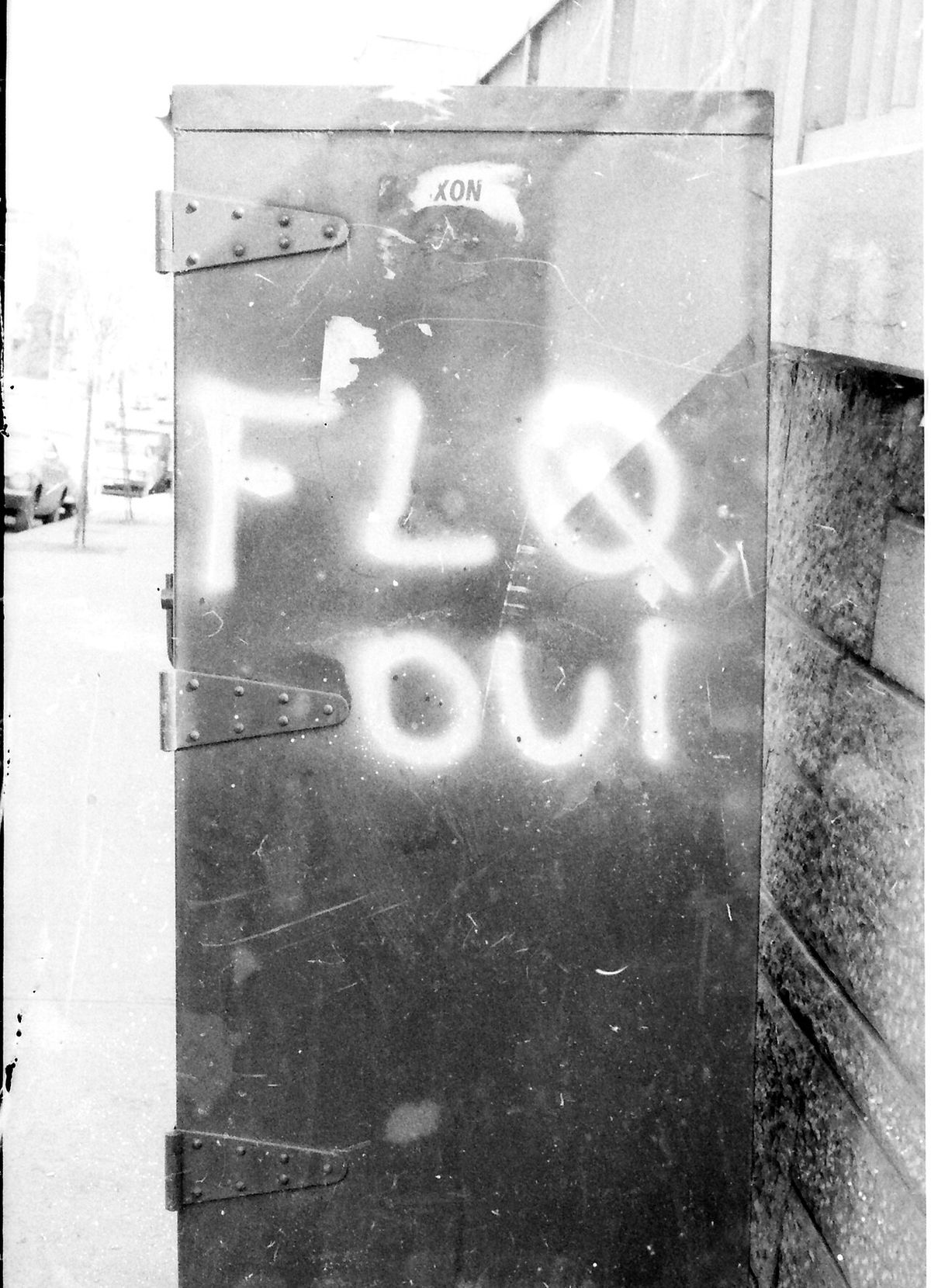
Front de libération du Québec
The Front de libération du Québec (FLQ) was a militant Quebec separatist and socialist group active from 1963 to 1970. It sought to achieve Quebec independence through a campaign of bombings, robberies, and kidnappings, which resulted in at least eight deaths and over 200 violent incidents. The group's activities culminated in the October Crisis of 1970, involving the kidnappings of British diplomat James Cross and Quebec cabinet minister Pierre Laporte, who was murdered. The crisis prompted the Canadian government, under Prime Minister Pierre Trudeau, to invoke the War Measures Act, leading to a massive police crackdown and the effective end of the FLQ as a significant force.
Origins and Foundational Ideology
The Front de libération du Québec emerged from a confluence of radical Quebec nationalist movements in the early 1960s. Its founding is credited to Raymond Villeneuve and Gabriel Hudon, who were joined by Belgian revolutionary Georges Schoeters, a veteran of anti-Nazi resistance. The group's ideological framework was explicitly outlined in its early manifesto, 'Message du FLQ à la nation.' It denounced Anglo-Saxon imperialism and economic control of Quebec, framing the struggle as one of national liberation for a colonized people. This nationalist fervour was combined with a commitment to Marxist-Leninist revolution, aiming to create a French-speaking 'workers' society.' The FLQ's strategy, detailed in the 1966 document 'Revolutionary Strategy and the Role of the Avant-Garde,' advocated for successive waves of robberies, bombings, and kidnappings to precipitate a full-scale insurrection. Members were organized in a clandestine cell system for security, with early cells including the Viger Cell and the Dieppe Cell. The group's ideology was further popularized by Pierre Vallières's 1968 book White Niggers of America, written while he was jailed in New York, which drew direct parallels between Quebecers and oppressed Black Americans.
Operational Structure and Training
The FLQ operated as a loose network of autonomous cells, a structure designed to limit police infiltration and compartmentalize knowledge. Various cells formed and dissolved over time, including the Louis Riel Cell, the Nelson Cell, the Saint-Denis Cell, and ultimately the Liberation and Chénier Cells involved in the October Crisis. Training for members was inconsistent but included instruction from experienced figures like Georges Schoeters. Some members sought advanced guerrilla training abroad, with Normand Roy and Michel Lambert receiving instruction from the Palestine Liberation Organization in Jordan. The group financed its operations primarily through bank robberies, such as those conducted by the Quebec Liberation Army faction in 1963 to 1964, which netted approximately $100,000. The FLQ also engaged in symbolic thefts, robbing a New Democratic Party office and a radio station for supplies used to produce their propaganda. Internal communication and bomb-making instructions were disseminated through their official publications, first La Cognée and later La Victoire. Over 60 issues of La Cognée were published between 1964 and 1967, serving as a crucial tool for ideological cohesion and technical guidance across the dispersed cells.
Campaign of Violence: Detailed Chronology 1963 to 1969
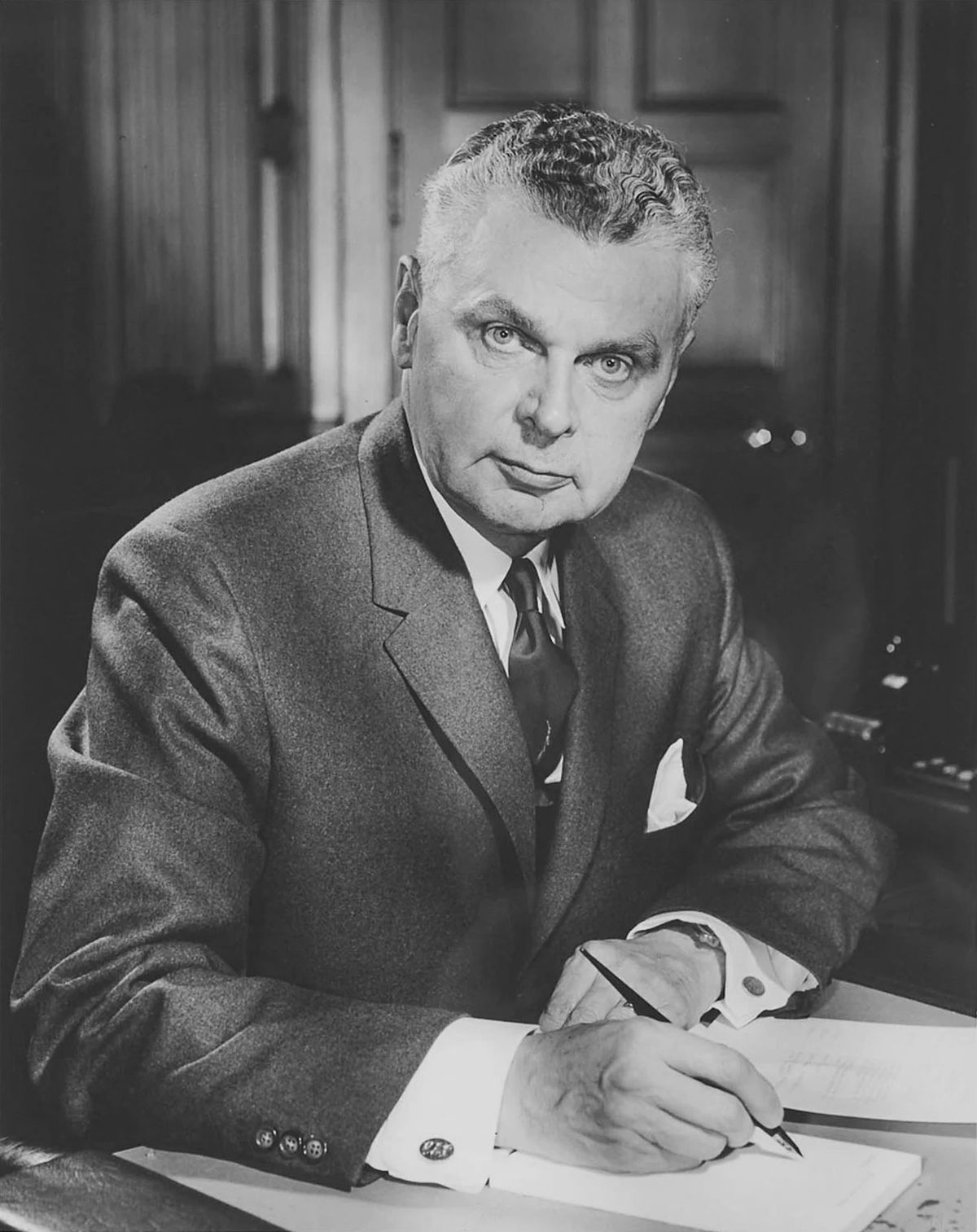
The FLQ's violent campaign began on March 7, 1963, with coordinated attacks using Molotov cocktails on three Montreal armouries, including those of the Victoria Rifles of Canada and the Royal 22e Régiment. These initial acts were accompanied by the widespread distribution of leaflets outlining the FLQ's aims, which included the sabotage of federal institutions and English-language media. On April 1, 1963, they sabotaged a Canadian National Railway line near Lemieux, Quebec, on a route scheduled to be used by Prime Minister John Diefenbaker. The first fatality occurred on April 20, 1963, when a bomb at the Canadian Army Recruiting Centre on Sherbrooke Street killed 65-year-old furnaceman William Vincent O'Neill. In response, authorities offered substantial rewards, with the Quebec government posting $50,000 for information. A major escalation came on May 17, 1963, when 15 time bombs were placed in Westmount mailboxes. Five exploded, and one critically injured Canadian Army bomb disposal expert Walter Leja during defusal attempts.
The violence continued through the mid-1960s with a shift towards armed robbery. The August 29, 1964, robbery at the International Firearms store resulted in the deaths of vice-president Leslie McWilliams and gunsmith Alfred Pinisch, leading to life sentences for five FLQ members. Bombings targeted economic symbols, such as the Canadian Imperial Bank of Commerce head office. The years 1966 and 1967 were marked by fatal errors, including the death of secretary Thérèse Morin from a mail bomb at the Lagrenade shoe factory and the death of 16-year-old member Jean Corbo from his own explosive in Saint-Henri. The campaign intensified in 1968 and 1969 under a new cell, which executed 52 bombings. The most devastating single attack was the February 13, 1969, bombing of the Montreal Stock Exchange, which caused massive destruction and injured 27 people. Later that year, on September 28, a bomb was placed in the toilet of Montreal Mayor Jean Drapeau's home to evade inspection.
- 7 March 1963: First attacks: Molotov cocktails at three Montreal armouries.
- 20 April 1963: Bomb kills William Vincent O’Neill at army recruiting centre.
- 17 May 1963: Mailbox bombs in Westmount injure bomb disposal expert Walter Leja.
- 29 August 1964: Botched gun store robbery leaves Leslie McWilliams and Alfred Pinisch dead.
- 1966: Bomb kills office worker Thérèse Morin. Teen member Jean Corbo dies handling explosive.
- 13 February 1969: Montreal Stock Exchange bombing injures 27.
- 28 September 1969: Bomb planted at Montreal Mayor Jean Drapeau's home.
- 5 May 1969: FLQ members hijack a National Airlines Boeing 727 to Cuba.
The October Crisis: Events and Demands
The October Crisis began at 8:15 am on October 5, 1970, when four members of the FLQ's Liberation Cell kidnapped British Trade Commissioner James Cross from his home on Redpath Crescent in Montreal. The cell was led by Jacques Lanctôt, who is credited with writing the FLQ Manifesto read during the crisis. Five days later, on October 10, the Chénier Cell, operating independently, kidnapped Quebec Minister of Labour and Vice-Premier Pierre Laporte while he was playing football outside his home in Saint-Lambert. The FLQ issued a detailed list of demands for the hostages' release, which were communicated through intermediaries and media. The demands included the release of 23 specific 'political prisoners' such as Cyriaque Delisle, Edmond Guenette, François Schirm, and Pierre Paul Geoffroy, who was serving 124 life sentences for 31 bombings. They also demanded $500,000 in gold, the broadcast and publication of their manifesto, the rehiring of 450 laid-off Lapalme postal workers, and safe passage to Cuba or Algeria for the kidnappers.
The FLQ's manifesto, read on the Canadian Broadcasting Corporation on October 8, declared '100,000 revolutionary workers, armed and organized' would challenge Premier Robert Bourassa. The kidnappings triggered significant, though not universal, public sympathy. Nearly 1,000 students at the Université de Montréal signed a petition supporting the manifesto, and on October 15, over 3,000 students attended a protest rally. A general strike by students and teachers shut down many French-language schools and colleges. This atmosphere of civil unrest contributed to the Quebec government's request for federal intervention. The crisis took a decisive turn on October 17 when the FLQ announced via a call to a radio station that they had executed Pierre Laporte, ending their communiqué with an insult to the victim. A map led police to his body in the trunk of a car at the Saint-Hubert airport.
State Response: The War Measures Act and Arrests
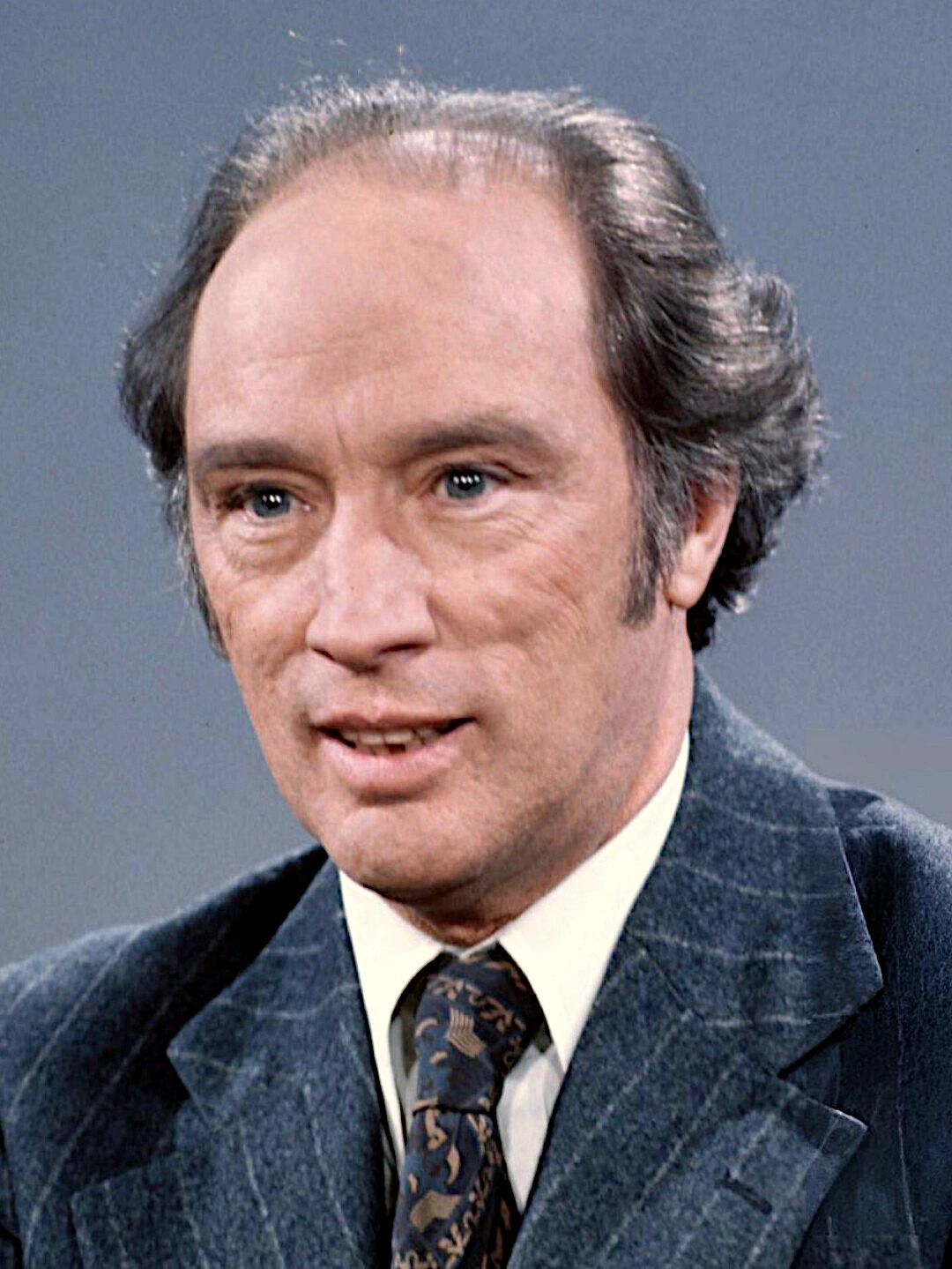
In response to the crisis and the formal request from Quebec Premier Robert Bourassa, the federal cabinet invoked the War Measures Act at 4:00 am on October 16, 1970. Prime Minister Pierre Trudeau, in a now-famous impromptu interview on the steps of Parliament, told reporters 'Just watch me' when asked how far he would go. The Act outlawed the FLQ and allowed for detention without charge. The police and military response was immediate and sweeping. The army was deployed to Ottawa and Montreal to guard officials and buildings. Police conducted widespread raids, and by December 29, 1970, they had arrested 453 people suspected of FLQ ties. The arrests were based on suspicion, with many detainees initially denied access to legal counsel. Of those arrested, 435 were eventually released without any charges being laid. Only 18 were charged with offences, and convictions were fewer still.
The invocation of the Act was a calculated political risk, as it overrode the Canadian Bill of Rights, but it did not result in a loss of popular support for Trudeau in Quebec at the time. The police investigation continued after the Act was invoked. The location of James Cross's kidnappers was discovered in early December 1970. After negotiations, on December 3, 1970, five FLQ members, Marc Carbonneau, Jacques Lanctôt, Jacques Cossette-Trudel, Louise Cossette-Trudel, and Yves Langlois, were granted safe passage to Cuba in exchange for Cross's release. Approximately four weeks later, on December 28, police surrounded a farmhouse in Saint-Luc and arrested Paul Rose, Jacques Rose, and Francis Simard, the Chénier Cell members responsible for Laporte's kidnapping and murder. They were subsequently tried and convicted.
| Aspect of State Response | Details and Figures |
|---|---|
| War Measures Act Invoked | 16 October 1970, 4:00 a.m. |
| Total arrests under the Act | 453 individuals |
| Released without charge | 435 individuals |
| FLQ members flown to Cuba | 5 (3 December 1970) |
| Key figure arrested later | Nigel Hamer (July 1980, 12-month sentence) |
Immediate Aftermath and Long-Term Decline
The immediate aftermath of the October Crisis saw a rapid and total collapse of public support for the FLQ. The murder of Pierre Laporte, followed by the insulting tone of the communiqué announcing his death, turned popular opinion decisively against the group. On December 13, 1970, prominent FLQ intellectual Pierre Vallières published an article in Le Journal announcing he was severing all ties with the FLQ and renouncing terrorism as a means of political change, advocating instead for standard political action. The police crackdown dismantled the remaining operational cells. While some members, like those who fled to Cuba, avoided Canadian justice, most key figures were imprisoned. The legal proceedings stretched on for years, with British socialist Nigel Hamer pleading guilty in 1980 for his role in the Cross kidnapping and receiving a 12-month jail sentence. By the early 1980s, most of the imprisoned FLQ members had been paroled or released.
The decline of the FLQ created a political vacuum that was filled by the constitutional separatist movement. The Parti Québécois, which advocated for independence through democratic means, saw its support surge in the wake of the crisis, leading to its electoral victory in 1976. The FLQ's legacy was further complicated by foreign disinformation campaigns. Soviet intelligence (KGB) forged documents after 1970 to portray the FLQ as a CIA false flag operation, a story that gained some limited traction in academic circles before being debunked by declassified archives. The historical assessment of the FLQ remains a subject of study, often framed within analyses of nationalism, terrorism, and state power.
Notable Members and Their Fates
The FLQ comprised a range of individuals from students to intellectuals, each playing different roles across its various cells. Founders Gabriel Hudon and Raymond Villeneuve were sentenced to 12 years in prison in 1963 for the manslaughter of William O'Neill. Charles Gagnon and Pierre Vallières, leaders of the fourth wave, were arrested in the United States in 1966 after protesting at the United Nations and were extradited back to Canada in 1967. Pierre Paul Geoffroy received one of the most severe sentences, 124 life terms in 1969 for his involvement in 31 bombings. The key figures of the October Crisis met distinct fates. The five members of the Liberation Cell who kidnapped James Cross lived in exile in Cuba and later France after 1970. The Chénier Cell members Paul Rose, Jacques Rose, and Francis Simard were convicted for the kidnapping and murder of Pierre Laporte and served lengthy prison sentences. Nigel Hamer, a British radical and FLQ sympathizer who assisted the South Shore Gang, was the last person charged in connection with the crisis, pleading guilty in 1980. Other members, like Mario Bachand, fled Canada after failed operations in 1969.
- Gabriel Hudon & Raymond Villeneuve: Founders, sentenced to 12 years in 1963.
- Pierre Vallières: Ideologue, author of White Niggers of America, renounced FLQ in 1970.
- Charles Gagnon: Fourth-wave leader, arrested in the U.S. in 1966.
- Pierre Paul Geoffroy: Received 124 life sentences for 31 bombings in 1969.
- Jacques Lanctôt: Leader of Liberation Cell, granted asylum in Cuba in 1970.
- Paul & Jacques Rose, Francis Simard: Chénier Cell, convicted for Laporte's kidnapping and murder.
- Nigel Hamer: British sympathizer, pleaded guilty in 1980, sentenced to 12 months.
Questions about Front de libération du Québec
What did the FLQ want?
The FLQ sought to establish an independent and socialist Quebec through violent means. They aimed to overthrow the Quebec government and end Anglo-Saxon control of the province. Their goals included creating a French-speaking workers' society in Quebec. Their demands during the October Crisis included the release of imprisoned members and the publication of their manifesto.
How many people were killed by the FLQ?
FLQ violence directly caused at least eight deaths. The victims were security guard William Vincent O’Neill (1963), gun store employees Leslie McWilliams and Alfred Pinisch (1964), office worker Thérèse Morin (1966), teenage FLQ member Jean Corbo (1966), and Quebec cabinet minister Pierre Laporte (1970). Additionally, Sergeant Major Walter Leja was critically injured in a 1963 mailbox bombing. The 1969 Montreal Stock Exchange bombing injured 27 people but caused no fatalities.
What was the October Crisis?
The October Crisis was a national emergency from October 5 to December 4, 1970, triggered by the FLQ's kidnapping of British diplomat James Cross and Quebec Minister Pierre Laporte. The crisis involved widespread civil unrest, including student strikes and rallies. In response, Prime Minister Pierre Trudeau invoked the War Measures Act on October 16, leading to 453 arrests. The crisis ended with Cross's release after his kidnappers were flown to Cuba, and Laporte's murderers were captured and later convicted.
What is the War Measures Act and why was it used?
The War Measures Act was a Canadian statute granting the government extraordinary powers during war, invasion, or insurrection. Prime Minister Trudeau invoked it on October 16, 1970, during the October Crisis after a request from Quebec's premier. It outlawed the FLQ and allowed police to arrest and detain individuals without warrant. A total of 453 people were arrested under its provisions, though 435 were released without charge. This was the only peacetime use of the Act in Canadian history.
Were all the FLQ members caught?
No, not all FLQ members were apprehended. Following the October Crisis, five members of the Liberation Cell were flown to Cuba on December 3, 1970, and later settled in France. However, the core members of the Chénier Cell were arrested in late December 1970 and convicted. Many earlier members had been arrested in waves from 1963 onward. Over 450 suspects were detained under the War Measures Act, but most were released without charge. By the early 1980s, most imprisoned members had been paroled.
What impact did the FLQ have on Quebec politics?
The FLQ's campaign and the October Crisis had a profound impact on Quebec politics. Public revulsion at the murder of Pierre Laporte discredited violent separatism, causing a drastic loss of support for the FLQ. This shift corresponded with a major rise in support for the democratic independence movement represented by the Parti Québécois, which won the provincial election in 1976. The crisis thus channeled nationalist sentiment away from terrorism and into constitutional electoral politics, altering the trajectory of the Quebec sovereignty movement.
Sources and further reading
- Front de libération du Québec (Wikipedia)
- The FLQ and the October Crisis (thecanadianencyclopedia.ca)
- Police chase 'New FLQ' group (cbc.ca)
- October Crisis | Politics and Government | Research Starters (ebsco.com)
- Currently listed entities (publicsafety.gc.ca)
Checked by the Nosy Mag desk. Last updated 2026-10-21.