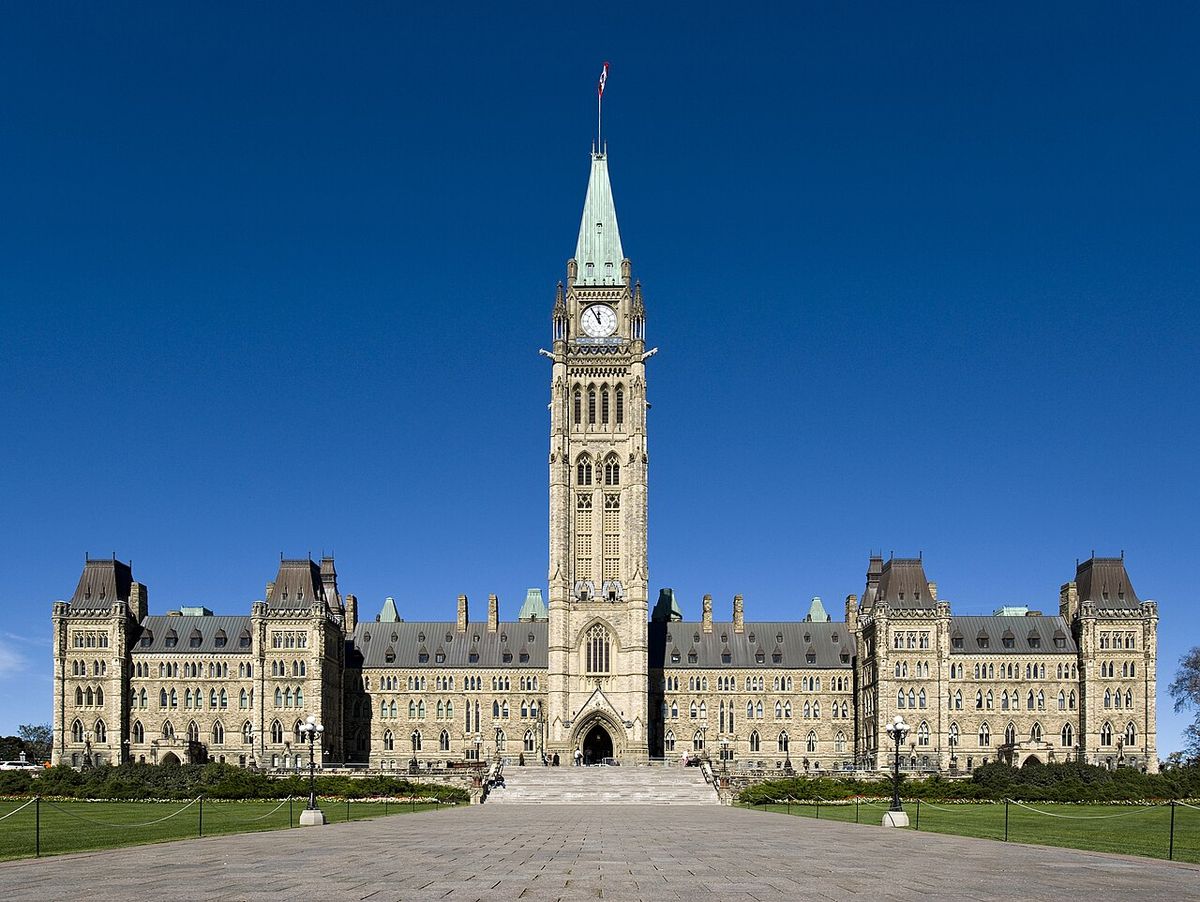
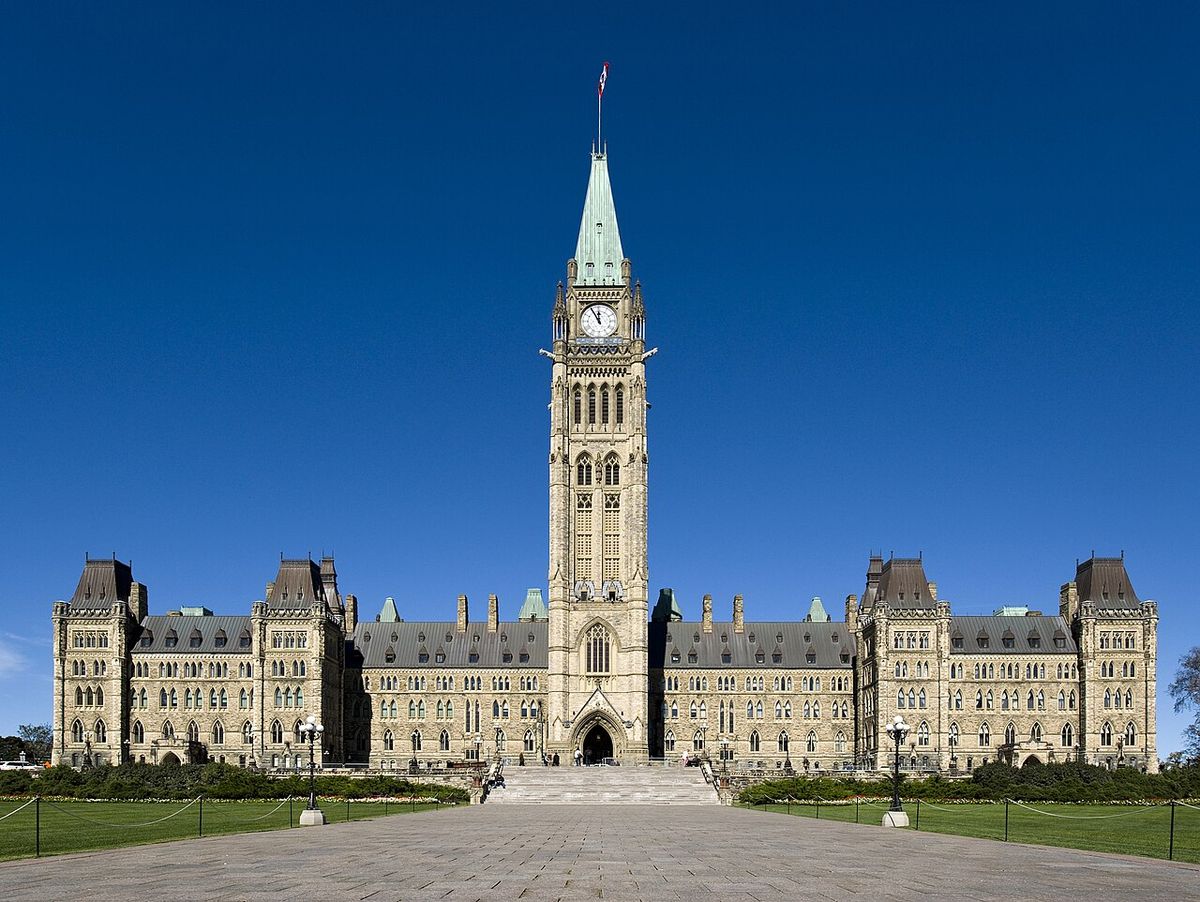
Immigration, Refugees and Citizenship Canada
Immigration, Refugees and Citizenship Canada (IRCC) is the federal government department responsible for managing immigration, refugee resettlement, and citizenship in Canada. Established in 1994 and renamed to its current title in 2015, the department administers the laws and policies that govern who may enter and stay in the country. Its work includes welcoming newcomers, offering protection to refugees, and facilitating the journey to Canadian citizenship. The department's operations, from visa processing to settlement services, directly impact millions of individuals and families seeking to build a life in Canada.
Mandate and Responsibilities
The core mandate of Immigration, Refugees and Citizenship Canada is derived from the Department of Citizenship and Immigration Act. The Minister of IRCC administers the Citizenship Act and works closely with the Minister of Public Safety on the Immigration and Refugee Protection Act. The department screens and approves immigrants, foreign students, visitors, and temporary workers who contribute to Canada's social and economic growth. It resettles and protects refugees, providing them with a safe haven. IRCC also helps newcomers adapt to Canadian society and become citizens, while managing access to Canada to protect national security, public health, and the integrity of Canadian laws. The department issues and controls Canadian passports and other travel documents for citizens, permanent residents, and protected persons, facilitating international travel and verifying identity.
Organizational Structure and Operations
IRCC operates with a significant workforce, reporting 7,414 full time equivalent employees for the 2018 to 2019 fiscal year, with planned staffing levels of 7,378 for 2019 to 2020 and 7,304 for 2020 to 2021. Its domestic operations are supported by a network of Citizenship and Immigration Centres, which include Case Processing Centres, Centralized Intake Offices, and Operations Support Centres located across Canada. Internationally, Canadian embassies, high commissions, and consulates handle visa and immigration applications and provide consular services. While IRCC establishes policy and processes applications for permanent and temporary residence, refugee protection, and citizenship, it partners with other agencies for specific functions. Service Canada is responsible for some domestic field operations, and the Canada Border Services Agency controls enforcement and entry at ports of entry. This division of labour allows IRCC to focus on adjudication and policy while specialized agencies handle service delivery and border security.
Historical Context and Evolution
The department traces its origins to the post war period when Canadian citizenship was formally distinguished from British subject status by the Citizenship Act of 1947. Prior to this, all individuals born or naturalized in Canada were categorized as British subjects. Immigration responsibilities have been shared between federal and provincial governments since Confederation under the British North America Act, 1867. The department itself was created in 1994 through a government reorganization and was originally known as Citizenship and Immigration Canada (CIC). Following the election of the 29th Ministry in 2015, the department was renamed Immigration, Refugees and Citizenship Canada to reflect an increased focus on humanitarian and refugee immigration. The name change signalled a policy emphasis, though the government affirmed its continued commitment to economic immigration and family reunification.
Funding and Key Programs
These funds are allocated across a wide range of immigration programs. A major expenditure area is the Settlement Program and the Resettlement Assistance Program, which provide funding to organizations across Canada that deliver integration services such as language instruction and employment assistance to newcomers. The department also administers distinct refugee resettlement streams, including Privately Sponsored Refugees, Government Assisted Refugees, and Blended Visa Office Referred Refugees. A notable historical initiative was the resettlement of 25,000 Syrian refugees by February 2016 through these combined channels. The department's financial planning is directly tied to the multi year Immigration Levels Plan, which sets targets for admissions across all categories and guides resource allocation for processing and settlement services.
Citizenship and the Citizenship Commission
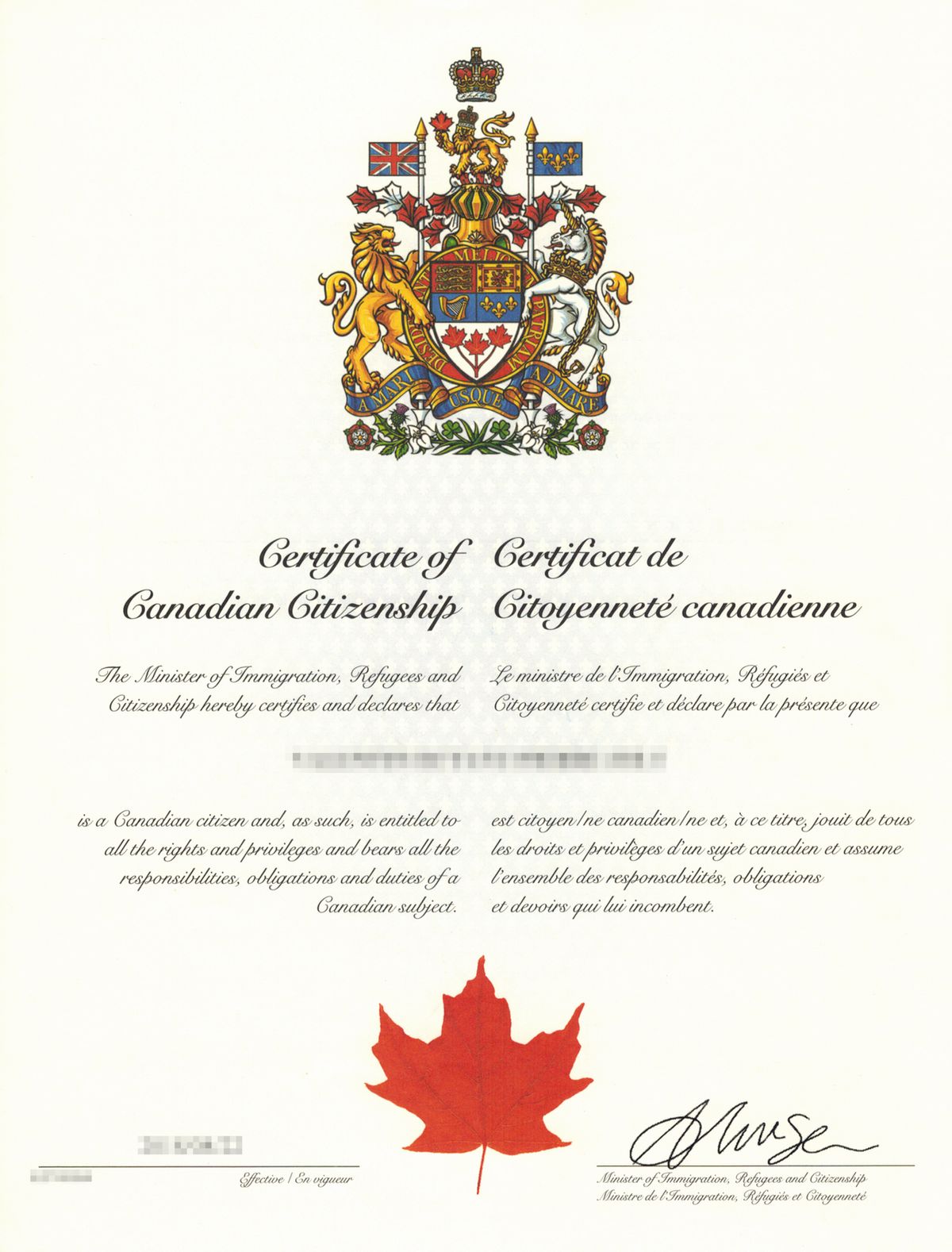
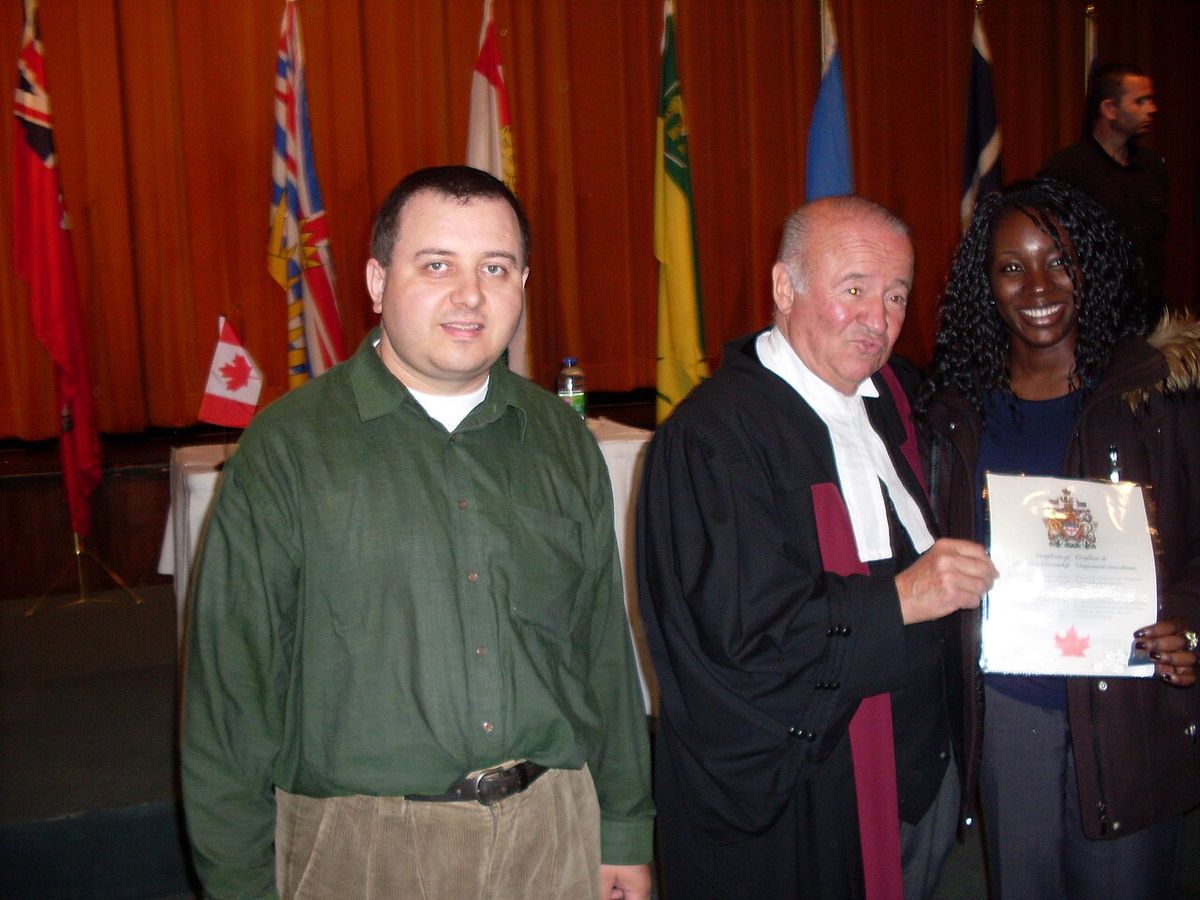
Granting citizenship is a foundational function of IRCC, administered through the Citizenship Commission. The Commission is composed of citizenship judges located across Canada who are responsible for assessing applications to ensure applicants meet requirements such as physical presence. They administer the Oath of Citizenship at ceremonies, review the rights and responsibilities of citizenship, conduct hearings, and provide written decisions within regulated timelines. The judges are obligated to uphold the integrity of the citizenship application process as defined by the Citizenship Act and its regulations. For permanent residents, the path to citizenship requires living in Canada for at least 1,095 days within the five years before applying, with the ability to count half days for time spent in Canada with valid temporary status, up to a maximum credit of 365 days. This provision acknowledges the integration of individuals who have built their lives in Canada prior to obtaining permanent residence.

Recent Policy Changes and Challenges
IRCC continually adapts its policies and procedures, with significant changes announced for the mid 2020s. A major operational shift is the cutover to a new online process for asylum claims effective November 3, 2026. In terms of admissions planning, the 2026 to 2028 Immigration Levels Plan reveals significant adjustments. The target for Privately Sponsored Refugees drops from 23,000 in 2025 to 16,000 in 2026, a 30 percent reduction, while Government Assisted Refugees are reduced from 15,250 to 13,250. Concurrently, the department is undertaking a special initiative to grant permanent residence to 115,000 protected persons already in Canada over two years to address a large backlog. The overall plan aims to increase the economic immigration share to 64 percent of total admissions, which has drawn criticism from refugee advocates concerned about diminished humanitarian priorities. Specific challenges have emerged in certain programs, notably in family reunification within Quebec. Due to provincial quotas that set annual caps on admissions, processing times for sponsoring a spouse from abroad reached up to 42 months in Quebec as of late 2023, compared to about 13 months in other provinces. At that time, approximately 38,800 sponsorship applications were pending in the province. The Quebec government issues selection certificates, after which the federal government processes the applications, but it cannot exceed the provincial limits. This situation has led to calls from opposition parties and advocates for Quebec to review its immigration priorities and quota allocations, with some experts suggesting a rebalancing between economic and family class streams to reduce delays.
- New online asylum claim process takes effect on November 3, 2026.
- 2026 target for Privately Sponsored Refugees is 16,000, down from 23,000 in 2025.
- 2026 target for Government Assisted Refugees is 13,250, down from 15,250.
- Initiative to grant permanent residence to 115,000 protected persons in Canada over 2026 to 2027.
- Quebec spousal sponsorship processing times reached 42 months in late 2023.
- Approximately 38,800 sponsorship applications were pending in Quebec in July 2023.
Asylum and Protection Processes
The asylum system in Canada is a critical component of IRCC's humanitarian work. Individuals can make a claim for protection from within Canada or at a port of entry. To be successful, a claimant must demonstrate they meet the definition of a Convention refugee, meaning they face persecution due to race, religion, political opinion, nationality, or membership in a particular social group, or that they are a person in need of protection facing a risk of torture, cruel treatment, or a threat to their life. If found eligible, the claim is referred to the independent Immigration and Refugee Board for a hearing and decision. Since 2022, a public policy has allowed referred claimants to apply for an open work permit while awaiting their hearing, a measure that took a step toward permanence through regulatory changes in June 2026. If a claim is rejected or found ineligible, the individual may, upon advice from the Canada Border Services Agency, apply for a Pre Removal Risk Assessment as a final opportunity to seek protection. Successful claimants or those granted protection through a PRRA become protected persons, which allows them to remain in Canada and eventually apply for permanent residence, barring specific grounds of inadmissibility.
Immigration Levels and Trends
Canada's immigration strategy is guided by multi year levels plans tabled in Parliament. These plans set annual targets for the number of permanent residents to be admitted under economic, family, and refugee or humanitarian classes. The plans reflect government priorities and respond to economic and demographic needs. The 2026 to 2028 plan illustrates a shift in focus, with a stated objective to increase the economic share of immigration to 64 percent. This is accompanied by significant reductions in targets for temporary residents, including temporary workers and international students, from 516,600 in the 2025 plan to 385,000 in the 2026 plan. The table below outlines the planned permanent resident admissions for 2026 across major categories as indicated in recent announcements. These figures have generated debate, with organizations like the Canadian Council for Refugees expressing dismay at the cuts to refugee resettlement, arguing they depart from Canada's tradition of humanitarian leadership. The council had advocated for at least 15 percent of immigration levels to be dedicated to refugee resettlement, a target not met by the 2026 plan. The large backlog of protected person applications, estimated at close to 150,000, prompted the special initiative to grant them permanent status, addressing a situation where processing times had stretched beyond eight years.
| Category | 2026 Planned Admissions |
|---|---|
| Economic Class | 64% of total |
| Family Class | Targets reduced from previous plan |
| Privately Sponsored Refugees | 16,000 |
| Government Assisted Refugees | 13,250 |
| Protected Persons in Canada | 115,000 over 2026 to 2027 |
| Humanitarian & Other | 5,800 |
Questions about Immigration, Refugees and Citizenship Canada
What is the difference between IRCC and the former Citizenship and Immigration Canada?
Immigration, Refugees and Citizenship Canada is the new name for the department formerly known as Citizenship and Immigration Canada. The name was changed in 2015 with the swearing in of the 29th Ministry to reflect an increased focus on refugee and humanitarian immigration. It is not a separate department but a renaming of the existing department. While the old acronym CIC may still appear in some contexts, IRCC is the official and preferred designation for the same federal organization responsible for immigration, citizenship, and refugee matters.
How can I apply for asylum in Canada?
Individuals can make an asylum claim from within Canada or upon entry at a port of entry. As of November 3, 2026, a new online process for asylum claims takes effect. Claimants must demonstrate they are either Convention refugees, facing persecution for reasons such as race or religion, or persons in need of protection facing risks of torture or death. If found eligible, the claim is referred to the Immigration and Refugee Board for a decision. Claimants referred to the Board are generally eligible to apply for an open work permit while awaiting their hearing. It is important to consult the official IRCC website for the most current application procedures and requirements.
What are the different types of refugees Canada resettles?
Canada resettles refugees through several distinct programs. Privately Sponsored Refugees are supported by private citizens or organizations who provide financial and settlement assistance. Government Assisted Refugees are funded and supported directly by IRCC through the Resettlement Assistance Program. Blended Visa Office Referred Refugees are individuals referred by the United Nations High Commissioner for Refugees and then matched with private sponsors in Canada, with support costs shared between the sponsors and the government. Each stream contributes to Canada's humanitarian efforts, though annual admission numbers for each are set by the government's Immigration Levels Plan.
How long does it take to become a Canadian citizen?
To qualify for Canadian citizenship, a permanent resident must have been physically present in Canada for at least 1,095 days within the five years before applying. Time spent in Canada with valid temporary resident status before becoming a permanent resident can be counted as half days, up to a maximum credit of 365 days. After meeting the presence requirement, applicants must also pass a citizenship test on Canadian knowledge, demonstrate language ability, and have their application approved by a citizenship judge or officer. The entire process, from application submission to taking the Oath of Citizenship, varies in length depending on processing times, which are published by IRCC.
Why are family sponsorship times longer in Quebec?
Family reunification sponsorship processing times in Quebec are significantly longer than in other provinces due to provincial immigration quotas. Quebec establishes its own annual caps on the number of admissions for family class immigrants. When these caps are nearly reached, as they were in 2023, the federal government cannot process applications beyond the provincial limit, even if it has the capacity to do so. This creates a bottleneck, resulting in wait times that reached up to 42 months for sponsoring a spouse from abroad in late 2023, compared to about 13 months elsewhere in Canada. The Quebec government issues selection certificates, after which federal processing occurs within the constrained quota.
What is the 2026 target for refugee resettlement in Canada?
According to the 2026 to 2028 Immigration Levels Plan, Canada aims to resettle 16,000 Privately Sponsored Refugees and 13,250 Government Assisted Refugees in 2026. This represents a reduction from the 2025 targets of 23,000 and 15,250, respectively. These cuts are part of a broader shift in the levels plan that increases the proportion of economic immigrants. A special two year initiative is planned to grant permanent residence to 115,000 protected persons already in Canada to address a large backlog, but this is separate from the overseas resettlement targets. Refugee advocacy groups have expressed concern that these lower targets diminish Canada's humanitarian role.
Sources and further reading
- Immigration, Refugees and Citizenship Canada (Wikipedia)
- Immigration, Refugees and Citizenship Canada (IRCC) (canadavisa.com)
- Canada to launch new asylum claim process on November 3 (cicnews.com)
- Release: 2026 Immigration Levels (ccrweb.ca)
Checked by the Nosy Mag desk. Last updated 2026-11-01.