Canadian Security Intelligence Service
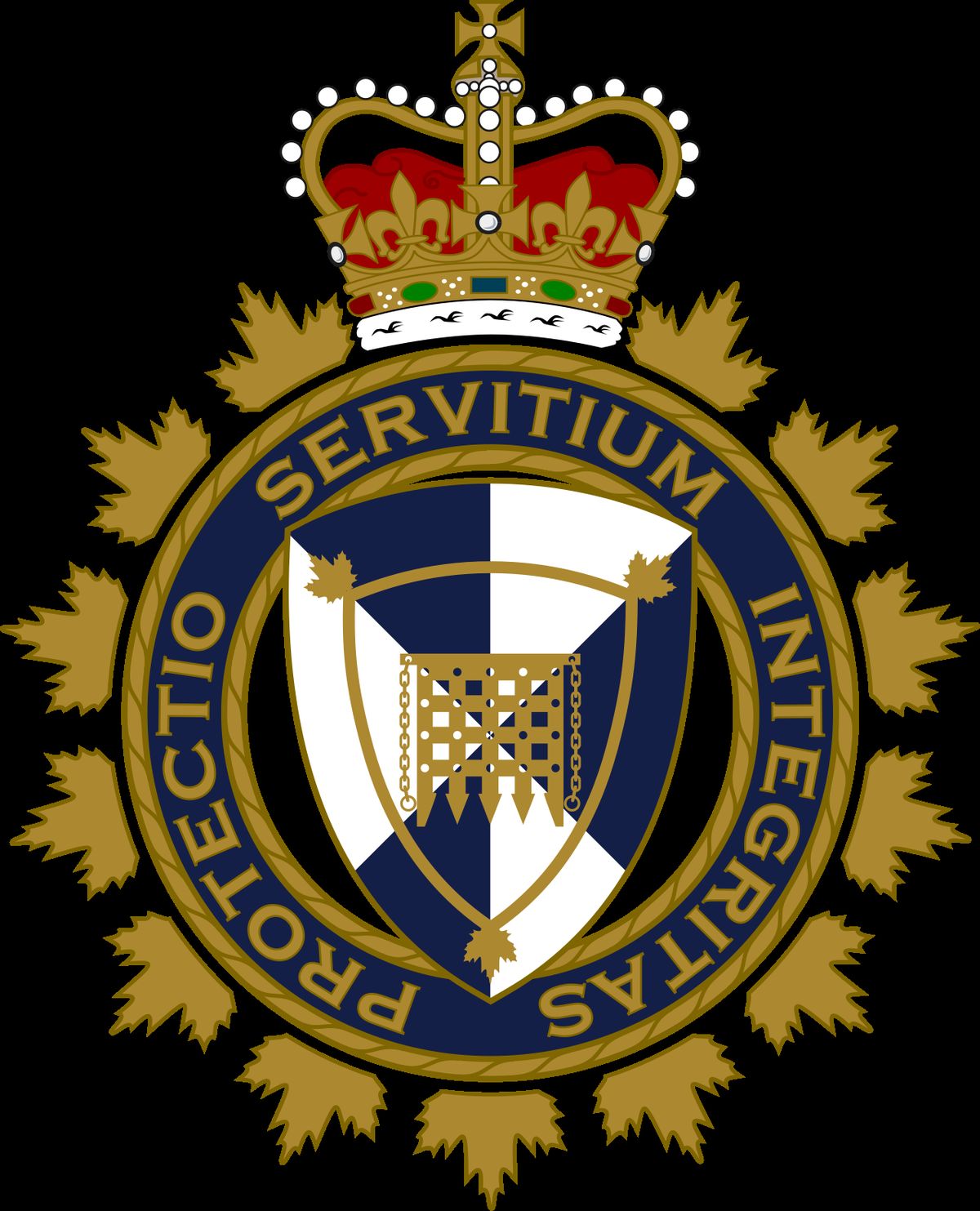
The Canadian Security Intelligence Service (CSIS) is Canada's civilian national security and intelligence agency. Established in 1984, its primary mandate is to investigate threats to national security, including terrorism, espionage, and foreign interference, and to provide security advice to the Government of Canada. The agency operates under the authority of the Canadian Security Intelligence Service Act and reports to the Minister of Public Safety. Unlike a police force, CSIS focuses on intelligence gathering and analysis, playing a major role in protecting Canadian security both domestically and internationally.
Historical foundation and evolution
The creation of CSIS was a direct result of the 1981 final report of the McDonald Commission, which investigated illegal activities by the Royal Canadian Mounted Police Security Service in the 1970s. The commission's key recommendation was to separate security intelligence work from policing, leading to the establishment of a civilian agency. The Canadian Security Intelligence Service Act received royal assent on June 21, 1984, and the service began its de facto operations on July 16, 1984, under its first director, Thomas D'Arcy Finn. In its early years, CSIS focused on investigating terrorist groups, a priority showed by events like the 1985 bombing of Air India Flight 182. In recent years, the institutional focus has returned prominently to state actors, with a 2021 speech by then Director David Vigneault highlighting threats from Chinese geopolitical strategy. The passage of the Countering Foreign Interference Act in 2024 amended the CSIS Act to explicitly empower the service to investigate foreign interference in Canada's political system.
Leadership and organizational structure
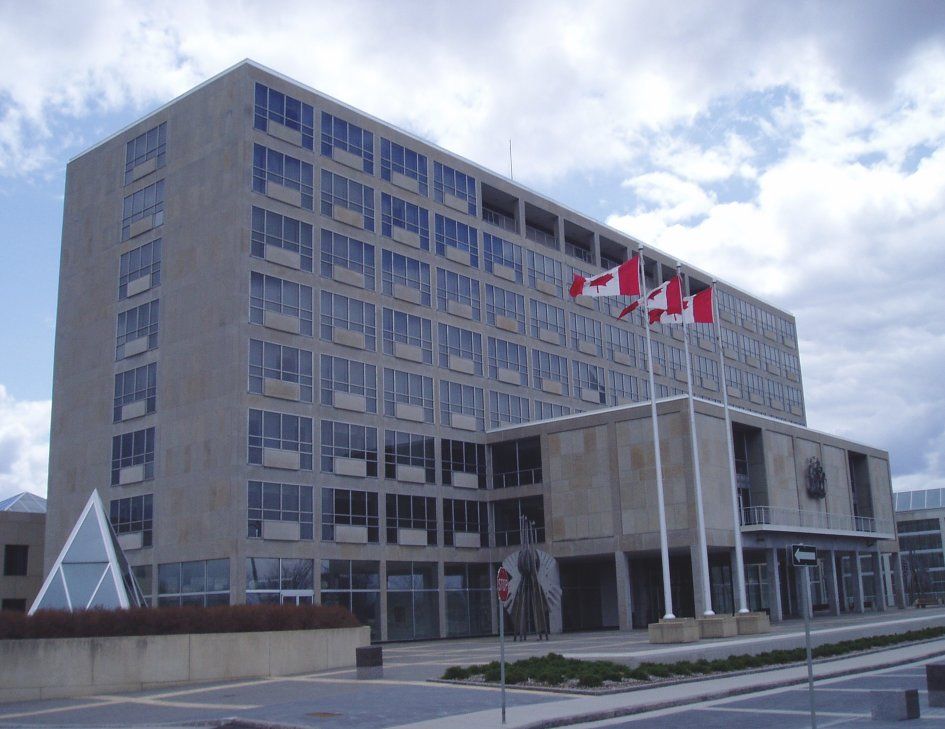
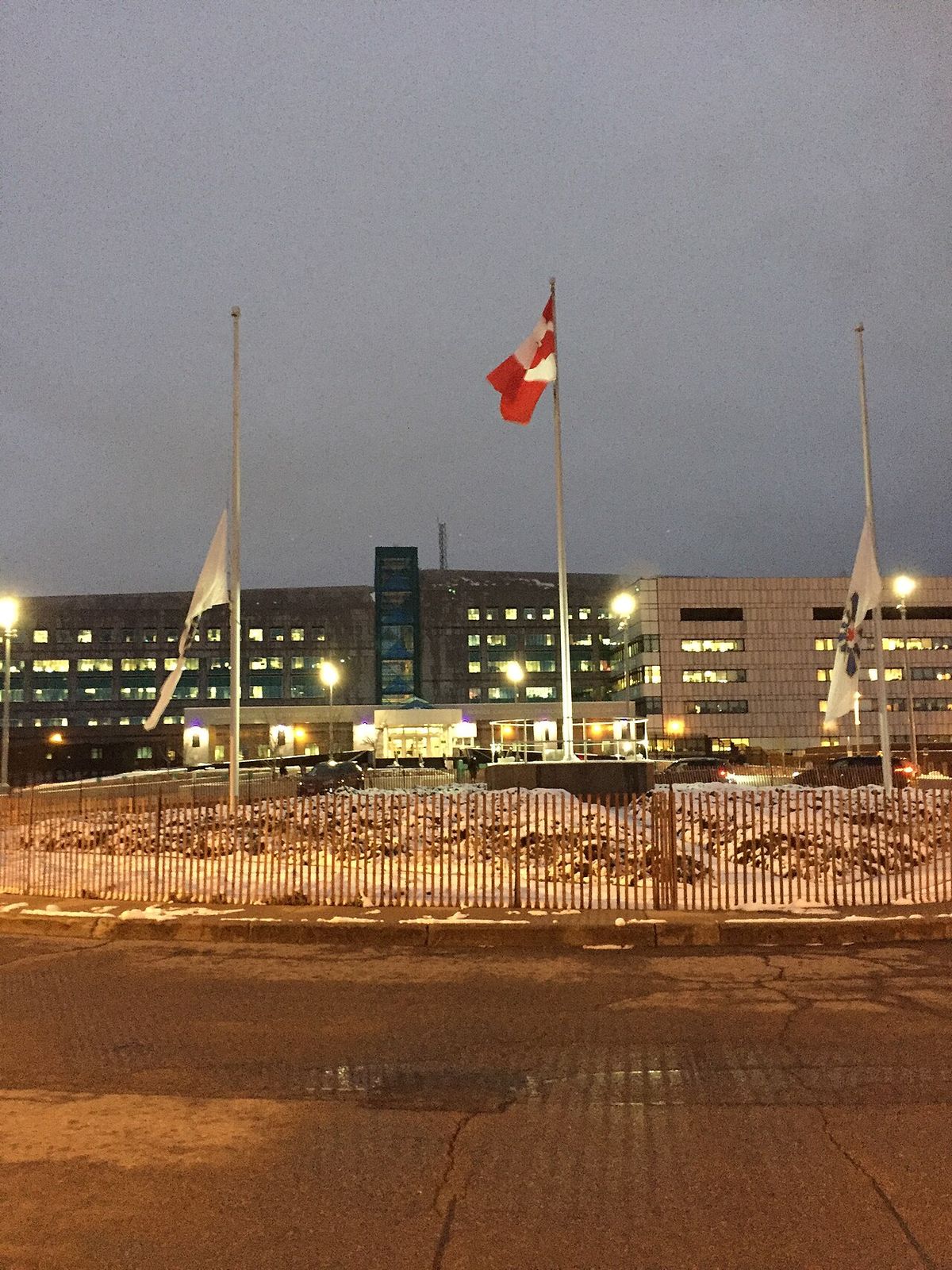
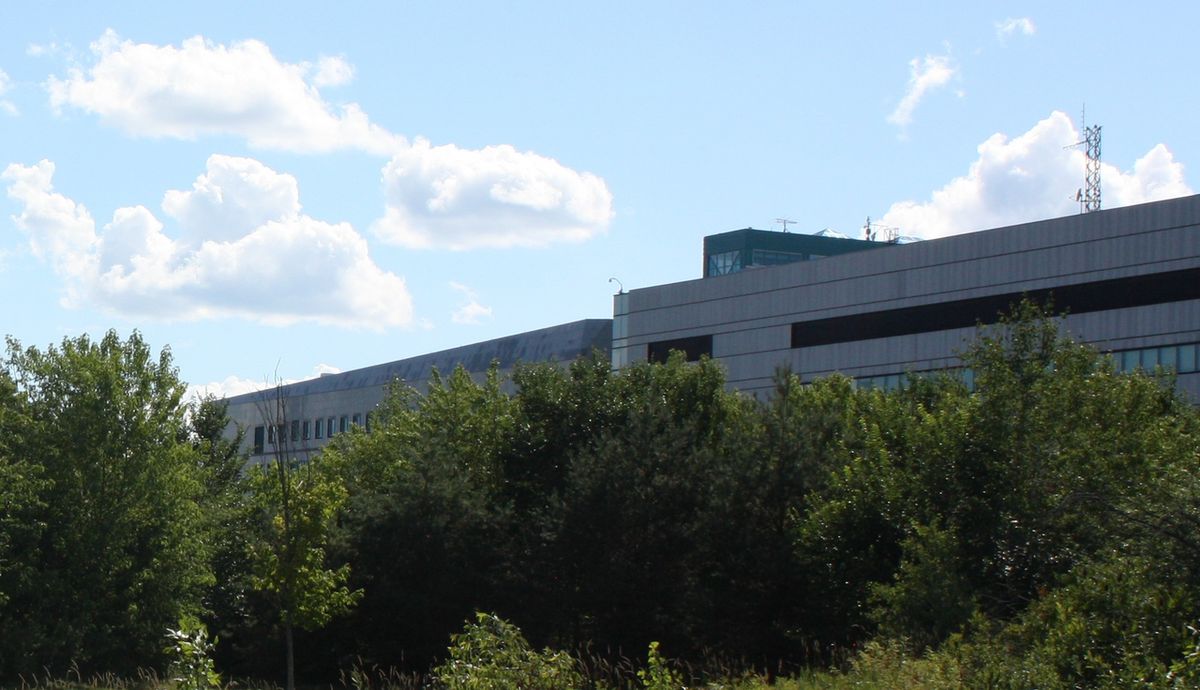
The director of CSIS is appointed by the government and serves as the agency's chief executive. The current director, Daniel Rogers, assumed the role on October 15, 2024, following a brief interim period led by Vanessa Lloyd. Historically, directors have come from varied backgrounds, including promotions from within CSIS ranks and previous experience in other security agencies like the RCMP or the Canada Border Services Agency. The agency's headquarters in Ottawa oversees national operations, which are divided into six geographical regions across the country. These regions are the Atlantic Region, based in Halifax. The Quebec Region, based in Montreal. The Ottawa Region. The Toronto Region. The Prairie Region, based in Edmonton. And the British Columbia Region, based in Burnaby. Each regional office is responsible for investigating threats, liaising with local authorities, and conducting community outreach within its area. Internally, CSIS is structured into three deputy directorates and five assistant directorates, covering key functions such as operations, administration, policy, legal services, technology, and human resources.
The service's executive leadership includes the following key positions: Deputy Director Operations, Deputy Director Administration and Chief Financial Officer, and Deputy Director Policy and Strategic Partnerships. Supporting these are the Assistant Directorates for Collection, Requirements, Legal Services, Technology, and Human Resources. The agency also maintains offices for a Chief Audit and Evaluation Executive and a Senior Officer for Disclosure of Wrongdoing to support internal governance. This structure is designed to manage the complex intelligence cycle from collection requirements to analysis and strategic partnership development.
Core mandate and operational activities
CSIS is mandated to collect, analyze, and advise the government on information relating to threats to the security of Canada. Its core responsibilities are defined by the Canadian Security Intelligence Service Act and encompass investigating terrorism, espionage, foreign interference, proliferation of weapons of mass destruction, and cyber threats to information security. The agency also administers a security screening program for government personnel and sensitive positions. A critical legal distinction exists between security intelligence, which pertains to threats, and foreign intelligence, which involves information on the political or economic activities of foreign states. While CSIS was historically restricted to collecting foreign intelligence within Canada, legislative changes in 2016 granted it the authority to conduct such collection abroad. The service operates globally, with officers having served in locations including Afghanistan, Iraq, Syria, Lebanon, and Mali. As a civilian agency, CSIS has no law enforcement powers. The investigation and prosecution of crimes fall to the RCMP and other police services. The agency's work is conducted within a framework of review and accountability, primarily by the National Security and Intelligence Review Agency. CSIS has served in many different countries, especially after the September 11 attacks. The agency has conducted operations and collected intelligence in various nations. Examples of countries where CSIS has served include Afghanistan, Iraq, Syria, Lebanon, Mali, Libya, Sudan, Pakistan, Somalia, Qatar, Kuwait and the United Arab Emirates.
- Afghanistan
- Iraq
- Syria
- Lebanon
- Mali
- Libya
- Sudan
- Pakistan
Oversight and accountability mechanisms
CSIS operates under a multi-layered system of independent review designed to ensure its activities comply with the law and respect Canadian rights. A major overhaul of the oversight regime occurred in 2019 with the creation of the National Security and Intelligence Review Agency, which replaced the previous Security Intelligence Review Committee. NSIRA now reviews the national security and intelligence activities of all federal agencies, including CSIS. The 2019 reforms also established the office of the Intelligence Commissioner, an independent officer who reports to Parliament and provides quasi-judicial authorization and review of certain intelligence activities. A third key body is the National Security and Intelligence Committee of Parliamentarians, composed of MPs and senators, which conducts strategic reviews of the legislative and policy frameworks governing national security. Internally, CSIS requires judicial warrants from the Federal Court of Canada for intrusive investigative techniques, a process intended to provide judicial scrutiny. Historically, there have been instances where Federal Court judges have censured the service for failing in its duty of candour during warrant applications.
Recruitment, training and workforce
CSIS employs a diverse workforce in roles ranging from Intelligence Officers and Analysts to IT professionals and engineers. Recruitment has been a persistent operational challenge due to the lengthy security clearance process, which can take 12 to 18 months for the required enhanced top secret status. In 2026, the agency implemented significant changes to its hiring process to meet operational demands, shifting its hiring ratio to 85 percent internal promotions and 15 percent external hires. New initiatives include establishing a dedicated external recruitment team, allowing candidates to apply directly to their preferred regional office, and adjusting certain language requirements to accelerate deployment. The service also increased its use of outsourced services for psychological assessments and standardized testing. Intelligence Officers undergo a rigorous training program beginning with the Intelligence Officer Entry Training at headquarters in Ottawa, followed by a three-year professional development program that includes a mandatory posting in the capital. Upon completion, officers may be posted to any of the service's regional offices across Canada. Foreign language training is available, and officers are placed on probation for at least one year after their initial training.
Notable controversies and legal challenges
Throughout its history, CSIS has been involved in several high-profile controversies that have tested its legal boundaries and public accountability. In its first year, the service was implicated in the 1985 Air India bombing investigation, with inquiries revealing that CSIS had erased 156 wiretap recordings and that a suspect was a CSIS informant. This scandal contributed to the resignation of the first director, Ted Finn. The Federal Court has, on multiple occasions, rebuked CSIS for misleading the court in warrant applications or failing to disclose relevant information, such as the reliability issues of confidential informants. The agency's stance on information obtained through torture sparked debate in 2009 when a CSIS lawyer suggested such information could be used to prevent a catastrophic attack, a statement the director later sought to clarify. While the 2006 Arar Commission absolved CSIS of direct involvement in the rendition of Maher Arar to Syria, it criticized the agency for not being more skeptical of information from regimes that use torture.
CSIS has been involved in several controversies that have drawn public and judicial scrutiny. In its first year, the agency was embroiled in the Air India Flight 182 bombing incident, where evidence suggested CSIS knew of the plot beforehand and erased wiretap recordings. From 1988 to 1994, a CSIS contractor helped found and organize the white supremacist Heritage Front group. In 1997, the RCMP accused CSIS of watering down a report on Chinese influence networks in Canada known as Project Sidewinder.
- The 1985 Air India bombing case, where CSIS erased 156 wiretap recordings.
- The 2013 Federal Court censure by Judge Richard Mosley for misleading the court on warrant applications.
- The 2009 public debate over the potential use of information obtained through torture.
- The 1997 Project Sidewinder report, where the RCMP accused CSIS of watering down findings on Chinese influence.
- The 2006 Arar Commission, which criticized CSIS for uncritically using information from regimes that practice torture.
International partnerships and role
CSIS functions as a key partner in the Five Eyes intelligence alliance, a longstanding arrangement for sharing signals and human intelligence with the United States, United Kingdom, Australia, and New Zealand. This partnership, rooted in the post-World War II UKUSA Agreement, allows for extensive collaboration and information exchange on global security threats. The service's human intelligence capabilities are a significant Canadian contribution to this network. Domestically, CSIS coordinates with other government departments that have intelligence functions, such as the Intelligence Branch of the Canadian Armed Forces and the Security and Intelligence Bureau within Global Affairs Canada. It is important to distinguish CSIS from these entities, as it is the federal government's primary dedicated security intelligence agency. While officers stationed in overseas flashpoints may be authorized to carry firearms for personal protection, they are not permitted to bear arms within Canada, showing its civilian, non-police nature. The agency's vision is to contribute to a safe, secure, and prosperous Canada through its intelligence work.
Recent developments and future direction
Under the leadership of Director Daniel Rogers, who took office in late 2024, CSIS has emphasized internal culture change and adapting to evolving threats. The service's 2026 to 2028 Accessibility Plan outlines commitments to an inclusive workplace. The operational environment is increasingly defined by sophisticated state-sponsored threats, particularly espionage and foreign interference, as reflected in the 2024 legislative amendments to the CSIS Act. Recruitment and retention remain strategic priorities, with the 2026 hiring reforms aimed at reducing bottlenecks and getting personnel into the field faster. The service continues to face a demanding threat landscape that requires a highly skilled and diverse workforce capable of operating in complex environments both at home and abroad. As Canada's principal security intelligence agency, CSIS's ability to collect and analyze information, while operating within a strong framework of law and review, remains central to the national security architecture.
The Canadian Security Intelligence Service is led by a director. The leadership position is mostly a political appointment. The first director was Thomas D'Arcy Finn, who served from 1984 to 1987. The current director is Daniel Rogers, who assumed the role on October 15, 2024. Other directors have included Reid Morden, Ray Protti, Ward Elcock, Jim Judd, Richard Fadden, Michel Coulombe, and David Vigneault.
- Ted Finn (1984 to 1987)
- Reid Morden (1988 to 1992)
- Ray Protti (1992 to 1994)
- Ward Elcock (1994 to 2004)
- Dale Neufeld (Interim, May, November 2004)
- Jim Judd (2004 to 2009)
- Richard Fadden (2009 to 2013)
- Michel Coulombe (2013 to 2017)
- David Vigneault (2017 to 2024)
- Vanessa Lloyd (Interim, July, October 2024)
- Daniel Rogers (2024 to present)
Questions about Canadian Security Intelligence Service
What is the main purpose of CSIS?
The Canadian Security Intelligence Service's primary purpose is to investigate threats to Canada's security. It collects and analyzes intelligence on terrorism, espionage, foreign interference, and proliferation of weapons of mass destruction. The agency advises the federal government on these threats and administers a security screening program. Unlike a police force, CSIS does not enforce laws or make arrests. Its role is purely intelligence gathering and analysis to inform national security decisions.
Who oversees CSIS to ensure it follows the law?
CSIS is subject to multiple independent oversight bodies. The National Security and Intelligence Review Agency examines all of the service's activities after the fact. The Intelligence Commissioner provides quasi-judicial authorization for certain intelligence operations. The National Security and Intelligence Committee of Parliamentarians conducts strategic reviews of the legal and policy framework. CSIS must obtain warrants from the Federal Court of Canada for intrusive investigative techniques, providing judicial oversight.
Can CSIS arrest people or carry guns in Canada?
No, CSIS officers do not have powers of arrest and are not authorized to carry firearms within Canada. The agency is a civilian intelligence service, not a law enforcement body. Criminal investigations are handled by the RCMP and other police services. CSIS officers stationed in dangerous foreign locations may be permitted to carry weapons for personal protection, but this authority does not extend to their work inside Canada.
What was the reason for creating CSIS in 1984?
CSIS was created following the recommendations of the 1981 McDonald Commission report. The commission investigated illegal activities conducted by the RCMP Security Service in the 1970s. Its central conclusion was that security intelligence work should be separated from policing to prevent abuses of power. Parliament subsequently passed the Canadian Security Intelligence Service Act to establish a civilian agency dedicated solely to intelligence, leading to the formal creation of CSIS in 1984.
How does CSIS work with other countries' intelligence agencies?
CSIS is Canada's contributor of human intelligence to the Five Eyes intelligence alliance. It works closely with the intelligence agencies of the United States, United Kingdom, Australia, and New Zealand. Under the post-World War II UKUSA Agreement, intelligence information is shared between the intelligence agencies of these five countries. This partnership involves extensive collaboration and information sharing on global security threats.
What are the main challenges CSIS faces in hiring staff?
The main hiring challenges stem from the lengthy and rigorous security clearance process, which can take 12 to 18 months for the required top secret status. This slow onboarding creates staffing shortages and operational gaps. In response, CSIS reformed its hiring in 2026 to increase external recruitment, streamline training, and allow direct applications to regional offices. The agency seeks to balance the need for thorough vetting with the operational urgency to fill critical roles in intelligence collection and analysis.
Sources and further reading
- Canadian Security Intelligence Service (Wikipedia)
- Canada's spy agency shakes up hiring process to 'meet ... (cbc.ca)
Checked by the Nosy Mag desk. Last updated 2026-10-21.