Louise Arbour
Louise Arbour is a Canadian jurist who has served as the 31st Governor General of Canada since June 8, 2026. Born in Montreal in 1947, her career spans the Canadian judiciary, international criminal law, and global human rights advocacy. Appointed by King Charles III on the recommendation of Prime Minister Mark Carney, she succeeded Mary Simon and became the oldest person to assume the vice-regal office in Canadian history. Her tenure follows a lifetime of service dedicated to the rule of law, justice, and the protection of human rights, both within Canada and on the world stage.
Early Life and Education
Louise Arbour was born in Montreal, Quebec, on February 10, 1947, to Bernard and Rose (née Ravary) Arbour, who owned a hotel chain. She attended convent school, where she served as editor of the school magazine and developed a reputation for irreverence. After graduating from Collège Regina Assumpta in 1967, she pursued legal studies at the Université de Montréal, earning her Licentiate of Laws degree with distinction in 1970. She was a law clerk for Justice Louis-Philippe Pigeon of the Supreme Court of Canada from 1971 to 1972 while completing graduate studies at the University of Ottawa's Faculty of Law. This move from Quebec to Ontario represented a significant professional and linguistic transition, as Arbour's entire education had been conducted in French. She was called to the Bar of Quebec in 1971 and later to the Law Society of Upper Canada in 1977, solidifying her ability to practice in both of Canada's major legal traditions.

Academic and Early Judicial Career in Canada
Arbour began her professional career in 1972 as a research officer for the Law Reform Commission of Canada, a role she held for one year. She then transitioned to academia, joining the faculty of Osgoode Hall Law School at York University in Toronto. Her academic progression was rapid, moving from Lecturer in 1974 to Assistant Professor in 1975, Associate Professor in 1977, and finally to Associate Professor and Associate Dean in 1987. During this period, she was also an editor for several legal publications, including the Criminal Reports, the Canadian Rights Reporter, and the Osgoode Hall Law Journal, and served as vice-president of the Canadian Civil Liberties Association. Her judicial career commenced in 1987 with an appointment to the Supreme Court of Ontario, then known as the High Court of Justice. In 1990, she was appointed to the Court of Appeal for Ontario. A significant moment in her domestic service came in 1995 when she was appointed to lead a Commission of Inquiry into events at the Prison for Women in Kingston, Ontario. The inquiry was established under the Inquiries Act following serious allegations of abuse by prisoners, and her work resulted in the landmark 1996 Arbour Report, which critically examined the prison's operations and had an impact on correctional policy and the treatment of incarcerated women in Canada.
International Criminal Prosecutor
In 1996, on the recommendation of Justice Richard Goldstone, Louise Arbour was appointed as the Chief Prosecutor for both the International Criminal Tribunal for the former Yugoslavia in The Hague and the International Criminal Tribunal for Rwanda in Arusha. This role placed her at the forefront of a new era of international justice. Her tenure was marked by several historic legal achievements that reshaped international criminal law. She secured the conviction of Jean-Paul Akayesu for genocide, which was the first conviction under the 1948 Genocide Convention. Her work was instrumental in establishing jurisprudence that recognized sexual violence as an act of genocide and a crime against humanity. Arbour's most audacious action was the indictment of Serbian President Slobodan Milošević for war crimes in 1999. This was the first time a sitting head of state was called to account before an international court, setting a powerful precedent for global accountability. She employed innovative legal tactics such as sealed indictments to advance the tribunals' enforcement efforts. During this period, she faced criticism for declining to investigate potential NATO war crimes during the Kosovo conflict, stating she accepted the assurances from NATO leaders that their operations complied with international humanitarian law.
- Secured first genocide conviction under the 1948 Convention (Jean-Paul Akayesu).
- Indicted sitting Serbian President Slobodan Milošević (1999).
- Advanced jurisprudence on sexual violence as a crime against humanity.
- Employed sealed indictments as an investigative tool.
Supreme Court of Canada and United Nations Leadership
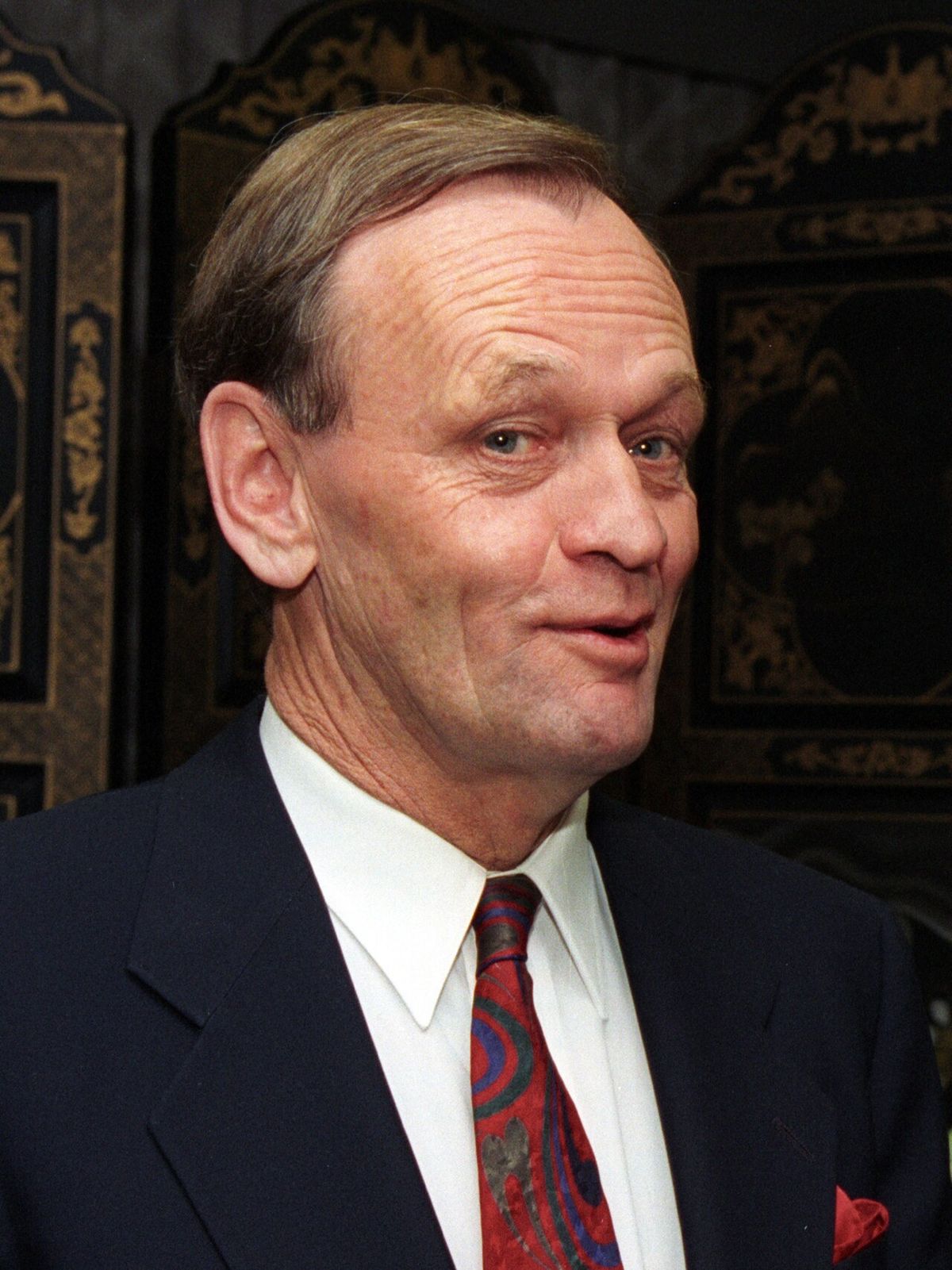
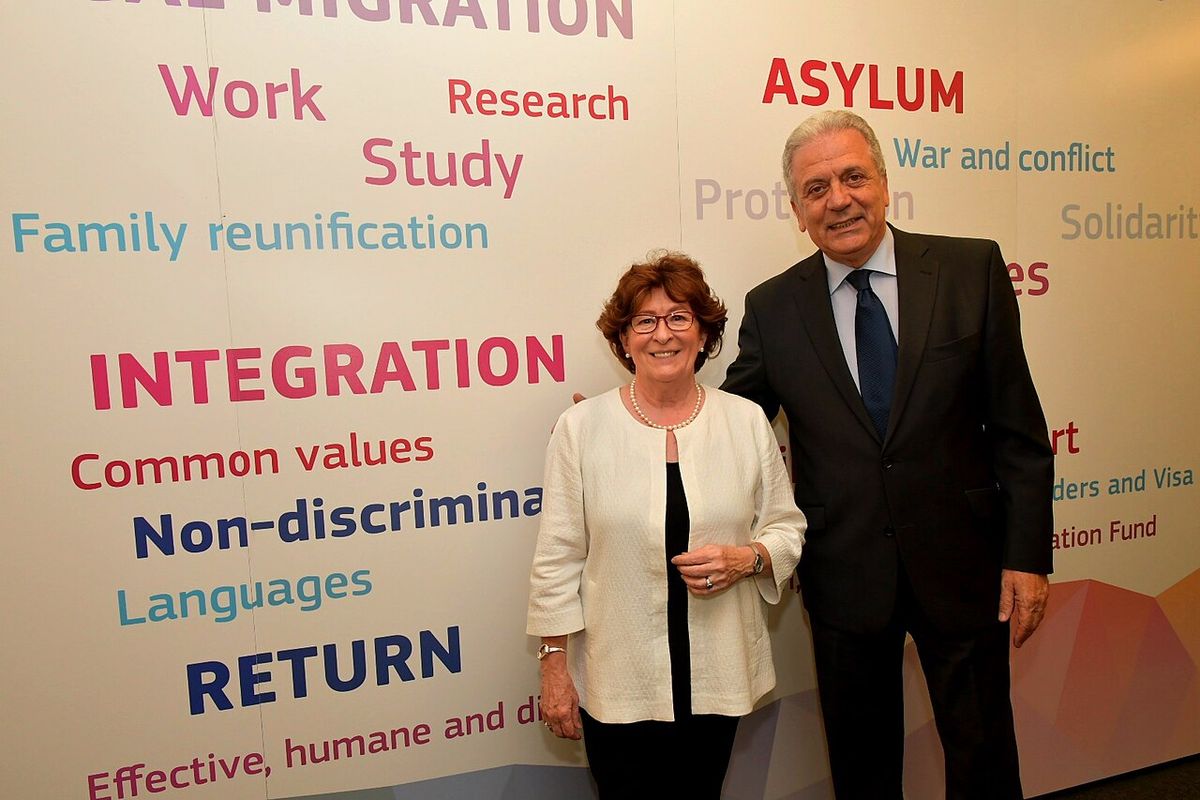
Prime Minister Jean Chrétien appointed Arbour to the Supreme Court of Canada on May 26, 1999, a significant moment that occurred just one day before the public announcement of the Milošević indictment. She served on the nation's highest court for just under five years, retiring in 2004. During her tenure, she authored 68 reasoned judgments, contributing to the development of Canadian constitutional and criminal law and the interpretation of the Canadian Charter of Rights and Freedoms. Her judicial philosophy was characterized by a principled approach to civil liberties and the rule of law, themes consistent with her entire career. Immediately after leaving the Supreme Court, Arbour assumed the role of United Nations High Commissioner for Human Rights, serving from 2004 to 2008. In this capacity, she was a vocal critic of human rights abuses worldwide, holding numerous countries to account. Following her UN term, she served as President and Chief Executive Officer of the non-governmental organization International Crisis Group from 2009 to 2014, focusing on conflict prevention. She returned to UN service from March 2017 to December 2018 as the Special Representative of the Secretary-General for International Migration, where she advocated for coherent global migration policies and criticized rising anti-migration sentiment in Western nations as self-defeating.
Later Career and Independent Reviews
After her presidency of the International Crisis Group concluded in 2014, Arbour joined the national law firm Borden Ladner Gervais as a senior counsel, a role she maintained even after her appointment as Governor General was announced. She also engaged in significant philanthropic work and served on several international commissions, including the Global Commission on Drug Policy and the International Commission Against the Death Penalty. In April 2021, she was appointed by then-Minister of National Defence Harjit Sajjan to lead a high-profile independent review into the Canadian military's handling of sexual misconduct. The review, which concluded in May 2022, resulted in a final report containing 48 recommendations for sweeping reform. A central proposal was that sexual assault allegations involving members of the Canadian Armed Forces should be investigated and prosecuted by the civilian justice system, rather than through the military chain of command. This work demonstrated her continued commitment to institutional accountability and justice, directly informing national policy debates on defence and governance in the years leading up to her vice-regal appointment. Her leadership on this file showed her practical application of legal principles to complex institutional challenges.
Appointment and Role as Governor General
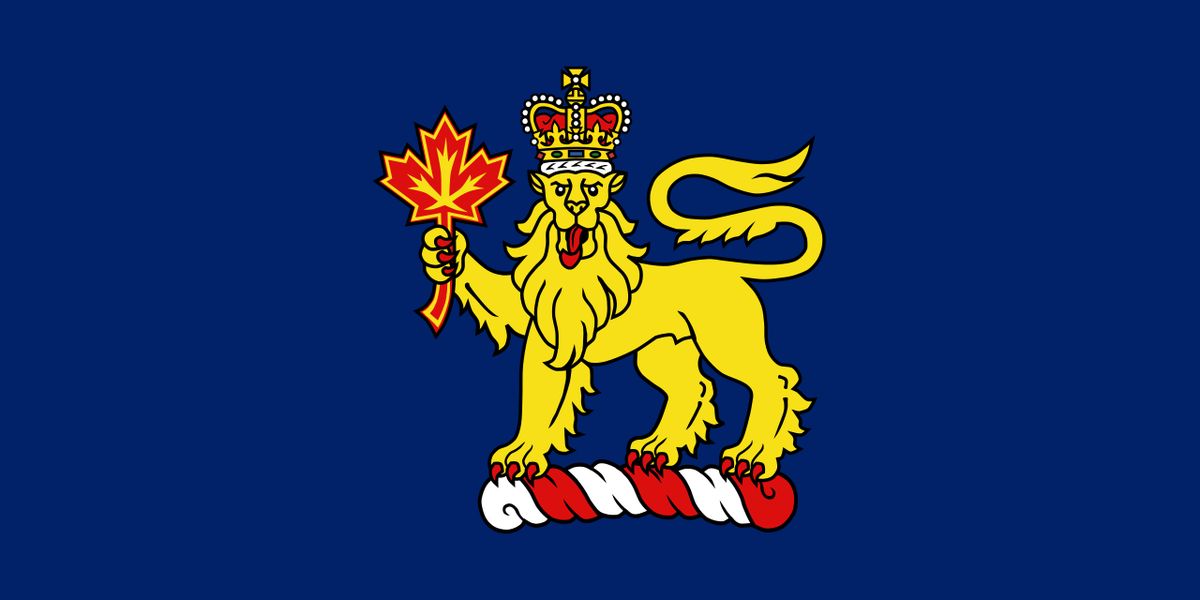
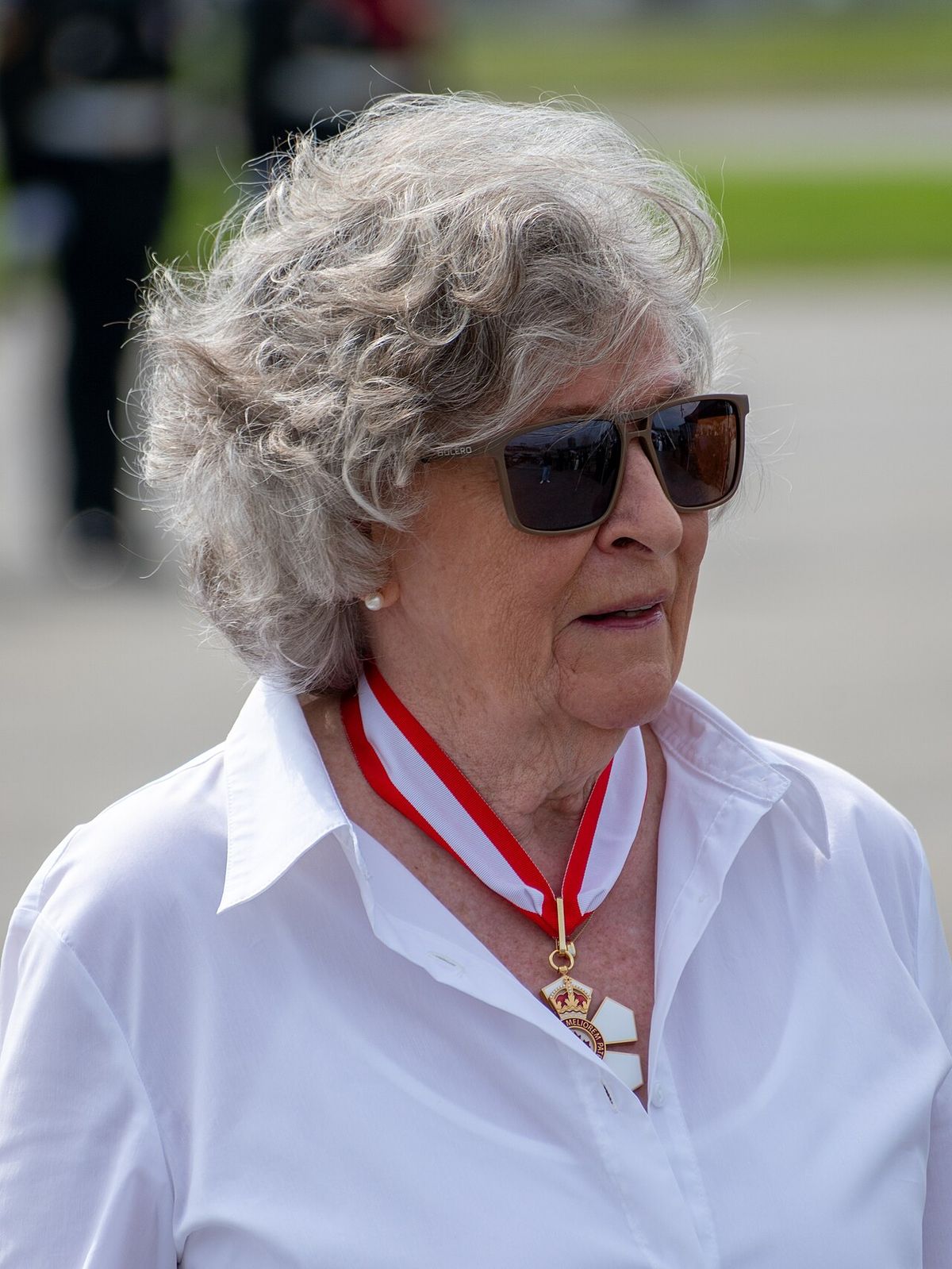
Prime Minister Mark Carney announced the appointment of Louise Arbour as the 31st Governor General of Canada on May 5, 2026, following the approval of King Charles III. She succeeded Mary Simon and was officially installed during a ceremony in the Senate Chamber in Ottawa on June 8, 2026. As is customary, before her installation, she was received by the King in London and invested as an extraordinary Commander of the Order of Military Merit and Commander of the Order of Merit of the Police Forces, orders for which the Governor General serves as chancellor. In her installation address, Arbour spoke of the privilege of meeting Canadians across the country and confronting her own stereotypes and unconscious biases. She also issued a warning about the need for vigilance amid the rise of artificial intelligence. Her early vice-regal duties included laying flowers at the National War Memorial, inspecting a guard of honour, and receiving the first poppy of The Royal Canadian Legion's 2026 National Poppy Campaign in a ceremony at Rideau Hall on October 21, 2026. As Governor General and Commander-in-Chief, she fulfills the constitutional, ceremonial, and community roles of the Crown's representative, drawing upon a lifetime of experience in law and governance.
Honours, Awards, and Recognition
Louise Arbour has received extensive national and international recognition for her contributions to law and human rights. In Canada, she was appointed a Companion of the Order of Canada in 2007 and a Grand Officer of the National Order of Quebec in 2009. She was inducted into Canada's Walk of Fame in 2014. Internationally, France named her a Commander of the National Order of the Legion of Honour in 2011. Her awards for international justice include the Thomas J. Dodd Prize in International Justice and Human Rights, which she shared with Richard Goldstone in 2005, the Tang Prize in Rule of Law in 2016, and the Sandra Day O'Connor Justice Prize from Arizona State University in 2023. A fact-based television film, Hunt for Justice, aired in 2005, with Canadian actress Wendy Crewson portraying Arbour. Multiple institutions bear her name, including Louise Arbour Secondary School in Brampton, Ontario. She has been awarded numerous honorary doctorate degrees from universities across Canada and around the world, including the University of British Columbia, Concordia University, the University of Alberta, and Vancouver Island University.
- Companion of the Order of Canada (2007).
- Grand Officer, National Order of Quebec (2009).
- Commander, French Legion of Honour (2011).
- Thomas J. Dodd Prize in International Justice (2005).
- Tang Prize in Rule of Law (2016).
- Sandra Day O'Connor Justice Prize (2023).
- Inductee, Canada's Walk of Fame (2014).
Personal Life and Family
Louise Arbour is fluent in both English and French. While completing graduate studies at the University of Ottawa, she met her long-time common-law partner, Larry Taman. The couple lived together for 27 years and had three children: Emilie, Patrick, and Catherine. They separated after Arbour moved to The Hague for her work with the international tribunals in 1996. Arbour is also a grandmother. Her daughter, Emilie Taman, has followed a path in public service as a lawyer and politician, having been a candidate for the New Democratic Party in federal elections in the Ottawa area in 2015, 2017, and 2019. Throughout her career, Arbour has consistently described herself as a supporter of international justice, human rights, and multilateral cooperation. Her family life and bilingual upbringing have been integral parts of her identity as a Canadian public figure.
Questions about Louise Arbour
What was Louise Arbour's role in international criminal law?
From 1996 to 1999, Louise Arbour served as the Chief Prosecutor for the International Criminal Tribunals for the former Yugoslavia and Rwanda. In this groundbreaking role, she made legal history by indicting Serbian President Slobodan Milošević, marking the first time a sitting head of state was charged by an international court. Her work also led to the conviction of Jean-Paul Akayesu for genocide, the first such conviction under the 1948 Genocide Convention. Her prosecutions helped establish that sexual violence could constitute a crime against humanity and an act of genocide in international law.
How long did Louise Arbour serve on the Supreme Court of Canada?
Louise Arbour served as a justice of the Supreme Court of Canada for just under five years. She was appointed by Prime Minister Jean Chrétien on May 26, 1999, and retired from the court in 2004. During her tenure, she authored 68 reasoned judgments, contributing to the court's rulings on constitutional matters, criminal law, and the interpretation of the Canadian Charter of Rights and Freedoms. Her appointment to the Supreme Court came at a significant moment, occurring just one day before the public announcement of the Milošević indictment from her previous role.
What is the Arbour Report?
The Arbour Report is the result of a 1995 Commission of Inquiry led by Louise Arbour into events at the Prison for Women in Kingston, Ontario. Appointed under the Inquiries Act, Arbour investigated allegations of abuse and mistreatment of prisoners. The report, published in 1996, became a landmark document in Canadian corrections, providing a critical examination of the prison's operations and the treatment of incarcerated women. Its findings and recommendations prompted significant reforms and reinforced the application of the rule of law within the correctional system, shaping policy for years to come.
What awards has Louise Arbour received?
Louise Arbour has received numerous prestigious awards. Nationally, she is a Companion of the Order of Canada and a Grand Officer of the National Order of Quebec. Internationally, she has been awarded the Thomas J. Dodd Prize in International Justice, the Tang Prize in Rule of Law, and the Sandra Day O'Connor Justice Prize. France appointed her a Commander of the Legion of Honour. She has also been inducted into Canada's Walk of Fame. In academia, she has been awarded numerous honorary doctorate degrees from universities in Canada and abroad in recognition of her contributions to law and human rights.
What did Louise Arbour do before becoming Governor General?
Immediately prior to her appointment as Governor General, Louise Arbour was serving as a senior counsel at the law firm Borden Ladner Gervais, a role she began in 2014. She was also actively engaged in philanthropic work and served on several international commissions. From 2021 to 2022, she led a major independent review for the Department of National Defence on sexual misconduct in the military, delivering a report with 48 recommendations. Her career before this included being a Supreme Court justice, UN High Commissioner for Human Rights, international prosecutor, law professor, and Ontario appeal court judge.
When was Louise Arbour appointed Governor General of Canada?
Louise Arbour was appointed as the 31st governor general of Canada on June 8, 2026. Prime Minister Mark Carney announced her appointment on May 5, 2026, with the approval of King Charles III. She succeeded Mary Simon and was officially installed in a ceremony in the Senate Chamber in Ottawa. At the time of her installation, Arbour became the oldest person to hold the office in Canadian history. During her installation speech, she warned Canadians to be vigilant regarding the rise of artificial intelligence.
Sources and further reading
- Louise Arbour (Wikipedia)
- Louise Arbour is the 31st Governor General and ... (gg.ca)
- The Honourable Louise Arbour | Prime Minister of Canada (pm.gc.ca)
- Governor General to receive the first Poppy of the 2026 ... (newswire.ca)
- 'Not Service to a Role, but to Principles': Mark Carney ... (policymagazine.ca)
Checked by the Nosy Mag desk. Last updated 2026-10-28.