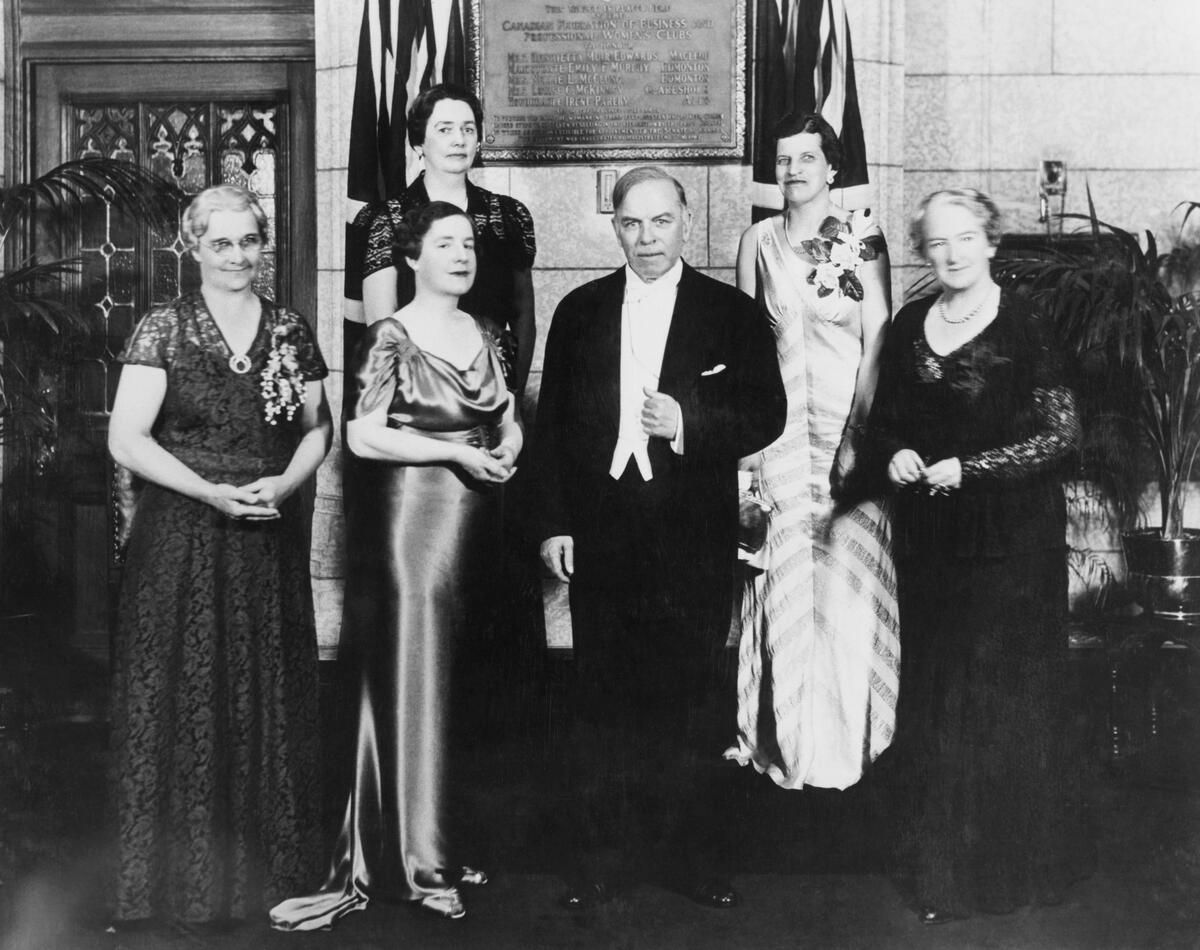
Department of National Defence
The Department of National Defence (DND) is the civilian government department responsible for supporting the Canadian Armed Forces (CAF) in the defence of Canada's national interests at home and abroad. Established by the National Defence Act on June 28, 1922, it is the largest federal department by budget and physical footprint, managing thousands of properties across the country. The department operates separately from the military but works in close partnership with it as part of the unified Defence Team, providing policy, financial, logistical, and administrative support. Its core mandate is to enable the minister of national defence in overseeing the Defence Portfolio, which includes the CAF, the Communications Security Establishment, and Defence Research and Development Canada.
Historical Foundation and Legislative Authority
The Department of National Defence was created through the passage of the National Defence Act on June 28, 1922. This legislation consolidated three previously separate entities: the Department of Militia and Defence, the Department of Naval Services, and the Air Board. The merger followed the withdrawal of British Army forces from Canada and was designed to create a unified civilian administration for the nation's emerging military services. The Act formally distinguishes the civilian department from the Canadian Armed Forces, establishing them as separate and distinct organizations. This foundational legislation continues to govern the department's operations. The department's creation marked a significant step in Canada's assumption of full responsibility for its own defence and security apparatus.

Organizational Structure and Civilian Leadership
The Department of National Defence is led by the deputy minister of national defence, the senior civil servant who manages the department's day-to-day operations and reports directly to the minister. The deputy minister is appointed by the cabinet on the prime minister's recommendation and typically remains in position through changes in government. Supporting the deputy minister is an associate deputy minister and a suite of assistant deputy ministers and chiefs who oversee specific functional areas. This civilian leadership structure is designed to provide expert, non-partisan support to the minister and the military chain of command. The department and the Canadian Armed Forces collectively refer to themselves as the Defence Team to emphasize their integrated mission, though they remain legally separate entities.
The department's senior management includes several key assistant deputy minister positions, each responsible for a critical portfolio. The Assistant Deputy Minister (Finance), also known as the Chief Financial Officer, oversees all budgetary and financial management. The Assistant Deputy Minister (Materiel) manages the acquisition and support of all equipment and services for the department and the CAF. The Assistant Deputy Minister (Infrastructure and Environment) handles real estate, property management, and environmental compliance for defence infrastructure. The Chief Information Officer, formerly the ADM (Information Management), leads information technology, cyber operations, and intelligence management. Other ADMs oversee policy development, human resources for civilians, defence research and development, data analytics, public affairs, and internal review services.
- Assistant Deputy Minister (Finance) / Chief Financial Officer: Oversees budget and financial management.
- Assistant Deputy Minister (Materiel): Manages equipment and service acquisition.
- Assistant Deputy Minister (Infrastructure and Environment): Handles real estate and property.
- Chief Information Officer: Leads IT, cyber, and information management.
- Assistant Deputy Minister (Policy): Develops defence policy.
- Assistant Deputy Minister (Human Resources, Civilian): Manages civilian staffing and HR.
- Assistant Deputy Minister (Defence Research and Development Canada): Oversees scientific research.
- Assistant Deputy Minister (Review Services): Conducts internal audits and evaluations.
The Defence Portfolio and Ministerial Support
A primary function of the Department of National Defence is to support the minister of national defence in the administration of the broader Defence Portfolio. This portfolio encompasses several major organizations for which the minister is responsible to Parliament. These include the Canadian Armed Forces, the Communications Security Establishment (Canada's signals intelligence agency), and Defence Research and Development Canada (the defence science and technology organization). The department itself is also part of this portfolio. The department does not directly command these organizations but provides the minister with the civilian policy, administrative, and logistical support necessary to exercise control and oversight. This structure ensures that military operations are directed by the government through a civilian minister, upholding the principle of civilian control of the military.
The minister may be supported by an associate minister of national defence, a position assigned by the prime minister. Since 2015, Prime Minister Justin Trudeau and his successor, Prime Minister Mark Carney, have assigned this associate role to the minister of veterans affairs. This arrangement links defence policy with veteran support but keeps Veterans Affairs Canada as a department outside the formal Defence Portfolio. The department's legal advisors, known as the DND/CF Legal Advisors, provide counsel across the portfolio, and the National Security and Intelligence Review and Oversight Coordination Secretariat supports accountability mechanisms. This portfolio approach allows for coordinated strategy and resource allocation across Canada's defence and security institutions.
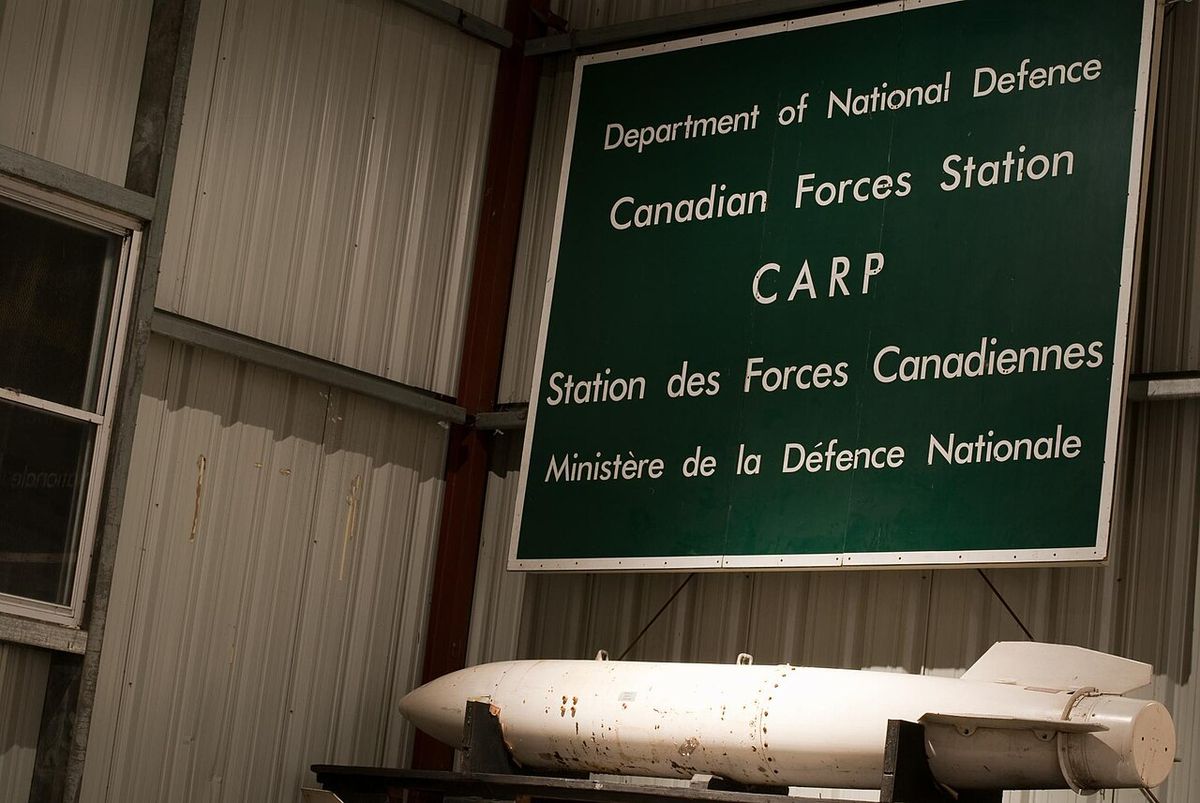
Budget, Infrastructure, and the 5 Percent Commitment
The Department of National Defence is the federal government's largest department by expenditure, reflecting the significant resources required for national defence. In 2025, the government announced a generational, multi-year investment of $81.1 billion to rebuild, rearm, and reinvest in the Canadian Armed Forces. This funding is part of a broader commitment to increase defence and security spending to 5 percent of Canada's Gross Domestic Product (GDP) by the year 2035. This 'Road to 5 Percent' represents a historic shift in defence policy, aiming to expand the military's size, readiness, and capabilities across all domains. The department manages an extensive physical infrastructure portfolio to support defence activities.
As of 2015, the department was responsible for 6,806 buildings across Canada, making it the federal department with the largest real estate holdings. A key priority is the critical maintenance and renewal of this essential infrastructure. To engage industry on these projects, the department co-hosts the Building Defence industry days with Defence Construction Canada. The 2026 event, scheduled for November 9 and 10 in Ottawa, focuses on the ambitious defence infrastructure program and is designed for experts who plan, design, build, and maintain military facilities. The government's increased spending is intended to strengthen continental defence, modernize NORAD capabilities, and develop a more strong Canadian defence industrial base.
Key Forums and Public Engagement
The department participates in and supports several major forums that shape public and professional discourse on defence and security. The premier event is the Ottawa Conference on Security and Defence, hosted in cooperation with the Department of National Defence. The 2026 conference was held on March 4-5 at the Fairmont Château Laurier under the theme 'The Road to 5 Percent'. It brought together senior government decision-makers, military leaders, industry partners, academics, and civil society to discuss the implications of increased defence spending for national security, sovereignty, and military readiness. The conference is publicly broadcast on CPAC, Canada's parliamentary cable network, ensuring broad accessibility. The 2027 conference is scheduled for March 10-11 at the Westin hotel in Ottawa.
The conference features panels on a wide array of topics crucial to contemporary defence policy. Discussions at the 2026 event covered defence investment, national security, resilience and infrastructure, strategic partnerships, innovation, continental defence, and Canada, U.S. relations. The conference also serves to recognize military excellence, such as presenting the Captain Nichola Goddard Award. Beyond this conference, the department promotes expert engagement through programs like the MINDS Defence fellowship with the NATO Defense College. These forums and programs are vital for fostering dialogue, generating innovative ideas, and building partnerships within the defence and security community.
| Conference Topic Area (2026) | Focus |
|---|---|
| Defence Investment | Funding allocation and procurement |
| National Security | Threat assessment and response |
| Strategic Partnerships | Alliances with NATO, NORAD, and others |
| Innovation | Technological advancement and sovereign capability |
| Continental Defence | North American security and NORAD modernization |
| Canada, U.S. Relations | Bilateral defence and security cooperation |
International Engagement and Modernization Efforts
The department plays a central role in coordinating Canada's international defence engagements and alliances. It provides support for the minister's participation in key multinational meetings. The department also backs Canada's mission to the North Atlantic Treaty Organization (NATO), including the work of the Ambassador and Permanent Representative on the North Atlantic Council. These engagements are critical for maintaining Canada's credibility as an ally and for contributing to collective security. The department facilitates collaboration on defence innovation, such as the approximately $900 million in investments announced in 2025 under Canada's Defence Industrial Strategy, administered in part by the National Research Council.
Modernizing the Canadian Armed Forces and its support systems is a continuous priority driven by the department. This involves not only procuring new equipment but also transforming business practices, enhancing cyber capabilities, and integrating data analytics into decision-making. The Assistant Deputy Minister (Data, Innovation, and Analytics) is specifically tasked with overseeing the integration of data and analytics across the department. The Chief of Defence Intelligence and the legal advisors provide specialized support for complex operations and international law compliance. As Canada progresses toward its 5 percent GDP spending target, the department's role in strategically allocating resources, fostering innovation, and building the defence industrial base becomes increasingly important for ensuring long-term national security and sovereignty.
Questions about Department of National Defence
How much does Canada spend on national defence?
The Department of National Defence is the federal government's largest department by expenditure. In 2025, a multi-year investment of $81.1 billion was announced for the Canadian Armed Forces. This is part of a commitment to increase combined defence and security spending to 5 percent of Canada's Gross Domestic Product by 2035. The department also manages 6,806 buildings across Canada, the largest real estate portfolio of any federal department.
What is the difference between the Department of National Defence and the Canadian Armed Forces?
The Department of National Defence is the civilian government department that supports the Canadian Armed Forces. The Canadian Armed Forces is a separate and distinct military organization, not part of the civilian department. Both organizations work closely together as the 'Defence Team' but are legally distinct under the National Defence Act. The department provides policy, administrative, and financial support. The military, comprising the Royal Canadian Navy, Canadian Army, and Royal Canadian Air Force, is led by the chief of the defence staff under the direction of the minister of national defence.
Who is in charge of the Department of National Defence?
The Department of National Defence is headed by the minister of national defence, a Cabinet minister responsible to Parliament. The deputy minister of national defence, the senior most civil servant, is responsible for day to day leadership and operations and reports directly to the minister. The deputy minister is supported by a team of Assistant Deputy Ministers who oversee specific areas such as finance, materiel acquisition, infrastructure, policy, and human resources. The deputy minister's position is stable and does not change with a change in cabinet or prime minister.
What is the Defence Portfolio?
The Defence Portfolio comprises the group of organizations for which the minister of national defence is responsible. These organizations include the Canadian Armed Forces, the Communications Security Establishment, Defence Research and Development Canada, and the Department of National Defence itself. The department's role is to support the minister in the administration of this portfolio. An associate minister of national defence, also a Cabinet member, may take on files as assigned by the minister. Since 2015, this associate role has been held by the minister of veterans affairs.
What was the 2026 Ottawa Conference on Security and Defence about?
The 2026 Ottawa Conference on Security and Defence was held on March 4 and 5, 2026, at the Fairmont Château Laurier in Ottawa. Its theme was 'The Road to 5 Percent', exploring Canada's commitment to raise defence spending to 5 percent of GDP by 2035. The conference brought together senior decision makers, military leaders, industry partners, academics, and civil society for panels on national security, sovereignty, future readiness, and defence procurement. It is Canada's premier defence and national security forum, hosted in cooperation with the Department of National Defence and publicly streamed on CPAC.
How can Canadian industry get involved in defence projects?
Canadian industry can engage through events like Building Defence 2026, an industry day co hosted by the Department of National Defence and Defence Construction Canada on November 9 and 10, 2026, in Ottawa. This event connects industry with DND and DCC decision makers involved in planning, procuring, and delivering defence infrastructure projects. The government is making generational investments, including an $81.1 billion multi year investment announced in 2025. Specific initiatives include a $900 million investment under Canada's Defence Industrial Strategy for defence innovation, administered in part by the National Research Council.
Sources and further reading
- Department of National Defence (Wikipedia)
- Building Defence 2026, DND | DCC Industry Days (dcc-cdc.gc.ca)
Checked by the Nosy Mag desk. Last updated 2026-10-29.