École Polytechnique massacre
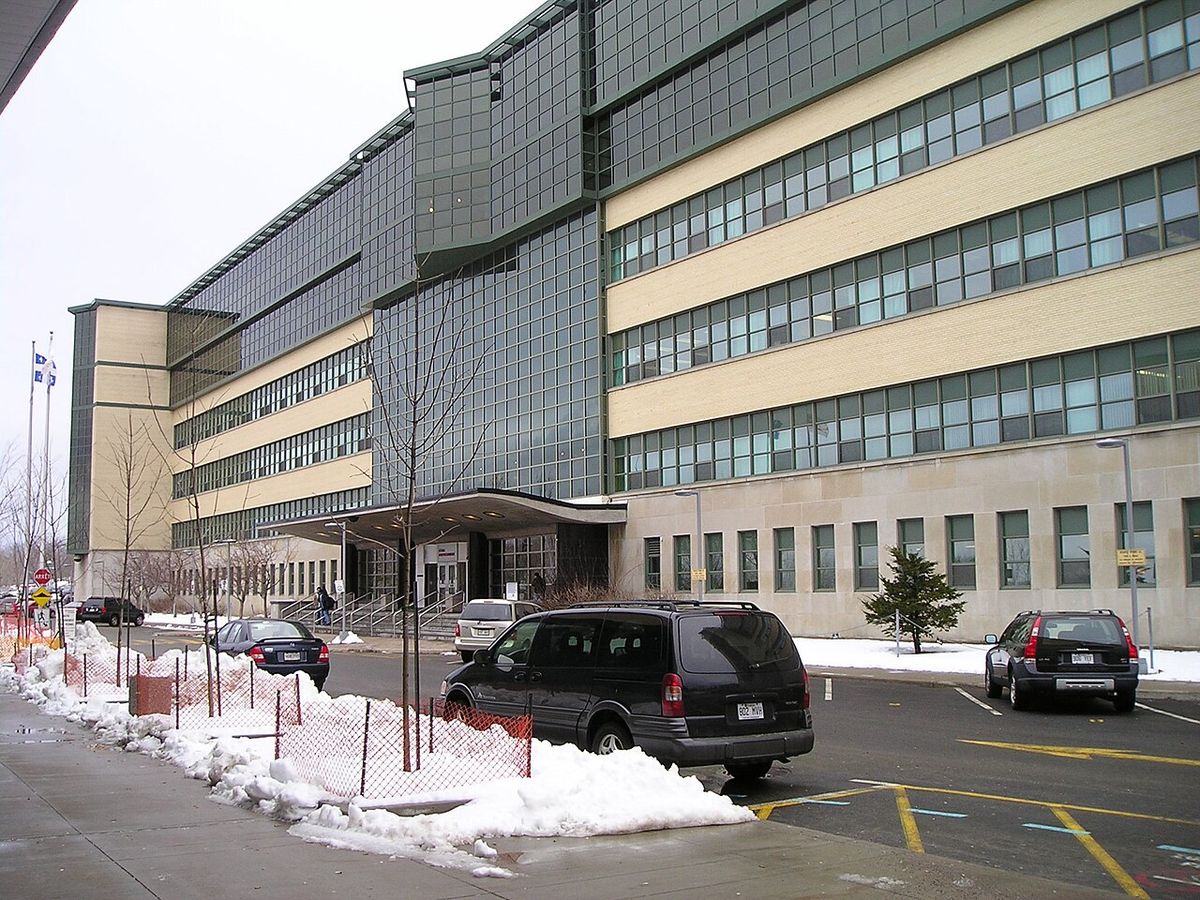
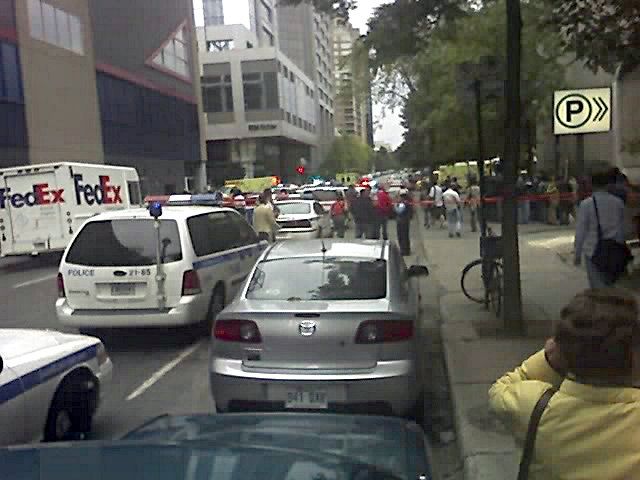
The École Polytechnique massacre, also known as the Montreal Massacre, was a mass shooting that occurred on December 6, 1989, at the École Polytechnique de Montréal in Quebec. In a targeted, misogynistic attack, 25-year-old Marc Lépine killed fourteen women, most of them engineering students, and injured fourteen others before taking his own life. The event remains the deadliest school shooting in Canadian history and profoundly shocked the nation. It galvanized national movements for stricter gun control and against gender-based violence, leading to significant legal and social changes. The anniversary of the massacre is commemorated across Canada as the National Day of Remembrance and Action on Violence Against Women.
The Attack: A 20-Minute Rampage
The attack began shortly after 5:00 p.m. on December 6, 1989, when Marc Lépine, armed with a legally purchased Ruger Mini-14 semi-automatic rifle and a hunting knife, entered a second-floor mechanical engineering classroom containing about sixty students. He ordered the class to stop, fired a shot into the ceiling, and then separated the male and female students. Lépine instructed the approximately fifty men to leave the room. He then asked the remaining nine women if they knew why they were there, declaring he was fighting feminism before opening fire on them from left to right. He killed six women in that initial classroom: Hélène Colgan, Nathalie Croteau, Barbara Daigneault, Anne-Marie Lemay, Sonia Pelletier, and Annie St-Arneault. He wounded three others, including student Nathalie Provost, who had attempted to reason with him.
Lépine then moved into the second-floor corridor, wounding three more students. He entered another room and attempted to shoot a female student, but his weapon failed to fire. After reloading in an emergency staircase, he proceeded to the financial services office, where he shot and killed university employee Maryse Laganière through a locked door. The gunman then descended to the first-floor cafeteria, where about 100 people were gathered. He shot nursing student Barbara Maria Klucznick near the kitchens and wounded another student, causing panic. Entering an unlocked storage area, he found and killed two students hiding there: Anne-Marie Edward and Geneviève Bergeron.
Lépine next took an escalator to the third floor, where he wounded one female and two male students in a hallway. He entered another classroom, ordered the men out, and began shooting. He wounded student Maryse Leclair, who was giving a presentation, and then fired on students in the front row, killing Maud Haviernick and Michèle Richard. He wounded three other female students and killed Annie Turcotte. After changing his weapon's magazine and firing in all directions, Lépine approached the wounded Maryse Leclair, who asked for help. He responded by stabbing her three times with his hunting knife, killing her. He then placed his coat over his rifle, said Oh shit, and killed himself with a shot to the head. The entire attack lasted about twenty minutes, during which Lépine fired roughly one hundred rounds.
The Fourteen Victims
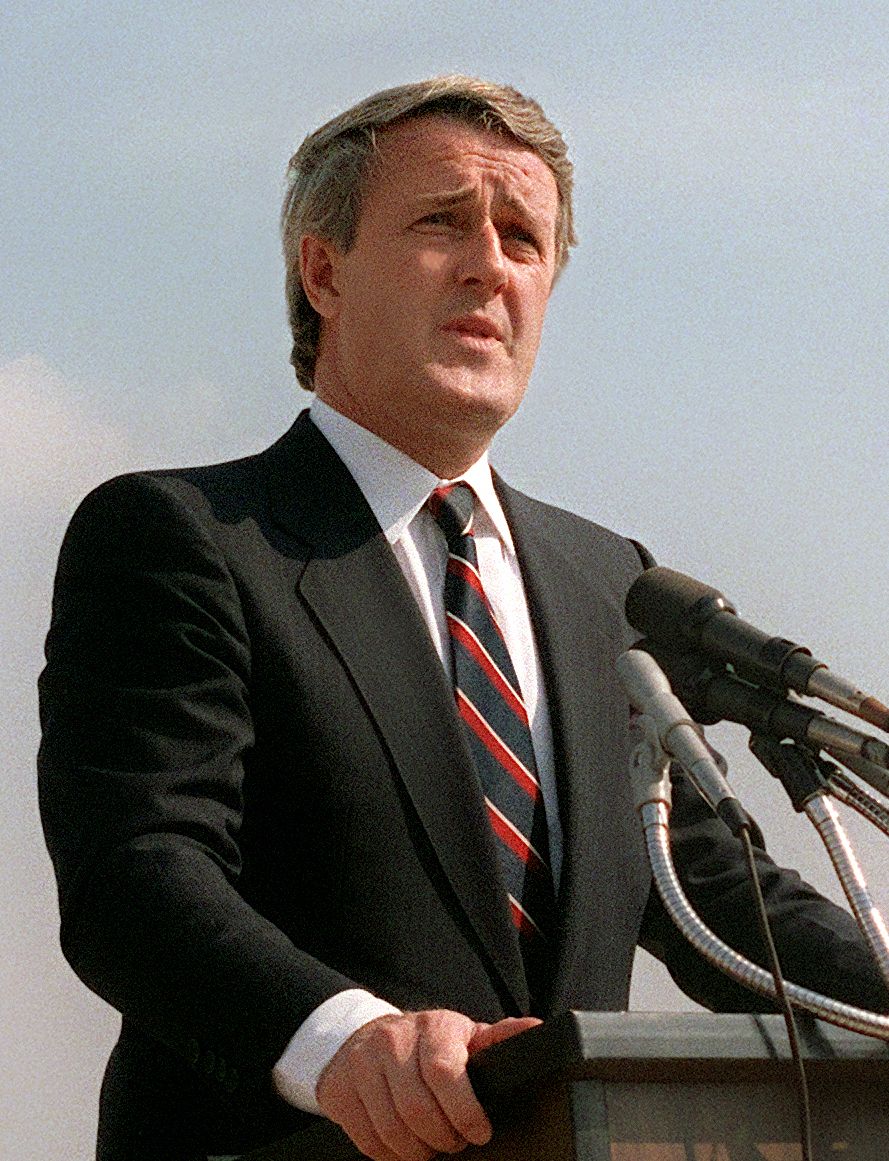
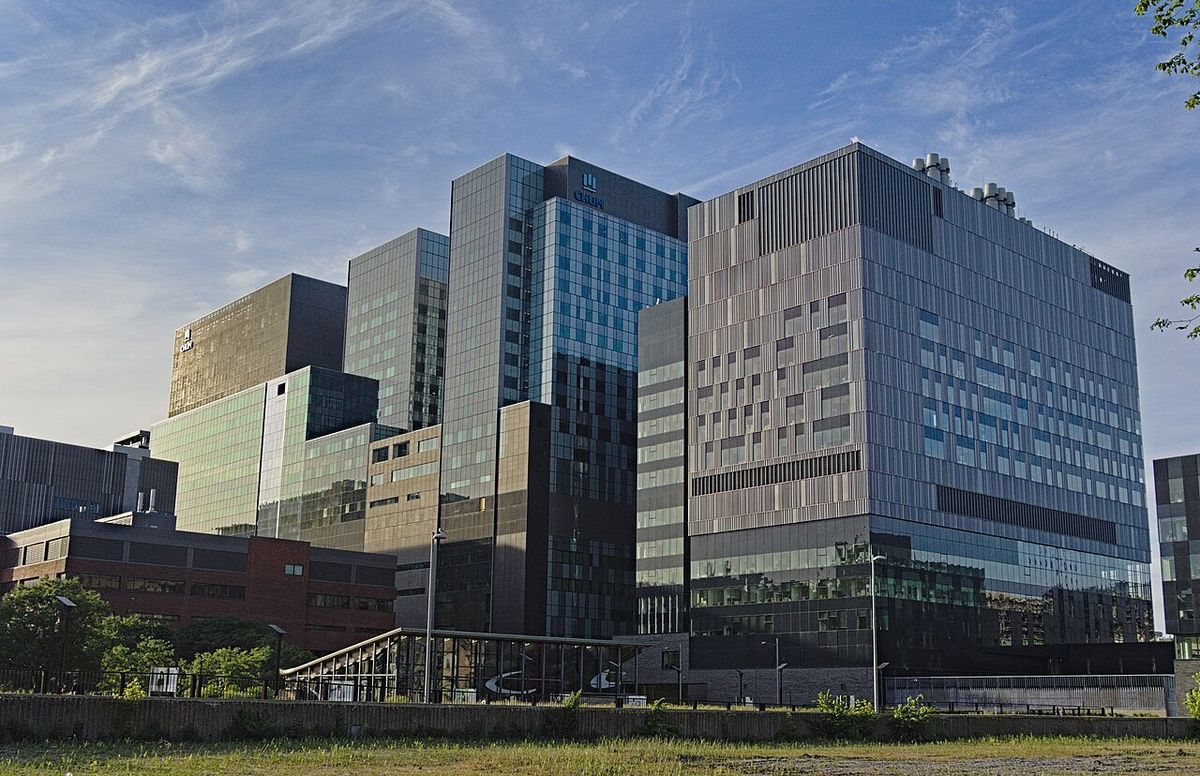
The fourteen women murdered were targeted specifically because they were women, with most being students in engineering, a traditionally male-dominated field. Their deaths represented a profound loss of young talent and life. A joint funeral for nine of the victims was held at Montreal's Notre-Dame Basilica on December 11, 1989, attended by Governor General Jeanne Sauvé, Prime Minister Brian Mulroney, Quebec Premier Robert Bourassa, Montreal Mayor Jean Doré, and thousands of mourners. The victims are remembered individually as follows.
- Geneviève Bergeron (21), a civil engineering student.
- Hélène Colgan (23), a mechanical engineering student.
- Nathalie Croteau (23), a mechanical engineering student.
- Barbara Daigneault (22), a mechanical engineering student.
- Anne-Marie Edward (21), a chemical engineering student.
- Maud Haviernick (29), a materials engineering student.
- Barbara Klucznik-Widajewicz (31), a nursing student.
- Maryse Laganière (25), a budget clerk in the school's finance department.
- Maryse Leclair (23), a materials engineering student.
- Anne-Marie Lemay (22), a mechanical engineering student.
- Sonia Pelletier (28), a mechanical engineering student.
- Michèle Richard (21), a materials engineering student.
- Annie St-Arneault (23), a mechanical engineering student.
- Annie Turcotte (20), a materials engineering student.
The attack also left fourteen people wounded, including ten women and four men. Among the survivors was Nathalie Provost, who later became a prominent gun control advocate and politician. The psychological and physical impact on survivors and witnesses was severe and long-lasting, with many suffering from post-traumatic stress disorder. At least two students died by suicide in the years following the massacre, leaving notes linking their distress directly to the event. The high death toll and the youth of the victims shocked the Montreal community and all of Canada, marking it as the worst single-day massacre in the country's history at that time.
Marc Lépine: Background and Motive
The perpetrator, Marc Lépine, was born Gamil Gharbi on October 26, 1964, in Montreal, to a French-Canadian mother and an Algerian father. His father was physically and verbally abusive toward his wife and son and held deeply sexist views, not considering women to be men's equals. When Lépine was seven, his parents separated and his father ceased contact. His mother returned to nursing, and the children often lived with other families during the week. At age 14, Gamil legally changed his name to Marc Lépine, adopting his mother's surname due to his hatred for his father. He attempted to join the Canadian Army in the winter of 1980 to 1981 but was reportedly rejected for being anti-social. He struggled academically, switching and abandoning college programs, and was twice rejected from the École Polytechnique due to missing prerequisite courses.
On the day of the massacre, Lépine carried a three-page suicide letter. The full text was initially withheld by police but was leaked to journalist Francine Pelletier a year later. In the letter, Lépine claimed to be rational and blamed feminists for ruining his life. He expressed anger that feminists sought social changes that retain the advantages of being women while trying to grab those of the men. The letter also contained a list of nineteen Quebec women he labelled radical feminists and intended to kill, had he had more time. This list included prominent journalists like Pelletier, Lise Payette, and Janette Bertrand, union leader Monique Simard, politicians, a sports commentator, and six police officers. Lépine also referenced Denis Lortie, who had attacked the Quebec National Assembly in 1984.
Lépine had legally purchased the Ruger Mini-14 rifle used in the attack on November 21, 1989, less than a month before the massacre, at a Checkmate Sports store in Montreal, telling the clerk he intended to hunt small game. Police investigation revealed he had been in and around the École Polytechnique building at least seven times in the weeks leading up to December 6, indicating careful planning. Before beginning his rampage, he was seen sitting quietly in the registrar's office, rummaging through a bag. His mother later wondered if the attack was symbolically directed at her, as a single, working mother whom some might classify as a feminist.
Immediate Aftermath and Public Debate
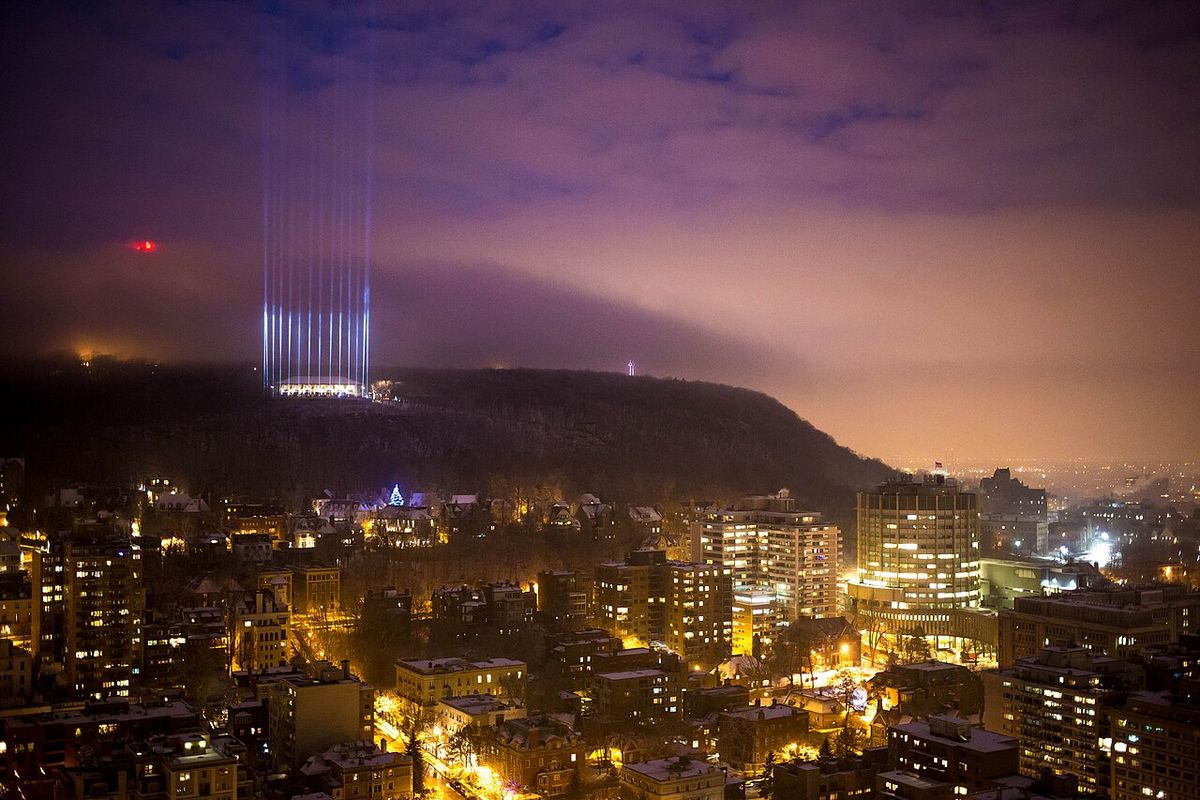
The massacre sent shock waves across Canada and prompted immediate declarations of mourning. The Quebec and Montreal governments declared three days of mourning. In the days and weeks that followed, a intense public debate emerged about how to interpret the killings. Government and justice officials, fearing further pain for families and potential copycat violence, did not hold a public inquiry and initially suppressed details like Lépine's suicide letter. This lack of official disclosure was protested by media, academics, women's organizations, and victims' families. The police conducted an extensive investigation, but the resulting report was not made public, though it was used by the coroner.
Initial reactions from some political leaders and media figures downplayed the anti-feminist nature of the attack. Quebec politicians like Robert Bourassa and Jacques Parizeau spoke broadly of victims and youth rather than specifying women. Television journalist Barbara Frum questioned why people were diminishing the tragedy by suggesting it was an act against one group. Many early interpretations framed Lépine as a lone, mentally disturbed madman, a view he had predicted in his suicide note. Psychiatrists consulted for the police investigation suggested motivations ranging from serious personality disorder and childhood trauma leading to brain damage, to psychosis and identification with a violent masculinity. A different theory posited that his childhood abuse led him to feel victimized by later rejections.
Other analysts pointed to broader societal factors, including increased social isolation, polarization between genders, and the influence of media violence. Following the 2006 Dawson College shooting, a controversial column by Jan Wong suggested Lépine may have felt alienated as the child of an immigrant. Over time, however, the dominant understanding solidified around the attack's misogynistic core. Survivor Nathalie Provost, who during the attack had denied being a feminist, later claimed the title and stated unequivocally that the massacre was an anti-feminist act. Scholars and criminologists now widely categorize it as a hate crime against women, a pseudo-commando murder-suicide targeting a specific group in a public place with the intent to die in a blaze of glory.
Legacy: Gun Control and Firearms Legislation
The massacre became a major catalyst for the Canadian gun control movement. Public outrage translated quickly into organized action. Heidi Rathjen, a student who was in a classroom Lépine skipped, co-founded the Coalition for Gun Control with Wendy Cukier. They were joined by grieving parents like Suzanne Laplante-Edward and Jim Edward, whose daughter Anne-Marie was killed. This coalition lobbied intensively for a national firearms registry and stricter regulations. Their advocacy contributed directly to significant federal legislative changes.
In 1992, Bill C-17 was passed, introducing mandatory safety training, more restrictive regulations for military-style firearms, and improved screening of applicants. The movement's major achievement came with Bill C-68, the Firearms Act, which was adopted in November 1995. This landmark law established a comprehensive national system. The incident had led to more stringent gun control laws in Canada.
- Mandatory licensing for all firearm owners, requiring completion of safety courses and passing tests.
- Mandatory registration of all firearms in Canada, creating a national registry.
- Enhanced background checks, including inquiries into an applicant's criminal record, mental health history, and past instances of domestic violence.
- Stricter controls on the sale and storage of ammunition.
- A 28-day waiting period for firearm acquisitions.
The passage of this legislation represented a profound shift in Canada's approach to firearm regulation. It moved from a system based primarily on classification to one centred on owner licensing and universal registration. The Coalition for Gun Control and survivors of the massacre remained active advocates for maintaining and strengthening these laws. They argued these laws were essential for public safety.
Legacy: Violence Against Women and Commemoration
The massacre galvanized the Canadian women's movement, which immediately recognized it as a stark symbol of systemic violence against women. Feminist Judy Rebick recalled the promise that the death of those young women would not be in vain and that mourning would be turned into organizing to end male violence. In direct response, the federal government established the Canadian Panel on Violence Against Women in August 1991. The panel's 1993 final report, Changing the Landscape: Ending Violence, Achieving Equality, proposed a National Action Plan with an Equality Action Plan and a Zero Tolerance Policy. While critics found the report's hundreds of recommendations diffuse, it marked a significant federal focus on the issue. A House of Commons sub-committee had also released a report titled The War against Women in 1991.
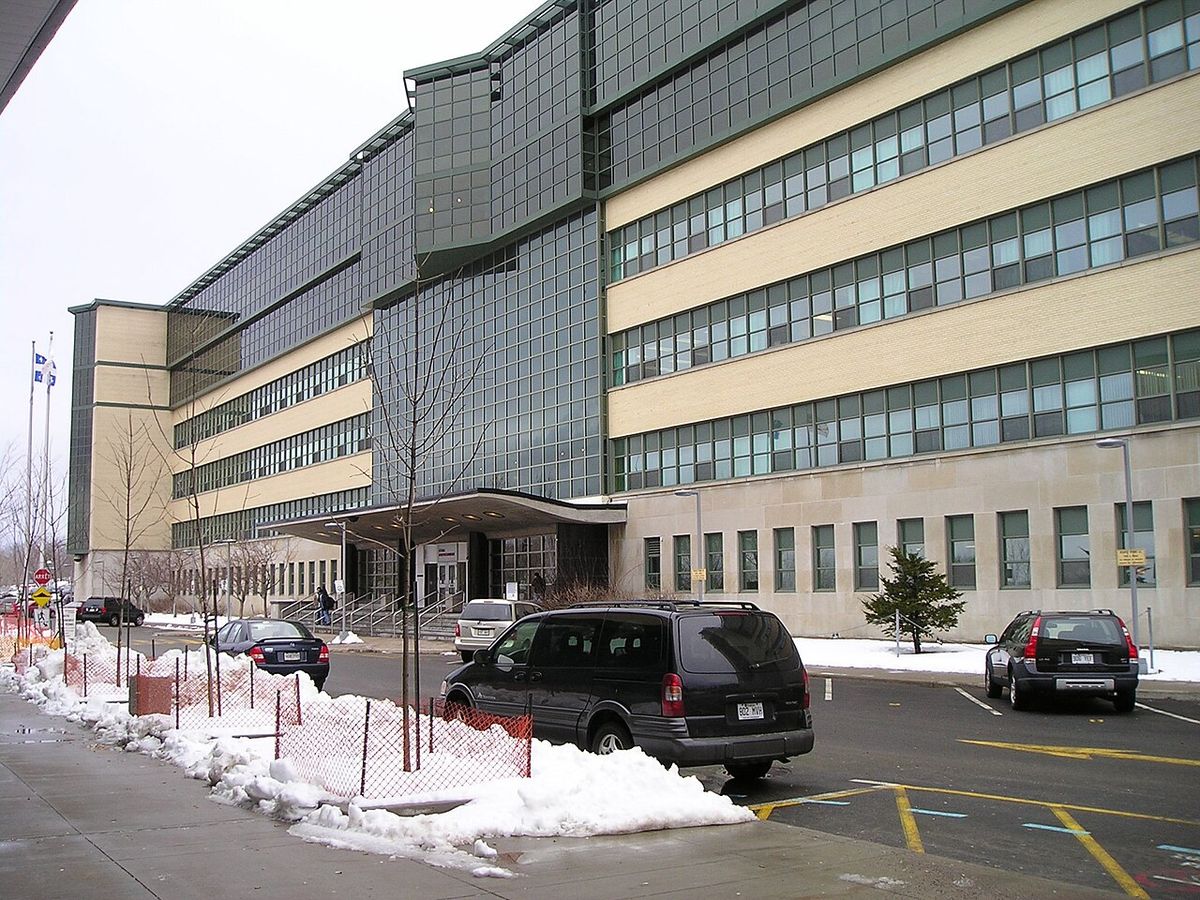
In Quebec, family members of the victims formed a foundation to support organizations combatting violence against women. The provincial government adopted the Policy on Intervention in Conjugal Violence on December 6, 1995. At the federal level, the Parliament of Canada declared December 6 to be the National Day of Remembrance and Action on Violence Against Women in 1991. Also known as White Ribbon Day, this annual commemoration urges Canadians to reflect on gender-based violence and take action to prevent it. The day is marked by vigils, memorial services, and educational events across the country, including at universities and engineering faculties that honour the slain students. Many institutions, like Carleton University's Faculty of Engineering and Design, use the day to call for allyship pledges against gender-based violence.
The attack's legacy is also seen in increased academic and public focus on misogyny and femicide. The massacre is often cited as a lethal manifestation of societal hatred of women, and its motivations are sometimes linked by analysts to later violent movements, such as the involuntary celibate (incel) ideology, though Lépine did not identify as such. The event underscored the need to challenge rigid gender norms and promote healthy masculinities. Engineering schools, including Polytechnique Montréal, have since developed specific initiatives, like Women in Engineering and IT programs, to support women in STEM fields and address historical systemic barriers that once discouraged women from such careers.
Impact on Emergency Protocols and Policing
The massacre exposed critical flaws in emergency response procedures for active shooter situations. Montreal police did not enter the École Polytechnique building until after Lépine had killed himself, a delay that followed the standard protocol of the time, which emphasized containment and negotiation for barricaded suspects. The horrific outcome led to a fundamental reevaluation of these tactics across Canada. Police forces began adopting new protocols that prioritized immediate, active intervention by the first officers on the scene to stop the killing. This change in doctrine, moving from a perimeter-and-wait approach to a direct engagement model, was credited in subsequent years with minimizing casualties during other violent incidents in Montreal and elsewhere in Canada. The tragedy served as a brutal lesson that reshaped tactical training for law enforcement agencies nationwide, emphasizing speed and the imperative to save lives in progress. These revised protocols represented a significant shift in how Canadian police prepare for and respond to mass violence events.
Comparative Context of Mass Violence in Canada
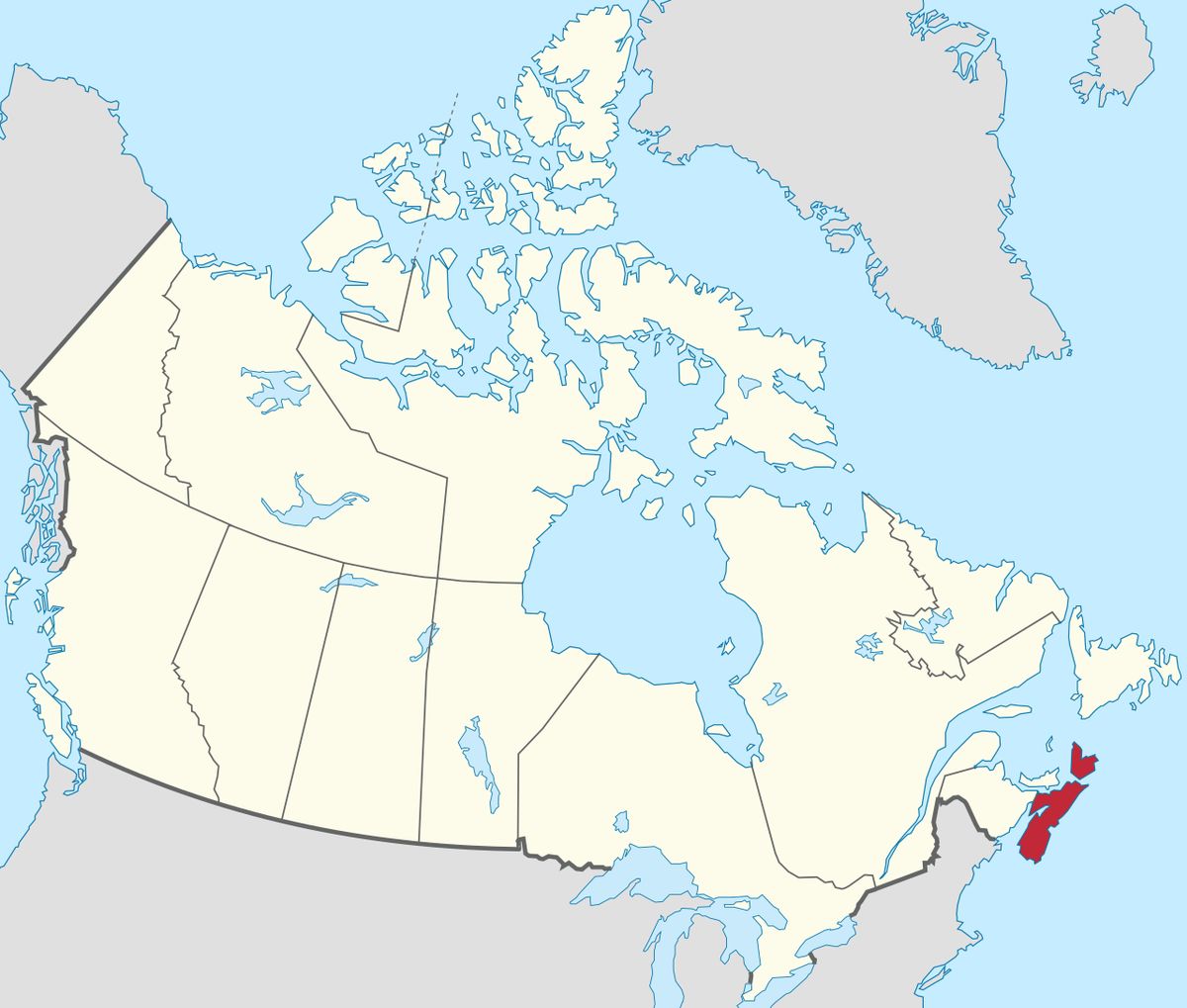
The École Polytechnique massacre held the grim distinction of being Canada's deadliest mass shooting for over thirty years, until the 2020 Nova Scotia attacks. Its nature as a targeted, gender-based killing distinguishes it within the history of Canadian violence. The attack is frequently analyzed alongside other acts of misogynist violence, such as the 2018 Toronto van attack, where the perpetrator murdered ten people and expressed a motive rooted in hatred of women and association with the incel movement. Scholars and advocates note that these attacks, while separated by decades, share a common thread of using terroristic violence to enforce patriarchal gender roles and subordinate women. The following table places the Polytechnique massacre in the context of other major mass killings in modern Canadian history, highlighting its unique characteristics as a femicide.
| Event | Date | Location | Fatalities | Key Motivating Factor |
|---|---|---|---|---|
| École Polytechnique Massacre | Dec 6, 1989 | Montreal, QC | 14 | Misogyny, Anti-feminism |
| Toronto Van Attack | Apr 23, 2018 | Toronto, ON | 10 | Misogyny, Incel Ideology |
| Dawson College Shooting | Sep 13, 2006 | Montreal, QC | 1 | Not publicly specified |
The Polytechnique massacre remains a defining case of ideologically driven, gender-based mass murder in Canada. It was the deadliest mass shooting in Canada until the 2020 Nova Scotia attacks. Its legacy continues to inform discussions about hate crimes and violence against women. The event demonstrated that such violence is not an isolated individual pathology but is connected to wider societal attitudes. The massacre is now widely regarded as an anti-feminist attack and representative of wider societal violence against women.
Questions about École Polytechnique massacre
What was the École Polytechnique massacre?
The École Polytechnique massacre was a mass shooting that took place on December 6, 1989, at the École Polytechnique de Montréal in Montreal, Quebec, Canada. Perpetrator Marc Lépine, armed with a legally obtained semi-automatic rifle, specifically targeted women, killing fourteen and injuring fourteen others before killing himself. It is the deadliest school shooting in Canadian history. The attack is widely regarded as an anti-feminist, misogynistic attack.
What were Marc Lépine's motives?
Marc Lépine's motives were explicitly anti-feminist and misogynistic. During the attack, he stated he was fighting feminism. His suicide letter blamed feminists for ruining his life, claiming they sought to take advantages from men. The letter included a list of nineteen prominent Quebec women he considered radical feminists and intended to kill. His actions are classified as a hate crime targeting women.
Who were the victims of the Montreal Massacre?
The fourteen women killed were Geneviève Bergeron, Hélène Colgan, Nathalie Croteau, Barbara Daigneault, Anne-Marie Edward, Maud Haviernick, Barbara Klucznik Widajewicz, Maryse Laganière, Maryse Leclair, Anne-Marie Lemay, Sonia Pelletier, Michèle Richard, Annie St Arneault, and Annie Turcotte. Twelve of the victims were engineering students, one was a nursing student, and Maryse Laganière was a budget clerk in the school's finance department. Their ages ranged from 20 to 31. Fourteen other people were injured in the attack, including ten women and four men.
How did the massacre change Canadian gun laws?
The massacre was a major spur for the Canadian gun control movement, leading to more stringent gun control laws. Public pressure, including a petition with over half a million signatures, led to the passage of Bill C 17 in 1992. The major legislative achievement was Bill C 68, the Firearms Act, adopted in November 1995, which established a comprehensive national licensing and registration system. This activism was driven by survivors, families of victims like Suzanne Laplante Edward, and organizations such as the Coalition for Gun Control.
How is the massacre commemorated today?
The anniversary of the massacre, December 6, is commemorated as Canada's National Day of Remembrance and Action on Violence Against Women. The massacre is now widely regarded as an anti feminist attack and a stark symbol of wider societal violence against women. In Quebec, the provincial government adopted the Policy on Intervention in Conjugal Violence on December 6, 1995. The day serves to honour the victims and continues to highlight the ongoing work required to end gender based violence.
What was the impact on police emergency response?
The massacre resulted in significant changes to emergency services protocols for active shooter situations. These changes emphasized immediate, active intervention by police rather than a contained perimeter strategy. These revised protocols were later credited with minimizing casualties during subsequent shooting incidents in Montreal and elsewhere in Canada. The tragedy highlighted the need for rapid response tactics to save lives during such violent attacks.
Sources and further reading
- École Polytechnique massacre (Wikipedia)
- École Polytechnique Tragedy (Montreal Massacre) (thecanadianencyclopedia.ca)
- École Polytechnique massacre | History | Research Starters (ebsco.com)
- Thirty Years after the Montréal Massacre (gbvlearningnetwork.ca)
- Honouring the Memory of the École Polytechnique Victims (carleton.ca)
Checked by the Nosy Mag desk. Last updated 2026-10-19.